



Bearings are a critical component in a wide range of mechanical systems, influencing their performance, durability, and efficiency. When selecting the most suitable type of bearing for a specific application, material composition plays a pivotal role, with stainless steel and carbon steel being two of the most widely used options. This article provides a comprehensive comparison of stainless steel and carbon steel bearings, examining their properties, strengths, and limitations. Readers will gain insights into key factors such as corrosion resistance, load capacity, wear performance, and cost-effectiveness, enabling an informed decision based on the demands of their specific use case. By understanding the fundamental differences between these materials, engineers and professionals can optimize their bearing selections to improve overall system functionality and longevity.
What Are the Basic Properties of Carbon Steel?
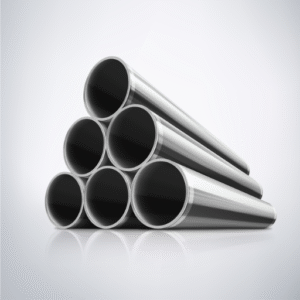
Carbon steel is a versatile material primarily composed of iron and carbon, with carbon content typically ranging between 0.05% and 2.0%. Its properties are influenced by the carbon content and additional alloying elements. Key characteristics include high tensile strength, hardness, and wear resistance. Carbon steel is categorized into three main types—low-carbon, medium-carbon, and high-carbon steel—each offering varying levels of ductility, machinability, and strength. While it is economically viable and easy to fabricate, carbon steel lacks significant corrosion resistance, making surface treatments or coatings critical in environments prone to moisture or oxidizing agents. These properties make carbon steel suitable for construction, automotive, and machinery applications where strength and cost efficiency are paramount. If you are looking for more information about stainless steel vs carbon steel go here right away
What Is the Carbon Content in Carbon Steel?
The carbon content in carbon steel typically ranges from 0.05% to 2.0% by weight. Low-carbon steels contain approximately 0.05% to 0.25% carbon, offering high ductility and ease of machining, making them suitable for general-purpose applications. Medium-carbon steels range from 0.25% to 0.6% carbon, striking a balance between strength and ductility, often used in automotive and structural components. High-carbon steels, comprising 0.6% to 1.0% carbon, possess high strength and wear resistance, ideal for cutting tools and springs. Ultra-high-carbon steels, with carbon content over 1.0%, are less ductile and primarily utilized in specialized applications such as knives or industrial tools.
How Does Carbon Steel React to Corrosion?
Carbon steel is inherently prone to corrosion because it lacks significant amounts of alloying elements, like chromium, that provide natural resistance to oxidation. When exposed to moisture, oxygen, or acidic environments, carbon steel rapidly forms iron oxide, or rust, which weakens its structural integrity over time. To mitigate this reaction, protective coatings such as paints, galvanization, or the application of oil can be used. Additionally, incorporating corrosion inhibitors or using controlled environments can significantly prolong the life of carbon steel components.
Why Is Carbon Steel Used in Knife Making?
Carbon steel is favored in knife making due to its superior hardness, edge retention, and ease of sharpening, which are critical attributes for high-performance blades. Its high carbon content, typically ranging between 0.6% and 1.0%, significantly enhances hardness (measured on the Rockwell Hardness Scale, often exceeding HRC 60) and wear resistance. This allows knives to maintain a sharp edge over prolonged use and endure demanding cutting tasks. Additionally, carbon steel’s fine grain structure enables precise sharpening to a razor-sharp edge. However, it is more prone to corrosion compared to stainless steel, necessitating proper maintenance, such as regular cleaning and oiling, to preserve its durability and performance in various conditions.
How Does Stainless Steel Compare?
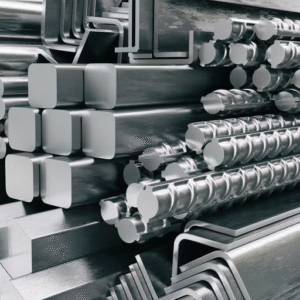
Stainless steel, unlike carbon steel, offers superior corrosion resistance due to its chromium content, typically at least 10.5%. This makes it ideal for use in environments where exposure to moisture, acids, or salt is common. While it may not achieve the same hardness or edge retention as high-carbon steel, stainless steel provides excellent durability with less maintenance. Many stainless steel alloys also exhibit good toughness, making them less likely to chip under heavy use. It is a versatile option suitable for users prioritizing low-maintenance performance in a variety of conditions.
What Role Does Chromium Play in Stainless Steel?
Chromium is the key element that gives stainless steel its corrosion-resistant properties. When chromium content in the alloy exceeds approximately 10.5%, it reacts with oxygen in the environment to form a thin, passive layer of chromium oxide on the steel’s surface. This layer is self-healing in the presence of oxygen, even when the steel is scratched or damaged, thus preventing further oxidation and corrosion. Chromium also enhances the alloy’s resistance to high temperatures and contributes to improved hardness and tensile strength. Standard grades of stainless steel typically contain between 10.5% and 30% chromium, depending on the specific application requirements, balancing corrosion resistance with mechanical performance.
How Does Stainless Steel Resist Rust?
Stainless steel resists rust primarily due to the presence of chromium in its composition. When exposed to oxygen, chromium forms a thin, invisible layer of chromium oxide on the surface of the metal. This passive layer acts as a barrier that prevents oxygen and moisture from reaching the underlying steel, effectively stopping the oxidation process that leads to rust. Even if the surface is scratched or damaged, the chromium oxide layer can self-repair as long as sufficient oxygen is present, maintaining the material’s corrosion resistance.
What Are the Alloying Elements in Stainless Steel?
The primary alloying elements in stainless steel include chromium, which is essential for forming the passive oxide layer that provides corrosion resistance, and nickel, which enhances toughness and formability, especially in austenitic grades. Manganese is often added to improve hardness and strength, while molybdenum increases resistance to pitting and crevice corrosion in chloride-rich environments. Other elements like silicon can aid in oxidation resistance, while nitrogen contributes to improved strength. Typical technical parameters include a minimum chromium content of 10.5%, with nickel content often ranging from 8% to 12% in austenitic stainless steels, and molybdenum up to 3% or higher in higher-grade variants such as 316 stainless steel. Each element serves a specific role, collectively ensuring the durability and versatility of stainless steel.
What Are the Key Differences in Steel vs Stainless Steel?
Key Differences Between Steel and Stainless Steel
The primary difference between steel and stainless steel lies in their composition and corrosion resistance. Steel is primarily composed of iron and carbon, with varying levels of other elements depending on the alloy type. However, it lacks significant corrosion resistance and may rust when exposed to moisture and oxygen. Stainless steel, on the other hand, includes additional elements such as chromium (minimum 10.5%), which forms a passive oxide layer on the surface, providing excellent resistance to corrosion and oxidation.
Furthermore, stainless steel is generally more resistant to wear and maintains its aesthetic appearance longer compared to standard steel. While regular steel is commonly used for structural applications where strength is critical, stainless steel is favored in environments requiring longevity, hygiene, or corrosion resistance, such as in medical devices, food processing, and marine applications. Cost and weight considerations also differ, with stainless steel typically being more expensive and denser than carbon steel.
What’s the Difference Between Carbon Steel and Stainless Steel?
Key Differences Between Carbon Steel and Stainless Steel
The distinction between carbon steel and stainless steel lies primarily in their composition, properties, and applications. Carbon steel is an alloy of iron and carbon, with carbon content typically ranging from 0.05% to 2.0%. Higher carbon content generally increases hardness and strength but reduces ductility and resistance to corrosion. Stainless steel, on the other hand, contains a minimum of 10.5% chromium, which forms a protective oxide layer, ensuring excellent corrosion resistance.
Key Technical Parameters:
- Composition:
-
-
- Carbon Steel: Iron (Fe) with 0.05% – 2.0% carbon; may include small amounts of manganese, silicon, or other elements.
- Stainless Steel: Iron, minimum 10.5% chromium, often with nickel (8-10% in 304 grade), molybdenum (2-3% in 316 grade), or other alloying elements.
-
- Corrosion Resistance:
-
-
- Carbon Steel: Prone to rust when exposed to moisture or air without protective coatings.
- Stainless Steel: Highly resistant to rust, staining, and corrosion due to its chromium content.
-
- Strength and Hardness:
-
-
- Carbon Steel:
-
- Yield Strength (low carbon): ~276 MPa (40,000 psi).
- Tensile Strength (high carbon): ~620-870 MPa (90,000 – 126,000 psi).
- Stainless Steel:
-
- Yield Strength (304 grade): ~215 MPa (31,000 psi).
- Tensile Strength (316 grade): ~505 MPa (73,000 psi).
-
- Weight and Density:
-
-
- Carbon Steel: ~7.85 g/cm³.
- Stainless Steel: ~8.00 g/cm³ (higher due to added alloying elements).
-
Applications:
- Carbon Steel is commonly used in structural and construction industries for its strength and cost-effectiveness. It is also employed in tools, pipelines, and automotive components.
- Stainless Steel is ideal for environments requiring corrosion resistance, such as medical instruments, food processing equipment, marine vessels, and architectural elements.
Cost Considerations:
Stainless steel is significantly more expensive than carbon steel due to its alloying elements and additional manufacturing processes. However, its durability and resistance to corrosion offer long-term value in specific applications where these traits are essential.
How Do Tensile Strength and Hardness Compare?
Tensile Strength vs. Hardness:
From my understanding, tensile strength and hardness are related but distinct material properties. Tensile strength refers to a material’s ability to withstand forces that attempt to pull it apart without failing, typically measured in units like megapascals (MPa) or pounds per square inch (PSI). Hardness, on the other hand, measures a material’s resistance to surface deformation, such as scratching or indentation, often quantified using tests like Rockwell, Brinell, or Vickers scales.
While materials with high tensile strength often exhibit higher hardness, this is not always a direct correlation since hardness also depends on surface properties and treatment. For instance, stainless steel tends to have a high tensile strength and can also achieve high hardness levels depending on its heat treatment or alloy composition. Each property serves specific roles in determining material performance for different engineering applications.
What Are the Primary Uses of Each Type of Steel?
The primary uses of each type of steel can be categorized based on their specific properties and applications:
- Carbon Steel: This is widely used in construction, automotive manufacturing, and pipeline systems due to its excellent strength-to-cost ratio. The technical parameters include tensile strength (ranging from approximately 400-550 MPa for low-carbon steels to 700-2000 MPa for high-carbon variations) and ductility, which decreases as carbon content increases.
- Stainless Steel: Known for its corrosion resistance, stainless steel is commonly utilized in medical instruments, kitchenware, and structural components. Its chromium content (generally above 10.5%) ensures oxidation resistance, while tensile strength typically ranges between 500 MPa and 750 MPa depending on the specific alloy and treatment.
- Tool Steel: With superior hardness and wear resistance, tool steel is essential for cutting tools, molds, and dies. Hardness values often range from 60 to 70 HRC (Rockwell Hardness), and these are achieved through heat treatments like tempering and quenching.
- Alloy Steel: This type is used in aerospace and energy sectors due to its enhanced strength, toughness, and resistance to wear. Its tensile strength can exceed 1000 MPa depending on the alloying elements such as nickel, molybdenum, or vanadium that adjust specific properties.
Each category of steel is engineered to meet precise mechanical requirements, ensuring optimal performance across diverse industries.
Why Does Carbon Steel Rust More Easily?
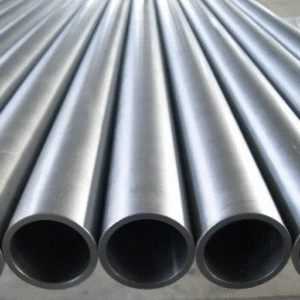
Carbon steel rusts more easily because it lacks significant amounts of corrosion-resistant alloying elements such as chromium, which is present in stainless steel. When exposed to moisture and oxygen, the iron within carbon steel reacts to form iron oxide, commonly known as rust. The higher the carbon content, the more susceptible the steel is to corrosion due to the increased potential for micro-galvanic reactions within the material. Additionally, without protective coatings or treatments, carbon steel surfaces are left vulnerable to environmental elements, accelerating the oxidation process.
How Does the Amount of Carbon Affect Rusting?
The amount of carbon in steel significantly influences its susceptibility to rusting. Higher carbon content increases the brittleness and hardness of the steel but also enhances its vulnerability to corrosion. This occurs because higher carbon levels facilitate the formation of micro-galvanic cells within the steel’s structure, accelerating electrochemical reactions that lead to rust. Conversely, low-carbon steel is less prone to rusting due to its reduced potential for these galvanic interactions, although it remains susceptible without proper protective coatings or treatments.
What Are the Environmental Factors Influencing Carbon Steel’s Susceptibility to Rust?
Environmental factors significantly impacting carbon steel’s susceptibility to rust include the presence of moisture, oxygen, and pollutants in the surrounding environment. Areas with high humidity or frequent exposure to water, such as coastal regions or industrial settings, accelerate the oxidation process. Chlorides, such as those found in saltwater or de-icing salts, further exacerbate rust formation by breaking down protective oxide layers on the steel’s surface. Additionally, atmospheric pollutants, such as sulfur dioxide or nitrogen oxides, can create acidic conditions when combined with moisture, increasing the rate of corrosion. Temperature fluctuations can also contribute, as condensation forming on the steel surface provides ideal conditions for rust to develop.
How Does Welding Differ for Carbon Steel vs Stainless Steel?
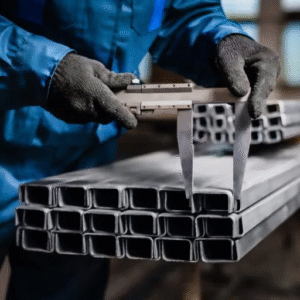
Welding carbon steel differs from stainless steel primarily due to the materials’ composition and thermal properties. Carbon steel is more straightforward to weld because of its lower alloy content, which reduces issues like cracking. It tolerates higher heat input, and common welding techniques such as MIG, TIG, and stick welding are effective. Stainless steel, on the other hand, requires more precision due to its higher chromium and nickel content. These elements improve corrosion resistance but make stainless steel more prone to thermal distortion and sensitization if overheated. Proper heat control and the use of filler materials with similar compositions are critical for successful stainless steel welds. Additionally, measures must be taken to avoid oxidation and maintain the alloy’s corrosion resistance during the welding process.
What Challenges Arise When Welding Carbon Steel?
Welding carbon steel presents several challenges, primarily due to its varying composition and susceptibility to thermal effects. One issue I encounter is the risk of cracking, particularly hydrogen-induced cracking, which occurs if moisture or contaminants are present during the welding process. Additionally, maintaining proper heat input is critical, as excessive heat can lead to changes in the steel’s microstructure, resulting in weakened welds. Finally, effective preheating and post-weld treatments are often necessary to minimize residual stress and distortion, ensuring the structural integrity of the weld.
How Does Weld Quality Differ for Stainless Steel?
Weld quality for stainless steel differs significantly from other materials due to its unique properties, such as high chromium and nickel content. Key considerations include controlling heat input, as excessive heat can cause sensitization, leading to intergranular corrosion. Maintaining a stable and inert shielding gas environment, such as using argon or argon-helium mixtures, is essential to prevent oxidation and contamination during welding. Additionally, selecting appropriate filler materials that match the grade of stainless steel being welded is critical to ensuring compatibility and corrosion resistance.
Technical Parameters:
- Heat Input: Typically controlled to remain within 1-3 kJ/mm to avoid thermal degradation.
- Shielding Gas Composition: Argon (100%) or Argon/Helium blends (e.g., 75% Argon / 25% Helium) for clean welds.
- Preheat Temperature: Not usually required unless welding thick sections, then 50-150°C may be applied.
- Interpass Temperature: Kept below 150°C to avoid microstructural issues.
- Post-Weld Cleaning: Essential to remove any oxidation or discoloration, often through pickling or passivation.
These provisions ensure the weld maintains the metallurgical characteristics and corrosion resistance required for stainless steel applications.
What Are the Applications of Stainless Steel and Carbon Steel?
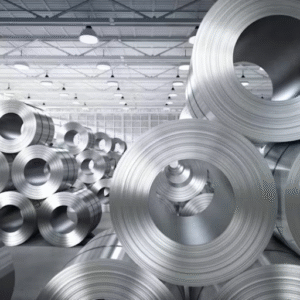
Stainless steel is widely used in industries requiring high corrosion resistance, such as chemical processing, food and beverage production, and medical equipment manufacturing. Its durability and hygienic properties make it ideal for environments with strict sanitary requirements. Additionally, stainless steel is used in architectural applications, automotive components, and marine environments due to its strength and resistance to rust.
Carbon steel, on the other hand, is primarily utilized in applications requiring high strength and rigidity. Common uses include structural frameworks in construction, pipelines for gas and oil transportation, and automotive parts. Its affordability and ability to withstand heavy loads make carbon steel a preferred material for infrastructure and machinery. However, it requires additional coatings or treatments to prevent corrosion in certain environments.
Why Are Steel and Stainless Steel Pans Popular?
Steel and stainless steel pans are popular due to their durability, heat conductivity, and versatility. Stainless steel, in particular, is resistant to rust and corrosion, making it ideal for cooking applications where hygiene is critical. These pans can tolerate high temperatures without warping, ensuring even cooking and excellent heat distribution. Additionally, stainless steel pans are easy to clean, often dishwasher-safe, and compatible with different heat sources, including induction cooktops. Their non-reactive surface allows for cooking acidic or alkaline foods without altering flavors, further enhancing their appeal for both home cooks and professional chefs.
What Industries Prefer High Carbon Steel?
High carbon steel is widely preferred in industries where strength, durability, and hardness are essential. For example, the automotive industry utilizes high carbon steel for components like springs and cutting tools. Similarly, the construction sector often employs it for reinforcement bars, precision tools, and heavy machinery parts due to its ability to withstand significant stress. Additionally, the manufacturing of knives, blades, and other cutting instruments relies heavily on high carbon steel for its sharp edge retention and superior performance under rigorous use.
Reference Sources
- Stainless Steel vs. Carbon Steel Bearings – Torque Trans
- Stainless Steel Bearings vs Chrome Steel Bearings – SMB Bearings
- Carbon Steel vs. Stainless Steel Ball Bearings – MDS of MI
- Stainless Steel vs. Carbon Steel: What’s the Difference? – Mead Metals
- How Different Bearing Materials Can Impact Usage – Consbrgs
Frequently Asked Questions (FAQs)
Q: What are the main differences between stainless steel vs carbon steel bearings?
A: The main differences lie in corrosion resistance, strength and durability, and heat resistance. Stainless steel bearings, with their high chromium content, offer better corrosion resistance and are ideal for environments exposed to moisture or chemicals. Carbon steel bearings, on the other hand, typically have higher yield strength and can be heat treated for increased durability, making them suitable for high-load applications.
Q: How does the corrosion resistance of stainless steel bearings compare to carbon steel bearings?
A: Stainless steel bearings are significantly more resistant to corrosion than carbon steel bearings due to their high chromium content, which forms a protective layer against corrosion. This makes them suitable for environments where moisture and chemicals are present, unlike carbon steel which can rust more easily.
Q: Are there different types of steel used in bearings, and how do they impact performance?
A: Yes, there are different types of steel used in bearings, such as the common type of stainless steel like martensitic stainless steels, and various grades of carbon steel. The choice of steel impacts performance in terms of corrosion resistance, strength, and heat resistance. The American Iron and Steel Institute (AISI) provides standards for these steel grades.
Q: What are the properties of stainless steel that make it suitable for bearings in machines?
A: Stainless steel has properties such as high corrosion resistance, strength, and the ability to form a protective layer against corrosion. In addition to carbon, stainless steels like those with high chromium content are also resistant to heat, making them suitable for machine bearings in harsh environments.
Q: How does yield strength differ in stainless steel vs carbon steel bearings?
A: Carbon steel bearings typically have a higher yield strength compared to stainless steel bearings, meaning they can withstand higher loads without deforming. However, stainless steel bearings are more resistant to corrosion and heat, making them ideal for specific applications where these factors are critical.
Q: Can stainless steel bearings be used in applications that require heat resistance?
A: Yes, stainless steel bearings can be used in applications requiring heat resistance. Types of stainless steel with high chromium content are particularly suited for high-temperature environments because they maintain strength and provide corrosion resistance even at elevated temperatures.
Q: What makes carbon steel bearings a preferred choice in certain industries?
A: Carbon steel is also known for its strength and durability, which makes carbon steel bearings a preferred choice in industries that require high-load capacity and where heat treatment can enhance performance. This type of steel can be used in applications where corrosion is not a significant concern.
Q: Why is it important to learn about the differences between stainless and carbon steel bearings?
A: Understanding the differences is crucial for selecting the right bearing for your application. Factors such as corrosion resistance, yield strength, and environmental conditions dictate whether stainless or carbon steel is more appropriate, ensuring optimal performance and longevity of the machine or device.