


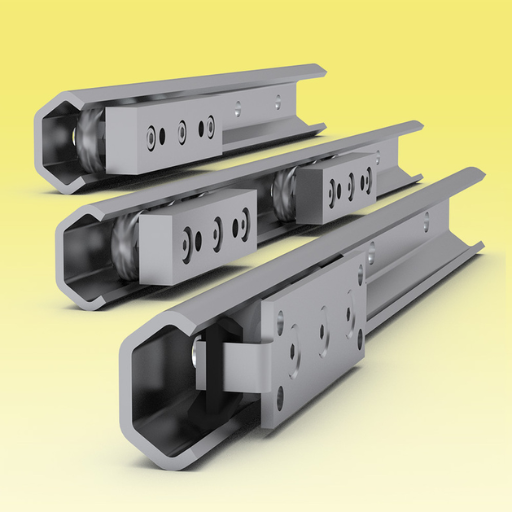
Linear motion systems are fundamental in a wide range of industries, ensuring precision, reliability, and efficiency in countless applications. However, understanding the distinction between linear rails and linear bearings is critical for selecting the right components to meet specific operational requirements. This article aims to demystify these essential mechanical elements, clarifying their unique roles, design differences, and applications. Whether you’re designing complex automation systems or optimizing smaller machinery, gaining a clear understanding of linear rails and linear bearings will empower you to make informed decisions that align with your engineering goals.
What Are Linear Rails and How Do They Work?
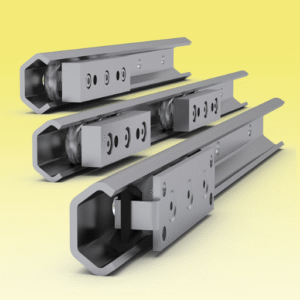
Linear rails are mechanical components designed to guide and support motion along a straight path with high precision. They consist of a rail, typically made of hardened steel or aluminum, and a sliding component, often called a carriage or block, that moves along the rail. Linear rails work by minimizing friction, which allows for smooth and reliable motion, making them ideal for applications requiring accuracy and stability, such as CNC machines, robotic arms, and industrial automation systems. Their design ensures consistent alignment and load capacity, making them essential in environments where precise linear movement is critical. If you are looking for more information about difference between linear rails and linear bearings go here right away
Understanding Linear Motion Systems
Key Components and Functionality of Linear Motion Systems
Linear motion systems consist of several critical components working together to enable precise, repeatable movement along a single axis. Central to their design are guides or rails, which provide the track for linear motion, and a bearing or block component that slides along these tracks. These components are engineered to minimize friction through the integration of rolling elements like ball bearings or rollers, which ensure smooth operation and reduce wear over time.
Drive mechanisms are another essential aspect, commonly implemented using ball screws, lead screws, or belt drives. Ball screws convert rotational motion into linear motion with high efficiency and accuracy, making them a standard choice in many systems. Additionally, motors, such as servo or stepper motors, play a pivotal role in providing controlled motion by offering programmable speed, torque, and direction to meet specific application needs.
Linear motion systems are defined by their precision, load-bearing capacity, and durability. They find extensive use in industrial automation, robotics, and manufacturing for tasks requiring exact positioning, such as CNC machining and medical device fabrication. Advances in material science and engineering have further improved their reliability and performance, allowing for broader applications in technologically demanding fields.
Components of a Linear Rail
A linear rail system typically consists of three primary components—rails, carriages (or blocks), and rolling elements. The rail serves as the track, offering a rigid and precise path for movement. It is commonly made from hardened steel or aluminum to ensure durability and resistance to wear. The carriage, which moves along the rail, is designed to house rolling elements like ball bearings or rollers, facilitating smooth and efficient motion while minimizing friction. These components work in unison to deliver high load capacities, repeatable positioning accuracy, and reliable performance under varying operational conditions. Advanced systems may also include seals, lubricators, and damping mechanisms to enhance longevity and reduce maintenance requirements.
Applications of Linear Rails in Industry
- Automation and Robotics
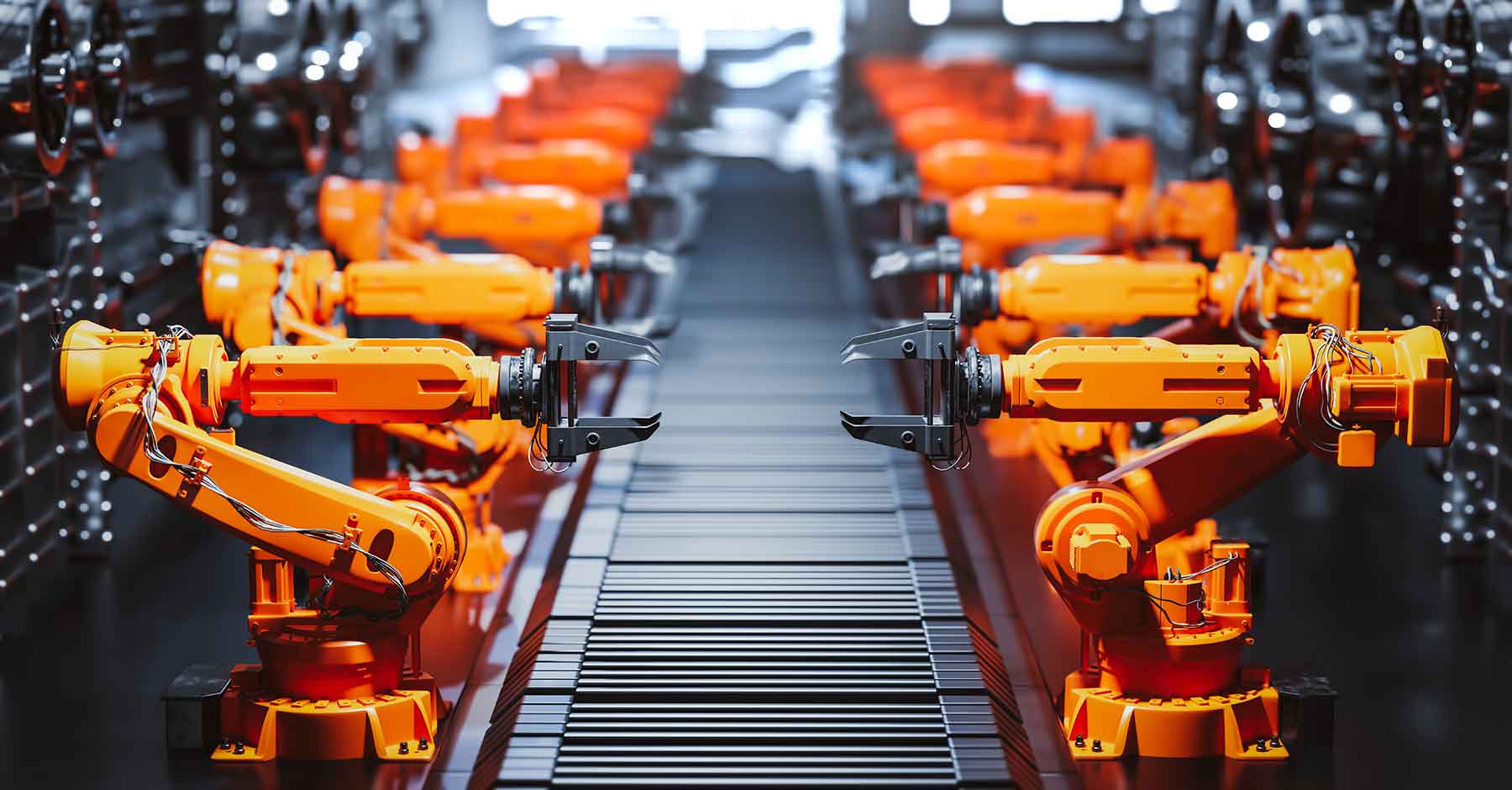
Linear rails are extensively utilized in industrial automation and robotics to facilitate precise and repeatable movements. For instance, in robot arms, linear rails enable controlled linear motion for tasks such as assembly, welding, and material handling. The high accuracy of linear rail systems makes them essential for maintaining tight tolerances, often achieving positioning accuracy within ±0.01 mm in advanced systems.
- CNC Machinery
Computer Numerical Control (CNC) machines rely heavily on linear rails for their motion axes. Whether in milling, turning, or 3D printing, linear rails provide the structural integrity and smooth motion necessary for high-speed operations and intricate part geometries. This application demands strong load-bearing capabilities, with some systems supporting loads exceeding 500 kg depending on the rail size and material composition.
- Medical Equipment
Linear rails are a critical component in medical imaging devices such as MRI machines, CT scanners, and X-ray systems. They allow precision positioning of imaging components and patient support platforms to ensure diagnostic accuracy. Many medical-grade linear rails feature corrosion-resistant materials and low-noise operation to meet the stringent requirements of the healthcare industry.
- Packaging and Food Processing
The packaging industry leverages linear rail systems for high-speed and precise material handling, including cutting, sealing, and container filling operations. Similarly, in food processing, linear rails ensure hygienic, accurate, and repetitive movements. These systems often incorporate FDA-approved materials and coatings to comply with food safety regulations.
- Semiconductor Manufacturing
Semiconductor fabrication demands extreme precision during wafer processing, lithography, and inspection. Linear rails provide sub-micron accuracy and vibration-dampening capabilities essential for these applications. Advanced technologies within these systems often include air bearings and high-performance coatings to achieve precision levels critical to semiconductor production.
Each of these applications highlights the versatility and engineering sophistication of linear rail systems, underscoring their essential role in modern industrial processes.
Exploring Linear Bearings: A Comprehensive Guide

What Are Linear Bearings?
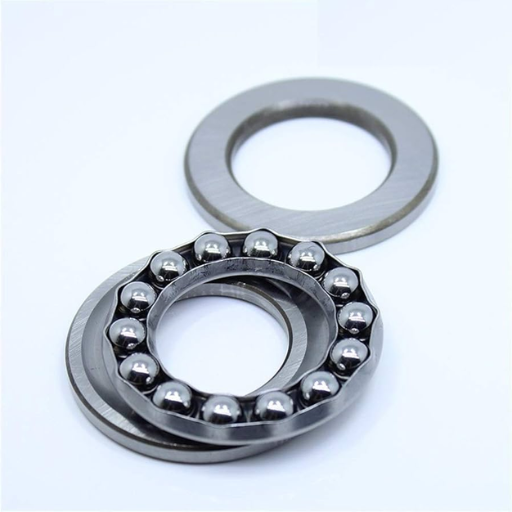
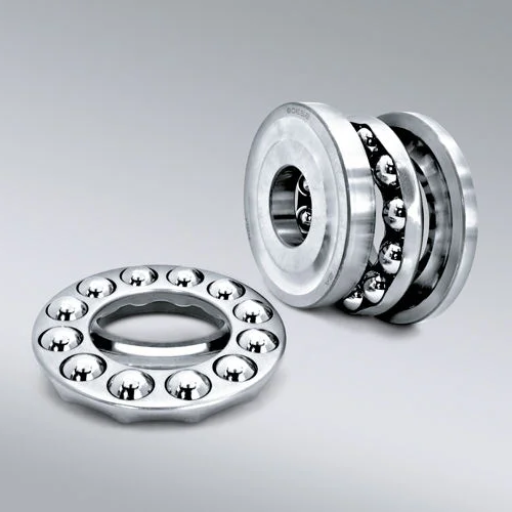
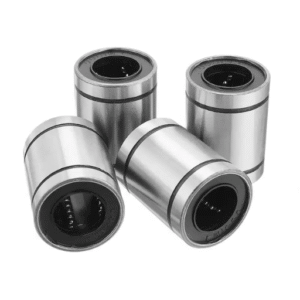
Linear bearings are mechanical components designed to facilitate smooth and precise linear motion along a guide surface. They reduce friction between moving parts, enabling efficient movement in a linear direction. Commonly used in applications such as automation systems, CNC machines, and precision manufacturing, linear bearings are integral to improving operational accuracy and durability. There are various types, including ball bearings, roller bearings, and plain bearings, each suited for specific load capacities and environmental conditions. Their selection depends on factors like speed requirements, load, and working environment.
Types of Linear Bearings
Ball Bearings
Ball bearings are the most commonly used type of linear bearings, known for their low friction and high precision. They are ideal for applications requiring smooth and consistent motion. Technical parameters to consider include maximum dynamic load capacity (ranging from 5 kN to 50 kN in typical applications), operational speeds up to 5 m/s, and a temperature tolerance generally between -20°C and 80°C. Ball bearings are well-suited for light to moderate loads under clean operating conditions.
Roller Bearings
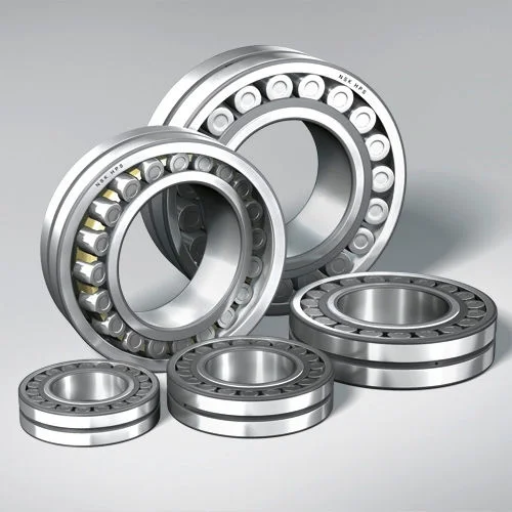
Roller bearings use cylindrical rollers to spread the load over a larger surface area, enhancing load capacity and rigidity. They are often used in heavy-duty applications such as industrial robotics or large-scale machinery. Key technical specifications include load capacities ranging from 50 kN to 250 kN, speeds up to 3 m/s, and operating temperatures from -10°C to 100°C. Roller bearings are optimal for high-load, high-precision environments with limited axial movement.
Plain Bearings
Plain bearings, or sleeve bearings, are designed for simplicity and minimal maintenance. They operate through sliding motion and provide robust performance in harsh environments with contaminants. Typical parameters include load capacities of 15 kN to 100 kN, operational speeds up to 2 m/s, and temperature ranges from -40°C to 200°C, depending on materials like plastics, bronze, or composites. They are ideal for low-speed, heavy-load applications with exposure to dirt or moisture.
Each bearing type should be selected based on the specific requirements of the system, including factors like load direction, operational speed, environmental conditions, and maintenance schedule. Proper selection ensures reliable and optimal performance over the lifecycle of the application.
The Role of Friction in Linear Bearings
Friction plays a critical role in the performance and efficiency of linear bearings. I consider it the primary factor influencing both energy consumption and wear. Low friction ensures smooth and precise movement, reducing energy losses and extending the lifespan of components. For instance, rolling element bearings are designed to minimize contact area and, as a result, friction, whereas plain bearings rely on lubrication to manage friction levels. Selecting the right bearings involves evaluating the balance between frictional force and the operational requirements, including load, speed, and environmental conditions, to achieve optimal performance.
Common Applications of Linear Bearings
Linear bearings are integral to applications requiring precise, friction-reduced motion across a straight path. Common uses include industrial automation systems, CNC machinery, and robotics, where accurate linear movement is critical for operational efficiency and repeatability. For instance, in CNC machinery, linear bearings facilitate smooth and precise tool motion, improving machining accuracy. Similarly, robotics systems depend on linear bearings to achieve consistent movement in joints or axes under specified loads. Typical technical parameters to consider include load capacity, travel speed, and tolerance for misalignment. For example, rolling linear bearings often accommodate speeds up to 5 m/s with precision tolerances around 0.01 mm, while plain linear bearings are better suited for lower speeds and applications requiring higher load capacity or operation in harsh environments. Proper selection depends on matching these parameters to the specific requirements of the use case.
Comparing Linear Bearings and Rails: Key Differences
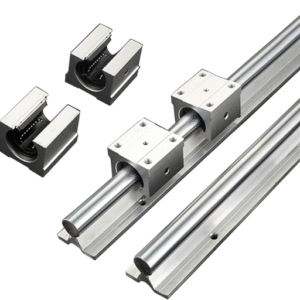
| Parameter | Linear Bearings | Linear Rails |
|---|---|---|
| Load Capacity | Suitable for low to moderate loads | Handles high and heavy loads |
| Precision | Good precision, less rigid | High precision with excellent rigidity |
| Motion Type | Shaft-supported linear motion | Slider-supported linear motion |
| Friction | Low friction with rolling/ball components | Minimal friction, high wear resistance |
| Applications | Light machinery, 3D printers, sliding doors | CNC machines, robots, automation equipment |
| Installation | Simple and lightweight installation | Requires precise and robust installation |
| Cost | Economical and budget-friendly | More expensive due to high performance |
| Durability | Moderate, suited for light conditions | Highly durable under demanding conditions |
| Speed | Suitable for moderate to high speeds | Handles high-speed applications well |
| Load Distribution | Limited, uneven distributions might affect it | Evenly distributes heavy loads |
| Flexibility | Provides basic movement along a shaft | Offers complex movement in multiple axes |
| Maintenance | Requires less frequent attention | Demands meticulous but less frequent care |
| Environment Suitability | Limited by debris and contamination | Performs well even in tough environments |
| Types Available | Ball and plain bearings | Ball and roller-based rails |
| Profile Options | Basic cylindrical form | Profiled rails for specialized applications |
| Customizability | Sizes and lengths easily adapted | High material and design customization |
| Resistance | Sensitive to dust and wear | Resistant to harsh environments and loads |
| Common Industries | Home appliances, lightweight automation | Industrial automation, robotics, heavy tools |
Load Capacity and Precision in Linear Components
Advanced Insights into Load Capacity and Precision in Linear Components
Load capacity and precision are critical attributes of linear motion components, influencing their suitability for various applications. Linear guides, for instance, offer high dynamic and static load capacities. Depending on the specific design, such as four-row and six-row contact configurations, these systems can support loads ranging from several hundred kilograms to upwards of 300,000 N for industrial-grade models. Manufacturers often provide data sheets detailing load ratings, such as dynamic load (C) and static load (C0) values, which help engineers match components to application requirements.
Precision, on the other hand, is a function of manufacturing tolerances, alignment accuracy, and the geometric design of linear components. Linear rails can achieve positioning accuracies within micrometer or sub-micrometer ranges, especially in preloaded systems designed for minimal deflection. Factors including material composition, surface finishes, and lubrication also impact precision. For example, ball screw assemblies demonstrate high repeatability, with axial play minimized to as low as ±0.005 mm in higher precision classes.
Emerging technologies have further enhanced these parameters, with innovations such as integrated sensors and advanced coatings. Integrated sensors allow for real-time monitoring of load distribution and alignment, reducing the risk of system failure and providing critical data for predictive maintenance. Specialized coatings, like diamond-like carbon (DLC) or advanced fluoropolymers, improve wear resistance and performance under extreme environmental conditions, enhancing both load capacity and precision.
When designing high-performance systems, engineers must consider real-world loading scenarios and the cyclic nature of loads. Utilizing finite element analysis (FEA) during the design phase can provide insights into structural integrity under stress, ensuring components exceed fatigue life requirements while maintaining precision under dynamic conditions.
Performance in High Precision Tasks
From my experience, when precision is paramount, linear rails are often the superior choice due to their rigidity and ability to handle high loads with minimal deflection. Linear bearings, while versatile and cost-effective, may introduce slight inaccuracies under high-performance demands or heavy loads due to their design and material properties. For tasks requiring micron-level accuracy, such as CNC machining or precision assembly, linear rails maintain stability and positioning accuracy far more effectively, especially under dynamic or varying conditions. Balancing application needs against design and budget constraints is key to selecting the right component.
When to Choose Linear Rails vs Linear Bearings

Linear rails are ideal for applications requiring high load capacity, extended travel distances, and consistent motion over long periods. They excel in environments demanding durability and resistance to external forces, such as industrial automation and heavy machinery.
Linear bearings are better suited for tasks requiring precision, minimal friction, and smooth movement over short to moderate distances. They are commonly utilized in laboratory equipment, 3D printers, and any application prioritizing accuracy and controlled positioning.
Choose based on the specific demands of your application, considering factors like load requirements, motion type, and desired precision.
Factors to Consider in Selecting Linear Components
When selecting linear components, it is critical to evaluate the specific operational and environmental requirements of your application. Below are the key factors to consider, alongside their corresponding technical parameters:
- Load Capacity (Static and Dynamic Loads):
-
-
- Specify the maximum weight the component must support during both stationary (static) and moving (dynamic) operations.
- Typical parameter values include load ratings in Newtons (N) or kilograms (kg). Ensure the linear component can handle the expected loads with an appropriate safety factor.
-
- Precision and Accuracy Requirements:
-
-
- Consider the tolerances needed for the application. Linear guides are often rated based on positioning accuracy, typically in micrometers (µm).
- Applications like CNC machines or medical devices may demand tolerances as tight as ±5 µm or better.
-
- Speed and Acceleration Limits:
-
-
- Determine the maximum operational speed and acceleration. Linear actuators and bearings are often rated in meters per second (m/s) and meters per second squared (m/s²) respectively.
- For instance, a standard ball bearing guide may support speeds of up to 3 m/s.
-
- Environmental Conditions:
-
-
- Analyze exposure to contaminants, moisture, temperature extremes, or corrosive substances.
- For high-temperature operations, select materials with appropriate heat resistance, such as stainless steel or specialized coatings.
-
- Travel Length:
-
-
- Define the required maximum travel distance. Linear components typically specify stroke length in millimeters (mm) or meters (m).
- Applications like automated assembly lines may demand travel lengths exceeding 1 meter.
-
- Friction and Lubrication:
-
-
- Evaluate the coefficient of friction and whether the system requires periodic lubrication. Low-friction components such as recirculating ball bearings reduce maintenance needs and improve efficiency.
-
- Life Expectancy (Durability):
-
-
- Factor in the expected lifespan rated in kilometers (km) or operational cycles. Match the component’s durability to the project’s operating conditions.
- High-quality linear guides often guarantee over 20,000 km of travel or more.
-
By carefully comparing these factors and corresponding parameters, you can select the most suitable linear component to optimize the performance and reliability of your system.
Specific Application Requirements and Solutions
When designing or optimizing a system with linear components, it is critical to address specific application requirements to ensure functionality, precision, and longevity. Below is a detailed list of five key application requirements along with corresponding solutions to meet these demands:
- High Load Capacity
-
-
- Requirement: Applications requiring support for heavy loads over extended periods while maintaining consistent performance.
- Solution: Select linear guides with high static and dynamic load ratings. For instance, opt for models with load capacities exceeding 25,000 Newtons for heavy-duty industrial use.
-
- Precision and Accuracy
-
-
- Requirement: Systems that demand high positional accuracy, such as in CNC machines or robotics.
- Solution: Use linear guides with low rail deflection and high-grade machining tolerances (e.g., within ±0.002 mm). Incorporate preloaded ball or roller designs to minimize play.
-
- Corrosion Resistance
-
-
- Requirement: Environments exposed to moisture, chemicals, or extreme temperatures.
- Solution: Implement stainless steel or corrosion-resistant coated guides. Select components compliant with standards such as ISO 9227 for salt spray testing.
-
- Compact Design Requirements
-
-
- Requirement: Systems with spatial constraints that necessitate minimal component size without compromising performance.
- Solution: Choose compact linear guides with narrow profiles and integrated mounting features. A typical example would be miniaturized linear guides with heights under 10 mm.
-
- High-Speed Operation
-
-
- Requirement: Applications requiring rapid linear motion, such as conveyor systems or pick-and-place mechanisms.
- Solution: Opt for linear components with low-friction designs and high-speed capacity, such as precision-ground tracks that allow travel speeds exceeding 5 m/s. Ensure proper lubrication and thermal management to maintain system efficiency.
-
By aligning the linear components with these specific application requirements, it is possible to enhance overall system performance, reduce maintenance, and ensure operational reliability under varying conditions.
Cost-Effectiveness and Performance Analysis
To assess cost-effectiveness while maintaining performance, it is crucial to evaluate the initial procurement costs of linear motion components alongside their long-term operational efficiency and lifespan. High-quality components with optimized designs may have a higher upfront cost but typically result in reduced energy consumption, minimal downtime, and extended lifecycles, ultimately lowering total cost of ownership (TCO). Performance efficiency can be further enhanced by selecting components tailored to specific applications, as this reduces overspending on unnecessary features and improves alignment with operational load capacities.
Additionally, innovations such as self-lubricating components or systems incorporating predictive maintenance technologies can significantly reduce maintenance costs and improve operational uptime. Studies indicate that investing in precision manufacturing and durable materials enhances system reliability, ensuring consistent performance even under strict environmental or operational constraints. By balancing initial investment with functional longevity and operational efficiency, it is possible to achieve an optimal ratio of cost-to-performance that satisfies technical and budgetary goals.
Enhancing Linear Motion Systems with Technology
Technological Advancements in Linear Motion Systems
Enhancing linear motion systems relies heavily on integrating advanced technologies to meet evolving industrial and operational demands. Modern innovations, such as high-precision sensors and automated control algorithms, contribute significantly to improving accuracy and responsiveness. Additionally, advancements in materials science have enabled the development of wear-resistant components, which minimize maintenance requirements and extend system lifespans. Implementing IoT-enabled monitoring allows for real-time performance diagnostics, reducing downtime through predictive maintenance. By leveraging these technologies, stakeholders can address challenges related to precision, efficiency, and reliability in linear motion systems, ensuring alignment with both technical requirements and economic constraints.
Integrating Automation in Linear Systems
When integrating automation in linear motion systems, my approach focuses on several key aspects. First, I evaluate the specific application requirements, including load capacity, precision, and operating speed, to determine the most suitable system configuration. Second, I prioritize the inclusion of IoT-enabled monitoring features, as they provide critical insights through real-time diagnostics and predictive maintenance capabilities, effectively reducing downtime and improving operational efficiency. Lastly, I ensure that advanced control mechanisms and software are utilized to optimize synchronization and reliability, balancing technical demands with economic constraints to deliver a robust and cost-efficient solution.
The Impact of Robotics on Linear Motion
Robotics has catalyzed significant advancements in linear motion systems by driving the demand for higher precision, enhanced efficiency, and greater scalability. Linear motion components such as actuators, guides, and drive systems play a pivotal role in automating robotic functions like pick-and-place operations, material handling, and precise positioning. The integration of robotics has led to the development of systems with improved load capacities, faster cycle times, and greater repeatability, essential for industrial applications where accuracy is critical.
Key technical parameters influenced by robotics include:
- Precision and Accuracy: Linear motion systems in robotics achieve positioning accuracies as high as ±0.01 mm, which is indispensable in applications like electronics assembly or medical device manufacturing.
- Load Capacity: Advanced systems now support dynamic payloads up to several hundred kilograms, depending on the actuator design and materials used.
- Speed: Robotic linear actuators commonly operate at speeds of 1–2 meters per second and can go up to 5 m/s for high-speed applications, ensuring optimal cycle times.
- Durability: High-end systems can meet a service life exceeding 10,000 km of travel or equivalent operational cycles, leveraging specialized coatings and materials for wear resistance.
- Scalability and Modularity: Robotics has driven the development of modular designs, allowing linear motion systems to be easily configured for a wide range of tasks and operational environments.
Furthermore, the incorporation of robotics has fostered an increase in the adoption of smart technologies, such as linear motion solutions with IoT-enabled tracking, predictive analytics, and automated feedback mechanisms. These innovations not only enhance performance but also improve system reliability and maintenance planning. Addressing these demanding requirements underscores the synergy between robotics and linear motion systems, shaping future industrial standards.
Future Trends in Linear Guide Technology
The future of linear guide technology is firmly aligned with advancements in digital integration and materials engineering. I see trends focusing on the development of smart linear guides equipped with IoT connectivity, enabling real-time condition monitoring and predictive maintenance. This not only reduces downtime but also enhances operational efficiency. Lightweight, durable materials and advanced coatings are being explored to improve load capacities and extend service life, even in harsh environments. Additionally, automation-driven precision will continue pushing the boundaries of accuracy and reliability, ensuring these systems meet evolving industrial demands.
Reference Sources
- LINEAR GUIDES VS. LINEAR BEARINGS – NEO TECH
- Linear Rail vs Linear Bearing – Which One is Better? – CSK Motions
- Linear Bearings: Guide Rail Type vs Support Rail Type – Reddit
- Linear Rails vs Linear Rods: Which is best for your application? – Kiwi Motion
- Linear Motion Technology – Bosch Rexroth
Frequently Asked Questions (FAQs)
Q: What are linear rails and linear bearings?
A: Linear rails and linear bearings are components used in guide systems to facilitate smooth linear motion. Linear rails provide a track for bearings to move along, while linear bearings enable the movement of parts along that track. They are essential in applications that require precise motion control.
Q: How do linear guides differ from linear bearings?
A: Linear guides, often referred to as linear guide rails, are the complete system that includes both the rail and the bearing. Linear bearings are the specific components that move along the rail, allowing for motion. Compared to linear guides, bearings focus on the movement aspect, while guides provide the structural support.
Q: What are the features of linear rails?
A: The features of linear rails include high precision, durability, and the ability to handle heavy loads. They offer smooth linear motion, which is essential in automation equipment and manufacturing applications. Linear rails are also known for their easy installation and maintenance.
Q: What is the difference between linear rods and linear rails?
A: Linear rods are cylindrical shafts that support the movement of linear bearings, whereas linear rails are flat, square rails that allow for greater stability and load-bearing capacity. The choice for applications depends on the specific requirements, with linear rods used in lighter applications and linear rails used for heavier, more precise tasks.
Q: How does the durability of linear rails compare to that of linear bearings?
A: The durability of linear rails is generally higher compared to linear bearings due to their robust construction and ability to handle larger loads. However, the performance and reliability of both components depend on the application and maintenance.
Q: What are square rails used for?
A: Square rails are used in applications that require high precision and stability, such as in automation equipment and CNC machinery. They provide a flat surface that enhances parallelism and reduces the need for linear guides to rely on direct contact with the surface.
Q: Can linear bearings be used in a wide range of applications?
A: Yes, linear bearings come in various types and sizes, making them suitable for a wide range of applications. They are commonly used in manufacturing and automation, where smooth linear motion is required.
Q: What factors influence the choice between linear guideways and linear rods?
A: The choice between linear guideways and linear rods depends on factors such as load capacity, precision requirements, and the specific application. Linear guideways are preferred for high-load and high-precision tasks, while linear rods are suitable for lighter, less demanding applications.
Q: What are the benefits of using linear guide systems in automation equipment?
A: Linear guide systems offer benefits like high precision, reduced friction, and enhanced performance and reliability in automation equipment. They ensure smooth, controlled motion, which is crucial for the efficiency and accuracy of automated processes.
Q: How does the length of the rail affect its performance?
A: The length of the rail affects performance by influencing the stability and range of motion. Longer rails provide a greater range for movement, which is beneficial for applications that require extensive travel. However, longer rails must be carefully aligned to ensure parallelism and prevent binding.