



When selecting the appropriate bearing for mechanical applications, it is crucial to understand the differences between thrust ball bearings and standard ball bearings. Each type is designed for specific operational requirements and offers unique benefits and limitations. This article will provide a comprehensive comparison of the two, focusing on their structural differences, load-handling capabilities, and ideal use cases. By the end of this blog post, readers will gain a clear understanding of how to evaluate their application needs and determine which type of bearing is best suited for their specific operational conditions.
What Is a Thrust Bearing?
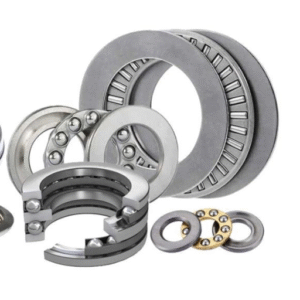
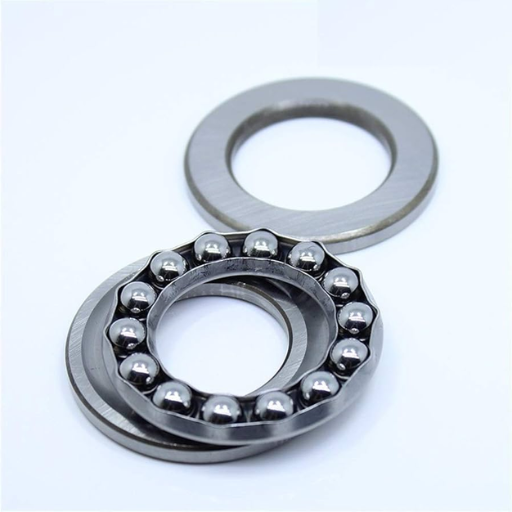
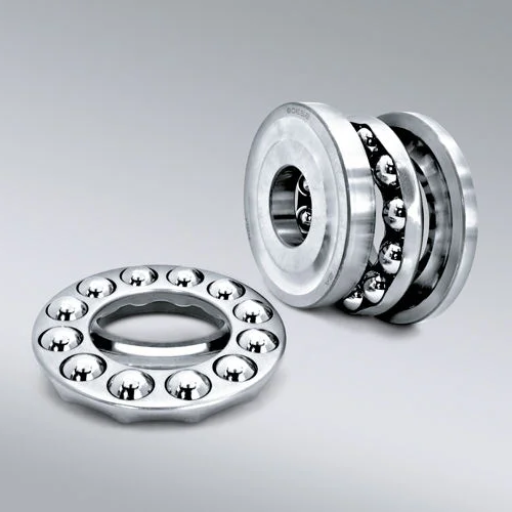
A thrust bearing is a type of rotary bearing specifically designed to handle axial loads, which are forces applied parallel to the shaft of rotation. Unlike radial bearings, which primarily manage forces perpendicular to the axis, thrust bearings are optimized for applications where axial force is a dominant factor. They are commonly used in machinery such as automotive transmissions, turbines, and rotating shafts to ensure smooth and reliable operation while minimizing friction and wear under axial load conditions.
Understanding Thrust Loads and Their Impact
Thrust loads are forces that act along the axis of rotation, directly impacting the efficiency and durability of mechanical systems. These loads can arise in numerous applications, such as gear assemblies, propeller shafts, and industrial machinery. Managing thrust loads effectively requires precision-engineered components like thrust bearings, which are designed to handle high axial forces while minimizing friction and heat generation. If you are looking for more information about thrust ball bearing vs ball bearing go here right away
The impact of thrust loads is significant, as excessive axial force can lead to misalignment, increased friction, and premature wear or failure of bearings and associated components. To address these issues, engineers implement advanced materials and lubrication systems that enhance the load-bearing capacity and extend the operational lifespan of thrust bearings. Accurate load calculations and proper alignment during the design phase further reduce potential stress concentrations, ensuring mechanical systems perform reliably under varying load conditions. Understanding these principles is essential for optimizing machine efficiency and preventing costly operational downtime.
How Thrust Bearings Are Designed
Designing thrust bearings requires a detailed understanding of both the operational and environmental demands they will face. Personally, I would start by considering the axial load requirements and the rotational speed, as these directly determine the bearing’s material selection and design configuration. Materials with high strength and low wear rates, such as specific alloys or ceramics, are often chosen to enhance durability. Lubrication is another critical factor; I would ensure the inclusion of appropriate lubrication systems to minimize friction and heat generation.
Proper alignment and precision in the design phase are non-negotiable. I would use advanced computational tools to simulate load distribution and stress concentrations to ensure the bearing operates efficiently under expected conditions. Additionally, I would incorporate safety margins in the calculations to account for potential extreme operating scenarios, reducing the risk of mechanical failure.
Applications and Uses of Thrust Bearings
Thrust bearings are utilized in a variety of applications that require the accommodation of axial loads while ensuring minimal friction and stable operation. Key uses include:
- Rotating Shafts in Pumps and Compressors: Thrust bearings are employed to handle the axial forces generated by fluid pressure or impeller movement. Common technical parameters include load capacities of up to several thousand Newtons and operational speeds ranging from 1,000 to 10,000 RPM, depending on the design and application.
- Aerospace Turbines: These bearings support the axial loads from turbine shafts, ensuring high reliability under extreme conditions such as temperatures up to 300°C and rotational speeds exceeding 15,000 RPM. They often incorporate advanced materials like ceramic-coated steel to resist wear and thermal expansion.
- Automotive Gearboxes and Clutches: Thrust bearings manage axial forces caused by gear engagement and disengagement. Here, they must accommodate moderate loads (approx. 500–2,000 Newtons) and speeds of around 1,500–6,000 RPM, with specific design adaptations for lubrication and longevity.
- Wind Turbines: Thrust bearings are critical in supporting rotor and generator loads. These applications typically involve bearing diameters exceeding 1 meter, load capacities in the range of hundreds of kilonewtons, and rigorous resistance to stress from varying wind conditions.
- Hydro and Thermal Power Plants: They are used in turbines to bear significant axial thrust from water or steam flow. Bearings in this context require durability, with operational lifespans of over 100,000 hours and load handling capacities upwards of 1,000 kN.
The precise selection of thrust bearings depends on factors such as load magnitude, rotational speed, operating temperature, and lubrication type to ensure efficiency and longevity in the respective application.
How Does a Ball Bearing Work?
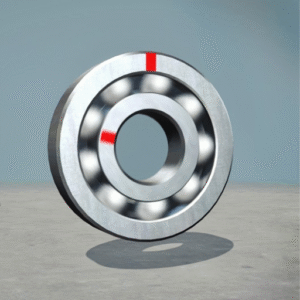
Ball bearings operate by using rolling elements, typically balls, positioned between two raceways to reduce friction and support radial and axial loads. When a shaft rotates, the balls roll within the raceways, minimizing mechanical resistance by replacing sliding friction with rolling friction. This design enables smoother motion, greater efficiency, and reduced wear on components. The performance of a ball bearing is influenced by factors such as material quality, precision of manufacturing, lubrication, and alignment to ensure optimal operation across a variety of applications.
Key Ball Bearing Components and Functions
- Inner and Outer Rings
The inner and outer rings serve as the primary raceways for the ball movement. The inner ring rotates with the shaft, while the outer ring remains stationary or rotates at a different speed depending on the application. Both rings are precision-engineered and made from materials such as high-carbon chrome steel due to its strength and fatigue resistance.
-
-
- Common Material: SAE 52100 steel
- Hardness (Rockwell C): 58-65 HRC
- Dimensional Tolerances: ISO 492 or ABEC standards, e.g., ABEC-3 (medium precision) to ABEC-9 (super precision).
-
- Balls
The rolling elements, or balls, are crucial for reducing friction. These balls are highly uniform in size and made from hardened steel or, for lighter applications, ceramic.
-
-
- Material Options: AISI 52100 steel, silicon nitride (ceramic)
- Typical Diameter Range: 0.4 mm to 80 mm, depending on bearing size
- Roundness Tolerance: Typically <0.001 mm for high-performance bearings.
-
- Cage (Retainer)
The cage positions and retains the balls, ensuring uniform spacing and preventing contact between them. Materials commonly used include metal (brass or steel) or polymer (nylon or phenolic), which are selected based on operational speeds and temperatures.
-
-
- Operating Temperature Range: Up to 120°C (polymer) or 300°C (metal).
-
- Lubrication
Bearings rely on lubrication to operate effectively by reducing wear and heat generation. Lubricants can either be grease or oil, often tailored for specific applications.
-
-
- Viscosity at 40°C: 10-100 cSt for oils
- Grease Penetration (ASTM D217): 220-350 (NLGI Grade 1-3).
-
- Seals and Shields
Seals and shields protect the internal components from contaminants like dirt, dust, and moisture while retaining lubrication.
-
-
- Seal Material: Nitrile rubber or Viton
- Performance: Resistant to environmental conditions, with operational limits of up to 110°C for nitrile and 200°C+ for Viton.
-
- Raceway Surface Finish
The raceway surface finish significantly impacts the bearing’s efficiency and fatigue life. Smooth surface finishes ensure minimal rolling resistance and prevent premature wear.
-
-
- Surface Roughness (Ra): Typically 0.1-0.3 μm depending on bearing precision.
-
Each of these components collaborates to create a highly efficient mechanism that minimizes friction, supports loads, and ensures longevity under varied operating conditions. Proper material selection, manufacturing precision, and maintenance practices are vital to optimize the performance of ball bearings across diverse industrial and mechanical environments.
Role of Radial and Axial Loads in Ball Bearings
Radial and axial loads are critical factors in determining the performance and application of ball bearings. Radial loads act perpendicular to the shaft, typically resulting from the weight of the rotating components or external forces applied during operation. On the other hand, axial loads act parallel to the shaft and are often caused by thrust forces or misalignment within the mechanical assembly. Ball bearings are designed to handle varying proportions of these loads based on their type; for instance, deep groove ball bearings are optimized for combined radial and axial loads, while angular contact ball bearings excel at managing higher axial loads. Proper load analysis and bearing selection are essential to ensure reliability and prevent premature failure in dynamic systems.
Common Applications of Ball Bearings
Ball bearings are integral components in a wide range of applications due to their efficiency in reducing friction and supporting loads. They are commonly found in industries such as automotive, aerospace, and manufacturing. For example, in the automotive sector, ball bearings are widely used in wheels, transmissions, and engines to enhance performance and reliability. Similarly, in aerospace applications, they handle extreme conditions by ensuring smooth operation in turbines and flight control systems. Additionally, manufacturing and industrial equipment such as conveyor belts, electric motors, and machine tools rely on ball bearings to maintain operational precision and reduce wear. Their adaptability to various load conditions and environments underscores their importance in modern engineering solutions.
Thrust Ball Bearings Vs. Radial Bearings: Key Differences
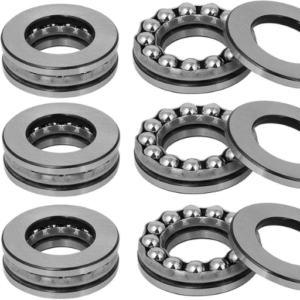
Thrust ball bearings and radial bearings serve distinct purposes and are designed to manage different types of loads. Thrust ball bearings are specifically engineered to handle axial loads, where the force is parallel to the bearing’s axis. These are commonly used in applications like automotive clutches and turntables, where stability under high axial pressure is critical. On the other hand, radial bearings are optimized to manage radial loads, which are perpendicular to the axis of rotation. They are widely applied in use cases such as electric motors, wheels, and gearboxes, where lateral force is predominant. The structural differences, including the orientation of the bearing elements, allow each type to excel in its respective load-handling capabilities, ensuring operational efficiency in specialized applications.
Comparing Radial Vs. Axial Loads
When comparing radial and axial loads, it is critical to evaluate their direction, magnitude, and application requirements. Radial loads are forces acting perpendicular to the shaft, while axial loads act parallel to the shaft’s axis of rotation. Bearings are designed to address one or both of these loads efficiently, with radial bearings optimized for lateral forces and thrust bearings specialized in managing axial stresses.
Key Technical Parameters for Comparison:
- Load Direction:
-
-
- Radial Load: Perpendicular to the axis of rotation.
- Axial Load: Parallel to the axis of rotation.
-
- Load Capacity:
-
-
- Radial bearings typically support higher lateral loads due to evenly distributed rolling elements.
- Axial bearings are designed to withstand significant parallel forces but may lack high radial load tolerance.
-
- Speed Capability:
-
-
- Radial bearings often operate effectively at higher rotational speeds due to lower friction from rolling elements.
- Axial bearings may vary more significantly depending on design (e.g., ball or roller type).
-
- Applications:
-
-
- Radial Load Applications: Electric motors, conveyor belts, and automotive wheels.
- Axial Load Applications: Turntables, helical gears, and thrust washers.
-
- Common Materials:
-
-
- Both radial and axial bearings commonly use hardened steel or ceramic materials for wear resistance and longevity.
-
By analyzing these parameters, users can select the appropriate bearing based on specific operational requirements, ensuring performance optimization and equipment reliability.
Which Type of Bearing Is Best for Your Application?
Factors to Determine the Best Bearing for Your Application
Selecting the ideal bearing for a specific application depends on several critical factors:
- Load Type and Direction:
-
-
- For radial loads or forces perpendicular to the bearing shaft, ball bearings and tapered roller bearings are suitable due to their capacity to handle high rotational speeds while maintaining efficiency.
- For axial loads or thrust loads parallel to the shaft, thrust bearings, such as thrust ball bearings or cylindrical thrust roller bearings, are better suited.
-
- Operating Speed:
-
-
- Applications requiring high-speed performance often benefit from precision ball bearings or angular contact bearings due to their low friction and ability to handle both radial and axial components in high-speed systems.
-
- Environmental Conditions:
-
-
- Bearings operating in extreme temperatures, high moisture, or corrosive environments typically require stainless steel, ceramic, or sealed variants to ensure durability and prevent degradation.
- For applications involving contaminants or debris, sealed or shielded bearings are preferable to prevent ingress into the bearing cavity.
-
- Precision and Tolerance Requirements:
-
-
- High-precision applications, such as robotics or aerospace components, typically require bearings with tight tolerance grades, such as ABEC-5 or higher-rated bearings.
-
- Maintenance and Lubrication Needs:
-
-
- For systems requiring minimal maintenance, self-lubricating or permanently lubricated bearings can reduce the need for regular servicing while optimizing performance.
-
By assessing these parameters and consulting manufacturer specifications, users can determine whether a ball, roller, or specialized bearing type aligns with their system’s operational requirements.
Understanding Contact Angle in Bearings
The contact angle in bearings refers to the angle formed between the raceway and the line of contact with the rolling element under load. This angle is crucial as it dictates how the bearing manages axial and radial loads. For instance, a larger contact angle allows the bearing to better handle higher axial loads, while a smaller angle is more effective for higher radial load scenarios. Selecting the appropriate contact angle depends on the specific application requirements, ensuring optimal performance and minimizing wear over time.
Choosing Between Thrust and Radial Bearings
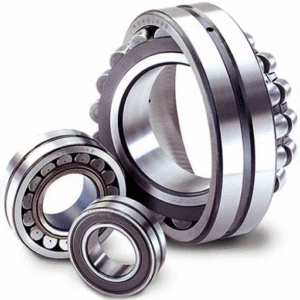
When choosing between thrust and radial bearings, the decision primarily hinges on the direction and magnitude of the applied loads. Thrust bearings are specifically designed to handle axial loads with high efficiency, making them ideal for applications where forces are predominantly parallel to the shaft. Conversely, radial bearings are optimized for radial loads, which act perpendicular to the shaft, offering enhanced performance in scenarios with rotational motion and side forces. For applications involving a combination of axial and radial loads, bearings such as angular contact or tapered roller bearings may be more appropriate, as they are engineered to support both load directions effectively. Careful consideration of load conditions, operating speeds, and environmental factors is vital to ensuring the correct bearing selection.
Factors to Consider: Load, Speed, And Environment
When selecting bearings, I focus on three primary factors: load, speed, and environmental conditions. For load, I determine the type (radial, axial, or combined) and its magnitude to ensure the bearing can handle the demands without compromising performance. Speed is evaluated based on the bearing’s maximum permissible rotational speed, as exceeding this can cause overheating and premature failure. Environmental considerations include temperature, contamination, and exposure to moisture or chemicals, which may necessitate specialized materials or seals for optimal durability and reliability.
When to Use Thrust Bearings over Radial Bearings
Thrust bearings should be used over radial bearings specifically in applications where the primary load is axial rather than radial. These bearings are designed to handle forces applied parallel to the shaft, making them ideal for scenarios such as vertical shaft arrangements, automotive clutches, and turbine assemblies. Key technical parameters to consider when selecting thrust bearings include their axial load capacity (often specified in pounds or Newtons), maximum permissible rotational speed (RPM), and the operating temperature range. For high-performance requirements, additional factors like material composition, lubrication type, and the presence of axial misalignment should also be evaluated to ensure optimal performance and longevity.
Pros and Cons: Thrust Vs. Radial
When comparing thrust bearings to radial bearings, several factors must be considered. Each type offers distinct advantages and potential limitations based on its intended application and technical requirements.
Pros of Thrust Bearings:
- High Axial Load Capability: Specifically designed to handle substantial axial loads, making them ideal for vertical applications or scenarios involving linear motion.
-
- Technical Parameter: Axial load capacity often ranges between 1,000-500,000 lbs (4.4-2,224 kN) depending on size and material.
- Specialized Design Options: Available in variations such as tapered or spherical to accommodate axial misalignments.
- Efficient Performance in Low to Moderate Speed Ranges: Common maximum speeds fall between 1,000-10,000 RPM, depending on lubrication and size.
Cons of Thrust Bearings:
- Limited Radial Load Handling: Poor capacity for supporting radial loads, making them unsuitable for high radial force scenarios.
- Higher Maintenance Requirements: Often demand frequent lubrication and precise installation to prevent wear due to stress concentrations.
Pros of Radial Bearings:
- Superior Radial Load Tolerance: Engineered for optimal performance under centrifugal and perpendicular forces.
-
- Technical Parameter: Radial load tolerance typically ranges from 500-500,000 lbs (2.2-2,224 kN) depending on bearing classification.
- High Rotational Speeds: Designed for applications demanding higher RPMs (commonly 5,000-20,000 RPM).
- Flexibility in Applications: Suitable for use in motors, pumps, and spindles requiring minimal axial load handling.
Cons of Radial Bearings:
- Axial Load Limitations: Minimal capability for managing axial forces, restricting their use in vertical or thrust-dominant systems.
- Potential for Reduced Lifespan at Extreme Temperatures: Operating temperatures beyond 250°F (121°C) may degrade performance unless advanced materials are used.
By analyzing these pros and cons along with the associated technical parameters, engineers can determine which bearing type is better suited to meet the specific mechanical and operational demands of their system.
Maintenance and Lubrication of Bearings
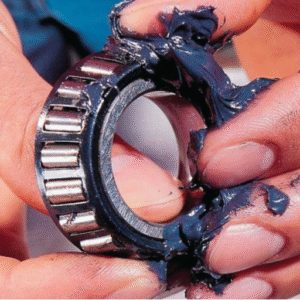
Proper maintenance and lubrication of bearings are essential to ensure their optimal performance and longevity. Regular maintenance involves periodic inspection for wear, misalignment, or contamination. Bearings should be cleaned thoroughly if contaminants such as dirt or debris are present, as these can compromise performance.
When it comes to lubrication, the choice of lubricant—whether oil or grease—should be based on the operational conditions, such as load, speed, and temperature. Grease is generally preferred for its simplicity and longer re-application intervals, while oil may be required for higher speed applications. Lubricants must be applied in precise amounts, as over-lubrication can cause overheating, and under-lubrication can lead to excessive wear.
Routine monitoring using techniques such as vibration analysis or thermal imaging can help detect potential issues early. Following manufacturer guidelines and implementing a systematic maintenance schedule are critical for ensuring reliability and avoiding premature bearing failure.
Importance of Proper Lubrication in Bearing Performance
Proper lubrication is paramount in ensuring the optimal performance and longevity of bearings. Lubrication minimizes direct metal-to-metal contact, reduces friction, and prevents wear. Additionally, it serves as a protective barrier, shielding the bearing surfaces from corrosion and contamination, while also supporting efficient heat dissipation from the bearing.
Key technical parameters related to lubrication include:
- Viscosity: The lubricant’s viscosity, typically measured in centistokes (cSt) at 40°C, must align with the bearing’s operating conditions. For most industrial bearings, an approximate viscosity range of 15-30 cSt is recommended for standard operations, while high-load applications may require a viscosity exceeding 100 cSt.
- Oil Film Thickness: Adequate lubrication involves maintaining a minimum oil film thickness, often calculated using the lambda ratio (λ). A λ value greater than 1 is essential to ensure full-film lubrication and avoid excessive contact between the surfaces.
- Operating Temperature Range: Lubricants need to function effectively within the bearing’s expected temperature range. Synthetic lubricants, for instance, are designed to operate within -40°F to 450°F to accommodate extreme conditions.
- Reapplication Interval: For grease-lubricated bearings, reapplication intervals depend on rotational speed, operating temperature, and load. For example, at 150°F and moderate RPM, standard relubrication might range from 500 to 2,000 operating hours.
Routine monitoring of the lubricant’s condition using techniques such as particle analysis and viscosity testing ensures that performance criteria are continuously met. When selecting a lubricant, it is vital to follow manufacturer recommendations and to adapt the choice to specific operational factors like speed, load, and environmental conditions.
Common Maintenance Practices for Ball Bearings
Proper maintenance of ball bearings is critical to ensure their longevity and optimal performance. Key practices include the following:
- Regular Cleaning and Inspection
Ball bearings should be cleaned periodically to remove contaminants such as dirt, dust, or metal particles, which can lead to premature wear. During cleaning, inspect for signs of damage, including pitting, corrosion, or discoloration, as these may indicate lubrication failure or overload.
- Appropriate Lubrication
Lubrication minimizes friction and prevents direct metal-to-metal contact. Use the lubricant type recommended by the manufacturer, whether grease or oil, and tailor lubrication intervals based on factors such as operational speed, load, temperature, and environment. Over-lubrication or under-lubrication should be avoided, as both can impair performance.
- Alignment and Mounting Accuracy
Misalignment or improper installation of ball bearings can lead to uneven load distribution, increasing wear and reducing service life. Ensure precise alignment using appropriate tools and techniques during mounting. Verify that the housing and shaft meet dimensional tolerances and surface finish specifications.
- Load and Speed Monitoring
Continuous monitoring of operational loads and rotational speeds ensures that bearings are not subjected to conditions exceeding their design limits. Operating parameters should align with the bearing’s rated specifications to prevent overheating, excessive vibration, or mechanical failure.
- Environmental Protection
Bearings must be shielded from contaminants like water, chemicals, and abrasive particles. Utilize seals or shields to protect the bearing assembly, and consider operating conditions when selecting bearing types. Special coatings or materials may be required for extreme environments.
By implementing these maintenance practices, the risk of unexpected failures can be significantly reduced, leading to improved reliability and overall system efficiency.
Extending the Life of Your Thrust Bearings
To effectively extend the life of my thrust bearings, I focus on several critical factors. First, I ensure proper lubrication is applied based on the operating conditions and manufacturer recommendations. I use the correct type and quantity of lubricant to minimize friction and wear. Second, I implement a regular inspection and maintenance schedule to monitor for signs of wear, misalignment, or contamination. Any debris or contaminants are removed promptly to prevent damage. Third, I make sure that seals and shields are in place and functioning correctly to protect the bearings from external contaminants like moisture, chemicals, and particulates. When operating in extreme environments, I consider using bearings with special coatings or materials to enhance durability. Finally, I verify that all loads and speeds remain within the bearing’s specified limits, as exceeding these can drastically reduce its lifespan. By following these practices consistently, I can achieve optimal performance and extend the operational life of my thrust bearings.
Reference Sources
- Ball bearing vs thrust bearing, which is better?
- Thrust vs. ball bearings: What’s the difference?
- What’s the Difference Between Bearings?
- What are the differences between thrust bearings and ball bearings?
- Axial bearing vs thrust bearing
Frequently Asked Questions (FAQs)
Q: What are the main differences between a thrust ball bearing and a ball bearing?
A: The main difference between a thrust ball bearing and a ball bearing is their intended use. Thrust ball bearings are used primarily for axial loads, meaning they are best for handling forces applied parallel to the shaft, such as in vertical applications. On the other hand, standard ball bearings are used for both radial and axial forces, making them suitable for a variety of applications where both load types are present.
Q: Are thrust bearings better for high load applications?
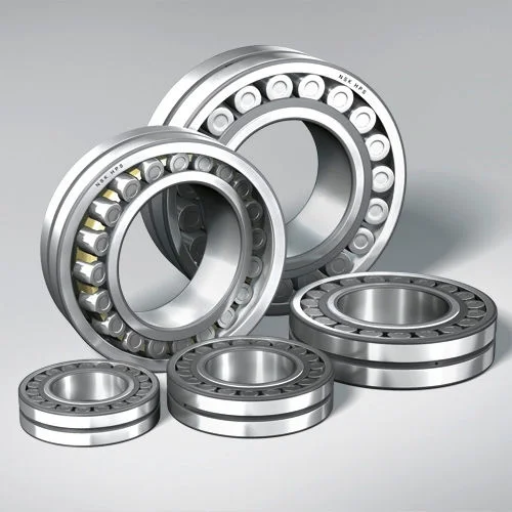
A: Thrust bearings are better suited for high axial load applications because they are designed to handle forces along the axis of the shaft. However, if high radial loads are also a factor, a spherical roller bearing or cylindrical roller bearing may be more appropriate due to their ability to manage both types of loads simultaneously.
Q: How do bearing designs differ between ball bearings and thrust ball bearings?
A: Ball bearings typically feature a design that supports both radial and axial loads, with balls contained within a circular raceway. Thrust ball bearings, specifically designed for axial loads, consist of two washers with raceways and a set of balls. The design focus for thrust bearings is to manage axial forces efficiently.
Q: When should spherical roller bearings be used instead of thrust ball bearings?
A: Spherical roller bearings should be used instead of thrust ball bearings when there is a need to accommodate both high radial and axial loads. They are also ideal for applications where misalignment may occur, offering flexibility and reliability under such conditions.
Q: What role does load rating play in choosing between bearing types?
A: Load rating is crucial in selecting the appropriate bearing type as it determines the bearing’s capacity to support different load magnitudes. For high load and high-speed applications, cylindrical roller bearings or spherical roller bearings may be more suitable than thrust ball bearings, which are optimized for axial loads.
Q: Are ball bearings suitable for high speeds compared to thrust ball bearings?
A: Yes, ball bearings are generally more suitable for high speeds compared to thrust ball bearings. This is because ball bearings are designed to handle both radial and axial forces efficiently, providing stability at high speeds, whereas thrust ball bearings focus on axial support.
Q: What are the advantages of using needle bearings over thrust ball bearings?
A: Needle bearings offer advantages such as a low-profile design and high load-carrying capacity, making them ideal for applications with limited space and high radial loads. They are not typically used for axial loads, where thrust ball bearings would be more advantageous.
Q: Can sleeve bearings replace thrust ball bearings in mechanical engineering applications?
A: Sleeve bearings, also known as plain bearings or journal bearings, can replace thrust ball bearings in certain applications where low-speed operation and low load capacity are needed. However, they are not suitable for applications requiring high axial load support, where thrust ball bearings excel.
Q: What are the considerations for using cylindrical roller bearings instead of thrust ball bearings?
A: Cylindrical roller bearings are preferred over thrust ball bearings when dealing with high radial loads and moderate axial loads. They offer high load capacity and are suitable for applications requiring stability under heavy radial loads, whereas thrust ball bearings are specialized for axial loads.