



Ball bearings are pivotal components in modern machinery, designed to reduce friction between moving parts while supporting radial and axial loads. This blog post provides a comprehensive overview of ball bearings, exploring their fundamental structure, the mechanics behind their friction-reducing capabilities, and their critical applications across various industries. Readers will gain a detailed understanding of how these devices function through the principles of rolling motion and lubrication, effectively minimizing energy loss and wear. Additionally, the article will outline the types of ball bearings available, their design variations, and the material considerations that influence performance and durability. Whether you are an engineer, a technician, or simply curious about technological innovations, this guide will serve as an authoritative resource on the subject of ball bearings.
What Is a Bearing and How Does It Reduce Friction?
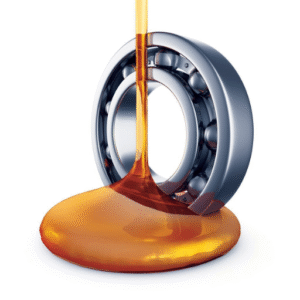
A bearing is a mechanical component designed to reduce friction between two moving parts while supporting rotating or linear motion. Bearings achieve this by utilizing rolling elements, such as balls or rollers, which minimize the contact area between surfaces and allow for smoother movement. By converting sliding friction into rolling friction, bearings significantly decrease energy loss, wear, and heat generation, thereby enhancing efficiency and extending the lifespan of machinery.
Understanding the Basic Concept of Ball Bearings
Ball bearings are fundamental components designed to reduce rotational friction while supporting axial and radial loads. They achieve this by utilizing spherical rolling elements placed between fixed and moving parts, ensuring smooth and precise motion under varying conditions. These bearings operate based on the principle of minimizing contact through high-quality materials and engineering precision. If you are looking for more information about how does a ball bearing reduce friction go here right away
Key Technical Parameters:
- Load Capacity:
-
-
- Static Load Rating (C₀): Determines the bearing’s ability to withstand static, non-rotational loads without deformation.
- Dynamic Load Rating (C): Reflects the capacity to handle rotational or fluctuating loads effectively.
-
- Operating Speed:
-
-
- Maximum RPM (Revolutions Per Minute): Defines the upper rotational speed limit, influenced by lubrication and internal design.
-
- Material Composition:
-
-
- Typically composed of high-carbon chromium steel (e.g., AISI 52100) or corrosion-resistant stainless steel.
-
- Lubrication:
-
-
- Grease or oil lubrication is essential for reducing friction, heat, and wear over time.
-
Proper selection and maintenance of these parameters are critical to ensuring optimal performance and longevity of ball bearings in practical applications.
The Role of Friction in Bearings
Friction plays a significant role in the performance and efficiency of bearings. It directly impacts energy loss, heat generation, and the overall lifespan of the bearing. By reducing friction through proper lubrication and material selection, we can enhance bearing efficiency and minimize wear. Advanced designs, such as low-friction seals and specialized surface treatments, further mitigate friction and improve reliability in various applications.
How Ball Bearings Reduce Friction?
Ball bearings reduce friction primarily through their rolling motion, which minimizes surface contact compared to sliding motion present in traditional plain bearings. Instead of two surfaces sliding against each other, ball bearings use small spheres (balls) that roll between the inner and outer races, significantly reducing energy loss from friction.
Key factors contributing to the friction-reducing capabilities of ball bearings include:
- Contact Mechanics: Rolling contact generates far less friction than direct surface sliding. This reduces wear and heat generation over time. Coefficients of rolling friction for ball bearings typically range between 0.001 and 0.005.
- Material Composition: Bearings constructed with high-grade materials, such as chrome steel or ceramic, enhance durability and reduce deformation under load, maintaining efficiency. For instance, steel bearings demonstrate hardness ratings of 60-64 HRC, while ceramic balls can achieve even higher resistance to wear.
- Lubrication: Proper lubrication forms a thin film between the rolling elements and raceways, further decreasing friction by limiting direct metal-to-metal contact. Synthetic or specialized greases with viscosity grades between ISO VG 32 and ISO VG 150 are commonly used depending on operational speed and temperature requirements.
- Low-Friction Seals and Shielding: Seals or shields can prevent contaminants like dust or moisture from entering, reducing abrasive wear and maintaining consistent performance. Advanced low-friction seals ensure minimal drag while preserving clean operation.
- Optimized Design: Precision-engineered raceways ensure even load distribution across balls, maintaining minimal friction even under varying speeds. Ball bearings are designed with tolerances conforming to ISO 492 or ABEC standards to ensure smooth operation.
By integrating these features, ball bearings are capable of operating efficiently across a broad spectrum of applications, ranging from high-speed machinery (reaching speeds up to 300,000 RPM in miniature bearings) to heavy-duty industrial equipment requiring exceptional load-bearing capabilities.
What Are the Different Types of Ball Bearings?

Ball bearings can be categorized into several types based on their design and application requirements:
- Deep Groove Ball Bearings: These are the most common type, designed to handle both radial and axial loads. They are widely used in applications ranging from household appliances to automotive systems due to their versatility and durability.
- Angular Contact Ball Bearings: These bearings are engineered to handle higher axial loads in one direction, with their design allowing for high-speed operation. They are often used in precision equipment and motor spindles.
- Self-Aligning Ball Bearings: Featuring a spherical outer raceway, these bearings compensate for misalignment caused by shaft deflection or mounting errors, making them ideal for applications with alignment challenges.
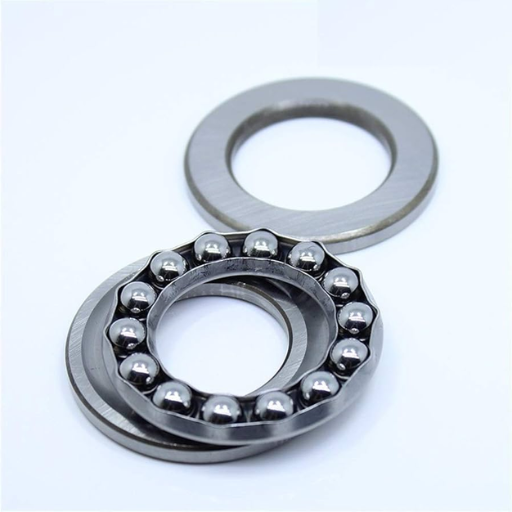
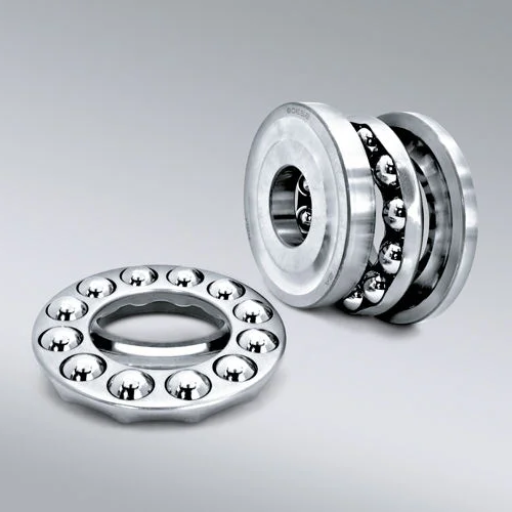
- Thrust Ball Bearings: Specifically designed to handle axial loads, these bearings are commonly used in low-speed applications such as turntables and crane hooks where precision is essential.
- Miniature and Instrument Bearings: These bearings are tailored for compact applications requiring high precision, such as medical instruments and small electric motors.
Each of these types is designed to meet specific performance requirements, ensuring optimal functionality across a wide spectrum of mechanical systems.
Deep Groove Ball Bearings
Deep groove ball bearings are among the most commonly utilized rolling-element bearings due to their versatility and efficiency. They feature a simple design comprising an inner ring, an outer ring, a cage, and a ball set, allowing them to handle both radial loads and moderate axial loads in either direction. Their deep groove structure ensures minimal friction and facilitates high-speed operation with reduced vibration and noise.
These bearings are widely used in applications ranging from automotive components (such as transmissions and wheels) to industrial machinery and household appliances. Key advantages include their ability to operate under various environmental conditions, their longevity with proper lubrication, and their capacity for high-speed performance. Depending on the specific use case, they are available in open, sealed, or shielded designs to prevent contamination and enhance reliability.
Angular Contact Ball Bearings
Angular contact ball bearings are specifically designed to accommodate combined radial and axial loads, making them highly versatile in various applications. Their notable feature is the contact angle, which determines the bearing’s axial load-handling capacity. I can confirm that they are commonly used in high-speed and precision environments, such as machine tool spindles, turbines, and pumps. They are available in single-row or double-row configurations, with single-row bearings typically requiring paired installations to manage bi-directional axial loads effectively. From my understanding, selecting the correct lubricant and ensuring proper alignment are essential for optimizing their performance and extending their service life. If contamination or extreme conditions are a concern, sealed or shielded designs offer additional protection and improve reliability.
Comparison with Roller Bearings
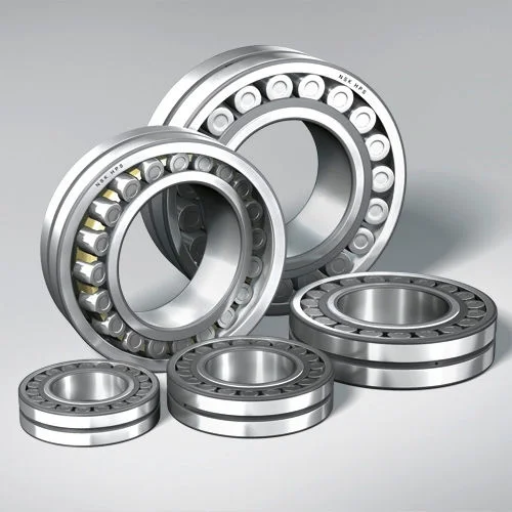
Ball bearings and roller bearings serve similar functions but differ significantly in their design and applications. Ball bearings utilize spherical rolling elements, making them ideal for applications requiring low friction and high-speed operation. Conversely, roller bearings employ cylindrical, tapered, or spherical rollers, which provide greater load-carrying capacity, particularly for heavy radial or shock loads.
Technical Parameters to Compare:
- Load Capacity: Roller bearings generally support higher radial and axial loads compared to ball bearings due to the larger contact area between rollers and raceways.
- Speed Limit: Ball bearings typically operate at higher speeds, with speeds reaching up to 300,000 RPM in precision applications, while roller bearings are more suited for moderate-speed operations.
- Friction Coefficient: Ball bearings exhibit a lower friction coefficient, usually between 0.001 and 0.005, making them more efficient for high-speed applications, whereas roller bearings have slightly higher friction.
- Misalignment Tolerance: Spherical roller bearings are highly tolerant of angular misalignment, whereas ball bearings require more precise alignment.
- Lifespan in Contaminated Environments: Sealed roller bearings often outperform ball bearings when contamination is a concern due to their robust construction and larger rolling elements, which resist wear.
Choosing between the two depends on application-specific requirements, such as load type, operating speed, and environmental conditions. Proper evaluation of these parameters ensures optimal performance and longevity.
How Does Rolling Friction Differ from Sliding Friction?
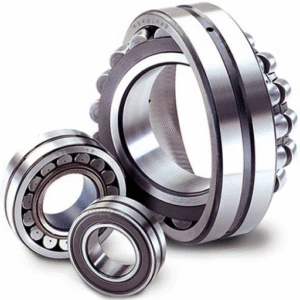
Rolling friction and sliding friction differ primarily in the nature of contact and the resistance they produce during motion. Rolling friction occurs when a rounded object, such as a wheel or roller, moves over a surface, involving minimal surface contact. This results in significantly lower resistance compared to sliding friction, where two flat surfaces move against each other, generating more resistance due to higher contact area and interlocking surface irregularities. Rolling friction is generally lower than sliding friction, making it more efficient in applications such as transportation and machinery.
Defining Rolling Friction
Rolling friction, also known as rolling resistance, occurs when a round object rolls over a surface. From my understanding, this resistance is influenced by factors like the object’s weight, the surface material, and the deformation that occurs at the area of contact. Unlike sliding friction, rolling friction is much lower due to the limited contact area and reduced interlocking of surface imperfections. This principle is pivotal in optimizing efficiency in transportation systems, where reducing energy losses is critical.
Exploring Sliding Friction
Sliding friction occurs when two surfaces move tangentially against each other. From my research, the magnitude of sliding friction depends on factors such as the nature of the contacting surfaces, the force pressing them together, and their relative speed. It is generally higher than rolling friction due to the larger contact area and increased interlocking of surface asperities. Proper lubrication and smooth surface finishes are key techniques used to minimize sliding friction, which is essential in reducing wear and energy losses in mechanical systems. This concept is widely applied in the design of machinery and transportation systems to enhance efficiency and longevity.
Benefits of Ball or Roller Bearings in Reducing Friction
Ball or roller bearings are highly effective in reducing friction by minimizing direct surface contact between moving parts. These bearings achieve this by utilizing rolling elements, which substantially lower resistance compared to sliding motion. The benefits include improved energy efficiency, reduced wear, and extended operational lifespan of mechanical systems. Key technical parameters influencing their performance include the coefficient of friction (typically ranging from 0.001 to 0.005 for well-lubricated ball bearings), load-carrying capacity, rotational speed limits, and operating temperature range. Proper selection, based on factors like load type, direction, and speed requirements, ensures optimal system efficiency and reliability.
What Materials Are Used in Ball Bearings?
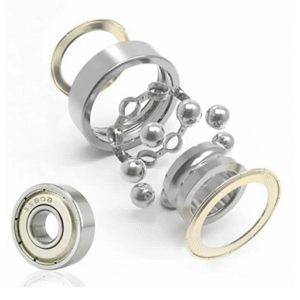
Ball bearings are typically made from high-strength, durable materials to ensure reliable performance under varying mechanical stresses. The most commonly used material is chrome steel (AISI 52100), valued for its hardness, wear resistance, and fatigue strength. Stainless steel is another popular choice, particularly in applications requiring corrosion resistance or exposure to harsh environments. Ceramic materials, such as silicon nitride, are used in high-performance applications due to their lightweight characteristics, high temperature tolerance, and reduced friction. Additionally, polymers and hybrid materials are sometimes employed in specialized bearings where weight reduction, chemical resistance, or specific operating conditions are prioritized.
Common Materials for Steel Ball Bearings
Steel ball bearings are primarily manufactured using two main types of steel—chromium steel (AISI 52100) and stainless steel. Chromium steel is commonly chosen for its exceptional hardness, wear resistance, and high load-carrying capacity, making it suitable for standard industrial applications. Stainless steel, on the other hand, offers enhanced corrosion resistance and is ideal for environments exposed to moisture, chemicals, or extreme temperatures. These materials are heat-treated to achieve the required hardness and performance properties, ensuring durability and reliability in demanding operational conditions.
The Importance of Lubrication
Proper lubrication is critical in mechanical systems as it reduces friction, minimizes wear, and enhances the lifespan of components. It acts as a protective layer between contacting surfaces, preventing direct metal-to-metal contact and mitigating the risk of surface damage under high loads or speeds. Effective lubrication also aids in heat dissipation, maintaining optimal operating temperatures and reducing the likelihood of thermal expansion or distortion.
Key technical parameters in lubrication include viscosity, which should align with the system’s operating speed and load. For example, high-speed applications typically require low-viscosity lubricants to ensure adequate flow and reduce drag, while low-speed, high-load systems benefit from higher-viscosity lubricants to maintain a robust film. Lubricant type (e.g., mineral oil, synthetic oil, or grease) should be selected based on environmental conditions such as temperature ranges, contamination risks, and the presence of moisture or chemicals. For high-temperature environments, lubricants with thermal stability and oxidation resistance are essential, often indicated by a viscosity index (VI) above 100. Regular monitoring and maintenance of lubrication, including oil cleanliness (ISO cleanliness codes) and moisture levels (less than 500 ppm for most applications), ensure optimal performance and system reliability.
Understanding Oil or Grease in Bearings
When deciding between oil and grease for bearings, I consider several factors, such as operating speed, load, and environmental conditions. Oils are typically used in high-speed applications due to their superior heat dissipation and lower friction, while greases excel in applications where contamination protection and simplified maintenance are priorities. For example, grease provides a longer-lasting lubricant film, making it ideal for sealed or harsh environments. Ultimately, the choice depends on ensuring adequate lubrication under specific operating conditions while minimizing wear and maximizing bearing lifespan.
Where Are Ball Bearings Used and Why?
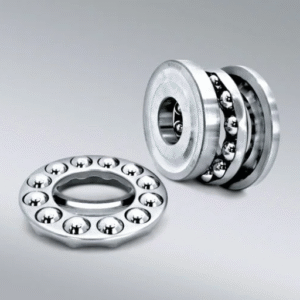
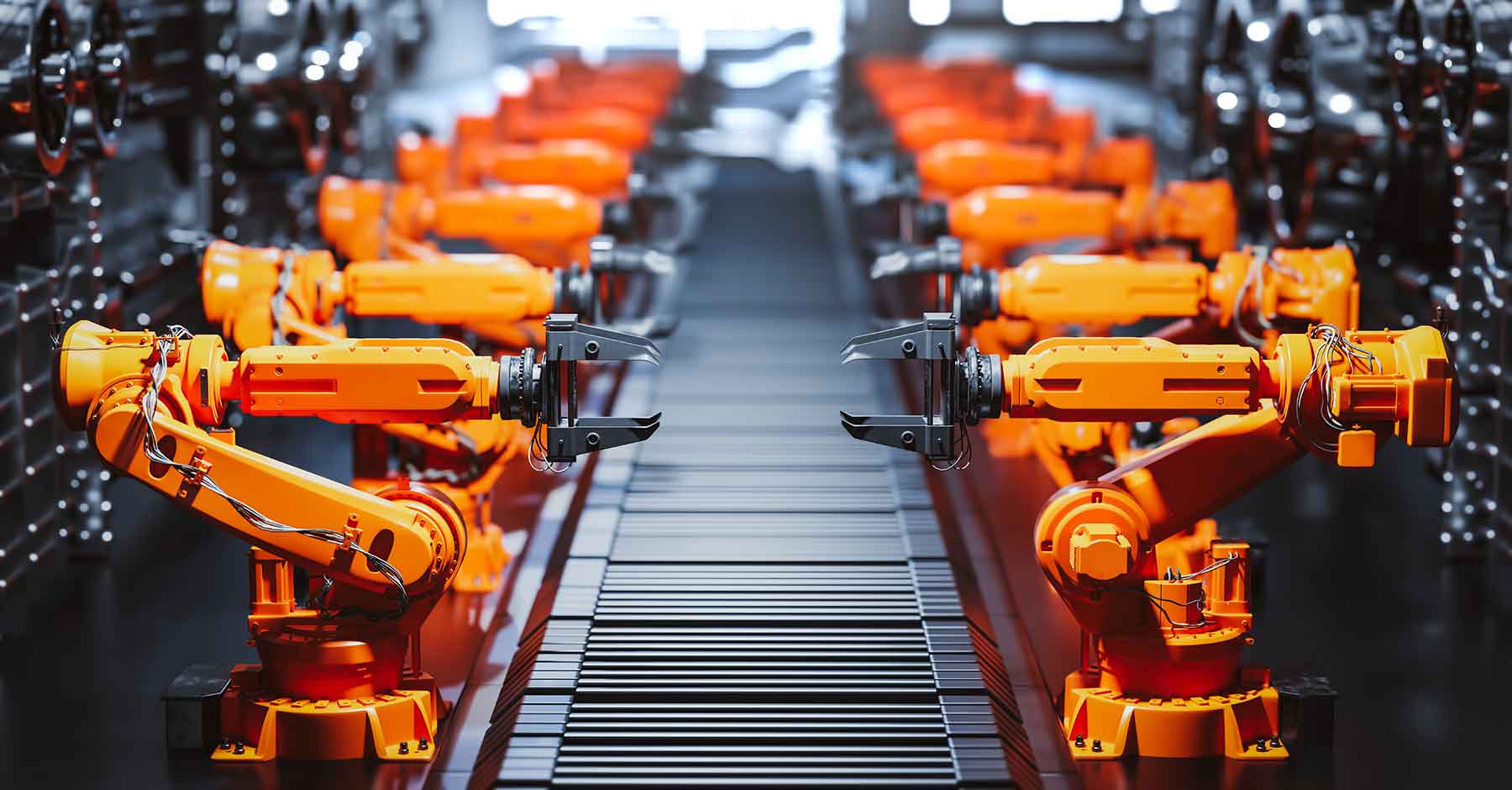
Ball bearings are extensively used across various industries due to their ability to reduce friction, support radial and axial loads, and enhance operational efficiency. They are commonly found in automotive applications, such as wheel hubs, transmissions, and drivetrains, where they ensure smooth motion and durability under high-speed conditions. Additionally, ball bearings are integral to industrial machinery, including conveyor systems, electric motors, and pumps, where precision and reliability are critical. Their application extends to aerospace, robotics, and medical equipment, as they provide stability, high-performance rotations, and reduced maintenance requirements. The versatility and efficiency of ball bearings make them a fundamental component in countless mechanical systems.
Typical Machine Applications
Ball bearings are essential in various machine applications due to their ability to facilitate smooth rotational motion and support radial and axial loads. Common examples include their use in automotive systems, such as wheel hubs, transmissions, and engines, where they enhance efficiency and durability. They are also critical in industrial machinery, being incorporated into conveyor belts, milling machines, and packaging equipment. Furthermore, ball bearings are utilized in electrical motors and fans, ensuring consistency and longevity in performance. Their applications extend to high-precision fields like aerospace, where they withstand extreme conditions, and robotics, where they enable accurate and reliable movement. These components are indispensable in systems demanding high operational efficiency and reduced wear over time.
The Role of Ball Bearings in Moving Parts
Ball bearings play a critical role in ensuring the smooth operation of moving parts by reducing friction and supporting radial and axial loads. From my analysis, they are engineered to enhance efficiency and longevity in mechanical systems, minimizing wear and energy loss. Drawing insights from trusted sources, it’s evident that their versatility spans industries, with applications ranging from automotive drivetrains to precision instruments in robotics and aerospace. This adaptability underscores their importance in achieving operational precision and reliability.
Why Bearings Are Also Crucial for Reducing Wear?
Bearings play a pivotal role in reducing wear by minimizing direct friction between moving components. This is achieved through their ability to manage loads—both radial and axial—while ensuring smooth rotational or linear motion. By providing a reduced contact surface, they diminish the abrasive interactions that lead to material degradation. The following technical parameters underscore this capability:
- Coefficient of Friction (μ): Bearings typically operate with a low coefficient of friction, often ranging between 0.001 and 0.005 for rolling-element bearings, compared to 0.1 or higher in unlubricated sliding systems.
- Load Capacity: Bearings are designed to handle specific radial and axial loads, as quantified by their dynamic and static load ratings, ensuring they operate within safe stress limits to avoid surface fatigue.
- Material Hardness: Many bearings are constructed from high-strength, wear-resistant materials such as hardened alloys or ceramics, with a Rockwell hardness of 58+ to resist wear under consistent loading.
- Lubrication Properties: Proper lubrication significantly decreases friction and wear, with oil or grease reducing metal contact and dissipating heat efficiently.
By addressing these parameters, bearings ensure dependable performance, extend the lifecycle of components, and enhance the overall efficiency of mechanical systems. This technical optimization is crucial in high-demand applications such as automotive engines and industrial machinery.
Reference Sources
- Wikipedia: Ball bearing – A comprehensive overview of ball bearings, their types, and working principles.
- Umbragroup: Ball bearings – What are they and what are they used for? – Explains the importance of ball bearings in various industries.
- IQS Directory: Ball Bearings – Types, Applications, Design, and Benefits – Detailed insights into the design, applications, and benefits of ball bearings.
- Skill Lync: How Ball Bearings Work – A video explanation of how ball bearings reduce friction in machines.
- HowStuffWorks: The Basics – How Bearings Work – A simple explanation of how bearings, including ball bearings, function to reduce friction.
Frequently Asked Questions (FAQs)
Q: What is a ball bearing?
A: A ball bearing is a type of bearing that uses balls to maintain the separation between the bearing races. It reduces friction by providing smooth inner and outer surfaces for the balls to roll between, instead of sliding.
Q: How does a ball bearing reduce friction?
A: Ball bearings reduce friction by minimizing the point of contact between the moving surfaces. The friction between the balls and races is much lower than if the surfaces were sliding directly against each other.
Q: What are the common applications of ball bearings?
A: Ball bearings are often used in various applications such as skateboard wheels, jet engine shafts, and gearboxes due to their ability to handle radial and axial loads at high speeds.
Q: Why are ball bearings used instead of other types of bearings?
A: Ball bearings are used instead of other types of bearings because they offer low torque and high-speed capabilities, which are ideal for reducing friction and improving efficiency in many mechanical systems.
Q: What is the role of lubrication in ball bearings?
A: Lubrication in ball bearings helps to reduce the friction between the balls and races, protect against corrosion, and extend the lifespan of the bearing by ensuring smoother operation.
Q: What is a shielded bearing?
A: A shielded bearing is a type of ball bearing that includes a seal or shield on one or both sides to protect against contamination and retain lubrication.
Q: How do radial ball bearings differ from other bearings?
A: Radial ball bearings are specifically designed to support primarily radial loads, whereas other bearings might be designed to handle axial or combined loads.
Q: What materials are ball bearings typically made from?
A: Ball bearings are typically made from steel or ceramic materials, offering strength, durability, and resistance to wear for high-speed applications.
Q: What is the significance of small bearings in the bearing industry?
A: Small bearings are crucial in the bearing industry as they are used for precision applications, where space and weight limitations are important, such as in electronics and small machinery.
Q: How does a ball-bearing design contribute to its antifriction properties?
A: The ball-bearing design contributes to its antifriction properties by allowing the balls to roll with minimal resistance between the smooth inner and outer races, thus reducing the turning resistance significantly.