


To keep the accuracy and productivity of roll forming machines, the taper roller bearings should be managed carefully as they are popular components of the machines. These bearings are critical in supporting the massive loads and the machine’s rotation, but they can be improperly installed or have insufficient preload which will greatly affect their auxiliary performance and lifespan. This tutorial presents the value of correct taper roller bearings preloading using your roll forming process as a case study to show the clear advantages of preloading in accuracy, wear reduction, and durability. This article is intended for both experts and newcomers to the roll forming industry so that anyone can learn the basic knowledge and hands-on strategies to improve bearing performance and machine productivity.
What Is the Importance of Preload in Taper Roller Bearings?

Preloading taper roller bearings is important for the performance and dependability of rotary applications. The proper preload ensures accurate alignment of parts, minimizing excessive movement and wear. It provides better system accuracy by reducing endplay and increasing the bearing’s load-carrying capacity, which is critical in many demanding applications. In addition, preloading reduces vibration and noise, resulting in smoother operation of the machinery and prolonging the life of the bearings. Setting appropriate pre-existing enables efficient operations and shields the machinery from unnecessary breakdowns.
Understanding Preload and Its Role in Roll Forming Mills
In roll-forming mills, pre-load is one such feature that needs to be set correctly since it influences the quality of output and efficiency of the machine. The material to be worked on, its speed, and the mill’s design are some of the criteria that set the plunger preload standards. Operators can control the pre`s in the context of the set standards through the application of advanced methods like strain gauges and ultrasonic measurement techniques.
Research suggests poor preload management can unduly increase wear on components, increase energy consumption, and compromise quality. For example, an improper preload can shorten bearing life by as much as 40%, therefore careful calibration is critical. On the other hand, setting preload correctly, will improve bearing alignment, increase accuracy, and reduce scrap in the manufacturing process, which supports the growing need for environmentally-responsible practices in industry.
Contemporary roll-forming mills often employ automatic controllers to set and control preloads dynamically. With the addition of intelligent diagnostics, an operator’s control over the production output becomes feasible alongside dramatically reduced downtime associated with mechanical failures. This gives great attention to consistency across parts, reducing variation in the dimensions of parts produced which is important for the automotive and construction industries.
Well-defined preload management protects the equipment from harm, increases energy efficiency, lowers maintenance expenses, and improves production efficiency.
How Preload Affects Taper Rolling Bearing Performance
The taper rolling bearings’ performance, life span, and reliability across applications are remarkably affected by the amount of preload applied. Properly applied preload eliminates internal clearance which improves stiffness and helps in the reduction of unwanted vibration during operational activity. Improvements in vibration stability are favorable in precision-demanding fields such as aerospace and robotics.
Preload has a direct effect on how the load is distributed within the bearing. For example, with optimal preload, the load is evenly distributed and shared among the rolling elements, thereby reducing the localized stress and premature wear. On the contrary, too much preload could lead to increased friction resulting in high temperature, accelerated heat generation, and energy depletion. Research has also shown that exceeding the recommended preload significantly reduces the bearing lifespan by almost 25%. This highlights the importance of preciseness for application.
As well, preload reduces the risks of axial displacement, shaft misalignment, and shift from operational conditions. Dynamic tests have shown that properly preloaded taper rolling bearings yield 15% greater energy savings over bears with excessive or insufficient preloads.
An optimum preload can be achieved through a multi-factored calibration as well as sophisticated detection systems. Numerous modern setups now incorporate technologies like sensor-bearing-housing units that monitor load as well as temperature in real time. Maintaining preload within the manufacturer’s specifications and system-defined goals leads to enhanced operational efficiency and increased life cycle of the components.
Ensuring Proper Preload to Avoid Production Problems
Preload control is crucial in avoiding production issues about accelerated component wear, heightened energy consumption, and potential system breakdowns. Research suggests that an inadequate preload can lead to a bearing life reduction of up to 40%, whereas overly generous preload provisions increase frictional forces and heat generation, degrading material over time.
Advanced measurement and control systems are integrated with modern approaches to optimize preload. Automated preload controllers are an example that, along with vibration analysis tools, can monitor operation automating any out-of-norm parameter corrections immediately. From industry data, it’s been emphasized that cross-industry data shows leveraging preload monitoring systems can boost machinery productivity by 20%-50%, drastically improving maintenance costs and unanticipated downtimes.
Preload is kept within correct boundaries as monitored digitally by diagnostic and condition-based monitoring devices assuring that machinic operations occur within limits during operation times. As industry leaders point out, constant realignment of assembly configurations depending on operational needs is paramount if production lines wish to sustain high efficiency and output levels.
How to Properly Set Preload for Taper Roller Bearings?

To properly set preload for taper roller bearings, follow these steps:
- Clean and Inspect Components: Make sure all bearing parts are cleaned and free of any foreign materials. Inspection of components for possible damage should take place before assembly.
- Determine Preload Specifications: Check the manufacturer’s instructions; fulfill the requirements of predefined limits.
- Gradual Tightening: Assemble the bearings, and while monitoring the rotational effort, adjust the tightening of the adjusting mechanism stepwise.
- Check Rotational Torque: Verify if the torque needed is within the recommended bounds to rotate the bearing assembly using a torque wrench or any suitable device; make adjustments where necessary.
- Confirm Temperature: Observe the temperature after the first run period to check that it does not exceed the limit. Too high a temperature may suggest that the preload is set incorrectly.
Both optimum performance and reduction of the expected premature wear while extending the bearing’s life are achieved by properly setting preload. The best outcome relies on the bearings manufacturer’s instructions.
Step-by-Step Guide to Setting Preload for Taper Roller
- Understand the Preload Requirements: Before undertaking work, the manufacturer-recommended preload parameters for specific taper roller bearings must be known. Preload is usually indicated on the bearing’s documentation as an axial force or a torque value. Check the bearing catalog or related documentation for specific information.
- Prepare the Assembly Area: Ensure that the working space is clean and devoid of any particulate matter that might compromise the surfaces of the bearings or the installation process. Ensure all needed tools are prepared in advance which may include a torque wrench, dial indicators, and spacers.
- Measure and Assemble Components: Start from the shaft, and then proceed to the housing by fitting the various parts of the bearings onto the shaft. Bearings must be placed into position gently to avoid scratches, dings, or cross-loading. Measuring devices should be employed to verify the correct alignment and location of spacers or shims.
- Apply Initial Preload Torque: Apply the initial preload torque using the calibrated torque wrench on the assembly parts for the initial pull. Incremental tightening of the nut or fastener should be done to avoid eccentric loading of the bearing surfaces. Take for instance taper roller bearings, the guidance value on preloading may range between 0.1-0.3 Nm which value would change on the size of the bearing and its application.
- Measure Axial Movement: Utilize a dial indicator to check the axial movement of the assembly and confirm that the correct preload has been established. An optimal assembly should have no or minimal axial movement and smooth rotation. If any axial play is present, modify the preload by adjusting the tightness of the fastener.
- Verify Rotational Friction: Manually spin the bearing to check for drag torque or resistance. Smooth motion with no sticking indicates the correct amount of preload. Over-tightening must be corrected if excessive friction is detected. This step is crucial to avoid damaging the bearings.
- Thermal Testing for Final Adjustment: After the assembly is complete, run the machine or system with the bearing at low speed for a gentle initial run-in phase. Monitor bearing temperatures with an infrared gun or temperature sensor. Bearings operating hotter than the manufacturer’s values may be due to excessive preload or improper lubrication suggesting these will need to be addressed.
- Document the Settings: Ensure all relevant settings have been documented including torque values, spacer thickness, or any other modifications once optimal preload is achieved. Detailed notes of these settings will allow for easy replicability in future maintenance.
Worry-free operation and elongation of the lifespan are fostered by optimizing the performance of taper roller bearings in increments by following stepwise restructuring. Regular self-checks in conjunction with following the manufacturer’s guidelines with minimal lapse help evade problems.
Common Mistakes in Preload Adjustment
The preload setting for taper roller bearings is a meticulous task, and like any other task, it may contain discrepancies that could impact the reliability and efficiency of the entire system. One of the most common oversights is the setting of correct levels of preload, which could be too high or too low. The greatest risk of high preload is the increased friction and heat generation that accelerates wear and can cause the bearing to fail prematurely. On the other hand, insufficient preload leads to looseness of the bearing that is catastrophic in its own sense due to vibration, misalignment, and uneven load.
Neglect of the effects of thermal expansion is another oversight that can prove to be fatal. Although it might seem insignificant, bearings accepting varying temperature values will have some form of clearance change crossed due to thermal expansion which will change the preload. The absence of accounting for this value during fitting will make performance far from optimum. Here, the manufacturer’s recommendation for setting preload based on thermal parameters solves the problem.
Under lubrication is also an area of concern. Incorrect lubricant type, insufficient quantity of lubricant, or the lubricant being tainted will greatly affect the bearing and preload. Research suggests improper lubrication is responsible for bearing failure up to 40 percent of the time.
Finally, regular bearing inspections as well as proper assembly of parts and components should not present problems. Misalignment results in uneven load distribution in the bearing which leads to some rollers being unstressed and over-stressed at the same time. Monitoring and cleaning, realigning the parts and components, adjusting the load, and proper routines are done in every service work ensure that radial bearing preload is accurately set, enhancing bearing performance.
What Are the Effects of Improper Preload on Taper Roller Bearings?

Highly adverse consequences can result from applying inappropriate preload on taper roller bearings. Failing to set adequate preload will lead the parts to rotate relative to each other causing internal wear while high preload will cause excessive friction which in turn will lead to heating, premature wear of one or more components within the bearing, and increased energy expenditure. Inadequate preload creates slack in the bearing which leads to reduced stability, increasing misalignment, worsened vibration, and a truncated operational lifespan. Either of these situations presents serious efficiency and dependability concerns for the mechanization which can transform into expensive work hours and repair services. Optimal preload is the most important factor ensuring operational flexibility.
Identifying Symptoms of Improper Preload on Taper Roller Bearings
Maintaining machine performance and avoiding premature failures requires the proper detection of improper preload on taper roller bearings. Excessive spindle preload, for example, is often associated with bearing noise and whinny noise, higher operating temperature, and rapid wear of the bearing surfaces. These problems result from excessive radial compressive force on the bearing parts which decreases the lubrication and increases friction.
Inadequate bearing preload may result in structures with greater vibration, localized misalignment, or slack within the toroidal groove which may contribute to uneven load transfer and precise rotation which will lead to bearing degradation and more severely affect the adjacent parts as well. Studies show that vibration analysis will often solve the issue of detecting preload settings because they illuminate the irregular movements or resonances that occur because of incorrect settings.
Correctly measuring the temperature and visually inspecting the surface for wear, contact surface, and even the periphery at intervals should alert the personnel to the possibility of improper preload. Advances in sensor technologies enable the real-time monitoring of squeeze load, thus facilitating proactive overload or maintenance planning while optimizing uptime.
Impact on Radial Load and Axial Force Management
Machinery that rotates requires effective preload adjustment, and this has a preload adjustment with radial load and axial force. A radial load is a load that acts perpendicular to the rotation spindle, axis, or shaft, while the axial load refers to the load acting along the axis of the rotation. In the case of optimal preload, radial and axial forces can be balanced which minimizes wear and misalignment in a rotating element.
Recent studies indicate that improper preload can lead to a bearing lifetime decrease from 20 to even 30 percent because of uneven load distribution in the bearing. In addition, too high a preload increases internal friction and at the same time operating temperature by 18 to 20 percent. Insufficient preload, however, creates conditions whereby vibrations and noise become excessive resulting in equipment instability.
Intelligent load sensing systems are radial and axial force measuring devices, that modern technology has developed. Some sensor-based devices, rely on force distribution among other factors, and can measure force distribution of even one to two percent. This kind of technology is important for industries that concentrate on high-speed production.
How Does Lubrication Affect Taper Roller Bearings?

Bearings taper rollers require proper lubrication for optimal use and longevity. Lubrication lowers friction between moving parts and surfaces, greatly reducing wear, energy expenditure, and even internal deconstruction of the bearing. Proper lubrication will also manage the heat produced during operation which, if not controlled, can lead to overheating and damage. Lubrication acts as a barrier stopping contaminants like dirt or moisture from compromising the bearing, which helps maximize its lifespan. To maintain dependability and smooth operation, the proper type and quantity of lubricant must be chosen. Conducting regular maintenance checks and replacing lubricant when necessary also works to improve the overall efficiency and longevity of the bearing.
Properties and Functionality of Lubricant Film in Bearings
The film of lubricant within a bearing is important for the remedy of friction, wear, and lifespan of mechanical parts. Research shows intervention is required to balance the overall thickness of the film which is usually a degree of micrometers (µm) because it heavily affects the segregation of contact surfaces of the bearing parts. The use of thin films (thin layer) e.g. oil or grease of high viscosity leads to reduced direct metal contact because of the boundaries created, which ensures smooth operation even at high loads and low rpm where a torque is constantly applied.
Appropriately designed lubricant film assists in the dissipation of heat during operation and temperature buildup which could degrade the lubricant and bearing material is avoided. For instance, certain lubricants meant for high-speed applications are designed with anti-wear and corrosion inhibitors. Such additives bolster the performance of the lubricant and its protective abilities, particularly in vexatious and elevated temperature regions.
Research indicates, corroborated by many, that a troubling proportion of bearing failures occurs because of inadequate lubrication—often cited as high as 40% of cases. This highlights the need to control lubrication parameters and employs cutting-edge technologies such as vibration analysis, and infrared thermography, to monitor and assess lubrication conditions. The lower thermal stability of mineral oils makes them less suited for demanding applications as high-performance synthetic oils, which mineral oils, have been offered for greater thermal stability, are increasingly accepted as offering longer periods of reliable performance requiring maintenance less often.
Optimized system efficiency and a reduced bearing’s service life when well-maintained can be achieved, next to cost-savings for industries dependent on high-precision machinery.
Factors to Consider When Selecting a Lubricant for Pipe and Roll Forming
Selecting an appropriate lubricant for pipe and roll forming processes is vital to avoid unnecessary wear and tear of machines and enhance their efficiency and lifespan. The following considerations should be made to achieve optimal results:
- Viscosity and Film Strength
The viscosity and frictional properties of a lubricant’s protective covering are determined by its liquid oil sufficiency. Low-viscosity lubricants are better suited for high-speed applications whereas heavy-duty applications are better served with high-viscosity lubricants. Ensure that the lubricant used provides adequate film strength to withstand high pressure without wear and tear or resistant breakdown.
- Thermal Stability and Oxidation Resistance
Consistently high temperatures are often produced during theatre roll forming and pipe fabrication. These processes simultaneously need a lubricant that functions thermally stable at high heat. Furthermore, oxidation resistance increases the life of lubricants thus decreasing maintenance necessary equipment downtime by the reduction of sludge or deposit formation.
- Compatibility with Materials
For both non-ferrous and ferrous metals, it’s crucial to determine whether the lubricant is compatible with the fabric substance. Certain lubricants are specially tailored for stainless steels and aluminum substrates; These compositional metals provide enhanced protective and finishing capabilities.
- Load-Bearing Capacity and Additives
EP and AW lubricants, capable of providing anti-wear protection and excessive pressure support, are needed for high-load forms as well as for high-pressure forming processes, while simultaneously protecting equipment from accessories surface deformation.
- Environmental and Safety Considerations
The addition of modifiers should consider environmental impact; however, performance should not be compromised. For regions sensitive to environmental issues, low-biodegradable or VOC lubricants can be considered. Non-hazardous products should also be employed to fulfill industry guidelines and ensure workplace safety.
- Cost Efficiency and Consumption Rates
An increase in performance precision leads to a reduction in overall lubricant consumption and downtime. With proper coverage and lasting durability, tools can be easily maintained, operational costs lowered, and life expectancy lengthened. High-performance lubricants aid in maintenance expense reduction, on average estimating a 20–25% decline with several industries.
Insights from Industry Trends
Recent developments in lubricant technologies indicate a shift toward multifunctional synthetic lubricants which outperform traditional mineral-based oils in thermal stability, friction, and tool life. Some manufacturers are also using nanotechnology to develop lubricants that provide protective coatings at a molecular level. Modern lubricants are said to enhance operational efficiency by 15%, making them particularly beneficial in the pipe and roll-forming industries.
By tracking these developments, businesses can refine their workflows, enhance the reliability of machines, and cumulatively save costs over time. Choosing the right lubricant goes beyond reverting to maintenance—it is an opportunity to improve operational performance.
Maintaining Proper Alignment Through Adequate Lubrication
Optimal clearances between machinery components are vital in achieving good machinery performance while minimizing wear and tear. The life span of the equipment is also dependent on its proper use. The right lubricants along with effective lubrication systems are critical to ensure compliance with defined tolerances and directions of movement. With the right lubricants, misalignment due to heating and uneven wear can be eliminated. Recent developments indicate that the use of high-performance synthetic lubricants can improve energy losses in misaligned systems by as much as 10% because of their unchanged viscosity at varying temperatures. Additionally, maintenance predictive systems coupled with smart lubrication oversight provide dynamic corrections, guaranteeing that all parts are well aligned, lubricant temperatures matched, and quality at its peak.
Studies show that devices with repetitive misalignment patterns frequently run with inadequate or incorrect types of lubrication. In one case, equipment employing advanced grease blends containing anti-wear additives showed improvement in alignment stability by 20%. The return realized from the investment towards advanced lubrication technologies is precise alignment performance alongside reduced maintenance costs owing to decreased unplanned machinery failures.
Through the application of novel lubricants and sophisticated monitoring, enterprises can shield their systems from the harmful consequences of misalignment while ensuring streamlined and accurate operations.
What Are the Key Considerations in Taper Roller Bearing Arrangement?
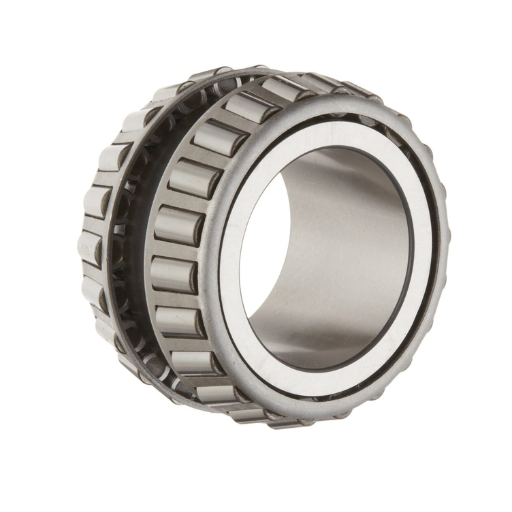
- Load Direction and Capacity: Designed to accommodate combined radial and axial loads, taper roller bearings must be arranged to ensure maximum bearing efficiency based on the expected load direction and magnitude.
- Adjustment and Preload: Proper adjustment of internal clearance through preload requires Close attention with stable performance. Insufficient rigidity Preload, insufficient preload may lead to overheating while Excessive preload could reduce it.
- Alignment: Aligning the rotating parts between which a bearing is mounted is very important because misalignment needs to be avoided to the greatest extent possible since it results in uneven load distribution and, over time, damages the bearing’s components.
- Lubrication: To reduce friction and wear appropriately lubrication must be used, regular checks ensure the lubricant on use keeps the required cleanliness and does the actual work of lubrication.
- Environmental Conditions: Operating temperature, contaminants, and other environmental conditions that could enhance or diminish the wear and tear as well as the bearing’s operational lifetime Performance and mark longevity also require consideration for these.
By attending to taper roller bearings in regards to the last bullet discussed can be used to emphasize any arrangement that meets the bearings functionality while enhancing performance and durability simultaneously.
Types of Taper Roller Bearing Arrangements and Their Applications
- Single-Row Taper Roller Bearings
- Details: This type of taper roller bearing is the most widely used because it supports radial and axial loads in one direction. It requires specific alignment and frequently works with a secondary bearing to manage counteracting forces.Applications: Extend into the automotive sector as automobile wheel bearings, gearboxes, and pinion shafts.
- Double-Row Taper Roller Bearings
- Details: Consisting of two rows of rollers, these bearings support radial and axial loads in both directions. Compared to single-row bearings, they have greater load capacity and rigidity.Applications: Used extensively in heavy-duty machinery like industrial gearboxes, rolling mills, and construction machines.
- Four-row Taper Roller Bearings
- Details: These bearings are specially designed to support maximum radial and axial loads while maintaining exceptional stability. They offer optimal support and are perfect for high-speed applications.Applications: Found in rolling mill machinery, large presses, and durable machine tool transmission systems.
- Tandem Taper Roller Bearing Arrangements
- Details: This arrangement uses several single-row taper roller bearings placed in series with a specific geometrical configuration to support very high axial loads in one direction on the bearing.Applications: Mainly used in the gearing systems and shafts where high axial forces need to be handled.
- Back-to-Back (O-Type) Arrangements
- Details: The taper roller bearings are mounted in such a way that the contact angle of one bearing with respect to the other bearing rotates outward. Thus, these arrangements are stable and can accommodate radial loads and axial loads in opposite directions.Applications: Commonly seen in machine tool spindle and precision machinery.
- Face-to-Face (X-Type) Arrangements
- Details: The bearings have been placed together in such a manner that the angles of contact of both the bearings face inwards which allows for some amount of angular misalignment while allowing the bearings to exert, or be subjected to, loads in both directions.Applications: Employed in the moving parts of conveyors, vertical and horizontal pump shafts, agricultural equipment and machinery.
Meeting the performance and life expectations in various industrial and automotive applications requires selecting the right arrangement of taper roller bearings as per bearing alignment checks, load conditions, and application environments.
Factors Influencing Internal Clearance and Friction
Numerous variables affect the internal clearance and friction within bearings, and recognizing these factors is essential for the proper functioning and servicing of bearings. The most prominent factors are:
- Load Type and Magnitude: Contact stress and friction rise with reduced cabin clearance, which is experienced with greater radial or axial loads. For example, in industrial settings, oversized radial loads can lead to severe bearing damage, manipulating wear and energy efficiency greatly.
- Temperature Variations: Bearing component fitting clearance changes with temperature due to thermal expansion, this also changes internal clearance. For instance, an increase in operating temperature may lead to a reduction in clearance which results in higher friction and negative impacts on lubrication.
- Sufficient Lubrication: Adequate lubrication results in reduced friction owing to less metal surfaces in contact with each other. The lubricant’s viscosity and grade have to be suited to the requirements of the operation being performed by the bearing. It has been noted that for most bearings operated at standard temperatures, a five percent increase in lubricant viscosity translates to up to fifteen percent friction reduction.
- Alignment and Installation Errors: During the installation process, alignment, if not done correctly, leads to poor load distribution for the bearing which directly affects internal clearance and friction. Proper tools and techniques during installation can help solve these problems quickly.
- Speed and Acceleration: Increased speeds usually have extra friction because centrifugal forces impact how lubricants are distributed within the equipment. Bearings that are meant to operate at high speeds often have better surface finishes or more intricate internal shapes designed to mitigate these issues.
- Contamination: Dirt, foreign matter, and even moisture can accelerate the wearing out of components leading to increased friction and reduced clearance. Active seals and maintenance checkups are vital in reducing possible contamination.
Improved care for these aspects leads to prolonging the service life and effective operation of bearings in diverse industries involving industrial machines and vehicles.
Implementing Axial Load and Radial Load Balancing
In a mechanical system, proper balancing of the axial and radial loads is necessary for the effective functioning and longevity of the bearings employed. Both parallel and perpendicular to the shaft axes forces, which are referred to as axial and radial, need to be balanced correctly within the context of the application and working conditions.
Perhaps, one important factor is the ratio of axial to radial loads. Investigations show that for high-speed systems like compressors and turbines, improper distribution of these forces tends to cause vibration, overheating, and general shortening of the lifespan sarcophagus of the system’s parts. Implements best-designed methods by providing tapered roller bearings capable of considerable axial and radial load simultaneously and overcomes these problems.
In robotics and aerospace systems, dynamic load balancing is common for precision work. The system can perform better with up to twenty percent more efficiency if the advanced industrial setups studies are right, due to the expected integration of what seems to be advanced sensors and real-time controlling computers used to monitor load shifts and compensate necessary adjustments actively.
Moreover, proper lubrication is critical when handling simultaneous loads. High-viscosity lubricants can aid in the creation of a protective film between the bearing’s contact surfaces, minimizing friction and wear during periods of high radial and axial thrust. Proper lubrication upkeep, aligned with the environment, guarantees dependable functioning of the bearings, especially in burdensome machinery.
Through the integration of advanced design strategies, constant tracking systems, and timely lubrication, industries can delicately manage the interaction between axial and radial loads. This enhances the performance of the bearings, increases the reliability of the entire system, and decreases maintenance expenses over time.
Reference Sources
-
The Dynamics of Tapered-Roller Bearings–A Bottom-up Validation Study:
- Investigates the behavior of tapered roller bearings under different speeds and axial preloads.
- Highlights the importance of preload in reducing noise and improving the performance of rotating machinery.
- Methodology includes dynamic modeling and experimental validation of preload effects.
-
A Review on the Preload Technology of the Rolling Bearing for the Spindle of Machine Tools:
- Reviews preload application techniques for rolling bearings, including tapered roller bearings, in spindle systems.
- Discusses variable preload technology and its impact on bearing performance and reliability.
- Methodology involves a comprehensive review of preload measurement and application technologies.
-
Fundamental Study on Preload Loss in Tapered Roller Bearings:
- Examines preload loss in tapered roller bearings due to factors like taper and bearing width.
- Highlights methods to minimize preload loss during operation.
- Methodology includes experimental analysis of preload changes during bearing rotation.
- If you are looking for more information about Taper Roller Bearings – Amigo go here right away
Frequently Asked Questions (FAQs)
Q: What is the importance of preloading tapered roller bearings in roll forming machines?
A: Properly preloading tapered roller bearings is crucial for ensuring the extended life and optimal performance of roll forming machines. Preloading helps maintain the correct position of the bearing components, reducing excess movement and distributing the load evenly across the raceways, which prevents premature failure.
Q: How does roll-kraft recommend preloading tapered roller bearings?
A: Roll-kraft recommends carefully adjusting the preload based on the specific application and load requirements of the roll forming machine. It is important that bearings are properly preloaded to achieve the desired axial load carrying capacity and minimize wear.
Q: What are the consequences of incorrect tooling and mill setup on bearings?
A: Incorrect tooling and mill setup can lead to misalignment and uneven load distribution, which significantly reduces the lifespan of the bearings. It may also result in increased vibration, noise, and potential damage to the tube and pipe being processed.
Q: What are the different bearing types used in roll forming machines?
A: Common bearing types used in roll forming machines include tapered roller bearings, cylindrical roller bearings, and angular contact ball bearings. Each type has specific advantages depending on the load and application requirements.
Q: Why is central lube important for bearings in roll forming machines?
A: Central lube systems ensure that bearings are consistently lubricated, reducing friction and wear. This is essential for maintaining the performance and longevity of the bearings, especially in high-speed applications like those in roll-kraft’s tube and pipe mills.
Q: How can mill operators ensure bearings are properly maintained?
A: Mill operators should follow a comprehensive maintenance program that includes regular inspections, lubrication checks, and timely replacement of worn components. Proper lubrication and monitoring of the load rating are key to preventing bearing failures.
Q: What role does the design of the bearing play in its performance?
A: The design of the bearing, including the geometry of the inner and outer ring, raceways, and rolling contact elements, directly influences its load-carrying capacity, friction levels, and overall performance. Selecting the right design ensures compatibility with the specific requirements of the roll forming machine.
Q: How do tapered roller bearings typically handle loads?
A: Tapered roller bearings typically handle both radial and axial loads effectively. They are designed to support high loads by distributing them across the raceway surfaces, making them ideal for applications where both types of loads are present.
Q: What is a tech tip for extending the life of bearings in a pipe or roll forming mill?
A: A valuable tech tip is to ensure that bearings are mounted in pairs with the correct preload and alignment. Regularly inspecting and maintaining the central lube system and following roll-kraft’s guidelines for tooling and equipment can also significantly extend the life of the bearings.
Q: Can you explain the concept of axial location in relation to bearing installation?
A: Axial location refers to the positioning of the bearing along the end of the shaft, ensuring it remains in the correct position during operation. Proper axial location is vital for maintaining the bearing’s load distribution and preventing axial play, which could lead to mechanical failures.