


Tapered roller bearings are vital in numerous mechanical systems for their efficiency in managing radial and axial loads simultaneously. These robust multi-functional roller bearings are intentionally engineered for use in severe operating conditions and are widely used in the automotive, aerospace, and manufacturing industries. This article discusses what makes tapered roller bearings unique, the advantages of their geometry, and their many uses. Irrespective of the type of reader – an engineer looking for tailored solutions or a layperson wanting to make sense of these parts – this guide helps stretch one’s thinking towards the role of these components and why they require special attention in contemporary engineering. So, let us explain the details and understand what makes them a paradigm of inventive engineering.
What Makes Features of Tapered Roller Bearings Unique?
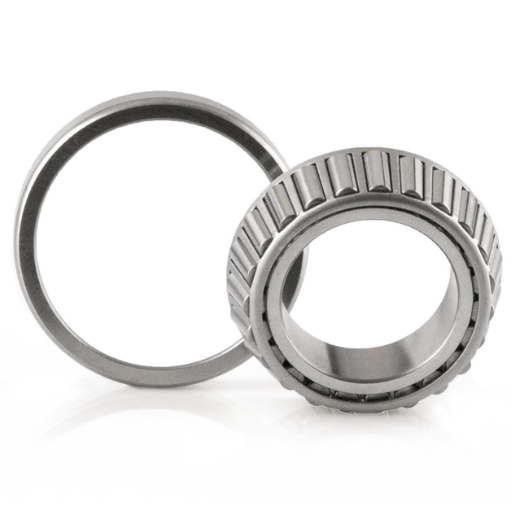
Tapered roller bearings stand out for their capacity to absorb both radial and axial loads simultaneously. Their structure also aids in deflection of loads evenly and lowering the operational workload. Their mechanical strength increases and the lifetime of tapered roller bearings is further improved by the reduction of component parts. This makes them optimum for highly loaded conditions within automotive axles and heavy industrial machineries. Moreover, less energy loss due to friction as a result of minimal clearance also improves overall functioning and has better efficiency. These advantages also provide tapered roller bearings dependability with flexibility in engineering systems and machines.
How the Tapered Design Allows for Efficient Load Distribution
The shape of tapered roller bearings is primary reason for its effectiveness in dealing with radial and thrust loads simultaneously. Tapered roller bearings achieve better force application due to the bearing’s arrangement wherein the conical rolling elements or rollers are mounted to the circumference at an angle to the main rotational axis. That way, forces acting on the bearing surface in relation to the center of rotation are transferred in such a manner that both radial and axial components, for thrust or motion along the cylinder’s axis, can be formed.
It has been documented in mechanical engineering studies that the systematically tapered angle correlates with a bearing’s load capacity. For example, deeper angles boost axial load capabilities whereas shallower angles radial load distribution. Peppered into the modern manufacturing mix are high-performance materials such as high-carbon steel or even ceramic composites, as they have better load-bearing capabilities. Innovations in precision engineering allow for ultra-low friction surface treatments, further enhancing performance.
Applied research has also documented efficiency gains using tapered roller bearings in heavy-duty equipment. The findings show that they have 20% greater durability than conventional designs. These features underscroll the engineering of tapered designs for strength and performance across a range of industrial applications. Reinforcing their usefulness as essential parts in gearboxes for wind turbines, mining machines, and high-speed train systems are the turbines engineering efficiency while relying on extreme loads.
The Role of Inner and Outer Ring in Taper Roller Bearings
The inner and outer rings of taper roller bearings are very important in performing their specified functions. The inner ring which is called cone, goes on to the shaft and rotates with it. It has a raceway which contains a guiding track that ensures rolling elements operate optimally regardless of load variations. The outer ring also called cup remains static and serves as the outer race for the rollers. These parts are manufactured to balance both radial and axial forces simultaneously, which is useful in applications that demand high dependability.
These rings have been improved in their function because of recent changes in manufacturing and material design. High-carbons steel great used for cranking wear resistance and fatigue life serves thinner gaps for inner and outer rings. Some research shows that bearings where inner and outer rings are one optimally designed offer thirty percent more load-bearing capacity and twenty period less friction. These other important reason why rings perform dependable under high heat is because these advanced machining furnaces can treat them to resist red hot conditions which is exactly needed in aerospace and some other heavy mechanical industry. The great precision and efficiency of these rings proves how taper roller bearings inner and outer rely on each other.
Why Taper Roller Bearings Offer Superior Performance in Demanding Applications
Due to their performance superiority in extremely difficult working environments, taper roller bearings are widely used in various industries. Below are the supporting arguments that explain their superior performance.
- Exceptional Load-Bearing Capacity
- Taper roller bearings have the ability to carry radial and axial loads simultaneously without any complications.Due to the specification contours, the distribution of load on the contact surface is uniform, which leads to lower damage and greater service life.
Data Example: Compared to conventional roller bearings with similar dimensions, single taper roller bearings outperform them by supporting 20% greater radial load.
- Extreme Temperature Resistance
- These bearings are subjected to other heat treatments so that they can withstand very high or very low temperatures without losing strength.Taper roller bearings are reliable in locations ranging from cryogenic settings to above 300°F.
- Reduced Friction for Energy Efficiency
- Friction reduction by up to 20% is guaranteed with the use of correctly configured contact surfaces of the parts.Operational costs are favorable due to less fuel consumption in conjunction with reduced energy required to power the machines.
- Enhanced Durability and Longevity
- The usage of surface hardened high alloy steel increases toughness to wear and extending the bearing life.Data Example: Taper roller bearings often achieve lifecycles up to 30% longer than standard cylindrical bearings.
- Broad Use Across Many Industries
- Used broadly in automotive, aerospace, industrial machinery, and heavy equipment.Being able to accommodate misalignment and shock load feature make them appropriate for many dynamic operations.
- High Precision and Stability
- Strict manufacturing tolerances enhance accuracy, which minimizes vibrations while stabilizing operations.Precision stability is crucial in sectors like robotics and medical devices manufacturing.
With the addition of these features, taper roller bearings excel as a trustworthy answer, meeting performance and durability needs in harsh operating conditions. These bearings exemplify a blend of practicality and innovation, guaranteeing reliability amidst tough conditions.
What are the Advantages of Tapered Roller Bearings?
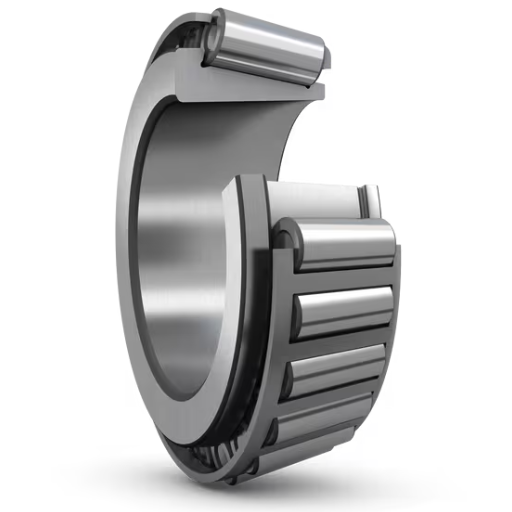
Tapered roller bearings offer several key advantages:
- Accommodating Load Impact: Tapered roller bearings support radial and axial loads simultaneously which proves beneficial in heavy duty applications.
- Long Life: The quality of materials used in the construction of tapered roller bearings makes them durable and capable of withstanding highly challenging operating environments.
- Reduced Friction: Minimum operational friction is associated with energy loss which makes tapered roller bearings efficient and enhances productivity.
- Diverse Applications: Tapered roller bearings are popular in the automotive industry, industrial machinery and aerospace and can be used in products from a variety of sectors.
These characteristics reinforce how engineering-focused tapered roller bearings are for their purpose demanding efficiency, durability, and high precision.
Exploring the Benefits of Tapered Roller Bearings
Increased Load-Bearing Capabilities
Bearings with a tapered shape can efficiently manage heavy radial and axial loads simultaneously. This makes them ideal for construction transportation bearings. It’s modern tapered roller bearings that can handle strikingly high numbers, anywhere between thousands and tens of thousands of pounds of dynamic load placed on them, depending on the design and materials of the bearings. Because of how these bearings are able to evenly distribute the load across the various surfaces of contact, the performance remains stable and consistent even under extreme stress. Tapered roller bearings find application in construction, mining, and transportation due to such robust capability to bear load.
Improved Lifespan and Strength
Exceptional durability of tapered roller bearings stands as one of its biggest advantages. With these bearings being made of high quality steel, often going under stringent heat treatment processes, they have much greater resistance when it comes to wear and fatigue. Performance and Maintenance costs are reduced drastically as leading tapered roller bearings under ideal conditions of use were seen attaining lifespans of over 100,000 hours.
High Efficiency and the Saving of Energy
The accurate tapered design also reduces friction throughout the operation which helps in improving the mechanical efficiency. Newer versions frequently incorporate enhancements to geometric shapes and also add specialized coatings which reduce drag and ultimately save energy in the equipment. For example, many businesses that use energy saving tapered roller bearings have reported an increase of system efficiency by as much as 15 percent which demonstrates the promise of these bearings for efficient and sustainable business operations.
Adapting to Various Industries
The Tapered roller bearings were specifically designed to fulfill a wide range of needs which makes them incredibly versatile. They are well known from automotive drive trains, to industrial gear boxes and even the aerospace and rail industries. Further other fields have developed new advanced light weight materials which together with new sealing technologies enable faster speeds even under severe multi environmental challenges.
With strong innovations and developments in numerous fields, tapered roller bearings have significantly enhanced the performance, reliability and efficiency of modern machines which makes them a central element of modern devices.
Comparing Tapered Roller Bearing vs Other Bearing Types
Tapered roller bearings are ideal for automotive, construction, and heavy machinery industries due to their axial load and radial load management capabilities. Unlike ball bearings which only support radial loads and some negligible axial loads, tapered roller bearings can support much greater loads owing to their conical shape that enhances geometry. This design helps to evenly distribute stresses at the point of contact which minimizes wear and tear while increasing the overall service life.
Tapered roller bearings are more versatile than cylindrical roller bearings which are specifically designed for high-speed applications possessing low axial load. As the tapered roller bearings are able to endure both simultaneous and multi-directional loads, they are able to work efficiently in critical applications geared towards gearboxes and wheel hubs. Tapered roller bearings are known to have a greater lifespan in enduring high-load situations where shock and oscillation loads are commonplace.
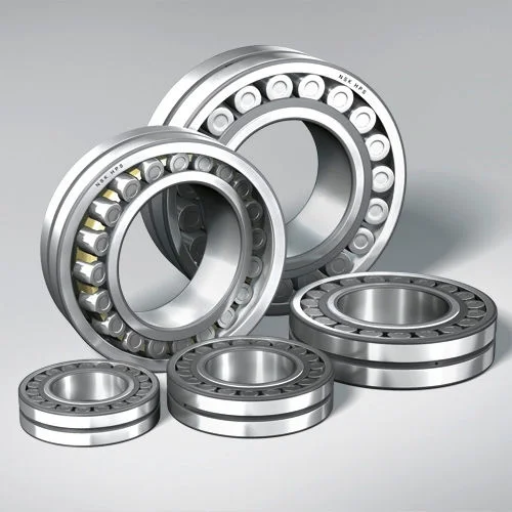
For self-alignment and the ability to handle shaft deflection, spherical roller bearings are preferred which tend to aid in misalignment. They are, however, less effective when high radial and axial loads are applied simultaneously where tapered roller bearings excel.
In general, the type of bearing selected is heavily influenced by the operating conditions, load requirements, and alignment factors. Due to their engineered design and flexibility, tapered roller bearings are always proven to be the best answer for complex, multi-directional loading conditions.
How Bearings Make Heavy-Duty Applications More Efficient
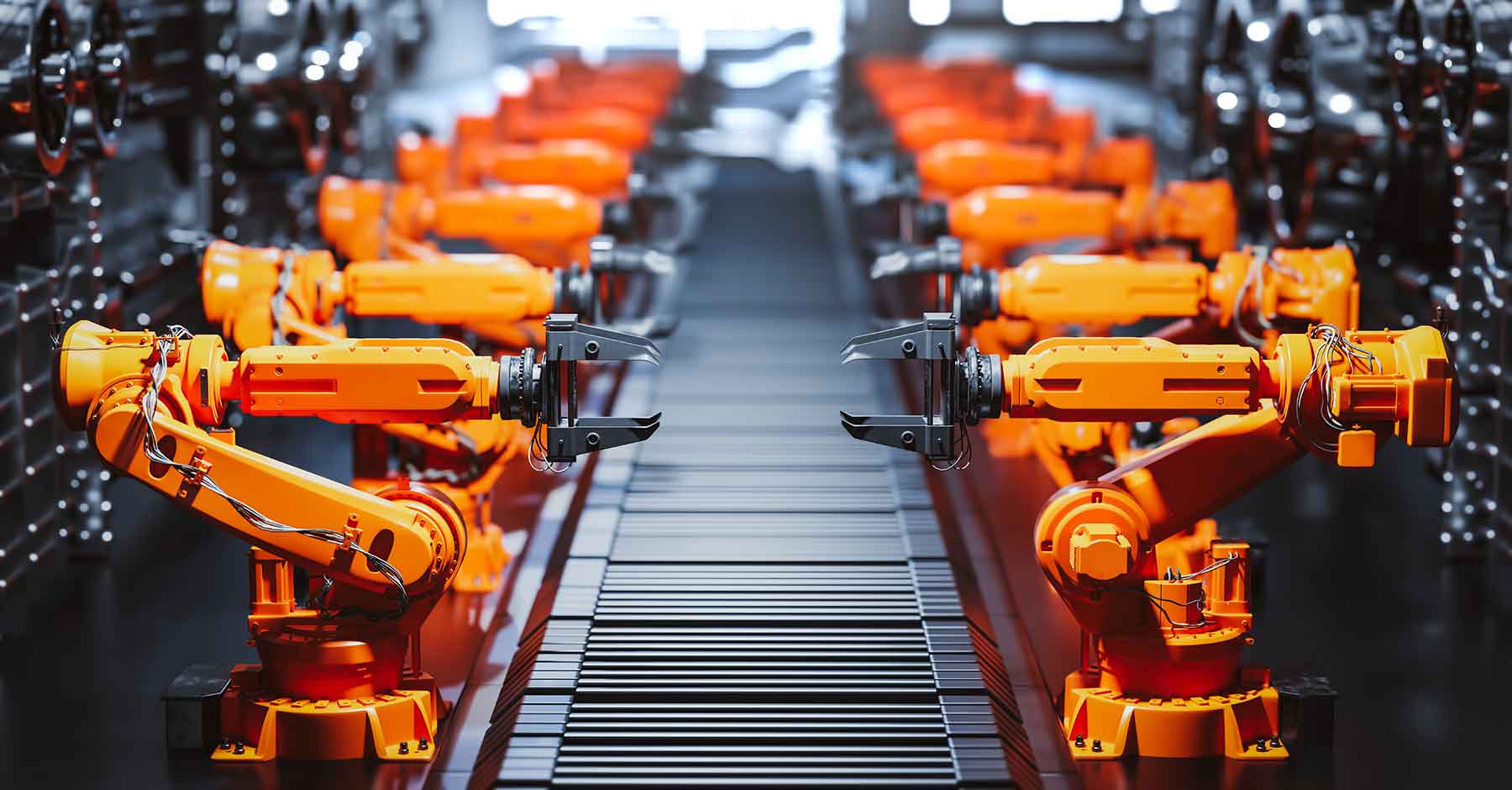
Within the industrial sector, bearings are critical components that improve the efficiency, reliability, and life span of heavy-duty applications. They ensure operations are executed efficiently by minimizing friction and conserving energy, resulting in reduced wear and tear. The use of modern materials such as ceramic hybrids and high strength steel deserve to be highlighted because they make bearings more durable with a higher load-carrying ability and allow extreme stresses and harsh operational conditions to be withstood.
Tapered roller bearings, which can sustain simultatenous axial and radial load, are one of the widely used types in the constructions and mineral extracting industries. These bearings are designed to achieve even force distribution to minimize machine downtime and extend operational life. Advanced bearings capture an additional 20% in load capacity which translates to improved machine performance, according to industry data.
Also, sealed and lubricated bearing types improve efficiency even more by reducing maintenance intervals and keeping contaminants out. Research indicates optimized and properly maintained bearing systems can reduce energy use by up to 30% in some heavy-duty applications. This underscores the undeniable importance of these elements in realizing savings, operational efficiency, and sustainability. Employing advanced technologies in the design of these components enables organizations to address the challenges of modern, heavy-duty applications with exacting precision and dependability.
How Do Taper Roller Bearing Work?
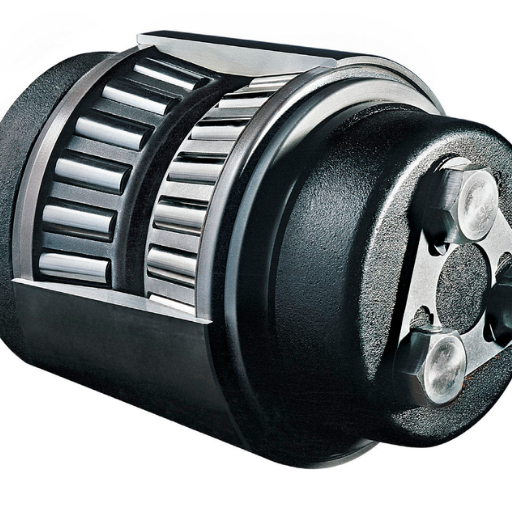
Instead of axial or radial forces alone, tapered roller bearings comprise a mixture of both. Resulting parts such as rollers and raceways have specific cone shapes to accommodate the angles of force. Moreover, each roller is set at a distinct angle that allows for better transfer of load. These bearings are essential for high precision and load handling operations.
Understanding the Geometry of Tapered Roller Bearings
To fully comprehend the shape and geometry of tapered roller bearings, one must consider the need to manage complex load combinations. The bearing consists of its inner ‘cone’ part which is an inner ring, the cup serving as the outer ring, its tapered rollers, and a cage which helps in keeping the roller position and order intact. Most importantly, the contact angle of the tapered surfaces is critical too. Typically, the contact angle between the rollers and the raceways provides a seamless transition from radial loads to axial ones to be placed onto the bearing and relieve pressure smoothly.
Just like any modern engineering achievement, tapered roller bearings strive to reduce friction while optimizing efficiency. An example of such an advancement is the use of higher grade steel, which improves resistance to wear and extends the operational life of the bearing. Its performance in extreme operating conditions is further enhanced by the application of advanced surface lubricating coatings and extreme operational auxiliary surface lubricating devices also termed as ‘black boxes’ auxiliary surfaces which help perform dire functions for a bearing in extreme conditions. As it appears, any adequately designed tapered roller bearing is considered a standard part of modern engineering geared toward accommodating radial load with proper axial bearing load ratio lift up to 60%. It is automotive, aerospace and heavy machinery industries that obtain the utmost benefits from these bearings.
Bearing technology continues to receive innovative attention directed toward optimized roller profiles and superior heat treatment techniques aimed at improving the profile of the bearing rollers and the heat treatment applied to them. These innovations put stress concentration reduction and load distribution increase at the point of contact of the rollers in such a way as to lower the possibility of deformation in the future. The attempt to design and the material to be used in the manufacture poured into this result make tapered roller bearings dependably efficient in difficult working circumstances.
How Bearings Are Designed for Radial and Axial Loads
Bearings have been designed to tolerate both radial and axial forces simultaneously. Radial loads are the forces that push and pull perpendicular to the shaft while the axial loads are the forces parallel to the shaft’s axis. An example would be tapered roller bearings which facilitate a combination of these loads; their conical-shaped rollers and raceways ease the load further reducing wear and friction even in extreme cases of stress.
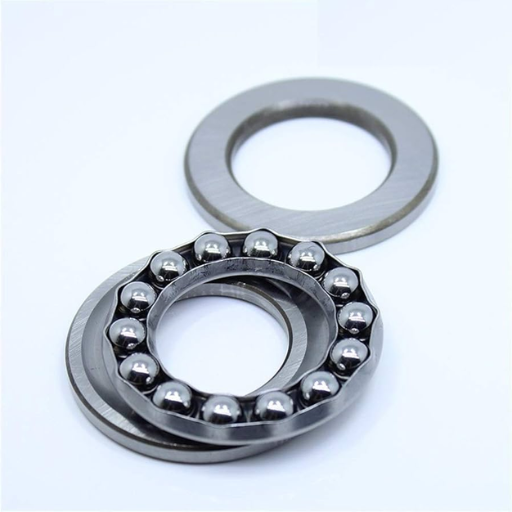
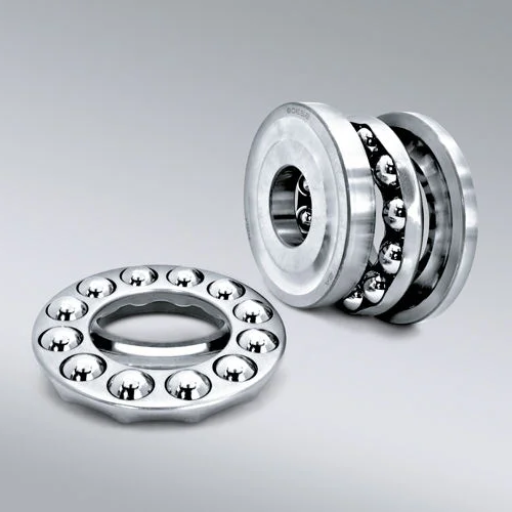
For purely radial applications, deep groove ball bearings are the most common radial bearing. They are exceptionally strong and can endure extreme speeds due to their low friction. In cases when axial loads are the main focus of thrust bearings is the common solution. With the flat or grooved raceways these bearings are better suited to support axial forces making them ideal for scenarios such as worm gears and turntables.
Bearings of contemporary design frequently utilize new materials, like ceramics or hybrid materials, to improve load capacity and increase the resistance to wear. Advanced engineering ensures that the loads are optimally distributed to reduce the stresses of each component. For instance, some studies show that greater fatigue life enhancement (up to 30%) as a result of advanced heat treatments and surface processing is an improvement to the reliability of the bearing. Through improved designs, innovations in materials, intelligent load distribution, and design, bearings are able to provide both radial and axial loads efficiently and support them effectively enduring to various operational conditions.
The Function of Roller and Cage Assembly in Tapered Bearings
The function of the roller and cage assembly is critical to the productivity and reliability of tapered bearings. The rollers themselves are designed so they can be loaded uniformly at every part of the conical bearing. Thus, the conical rollers accomplish both radial and axial loading tasks. The cage that surrounds the rollers maintains a predetermined distance between the rollers to avoid frictional contact that would cause wear and spinning friction while moving.
Recent research indicates that optimized cage configurations, including machined or pressed steel, are improving load capacity and longevity. The application of precision machined cages was shown to lower wear by nearly 15% while also reducing vibration and noise. Additionally, the incorporation of advanced lubrication channels into the roller and cage assembly has yielded a remarkable increase in bearing efficiency by 10%. This guarantees smoother operations, especially during rotating or under considerable load.
At the same time, the materials used for the rollers and cages have evolved. Now, high-strength alloys and other specially treated steel are being used to better endure harsh temperatures and corrosive conditions. One example includes rollers made out of high carbon chromium steel which have dramatically improved hardness, resilience, and resistance to dynamic loads. These factors along with others significantly increase the reliability and durability of tapered bearings in more severe operations like aerospace, automotive, and industrial machinery. The robust synergy of the cage assembly together with the rollers guarantees optimal operation, even in highly complicated mechanical systems.
What are the Types of Tapered Roller Bearings?
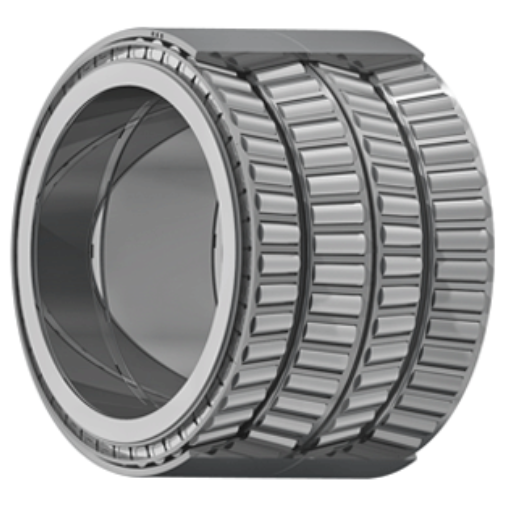
Tapered roller bearings have multiple types, each made for a different purpose:
- Single-Row Tapered Roller Bearings
Primarily found in applications which need radial and axial load control in a single direction, like gearboxes and automotive wheels.
- Double-Row Tapered Roller Bearings
These can manage radial and axial loads in both directions, so are widely used in heavy duty machines and industrial equipment.
- Four-Row Tapered Roller Bearings
Often found in rolling mills and other heavy industry work, these are for high load applications.
Each type is made to certain load and performance standards, which increases operational dependability.
Single Row Tapered Roller Bearings in Detail
Single-row tapered roller bearings can support combined loads, meaning they can deal with radial and axial forces at the same time. They consist of an inner ring, an outer ring, and tapered rollers which are positioned such that roller axes converge at the single point of the bearing axis. It achieves greater load-carrying capacity and alignment accuracy.
These types of bearings are quite adaptable and prevail with numerous applications including automotive wheel hub assemblies, gearboxes, agricultural machinery, and heavy industrial machinery. Sometimes, they have the ability to control unidirectional axial forces; therefore, they are usually installed in opposing pairs to counteract the forces.
Specifications and Benefits:
- Load Capacity: The uniquely tapered design enables these bearings to support heavy radial loads and some axial loads, thus, their load capacity is among the best for this type of bearing.
- Materials: Single-row tapered roller bearings are manufactured from high quality heat-treated steel, thus, they demonstrate an increased lifespan and abrasion resistance under harsh operating conditions.
- Precision: Good alignment and control during the production processes improves operational efficiency and increases durability through minimized wear parts.
- Operating Speeds: Categories of the bearings are designed and work with low and high operational speeds because of minimal friction during operation.
Key Data:
- Dynamic Load Ratings: The average dynamic load ratings are between 15kN and over 300kN, depending on the series.
- Misalignment Tolerance: Usually fits minor misalignments without acceptable levels of hindrance to performance.
- Temperature Range: Depending on the type of lubrication used, the equipment can function within a wide temperature range, typically between -30°C to +120°C.
Single row tapered roller bearings can be used in high precision systems requiring durability and intense performance by mechanically integrating these features into the system.
The Uses of Matched Tapered Roller Bearings in Industrial Applications
Matched tapered roller bearings exhibit a high efficiency in handling combined axial and radial loads which makes them suitable for various industries. Below is a list of their applications alongside the benefits they offer:
- Gearboxes
Matched tapered roller bearings find immense applications in industrial gearboxes, enabling the accurate alignment and operation under severe load application. The ability of matched tapered roller bearings to take great radial and axial loads makes them essential components for the maximization of the gearbox’s life and performance.
- Rolling Mills
The matched tapered roller bearings are used in rolling mills for extreme axial and radial loads. The high rigidity and other properties of these bearings help rolling mills achieve consistent outcomes under pressure.
- Mining Equipment
In the mining sector, matched tapered roller bearings are useful due to their strength and equipment designed for harsh environments. Crushers and conveyors depend on these bearings to withstand shock loads and vibrations.
- Railroad Axles
The rail industry makes extensive use of tapered roller bearing pairs to support the axial and radial loads of train wheels. These bearings are built to withstand the extreme forces and temperature fluctuations that occur during extended use so they are suited for the dynamic impacts of long periods of use.
- Use Cases in Automotive Industry
Bearing precision is crucial in truck and trailer wheel hubs. They bear considerable loads and high speeds while maintaining smooth operation. They assist in the performance of various vehicles.
- Wind Electrical Generators
Balanced tapered roller bearings are located in the tuxes of the nacelle and the gearbox of wind turbines. These allow turbines to use available wind energy efficiently by providing support to both axial and radial forces as they turn.
- Development Equipment
Construction machinery such as excavators, cranes, and others greatly benefit from matched bearings due to their ability to carry and shed loads while minimizing wear in highly abrasive and shock-loaded environments.
Matched tapered roller bearings improve operational dependability along with performance of industrial systems on all these appliations, often increasing the service life of the machinery considerably. With minimal friction and heat which protects the device enhances sustained operations and durable performance.
Comparing Tapered Roller Thrust Bearings with Other Bearings
Tapered roller thrust bearings stand out amongst other bearings, especially with problems relating to incredibly high axial loads and servings of combined axial-radial loads. When it comes to cylindrical roller bearings, they are primarily radial load bearers, but tapered roller thrust bearings carry large axial forces due to angled raceways and rollers. This makes them ideal for the aerospace industry, automotive, and heavy machinery where precision is vital alongside the axial load-carrying ability.
For example, compared to ball bearings, tapered roller thrust bearings have an increased load-bearing capacity that comes due to the greater contact surface area of the rollers against the raceway. Ball bearings tend to be quite efficient when rotating at high speeds, but their effectiveness is undeniably offset when there are heavy loads applied, especially if an axial load is being thrown into the mix. In contrast, tapered roller thrust bearings are able to function fully even under immeasurable amounts of stress which heightens the robustness of the machinery while minimizing maintenance required.
Needle roller bearings, famed for their space-saving design, may offer some advantages in compact environment. Nonetheless, they do not perform as well as tapered roller thrust bearings when it comes to substantial axial load application. Modern tapered roller thrust bearings, on the other hand, have better focus on material selection and surface treatment, which lowers friction and wear up to 40% significantly improving service life and energy performance Maintenance.
In highly demanding environments like wind turbine engines or large industrial presses, tapered roller thrust bearings excel compared to spherical roller thrust bearings in predominately axial loading scenarios. Spherical roller thrust bearings allow for much faster operation in cases of high misalignment and self-alignment due to their ability to realign themselves. Each bearing type has its benefits, but depending on the machine and operational conditions, one needs to be selected over the others.
Optimization of performance, trust reliability, and bearing efficiency begins with properly understanding the differences between tapered roller thrust bearings and other bearing types. The continuous growth of bearing technology improves these components’ scope and adaptability in diverse industries.
Where are Taper Roller Bearings Typically Used?
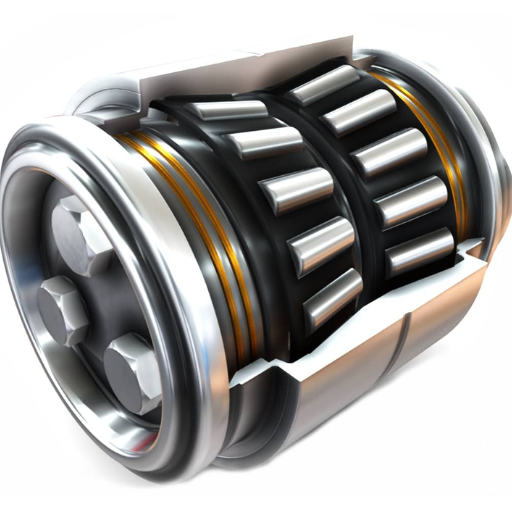
Taper roller bearings are essential for tasks involving radial and axial load simultaneously, such as in vehicle wheel hub motors, gear boxes, and differencial assemblies. They are generally known for their ability to bear high loads and their reliability in enduring changes in speed and temperature, which adds to their usefulness in automotive machinery. Their wide usage is also noted in industrial machinery used in conveyor belts and other heavy-duty equipment due to their capability of smooth functioning while bearing heavy mechanical stress.
Identifying Specific Applications for Tapered Bearings
Taper roller bearings find their usefulness in many forms, especially in industrial purposes because of their ability to easily handle axial and radial loads at the same time. Their productivity with taper bearings can be well recognized in the automobile domain in high-demanding pieces like wheel hubs. Curbing vehicles make extensive use of wheel hubs; hence, they are designed with such bearings which can take forces beyond multiple tons per wheel while ensuring safety and reliability.
Tapered roller bearings are widely used in vehicle gearboxes and differential assemblies. These systems use further power split where precise rotary movements and high power transmission loads are needed. Tapered roller bearings are designed to work under high operational loads, extreme conditions such as per industrial and off-road vehicles, and aid in friction and wear that help maintain system efficiency.
Additionally, other industrial equipment such as conveyor systems and construction machinery field also make use of tapered roller bearings due to their superior strength and reliability. For example, conveyor rollers are equipped with tapered bearings to facilitate weighty loads while ensuring smooth rotational movement. Such systems have been constructed to endure hundreds, even thousands of pounds of weight ensuring low maintenance and increased life span.
In wind turbines, tapered roller bearings have critical importance in the gearboxes as they need to withstand significant thrust and radial loads due to the strong winds. It is researched that using such tapered roller bearings for turbines’ gear boxes improves the functioning of the equipment and extends the service life, therefore reduces outages and increases energy production in renewables.
Why Bearings Are Used in Heavy-Duty Applications
Bearings serve a pivotal role in heavy-duty tasks as they minimize friction, manage extreme workloads, and remain effective in demanding environments. The reasons, along with supporting details and data, will be laid out systematically in the following excerpt:
Load Handling Capability
Bearings are made so that they can take on very large radial and axial loads. As one example, tapered roller bearings are able to take on combined loads on an industrial machine, to the tune of thousands of pounds. This provides stability and reliability in things like mining equipment where the weight is extremely burdensome.
Friction Reduction
With the right equipment set up, bearings can practically eliminate friction altogether. When friction is decreased, operational processes become way more efficient, such as less energy expended in the process. Studies have shown that manufacturing with newer bearing materials can provide an energy efficiency boost of as high as 30%, or cost in operations for industries like automotive or aerospace.
Longevity and Durability
The best bearings are made in such as way that allows them to endure harsh environments, like high and low temperatures, corrosive elements and heavy impacts as well as other forms of stress. An example of this is ceramic hybrid bearings outliving normal steel bearings which, when placed under high-load conditions, typically last for 20-30% more than usual.
Dissipating Heat
Bearings with advanced lubrication systems and heat tolerant materials efficiently dissipate the first-degree burn heat from operations revolving at hypersonic speeds. Absorbing and dissipating heat for equipment parts such as constituents of steel manufacturing mills is critical because they face immense thermal stress.
Lower Cost of Maintenance
Bearings allocated in the heavy-duty region are designed to have a longer life span. For instance, spherical bearings installed in substantial pumps and turbines provide uninterrupted service; hence, reduction of break-even downtime and thousands of dollars in annual maintenance expenses.
Better Efficiency in Detailed and Technical Work
Specific tasks such as self-aligning bearings utilized in conveyor belts are tailored to specific designs. These types of bearings allow for the toleration of some misalignment due to certain internal and external factors, hence industrial operations can be sustained seamless even amid sophisticated environments.
Assistance in Enduring Standards of Exactness
Operations of heavy-duty machines fan out widely across numerous industries and sectors; they are at times prone to a ring of precision and accuracy which require standards to be frequently maintained. Angular contact ball bearings guarantee precision to critical equipment such as robotics and CNC machines.
The functions described in the paragraphs above would give an insight on the importance of bearings in sustaining the reliability and effectiveness of heavy-duty operations spanning numerous sectors and industries.
The Role of Tapered Roller Bearings in Industrial Applications
Tapered roller bearings allow for the practical management of combined radial and axial loads which makes them useful in a variety of industrial purposes. Their structure includes as taper rollers which allows them to effectively distribute heavy loads over the contact areas. Such capabilities enable them to be used in gearboxes, mining equipment, and even in transport industries.
Tapered angle bearings are uniquely used in gearboxes and wind turbines because they help bear a large amount of load with precision and efficiency. Moreover, typical models can carry axial loads that reach up to 30% of their radial load and easily manage precise rotation. This is greatly resembles the case in wind turbine gearboxes where temperature and mechanical stress pressure is substantial causing rotational demand to be high.
Furthermore, extra effort placed on research and development results in refinement of the material making process further improving the tapered roller bearings. The introduction of specialized heat treatment and surface coating improves the wear resistance of modern tapered roller bearings and increases their durability. This plays a significant role industrial maintenance expenses.
Tapered roller bearings also demonstrate remarkable thermal stability and moisture resistance which allows them to perform dependably in extreme offshore drilling rigs or mining equipment and under extreme temperature shifts and high humidity. These attributes guarantee operation safety and performance in vital sectors where mechanisms are required to work under stringent conditions without failing.
With their high load capacities, durability, and adaptability to severe operating conditions, tapered roller bearings continue to provide essential support across a variety of industrial applications, serving the economy and performance needs simultaneously.
Reference Sources
-
Investigation of Drag and Churning Losses on Tapered Roller Bearings:
- Explores the impact of load application and lubrication on the performance of tapered roller bearings.
- Highlights the benefits of using computational fluid dynamics (CFD) simulations to optimize bearing efficiency and reduce frictional losses.
- Methodology includes experimental and simulation-based analysis of drag and churning losses.
-
The Remanufacturing Evaluation for Feasibility and Comprehensive Benefit of Retired Grinding Machine:
- Discusses the characteristics of spindle systems, including strong bearing capacity and vibration reduction, which are relevant to tapered roller bearings.
- Highlights the benefits of remanufacturing and reusing bearings in industrial applications.
- Methodology involves evaluating the performance and feasibility of remanufactured components.
-
- Examines the characteristics of lubricated roller bearings, including tapered designs, under variable load conditions.
- Highlights the application of such bearings in offshore wind turbines and their ability to handle complex load scenarios.
- Methodology includes dynamic analysis of collision forces in bearing systems.
- For more in-depth information you should view from Top Taper Roller Bearings Manufacturers in China – Amigo
Frequently Asked Questions (FAQs)
Q: What are tapered roller bearings and how do they work?
A: Tapered roller bearings are a type of roller bearing designed to handle combined radial and axial loads. The design of these bearings includes an inner ring, an outer ring, and tapered rollers. The rollers are positioned at angles to the axis of the bearing, which allows them to accommodate large loads and reduce friction.
Q: What features do tapered roller bearings include?
A: Tapered roller bearings feature a unique design that includes conical rollers and raceways. This configuration allows the bearings to support high radial loads and axial loads in one direction. They are also designed to provide high stiffness and low friction, making them ideal for applications requiring precise alignment and high load capacity.
Q: How do tapered roller bearings differ from cylindrical roller bearings?
A: While both are types of roller bearings, the primary difference lies in the shape of the rollers. Tapered roller bearings have conical rollers, whereas cylindrical roller bearings feature cylindrical rollers. This difference in design allows tapered roller bearings to handle axial loads in addition to radial loads, whereas cylindrical roller bearings are mainly used for radial loads.
Q: What are the benefits of using tapered roller bearings?
A: The benefits of using tapered roller bearings include their ability to handle large combined loads, their durability, and their efficiency in reducing friction. These bearings allow for precise alignment and are ideal for applications that require high load capacities, such as in automotive and industrial machinery.
Q: In what applications are tapered roller bearings commonly used?
A: Tapered roller bearings are commonly used in applications that involve high-load capacities and require the handling of both radial and axial loads. They are ideal for applications in automotive wheel hubs, gearboxes, and heavy machinery. Additionally, they are used in mining, construction, and agricultural equipment.
Q: How does understanding tapered roller bearings help in selecting the right bearing for an application?
A: Understanding tapered roller bearings is crucial for selecting the appropriate bearing for an application. Knowledge of their load-handling capabilities, design features, and application suitability ensures the chosen bearing will perform efficiently and reliably under specific operational conditions.
Q: What factors should be considered when designing tapered roller bearing arrangements?
A: When designing tapered roller bearing arrangements, consider factors such as load capacity, speed, alignment, lubrication, and the operating environment. Properly designed arrangements ensure optimal performance and longevity of the bearings, reducing maintenance needs and operational costs.
Q: Can tapered roller bearings be used in conjunction with spherical roller bearings?
A: Yes, tapered and spherical roller bearings can be used together in certain applications. This combination is often employed in machinery that requires both radial and axial load support, as well as the ability to accommodate misalignment. The choice depends on the specific requirements of the application and operational conditions.
Q: Are tapered roller bearings available in different sizes and configurations?
A: Tapered roller bearings are available in a variety of sizes and configurations to meet diverse application needs. They can be customized in terms of the diameter of the inner and outer rings, roller length, and angle, allowing them to be tailored to specific load and speed requirements.