


Taper roller bearings are the invisible support for almost every single industrial operation, supporting the weight of some of the most heavy-duty and high-performing machinery. These taper bearings are the backbone for the automotive, aeronautics manufacturing and construction industries—an indisputable fact. Why are taper roller bearings considered to be most valuable? And, how do they sustain severe pressure and movement? This taper roller guide attempts to answer every shred of information about taper roller bearings starting from their structure to mechanism and the myriad of functions they facilitate. For an industrial engineer, or someone simply intrigued by industrial engines, this article will further help learn the significance of taper roller bearings in modern industrial settings.
What are Roller Bearings and How Do They Work?
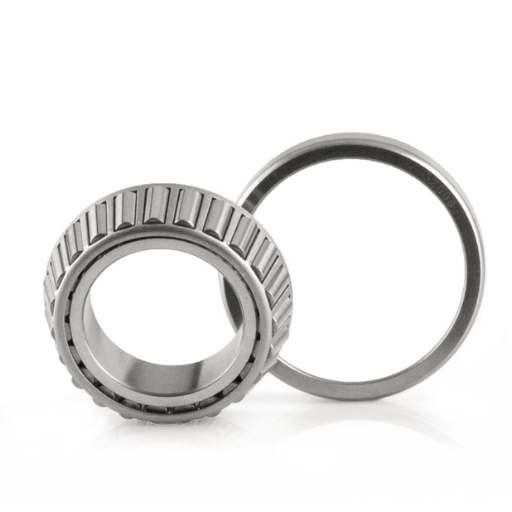
Roller bearings are machine elements that serve to minimize friction within the moving parts of machines. They comprise rolling elements—cylinders and tapered rollers—that are positioned between inner and outer rings. With the movement of the rings, these rollers turn and pleasant motion is attained along with the heavy load. Roller bearings function by equal distribution of weight on all the rollers, thus reducing wear and energy expenditure. Simplicity and efficiency in design make roller bearings indispensable in automotive systems, industrial equipment, and heavy machinery.
Understanding the Types of Roller Bearings
Spherical Roller Bearings
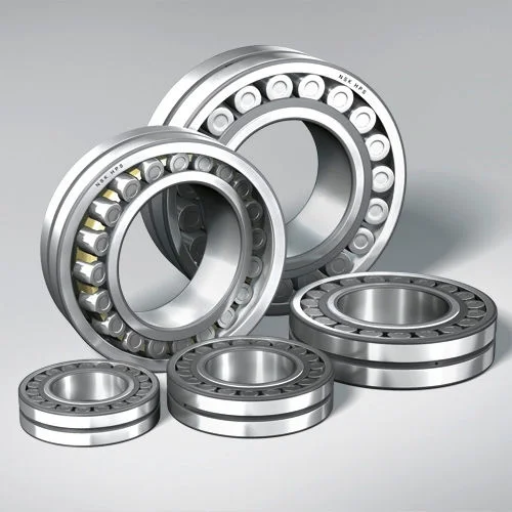
Spherical roller bearings are best suited to handle radial and axial loads in instances where misalignment or shaft deflection may occur. Mining construction equipment and vibrating screens are some examples of the heavy-duty applications these bearings are designed for. Additionally, robust construction allows spherical roller bearings to accommodate higher loads compared to other roller bearings, owing to the bearing’s self-aligning capability which compensates for misaligned shafts and housing. Modern spherical roller bearings, for instance, can withstand dynamic load ratings over 460,000 N, proving the enduring industrial demand for these bearings.
Tapered Roller Bearings
These bearings consist of an inner and outer ring, as well as tapered rollers that are set at an angle enabling radial and axial load management, which are useful in automotive applications such as wheel hubs, gearboxes, and differentials. Other applications include construction machinery, railroad cars, and many industrial machines like lathes, milling machines, drilling machines, and grinding machines. To withstand high-pressure dynamic loads, many tapered roller bearings are built with anti-friction features. The addition of these bearings has also expanded greatly due to improvements in heat treatment and materials science. With the enhanced durability, these bearings can achieve lifespan improvements of 20% in some cases.
Cylindrical Roller Bearings
Cylindrical roller bearings are used in applications that need high radial loaders to withstand significant loads. They can sustain high speeds, making their applications common in electric motors, turbines, and rail apparatuses. Electric motors, turbines, and rail equipment use them frequently. They are categorized due to the configuration of the rollers and the number of rows. Single-row cylindrical roller bearings are the best fit for confined spaces, while double-row and multi-row versions are used for greater and more complex applications. They may have newly developed surface coatings and can offer some cylindrical roller bearings reduced wear alongside improved performance.
Needle Roller Bearings
Needle roller bearings have small cylindrical rollers called needles which require less space while providing a large surface area for load distribution. Due to their compact design along with high load-carrying capacity, they are commonly found in automotive transmissions, machine tools, and agricultural equipment. With a diameter of rolling elements less than 5mm, a typical needle roller bearing can bear remarkable loads due to optimized space efficiency. Consistency in manufacturing has also increased their dependability in high-performance applications.
Thrust Roller Bearings
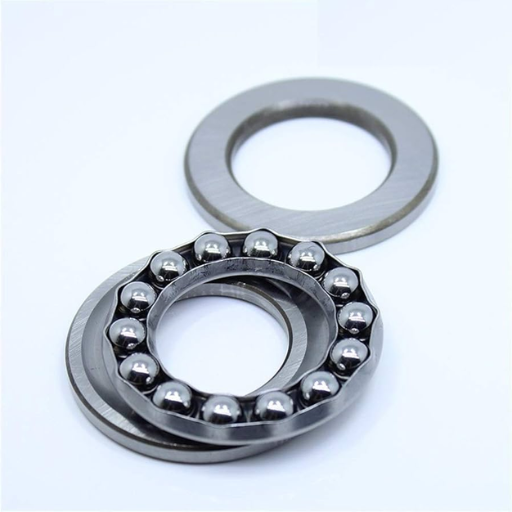
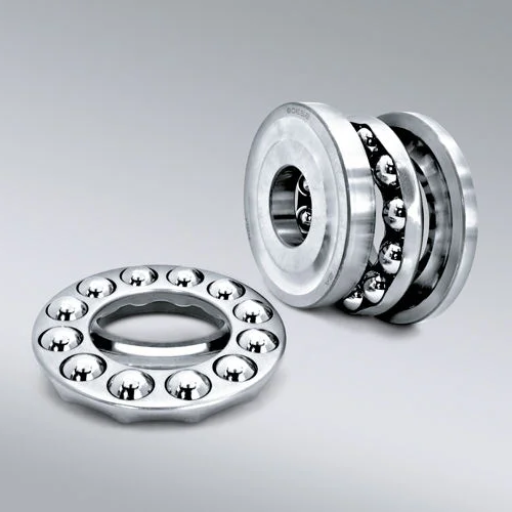
Like other types of roller bearings, thrust roller bearings are capable of managing axial loads. Their design may incorporate cylindrical, tapered, or spherical rollers, all of which can bear substantial axial force. Ship propeller systems, crane hooks, severe-duty gearboxes, and other industrial devices are some of the most common users of these bearings. Notable are spherical thrust roller bearings that accept axial loads regardless of alignment. Advances in lubricants and industrial materials have further increased the throttling ability and reduced the operating temperatures of these bearings.
The innovation and scope created by developing various roller bearings together with the overall thrust roller bearing technology bring out their effectiveness and high versatility. Each thrust roller bearing type is designed and made for specific operational needs, which allows them to perform optimally in many areas.
Role of Radial and Axial Loads in Roller Bearings
The functionality and efficiency of roller bearings deeply hinges on the radial and axial loads. Radial loads are forces acting perpendicularly to the axis of rotation, and axial loads are forces that act parallel to the axis of rotation. The effectiveness of roller bearings in sustaining these loads makes them critical components in machinery for the automotive, aerospace, and manufacturing sectors.
Modern roller bearings are manufactured to endure many load conditions. Some bearings are specifically optimized for heavier radial loads while others are meant for substantial axial loads. Many are engineered to handle a combination of both. An example of this is tapered roller bearings, which are particularly suited for simultaneous radial and axial loads due to the geometry’s cones. Quantitative study results indicate that tapered roller bearings can sustain radial loads as high as twenty percent of the axial load capacity in a majority of cases, depending on their size and design, thus making them ideal for high-demand applications such as vehicle wheel hubs.
Moreover, cylindrical roller bearings are well known for their ability to support heavily radial loads of high intensity. They perform best in applications like industrial gearboxes and electric motors for low or no axial forces. Thrust roller bearings, on the contrary, are specialized for axial load bearing. They carry loads of more than 8,000 pounds in vertical positions without any problems which is essential in support structures and rotating tables.
The working conditions such as the speed at which the roller bearing is moving, the ambient temperature, and also how it’s lubricated play an important role in the choice of the roller bearing. Developments in finite element analysis (FEA) and material science offer engineers the capability to forecast and optimize the load distribution in complex scenarios making sure the bearings work perfectly under severe conditions. These advancements continue to encourage innovative efforts and simultaneously improve the reliability and accuracy of roller bearings under combined radial and axial forces.
How Roller Bearings Reduce Friction
Roller bearings help reduce the friction between the moving parts of a machine by helping them move smoothly using rolling elements. Instead of sliding mechanisms that depend on contact, roller bearings use cylinders or spherical rollers that roll freely on the surfaces of the bearings. This method reduces friction significantly in comparison to direct sliding friction. Research has shown that friction in well-designed roller bearings is as low as 0.001 to 0.005 which is considerably low compared to typical sliding interfaces that have 0.1 or greater.
To lessen friction and wear even further, modern roller bearings now use more advanced materials such as ceramic hybrids or high-quality steel alloys. These bearings feature smoother surface roughness and greater hardness which allow motion to be smoother while lasting longer. Moreover, applying lubricants in liquid or grease form in exact proportions creates a thin film between the parts which increases the performance and prevents contact, reducing friction forces even more.
Cutting-edge designs like tapered and needle roller bearings further improve load distribution concerning radial and axial stress lines while keeping friction low, even at elevated working conditions. For instance, in some industrial machines, specially configured roller bearings can support rotational velocities of over 20,000 RPM with little to no friction. As a result, energy and heat waste is avoided. These ongoing innovations can further explain why roller bearings are vital for the efficiency, smooth operation, and durability of mechanical systems.
Exploring the Characteristics of Tapered Roller Bearings
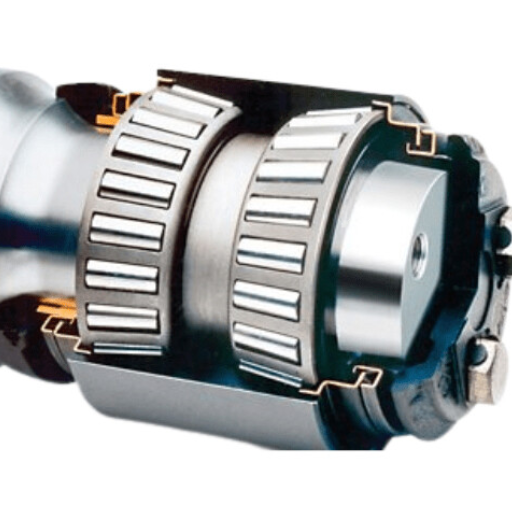
Tapered roller bearings allow for simultaneous radial and axial loading due to their inner and outer rings. They consist of tapered rollers which help to handle loads due to the shape of the geometry used. Their high load capacity makes them suitable for automotive gearboxes and industrial machinery as they can effortlessly withstand extreme pressure, enhancing their reliability. Also, these bearings have reduced friction and wear in equipment leading to extended operational life.
Key Differences Between Tapered and Other Bearings
Other bearing types differ from tapered roller bearings through geometric design, application scope, and load capacity. The tapered roller bearings differ from ball bearings due to ball bearings using spherical elements for load support since tapered bearings use conical rollers angled to the axis of the bearing. This means tapered bearings excel in situations with both radial and thrust loads where they can simultaneously be applied unlike most.
Take the case of ball bearings; they are best suited to applications where there is lower friction and higher speed operation, for instance, electric motors and bicycles. They usually have a lower capacity for heavy axial loads in comparison to tapered bearings, though. On the other hand, cylindrical roller bearings can support high radial loads. However, their ability to accommodate axial loads is limited, which offsets their versatility in situations where combined load support is crucial.
Modern tapered bearings also take advantage of modern materials and engineering. Tailored innovations involving the materials used to construct bearings, in particular, carburized or case-hardened steel, enhance toughness and resistance to heat, making tapered bearings ideal for more demanding uses such as the hubs of automobile wheels, gearboxes, and other abrasive machinery. In comparison, ball bearings and cylindrical roller bearings may, indeed, spend portions of their operational lives lubricated in extreme condition settings to material composition constraints to extreme conditions.
Another important difference is lifespan and wear resistance. All sorts of bearing types demand some maintenance from time to time, taper roller bearings, for instance, are designed to evenly distribute contact stress to enhance the life of the bearing; this leads to reduced wear. Tapered bearings appear to be ball bearings when both have heavy loads and harsh working conditions are applied over long periods, claiming lower costs of industrial maintenance applications.
Tapered roller bearings are highly preferred in industries that require durability and reliable operation due to their versatility and strength. Other types of bearings will likely be chosen for less demanding and more specific situations. This flexibility highlights the enormous differences in performance and application of tapered bearings compared to other bearing types.
The Function of Tapered Rollers in Load Distribution
Tapered roller bearings are specially crafted to manage radial and axial loads simultaneously and with great efficiency. Their rotary axes become aligned with the circumferential part of the cone as the angles taper off, allowing these bearings to fit not only into radial but also into axial applications. This geometrical uniqueness significantly increases the ability of these bearings to bear loads. Moreover, their shape helps in reducing stress concentration associated with wear, thus increasing the period the equipment can be operational.
Spherical or cylindrical bearings of a similar size have a smaller load capacity compared to these engineered bearings. Tapered roller bearings are especially known for their useful axial load-carrying capacity. That’s why they are widely used in automotive, rail, and heavy machinery industries. Recent industrial research showed that tapered roller bearings perform exceptionally well in insolated cases like wheel hubs equipped with dual-load components. Modern truck wheel hubs, for example, depend on tapered roller bearings that need to sustain up to 3,500 for each bearing while the wheels keep rotating friction and stably under heavy lifting and dynamic inertia. This capability to sustain strong demands results in greater reliability, lower maintenance requirements, and less downtime.
Applied where there is a need for sustained heavy-duty operation and a long life span, tapered roller bearings optimally bear loads and adapt well to various functions where flexibility is a must.
Benefits of Using Tapered Bearings in Machinery
Their benefits are particularly important in machinery in automotive, aerospace, and heavy equipment manufacturing industries. These bearings are usually preferred because of their capability to manage radial and axial loads simultaneously. In most cases, they support axial loads up to 60% of radial load capacity. These bearings permit machinery to function under high-stress conditions.
Reduction of operational costs and lower energy efficiency is a common attribute of these bearings alongside longevity. Research indicates that these bearings can reduce friction which increases energy efficiency. For example, these bearings improve system precision by remaining aligned when exposed to large amounts of vibration or impact which is especially useful in mechanical systems. The use of modern materials combined with heat treatment in tapered bearings increases their resistance to wear and service life. Some high-performance tapered bearings are capable of exceeding 150k miles of operational use in demanding sectors such as transportation.
Their versatility is another remarkable benefit. Tapered roller bearings come in different arrangements and dimensions; they can be tailored to suit the needs of the specific machinery. When combined with adequate lubrication and maintenance, these bearings help reduce operational delays, enabling smoother functioning in applications such as conveyor systems and industrial gearboxes. Their adaptability, along with their efficiency and durability, reinforces why they are essential in various industrial applications.
How Do Tapered Roller Bearings Support Machinery?

Tapered roller bearings support machinery by managing radial and axial loads simultaneously. The design of tapered roller bearings allows them to be placed upon a shaft within a housing box that rotates with the shaft. Tapered roller bearings increase the efficiency of operations and the productivity of output machinery. The efficacy of these friction-reducing components in high-performance tasks scales tremendously with the expected lifetime of equipment, which is often high in machinery.
Impact of Axial and Radial Loads on Performance
The application of tapered roller bearings is highly dependent upon the axial and radial loads they must operate with. Radial loads are fundamental for the smooth operation of rotating equipment and act perpendicular to the shaft while axial loads are parallel and provide additional support in a dynamic environment. Car wheel hubs and industrial gearboxes, as well as robust machinery, are some of the most demanding applications where the particular structure of tapered roller bearings allows for most of these loads to be sustained at the same time.
Excessive axial or radial loads, bearing surface wear, and load imbalance all impact bearing operations. A recent industry study showed that tapered roller bearings performed impressively, achieving approximately 30% efficiency recapture with balanced force application, lowering maintenance and operational expenses. Accuracy in engineering combined with routine maintenance is key in optimizing tapered roller bearings’ performance under complex multi-directional load scenarios.
Understanding Inner and Outer Ring Raceways
Baskets are defined with clear inner and outer boundaries which segment them into distinct graphically defined regions. The boundaries of a tapered roller basket for instance require clear defining race surfaces which equally divide the load and permit the roller to which both axial and radial loads be applied smoothly. One race for the tapered roller inner raceway rides on a shaft that rotates while the outer one stays still in housing.
The performance and durability of these raceways have been made to withstand impact greatly due to advanced materials and manufacturing technologies. Enhanced modern heat-treated steel alloy moderns, for instance, improves the operational belt life of bearings by increasing resistance to wear and deformation under immense structural loads. Optimized raceway microgeometry also open bearings achieve a data-supported 20% friction reduction which leads to lower energy expenditure for high-load applications.
Precision Grade machining proves useful in ensuring raceways maintain rolling contact which leads to a consistent vibration and noise reduction during operation. Proper lubrication is also pivotal in the structural integrity of the raceways by surface protection from damage, promoting a longer functional lifetime. Industry results suggest that well-lubricated raceways significantly increase efficiency by 40% under extreme conditions.
The more these advancements are harnessed and thorough inspections are conducted, the more the inner and outer ring raceways performance is increased and ensured high dependability while sustaining minimal downtimes for critical applications.
Selecting the Right Bearing for Your Application
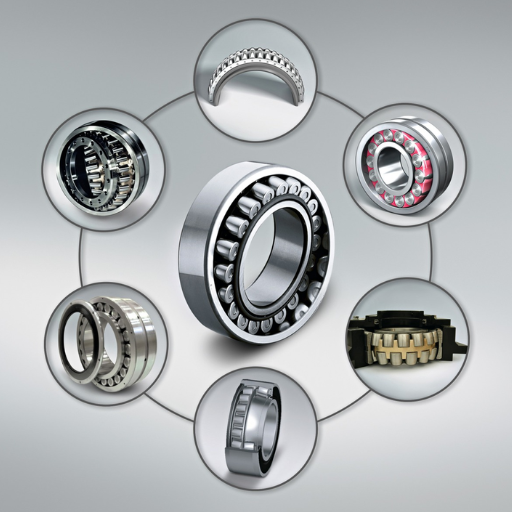
Choosing a bearing entails identifying a handful of critical factors that guarantee optimal dependability and performance efficiency. The very first step is establishing the type of load: bearing loads radially, axially, or both at once. This greatly impacts the design of the device. Operational conditions must be assessed next, including rotational speed and temperature with environmental conditions like moisture and dust. Lastly, a bearing’s lifespan alongside maintenance expectations must be analyzed to confirm the bearing will be applicable for the intended purpose. With all of these factors adjusted to your needs, bearings serving dependability and efficiency would be achievable.
Considerations for Bearing Life and Durability
While striving for dependable longevity, mechanical bearings will require careful attention. Radial and axial load capacity within the blade’s range of motion must be the primary examination. Alongside ergonomics, bearing lubricants must be assessed. Studies suggest around 80% of bearing failures stem from lubrication, signifying it as an overlooked Achilles heel attributing to friction overheating, and a slew of additional negative situations.
Another important consideration is pest control. Maintenance of clean conditions is essential because dirt, moisture, and other foreign materials can infiltrate and cause corrosion as well as wear. Bearings that operate in extreme environments will need to have seals or shields fitted to contain the contamination adequately.
The operating temperature is also very critical. Bearings must not suffer deformation or loss of functionality in the temperature range of their environment. Also, exceptionally high temperatures weaken the material and increase the lubricants’s ineffectiveness. In such extreme situations, stainless steel or ceramic materials would be more suitable.
Observing installation protocols and schedules for maintenance also improves bearing life. Ill alignment gives rise to uneven load distribution which accelerates the wear process. Vibration analysis as a predictive maintenance method is highly useful for potential risk detection.
Taking into benevolence the temperature, lubrication, maintenance, and the other discussed factors work towards optimization of the bearing, minimizing the application downtimes, and maximizing the service life.
Factors Influencing the Selection of Tapered Roller Bearings
The effective operation and dependability of a system derive from the careful matching of the tapered roller bearing to an application’s specific need, which in combination with other elements results in determining best operational practices. Operating environment, alignment, material requirements, speed, and load requirements are imperative.
1. Load Capacity
Proper selection of roller bearings necessitates a comprehensive understanding of the types of loads, both radial and thrust, that they can accommodate. Also, the magnitude and direction of the load are some of the factors that affect the bearing selection process. For stringent applications, bearings with higher dynamic and static load ratings should be prioritized.
2. Speed Requirements
It is undeniably true that speed of operation affects bearing selection. The application must impose a speed requirement that the bearings have to meet without using excessive energy or overheating. Consideration of the receiver’s maximum speed ensures the bearing can rotate at high speeds without causing damage.
3. Misalignment Tolerance
Bearing performance degradation may result from misalignment of the shaft and housing. Some tapered roller bearings can tolerate these degrees but for applications with sophisticated alignment issues, larger provisions may be required.
4. Operating Environment
Conditions such as exposure to extreme temperatures and moisture can drastically affect the performance of a bearing. For regions with high temperatures, thermally stabilized bearings are preferable. These bearings are made of heat-resistant materials or specialty coated. In the same way, seals and lubricants made to withstand non-contaminated or corroded parts are required in harsh or wet environments.
5. Material and Durability Considerations
Bearings made out of steel alloys which are properly treated with heat bear precision offer greater hardness. This lowers wear and service life. For applications needing light and strong parts like in high speed or high precision systems, advanced materials like ceramic hybrids.
6. Applications and Case-Specific Requirements
In the case of automotive sterile industries, aerospace, and heavy industries like construction, picking bearings tailor-made for certain use cases helps ensure proper working. For example, automotive wheel hubs require bearings optimized for sustained high loads and variable speed. On the other hand, precision machinery often demands high stiffness and low friction.
Proper bearing selection, according to the last report published by industry experts, along with adequate maintenance could improve service life by 50%. This was observed as the strife rate and operational downtime creditably decreased. A careful look at this data aided by technology improvements assists in achieving the requirements set out for tapered roller bearings which are increasingly diversifying their use in modern industrial applications.
Choosing Between Single-Row Tapered and Other Configurations
It’s important to know the differences between single-row tapered roller bearings with other forms like double-row or four-row tapered designs. Like all single-row tapered roller bearings, single-row tapered roller bearings are capable of coping with radial and axial loads. Their design allows for the bearing to work in applications where the space is limited and the direction of the load is quite important. You can spot these bearings in gearboxes, compressors, and in the hubs of vehicles.
Meanwhile, double-row and four-row tapered roller bearings are built for greater load-carrying capability and can endure more complex combined loading requirements. These configurations are used widely in industries like mining, steelmaking, and heavy machinery. For example, double-row bearings can sustain large axial loads in two-way directions, and four-row are designed to cater to rolling mills which experience high radial loads and extreme working conditions.
New information shows that precision engineering and material science have further enhanced the effectiveness multi-row designs as to durability and load management. To illustrate, double-row and four-row configurations have previously been improved to withstand heat, have lower friction, and subsequently enable higher energy efficiency, greater operational life, and lower maintenance adding value for high-performance environments. Thus, not only does the right configuration depend on load, but it also has to do with cost-effective long-term strategic operational value and application specifics.
The Importance of Spherical Roller Bearings in Industry
Due to spherical roller bearings’ features, they are critically important in industries as they deal with extreme load and misalignment. Also efficiently bears radial and axial loads at the same time which makes it suitable for harsh environments for mining, construction, and manufacturing. Their robust design is optimized for reliability, reducing downtime, and enhanced operational efficiency. Guaranteeing the optimized operation under tough conditions results in a reduction of wear while operating smoothly. Spherical roller bearings not only optimize reliability and operating efficiency of industrial machinery but also greatly enhance productivity and machinery lifespan.
Comparing Spherical and Tapered Bearings
Different types of bearings serve different purposes depending on the design and performance features. Spherical roller bearings can accommodate some angular misalignment of the inner and outer races and manage both axial and radial loads which makes them useful for applications with heavy loads and deflection of shafts. These types of bearings are especially useful in the mining, construction and pulp and paper industries which have rough operational environments. For instance, spherical roller bearings have the ability to efficiently withstand up to 20% of misalignment and can function with 20g of vibration.
Tapered roller bearings have a higher efficiency for applications requiring high directional and axial loading forces. Due to the presence of the tapered inner and outer ring raceways and the tapered rollers, the bearing is capable of supporting combined loading efficiently. These bearings would be more common in automotive applications such as in wheel hubs and transmission systems as they can easily endure the axial forces produced during cornering. For example, a tapered roller bearing which is well designed can carry a weight of 3000 RPM while rotating and still maintain consistent performance and accuracy.
In terms of service life and tolerating heat, spherical roller bearings perform more reliably during temperature shocks, which is why they are preferred for industrial use. Taper rollers, on the other hand, have a longer life in high-speed operations, provided the system has steady alignment. As is the case with all bearings, the operational needs, load specifications, and environmental conditions for each specific task will dictate the choice of bearing.
Applications of Spherical Roller Bearings in Industrial Applications
Spherical roller bearings are machine components that are used for a variety of purposes owing to their versatility. Their self-aligning construction enables their use in more advanced cases where shaft misalignment and deflection happen. These bearings are capable of withstanding both radial and axial loads, which makes them appropriate for extreme-duty applications like mining, conveyor systems, and paper mill machinery.
In mines, spherical roller bearings are used in the crushers as well as in the vibrating screens because of their ability to function under severe tip and environmental conditions. These bearings, because they are increasingly resistant to shock as well as vibration, are widely used to ensure the reliability and durability of heavy machines. Furthermore, in steel manufacturing, spherical roller bearings are used in the roll stands as well as in the continuous casting machines because of their ability to withstand high temperatures, variable loads, and severe working conditions.
Moreover, the information indicates that these bearings assist in energy efficiency by minimizing friction and wear, which subsequently decreases maintenance expenses. Projects within the field, such as the adoption of new materials and coatings, have greatly improved those bearings’ performance in corrosive and high-temperature environments, which now makes it useful in energy production and marine engineering industries. These bearings are essential for any operation that combines these spheres: durability, reliability, and maneuverable performance under strenuous conditions.
Understanding Bearing Components and Their Functions
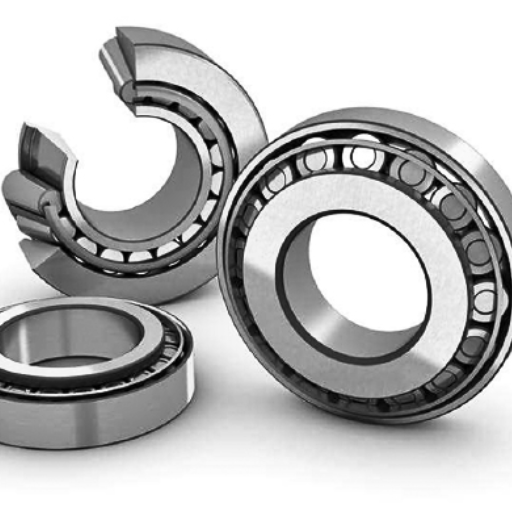
Each working bearing contains several key components which are important for achieving efficient operation:
Rolling elements include: Cylinders, balls, or tapered rollers which allow relative motion between various parts to be achieved at very low friction, thus reducing wear.
Inner and Outer Rings: The structure of the bearing in addition to providing raceways for the rolling parts, Also crucial for smooth movement as supporting the raceways for rolling parts.
Cage (Retainer): The cage retains the rolling elements at fixed pitch and spacing so that they do not bump into one another and rub together, ensuring dependable motion.
Lubrication: To keep rotating surfaces in contact with each other without resulting in wear, grease, oils are used to lubricate the parts and also to protect them from overheating and corrosion.
Seals and Shields: Contaminants such as dust, dirt, and moisture which can get into the inner parts of the bearing are kept away by these seals which also aid in increasing the life span of the bearing.
All the mentioned components perform together to have good friction control, dependable motion, and load bearing in various applications.
Exploring the Role of the Outer Ring
The soft ring greatly affects the functionality and life span of the bearing. It serves as the nonmoving part that interfaces with the housing structure which guarantees that the bearing is properly aligned within the assembly. Additionally, it has been designed to carry quite large radial and axial loads, in addition to bearing operational stresses without deforming excessively.
Like every other part, the soft ring requires certain treatments to withstand even greater amounts of pressure. Outer rings are manufactured with certain precision machining and heat treatments which deepen their strength and reliability. Other research has proven that high-carbon chrome steel is used more often because of its high hardness as well as its resistance to wear and fatigue. A clear example is the aforementioned steel, whose hardness tends to fall within the seizing range HRC 58 – 64 Rockwell Hardness, guaranteeing that it would be performing even under great load and speed for extended periods.
Outer ring surface finish is very crucial and demanding as it directly interfaces with the rolling elements, thus friction has to be kept at a minimum. It must also be stressed that the average value should not exceed 0.15 – 0.30 µm Ra in average for roughness because a decrease will reduce the heating of the oil thus prolonging or extending the lifespan of the bearing. Moreover, the manufacturers add various other copes for example anti-corrode or ceramic layers for environments like moisture or industrial pollutants.
Sustainability industry strategies effects have reached the design of the outer ring, for example, in the case where energy consumption is minimized through the adoption of lighter and more efficient materials for automotive parts and industrial equipment.
The integration and quality standards of the outer ring considerably improve the effectiveness of the bearing, which today is an important part of engineering systems.
The Significance of Raceways in Bearing Efficiency
Raceways directly affect the bearings’ performance, efficiency, and life. These custom-machined ribs cut onto the inner and outer rings provide channels along which the rolling elements can operate with minimum friction and wear. Well-manufactured raceways which are well-balanced in their contour also enhance the load-bearing capabilities of the bearing which minimizes the stress concentration and enables higher operational loads and speeds.
There have been numerous research and further developments in material science that have greatly enhanced the designs of the raceways. For example, the implementation of high carbon chromium steel in the manufacture of raceway has resulted in its hardness as well as its wear resistance, thus ensuring a longer lifespan for the bearing. Further and better treatments for heat and surface polishing (final) finishing especially superfinishing have also proven to lower the roughness of the raceway surfaces. Research has demonstrated that smoother surface geometries on raceways reduce operational friction by up to 25%, improving efficiency in those applications that require precision and efficiency.
Moreover, the raceway geometry is just as important. Some advanced raceway geometry configurations such as angular contact and deep groove raceways are designed to satisfy specific functional needs. For example, deep groove raceways are more suitable for high-speed operation while angular contact provides higher axial load-bearing abilities. Such design improvements enable the efficient operation of bearings in aerospace, automotive, and heavy equipment industries.
To achieve optimal performance, correct lubrication is vital to the functioning of the raceway. Research indicates that proper lubrication improves energy efficiency by 20-30%, increases load variability tolerance on the raceway, and mitigates micropitting and corrosion damage over time. In addition, routine maintenance and surveillance of the wear developed on the raceways can avoid unexpected failures, guaranteeing operational stability for an extended period.
The advancement of technology and construction precision that goes into designing raceways owing to their contribution towards improved bearing efficiency in contemporary machines is unparalleled.
Reference Sources
-
The Study of Femtosecond Laser Surface Textures Under Full Lubrication Conditions:
- Explores the use of femtosecond laser surface texturing to reduce friction and improve surface bearing capacity.
- Discusses challenges in machining non-tapered structures compared to tapered ones.
- Methodology includes laser texturing experiments under full lubrication conditions.
-
The Effect of Tapered Versus Parallel Interference Screws on Pull-Out Strength:
- Compares the insertion torque and pull-out strength of tapered and non-tapered screws, which can be analogous to bearing applications.
- Highlights the mechanical differences between tapered and non-tapered designs.
- Methodology involves mechanical testing with an x-ray bearing system to measure forces.
-
Bearing Capacity of Piles in Cohesionless Soils:
- Examines the bearing capacity of piles with tapered and non-tapered sections in soil.
- Discusses the load distribution and performance differences between the two designs.
- Methodology includes experimental analysis of monotube piles with varying geometries.
- View Taper Roller Bearings Manufacturers in China – Amigo details to get into the details
Frequently Asked Questions (FAQs)
Q: What are taper roller bearings and how do they differ from other bearing types?
A: Taper roller bearings are a type of rolling bearing featuring rollers that are tapered, allowing them to handle both radial and axial loads. They differ from other bearing types, such as needle bearings and ball bearings, by having a conical shape that provides increased contact surface and load capacity, especially in applications like axle systems and automotive wheel bearings.
Q: Why are tapered roller bearings used in wheel bearings?
A: Tapered roller bearings are used in wheel bearings because they can support both radial and axial loads, which are common in wheel applications. Their tapered shape helps distribute loads evenly across the bearing assembly, improving durability and performance in automotive wheel bearings.
Q: What are the advantages of using tapered roller bearings in x-life quality?
A: Tapered roller bearings in x-life quality offer enhanced performance, including higher load capacities and longer service life. This is achieved through improved materials and manufacturing processes, which result in a more robust bearing arrangement compared to standard bearings.
Q: How do you install a tapered roller bearing into a bearing housing?
A: Installing a tapered roller bearing into a bearing housing requires careful alignment of the bearing assembly along the main axis of the bearing. The bearing should be pressed into the housing with even force to avoid misalignment and ensure optimal performance.
Q: What features of tapered roller bearings make them suitable for axle systems?
A: The features of tapered roller bearings that make them suitable for axle systems include their ability to handle high radial and axial loads, their tapered shape which ensures load distribution, and their robust design which offers reliability under heavy-duty conditions.
Q: How does the axis of the bearing affect the performance of tapered roller bearings?
A: The axis of the bearing is crucial for the performance of tapered roller bearings, as it determines how loads are distributed across the rollers. Misalignment of the axis can lead to uneven load distribution and premature wear, while proper alignment ensures efficient operation and longevity.
Q: What are the common applications of FAG tapered roller bearings?
A: FAG tapered roller bearings are commonly used in automotive applications, axle systems, and industrial machinery due to their ability to handle combined radial and axial loads. They are also preferred in industries where high durability and reliability are required.
Q: How do tapered roller bearings compare to ball bearings?
A: Compared to ball bearings, tapered roller bearings offer higher load capacities, especially for combined radial and axial loads. While ball bearings are suitable for applications with primarily radial loads, tapered roller bearings provide better performance in applications where both load types are present.
Q: What is the significance of the point on the bearing axis in tapered roller bearings?
A: The point on the bearing axis is significant in tapered roller bearings as it is the point where the extensions of the tapered surfaces of the inner and outer raceways would theoretically meet. This point is crucial for load distribution and ensuring that the rollers are properly oriented to handle axial loads effectively.