


Both under immense mechanical stress and in challenging conditions heaps of performance is essential. Taper roller bearings form the backbone of many mechanical systems and provide the needed precision and endurance. Mastery of proper mounting techniques for taper bearings is essential if their longevity, efficiency, and operational life are to be assured. Premature wear and reduced functionality are some detrimental consequences that stem from incorrect installation. In this article, we will discuss the procedure of taper roller bearing mounting that includes best practices, and tips from pros and tools so that you can get precise alignment and secure fitment every single time. This article will equip novices and seasoned pros alike with the knowledge of professionally handling taper roller-bearing tools.
What are the Different Types of Tapered Roller Bearings?
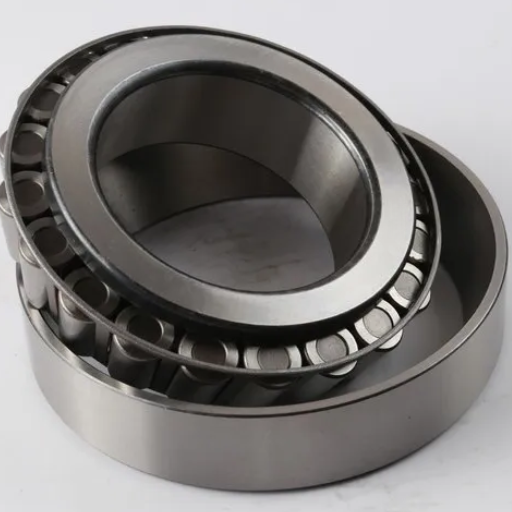
Identified by specific functionality, different types of tapered roller bearings are several. The most common include the following:
- Single-Row Tapered Roller Bearings
These are the most popular and used widely due to radial and axial load functionality for modern applications.
- Double-Row Tapered Roller Bearings
Ideal to support heavy-duty radial and axial loads in both directions, making it well suited for construction equipment and other industrial machinery.
- Four-row Tapered Roller Bearings
Utilized in rolling mills and industrial apparatus, this type of bearing accommodates very high radial loads as well as some axial loads.
- Sealed Tapered Roller Bearings
This type of bearing comes with integrated protective seals that guard against contamination, lessening the required maintenance while increasing operational life.
As is evident from the description, every type of bearing does have a specific function to fulfill. It is, therefore, primary to understand your application’s load requirements before selecting the bearing type.
Understanding Tapered Rollers
Tapered rollers are essential parts that take care of combined axial and radial loads. Their shape allows weight to be distributed evenly to provide efficiency and durability under high loads. Rollers of this kind are found in systems utilized by automobiles, industrial machines, and conveyors as they can remain stable under heavy stress.
The Role of Radial and Thrust Loads
Radial and thrust are primary drivers that affect the efficiency and configuration of tapered rollers. Radial loads work perpendicularly to the rotational axis, lifting or pressing sideways against the shaft. The thrust loads pull and push along the shaft and therefore rotate.
Tapered rollers have a pronounced competitive edge as they can simultaneously support radial and thrust loads which reduces wear and improves performance in the more advanced applications. For example, automotive wheel bearings, bear the vehicle’s weight (radial load) while also providing vehicle stabilization during cornering and braking (thrust load). Research has shown that optimized tapered roller designs can withstand axial loads up to 60 percent of the radial load capacity and still retain their durability.
Moreover, the design of tapered rollers guarantees that efficient geometry achieves minimal deformation which increases the life cycle of the machinery components. The most advanced materials, such as high carbon chromium steel, are used to resist fatigue and to withstand the severe pressures created by the combination of loads. Industrial application statistics show tapered rollers drastically improve maintenance costs—up to 25%—due to decreased loads for failure reporting.
It is important to grasp the functions of radial and thrust loads when determining the bearing arrangement because it has a bearing on functional productivity, safety, and service life.
Exploring Single and Four-row Tapered Roller Bearings
Single-row tapered roller bearings primarily support a combination of radial and thrust loads. They are very flexible in application and used in automotive wheels, gearboxes, and industrial machines. The proprietary configuration aids the bearing in accurately aligning while supporting significant amounts of load, thereby improving operational efficiency. Single-row configurations retain flexibility since they can be mated for specific enraged load conditions like higher thrust load in one direction.
In comparison, four-row tapered roller bearings are used for extreme load applications such as heavy machinery and rolling mills. These bearings support radial loads and moderate thrust loads in both directions, protecting them from harsh continuous, high-pressure conditions. Technical reports, for instance, state that four-row configurations possess greater than twice the radial capacity of single-row bearings, helping further reduce downtime in critical industries. Added to this is the reduction of rolling friction, which promotes energy efficiency and reduces costs during long operations.
Single and four-row tapered roller bearings differ in advantages that best serve different needs. Optimum configuration selection leads the industry to improved durability, longer equipment lifespan, and better load control tailored to their applications.
How to Mount a Tapered Roller Bearing Correctly?

- Examine the Parts
Before installation, meticulously clean the bearing, housing, and shaft to remove any dirt and check for damage. The condition of the bearing determines its performance capabilities.
- Provide Sufficient Bearing Lubrication
To reduce friction and wear, apply the specified type and quantity of lubricant to the bearing and the part interfaces.
- Align All Components With The Bearing
Carefully place the bearing onto or into the housing on the shaft, ensuring proper alignment. Failure to achieve proper alignment will result in premature failure due to a misbalanced load distribution.
- Applying Mounting Technique
Implement either the press-fit, slip-fit, or shrink-fit. Adhere to the manufacturer’s instructions for the specific bearing type and size.
- Clearance, Preload, and Other Adjustments
Preload and radial movement require the adjustment that has been set forth by the manufacturer. This is now performed. Causing reliable functionality and minimal axial movement.
- Assembly Locking And Final Steps
Evenly secure all locking mechanisms or fasteners to the specified torque level. Overtightening damages bearings and neighboring body parts.
Adhering to these procedures will help guarantee that the tapered roller bearing is installed properly, thus achieving optimal performance and durability. As always, consult the manufacturer’s guidelines for details specific to your bearing type.
Step-by-step Guide to Roller Bearing Mounting
- Check The Components
Check the cleanliness of the housing, bearing, and shaft. Ensure no dirt particles obstruct the view into any components. Check if any elements are damaged or worn out before inspecting further.
- Put On Lubrication
The bearing surface should be covered with a lubricant type and amount specified by the instruction. Appropriate lubricant application decreases friction and increases the bearing’s lifespan.
- Bearing Alignment
Place the shaft into the bearing while maintaining alignment. Alignment errors will result in bearing failure extremely fast.
- Press Or Slide Bearing
Slide or press bearing onto shaft depending on the fit. Through using appropriate mounting tools, rotational pressure should not be placed directly onto the rolling elements.
- Secure The Assembly
Tighten fasteners or locking elements to specified torque without reducing the increase during adjustment. Damage can happen as a result of excess tightening.
- Reset the Test
For free rotation, especially during the initial run, test each part of the assembly for abnormal resistance to rotation and listen for slack noise on the bearing.
Following a systematic and organized procedure like this makes it easy to mount roller bearings while taking precision and efficiency into consideration. Make sure to refer to those requirements where provided by the manufacturer for modifications.
Importance of Axial and Radial Alignment
Appropriate axial and radial alignment of roller bearings significantly aids in their functionality and durability. Bearing misalignment will create unsymmetrical loading, excess abrasion, and faster deterioration of the machinery. In today’s industry, even minor misalignment cases, such as a 1-degree angular offset, are known to increase the bearing’s operating temperature disproportionately and thus shortening its working life by up to 50%.
With respect to misalignment, thrust bearings are designed to withstand axial loads and permit rotation without applying excessive thrust, while radial bearings are designed to allow uniform radial loads circumferentially. Excessive misalignment is associated with increased noise, vibration, and friction that deteriorate the effectiveness of machinery and its powered devices. Micrometer-accurate alignments are needed during installations, which can be done with some of the latest technologies, such as laser alignment systems. Sustained maintenance along with routine realignment will help improve equipment downtime and operational endurance of the bearing assembly.
Tools Required for Bearing Assembly
To ensure an efficient installment and operation of bearing assemblies, a set of tools are important. tools have features that correspond with the bearing type and application. Below is a detailed overview of major tools.
- Bearing Pullers
Bearing pullers are critical for extracting aged or defective bearings while safeguarding adjacent parts from damage. Hydraulic bearing pullers are especially advantageous when dealing with larger bearings since they provide greater ease of use as well as pulling force.
- Press Fit Tools
Most bearings are installed with the aid of press-fit tools that apply load radially to the bearing’s edge so that it can be pressed in. Such tools help to reduce the chances of bearing or housing damage.
- Laser Alignment Systems
As for laser alignment, shafts and bearings can be aligned with great accuracy to the level of a few micrometers which help greatly reduce wear in the bearings and enhance the machine’s operation.
- Micrometers and Calipers
Measurement devices like micrometers and calipers also help check if the dimensions were done right especially in order to extract proper inner and outer diameters of the bearing that enhance performance and firm positing when fitted in.
Why is Proper Taper Roller Bearing Mounting Important?
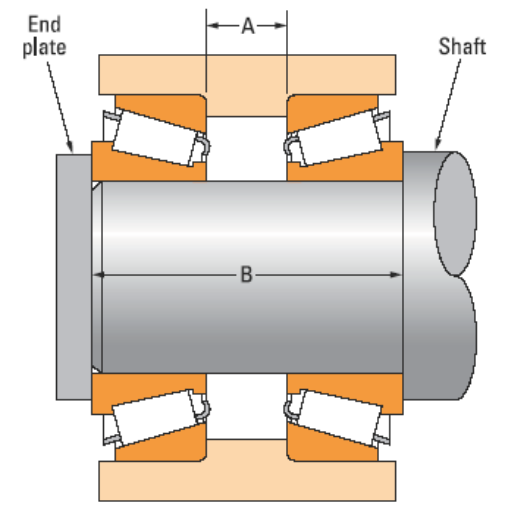
Achieving optimal performance, lifespan, and safety of tapered roller bearings requires proper mounting. Smooth rotation, reduced friction, and load distribution are achieved when bearings are installed correctly. Exceeding wear, machinery failure, or misalignment propagation due to improper mounting leads to increased maintenance costs. Precise procedures and proper mounting help mitigate risks, enhance reliability, and preserve equipment dependability.
Impact on Bearing Life and Performance
Achieving optimal performance, lifespan, and safety of tapered roller bearings requires proper mounting. Studies suggest incorrectly following the documented steps to be 16% responsible for bearing failure thereby highlighting why proper mounting is pivotal. Painstaking attention to detail during installation prevents uneven load distribution that accelerates wear and overheating. Moreover, friction reduction paired with smoother operation is achievable with advanced lubrication methods such as grease or oil injection during mounting which further enhances performance.
As with everything else, abiding by strict temperature control during installation is equally central. Moreover, excessive heating of bearings is a sure way to degrade the bearings and cause them to become inaccurate. Most standard bearings can be expected to operate effectively below 250°F (120°C) and if these bearings are overheated beyond that, they lose strength, hardness, and their ability to carry load. Pullers and induction heaters are specialized tools that improve precision and reduce the risk of damaging components during installation.
Compliance with regular monitoring and scheduled maintenance, in combination with strictly following manufacturers’ mounting guidelines, has proven to extend the life of the bearings significantly better, sometimes even as much as more than fifty percent. This vastly improves the reliability of the machinery and takes a toll on the costs associated with downtime and replacements reducing the economic value in the long run.
Preventing Axial and Radial Misalignment
Axial and radial forms of misalignment are the leading causes of mechanical bearing failure. To solve these issues, regular attention to the specific machine as well as installation routines is pivotal.
To solve misalignment issues, bolts, and shafts must be carefully tightened and checked throughout assembly. Even an alignment bet of 0.001 inch per inch could lead to the bearing performing a brand new load of 10% more than it previously did. With encapsulated indicators representation, the relative finger bolt configuration does not need to be disturbed, showing off precision reaching millimeters. Furthermore, a good balance could avert operational troubles for years to come.
Balanced error results from poorly made machine cases as well as poorly centralized forces affecting the device. Enhancing measures can be rated in terms of self-alignment, which eliminates changeover misalignment from direct mechanical drive bending and thermal elongation. Machine and periodic checks help eliminate long-term deadline problems as each region’s high-stress areas can constantly be optimized.
As systems embed bearings deep, failure rates can exceed 72%. Installing routine alignment checks poses undershot marking of bearings lifespan enhancing up to 25%, energy spent by 10%, higher system efficiency, and, improved functioning of mounted devices.
Common Issues During Taper Roller Bearing Mounting

- Incorrect Alignment
Misalignment during mounting can lead to uneven load distribution, causing premature wear and reduced bearing lifespan.
- Insufficient Lubrication
Failing to apply the correct type or amount of lubricant can result in excessive friction, overheating, and eventual bearing failure.
- Overloading of Bearings
Applying excessive force during mounting can damage the bearing components, particularly the rolling elements, and raceways.
- Contamination
Dirt, dust, or other particles introduced during installation can compromise the performance and durability of the bearing.
- Improper Seating
Failing to properly seat the bearing on the shaft or housing can lead to loose fitment, increased vibration, and operational inefficiency.
Addressing these issues by following proper mounting procedures and guidelines ensures optimal performance and extends the bearing’s service life.
Identifying Thrust Load Problems
Problems associated with thrust loads on bearings tend to occur as a result of excessive or misaligned loads placed on the bearing during operation. Problems extending from improperly managed thrust loads, which are rotational axis parallel, can place significant stress on the bearing’s components. In the long term, excessive thrust load results in wear, deformation of rolling elements, or in some cases, unexpected failure.
One notable insight is that for standard ball bearings, the ability to endure axial (thrust) loads is usually lesser in comparison to radial loads. A common failure point is a raceway as it can experience stress concentrations due to increased axial load resulting in exceeding limit violence. For instance, it has been researched that deep groove ball bearings have varying capabilities to accommodate maximum thrust load; there is a suggested rough estimate of 60-70% radial load capacity considering it too high. Exceeding that repeatedly would result in permanent damage.
Another aspect of thrust load issues can be shaft misalignment. Research shows that minimal alignment discrepancies, less than half a degree, result in a radial load on one side of the bearing performing disproportionately resulting in described uneven wear.
Dealing with Improper Preload Settings
Performance problems and a shortened lifespan are two of the consequences that can arise from having improper preload settings in bearings. Preload is the axial load purposely placed on a bearing to remove internal clearance. In this case, wrong settings will lead to excessive friction, overheating, and increased wear.
Consequences of Insufficient Preload
Having insufficient preload will cause the system to have vibrations and less rigidity. While there’s no adequate preload, an imbalance during operation is caused by excessive play. Inadequate systems are reported to have up to 30% higher vibrations. That’s quite a lot and causes the machine and other components to wear out faster.
Risks of Excessive Preload
Opposing insufficient preload, excessive torque will further increase the frictional torque and operating temperatures. Ezine Articles states an over-preloaded bearing runs roughly 10-15% hotter (not good), which greatly diminishes lubricant effectiveness. It can also worsen overheating which increases the chance of material degradation that causes cracks or pitting on the rolling elements and raceways.
Achieving Optimal Preload
Through inspection during assembly and after the initial setup, incorrect preload settings can be detected early. Various techniques exist such as actively measuring torque and engaging in axial displacement activities to finely tune preload settings. An assurance propels many manufacturers to ask their clients to check the reliability of machines by checking the preload settings regularly as part of scheduled maintenance.
Correctly setting the preload value of a system is paramount to increasing the life of the bearings, improving overall system efficiency, and avoiding expensive downtime.
Fixing Inner and Outer Ring Misalignments
The inner and outer rings of a bearing when misaligned can greatly affect machinery performance, creating uneven distribution and increasing vibrations while accelerating deterioration. Taking a mix of preventive and corrective measures works best to solve these problems.
As far as these measures go, the most important one is the precise alignment of shafts and housing during assembly. They can be correctly aligned in increments of 0.01 to 0.03 mm with the aid of laser alignment tools. Another suggestion is the incorporation of self-aligning bearings which work towards resolving minor issues with alignments up to 3 degrees.
Ongoing condition monitoring is just as crucial to capture the onset of displacement as early as possible. Methods such as thermal imagery and vibration surge capture are great at spotting unusual activity. Vibrations at expected defect frequencies appear abnormally high, flagging improper alignment.
One step is regular maintenance; for example, flexing bolts and checking the wear on mounting surfaces facilitates alignment over time. If these steps are followed, operators will be able to stave off bearing failures while greatly improving the machinery’s effectiveness and reliability.
How Does Amigo Enhance Tapered Roller Bearings?
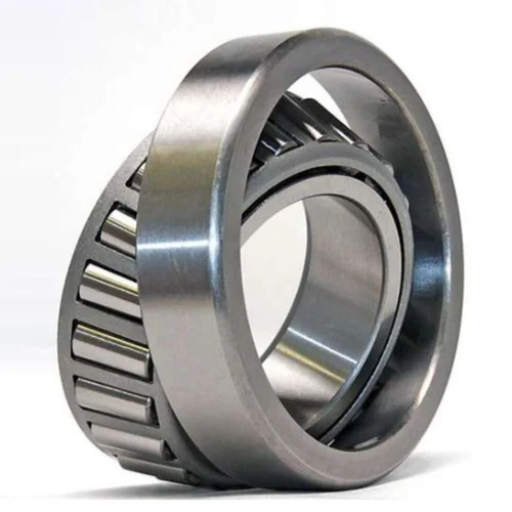
Amigo Tapered roller bearings are enhanced through excellent engineering, materials, and precision manufacturing. Durability and efficiency are hallmarks of Amigo bearings, which are built to withstand heavy loads and resist wear. Amigo’s heat treatment processes improve the strength and reliability of the bearings, making them dependable even in harsh conditions. Innovative seal designs further assist the bearings by minimizing contamination while improving service life, and maintaining reliable performance in a wide range of applications.
Innovations in Rolling Bearings Technology
The recent innovations in rolling bearings technology have sensorized bearings which allow real-time monitoring of different parameters like speed, temperature, vibration, and load because of embedded sensors. This capability enhances maintenance thereby decreasing operational downtimes and improving efficiency further.
The innovation also includes the development of hybrid bearings due to the advancement in material science. B The use of steel rings with ceramic rolling elements makes the bearings more resistant to wear and friction. This aids acceleration of performance in relative fields such as aerospace, automotive, and energy.
Mounting performance has further been boosted by the coating technologies with the addition of thin diamond-like carbon (DLC) or molybdenum disulfide which augment attention for extremely high temperatures and corrosive environments. This aids in enduring active service life with less energy required for friction reduction.
Superior removeable lubrication systems ensured the correct placement of lubricants in crucial components for proper circulation in required areas thereby surpassing previously designed limitations. Better methods like these can extend the working life of the bearings by 50% according to recent reliable studies confirming the measured achieved underpromise performance benchmarks.
Through pragmatic engineering and design, these innovations mark an unrestrained milestone in the rolling bearings technology striding towards meeting precision industrial standards and answering needs for enhanced performance and competitive technology.
Benefits of Standard Bearings from Amigo
Amigo standard bearings offer exceptional reliability and performance, achieving the requirements of numerous industries. These bearings provide superior load-carrying capability as well as enhanced durability and performance even in difficult conditions. Amigo bearings are designed to provide highly efficient, low-friction operation and reduced wear, making them ideal for industrial uses.
One of the key benefits from Amigo standard bearings is the prolongation of operational life. Standard bearings are manufactured using high-quality materials and advanced processes which means they are capable of handling greater loads and higher temperatures than conventional options. For example, some series of Amigo bearings outperform the competition in high-speed operations by 20% due to specialized heat treatment processing.
Furthermore, improved sealing technologies help protect against dust and water contaminants which reduces maintenance expenses along with downtime. Amigo bearings have been proven to endure continuous heavy load operations in mining, automotive, and heavy machinery industries, greatly enhancing equipment efficiency and productivity.
Employers that use Amigo standard bearings enjoy the advantages of reduced operational costs, lower maintenance, and superior equipment running time, which all culminate in competitive operational productivity and efficiency.
Extending Bearing Life with Advanced Solutions
High-performance engineering methods and proper structural maintenance are both necessary for getting the most life out of bearings. New technological materials, such as high-performance alloys and ceramic hybrids, have already greatly improved bearing durability. These alloys are known to increase the resistance to wear by as much as 60% over conventional steel bearings, especially when subjected to extreme temperatures or highly corrosive environments.
At the same time, lubrication is crucial in worn bearings. New types of lubricants, including some synthetic and solid lubricants, are known to reduce friction by almost 40%, decreasing wear and heat which can result in catastrophic failure. Properly managed lubrication systems, like automatic lubricators, guarantee that optimal amounts of lubricants are supplied constantly and therefore manually maintained to reduced levels.
Modern condition monitoring systems, predictive maintenance, and other add-on tools sharpen the focus on the factors optimized for the reliability of bearings. Methods such as vibration analysis and temperature monitoring allow operators to address problems well ahead of failure. Data analytics proves to yield excellent results by eliminating bearing failures significantly. Some of those businesses claim up to 25% decreased unplanned downtime after implementing these methods.
The integration of these high-quality materials, alongside sophisticated lubrication, precise control, and monitoring systems has proven and optimized bearing life.
Reference Sources
-
The Dynamics of Tapered-Roller Bearings–A Bottom-up Validation Study:
- Explores the dynamics of tapered roller bearings, including their torque and temperature rise during operation.
- Discusses the importance of proper mounting to ensure optimal performance and reduce operational issues.
- Methodology involves detailed dynamic modeling and validation of bearing behavior under various conditions.
-
Investigation of Drag and Churning Losses on Tapered Roller Bearings:
- Examines the impact of mounting arrangements on drag and churning losses in tapered roller bearings.
- Highlights the use of x-arrangement mounting in test cylinders to study load application and lubrication effects.
- Methodology includes experimental analysis of frictional losses under different mounting configurations.
-
Bearing Fault Classification Using Multi-Class Machine Learning (ML) Techniques:
- Focuses on fault detection in mounted bearings, including tapered roller bearings, using machine learning techniques.
- Discusses the role of proper mounting in minimizing faults and ensuring accurate fault classification.
- Methodology involves the use of accelerometer data and machine learning models for fault analysis.
- View Taper Roller Bearings Manufacturers in China – Amigo details to get into the details
Frequently Asked Questions (FAQs)
Q: What is the purpose of tapered roller bearings and where are they commonly used?
A: Tapered roller bearings are designed to handle both axial and radial loads, making them suitable for applications like car hubs, mining equipment, and wind turbines. These bearings are commonly used in situations requiring durable performance under high load conditions.
Q: How do you ensure proper alignment when mounting taper roller bearings?
A: To ensure proper alignment, it’s essential to align the inner ring and the cone assembly precisely along the axis of the bearing. This helps in maintaining the correct contact angle and ensuring optimal performance.
Q: What are the key components of tapered roller bearings?
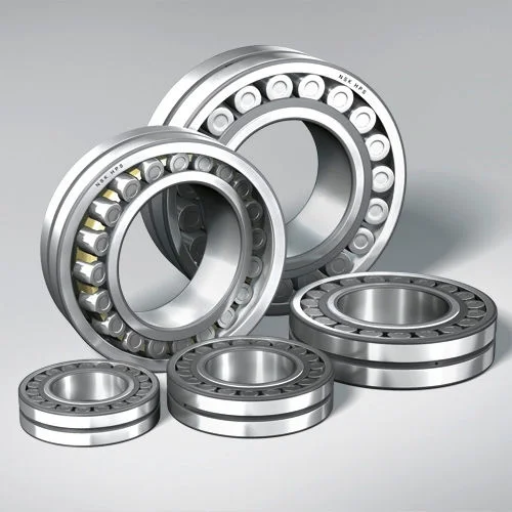
A: The key components include the inner ring (also known as the cone), the outer ring (cup), the tapered rollers, and the cage that holds the roller elements in place. These components work together to manage loads and reduce friction.
Q: How can you identify the correct contact angle in a tapered roller bearing?
A: The contact angle in a tapered roller bearing is determined by the design of the bearing itself. It is the angle between the bearing axis and the line of contact between the rolling elements and the raceways. Proper identification is crucial for load management.
Q: What precautions should be taken during the mounting and dismounting of tapered roller bearings?
A: During mounting and dismounting, ensure that all components are clean and free of debris. Use appropriate tools to avoid damaging the bearings. Following the guidelines provided by bearing manufacturers will help in preventing noise and vibration issues.
Q: Why is endplay important in tapered roller bearings?
A: Endplay allows for thermal expansion and contraction, preventing excessive preload or binding within the bearing. Properly adjusted endplay ensures smooth operation and longevity of the bearing.
Q: What role does the roller thrust bearing play in the system?
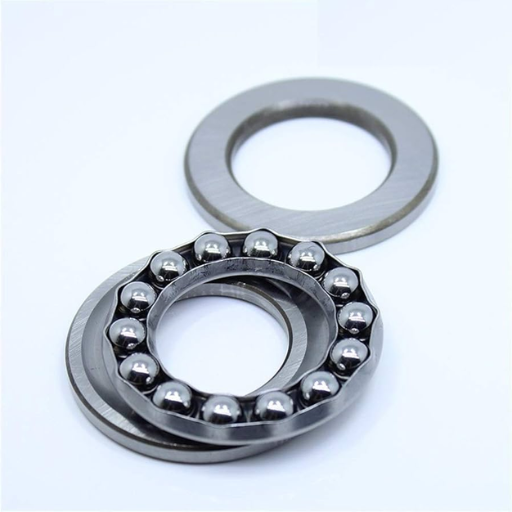
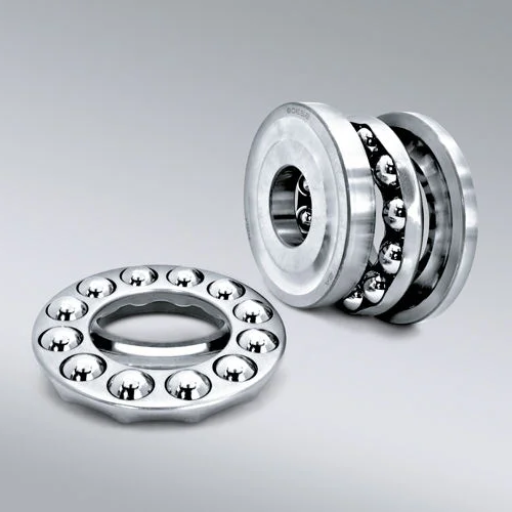
A: A roller thrust bearing is designed to handle axial loads, supporting the axial movement of components in systems like axles. This bearing is crucial for applications where axial movement needs to be managed efficiently.
Q: How can you minimize noise and vibration in taper roller bearings?
A: To minimize noise and vibration, ensure that the bearing is properly lubricated, correctly mounted, and free from contaminants. Regular maintenance and following the specifications from bearing manufacturers are also vital for reducing operational disturbances.
Q: What is the significance of a single point on the bearing axis in tapered roller bearings?
A: A single point on the bearing axis refers to the specific point where the load is distributed evenly across the bearing. This helps in optimizing load management and reducing stress on the bearing components.
Q: Can you explain the concept of metric tapered bearings?
A: Metric tapered bearings are standardized bearings that adhere to metric dimensions and specifications. These bearings are interchangeable with other metric bearings and are commonly used in various international applications.