


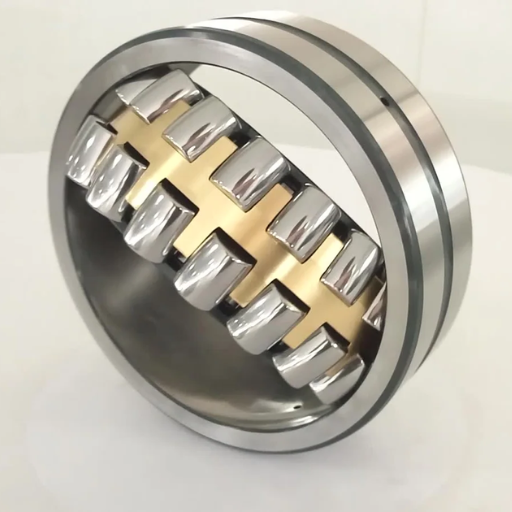
From various mechanical systems we can highlight that roller bearings are crucial parts which help smoothen the motion and reduces the friction of parts that are movable. Roller bearings come in several types, but some are more frequently used for industrial purposes like cylinder and sphere bearings. This blog is intended to create an in-depth analysis concerning these two bearings explaining the features, functional traits and their operations. Understanding the differences between spherical and cylindrical roller bearings help readers make better choices when dealing with certain technical and mechanical requirements. The design principles, advantages and disadvantages will be discussed and from this point the target audience of this article which includes engineers, technicians or other industry experts will know how to improve the efficiency of the systems they are working on.
What Is a Roller Bearing?

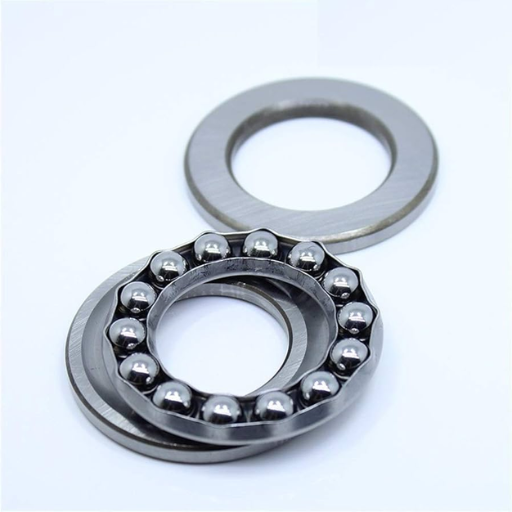
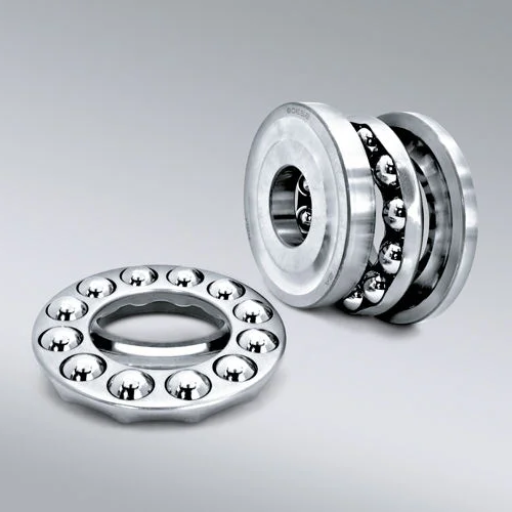
A roller bearing is a type of rolling-element bearing designed to reduce friction and support radial and axial loads in a rotating system. It achieves this by utilizing cylindrical, spherical, tapered, or needle-shaped rolling elements that distribute the load over a larger surface area compared to ball bearings, resulting in higher load-carrying capacity. Roller bearings are widely used in applications requiring precision, durability, and efficiency, such as in automotive, industrial machinery, and aerospace systems. If you are looking for more information about comparing spherical and cylindrical roller bearings go here right away
Types of Roller Bearings
- Cylindrical Roller Bearings
Cylindrical roller bearings consist of cylindrical rolling elements positioned parallel to the axis of rotation. These bearings are designed for high radial load capacity and can handle moderate speeds. They are commonly used in gearboxes, electric motors, and turbines.
-
-
- Key Parameters:
-
- Radial Load Capacity: High
- Axial Load Capacity: Limited
- Speed Limit (rpm): Moderate to High
-
- Spherical Roller Bearings
Spherical roller bearings feature barrel-shaped rollers and are capable of accommodating misalignment between the shaft and housing. These bearings are ideal for applications involving heavy radial loads and some axial load in both directions, such as in mining equipment and conveyor systems.
-
-
- Key Parameters:
-
- Radial Load Capacity: Very High
- Axial Load Capacity: Medium
- Misalignment Tolerance: Up to 2°
-
- Tapered Roller Bearings
Tapered roller bearings have conical rollers and raceways, enabling them to manage both radial and axial loads efficiently. These bearings are extensively used in automotive axles, gearboxes, and agricultural equipment.
-
-
- Key Parameters:
-
- Radial Load Capacity: High
- Axial Load Capacity: High (one-directional)
- Contact Angle Range: 10° to 20°
-
- Needle Roller Bearings
Needle roller bearings are characterized by their slender rollers, which have a high length-to-diameter ratio. These bearings are suitable for applications requiring compact designs and high load-carrying capacity, such as in transmissions and compressors.
-
-
- Key Parameters:
-
- Radial Load Capacity: Moderate to High
- Axial Load Capacity: Limited
- Space Requirement: Minimal
-
Each type of roller bearing is tailored to specific application demands, ensuring optimal performance and reliability. Selecting the appropriate bearing requires evaluating factors such as load type, operational speed, alignment tolerances, and environmental conditions.
The Role of Rolling Elements in Performance
Rolling elements are critical in determining the overall performance of a bearing system. I would explain that their role is to minimize friction by ensuring smooth motion between moving parts while supporting radial and axial loads effectively. The design, size, and material composition of the rolling elements directly influence key performance factors such as load capacity, speed capabilities, and durability.
Key Technical Parameters:
- Contact Geometry: Determines the distribution of load and stress, influencing longevity and efficiency.
- Material Composition: High-grade steel or ceramic materials enhance wear resistance, reduce friction, and improve thermal stability.
- Dimensional Accuracy (ISO Tolerances): High precision ensures better alignment and reduces vibrations.
- Surface Finish: Smooth surfaces decrease friction and wear, extending operational lifespan.
- Load Ratings (Dynamic and Static): Reflect the maximum load the bearing can endure during operation or while stationary.
These parameters must align with the application requirements to ensure reliable and efficient functioning of the bearing system.
Comparison with Ball Bearings
When comparing roller bearings to ball bearings, the primary distinction lies in load handling capabilities and contact mechanics. Roller bearings, utilizing cylindrical or tapered rolling elements, are superior for applications requiring higher radial and axial load capacities due to their larger contact area. Conversely, ball bearings, which feature spherical rolling elements, excel in high-speed applications and lower friction scenarios but have reduced load capabilities in comparison. Roller bearings are typically favored in heavy industrial machinery, while ball bearings are more suited to lighter-duty applications like electric motors or pumps. Each has its specific advantages depending on operational requirements and environmental conditions.
How Do Cylindrical Roller Bearings Function?
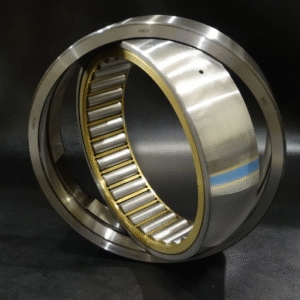
Cylindrical roller bearings function by utilizing cylindrical-shaped rolling elements positioned between an inner and outer ring. These rollers evenly distribute load across a larger surface area, which enhances their capacity to handle radial loads with greater efficiency compared to ball bearings. The cylindrical design minimizes friction during rotation while allowing axial movement in one direction, making them well-suited for applications requiring high radial load capacity and precise alignment. Additionally, their design reduces rolling resistance, ensuring smooth and reliable operation in demanding industrial environments.
Structure of Cylindrical Rollers
When analyzing the structure of cylindrical rollers, I can confirm that their design centers around parallel, elongated rollers placed within a precisely engineered raceway. These rollers are typically made from hardened steel or other durable materials to ensure longevity and resistance to wear. The internal geometry is meticulously crafted, with minimal clearance between the rollers and the raceway, optimizing load distribution and minimizing vibration during operation. Additionally, the inclusion of ribs on the raceway often controls axial displacement, enhancing the stability and alignment of the rollers under heavy radial loads.
Handling Radial Load and Axial Load
To handle radial load effectively, I ensure that the bearings are precisely aligned and properly lubricated to distribute the load uniformly across the raceway and rollers. This reduces wear and prevents uneven stress concentration, which could lead to premature failure. For axial load, I select bearings designed specifically for axial stability, such as those with reinforced ribs or angular contact structures. These configurations are optimized to accommodate thrust loads, maintaining system stability while ensuring minimal displacement under pressure. Proper installation, regular maintenance, and adherence to manufacturer-specified limits are also critical to achieving reliable performance under both radial and axial load conditions.
Advantages in High Radial Load Applications
From my experience, high radial load applications benefit significantly from bearings designed for durability and precision. These bearings often feature advanced material compositions, such as high-grade steel, to enhance their load-carrying capacity and resistance to wear. Additionally, their internal geometries, like deep grooves or reinforced cages, are engineered to evenly distribute stresses, reducing the likelihood of deformation or failure. Proper lubrication further optimizes their performance by minimizing friction and heat buildup, ensuring extended operational lifespans even under demanding conditions.
Exploring Spherical Roller Bearings

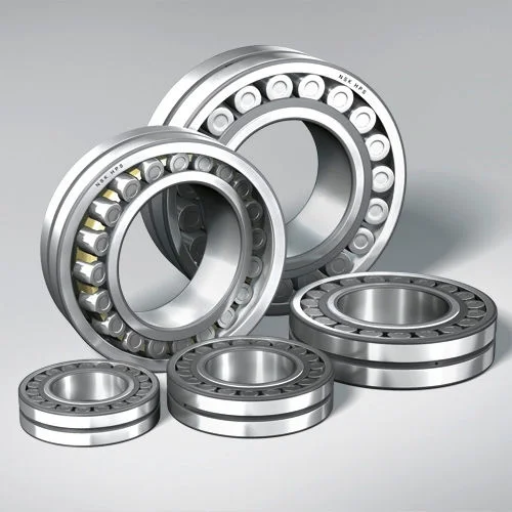
Spherical roller bearings are specifically designed to handle both radial and axial loads in demanding environments. Their unique self-aligning capability allows them to accommodate misalignments between the shaft and housing, making them ideal for applications where precision alignment is difficult to achieve. These bearings typically consist of two rows of rollers and a common spherical raceway in the outer ring, providing excellent load distribution and reducing stress concentrations. Due to their robust design, spherical roller bearings are widely utilized in industries such as mining, heavy machinery, and paper manufacturing, where high load capacity and reliability are critical.
Unique Design of the Spherical Outer Ring Raceway
The unique design of the spherical outer ring raceway allows for exceptional alignment capability and load distribution. Its curvature is specifically engineered to match the spherical geometry of the roller elements, enabling the bearing to accommodate angular misalignments between the shaft and housing without compromising performance. This design minimizes the risk of uneven load stresses, ensuring consistent operation under demanding conditions. Additionally, the raceway’s surface finish is optimized to reduce friction and wear, which enhances efficiency and prolongs the bearing’s operational life. This makes spherical roller bearings a preferred choice in applications requiring durability, high radial and axial load support, and resistance to misalignment-induced stress.
Accommodating Misalignment in Operations
Spherical roller bearings are specifically engineered to manage misalignment caused by shaft deflection or mounting errors. The curved design of their raceways and rollers allows them to self-align, ensuring that they can handle angular misalignment of up to 3 degrees without compromising performance. This feature significantly reduces the risk of bearing damage and equipment downtime. Additionally, their construction supports both heavy radial and moderate axial loads simultaneously, making them ideal for applications where consistent alignment cannot always be guaranteed, such as conveyors, mining equipment, or heavy machinery. Effective lubrication further enhances their ability to operate under misaligned conditions, reducing friction and preventing overheating.
Applications in Heavy Radial Loads
Spherical roller bearings are essential in environments where machinery operations involve heavy radial loads, as they are designed to handle extreme stress while maintaining high performance. These bearings are widely used in industries such as mining, construction, steel manufacturing, and material handling due to their durability and ability to operate under misaligned conditions. Their unique design accommodates misalignment up to 1-2 degrees, a critical parameter in applications with structural deformation or shaft deflection.
For example, in mining conveyor systems, spherical roller bearings are used to manage substantial radial and impact loads caused by the transportation of heavy materials. Similarly, in rolling mills, they support the radial forces generated during the metal forming processes, where axial loads may also occur. Typical dimensions and load ratings are as follows:
- Bore Diameter Range: 20 mm to 1,800 mm (varies by model)
- Dynamic Load Capacity (C): Up to 17,000 kN
- Static Load Capacity (C₀): Up to 25,000 kN
- Permissible Operating Temperature: -30°C to 200°C (depending on the material and lubrication used)
Effective lubrication, such as grease or oil with proper viscosity, enhances performance and reduces wear, even under prolonged heavy radial conditions. By ensuring adherence to proper maintenance protocols and selecting bearings with appropriate load ratings, industries can significantly extend the lifespan of their equipment while optimizing efficiency.
When to Use Cylindrical Roller Bearings?

Cylindrical roller bearings are ideal for applications requiring high radial load capacity and low friction under heavy loads. They are particularly suited for machinery operating at moderate to high speeds and in environments where axial displacement of the shaft is necessary due to thermal expansion or alignment changes. These bearings are commonly used in gearboxes, electric motors, pumps, and other industrial equipment where durability and efficiency are paramount.
Situations Requiring High Radial Load Capacity
High radial load capacity is critical in scenarios where machinery experiences significant radial forces over extended operating periods. These situations include applications such as conveyor systems, where the weight and movement of materials induce substantial radial stress on the bearings, and heavy-duty industrial presses, which operate under constant load cycles.
Technical Parameters:
- Dynamic Radial Load Rating (C): Typical ratings range from 10,000 N to 500,000 N, depending on the bearing size and type.
- Operating Speed (RPM): Bearings in such applications often function at speeds between 500 RPM to 15,000 RPM, depending on the equipment.
- Operational Temperature (°C): Designed to withstand temperatures between -30°C and 120°C, ensuring reliability in various industrial environments.
- Service Life (L10): Predictable service life exceeding 10,000 operational hours under standard load and speed conditions.
Such parameters ensure efficiency, durability, and proper functioning even in demanding environments.
Comparative Friction Levels
The friction levels of materials and surfaces are typically quantified using the coefficient of friction (COF), which is categorized into static and kinetic friction. Comparatively, materials such as PTFE (Teflon) exhibit an extremely low COF, typically between 0.04 and 0.10, making them ideal for applications requiring minimal resistance. Steel on steel, by contrast, has a COF range of 0.5 to 0.8, depending on surface finish and lubrication, representing higher friction levels suitable for load-bearing components. Rubber surfaces demonstrate some of the highest COF values, exceeding 1.0 in certain conditions, offering maximal grip useful in applications like tires and conveyor belts. The selection of materials in industrial systems depends on the balance between reducing unwanted friction and optimizing contact force for functionality.
Impact on Bearing Life
The coefficient of friction (COF) directly influences bearing performance and lifespan. High friction levels increase operational temperatures and accelerate wear due to material degradation, which can result in premature failure and frequent maintenance requirements. Conversely, reduced COF can enhance efficiency but may compromise load-carrying capacity if improperly managed. Proper lubrication is critical in mitigating friction, distributing loads evenly, and reducing contact stress between surfaces. Additionally, material selection and surface finish play pivotal roles; smoother surfaces and advanced coatings, such as diamond-like carbon (DLC), help to minimize wear and improve durability. Regular monitoring, proper alignment, and correct preload settings further ensure optimum bearing performance and extended life under diverse operational conditions.
Comparing Spherical and Cylindrical Roller Bearings

|
Key Point |
Spherical Roller Bearings |
Cylindrical Roller Bearings |
|---|---|---|
|
Load Capacity |
High radial and axial loads |
High radial load, limited axial load |
|
Misalignment Handling |
Excellent, accommodates up to 3° |
Poor, requires precise alignment |
|
Speed Capability |
Moderate, limited by sliding friction |
High, due to rolling contact |
|
Design Complexity |
Complex, with self-aligning capability |
Simpler, straightforward design |
|
Applications |
Heavy-duty, misaligned shafts |
High-speed industrial applications |
|
Maintenance Requirements |
Moderate, occasional checks needed |
Low, depends on operating conditions |
|
Common Materials Used |
Steel alloys, brass cages |
Steel alloys, brass or polymer cages |
|
Operating Temperature Range |
Wide temperature tolerance |
Narrower temperature tolerance |
|
Lubrication Needs |
High, frequent re-lubrication |
Moderate, standard lubrication suffices |
|
Durability Under Shock Loads |
High resistance to shock loads |
Moderate, less shock resistance |
Key Difference Between Roller Types
|
Parameter |
Cylindrical Rollers |
Spherical Rollers |
|---|---|---|
|
Load Bearing Capacity |
High axial and radial load |
High radial, moderate axial load |
|
Design Geometry |
Straight, cylindrical shape |
Barrel-shaped, self-aligning |
|
Misalignment Tolerance |
Low, requires precise alignment |
High, handles misalignment well |
|
Contact Area |
Smaller, line contact |
Larger, elliptical contact |
|
Vibration Performance |
Moderate vibration damping |
High vibration damping |
|
Speed Capability |
High rotational speed |
Moderate rotational speed |
|
Application Focus |
General heavy machinery |
Applications with misalignment |
|
Maintenance Requirements |
Regular servicing needed |
Lower maintenance frequency |
Performance in Radial and Axial Loads
Both radial and axial load capabilities are critical factors in determining the appropriate bearing for specific applications. Radial loads act perpendicular to the shaft and are managed by the cylindrical and spherical elements of the bearings, with cylindrical roller bearings excelling in carrying higher radial loads due to their larger contact area and ability to distribute stress effectively. Axial loads, on the other hand, align parallel to the shaft and depend on the bearing’s ability to counteract thrust forces. Spherical roller bearings are more adept at handling axial loads, especially in scenarios with angular misalignment, due to their self-aligning nature and robustness.
Cylindrical roller bearings provide high durability under radial stresses and achieve optimal performance at high-speed operations but are less effective in managing significant axial forces. Conversely, spherical roller bearings offer superior performance when radial and axial loads are combined or when misalignment occurs, making them ideal for applications requiring load adaptability and vibration damping. Selecting the appropriate bearing requires a detailed analysis of loading conditions, operational speed, and environmental factors to ensure maximum efficiency and longevity in the system.
Influence of Raceways on Efficiency
The design and finish of raceways significantly influence bearing efficiency. From my analysis, finely polished raceways minimize frictional resistance, enabling smoother motion and reduced wear. Additionally, the geometry of the raceways plays a critical role in load distribution; optimized profiles ensure even stress dispersion, which enhances performance under varying load conditions. Proper lubrication of the raceways further reduces energy losses and extends operational longevity, demonstrating their integral role in overall system efficiency.
Reference Sources
- MMB Bearings: Cylindrical & Spherical Roller Bearing Types
- Quora: What is the difference between spherical and cylindrical roller bearings
- LKP Bearing: Difference Between Cylindrical And Spherical Roller Bearings
- IBT Inc: Choosing the Right Roller Bearings – A Comprehensive Guide
- ZWA Bearings: Understanding the Distinction – Spherical Roller Bearings vs. Cylindrical Roller Bearings
Frequently Asked Questions (FAQs)
Q: What is the primary difference between cylindrical and spherical roller bearings?
A: The primary difference lies in their design and application. Cylindrical roller bearings excel in accommodating heavy radial loads and offer a high load capacity than ball bearings due to their cylindrical shape. Spherical roller bearings, on the other hand, have a spherical raceway in the outer ring, which allows for some misalignment between the shaft and the housing, making them suitable for applications where misalignment might occur.
Q: How do cylindrical roller bearings excel in certain applications?
A: Cylindrical roller bearings are designed to handle heavy radial and thrust loads simultaneously. They have a high radial load capacity and are typically used in applications where space is limited and high operational reliability is required. This makes them an optimal bearing choice for electric motors and other heavy machinery within the bearing industry.
Q: Can spherical roller bearings accommodate misalignment?
A: Yes, spherical roller bearings are designed to accommodate misalignment. The spherical shape of the outer ring allows for angular contact ball bearings to align themselves, making them suitable for applications where shaft deflection or misalignment is expected.
Q: What bearing type is best for high-speed applications?
A: For high-speed applications, radial ball bearings and deep groove ball bearings are typically preferred due to their ability to handle high speeds with minimal friction. However, the correct bearing selection depends on the specific requirements of the application, including load capacity and desired operational life.
Q: How does the cage in a spherical roller bearing function?
A: The cage in a spherical roller bearing helps to maintain the correct spacing between the rollers, reducing friction and wear during operation. It ensures that contact between the roller and the bearing rings is optimized for load distribution, enhancing the bearing’s performance and longevity.
Q: Why are cylindrical bearings used in electric motors?
A: Cylindrical bearings are often used in electric motors because they can handle high radial and thrust loads while operating at high speeds. Their design allows for efficient load distribution, making them a reliable choice for supporting the bearing axis in electric motor applications.
Q: What factors should be considered in bearing selection?
A: Bearing selection should consider load capacity, speed, misalignment, space constraints, and the specific application requirements. Understanding whether radial bearings or thrust bearings are needed, as well as the type of cylindrical roller bearing that best suits the application, is essential for optimal bearing performance.
Q: How do roller bearings compare to radial ball bearings?
A: Roller bearings generally have a higher load capacity than ball bearings due to the larger contact area between the roller and the bearing rings. While radial ball bearings are suitable for applications with lighter loads and higher speeds, roller bearings can handle heavier loads and are often used in industrial applications where durability is crucial.
Q: Are there different types of cylindrical roller bearings?
A: Yes, there are different types of cylindrical roller bearings, including single-row, double-row, and full complement designs. Each type is designed to accommodate specific load and speed requirements, with variations in the number of rows and cage design to optimize performance for various industrial applications.