


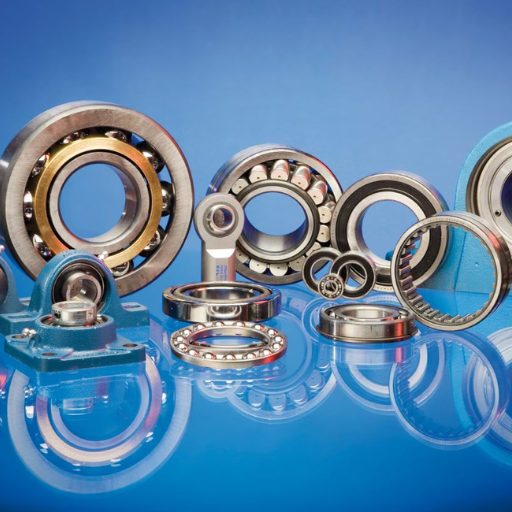
Bearings are essential components in countless mechanical systems, facilitating smooth and efficient motion while minimizing friction between moving parts. Among the vast array of bearing designs, plain bearings and roller bearings stand out as two of the most commonly used types, each offering distinct advantages depending on the application. Understanding the differences between these two bearing types is critical for engineers, designers, and maintenance professionals tasked with selecting the optimal solution for specific operational needs. This article delves into the fundamental characteristics, use cases, and performance distinctions of plain bearings and roller bearings, providing a comprehensive guide to help you make informed decisions in diverse industrial and mechanical settings.
What Is a Plain Bearing?
A plain bearing, also known as a sliding bearing, is a simple mechanical component that facilitates motion between two surfaces through sliding contact rather than rolling. Typically composed of materials like bronze, plastic, or composite substances, plain bearings are designed to minimize friction and wear. These bearings are commonly used in applications with low to moderate speeds and loads, such as automotive suspension systems, agricultural equipment, and industrial machinery. Their straightforward design, cost-effectiveness, and low maintenance requirements make them an optimal choice for environments where simplicity and durability are paramount. If you are looking for more information about the difference between plain bearings and roller bearings go here right away
How Does a Plain Bearing Work?
When discussing the functionality of a plain bearing, it is crucial to break down its operation into fundamental principles and understand its interaction within mechanical systems. A plain bearing operates by allowing relative motion between two contacting surfaces while minimizing friction. This is achieved through a combination of design, material selection, and lubrication.
The bearing typically consists of two key components: the bearing surface (often made of materials like bronze, PTFE composites, or graphite) and the shaft it supports. During operation, the shaft rotates or moves linearly relative to the bearing surface. Friction between these surfaces can be reduced significantly by using a lubricating film, which can either be applied externally (in the case of oil or grease) or inherent to the bearing material (self-lubricating bearings).
Modern advancements in material science have greatly enhanced the efficiency and reliability of plain bearings. For instance, self-lubricating plain bearings constructed from PTFE (polytetrafluoroethylene) composites have been shown to reduce friction coefficients to values as low as 0.04 under clean conditions. This ensures steady operation with minimal wear and heat generation, even under high temperatures or corrosive environments.
Additionally, research shows that plain bearings can support significant loads depending on their material and design. Bearings made from sintered bronze, for example, can handle surface pressures of up to 17.5 N/mm² while maintaining a long service life. These designs are optimized for use in industrial machinery, automotive components, and aerospace applications where reliability under varying conditions is critical.
To ensure optimal performance, engineers must carefully consider factors such as load capacity, operating speed, and lubrication when selecting plain bearings. Proper alignment, surface finishing, and maintenance practices further contribute to their effectiveness. Thus, plain bearings exemplify a simple yet robust mechanical solution for achieving smooth motion in dynamic systems.
Applications of Plain Bearings
Plain bearings are utilized across a diverse range of industries due to their simplicity, cost-effectiveness, and ability to support high loads with minimal maintenance. Some of the key applications include:
- Automotive Industry: Plain bearings play a critical role in vehicles, where they are found in engines, transmissions, and suspension components. Their ability to reduce friction and support rotating or sliding parts under varied loads makes them ideal for these applications.
- Aerospace Sector: High-performance plain bearings are essential in aerospace systems, ensuring reliability in applications such as landing gear, actuators, and control systems. These bearings are designed to handle extreme temperature ranges and high stresses typical in the aerospace environment.
- Industrial Machinery: Heavy-duty equipment in manufacturing and production lines relies on plain bearings for smooth operation. They are particularly effective in applications like conveyors, presses, and pumps where consistent performance under high loads is critical.
- Marine and Offshore: The corrosion-resistant properties of plain bearings make them suitable for use in marine environments, including shipbuilding and offshore drilling platforms. Specific applications include rudder bearings, stabilizers, and winches.
- Renewable Energy: Wind turbines and hydroelectric systems leverage robust plain bearings to manage rotational loads, ensuring durability and consistent operation over long periods without excessive maintenance.
These widespread applications highlight the versatility and essential function of plain bearings in ensuring efficiency and reliability in both everyday and complex mechanical systems.
Advantages and Disadvantages of Plain Bearings
From a technical standpoint, plain bearings offer several key advantages. Their simple design ensures cost-effectiveness, as they are typically less expensive to manufacture and maintain compared to rolling-element bearings. They operate quietly and perform well under high-load, low-speed conditions, making them ideal for heavy machinery and load-bearing applications. Furthermore, plain bearings exhibit high resistance to shock and vibration, as well as the ability to work efficiently in a variety of environments, including those exposed to dirt, water, or corrosive substances. Importantly, they often require less space than other bearing types due to their compact design.
However, plain bearings are not without limitations. They tend to exhibit higher friction than rolling-element bearings and may require consistent lubrication to minimize wear and heat generation. Without proper lubrication, issues such as galling or excessive wear can occur more quickly. Additionally, they are less effective in high-speed applications where low friction is critical for performance. For optimal performance, factors such as load capacity, operating temperature, material compatibility, and shaft alignment must be carefully evaluated during design and application.
Technical Parameters to Consider:
- Load Capacity: Axial and radial loads should remain within the bearing’s specified limits. Commonly ranges from a few kN to several hundred kN depending on the material (e.g., bronze, PTFE, or composite materials).
- Coefficient of Friction: Typically ranges from 0.01 to 0.1, depending on lubrication and material.
- Operating Temperature: Must align with material constraints, commonly -40°F to 500°F (-40°C to 260°C) for standard metal-polymer plain bearings.
- Shaft Surface Finish: Recommended Ra values between 0.2 and 0.8 µm promote efficient operation and reduce wear.
By balancing these advantages and disadvantages with proper parameter evaluation, plain bearings can achieve reliable, long-lasting performance tailored to specific engineering applications.
What Is a Roller Bearing?
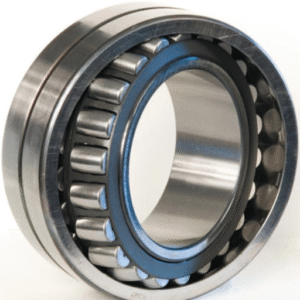
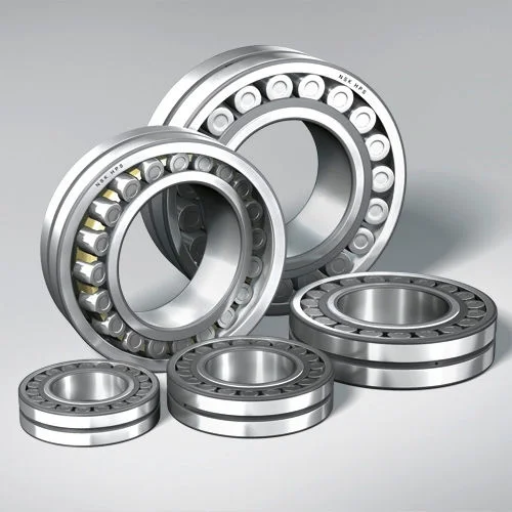
A roller bearing is a mechanical component designed to reduce friction and support radial and axial loads by using rolling elements instead of sliding surfaces. These bearings consist of an inner ring, an outer ring, rollers (cylindrical, spherical, or tapered), and a cage to maintain spacing between the rollers. The rolling motion minimizes friction compared to plain bearings while allowing for efficient rotation and load distribution. Roller bearings are commonly used in applications requiring high load capacity and durability, such as in machinery, automotive systems, and industrial equipment.
Types of Roller Bearings
There are several types of roller bearings, each designed for specific applications and load requirements:
- Cylindrical Roller Bearings
These bearings feature cylindrical rollers, making them ideal for managing high radial loads while allowing for limited thrust load capacity. They are often used in gearboxes, electric motors, and pumps due to their ability to accommodate high-speed operations.
- Spherical Roller Bearings
With spherical rollers, these bearings can handle both high radial and axial loads as well as compensate for misalignments. They are widely utilized in heavy machinery, such as mining equipment and paper mills.
- Tapered Roller Bearings
These bearings are designed with conical rollers and raceways, enabling them to support combined loads (both radial and axial). Their applications include automotive wheel hubs, gearboxes, and agricultural equipment.
Each type of roller bearing offers specific performance characteristics based on its geometry and design, catering to diverse industrial and mechanical requirements. These designs ensure optimal load distribution and enhanced reliability across various systems.
How Roller Bearings Reduce Friction
Roller bearings reduce friction by minimizing direct contact between moving parts and replacing sliding motion with rolling motion. This is achieved through their precision-engineered rollers and raceways, which evenly distribute loads while allowing smooth rotation. By reducing energy losses due to friction and wear, roller bearings enhance efficiency and extend the lifespan of machinery. Their robust design provides consistent performance under high stress, making them integral to numerous industrial applications.
Common Uses of Roller Bearings
Roller bearings are widely utilized across various industries due to their ability to handle high radial and axial loads while maintaining efficiency and reliability. Below are some of the most common applications:
- Automotive Industry
Roller bearings are fundamental in automobiles, particularly in transmissions, wheel hubs, and differentials. Their ability to sustain heavy loads and reduce friction in rotating components ensures smooth operation and durability under intense conditions. Cylindrical roller bearings, for example, are commonly used in gearboxes to handle high-speed rotations and precise alignment.
- Industrial Machinery
Heavy-duty machinery such as conveyor systems, compressors, and machine tool spindles depend on roller bearings for their ability to accommodate both radial and axial forces effectively. Spherical roller bearings are particularly favored in these applications due to their capacity to adjust to shaft misalignments and compensate for heavy impact loads. These bearings often operate in harsh environments with high contamination and require robust seals and lubrication systems for extended service life.
- Wind Turbines
Roller bearings are integral components in wind turbines, particularly in the main shaft and gearbox assemblies. Tapered roller bearings are commonly used to manage the high thrust and radial loads generated by rotor blades. These bearings are designed to handle variable load conditions while delivering superior reliability to maximize turbine efficiency and uptime.
- Mining and Construction Equipment
Mining and construction rely on heavy machinery that operates under extreme conditions, including high loads, shock, and contamination. Roller bearings, such as spherical and toroidal designs, are used in excavators, crushers, and vibrating screens, where durability and high load capacity are critical.
- Railway Applications
Railway vehicles, including locomotives and freight cars, use cylindrical and tapered roller bearings extensively due to their ability to handle substantial loads and facilitate smooth motion. These bearings are optimized for speed, pressure, and longevity, ensuring safety and operational efficiency.
Technical Parameters to Consider:
- Load Capacity: Bearings are rated with dynamic and static load capacities to determine suitability for specific applications. For instance, spherical roller bearings can typically handle radial loads exceeding thousands of kilonewtons (kN).
- Speed Rating: Roller bearings are designed with a maximum speed limit, often calculated in revolutions per minute (RPM). For example, cylindrical roller bearings may operate efficiently up to speeds of 10,000 RPM.
- Misalignment Tolerance: Some designs, such as spherical roller bearings, allow angular misalignment up to 2° or more without compromising functionality.
- Operating Temperature Range: Typically from -40°F to 300°F (-40°C to 150°C) depending on material and lubrication used.
- Lubrication: Proper lubrication is critical and varies by application. Options include grease-based lubrication for general use or oil circulation systems for high-speed, high-temperature environments.
By effectively addressing these parameters and application-specific needs, roller bearings ensure superior performance across myriad industrial scenarios.
How Do Bearings Function?
Bearings function by reducing friction between moving parts, thereby facilitating smoother and more efficient motion. They achieve this by providing a rolling or sliding contact surface between components, minimizing energy loss due to friction. Bearings are designed to support loads, which can be radial, axial, or a combination of both, while maintaining precise alignment of the components. The exact mechanism depends on the type of bearing, with rolling-element bearings utilizing balls or rollers to distribute loads, and plain bearings relying on a smooth surface and lubrication to allow motion.
Understanding Rolling Element Bearings
Rolling element bearings are critical in reducing friction and supporting loads in mechanical systems. They function by utilizing rolling elements, such as balls or rollers, positioned between inner and outer raceways. These elements minimize contact between moving parts, which significantly reduces energy loss and wear. Depending on their design, rolling element bearings can handle radial loads (perpendicular to the axis of rotation), axial loads (parallel to the axis), or a combination of both. The choice of a specific type—like ball bearings or roller bearings—depends on the application’s load requirements, speed, and operating environment. Proper lubrication and maintenance are essential to ensure these bearings perform efficiently and maintain their lifespan.
The Role of Ball Bearings and Roller Bearings
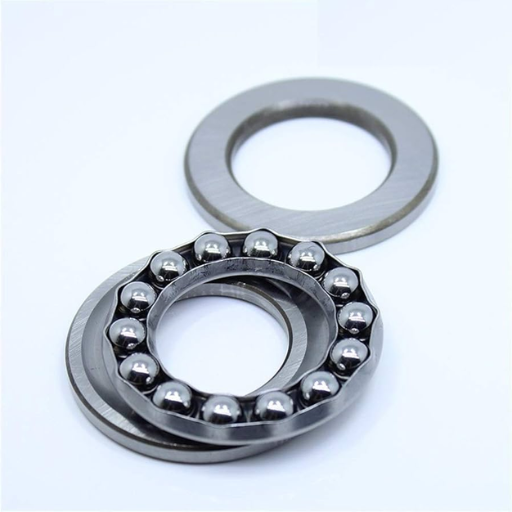
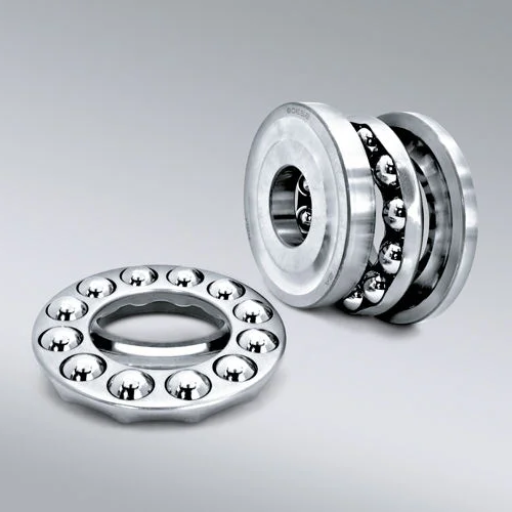
Ball bearings and roller bearings play critical roles in reducing friction between moving parts, ensuring smooth motion, and supporting various loads within mechanical systems. Ball bearings are particularly effective for handling light to moderate radial and axial loads, thanks to their spherical rolling elements, which minimize contact area and friction. Common types of ball bearings include deep groove, angular contact, and thrust ball bearings, each suited for specific applications. For instance, deep groove ball bearings can tolerate high-speed rotations and radial loads, while angular contact ball bearings support combined axial and radial loads at higher speeds.
Roller bearings, on the other hand, are designed to manage heavier load capacities due to their cylindrical, tapered, or spherical rolling elements, which increase the contact area with the bearing raceways. Cylindrical roller bearings are ideal for high radial loads and moderate speeds, whereas tapered roller bearings handle combined radial and axial loads effectively. Spherical roller bearings excel in managing heavy loads and compensating for misalignment, making them ideal for demanding industrial environments.
Technical Parameters:
- Ball Bearings:
-
-
- Radial Load Capacity: Up to 4,000 N (varies by type and size)
- Axial Load Capacity (Thrust Bearings): Up to 1,200 N
- Operating Speed Range: Up to 15,000 RPM (depending on lubrication and design)
-
- Roller Bearings:
-
-
- Radial Load Capacity (Cylindrical Rollers): Up to 10,000 N
- Axial Load Capacity (Tapered Rollers): Up to 8,000 N
- Operating Speed Range: 3,000 – 5,000 RPM (based on the application)
-
When selecting between ball bearings and roller bearings, considerations like load intensity, speed, alignment conditions, and operating environment (e.g., temperature, contamination levels) are paramount. Proper adherence to maintenance protocols and the use of appropriate lubrication, such as grease or oil with adequate viscosity, are vital for optimizing performance and extending the operational life of the bearings.
Contact Area and Contact Surface
When considering the contact area and surface, I would focus on how the load is distributed across the bearing components. This directly impacts wear resistance and the ability to manage varying loads over time. Ball bearings typically have a point contact, making them ideal for high-speed, lower-load applications. On the other hand, roller bearings provide a line contact, allowing better distribution of high loads under lower-speed conditions. To achieve optimal performance, I ensure that the contact surfaces remain well-lubricated, smooth, and free from contaminants, as these factors significantly influence friction, efficiency, and durability.
Comparing Plain Bearings and Roller Bearings: Which is Better?
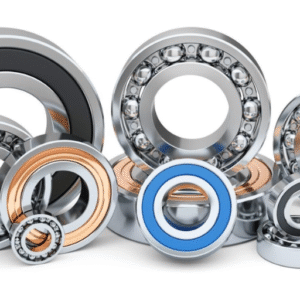
|
Parameter |
Plain Bearings |
Roller Bearings |
|---|---|---|
|
Load Capacity |
High capacity for static loads |
Handles dynamic and heavy loads |
|
Speed Suitability |
Suitable for low to moderate speeds |
Ideal for medium to high speeds |
|
Friction and Wear |
Higher initial friction and wear |
Lower friction with proper lubrication |
|
Maintenance Requirements |
Low maintenance, simple design |
Requires regular lubrication |
|
Lubrication Needs |
Self-lubricating options available |
Relies on external lubrication |
|
Cost |
Lower initial cost |
Higher purchase cost |
|
Durability in Harsh Conditions |
Resistant to contaminants and debris |
Sensitive to contaminants |
|
Application Example |
Automotive and industrial machinery |
Precision tools and conveyor systems |
Difference Between Plain and Roller Bearings
|
Parameter |
Plain Bearings |
Roller Bearings |
|---|---|---|
|
Design |
Simple, single-piece construction |
Complex, rolling elements included |
|
Friction Level |
Higher due to sliding contact |
Lower because of rolling contact |
|
Load Capacity |
Better for high static loads |
Ideal for dynamic and radial loads |
|
Speed Capability |
Limited in high-speed applications |
Suitable for high-speed operations |
|
Lubrication Efficiency |
Requires frequent lubrication |
Retains lubrication longer |
|
Noise Level |
Operates quietly |
Can produce more noise |
|
Vibration Resistance |
Absorbs shocks and vibrations |
May transmit vibrations |
|
Thermal Performance |
Tolerant to temperature extremes |
Can overheat under improper usage |
|
Alignment Tolerance |
Handles misalignment effectively |
Sensitive to misalignment |
|
Material Options |
Often metal or polymer |
Typically steel or ceramic |
When to Choose Plain Bearings Vs Roller Bearings
When deciding between plain bearings and roller bearings, I consider factors like load, speed, environment, and maintenance requirements. Plain bearings are optimal for applications with high loads, slow speeds, and frequent oscillation, as their simpler construction handles these stresses well. They are also more cost-effective and suitable for corrosive or dirty environments where minimal lubricant is preferred. For instance, plain bearings excel in heavy-duty machinery or agricultural equipment.
On the other hand, roller bearings are the better choice when high speeds and precision are critical. They provide lower friction, better efficiency, and can handle combined radial and axial loads, making them ideal for high-speed rotating machinery like electric motors or turbines.
Key Technical Parameters:
- Plain Bearings:
-
- Load Capacity: High static loads (> 1,500 N)
- Speed Limit: Generally below 50 m/min sliding speed
- Misalignment Tolerance: High
- Lubrication: Self-lubricating or periodic lubrication
- Roller Bearings:
-
- Load Capacity: Moderate to high dynamic loads (varies by type)
- Speed Limit: Often exceeds 3,000 RPM
- Alignment Tolerance: Low to moderate, requires precision installation
- Lubrication: Continuous lubrication for higher performance
Ultimately, the application’s operating conditions guide the choice, ensuring operational efficiency and longevity.
Performance at High Loads and High Speeds
For applications involving high loads and high speeds, bearing selection must address the combined stressors to ensure reliability and efficiency. Performance under such conditions depends heavily on the bearing type, material, lubrication, and precision engineering.
- Material Selection: High-strength alloys or ceramic materials are typically used for bearings operating under extreme conditions due to their superior strength, heat resistance, and wear resistance.
- Thermal Management: At high speeds, friction generates significant heat, which can degrade performance. Effective thermal management through proper lubrication (e.g., oils or advanced greases) and heat dispersion mechanisms is critical.
- Load Distribution: Bearings like tapered roller bearings or spherical bearings are often preferred for high-load environments as they distribute stress more evenly across contact points, reducing wear and improving durability.
- Precision Manufacturing: Tight tolerances and precision design are essential to minimize vibration and misalignment, both of which can compromise performance at high speeds.
- Lubrication Systems: Continuous or pressurized lubrication ensures that friction and wear are minimized, preventing overheating and ensuring sustained performance over time.
By optimizing these factors, bearing systems can maintain efficiency, reduce maintenance needs, and ensure longer operational lifespans in demanding applications.
How to Maintain Bearings for Optimal Performance?
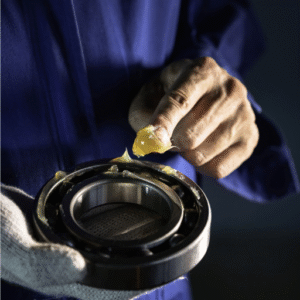
- Regular Inspection: Frequently check bearings for signs of wear, corrosion, or contamination, as early detection of issues can prevent failures.
- Proper Lubrication: Use the manufacturer-recommended lubricant and maintain appropriate lubrication intervals to reduce friction and heat buildup.
- Clean Operating Environment: Minimize exposure to dust, moisture, and debris, as contaminants can degrade bearing surfaces and reduce efficiency.
- Correct Installation: Ensure proper alignment and torque during installation to prevent uneven loads and premature damage.
- Monitor Load and Speed: Avoid exceeding the bearing’s rated load and speed to ensure reliable operation over its service life.
- Temperature Control: Prevent overheating by monitoring operating temperatures and addressing any irregularities promptly.
Adhering to these practices will enhance the durability and efficiency of bearings, reducing downtime and maintenance costs.
Routine Maintenance for Roller Bearings
To effectively maintain roller bearings, I ensure a strict routine is followed. First, I regularly clean the bearings to prevent contaminants like dust, debris, or moisture from causing premature wear. I also inspect them carefully for any signs of visible damage, such as pitting or cracking, to immediately address potential issues. Lubrication is another priority—using the correct type and quantity of lubricant recommended by the manufacturer minimizes friction and reduces heat buildup. Additionally, I monitor both load and operational speed to ensure they remain within the specified limits, preventing overloading that could lead to failures. Lastly, I focus on temperature control by routinely checking for abnormal heat levels, which could signal potential misalignment or lubrication issues. These steps contribute to extending the lifespan and reliability of roller bearings while minimizing costly downtime.
Extending the Life of Plain Bearings
To extend the life of plain bearings, I prioritize proper lubrication using high-quality lubricants compatible with operational requirements, as this minimizes friction and wear. Regular maintenance, including cleaning and inspecting for debris or contaminants, ensures optimal performance. Additionally, I monitor load conditions to prevent excessive stress on the bearing surfaces and ensure the shaft alignment is accurate to avoid uneven wear. By adhering to these practices, I enhance the durability and efficiency of plain bearings in various applications.
Signs of Wear in Bearings
Identifying signs of wear in bearings is essential for ensuring reliability and preventing equipment failure. Common indicators of bearing wear include unusual noises, such as grinding or clicking sounds, which may result from misalignment or damaged rolling elements. Vibration and increased operating temperatures can also signal excessive wear, as they often arise from loss of lubrication, contamination, or internal damage. Visually inspecting the bearings for discoloration, cracks, pitting, or spalling on the raceways and rolling elements can provide further evidence of wear. Additionally, excessive shaft movement or looseness may indicate compromised bearing integrity. Promptly addressing these issues can prevent further damage and extend the lifespan of the system.
Reference Sources
- GGB Bearings – Differences of Plain Bearings & Roller Bearings
- Sail-World – The Difference Between Plain, Ball and Roller Bearings
- Allen Brothers – Roller Bearing Vs Ball Bearing Vs Plain Bearing
- Quora – What is the difference between plain bearings and rolling bearings
Frequently Asked Questions (FAQs)
Q: What is the main difference between plain bearings and ball and roller bearings?
A: The main difference is that plain bearings rely on sliding motion between surfaces, whereas ball and roller bearings use rolling elements to reduce friction. This results in more friction in plain bearings compared to ball or roller bearings.
Q: How do needle bearings differ from other types of bearings?
A: Needle bearings are a type of roller bearing with long, thin rollers. They are used when space is limited, providing a compact solution that can handle high loads, unlike plain bearing blocks which are typically larger.
Q: What are the main benefits of plain bearings?
A: The main benefits of plain bearings include simplicity, cost-effectiveness, and the ability to handle higher loads with fewer moving parts. They are also quieter and require less maintenance than ball and roller bearings.
Q: Why do ball bearings wear faster than plain bearings?
A: Ball bearings wear faster than plain bearings because the contact between two surfaces in ball bearings involves rolling elements that can degrade over time, whereas plain bearings have a solid surface that distributes loads more evenly.
Q: When are tapered roller bearings used?
A: Tapered roller bearings are used in applications that involve both radial and axial loads, such as in vehicle hubs and gearboxes. Their design allows them to handle higher loads compared to other types of bearings.
Q: Can bearings use materials other than steel?
A: Yes, bearings can use materials such as ceramics and plastics. Ceramic ball bearings are incredibly strong and offer high performance, especially in high-temperature or corrosive environments.
Q: What is a plain bearing block?
A: A plain bearing block is a housing that contains a plain bearing. It provides support and alignment for shafts and is commonly used in applications where high loads are present.
Q: How does the centre of the bearing affect its performance?
A: The centre of the bearing is crucial for even load distribution and smooth operation. Misalignment can lead to increased wear and reduced lifespan of the bearings.
Q: Are solid bearings better than ball bearings for high load applications?
A: Solid bearings, such as plain bearings, are better suited for high load applications because they have a larger contact area that can distribute the load more effectively, whereas ball bearings are better for applications requiring lower friction and higher speeds.
Q: Why do rollers wear faster than ball bearings?
A: Rollers tend to wear faster than ball bearings because the contact between two surfaces in roller bearings involves line contact, which can lead to increased friction and wear compared to the point contact in ball bearings.