



Bearings serve as critical components in a wide array of mechanical applications, enabling smooth rotational or linear movement while minimizing friction between moving parts. Among various types of bearings, tapered roller bearings stand out due to their unique structure and performance characteristics. This article aims to provide a comprehensive overview of tapered roller bearings, focusing on their design, functionality, and areas of application. Furthermore, we will explore how they differ from other commonly used bearing types, such as ball bearings and cylindrical roller bearings, in terms of load capacity, versatility, and engineering considerations. By the end of this post, readers will have a thorough understanding of the advantages and limitations of tapered roller bearings, equipping them to make informed decisions for specific mechanical systems and industrial needs.
What Are Taper Roller Bearings?
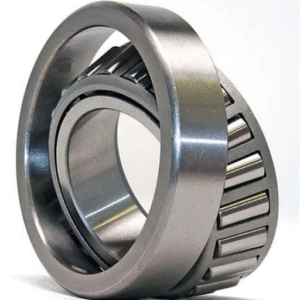
Tapered roller bearings are a type of rolling-element bearing designed to handle both radial and axial loads through their conical geometry. The inner and outer raceways, as well as the rolling elements, are shaped like truncated cones, enabling efficient load distribution across the contact surfaces. This unique design allows tapered roller bearings to support heavy-duty applications and manage forces in multiple directions. They are commonly used in industries such as automotive, aerospace, and machinery, where durability, precise load handling, and high-performance standards are critical. If you are looking for more information about how do taper roller bearings differ from other bearings go here right away
Basic Structure of Taper Roller Bearings
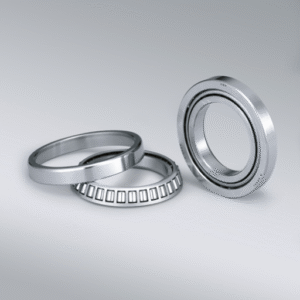
Taper roller bearings consist of four key components that work in unison to provide precise load handling and durability in demanding applications. These components include:
- Inner Ring (Cone): This is the innermost component, featuring a tapered raceway that guides the rolling elements. It is designed to accommodate combined radial and axial loads efficiently.
- Outer Ring (Cup): The outer ring has a matching tapered raceway that aligns with the inner ring, forming a continuous load path for the rolling elements. This ensures stable and consistent performance under varying loads.
- Rolling Elements: These are conically shaped rollers positioned between the raceways of the inner and outer rings. The tapered geometry of the rollers enables them to distribute forces evenly across the contact surfaces, reducing stress concentrations and wear.
- Cage (Retainer): The cage maintains precise spacing between the rolling elements, preventing contact and minimizing friction during operation. This component improves lubrication flow and enhances the bearing’s overall efficiency.
The taper design ensures that the rolling elements remain aligned under load, minimizing sliding and maximizing rolling efficiency. These bearings are engineered to handle both radial forces and significant thrust forces simultaneously, making them ideal for high-performance industrial and automotive applications.
How Tapered Rollers Work
Tapered rollers function by utilizing a conical geometry that aligns with the raceways of a tapered roller bearing. This unique design ensures that the load is evenly distributed across the roller’s contact surface, optimizing performance under combined radial and axial loads. The rollers are guided by an inner and outer ring, with the taper along the roller evenly shaped to efficiently handle stresses and maintain precision alignment under dynamic conditions.
When operating, the rollers create a rolling motion between the raceways, reducing sliding friction and promoting smooth motion. This design minimizes wear and heat generation, which is essential for maintaining durability and operational efficiency. Typical angles for tapered roller bearings range between 10° to 30°, depending on the application, with higher angles accommodating greater thrust loads.
Technical Parameters
- Contact Angle: 10°-30° (higher angles support increased axial loads).
- Speed Limit (Max RPM): Typically ranges from 3,000 to 7,000 RPM, depending on size and lubrication.
- Material: High-carbon chrome steel is commonly used for durability and resistance to wear.
- Temperature Range: Operates reliably between -30°C and 120°C, with specialized grease extending this range.
- Load Capacity: Can handle upwards of 10,000 pounds (4,535 kg) of combined radial and axial forces, depending on the bearing’s dimensions.
Tapered rollers are critical in machinery that demands reliability and high-efficiency performance under heavy and variable loads, such as in automotive gears, industrial conveyor systems, and heavy-duty equipment. Their robust design ensures consistent operation, even in challenging environments.
Common Applications for Taper Roller Bearings
We frequently encounter tapered roller bearings in applications requiring high radial and axial load handling capabilities. Key applications include:
- Automotive Axles and Transmissions: These bearings are used in vehicle front and rear axles due to their ability to handle combined loads efficiently. For example, they support torque transmission while maintaining stability. Typical operational parameters include speeds up to 3,000 RPM and load capacities exceeding 10,000 pounds (4,535 kg).
- Industrial Machinery: Tapered rollers are essential in heavy-duty industrial conveyor systems, rolling mills, and gearboxes, where they manage substantial radial loads under continuous operation. They are typically rated for temperatures from -30°F to 300°F (-34°C to 149°C) with appropriate lubrication.
- Railroad Applications: Heavy freight and passenger railcars depend on these bearings for their durability and ability to support large axial forces during motion. Common technical specifications include dynamic load ratings of up to 120 kN and reliable lifespan under high vibration conditions.
By balancing load distribution and ensuring long operational life, tapered roller bearings remain indispensable across these demanding industries.
How Do Tapered Roller Bearings Compare to Ball Bearings?
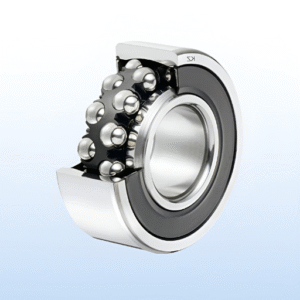
Tapered roller bearings and ball bearings differ significantly in design and application. Tapered roller bearings are designed to handle both radial and axial loads efficiently, making them ideal for applications requiring high load capacity and durability, such as in heavy machinery and railcars. Their conical geometry ensures effective load distribution across the roller-contact surfaces. Conversely, ball bearings are primarily suited for light to moderate loads and high-speed operations due to their low friction and simple design. While ball bearings are more compact and versatile, they are less effective at sustaining heavy axial forces compared to tapered roller bearings, which excel in demanding industrial environments.
Differences Between Tapered Roller Bearings and Ball Bearings
|
Key Point |
Tapered Roller Bearings |
Ball Bearings |
|---|---|---|
|
Load Type |
Handles radial and heavy axial loads |
Handles radial and light axial loads |
|
Speed Capability |
Moderate to low speeds |
High-speed capability |
|
Friction Level |
Higher due to rolling contact |
Lower due to smoother surfaces |
|
Design Complexity |
Complex with tapered elements |
Simple with spherical elements |
|
Durability |
High under heavy stress |
Moderate under lower stress |
|
Common Applications |
Industrial machinery, heavy equipment |
Appliances, automotive, high-speed tools |
|
Size Variability |
Larger sizes for industrial use |
Compact and versatile |
|
Maintenance Frequency |
Requires regular lubrication |
Less frequent lubrication needed |
|
Precision Tolerance |
Suitable for lower precision requirements |
High precision for numerous applications |
|
Cost |
Generally higher |
Often more affordable |
Performance in Radial and Axial Loads
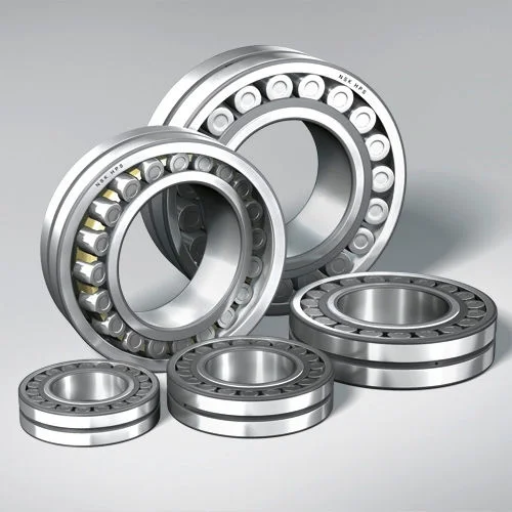
The performance of roller bearings under radial and axial loads depends significantly on the bearing type and design characteristics. Spherical roller bearings are optimized for heavy radial loads and moderate axial loads in both directions, making them suitable for applications requiring high durability under misalignment conditions. These bearings are commonly used in industrial gearbox assemblies and mining operations where uneven loading or vibration is prevalent.
Tapered roller bearings, on the other hand, excel in handling combined radial and axial loads. The load capacity is determined by the contact angle, with a steeper angle providing better axial load handling. Typical applications include automotive wheel hubs and machinery spindles, where precise axial alignment and high load endurance are required. For example, a tapered roller bearing with a 15° to 25° contact angle provides a balance of performance in both radial and axial load scenarios.
Cylindrical roller bearings specifically cater to high radial loads and are less suitable for axial loads unless equipped with an appropriate flange design. These bearings are often used in high-speed applications due to their capacity for maintaining low friction and thermal stability. For instance, a double-row cylindrical roller bearing can sustain a radial load rating in the range of 10,000 to 200,000 N while maintaining operational efficiency at higher revolutions per minute (RPM).
Technical Parameters Example (for general reference):
- Spherical Roller Bearing: Radial load capacity (~160,000 N), axial load capacity (~80,000 N), self-aligning capability ± 1.5°
- Tapered Roller Bearing: Radial load (up to ~120,000 N based on size), axial load proportional to contact angle ~20°
- Cylindrical Roller Bearing: Radial load capacity (~10,000 – 200,000 N), high-speed capability (>3,000 RPM), axial load supported with flanged ends
To select the optimal bearing for a specific application, it is critical to evaluate the magnitude and direction of the load, operational speed, alignment requirements, and environmental factors such as temperature and contamination levels. Proper selection ensures enhanced performance, reduced wear, and extended bearing life.
Choosing the Right Bearing for Your Needs
Key Considerations for Selecting the Correct Bearing
When evaluating the ideal bearing for your application, the following factors must be systematically analyzed:
- Load Characteristics
Identify the type of load your bearing will handle—radial, axial, or a combination. Applications with high radial loads often require deep groove ball bearings or roller bearings, while axial loads may necessitate thrust bearings. Additionally, assess the magnitude of the load to ensure the bearing’s rated capacity is not exceeded.
- Operational Speed
Bearings are designed to function within specific speed limits, influenced by their material, design, and lubrication. High-speed applications often employ angular contact or ceramic bearings due to their ability to minimize heat and friction at elevated RPMs.
- Alignment and Misalignment Tolerance
Consider the precision of shaft alignment in your system. Applications prone to misalignment may benefit from self-aligning ball bearings or spherical roller bearings, which accommodate angular deviations effectively.
- Environmental Factors
Assess operating conditions such as temperature variations, exposure to contaminants like dust, moisture, or chemicals, and vibration levels. For extreme environments, sealed or shielded bearings with specialized coatings, such as corrosion-resistant stainless steel, are recommended.
- Material and Lubrication Compatibility
Ensure the bearing material and lubricant match the operational demands. For instance, synthetic or high-temperature greases work best under extreme heat, while solid film lubricants suit vacuum or cleanroom environments.
By carefully balancing these variables and cross-referencing catalog specifications, you can select a bearing that delivers optimal performance, durability, and cost-efficiency tailored to your application. Always consult manufacturer guidelines and industry standards for the most informed decision.
Exploring the Role of Spherical Roller Bearings
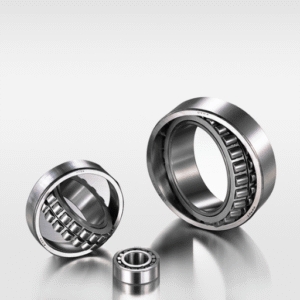
Spherical roller bearings play a critical role in applications where there are heavy loads, misalignment, or shaft deflections. Their design allows them to accommodate both radial and axial loads, making them versatile for demanding environments such as mining, material handling, and power generation. These bearings feature an internal configuration of two rows of rollers positioned symmetrically about a common spherical raceway, allowing for self-aligning capabilities. This design minimizes the effects of misalignment and compensates for shaft bending, ensuring reliable operation and extended service life. For optimal performance, proper lubrication, regular maintenance, and adherence to manufacturer guidelines are essential.
Understanding Spherical Designs
Key Features and Applications of Spherical Designs
Spherical designs are integral to numerous mechanical systems due to their unique ability to accommodate misalignment and distribute loads evenly. These designs are primarily utilized in spherical bearings, such as spherical roller bearings, which are engineered to support radial and axial loads. Their symmetrical geometry allows for self-alignment, mitigating the impact of shaft deflection or mounting inaccuracies. Common applications span industries including material handling, paper mills, mining, and power generation, where precision and durability are critical.
The effectiveness of spherical designs heavily relies on key factors such as load capacity, internal geometry, and proper lubrication. Uniform load distribution is achieved through precisely positioned raceways and rollers, which reduces localized stress and prolongs component lifespan. Routine maintenance, including the use of high-quality lubricants and monitoring for potential wear, is essential in maintaining operational efficiency. Adherence to these practices ensures that spherical components perform reliably even under challenging conditions.
Spherical Roller Bearing vs Tapered Roller Bearings
|
Key Point |
Spherical Roller Bearing |
Tapered Roller Bearing |
|---|---|---|
|
Load Capacity |
Handles radial and axial loads |
High radial and axial load capacity |
|
Alignment |
Self-aligning, compensates for misalignment |
Requires precise alignment |
|
Contact Angle |
No fixed angle |
Specific contact angle for load distribution |
|
Application Suitability |
Ideal for heavy-duty equipment, vibrating machinery |
Used in automotive, gearboxes, and machining tools |
|
Speed Limit |
Moderate speed capability |
Higher speed capacity |
|
Design Complexity |
Simpler, double-row design |
Complex single or double row design |
|
Lubrication Needs |
Requires frequent lubrication for optimal performance |
Moderate lubrication frequency required |
|
Temperature Tolerance |
Designed for high thermal tolerance |
Handles moderate temperature ranges |
|
Durability |
Excellent durability under heavy loads |
Long-lasting under moderate to heavy loads |
|
Cost |
Typically more expensive |
Generally more affordable |
Advantages in Heavy-Duty Applications
Cylindrical roller bearings offer superior performance in heavy-duty applications due to their robust load-carrying capacity and durability. These bearings are designed to handle higher radial loads, making them ideal for equipment subjected to extreme stress, such as industrial machinery, construction equipment, and gearboxes. Their rigid structure ensures minimal deformation under heavy loads, while the optimized roller-to-raceway contact reduces wear, promoting prolonged operational life.
Technical Parameters:
- Load Capacity: High radial load capacity ranging between 1,000 lbf to over 50,000 lbf depending on bearing size and series.
- Material Strength: Typically made from high-strength alloy or chrome steel (e.g., SAE 52100), providing excellent fatigue resistance.
- Operating Temperatures: Functionality sustained within -30°F to 300°F, suitable for most industrial environments.
- Precision Classes: Available in precision classes (e.g., P0, P6, or P5), tailored to operational tolerances and requirements.
Cylindrical roller bearings also exhibit low friction properties, allowing for efficient performance even under continuous, heavy-duty cycles. The separable design simplifies installation, maintenance, and assembly, further enhancing their utility in demanding applications.
When to Use Cylindrical Roller Bearings
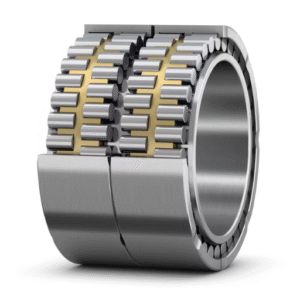
Cylindrical roller bearings are the optimal choice in applications requiring high radial load capacity, especially in scenarios involving heavy loads and high speeds. These bearings perform exceptionally well in environments where axial displacement must be accommodated, such as in electric motors, gearboxes, and pumps. They are also advantageous in machinery operating under continuous-duty cycles, where durability and minimal friction losses are crucial. Their separable design further makes them highly suitable for systems requiring ease of assembly and maintenance.
Features of Cylindrical Roller Bearings
Cylindrical roller bearings are characterized by their high radial load capacity due to the linear contact between the rollers and raceways. They demonstrate excellent performance under heavy radial loads while maintaining low friction. These bearings are particularly designed to support axial displacement, a feature that prevents stress buildup in equipment with shaft elongation or misalignment. Additionally, their separable components facilitate easy installation and removal, minimizing downtime for maintenance.
Key Technical Parameters:
- Load Capacity: High radial load capacity due to line contact.
- Speed Range: Operates effectively at high speeds (up to approximately 3,000 RPM, depending on type and lubrication).
- Temperature Range: Typically functions within -30°C to 150°C with standard lubricants.
- Material: Commonly made from bearing-grade steel for durability and strength.
- Configuration Types: Available in single-row, double-row, and multi-row designs to suit varying application requirements.
These features make cylindrical roller bearings indispensable in demanding applications such as heavy industrial machinery, automotive transmissions, and power generation systems.
Comparing Cylindrical and Tapered Roller Bearings
|
Parameter |
Cylindrical Roller Bearings |
Tapered Roller Bearings |
|---|---|---|
|
Load Capacity |
High radial load, low thrust load |
High radial and axial load |
|
Design Geometry |
Straight rollers |
Conical rollers |
|
Axial Load Support |
Limited |
Strong |
|
Speed Tolerance |
Higher operating speeds |
Moderate speeds |
|
Alignment Capability |
Limited misalignment tolerance |
Better alignment tolerance |
|
Friction Levels |
Relatively lower |
Higher due to axial force |
|
Applications |
Heavy industrial and power systems |
Automotive and gear systems |
|
Contact Angle |
No contact angle |
Adjustable contact angle |
|
Service Life |
Long service life |
Long, dependent on lubrication |
|
Price Range |
Generally lower |
Typically higher |
Suitability for High-Speed Applications
Selecting bearings for high-speed applications requires careful analysis of several factors to achieve both performance efficiency and operational longevity. Bearings suited for high-speed environments, such as angular contact ball bearings and ceramic hybrid bearings, are designed to minimize friction and withstand centrifugal forces effectively. The contact angle plays a critical role in managing axial and radial loads during high-speed operations; adjustable contact angles provide the flexibility to optimize performance under varying conditions. Furthermore, lubrication is essential to reduce heat generation, prevent wear, and ensure stable performance. Synthetic lubricants are often favored for their superior thermal stability in such demanding conditions. Additionally, the material composition of the bearings—such as using lightweight ceramic balls—can significantly enhance speed capabilities, reduce wear, and extend service life. Comparing cost and service life is also vital, as more advanced designs and materials typically come at a premium but deliver better reliability and efficiency.
Identifying the Right Bearing for Specific Needs
When selecting the right bearing, it is essential to evaluate the operational requirements, such as load capacity, speed, environmental conditions, and lubrication needs. For high-speed applications, lightweight materials like ceramic or hybrid designs reduce friction and thermal impact. Bearings subjected to heavy loads or shock should prioritize robust materials, such as reinforced steel, with enhanced load-carrying features. Environmental factors, such as exposure to moisture, dust, or extreme temperatures, dictate the need for specialized seals and synthetic lubricants for optimal performance. Cost considerations should balance the initial investment with anticipated service life, as high-performance bearings often yield long-term savings through increased durability and reduced maintenance.
Factors to Consider in Bearing Type Selection
When selecting a bearing type, I carefully consider several critical factors to ensure optimal application performance. First, I evaluate the load requirements—accounting for both radial and axial forces—since these influence whether I select ball bearings, roller bearings, or other specialized types. Next, I assess operating conditions such as speed, temperature, and exposure to contaminants; these factors dictate the need for specific materials, coatings, and lubricants. I also factor in the alignment tolerances of the application, as certain bearings, like self-aligning or spherical designs, accommodate misalignment better than others. Finally, I analyze cost-effectiveness by balancing the initial investment against maintenance needs and service life, prioritizing durable and high-quality options for long-term reliability.
Impact of Load Capacity and Friction
When evaluating the impact of load capacity and friction, I prioritize ensuring that the bearing can sustain not only the maximum applied loads but also the dynamic forces experienced during operation. Load capacity directly affects the bearing’s longevity and performance; exceeding its limits can lead to premature failure. Additionally, I assess friction levels because excessive friction increases energy consumption and heat generation, which can degrade the bearing and associated components. By selecting bearings designed for optimal load distribution and minimal friction, I ensure efficient performance and reduced maintenance demands in the application.
Importance of Contact Angle and Raceways.
Contact angle and raceways are fundamental to the performance and efficiency of bearings, particularly in managing loads and reducing stress on components. The contact angle, defined as the angle between the line of action of the load passing through the contact points and the radial plane, determines how effectively a bearing can handle radial and axial loads. A larger contact angle increases axial load capacity but reduces the ability to handle high-speed rotation, while a smaller contact angle excels in radial load applications. Common values range from 15° to 45°, with 15° being suitable for high-speed conditions and 30° to 45° ideal for heavier axial loads.
Raceways, the grooved tracks in the inner and outer rings, are engineered to guide rolling elements, minimizing friction and ensuring smooth operation. Properly designed raceways distribute loads evenly across the contact surface, reducing localized stresses and wear. For optimum performance, the raceway’s hardness often corresponds to Rockwell C-scale values of 58-64, offering durability under repeated stress cycles. The precision finishing of raceways is critical, as even minor surface flaws can lead to increased vibration, noise, and premature failure. By optimizing both the contact angle and the raceway design, bearings achieve enhanced reliability and operational efficiency in diverse applications.
Reference Sources
-
Lily Bearing: Tapered Roller Bearing vs Spherical Roller Bearing – Discusses the applications and differences between tapered roller bearings and spherical roller bearings.
-
Koyo Bearings: Differences Between Bearings – Explains the various types of bearings, including tapered roller bearings, and their specific uses.
-
Wikipedia: Tapered Roller Bearing – Provides an overview of tapered roller bearings, their design, and their applications.
Frequently Asked Questions (FAQs)
Q: What are tapered roller bearings and how do they differ from other types of bearings?
A: Tapered roller bearings are designed to handle both radial and axial loads due to their unique shape, which includes a conical design that allows for greater load-carrying capacity. This sets them apart from other types of roller bearings, such as radial ball bearings, which are generally used for radial loads only due to their ball type bearing design.
Q: How do tapered roller bearings compare to radial ball bearings?
A: Tapered roller vs radial ball bearings can be distinguished by their load capacities and applications. Tapered bearings are best suited for applications that require support for both radial and thrust loads, whereas radial ball bearings are primarily used for applications focused on radial loads.
Q: What are the key differences between tapered roller bearings and needle roller bearings?
A: The key differences lie in their design and load handling capabilities. Tapered roller bearings support both radial and axial loads, while needle roller bearings, which use long, cylindrical rollers, are more suitable for applications requiring compact design and high radial load capacity with minimal axial load support.
Q: In what applications are tapered roller bearings typically used?
A: Tapered roller bearings are commonly used in applications like automotive wheel bearings, where they can support both radial and thrust loads effectively. Their ability to handle higher loads makes them suitable for various applications in the automotive, industrial, and machinery sectors.
Q: What advantages do tapered roller bearings have over other bearing types?
A: Due to their design, tapered roller bearings can support higher load capacities and provide better alignment than other bearing types. Their contact area is larger, allowing them to handle greater load stress and making them ideal for heavy-duty applications.
Q: How do SKF bearings fit into the range of tapered roller bearings?
A: SKF bearings are known for their high-quality manufacturing and design. SKF’s tapered roller bearings are designed to deliver superior performance in terms of load handling, durability, and reliability, making them a preferred choice in many industrial and automotive applications.
Q: What is the significance of the barrel-shaped rollers in certain types of roller bearings?
A: Barrel-shaped rollers, found in bearings like spherical roller bearings, allow for the accommodation of misalignment between the bearing axis and shaft. This feature is particularly useful in applications where alignment conditions are not ideal, providing greater flexibility and reliability.
Q: What’s the difference between ball thrust bearings and tapered roller bearings?
A: Ball thrust bearings are designed to handle axial loads only, using a ball or roller design. In contrast, tapered roller bearings can handle both axial and radial loads, making them more versatile for applications that require multidirectional load support.
Q: Why are tapered roller bearings considered versatile for various applications?
A: Their ability to support both radial and thrust loads, coupled with their high load-carrying capacity and durability, make tapered roller bearings versatile for various applications, from automotive wheel bearings to industrial machinery.
Q: How do bearing rings function in tapered roller bearings?
A: Bearing rings in tapered roller bearings serve as the raceways for the rollers. Their design ensures the proper alignment and distribution of loads across the bearing, which helps in maintaining performance and extending the bearing’s lifespan.