



Roller bearings are a fundamental component within countless machines and mechanical systems, playing a critical role in ensuring smooth and efficient operation. Whether in industrial manufacturing, automotive applications, or heavy machinery, these precision-engineered devices reduce friction and enable the transfer of movement under varying loads and conditions. This article serves as a comprehensive guide to understanding roller bearings, their design, types, and operational principles. By offering detailed insights into their applications, advantages, and key maintenance techniques, this guide aims to empower engineers, technicians, and enthusiasts with the knowledge needed to optimize performance and reliability in their respective fields. Explore the intricate world of rolling bearings and discover how they contribute to the seamless functionality of modern mechanical systems.
What Are Roller Bearings and How Do They Work?
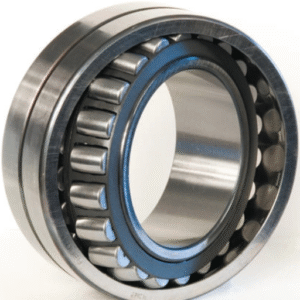
Roller bearings are mechanical components designed to reduce friction between moving parts and support both radial and axial loads in various applications. They consist of cylindrical rolling elements positioned between an inner and outer ring, allowing smooth rotation with minimal resistance. The operation of roller bearings relies on the rolling motion of the cylindrical elements, which distribute loads evenly across the contact surfaces. This design increases durability and efficiency, making roller bearings essential in industries such as automotive, aerospace, and manufacturing. If you are looking for more information about roller bearings go here right away
Introduction to Roller Bearings
Key Features and Applications of Roller Bearings
Roller bearings are critical components engineered to support high loads while minimizing friction in rotating applications. Their primary function is achieved through the rolling contact between the cylindrical elements and the raceways, which reduces energy loss compared to sliding mechanisms. These bearings are classified into various types, including cylindrical roller bearings, spherical roller bearings, tapered roller bearings, and needle roller bearings, each tailored for specific load conditions and environments.
- Load Capabilities: Roller bearings are designed to accommodate both radial and axial loads, with some configurations prioritizing one type of load over the other. For instance, tapered roller bearings are ideal for combined radial and axial loads, while cylindrical roller bearings excel under high radial loads.
- Durability and Material Composition: Most roller bearings are manufactured using high-grade steel or ceramic materials for strength, wear resistance, and longevity. The choice of material often depends on the operational environment, with ceramics offering superior performance in high-speed or high-temperature applications.
- Applications: Roller bearings are utilized across diverse sectors due to their efficiency and reliability. Key industries include automotive (e.g., in transmissions and wheel hubs), aerospace (e.g., in turbine engines), and industrial manufacturing (e.g., in conveyor systems and heavy machinery). Their ability to handle substantial loads and operate under extreme conditions makes them indispensable in precision engineering.
By combining efficiency, durability, and adaptability, roller bearings remain a foundational element in advanced mechanical systems, enabling smoother operation and prolonged equipment life.
Basic Components of Rolling Bearings
Rolling bearings are composed of several critical components that work together to minimize friction and support radial and axial loads effectively. These components include:
- Inner Ring: The inner ring fits directly onto the shaft and rotates with it. Its primary role is to provide a smooth and precise surface for the rolling elements. The inner diameter (d) is a crucial parameter, typically ranging from 10 mm to 500 mm, depending on the application.
- Outer Ring: The outer ring encases the rolling elements and sits within the housing. It acts as a raceway for the rolling elements. The outer diameter (D) varies in size to accommodate specific load and space requirements.
- Rolling Elements: These can be balls or rollers (cylindrical, spherical, tapered, or needle-shaped) and are responsible for transferring the load between the inner and outer rings. Key parameters include diameter, quantity, and material. Common materials are steel or ceramic, with diameters ranging from 0.5 mm to 50 mm.
- Cage (Retainer): The cage evenly spaces the rolling elements, ensuring smooth operation and reducing friction. It is typically made from steel, brass, or polymer.
- Raceways: The inner and outer rings feature precision-machined grooves, or raceways, where the rolling elements make contact. These raceways bear the brunt of the load and are critical to reducing wear.
- Seals and Shields: These components are optional but play an essential role in preventing contamination and retaining lubrication. Rubber seals or metal shields are used depending on the operating environment.
- Lubrication: Lubricants, such as grease or oil, reduce friction and wear while preventing overheating. Viscosity and operating temperature range are critical considerations, with typical viscosities varying between 15 cSt and 100 cSt at 40°C.
By carefully selecting and optimizing these components based on the application requirements, rolling bearings can achieve high precision, durability, and efficiency in their operation.
How Roller Bearings Differ from Other Bearings
|
Key Point |
Roller Bearings |
Other Bearings |
|---|---|---|
|
Load Capacity |
High, suitable for heavy loads |
Varies, often lower for same sizes |
|
Contact Type |
Line contact |
Point or surface contact |
|
Speed Capability |
Moderate to high |
Can be higher (e.g., ball bearings) |
|
Friction Levels |
Moderate due to rolling elements |
Lower in ball bearings, higher in plain bearings |
|
Durability |
Excellent under consistent loads |
Dependent on type and usage |
|
Alignment Tolerance |
Lower, requires precise alignment |
Higher in self-aligning types |
|
Common Applications |
Industrial machinery, conveyor systems |
Automotive, light machinery |
|
Load Distribution |
Spreads load over larger area |
Concentrated at smaller contact points |
|
Assembly Complexity |
Moderate, needs precise components |
Typically simpler, varies by type |
|
Maintenance Requirements |
Regular lubrication and inspection |
Varies, can require less for plain types |
Types of Roller Bearings
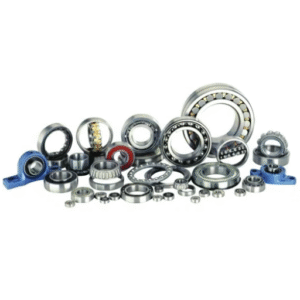
Roller bearings are categorized based on their design and load-carrying capabilities. Each type is engineered to handle specific applications and operating conditions, with unique advantages and technical parameters. Below is a concise overview of the main types:
- Cylindrical Roller Bearings
-
-
- Load Capacity: High radial load capacity; limited axial load capacity.
- Applications: Gearboxes, electric motors, and large machinery.
- Features: Low friction and suitable for high-speed operations.
- Technical Parameters:
-
- Diameter range: 20 mm to 420 mm.
- Speed rating (limit): 6,000 RPM to 30,000 RPM.
-
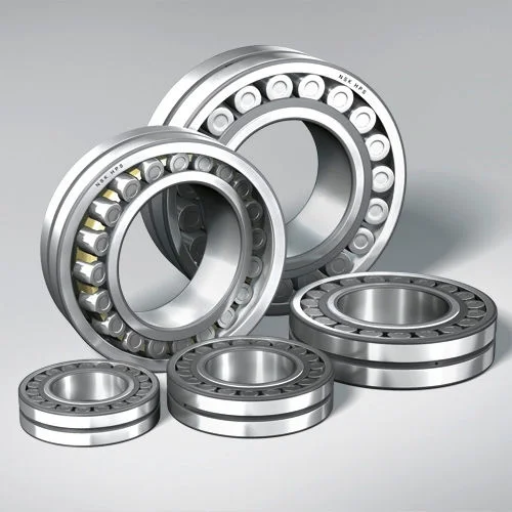
- Spherical Roller Bearings
-
-
- Load Capacity: Can tolerate high radial and moderate axial loads. Handles misalignment effectively.
- Applications: Conveyor systems, wind turbines, and heavy-duty industrial equipment.
- Features: Self-aligning capability compensates for shaft deflection.
- Technical Parameters:
-
- Diameter range: 25 mm to 500 mm.
- Speed rating (limit): Up to 2,000 RPM.
-
- Tapered Roller Bearings
-
-
- Load Capacity: High radial and axial load capacity, especially in one direction.
- Applications: Automotive wheels, construction equipment, and gear drives.
- Features: Axial load capacity depends on the contact angle.
- Technical Parameters:
-
- Taper angle range: 10° to 30°.
- Diameter range: 15 mm to 300 mm.
- Speed rating (limit): Approximately 4,000 RPM.
-
- Needle Roller Bearings
-
-
- Load Capacity: High radial load capacity in compact spaces but limited axial capacity.
- Applications: Automotive transmissions, pumps, and compressors.
- Features: Slim profile suitable for space-constrained designs.
- Technical Parameters:
-
- Roller diameter range: 2 mm to 10 mm.
- Speed rating (limit): 10,000 RPM to 20,000 RPM.
-
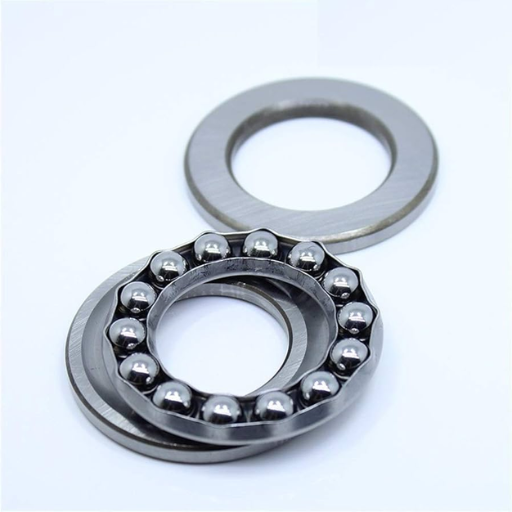
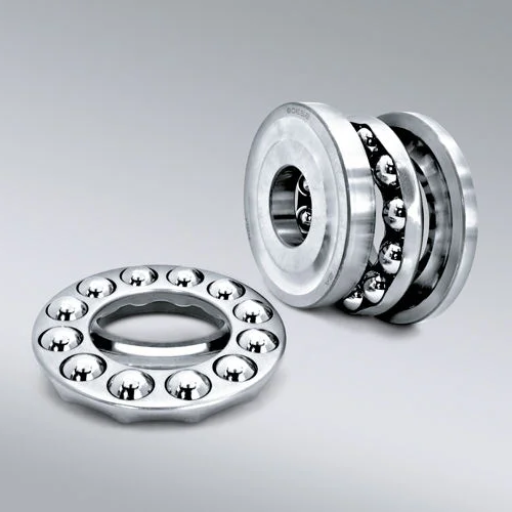
- Thrust Roller Bearings
-
-
- Load Capacity: Capable of handling high axial loads but negligible radial loads.
- Applications: Crane hooks, turntables, and rotating machinery.
- Features: Typically designed for low speeds with axial force emphasis.
- Technical Parameters:
-
- Diameter range: 50 mm to 800 mm.
- Speed rating (limit): 1,500 RPM to 3,000 RPM.
-
By understanding the distinctions between these roller bearing types and their technical parameters, selecting the appropriate design for specific engineering applications becomes a streamlined process, ensuring optimal performance and reliability.
Cylindrical Roller Bearings
Cylindrical roller bearings are designed to handle high radial loads and operate at elevated speeds, making them well-suited for demanding industrial applications. They utilize cylindrical rolling elements, which allow for greater load capacity and reduced friction compared to spherical or tapered roller designs. The rollers are guided by the inner or outer ring ribs, depending on the bearing type.
- Features: These bearings can accommodate axial displacement (except for full-complement types) while maintaining precision under high radial stress.
- Technical Parameters:
-
- Diameter range: Typically from 30 mm to over 1,000 mm, based on industry requirements.
- Speed rating (limit): Up to 4,000 RPM, depending on lubrication and bearing configuration.
By employing cylindrical roller bearings in the appropriate settings, engineers can achieve efficient performance, particularly in electric motors, gearboxes, and heavy machinery where reliability is critical.
Taper Roller Bearings and Their Applications
Taper roller bearings are designed to support both radial and axial loads by utilizing tapered inner and outer ring raceways, coupled with tapered rolling elements. This design allows the bearing to handle high load capacities and operate effectively under combined loading conditions. These bearings are commonly used in automotive systems, industrial machinery, and heavy-duty applications due to their durability and precision.
- Technical Features:
-
- Contact Angle: Taper roller bearings feature an adjustable contact angle, usually ranging between 10° and 30°, which directly impacts their axial load capacity. Bearings with larger contact angles can sustain higher axial loads.
- Load Ratings:
-
- Dynamic Load: Common ratings can range from 20 kN to over 5,000 kN, depending on the size and series of the bearing.
- Axial Load: Higher load ratings are achieved in designs with steeper contact angles, making them suitable for thrust applications.
- Speed Capability:
-
- Maximum operating speeds are typically between 3,000 RPM and 6,500 RPM, influenced by lubrication, bearing design, and load.
- Material and Durability:
Advanced materials, such as case-hardened or through-hardened steels, offer improved wear resistance and longevity. Chrome steel (GCr15 or equivalent) is widely used, with heat-treating processes enhancing durability under extreme stress conditions.
- Applications:
-
- Automotive Industry:
Taper roller bearings are integral in automotive drivetrain components such as wheel hubs, transmissions, and differentials, where their ability to withstand severe radial and axial forces is critical. For instance, modern passenger vehicles often utilize double-row taper roller bearings for front and rear axles.
-
- Railway Systems:
They are frequently used in railway axle boxes to manage substantial loads while maintaining precise alignment and rotation.
-
- Industrial and Heavy Machinery:
Industries such as construction, mining, and wind energy heavily rely on taper roller bearings for gearbox systems, conveyor drives, and turbines. These bearings provide high reliability and efficient performance in harsh operating conditions.
- Data on Market Usage:
The global market for taper roller bearings was valued at approximately USD 9.5 billion in 2022, with a projected compound annual growth rate (CAGR) of 4.7% from 2023 to 2030, according to a recent industry analysis. Growth drivers include increasing demand in automotive and industrial sectors, as well as advancements in material technologies enhancing bearing lifespan and efficiency.
By implementing the latest advancements, such as enhanced surface coatings or improved lubrication systems, taper roller bearings continue to evolve, meeting the rising demands for efficiency and durability in modern engineering and manufacturing applications.
Needle Roller Bearings for High Load Capacity
Needle roller bearings are highly specialized components engineered to manage high load capacities while maintaining a compact and lightweight design. These bearings utilize long, thin cylindrical rollers, which reduce friction and distribute loads efficiently, even in applications with limited radial space. Commonly used in automotive transmissions, industrial machinery, and aerospace applications, they excel in handling heavy loads under oscillating or high-speed conditions.
Key advancements in needle roller bearing technology include the use of advanced materials like high-quality steel alloys, which improve wear resistance and extend operational life. Additionally, optimized cage designs and precision manufacturing processes ensure accurate roller alignment, reducing heat generation and friction. Lubrication systems have also been refined to enhance performance under extreme conditions, contributing to increased reliability and reduced maintenance requirements. Overall, needle roller bearings are essential in modern engineering systems where both high load capacity and space efficiency are critical requirements.
Spherical Roller Bearings for Handling Misalignment
Spherical roller bearings are specifically designed to accommodate angular misalignment, making them ideal for applications where shaft deflection or mounting errors are common. These bearings feature an inner ring with two raceways and an outer ring with a spherical surface, allowing the bearing to self-align and compensate for misalignment. Their design enables them to handle high radial loads, as well as moderate axial loads in both directions, making them versatile for heavy-duty operations. Advanced materials and heat treatment technologies improve durability and wear resistance, even under harsh operating conditions. Lubrication systems are integral to maintaining performance, reducing friction, and preventing overheating when dealing with misaligned shafts. This combination of alignment capability and load-handling efficiency ensures the reliable operation of machinery across industries such as mining, power generation, and industrial manufacturing.
How to Select the Right Roller Bearing?

Factors to Consider When Selecting the Right Roller Bearing
When selecting the right roller bearing, several key factors must be evaluated to ensure optimal performance and reliability:
- Load Requirements: Determine the type and magnitude of loads the bearing will need to support, including radial, axial, or combined loads. Choose a bearing with the appropriate load rating to match these requirements.
- Operating Speed: Evaluate the maximum rotational speed of the application. Bearings are designed for specific speed thresholds, making it critical to select a model capable of handling the required velocity without compromising performance.
- Environmental Conditions: Consider factors such as temperature, humidity, contamination, and exposure to corrosive substances. Specialized materials or seals may be necessary for harsh or challenging environments.
- Alignment and Misalignment Tolerance: Assess whether the application may involve shaft misalignment. Spherical or self-aligning roller bearings are best suited for applications with potential alignment challenges.
- Space Constraints: Account for the physical dimensions and available space for the bearing within the machinery. Compact designs may be required for tight installation spaces.
- Lubrication Requirements: Verify the lubrication needs of the bearing, considering factors like operating temperature and maintenance intervals. Select bearings compatible with the lubrication system in use.
By carefully analyzing these factors, the appropriate roller bearing can be chosen, ensuring efficiency, durability, and long-term reliability in the targeted application.
Considering Load and Capacity
When evaluating roller bearings, the load and capacity requirements are critical to ensure optimal performance and reliability. Load can generally be categorized into two types: radial load, which acts perpendicular to the axis of rotation, and axial load, which acts parallel to the axis. The capacity of a bearing is defined by its ability to withstand these loads over a specified period without failure or excessive wear.
Types of Load and Their Influence
- Static Load: Refers to a non-revolving load exerted on a stationary bearing. Bearings under high static loads require a higher static load rating (C₀), as exceeding this can cause permanent deformation of the contact surfaces, reducing performance and service life.
- Dynamic Load: Represents the load on a bearing during normal operation (under movement). The dynamic load rating (C), defined by ISO 281 standards, indicates the load under which 90% of bearings can endure one million revolutions without fatigue.
Load and Capacity Calculation
The appropriate selection of bearing capacity involves calculating the equivalent dynamic load (P), which combines both radial and axial components, using the following formula:
P = X•Fr + Y•Fa
Where:
- Fr = Radial force
- Fa = Axial force
- X and Y = Load factors provided by the manufacturer.
Additionally, the required bearing life (L₁₀) can be calculated using the formula:
L₁₀ = (C/P)³ × 10⁶ revolutions
Modern Trends and Data
Current industry advancements highlight the development of high-capacity bearings, including the use of innovative materials such as ceramic hybrids and specialized steel. For example:
- SKF’s high-load cylindrical roller bearings offer up to 15-20% greater load ratings compared to traditional designs.
- Timken’s spherical roller bearings integrate enhanced cage designs, improving dynamic capacity for harsh environments and heavy loads.
Furthermore, computational simulation tools, like FEA (Finite Element Analysis), are being utilized to accurately forecast load patterns and optimize bearing configurations.
By thoroughly assessing load requirements and leveraging state-of-the-art technology, system engineers can significantly enhance bearing performance, reduce maintenance costs, and prolong operational lifespans.
Choosing Based on High Speeds and Durability
When selecting bearings for high-speed applications, several critical factors must be considered to ensure durability and reliability under dynamic conditions. Firstly, the material composition of the bearings is essential — ceramic or hybrid ceramic materials are commonly preferred due to their lighter weight, reduced friction, and resistance to thermal expansion at high rotational speeds. Secondly, lubrication plays a pivotal role in reducing heat generation and wear; advanced synthetic lubricants or grease with superior thermal stability may enhance performance significantly.
Equally important is the bearing design. Angular contact ball bearings and cylindrical roller bearings are frequently recommended for high-speed scenarios as they balance axial and radial loads effectively while minimizing heat buildup. Precision manufacturing tolerances also ensure that vibration and noise levels remain within acceptable limits, extending the bearing’s lifespan. Finally, proper alignment, regular maintenance, and ensuring optimal operating conditions, such as controlled temperature and load distribution, are indispensable for sustaining durability and efficiency. Adhering to these principles allows for reliable, high-performance bearing operation even in demanding industrial environments.
Material and Friction Considerations
The selection of materials in bearing design significantly impacts performance, durability, and efficiency. Common materials include steel alloys, ceramics, and composites, each chosen based on specific application requirements such as load capacity, speed, and environmental conditions. Steel alloys, particularly through-hardened or case-hardened variants, are widely used due to their strength and wear resistance. Ceramics offer advantages such as reduced weight, corrosion resistance, and low thermal conductivity, making them ideal for high-speed and extreme-temperature applications. Composites, incorporating polymers and reinforcements, are preferred in scenarios requiring lightweight components and self-lubricating properties.
Friction is a critical parameter influencing energy efficiency and wear in bearings. Minimizing friction involves optimizing the surface finish of components, selecting suitable lubricants, and applying advanced coating technologies like diamond-like carbon (DLC) or molybdenum disulfide (MoS2). Additionally, maintaining appropriate lubrication regimes—hydrodynamic, elastohydrodynamic, or boundary lubrication—is essential to reduce metal-to-metal contact and thermal buildup. Proper material selection combined with friction management strategies ensures long-term operational reliability, even under dynamic and challenging conditions.
Maintenance and Care for Roller Bearings
Inspection and Cleaning
Routine inspection is crucial for assessing the condition of roller bearings. Visual checks should be performed to identify wear, corrosion, or fractures. Bearings should be cleaned using non-abrasive solvents to remove dirt, grease, or debris without compromising the surface integrity. After cleaning, thoroughly dry the bearings to prevent rust formation.
Lubrication Practices
Maintaining appropriate lubrication is essential for minimizing friction and wear. Utilize high-quality lubricants that align with the bearing’s operational temperature and load conditions. Regularly monitor lubricant levels and contamination to ensure optimal performance. Periodically refresh lubrication to prevent degradation over time.
Installation and Alignment
Ensure proper installation techniques to avoid unnecessary strain on roller bearings. Misalignment can lead to premature failure, so the use of alignment tools and adherence to manufacturer specifications is strongly recommended. Correct torque levels during assembly are equally critical to prevent excessive stress.
Monitoring and Replacement
Implement condition-monitoring systems, such as vibration analysis or temperature monitoring, to detect early signs of bearing wear or failure. Replace bearings at the end of their service life or if significant damage is detected to mitigate the risk of equipment downtime. Adhering to these practices will help ensure the longevity and reliability of roller bearings.
Extending Bearing Life Through Proper Lubrication
To extend the life of roller bearings, I ensure proper lubrication by selecting the correct lubricant type and applying it in recommended intervals. This involves using grease or oil suitable for the operating conditions, such as temperature, load, and speed, and adhering to manufacturer specifications. I also maintain cleanliness during application to prevent contaminants that can lead to premature wear. Regularly monitoring lubricant condition and replenishing or replacing it as necessary are essential steps I take to optimize performance and reliability.
Common Signs of Wear and Tear
From my experience, common signs of wear and tear include unusual noises such as grinding or squealing, which often indicate issues like misalignment or insufficient lubrication. I also look for visible evidence such as cracks, corrosion, or excessive friction marks on components, as they can signal material fatigue. Vibrations or abnormal equipment operation are additional indicators I monitor, as they may point to imbalance or internal component degradation. Conducting regular inspections allows me to detect these signs early and take corrective action to prevent further damage.
Tips for Reducing Friction and Increasing Reliability
To effectively reduce friction and improve system reliability, I prioritize proper lubrication by selecting high-quality lubricants suitable for the specific operating conditions, such as temperature range, load capacity, and speed. For example, I ensure the viscosity of the lubricant matches the system’s requirements—higher viscosity oils for heavy loads and lower viscosity options for high-speed applications.
Additionally, I implement regular maintenance schedules, including cleaning and re-lubricating moving parts to prevent contamination from debris, moisture, or other environmental factors. Ensuring precise alignment of components is another critical step, as misalignment often leads to increased wear and energy losses. For rotating machinery, I monitor alignment tolerances within 0.001 inches, as deviations can greatly affect performance.
Finally, I invest in advanced surface treatments and materials, such as low-friction coatings and wear-resistant alloys, which are engineered to withstand harsh operating environments. By adopting these practices and adhering to technical specifications, I can significantly enhance system performance and longevity while minimizing unplanned downtime.
Applications and Industries Using Roller Bearings

Roller bearings are essential components in a wide range of industries due to their ability to handle heavy loads and reduce rotational friction efficiently. Key applications include automotive systems, where they are used in transmissions, wheels, and engines to ensure smooth operation under varying speeds and loads. Manufacturing and industrial machinery heavily rely on roller bearings for critical components such as conveyor systems, gearboxes, and motors, as they offer durability and precision. Additionally, aerospace applications utilize roller bearings in aircraft engines and landing gear systems, requiring high-performance and reliability under extreme conditions. They are also widely used in renewable energy sectors, particularly in wind turbines, where they handle high axial and radial loads. From construction equipment to rail transportation, roller bearings provide robust solutions that enhance performance and extend operational lifespan across numerous demanding environments.
Heavy Machinery and High Load Applications
Roller bearings play a crucial role in heavy machinery applications, where their design allows for the efficient handling of high radial and axial loads. Industries such as mining, construction, and agriculture rely on these components to support heavy-duty operations involving large equipment like excavators, bulldozers, and harvesters. The key advantage of roller bearings in these applications lies in their ability to reduce friction and distribute loads evenly, which minimizes wear and tear, thereby prolonging the lifespan of machinery. Advanced engineering in roller bearing designs also ensures reliable performance under severe operating conditions, including exposure to dust, heavy impact loads, and variable temperatures. Extensive use of durable materials and specialized coatings further enhances their resistance to corrosion and mechanical stress, making them indispensable for high load and precision operations in industrial environments.
Automotive and Aerospace Industry Uses
Roller bearings play a critical role in the automotive and aerospace sectors, offering reliable and high-performance solutions essential for their demanding applications. In the automotive industry, these bearings are integral in components such as wheel hubs, gearboxes, engines, and drivetrains. Their ability to minimize friction, support significant radial and axial loads, and operate efficiently under high temperatures ensures smoother vehicle performance and extended service life. These bearings often feature optimized designs, such as tapered roller bearings in wheel hubs, engineered to withstand varying speeds and dynamic loads.
For the aerospace industry, roller bearings are designed to meet stringent requirements such as lightweight construction, precision performance, and durability in extreme conditions, including high-altitude or high-speed operations. They are employed in systems like turbines, landing gear assemblies, and control actuators. Aerospace-grade bearings are crafted from specialized materials such as titanium or high-carbon chrome steel to handle extreme temperatures (ranging from -200°F to 500°F, depending on material) while resisting corrosion and fatigue.
Technical examples include cylindrical roller bearings for high-speed turbine shafts, offering low rotational friction and high efficiency, or spherical roller bearings in landing gears, capable of accommodating misalignment caused by uneven loads during landings. Both industries benefit significantly from advanced bearing technologies, such as ceramic hybrid designs and precision coatings, ensuring optimal performance in safety-critical operations.
Innovative Uses in Modern Machinery
Modern machinery leverages bearings in increasingly innovative ways to enhance performance, reliability, and efficiency across various sectors. For instance, robotics employs cross-roller bearings to enable precise, multi-directional movement required for advanced automation tasks. Wind turbines utilize slewing ring bearings for pitch and yaw control, allowing optimal alignment with wind direction and maximizing energy output. Additionally, precision spindle bearings in CNC machines ensure high-speed, high-accuracy operations essential for intricate manufacturing processes. The integration of smart sensor-enabled bearings is another groundbreaking development, allowing real-time monitoring of load, temperature, and vibration, thus facilitating predictive maintenance and extending equipment life. These advancements collectively underscore the pivotal role of bearings in driving modern engineering innovations.
Reference Sources
-
Roller Bearing Types: Engineering Reliability and Efficiency – A comprehensive guide to different types of roller bearings.
-
Choosing the Right Roller Bearings: A Comprehensive Guide – Insights into selecting high-quality roller bearings for industrial applications.
-
Tapered Roller Bearings – Features, Benefits, Applications – Detailed information on tapered roller bearings by SKF.
-
A Guide to Roller Bearings – An overview of roller bearings, their applications, and differences from ball bearings.
-
Rolling Bearing: 2024 Ultimate Guide – YIHEDA – A detailed guide on rolling bearings, their mechanics, and applications.
Frequently Asked Questions (FAQs)
Q: What are roller bearings and how do they differ from ball bearings?
A: Roller bearings are a type of bearing that uses rolling-element bearings to maintain the separation between the moving parts, reducing friction and handling higher loads than ball bearings. They are used in applications requiring the support of heavy radial and axial loads.
Q: What are the main types of roller bearings?
A: The main types of roller bearings include cylindrical roller bearings, tapered roller bearings, spherical roller bearings, and needle roller bearings. Each type is designed to handle specific load types and applications.
Q: How do crossed roller bearings function?
A: Crossed roller bearings consist of cylindrical rollers arranged at right angles to each other in a V-groove, allowing them to handle radial loads, axial loads in both directions, and moment loads with a compact structure.
Q: What are the advantages of using toroidal roller bearings?
A: Toroidal roller bearings combine the self-aligning capability of spherical roller bearings with the ability to accommodate axial displacement, making them suitable for applications where misalignment and axial displacement occur simultaneously.
Q: Why are roller bearings used in high-speed applications?
A: Roller bearings are used in high-speed applications due to their ability to handle shock loads and distribute loads more evenly over a larger contact area, which reduces wear and extends the bearing’s lifespan.
Q: What factors should be considered in the selection of roller bearings?
A: When selecting roller bearings, consider the load type (radial, axial, or moment), speed of operation, size constraints, lubrication requirements, and environmental conditions to ensure optimal performance and longevity.
Q: How do metric and imperial measurements impact roller bearing selection?
A: Roller bearings are available in both metric and imperial sizes, and selecting the appropriate measurement system is crucial for compatibility with existing machinery and ensuring accurate fit and function.
Q: What role do bearing cones play in tapered roller bearings?
A: In tapered roller bearings, the bearing cone is the inner race that houses the tapered rolling elements. It works with the outer cup to manage radial and axial loads effectively.
Q: Can roller bearings support axial loads?
A: Yes, certain types of roller bearings, such as tapered and spherical roller bearings, are designed to support axial loads in addition to radial loads, making them versatile for various applications.
Q: What brands offer a comprehensive range of roller bearings?
A: Well-known brands that offer a comprehensive range of roller bearings include NSK, IKO, and FAG. These manufacturers provide a variety of bearings designed to meet diverse industrial requirements.