


Spherical roller bearings are an important part of many industrial applications due to their long life, versatility, and capacity to bear high loads. Whether you are an engineer, a machine operator, or just interested in the inner workings of machines, these bearings offer greater efficiency and dependability. In this guide, we will explain the primary attributes, advantages, and uses of spherical roller bearings in simple terms: bridging complex engineering ideas with simple truths. By the end, you will know why these tools are so valuable in heavy industries and how they help improve efficiency in strenuous activities. Prepare to appreciate the remarkable engineering that makes these machinery tools some of the most resilient and versatile in the world.
What is a spherical roller bearing and how does it work?

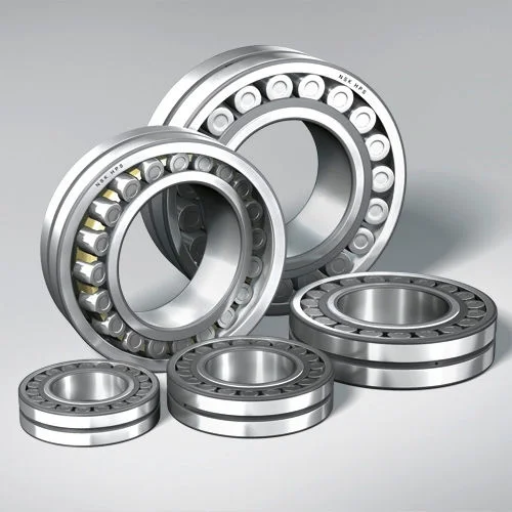
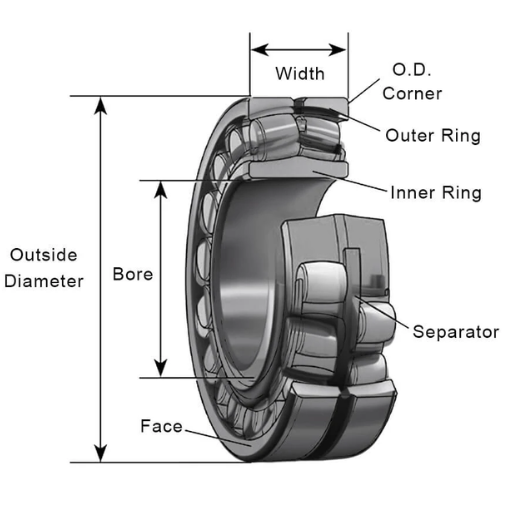
As a self-aligning bearing, a spherical roller bearing is capable of supporting heavy radial and axial loads, even in situations with misalignments or deflected shafts. It includes an inner ring that has two raceways, an outer ring that has one spherical raceway, and rolling elements that have barrel shapes. These parts make it possible for the bearing to slip and angular misalignment while executing smooth rotation and load application.
Spherical roller bearings are common in industries where dependability and durability under heavy loads are crucial.
Understanding the spherical roller bearing
Bore cylindrical shape spherical roller bearings are able to carry high radial and moderate axial loads in both directions. These bearings exhibit the capability to tolerate angular misalignment from 1.5 to 2 degrees which is advantageous for application purposes considering severe operational conditions.
The cavity bearing has such typical specifications as the ring cage made of steel or brass. The alloys enable reliable rotation and durable resistive properties. Some recently employ highly modern surface treatments and coatings designed for frictional wear and general wearing during contamination and extreme temperature conditions. The load rating parameters of spherical roller bearings have been from 100kN to well over 1,000kN.
Sealed variants are being introduced to some of the more advanced designs for better dirt and debris protection which lessens maintenance. There are also heat-treated versions to control operations in aggressive temperature ranges, often above 200°C. The technical improvements make these spherical roller bearings a prerequisite to be applied in the sectors of mining, wind energy, heavy machinery, and material handling where operational reliability and efficiency are mandatory.
Components: inner ring, outer ring, and rollers
Inner Ring
The rolling element of spherical roller bearings depends heavily on the inner ring since it comprises the main shaft. It also has a proper bore where the shaft is fixed while its inner face serves as a raceway that guides the rollers where the raceways are. The accuracy of the machining operations guarantees that the inner ring rotates without difficulty. To withstand considerable loads and high-speed rotation, inner rings are usually made from chromium steel to increase their durability and wear resistance.
Outer Ring
The main function of the outer ring is to support the bearing assembly while providing external support necessary for its application. Raceways are also provided on the outer ring for the rollers. As it has to withstand considerable radial and axial forces, the outer ring is made from more advanced material with a better surface treatment to resist fatigue and deformation. The outer ring must be manufactured to withstand severe conditions such as heavy vibration or alignment misalignment without losing its strength.
Rollers
Defining spherical roller bearings are cylindrical or barrel-shaped rollers. They mitigate stress concentrations while enhancing performance by distributing loads across raceways smoothly. To improve the core strength and surface hardness of the rollers, which improves durability in harsh environments, they are almost always heat-treated. To improve alignment and load distribution, modern bearings may contain tapered or symmetrical rollers. For example, some premium models compared to conventional designs increase load capacity by 30% with some proprietary roller design, which directly serves industries functioning under high-stress applications.
How the bearing design accommodates radial and axial loads
Bearings employ specially crafted parts and shapes to manage radial and axial loads simultaneously. The rolling elements as well as raceways that have a circular configuration support radial loads which are perpendicular to the shaft. Rolling elements and raceways also take care of the contact angle which determines axial load and positions the bearing in a capable manner.
A specific example includes angular contact ball bearings which work well in cases where both radial and axial loads are used. They have a higher ability to sustain axial loads because of the arrangement of contact. Some double-row angular contact bearing designs support the bidirectional axial load with heavy radial load and are increasingly adaptable for use in robotics and machine tools. Evidence indicates that enhanced designs with optimized raceway geometry combined with precision machining grade surpass operational load capacity by more than 20% boosting operational efficiency and prolonging operative lifespan.
Also, cylindrical roller bearings have an especially rugged design that includes optimally tapered roller length and diameter for better distribution of heavily concentrated radial loads and for bearing lighter axial loads simultaneously. Newer developments like the use of polymer cages and sophisticated coating processes make the friction and wear of these components much lower which improves their functionality in high-stress situations even more. These new developments are what make industrial bearings more flexible and essential parts of machines used in highly demanding operations.
What are the types of spherical roller bearings available?
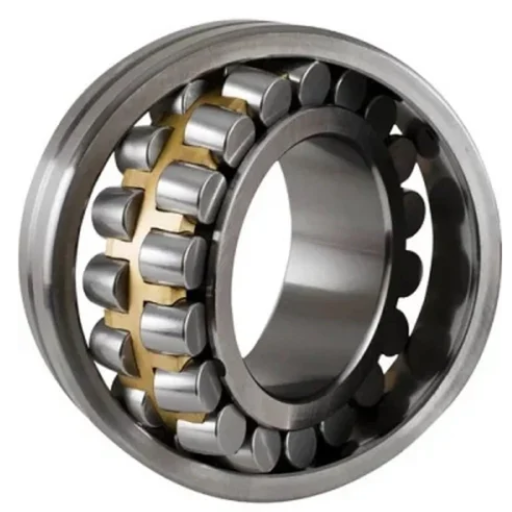
- Standard Spherical Roller Bearings
These standard bearings have a radial and axial load capacity. They are applicable for most industrial uses which makes them convenient.
- Sealed Spherical Roller Bearings
The inclusion of seals greatly improves the bearings’ resistance to contaminants such as dust, dirt, and moisture making them reliable in tough working conditions.
- Split Spherical Roller Bearings
These amalgams are easy to fit, and therefore ideal for use in situations where changing the bearing will cause long idle times.
- High-Capacity Spherical Roller Bearings
These are highly useful in scenarios that require extreme need for sustained rigid performance under high stress due to their high load-sustaining capacity.
- Vibratory Spherical Roller Bearings
These bearings can tolerate sustained high levels of vibration which makes them fit for usage in equipment like vibrating screens.
Main types of spherical roller bearings
Classification of Spherical Roller Bearings
Used in general applications that are of a versatile nature, these bearings perform dependably under a wide range of loads and speeds.
Sealed spherical roller bearings
Because of their ability to retain lubrication while blocking contaminants, these seals make the bearings suitable for extreme environments.
Split spherical roller bearings
This bearing enables its easy installation and maintenance and permits fitting into inaccessible places without removing other parts.
Vibratory spherical roller bearings
Designed to withstand persistent vibration, used in vibrating screens and compactors among other things.
Differences between sealed spherical roller bearings and open types
Sealed and open spherical roller bearings have differences in their design, functionality, and usage gaps that are quite distinct.
1. Design and Structure:
Sealed spherical roller bearings incorporate integrated seals, which prevent the intrusion of external contamination such as dust, water, and other debris. This design permits internal lubrication to be retained for extended periods, thus reducing maintenance. Open spherical roller bearings lack these sealing systems and are therefore more susceptible to environmental factors.
2. Maintenance Requirements:
The sealed bearings are regarded as maintenance-free, or of nominal upkeep, owing to better protection of internal lubrication. Bearing greasing intervals increase which provides savings in long-term operational costs. Open bearings usually consume more maintenance time and effort, requiring constant lubrication and cleaning to avoid contaminant exposure and regulated wear.
3. Operational Lifespan:
The shielded type, due to their less exposure to pollutants, tends to have a longer operational lifespan than the open bearing type. Smooth performance over time helps to enhance carry-less damage internally due to smoother working surfaces within the protected cavity.
4. Performance in Harsh Environments:
Sealed bearings are superior in dealing with severe environments where water, dust, or harsh chemicals can be harmful. These include areas such as Mining, Construction, and Heavy Industry. Whereas open bearings are useful in high-temperature and speed operations, they perform best in clean, controlled places with protective environments and systems.
5. Cost Considerations:
The initial investment on sealed spherical roller bearings is higher than the open types, but the former’s longer life span and lower maintenance needs tend to offset the initial price with better long-term value. Open bearings are cheaper with lower upfront costs, making them ideal for low-demand operations or where frequent maintenance is possible.
6. Load Capacity and Size Range:
The absence of seals in open bearings allows more internal space for rollers, giving them a slight edge in load capacity over sealed types. There is a gap in this advantage because advancements in sealed bearing technology have sustained modern designs to manage notable loads efficiently.
Example Data:
Sealed spherical roller bearings could achieve as much as 80% reduction in grease consumption, specifically for use in contamination-heavy environments. Research also indicates up to 2.5 times bearing life increase compared to open bearings in heavily polluted industries.
Recognizing these differences helps you choose the most appropriate bearing type for your application to achieve the best possible performance at the lowest possible cost.
Special Spherical Roller Bearings for Unique Applications
Certain industrial applications with unique requirements are met with advanced performing special spherical roller bearings which endure the most extreme conditions. For instance, custom bearings for use in steel manufacturing or cement plants utilize materials that can withstand increments over 300°C to ensure stability and efficiency. Turbines are an example of low-friction or high-speed machinery that are fitted with specialized wear and energy-economizing lubrication systems alongside extreme precision engineering for maximum efficiency.
Bearings designed for marine and offshore work have added corrosion-resistant features such as Zinc or ceramic coatings to their surfaces for better protection against rusting caused by Saltwater exposure. Other modern innovations also add to the range with sealed spherical roller bearings for the quarrying and mining industries that are specially designed with stronger seals to prevent dust in abrasive environments from damaging the bearings and extending useable life. Industry case studies report these bearings consistently lower maintenance expenses, increasing dependability and unplanned downtime within the system.
The addition of specially engineered solutions enhances the reliability and effectiveness of systems that operate in harsh environments resulting in the requirement for these bearings across multiple fields being indispensable.
What are the advantages of spherical roller bearings?

Spherical roller bearings offer the following distinct benefits:
- High Load Capacity: They can withstand heavy radial and axial loads which makes it appropriate for rigorous applications.
- Self-Alignment: These bearings compensate for misalignment automatically aligned with deflection of the shaft, mounting errors, or other forms of misalignment in the axial direction.
- Durability: These bearings are made from tough materials that can sustain damaging conditions such as high vibration, shock loads, or extreme temperatures.
- Reduced Maintenance: Owing to their sturdy construction, spherical roller bearings, and other types of roller bearings, often incur less servicing which improves the reliability and efficiency of the system.
Benefits of Handling Radial and Axial Loads
Together with their versatility and efficiency with lasers and other instruments, spherical roller bearings are perfect for specialized industrial equipment because of their ability to simultaneously manage axial and radial loads. The cones that comprise these machine elements enable even loading and reduced stress typically associated with bearings. Similar to other high-performance bearings, roller bearings can carry radial loads 30% more than cylindrical bearings and achieve dynamic equilibrium with effective axial load support.
One of the greatest advantages of these machine parts is relentless and high misalignment performance ranging between 1.5 to 2 degrees. Such capability ensures reliability in machines with excessive shaft deflections or accurate installations; predictable machine failure due to erratic operational environments makes them more appealing. They are also known to extend equipment life by 20% decreasing unexpected maintenance which is significantly important in mining, steel, and power industries.
Without undermining technical performance, units facing cyclic axial load and high radial pressure will significantly benefit from spherical roller bearings due to their resistance to wear and high temperature. Their overwhelming versatility and popularity make them cost-effective to industries that value load-bearing and durability.
Durability and Reliability of Spherical Roller Bearings
Spherical roller bearings are known for their remarkable enduring nature and robust construct which allows them to perform critical industrial functions. These bearings are designed to withstand simultaneous axial and radial loads of high magnitude while enduring heavy vibrations, extreme temperatures, and even inadequate lubrication. They are most useful in the mining, power generation, and metallurgy industries, wherein constant dependability is needed.
The modern advancements of material science offer even longer lifespans of spherical roller bearings. The wear, fatigue, and corrosion resistance of high-grade steel alloys undergo an even further increase when combined with specialized heat treatments. For instance, some premium spherical roller bearings boast a lifespan increase of 50% over standard designs. Furthermore, certain models that incorporate advanced lubrication systems have minimized friction, further prolonging their operational lifespan.
Research indicates that spherical roller bearings consistently outperform conventional bearings in average operating speed by 30-60% while maintaining stability. Additionally, the self-alignment feature compensates for misalignments and installation errors of shafts which maximizes efficiency, crucial for reduced maintenance costs and downtime. These benefits, among many others, boost their purchase across industries.
Incorporating condition monitoring technologies like vibration analysis and temperature sensors, together with predictive maintenance solutions, augments the reliability of spherical roller bearings. This approach eliminates surprise failures, allowing seamless operations even in extremely demanding applications. The mixture of strength, versatility, and enduring performance makes them a trusted choice in today’s industrial systems.
How the design of the Spherical Roller Bearing enhances performance
Spherical roller bearings have been specifically designed to withstand the extreme loads and operational efficiency required by the industry to maximize their life and load-bearing capacity. One of the features of the bearing is the symmetrical roller geometry that helps in the uniform distribution of load on the contact surfaces.
These features also reduced the localized tension and stress which increases the life of the bearing, especially for high axial and radial load conditions. Advanced lubrication channels with surface finishing minimize wear and friction thus enabling these bearings to function at higher speeds, efficiently.
The life of these bearings has also been increased due to the fatigue resistance and ability to withstand extreme temperatures which often operate from -40°F to 300°F, elevating them above conventional standards. This is mainly due to the use of high-quality steel and advanced heat treatment.
Newer developments in seal design have enhanced the dust, dirt, and moisture seal, greatly reducing the required maintenance, and keeping critical machines running. Research indicates that spherical roller bearings with optimized load ratios can outperform conventional designs by up to 40 percent in service life. When put together, these sophisticated rolling bearing design capabilities make it crucial for industries like mining, energy, and production manufacturing to have high-precision performance even in extremely harsh environments.
How does a spherical roller bearing compare with other bearing types?
Compared to other types of bearings, spherical roller bearings have several lifting features. To start, they deal with radial and axial forces simultaneously making them versatile for multifarious functions. Furthermore, unlike ball bearings, they can support greater weight and improve alignment due to their self-aligning capabilities. This ensures functionality in harsh conditions where shaft deflection and mounting faults occur. In addition, their robust structure improves maintenance needs over more specialized bearings. These features make spherical roller bearings the favorable option in demanding industrial environments.
Key Differences Between Spherical Roller Bearings and Cylindrical Roller Bearings
The distinctions between spherical roller bearings and cylindrical roller bearings span their design, function, and application since these two types serve different purposes. In spherical roller bearings, the rollers are not placed in a parallel position and instead form an angle with the raceway which makes them self-aligning. Such features enable radial and axial loads as well as misalignment of the shaft due to deflection or inaccuracies in mounting to be dealt with. This self-aligning feature makes spherical roller bearings highly preferred in widespread mining equipment, steel mills, and paper manufacturing machinery.
In contrast to the above, cylindrical roller bearings possess straight-sided rollers and thus have high radial load capability. They are best suited for industries that demand accuracy and high-speed operations, including gearboxes, electric motors, and railway axle boxes. Unlike spherical roller bearings, cylindrical roller bearings need low precis as they are less able to address alignment issues, thus making them more suitable for minimal shaft defection or higher assembly precision environments.
In terms of load capacity, both roller bearings are equally resilient, but spherical roller bearings have the advantage when it comes to combined (radial plus axial) load handling. The ability to absorb shocks and vibrations also enables them to be more durable in harsh operating conditions. On the other hand, cylindrical roller bearings have a lower friction coefficient which means that they operate efficiently at high speed and with reduced energy expenditure.
To give a practical example, the upper boundary of the operating speed for cylindrical roller bearings may be close to two times that of spherical roller bearings, depending on their details. The misalignment acceptance for spherical roller bearings is mostly between 1 to 3 degrees which is a capability that other cylindrical designs do not have. In deciding between the two, considerations like load directions, alignment accuracy, environment, and speed requirements are among the most crucial ones in the selection.
Understanding the tapered roller bearing vs. spherical roller bearing
Every different type of taper roller bearing and spherical roller bearing has custom advantages for distinct uses according to the specifications of the machinery. For example, automotive hubs and gearboxes extract a lot of value from taper roller bearings because they are able to endure larger combined axial and radial loads. A defining feature of these bearings are their conical rollers which enhance their ability to deal with significant forces in addition to making them more durable.
Compared to conjunction roller bearings which have inflatable skirts, these span bearings are better at absorbing heavy radial loads while allowing some axial load because of their double-row barrel-shaped rollers. They also perform positively in cases where there is some level of misalignment and shaft deflection as seen in conveyor belts or large industrial fans as well as mining equipment. One unique identifying feature of spherical bearings, unlike taper bearings that require precise alignment, is their ability to compensate for about 3 degrees of misalignment. Thus taper roller bearings are better when high speeds are needed in dynamic systems as they experience less resistance than spherical roller bearings.
Modern designs have mitigated friction and heat generation, which has alleviated the recent load capacities and tolerances advancements in material science and manufacturing. Each application has specific requirements that need to be defined, for instance: type of bearing that is needed, load type, speed levels and angular misalignment.
What to consider in Spherical Roller Bearing design for specific applications?
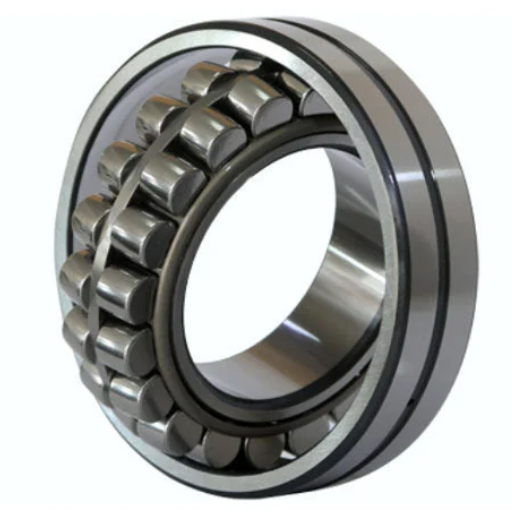
In fitting spherical roller bearings to specific tasks, the following considerations should be emphasized to resolve the issue raised above:
- Load Requirements: Determine the value and range of forces (both radial and axial) that will be applied to the bearing throughout its operation. This guarantees the bearing class and dimension selected operate successfully in the required working conditions.
- Operating Speed: Identify the speed of rotation for the application so that a bearing that will work satisfactorily is selected without risking durability.
- Temperature Conditions: Analyze the operating environment’s temperature range to verify that the materials of the bearing and lubricants will not fail in harsh conditions.
- Contamination Levels: Deliberate the likelihood of the bearing being exposed to dust, dirt, or other foreign material and verify that the appropriate seals for protecting the internal parts of the bearing are fitted.
- Space Constraints: Give attention to the installation space available as it relates to the size and shape of the bearing as explanations suggested above outline diverse design possibilities.
- Maintenance Needs: Identify the specific planned scheduled, servicing, after which the bearing or other nonscheduled will require action, that must performed to assist the repeatable actions by setting intervals which must be lubricated routinely or replaced tailing out.
Proper attention to these factors will provide the design to properly fit the application while maintaining durability, efficiency, and enhancing functionality.
Choosing the Right Spherical Roller Bearing Type for Load Requirements
When considering spherical roller bearings, one must ensure that the type of bearing selected aligns with the specific application load requirements. Spherical roller bearings are multifunctional as they support both radial and axial loads; hence, they are applicable in many industries. Here are some key considerations:
- Radial Load Capacity: Spherical roller bearings can carry large radial loads and are appropriate for high-impact or shock-loading applications. Standard designs can withstand radial forces from tens of kilonewtons to hundreds of kilonewtons. For instance, a standard spherical roller bearing with a 100 mm bore diameter may achieve a dynamic load capacity of approximately 300 kN, depending on its construction.
- Axial Load Accommodation: Although these bearings are intended primarily for radial loads, they do provide some ability to accommodate axial loads in both directions. With a balancing external axial load of 10% to 50% of the dynamic load capacity, high-capacity variants do manage internal axial loads. The ratio is determined by the internal configuration and the amount of clearance within the bearing.
- Misalignment Tolerance: Spherical roller bearings have a unique characteristic in that they are capable of adapting to misalignment due to shaft deflection and housing deformation, provided there are some limitations. In most cases, these spherical bearings can tolerate angular misalignment in the range of 2° or more in some designs and still maintain good operational bearings during harsh conditions.
- Speed Limit Considerations: Certain designs of spherical roller bearings are optimized to lower friction and allow for higher rotational speeds. Performance data contains evidence from some types with precision cages and specific lubricants which show effective operation of over 2000 RPM depending on size and lubrication conditions.
- Temperature Limits and Materials: Modern spherical roller bearings are manufactured from advanced heat-treated steels and high-performance alloys to ensure long-term endurance, coupled with proper lubrication, and extreme temperatures between -30°C to over 200°C. For the most extreme applications, specially designed bearings containing ceramic or polymer components are also available for these most demanding applications.
- Industry-Specific Applications: Special requirements have to be met with spherical roller bearings for industries like construction, mining, and other heavy-duty machinery, due to the bearing’s ability to tolerate extreme loads and severe environmental conditions. Ultra-durable bearings with optimized roller geometry are recommended for a mining conveyor system where load capacities exceed 500 kN and can withstand severe operating conditions.
A thorough examination of the provided parameters along with the operational conditions ensures that choosing the appropriate spherical roller bearing type will enhance the system’s life and efficiency while minimizing maintenance downtime.
The role of Spherical Roller Bearing rings and rolling elements
The performance and reliability in harsh applications heavily depend on the inner and outer rings, along with the rolling elements of the spherical roller bearing. To ensure support, both radial and axial loads acting on the system, provide balance during extreme conditions, and enable self-alignment of the system to misalignments such as shaft deflection, mounting inaccuracies, and vibrations, the outer ring is designed with an uninterrupted outer spherical raceway.
Both raceways are barrel-shaped rollers that assist in load distribution and therefore, obtain optimal performance from the bearings. Enhanced design of modern rolling elements has contributed towards efficient load distribution, friction reduction, and prolonging the lifespan of the bearings. Enhancing the surface finish of the bearing has led to a friction reduction of 30% which optimizes energy consumption and lowers operating temperatures.
Usage of suitable materials in the rings and rolling elements is essential for optimal performance. Tough and durable environments such as mining or wind turbines employ advanced alloys that assist in wear and fatigue resistance due to high durability. Improved corrosion resistance and wear capability for challenging conditions can be achieved through innovative material coatings like black oxide and ceramic plasma coatings.
Spherical roller bearing rings and rolling elements are reliable, efficient, and long-lasting, even under severe strain, thanks to their features. The growing needs of modern-day industries, which cannot afford expensive downtimes or failures, are addressed through meticulous optimization of design features and material property.
The Importance of Tapers and Bores in Spherical Roller Design
Tapers and bores are immensely important to the overall efficiency and smooth operation of spherical roller bearings. The design of the tapered bore usually features a standard taper of 1:12 or 1:30, as is standard practice. The taper secures the bearing to the shaft. This holds the bearing in place while also allowing for small amounts of misalignment or thermal expansion. The taper facilitates easier mounting and dismounting of the bearing which cuts down on maintenance and minimizes downtime which is critical to industrial applications.
On the contrary, bores are equally important in assuring the accuracy of the bearing fitting on the shaft size and type. They are constructed with great accuracy so as not to disturb the integrity of the bearing system. For some applications that need flexibility, tapered bores together with adapter sleeves offer the most flexibility such that the same bearing can be fitted on shafts with different diameters. This flexibility is common in mining and steel manufacturing industries and other similar industries where the equipment is subjected to heavy mechanical stresses.
In addition, spherical roller bearings with tapered bores improved load distribution along with better resistance to vibration owing to the tight interference fit. This improves the overall bearing performance by increasing the life and reducing the demand on maintenance in critical environments. By strategically designing the taper and bore angles, manufacturers allow spherical roller bearings to withstand demanding tasks while greatly optimizing efficiency and costs for modern industrial use.
Reference Sources
-
Advanced Materials Manufacturing & Characterization:
- Discusses the generation of spherical particles in bearing fatigue cracks, which are relevant to the wear and tear of spherical roller bearings.
- Highlights the role of material properties in bearing performance and durability.
- Methodology includes material characterization and analysis of fatigue-induced particle generation.
-
Spherical Roller Bearing Analysis:
- Explores the design and operational characteristics of spherical roller bearings.
- Focuses on extending the operating DN (speed factor) regime for these bearings.
- Methodology involves analytical modeling and performance evaluation under varying operational conditions.
-
Simple and Versatile Dynamic Model of Spherical Roller Bearing:
- Introduces a dynamic model for analyzing the behavior of spherical roller bearings.
- Highlights the point contact dynamics between the inner race and rolling elements.
- Methodology includes the development and validation of a general-purpose bearing model.
- If you are looking for more information about Spherical Roller Bearings – Amigo go here right away
Frequently Asked Questions (FAQs)
Q: What are spherical roller bearings?
A: Spherical roller bearings are a type of rolling-element bearing that consists of two rows of rollers and a common spherical raceway. They are designed to accommodate axial and radial loads simultaneously.
Q: What is the feature of spherical roller bearings that sets them apart from other types of rolling bearings?
A: One of the key features of spherical roller bearings is their ability to handle misalignment between the shaft and housing, thanks to their spherical raceway design that allows for an angle to the bearing axis.
Q: In what applications are spherical roller bearings commonly used?
A: Spherical roller bearings are used in various applications, including heavy machinery, wind turbines, and automotive components, where they can support heavy loads and accommodate misalignment.
Q: What types of loads can spherical roller bearings support?
A: Spherical roller bearings can support both radial and axial loads due to their unique design, making them suitable for applications with complex load conditions.
Q: How do spherical roller bearings compare to needle roller bearings?
A: Unlike needle roller bearings, which have a smaller diameter and are designed for lighter loads, spherical roller bearings can support heavier loads due to their larger size and two rows of rollers.
Q: What is the significance of bearing clearance in spherical roller bearings?
A: Bearing clearance is crucial in spherical roller bearings as it affects the bearing performance and lifespan. Proper clearance ensures adequate lubrication and minimizes wear during operation.
Q: Can spherical roller bearings be used in high-speed applications?
A: While spherical roller bearings are versatile, they are generally not recommended for high-speed applications compared to other types of roller bearings, as they may not perform optimally at such speeds.
Q: What is the difference between conventional spherical roller bearings and axial spherical roller bearings?
A: Conventional spherical roller bearings are designed to support both radial and axial loads, while axial spherical roller bearings are specifically designed to handle axial loads only, providing greater support in that direction.
Q: Are bearings with a tapered bore available in spherical roller designs?
A: Yes, bearings with a tapered bore are available in spherical roller designs, which can facilitate easier mounting and dismounting on tapered shafts.
Q: What should be considered when selecting spherical roller bearings for an application?
A: When selecting spherical roller bearings, factors such as load capacity, alignment requirements, bearing clearance, and the specific operational conditions must be considered to ensure optimal performance.