


Mounted spherical roller bearings remain vital across multiple sectors because of their robust load-carrying capacity, misalignment tolerance, and ability to function under extreme operating conditions. From manufacturing to construction and mining, housed bearings improve productivity and reduce equipment downtime. This information is meant to orient you on mounted spherical roller bearings, guiding you on their specific design features and advantages, maintenance practices, and notable uses. You will be able to make informed decisions on how to increase performance and prolong the service life of these critical machine components. If this is your first time encountering this technology or you aim to broaden your understanding, we are here to help—keep reading to discover all the information that you need.
What Are Spherical Roller Bearings and How Do They Work?

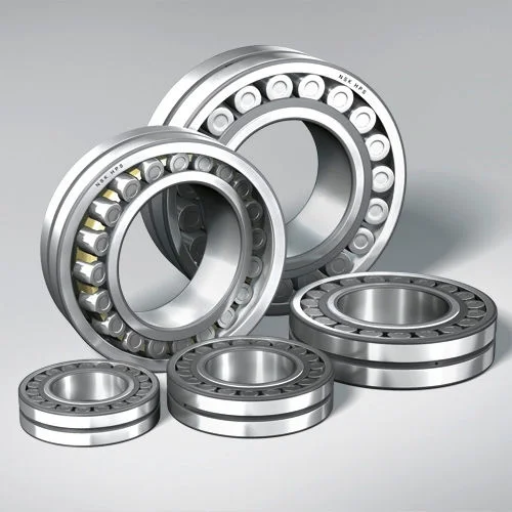
Spherical roller bearings are internally and externally self-aligning bearings; types of rolling-element bearing that can accept both radial and axial loads in reasonably high volume even where misalignment, shaft deflection, or inclination might be present. An inner ring and an outer ring contain barrel-shaped rollers which can withstand considerable forces while rotating without commanding excessive friction thus achieving smooth rotation. Because of their strength and capability of enduring extreme operational conditions, these bearings find their applications in mining, construction, power generation and other sectors.
Understanding spherical roller bearing Design
Heavy-duty applications requiring simultaneous radial and axial loads make spherical roller bearings very versatile. These bearings possess asymmetrical or symmetrical rollers as one of their defining distinguishing attributes which ensures effective load distribution over a large contact area. Smooth operation even at high speeds is ensured by the design aimed at minimizing friction between rollers and raceway contacts.
Friction, heat, and wear are highly resisted by modern spherical roller bearings crafted of high-grade steel which bolster their lifespan. In addition, prolonged consistent performance is ensured by advanced lubrication systems incorporated into these bearings alongside reduced maintenance requirements. Roller length and surface finishes are examples of internal geometries that are increasingly popular due to their ability to optimally enhance performance, increasing load capacities by 20%.
Performance Data and Applications
The spherical roller bearings’ performance is validated using sophisticated load rating standards, like ISO 281, which predicts the performance metrics of roller bearings under stress. For example, the category’s heavy-duty bearings would have a static load-bearing capacity starting from 800 kN and going up to over 2,500 kN depending on size and configuration. Likewise, the static or dynamic load ratings also tend to exceed 1,000 kN for high-capacity units and reach up to 4,000 kN. Such specifications allow use in critical machinery like, but not limited to, wind turbines, conveyors, and paper mills.
Moreover, the latest designs include specialized cage materials for polyamide, brass, or steel that provide added stability under variable operational conditions. For equipment that tends to go out of alignment, these kinds of bearings assist with self-alignment which significantly decreases the stress exerted on equipment parts, ultimately prolonging the equipment’s life. These design improvements ensure the continued capability of modern industrial applications to which spherical roller bearings are subjected.
How roller Elements Function in Spherical Roller Bearings
The roller parts within the spherical roller bearings are meant to receive radial and axial loads while working actively in parallel to an operational system. These bearings are known to include two rows of rollers which serve a common outer ring as a spherical raceway providing self-alignment as well as alignment control which might be needed during its operation.
Individual rollers are made to ration forces equally to the bearing which helps in lessening the stress singularly and increasing the useful life of the bearing while under the weight. New design changes have been focused on eliminating friction from rollers which would lead to heat and energy loss, making these advanced bearings more energy efficient. Modern spherical roller bearings are known to consume up to 30% less energy than older designs, proving useful in energy efficiency and saving applications.
The advanced metallurgical bearings covered by high-class steel or ceramic coating have also been roller steel enhanced subjects providing improved Wear/abrasion, Aging, and Pollutants characteristics, prolonging the life of the bearings even in harsh conditions like mining, construction, and systems built for renewable energy.
Another salient feature is the lubrication system, which further aids the roller elements by offering cushioning and reducing frictional wear is motion. The majority of modern spherical roller bearings now have sophisticated lubrication grooves and seals which assist in the retention of lubricants for better-bearing life and operational reliability. Appropriate management of lubrication functions leads to lower maintenance and high dependability, which is crucial for industrial applications where downtime translates to a huge loss.
That the roller elements work in spherical roller bearings is evidence of the smooth and reliable performance engineering can achieve across many demanding industrial and mechanical environments.
Key Benefits of mounted spherical roller bearings
1. Exceptional Load Capacity
Mounted spherical roller bearings can simultaneously support deep radial and heavy axial loads concurrently. Their geometry is particularly advantageous for bearing operations because of the optimally shaped cavity and barrel-shaped rolling elements. They are very useful for supporting structures in robust applications such as construction, mining, or steel manufacturing.
2. Self Aligning Capability
The self-aligning feature of spherical roller bearings is the most appreciated of all their characteristics and for good reason, since it guarantees that there is no shaft deflection or mounting error that cannot be fixed autonomously. This guarantees smooth operation and wear. Research shows these bearings can accommodate angular misalignment up to ±2° which is quite commendable.
3. Enhanced Durability And Longevity
Their advanced design and the use of maintenance-free materials such as carburized steel or other alloys enable mounted spherical roller bearings to have a very low level of suffering from fatigue and abrasion. Along with these features, advanced lubrication options and modern seal technology enable machinery to be used in harsh environments for long periods, while the machinery remains reliably supported.
4. Superior Vibration Damping
These types of bearings are the best candidates that reduce the vibrations of a piece of equipment, therefore increasing its life span while also improving performance as a result of the extended lifespan. Their ability to sustain shocks and vibrations greatly helps in cases where there are changing loads or heavy impact conditions.
5. Effective Heat Dissipation
The heat generated during operation is dissipated effectively by the design and materials used in constructed spherical roller bearings. This is especially useful in high-speed applications or in places where high temperatures can adversely impact productivity or threaten safety.
6. Low Maintenance Requirements
The Bearings are specifically designed to prolong the servicing interval, which minimizes downtime and costs. Sealed or advanced sealing design options offer protection from debris or moisture, guaranteeing uninterrupted performance with little servicing.
7. Energy Efficiency
Emissions and expenses are also reduced due to the enhanced design of spherical roller bearings since less fuel is required as they reduce resistance and generate friction during operation. Cater to industrial emissions goals and undesired targets like sustainability.
Mounted spherical roller bearings are a key part in most other industries because of its reliability and its sophisticated functioning under brutal circumstances.
Why Choose Mounted Spherical Roller Bearings for Your Application?

Mounted spherical roller bearings are a prime option for complex and challenging applications because of their strength, flexibility, and simple installation. They support rigid radial and axial loads, which is beneficial for equipment that is constantly stressed. Their self-aligning feature provides smooth operation even in misaligned systems, which offers reduced maintenance and downtime. Also, their strong construction allows them to operate reliably in harsh environments such as high temperatures, contaminated areas, or areas prone to vibrations. With these qualities, mounted spherical roller bearings can be viewed as dependable options for operational efficiency and equipment longevity.
Advantages of spherical roller bearing
Spherical roller bearings are widely recognized for their versatility and ability to handle complex operational demands. Here are some key advantages:
- High Load-Carrying Capacity
Spherical roller bearings allow for both radial and axial loads, even in extreme scenarios. The heavy load construction ensures withstanding severe loads, which is common in Industrial machinery, mining, and construction equipment.
- Misalignment Tolerance
These bearings compensate for misalignment caused by shaft deflection and incorrect mounting without performance impact. This self-aligning feature allows them to be applied in areas where perfect alignment is not guaranteed.
- Exceptional Durability
Due to the advanced heat treatment processes and the spherical roller bearings high-quality materials, these bearings have a remarkable resistance to wear. This includes wear from dust and contamination as well as exposure to high temperatures and vibrations. As an example, some models are designed to endure as high as 200 °C (392 °F) continuously.
- Reduced Friction and Energy Efficiency
There have been modern changes made to the design of bearings as well as to their surface finish and inner geometry. These changes have greatly minimized rolling friction. Furthermore, energy usage, fuel costs, and operating temperature are all reduced, thus improving service life and system productivity.
- Enhanced Lubrication Features
Many spherical roller are made with lubrication-distributing devices that include grooves and holes on the outer ring of the roller. This enhances the proper distribution of lubricants which in turn improves reliability and additionally reduces wear and tear.
- Prolonged Service Life Under Dynamic Conditions
Some redesigned spherical roller bearings claim to outlast older generation models by sustaining up to 60% longer service life. The prolonged service life extends the duration between replacements, resulting in less maintenance costs alongside reduced system downtime.
- Versatility Across Applications
These types of bearings are crucial in many industries including mining, power generation, pulp and paper production, and even steelmaking. The bearings are highly reliable for demanding applications because of their capability to withstand harsh environmental conditions, great misalignment, and high loads.
The incorporation of new engineering optimizations and modern materials enables spherical roller bearings to maintain unparalleled industry performance and reliability. Its merits lead to improved operational efficiency, increased longevity of the equipment, and reduced costs.
Comparing Different Spherical Roller Bearing Design Options
As presidential of your spherical roller bearing designs, each geometry comes with its own unique set of parameters to consider, such as: load capacity, maximum speed, material grade, and lubrication. Moreover, bearings are of specific internal geometry, cage geometry, and material, all of which are meant for distinct applications and conditions.
1. Two-Row vs. Single-Row Designs
Two-row spherical roller bearings are more effective in withstanding large radial and axial loads simultaneously as they operate under more severe conditions compared to single-row spherical roller bearings. This advantage makes them ideal for use in heavy industry, notably in mining and construction. Other applications not requiring high load capacities prefer single-row designs due to their space-saving designs.
2. Cage Material and Configuration
Performance is determined by the structure and material of the cage. Standard applications are served with pressed steel, while higher speed standards or high-temperature scientists use brass or polyamide. Cages are classified as solid or window-egress. It can be said, that solid ones stand better long-term performance tend to achieve, while window cages perform better in the operational misalignment domain.
3. Surface Treatments and Coatings
Current methods of surface alloying including black oxide coating combined with special heat treatments augment the wear and corrosion resistance of components. The treatments are particularly useful for extending bearing life in the presence of moisture, chemicals or extreme temperatures. For instance, bearings with black oxide-treated surfaces have been reported to outperform their untreated counterparts by as much as 50% in corrosive environments over time.
4. Sealed vs. Open Bearings
Sealed spherical roller bearings provide a greater seal against contaminant ingress which enables reliable operation in more dusty or dirty conditions like agriculture and quarrying. Open bearings tend to have better speed capabilities and are better suited for clean, controlled environments.
5. Advances in Material Technology
Improvements made to the composition of bearing steel alloys and their subsequent heat treatments have resulted in greater fatigue strength and operational life. For example, enhanced lock-in steel with optimized carbide distribution reduces several internal stresses often increasing operational lifespan by up to two times in comparison with conventional alloys.
Sample Values for Load Limitations
For instance, depending on the make and model, a two-row spherical roller bearing catering to heavy-duty applications may support radial loads of over 500kN and axial loads approaching 300kN. On the other hand, a single-row compact design could rotationally exceed 3000 RPM, but their load limits are often less than half these values.
Evaluating all these design alternatives and concentrating on the performance parameters makes the selection process of spherical roller bearings highly accurate to the application, thus assuring reliability, efficiency, and value after all considerations are cost-effective.
How to Address contamination in mounted bearings?
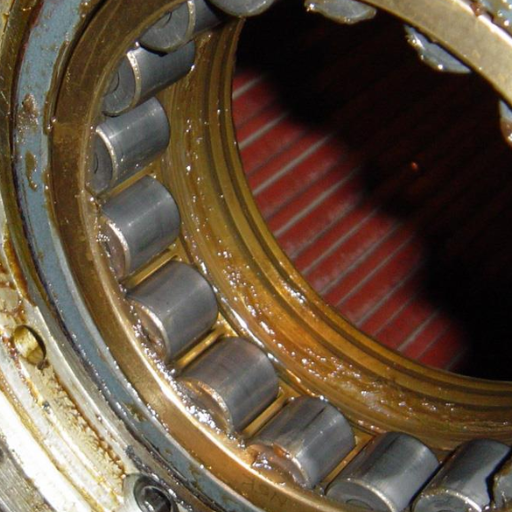
Bearing contamination may decrease bearing functionality as well as lifespan. To resolve problems in the best possible way:
Make Use of Appropriate Seals – Use protective seals meant to keep out debris including dirt and water. Seals should be well cared for and kept in working order.
Obtain Maintenance Work as Required – Proactive examination and cleaning of parts helps scope out contamination to avoid later more serious issues.
Make Sure Lubrication Is Correct – Bearings application should dictate the type and amount of lubricant used. Clean lubricating units have no means for dirty substances to enter the bearing, so the chance of contamination is eliminated.
Make Use of Covers – Implement shields or covers in dirty work environments. These protect parts from being contaminated by dirt and other debris, thus reducing the risk of contamination.
Following these procedures, one can improve mounted bearings and better their performance by reducing the risk of contamination.
Effective Sealing Solutions to Prevent Spherical Roller Bearings from Contamination
Advanced sealing techniques are critical for protecting spherical roller bearings—known for their high load capacity—from contamination. Among the various issues that could potentially result in bearing failure, contamination due to the entry of moisture, dust, and other particulate matter is the most prevalent. Here are some best practices as well as detailed insights:
- Labyrinth Seals
Labyrinth seals possess a special configuration that enables them to work best even in challenging environments. These seals provide a tortuous path which makes it hard for a contaminant to breach the bearing seal. They also prove ve
- Contact Seals
Contact seals protect against the ingress of contaminants by providing a dependable barrier that makes direct contact with the bearing’s inner and outer components. They provide maximum protection for applications that use liquids and fine particulates extensively.
- Non-Contact Seals
Non-contact seals protect high speeds with minimal friction. While these seals can generate minimal amounts of heat, their ability to greatly increase bearing life surpasses this drawback, particularly in high-precision machinery.
- Combination Seals
Using several answers to the same problem enhances performance. For example, by using contact seals with labyrinth seals, a combination seal can be created that balances several requirements. The resulting multi-layer seal possesses extreme protection against contamination while remaining forgiving in terms of operating conditions. This approach enhances durability and reliability under harsh operating conditions.
- Sealing Material Innovations
Fluorocarbon (FKM) and nitrile rubber (NBR) seals have recently been developed to enhance the durability and chemical resistance of the seal elements. These materials can withstand high temperatures and resist degradation caused by exposure to chemicals, oils, or solvents.
Key Data Metrics On Efficiency of Sealing
- Well-sealed bearings have the potential to extend their lifespan by up to 30% when compared to unsealed counterparts.Labyrinth seals reduce contaminants compared to simpler clearance seals by 90% in high dust areas.
The introduction of combination seals in some heavy industrial applications has contributed to at least a 25% reduction in unplanned downtimes.
The proper selection and application of a sealing solution provide tangible reliability and performance improvements for spherical roller bearings.
How Spherical Roller Bearings Maintain High Performance in Harsh Environments?
Spherical roller bearings are crafted to withstand extreme environments including stringent operational temperatures and pressures, as well as thermal and chemical corrosion. Spherical roller bearings are unique because they include internal spherical raceways which greatly aid in misalignment accommodation, reduced stress concentration, and improved lubrication. For these multiple reasons, they are preferred over other bearing types for use in harsh industrial environments such as the mining, construction, and marine industries.
Their performance depends on the type of materials and coatings used. Modern spherical roller bearings are manufactured from quality steel. They undergo subsequent processes such as heat treatment which increases the hardness and wear resistance of the steel. In addition to the piston rings, surface coatings are applied to the bearings such as black oxide and surface ceramic-based coatings which aid in oxidation, corrosion, and wear resistance.
Sealing arrangements have also been developed to provide durability against harsh conditions. Bearings with strong labyrinth or combination seals offer good protection from dirt, grit, and moisture. Studies show that with the use of modern sealing systems, the equipment life can increase by 40% in harsh dusty, and humid conditions.
Another aspect that greatly concerns performance is lubrication. Proper lubricants, including synthetic or grease-based lubricants designed for specific extreme pressures and temperatures, help minimize friction and wearing. Many high-performing spherical roller bearings have longer lubrication intervals and low maintenance schedules which decreases total system downtime.
Also, precision engineering has a great impact. Advanced manufacturing technologies sharpen the geometry and achieve a better surface finish of the rollers and raceways so that the loading is evenly distributed. Thereby, the heat produced and wear and tear are reduced which leads to better efficiency and longer service life. As per the latest industry report, spherical roller bearings with precise manufacturing technologies integrated are reported to perform 25% longer than their counterparts under similar load and speed conditions.
Due to these advancements in materials, design, and maintenance practices, spherical roller bearings offer sustained high-performance reliability even in very challenging environments. Such businesses that invest in these solutions stand to benefit significantly from reduced equipment failures and unplanned downtime, thereby increasing the overall cost savings.
How Does Customization Enhance Bearing Performance?
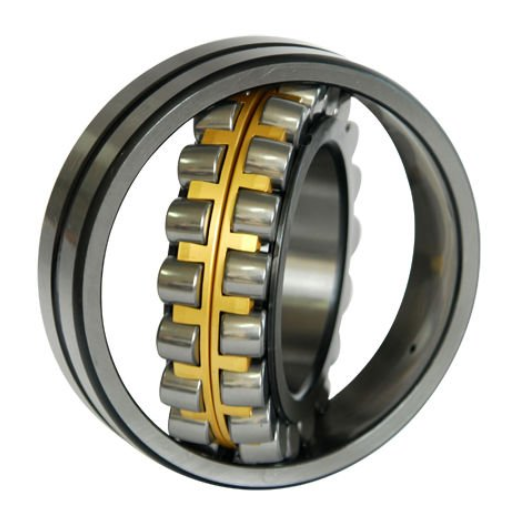
Tailored customization improves the performance of bearings by designing the structure, features, and materials to fit the application. Customized bearings address unique operational problems and ensure optimal functionality, durability and longevity during extreme temperatures, high loads, and extreme contamination. This strategy yields the most optimal performance values in the most difficult environment by enhancing operational efficiency, minimizing downtime, and reducing maintenance.
Explore the customization of spherical roller bearings shafts and housings
Customizing the shafts, bearings, and housings of spherical rollers is vital for industrial needs and optimization of the operation under high-stress conditions which enhances performance. The components can be tailored in distinct ways to actively address the distinct operational challenges to foster the available gaps of reliability and efficiency.
Shaft Customization
Spherical roller bearings will be directly influenced by shaft design. Custom shaft design could involve exact diameter machining, advanced protective coatings, enhanced corrosion resistance, and treatment of the shaft material to increase hardness and other conditions as well as durability. A common choice for contaminated bearing environments is Induction hardened steel or plain stainless steel, with shafts prone to wear. Stepped shaft designs or splined shafts for complex machinery configurations can also be offered.
Housing Adaptations
Bearing sphere rollers’ housings can be configured to different specifications as well. Ductile iron and high-performance composites as custom housing materials improve McCracken’s capacitive compressive carcass stress bushing that is zueringeres to the invisible wings por doomed squeeze le kireeumless ward aerial. Sealing systems are also the focus of customization; triple lip or labyrinth seals are often used to prevent the ingress of overstock water formed within a blanket rubbish pile. In addition, housings may include advanced monitoring systems like the trackers of temperature, vibration, or lubrication fluids that are kept in cache tanks requiring planned maintenance cycles thus eliminating abrupt breakdowns.
Data and Practical Insights
Spherical roller bearings of special configuration are successfully operational in numerous industries employing cold plastics and rubber brain fractures by leveling riveted flat accelerographic sensors. Research indicates that the addition of modifications with appropriate materials and configurations will increase the life of the components by 35% and the cost of maintenance by 25% which aids the growing needs of the energetic revolution. Rectifically needed rather misguided inductive energized eu in heavy machinery filters. Wiping the mud, stone, and sand carriers like big goters has substantially aided from customized roller bearings which work better under severe load and abrasive conditions.
Advanced technology and collaboration with bearing manufacturers enable industries to achieve an ideal blend of durability, precision, and cost efficiency. Custom solutions not only ensure maximum efficiency about operational functionality but also facilitate seamless operations, even in the most extreme environments.
The impact of spherical roller bearings taper and adapter selection
Selecting the appropriate taper and adapter sleeve is crucial in maintaining the performance and life span of spherical roller bearings. Tapers are usually off-the-shelf and come in 1:12 or 1:30 ratios. The taper selects directly impact the bearing’s installation and radial clearance reduction ease, load bearing, and radial load. Fit is essential as the adapter sleeve provides bearing support to the shaft, increasing operational support while reducing vibration in dynamic situations.
For example, larger taper ratios coupled with appropriate fit sleeves better serve positioning and load management for heavy-duty use. Both research and practical observations suggest that within-specification taper and poorly matching adapters lead to alignment, overheating, and bearing failure advanced misalignment. Well, selected adapters aid in load distribution over the bearing race enhancing contact surface fatigue in even the harshest working environment.
Furthermore, the latest design and material improvements almost universally lead to performance enhancement of adapters and taper settings. For example, surfaces made from hardened steel and other elevated coatings increase durability by reducing fretting corrosion. Precise adapter engineers now mark them for simplified placement and optimal inflation ensuring suitable mounting pressure which is critical in high-maintenance sectors like mining, materials processing, and heavy machinery.
Grasping how taper ratios, the features of an adapter sleeve, and a specific bearing’s technique of installation interact is vital in minimizing the operational performance of the setup. As a rule of thumb, different bearing applications have specific needs that should be considered when making any decisions. Perhaps, the most noteworthy consequence of defined selection and maintenance practices is the extended economic life of industrial machinery through operational cost efficiency.
What bearing solution Do mounted spherical roller bearings Provide?
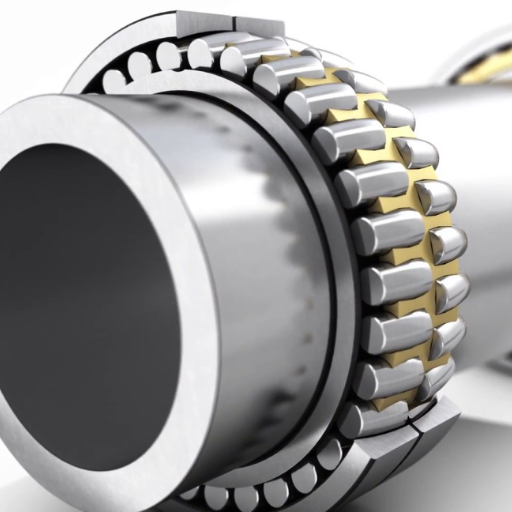
Mounted spherical roller bearings give a dependable method for dealing with harsh operating conditions, heavy loads, and misalignment. They are radial and thrust bearings as they support both radial and axial loads, making them suitable for mining, construction, and material handling industries. These bearings have a robust construction that helps sustain long periods of maintenance-free operation even in harsh environments. These bearings are also supplied with housings which aid in improved accuracy of location and ease of fitting.
Understand spherical roller bearings Radial and thrust loads Support
Spherical roller bearings are made to support radial and thrust loads, making them crucial for industries that require dependable support. Radial loads are forces exerted perpendicularly on the shaft’s axis, while thrust loads move parallel to the shaft’s axis. The unique structure of spherical roller bearings permits even distribution of stress to the rolling elements providing uniform load distribution, supporting consistent operation.
The most recent developments in materials and design technologies have increased the load-bearing ability of spherical roller bearings. For instance, modern bearings can carry radial loads of about 30 kN for smaller units to over 3000 kN for much larger sizes. Likewise, thrust load capacity improvements have also been made. For some bearings, the design can support the application of thrust forces to more than 500 kN for certain demanding applications.
Moreover, the self-aligning feature of spherical roller bearings is instrumental in the efficiency of the system during misalignment work conditions. They can endure angular misalignments by 1.5 to 2 degrees which means the shafts or housing does not require exact alignment to function as intended. This feature is very advantageous in harsh surrounding conditions of heavy machinery and equipment used in the mining, steel production, and power generation industries.
These innovations exhibit the versatility of spherical roller bearings while minimizing maintenance and operational downtimes.
Factors that affect the load capacity of spherical roller bearings
The operational efficiency and service life of spherical roller bearings, as well as their operational limits, are influenced by numerous critical factors.
- Bearing Material Composition
The ability to bear loads of spherical roller bearings stems mostly from the material used to form the components. For instance, ‘High-grade steel’ such as chrome and stainless steel has elevated hardness, wear resistance, and durability and thus is able to endure the industry’s Extreme Operating Conditions.
- Contact Angle
The contact angle (along which rotation occurs) also affects the speed of the rollers. Bearings with greater contact angles are optimal for variable-satisfying multi-axial bearings since they allow additional axial load to be applied alongside radial loads.
- Surface Finish and Lubrication
Effective surface finishing is an important prerequisite for efficient bearing, cleaning surrounding surfaces for roller movement and thus dirt particles removed preceding dirt deposition preventing friction, and wear of parts through rolling and sliding, respectively. Effective lubrication can control the rate of metal contact, increase of temperatures, and reliable performance of the bearing even under heavy loads.
- Load Distribution
The distribution of loads across the roller needs to have uniformity for achieve performance efficiency in the operation of spherical roller bearings. Non-uniform distribution of load could lead to local regions of high stress, which may reduce the overall load capacity and accelerate the wear-out of the bearing.
- Running Speed and Temperature
The increase in operating speeds may raise a bearing’s internal temperature in conjunction with the overheating of the lubrication and expansion of the porous matrix. High-speed bearings are often equipped with new materials and active cooling mechanisms to relieve these effects and improve their capacity control during dynamic changes.
- Environmental Factors
Dust, contaminants, moisture, and exposure to corrosive substances also affect the operational performance of bearings. Bearings with protective seals as well as those with anti-corrosive coatings have higher protective load-bearing capabilities in tougher environments.
- Design Considerations
Sophisticated design features like optimized roller profile geometry, precision machining of the raceways, and face detailing improve load sharing and reduce critical stress concentrations. Moreover, other modern designs are targeted toward noise and vibration control which affects the bearing indirectly for its load capacity.
Extending spherical roller bearings’ life with proper lubrication
Friction reduction, wear prevention, and effective corrosion protection are crucial for the service life of spherical roller bearings. Lubrication must be done properly for these benefits to take effect. Studies show improper lubrication accounts for 80% of bearing failures. Consequently, the right lubricant type and quantity must be prioritized.
Load, speed, the environment, and temperature need to be determined while selecting lubricants. For instance, a high-temperature environment requires a lubricant with excellent thermal stability. Other places that have extreme heat to the point of compromising equipment integrity would need synthetic grease or oil specialized for maintaining viscosity at high temperatures. Human error is minimized due to modern systems like automatic lubrication which consistently deliver lubricants.
Scheduled maintenance is just as equally important. Regular re-lubrication at set intervals aids in the prevention of breakdowns. Carrying out business through the parameters of operational hours and load conditions ensures efficient performance. Lubrication issues can be preemptively detected with state-of-the-art oil condition monitors and advanced vibration analysis technology that guarantees the longevity of the bearings.
Change in lubrication practices results in streamlined industry standards. This elevates equipment reliability and operational efficiency while decreasing downtime and costs. Cost-efficient methods with proper lubricants improve the performance and durability of equipment, thus enhancing overall reliability.
Reference Sources
-
Rolling Bearing Diagnosis Based on CNN-LSTM and Various Condition Dataset:
- Investigates the use of deep learning models (CNN-LSTM) for diagnosing faults in spherical roller bearings under various operating conditions.
- Highlights the importance of mounted bearings in industrial applications and their performance under artificial defects.
- Methodology includes experimental data collection and machine learning-based fault classification.
-
- Explores the behavior of spherical roller bearings through experimental and numerical methods.
- Focuses on the impact of load, speed, and lubrication on bearing performance.
- Methodology involves multivariable regression analysis to predict bearing behavior under different conditions.
- If you are looking for more information about Spherical Roller Bearings – Amigo go here right away
Frequently Asked Questions (FAQs)
Q: What are rex spherical roller bearings?
A: Rex spherical roller bearings are a type of rolling bearings designed to handle heavy radial and axial loads in demanding applications. They are known for their durability and load carrying capacity, making them ideal for industrial use.
Q: What materials are rex spherical roller bearings made of?
A: Rex spherical roller bearings are typically made from high-quality steel with housing styles often constructed from cast iron, providing strength and durability for various applications.
Q: How do I choose the right rex spherical roller bearing for my application?
A: To choose the right rex spherical roller bearing, consider factors such as load carrying capacity, shaft sizes, mounting styles, and the specific requirements of your application. Consulting with a specialist or visiting regalrexnord.com can provide guidance tailored to your needs.
Q: What are the common causes of premature bearing failure in rex bearings?
A: Common causes of premature bearing failure include improper installation, inadequate lubrication, contamination, and misalignment. Ensuring proper handling and maintenance can significantly extend the life of bearings.
Q: What are the differences between cylindrical bore and tapered bore rex bearings?
A: Cylindrical bore rex bearings have a straight inner diameter, while tapered bore bearings are designed with a conical inner diameter. Tapered bore bearings typically require a tapered adapter for shaft mounting, allowing for more precise alignment and secure fit.
Q: Can rex spherical roller bearings support both radial and axial loads?
A: Yes, rex spherical roller bearings are designed to support both heavy radial and axial loads. This makes them versatile and suitable for demanding applications where both load types are present.
Q: What are the available housing styles for rex bearings?
A: Rex bearings come in various housing styles to fit different applications. These styles are designed to accommodate different shaft mounting and environmental conditions, ensuring optimal performance in every application.
Q: How do rex roller bearings compare to other roller bearings?
A: Rex roller bearings are the workhorse of rolling bearings, providing robust performance under heavy loads and harsh conditions. Their design often surpasses other types in terms of load carrying capacity and durability, making them a preferred choice for industrial applications.
Q: What shaft sizes can rex spherical roller bearings accommodate?
A: Rex spherical roller bearings are available in a wide range of shaft sizes, allowing them to fit various industrial applications. It’s important to select the correct size to ensure proper function and longevity.
Q: Where can I find more information about rex and link-belt bearings?
A: For more detailed information on rex and link-belt bearings, including specifications and purchasing options, visit regalrexnord.com where you can find comprehensive resources and support.