


Tapered roller bearings are mechanically sophisticated parts that ensure rotational movement while supporting high loads in various industries. They are crucial for radial and axial force applications like automobile wheels, industrial gearboxes, and heavy machinery. Although there are various types, features and configurations of tapered roller bearings, choosing the most suitable type can be very challenging. This guide covers all of the most fundamental details about the types and key features of tapered roller bearings, as well as their practical uses, helping you make an informed decision for your requirements. As a beginner in engineering or a seasoned expert in mechanical systems, this article will equip you with the necessary information and tools to harness the benefits offered by tapered roller bearings.
What Are the Different Types of Tapered Roller Bearings?
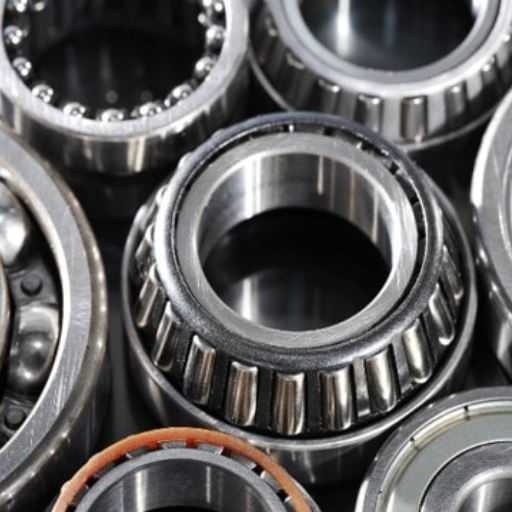
Tapered roller bearings come in several types, each designed for specific applications:
- Single-Row Tapered Roller Bearings – This is one of the more widely used tapered roller bearings. It is best for use in applications that require axial and radial load in one direction. Among other uses, they are commonly found in automotive hubs, gearboxes, and industrial machinery.
- Double-Row Tapered Roller Bearings – Capable of bearing radial and axial loads in both directions, these bearings are used in construction vehicles and rolling mills alongside other heavy-duty equipment.
- Four-Row Tapered Roller Bearings – Suitable for high-load applications, these bearings help in rolling mills that require huge axial and radial force applications at the same time.
- Sealed Tapered Roller Bearings – These are protective seal bearings for lubricants and contaminants that help in demanding operations where dust and debris are abundant.
As with any kind of machine part, tapered roller radial bearings are no exception to a different type for every demand. Each part offers unique features that must be met to specific requirements.
How do single-row tapered Roller Bearings Work?
Single-row tapered roller bearings are extremely helpful in applications like automotive axles, gearboxes and industrial machinery because they can easily manage radial and axel loads simultaneously. In their simplest form, these bearings consist of one stub of an inner ring (cone) and an outer ring (cup) along with tapered rollers that are positioned between the two rings. In comparison to straight rollers, the tapered design offers a greater load-bearing capacity because of how the load is applied over the contact surface of the roller.
The angle of the tapered rollers is important as it directly affects performance as well as load capacity. Bearings with larger angles of taper will perform better under higher axial loads, while smaller angles will perform better under radial loads. For contact angles in single row tapered roller bearings, the angle range is 10 degrees to 30 degrees.
For these bearings to work properly, lubrication is vital because it reduces friction and wear as well as heat. The need to adapt them to modern industry requirements like reduced efficiency should always be on the table as well as incorporating precision engineering to operating noise.
Single row tapered roller bearings offer reliability due to their ability to endure high-stress levels in combined load conditions, making them useful in a variety of industries.
Understanding Four-Row Tapered Roller Bearings
Four-row tapered roller bearings are made to bear very high radial and axial loads, which makes them suitable for use in steel, mining, and energy production. They are extensively used in rolling mills where the capacity to bear high loads alongside impact stresses essential for continuous operations is key.
The structure of four-row tapered roller bearings includes several rows of rollers and raceways to evenly distribute the load. This design minimizes stress on individual parts, improving the overall life of the bearing. The tapered shape of the bearing helps in effective load application while maintaining the desired alignment irrespective of surrounding movement. Typical designs have their outer diameters from 200 mm to over 2000 mm depending on requirements, and can optimally operate at rotational speeds of 3000 revolutions per minute (RPM).
New innovations have also elevated the quality of materials, for example, the steel grade utilized and the heat treatment processes. Such improvements help resist wear and deal with thermal expansion as well as high temperatures which often exceed 300°F (149 °C). The lubrication system also supports performance. Grease and oil-lubricated bearings reduce friction and energy loss.
Meeting reliability requirements in high-capacity processes is achieved with four-row tapered roller bearings. They are known to balance precision and durability. Their strong design and great innovations make the bearings a necessity for heavy and highly efficient industry use.
Comparing Cylindrical Roller Bearings and Tapered Roller Bearings
Both cylindrical and tapered roller bearings are crucial parts of the industrial machine, but their structure and use differ substantially. The cylindrical roller bearings are made of straight circular shaped rollers and can take an extremely high radial load and a great deal of smooth rotational speed. Their minimal friction and capability to support slight axial thrusts make them perfect for use in gearboxes, electric motors, and pumps.
Tapered roller bearings, on the other hand, have been made with conical rollers and raceways which enable them to support a combination of radial and axial loads simultaneously. Such a design is handy in places where considerable axial loading is involved which include wheel hubs in automobiles, mining machinery, and industrial gearboxes.
Market research indicates that tapered roller bearings have a greater capacity to withstand loads and excellent shock resistance owing to the large area of contact surface. Their flexibility, however, permits them to take axial loads of about 60% of the radial load being applied. On the opposite side, cylindrical roller bearings can resist friction better while spinning at very high speeds, some exceeding 500,000 DN.
Speed, required load, and alignment are some of the factors that operational conditions take into consideration when choosing between these types of bearings. For applications that involve high speeds and have a low axial load, cylindrical roller bearings are most suited. On the other hand, tapered roller bearings are best for strong axial and radial load requirement situations.
Exploring the Key Features of Tapered Roller Bearings
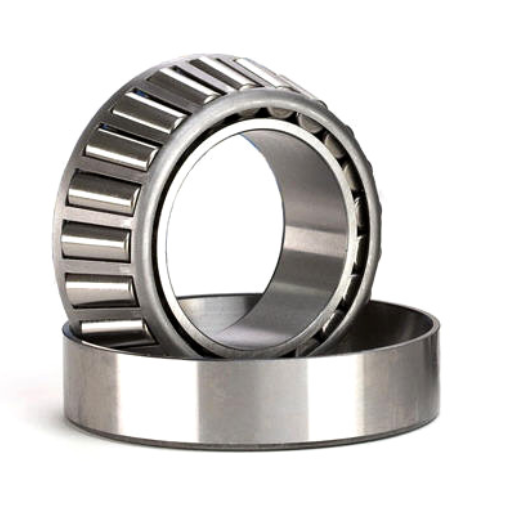
Tapered roller bearings are specially built to manage both radial and axial loads simultaneously, making them multi-dimensional. One defining characteristic is that they comprise taper inner and outer raceways, which are aligned to enable rolling on plungers. The geometry of the tapered roller bearings enables them to minimize friction while efficiently distributing loads, which increases their durability while improving their overall performance. Moreover, they are capable of achieving greater velocity and enduring severe magnitudes of weight, thus, they can be used in automotive, industrial, construction equipment, and other critical applications. Other types of bearings can’t compete with them because they effortlessly manage combined loads and exert high thrust.
What Makes Tapered Design Unique?
The distinct feature of tapered roller bearings is the simultaneous radial and axial load capacity. This is possible because the rollers, inner ring, and outer ring of the bearing are joined at a common axis which culminates in a tip where they all meet. This arrangement maximizes the even spread of the load, thus reducing damage or wear even in extremely severe operating conditions.
Research indicates tapered roller bearings can tolerate thrust loads 20 percent more than other roller bearings. This makes them ideal for heavy-duty applications such as automotive wheel hubs, wind turbines, and mining machinery. Moreover, the precise engineering of these bearings means reduced friction, power loss, and improved efficiency. Based on industry standards, certain machines can improve their performance by as much as 30% due to reduced energy expenditure. These reasons greatly indicate that the tapered design is the ideal choice for modern mechanical systems due to their dependability and high operational efficiency.
How Do Bearings Handle Radial and Axial Loads?
Bearing technologies provide great solutions to both radial and axial loads to enhance the performance of machinery. They provide bearings for radial loads which are perpendicular forces for c shafts that exist due to the action of turning belts or gears, or motorized drills. These radial forces come from different sections within the bearings and are scractical added up which prevents ruptwait and failure. An example of radial load may be deep ball grooves.
Axial loads also have transverse force parallel and are pushed by primary suppliers of energy for purposes such as track shafts or pumps and even stamped pumps. The best-designed products for radial loads are thrust roller bearings as they prove to manage effortless frameper loss while overcoming the thrust and rotating loads full throttle. At the same time thrust ball bearings also work equally well but end up with jutted thrust over heavy and rough rotate bearings.
New bearing designs and testing have provided evidence for the use of new materials such as ceramic hybrids and sophisticated lubrication systems, which increase load-carrying capacities. Bearings are claimed to be able to withstand combined radial and axial load conditions without wear for prolonged periods longitudinally, combined with modern time frame testing. A specific example is some high-performance tapered roller bearings where the axial load capacity has been increased by 40% compared to previous generations. The bearings are now more reliable in harsh industrial environments. Such innovations enhance the performance and scope of bearing applications in different branches of industry and engineering.
Understanding Bearing Life and Durability
The lifespan of bearings as well as their durability depends on several issues like the quality of the material, how it is serviced, the maintenance practices, and operational conditions. One of the exemplary practices is Proper lubrication which reduces friction and wear and extends the life of the bearings. Research suggests nearly half of all bearing failures could be attributed to problems associated with lubrication, which underlines the critical need for appropriate lubricants and ideal maintenance intervals.
Moreover, the addition of new treatments in heat processes and the composition of the material have dramatically improved the fatigue strength of bearings. A good example would be the new design wherein the bearings are made of steel its microstructure and purity that minimizes surfaces and subsurface fatigue cracking. Accumulated evidence demonstrates that adherence to these recommendations can increase bearing life by 25% under fixed load and speed conditions.
These factors also enhance the performance of bearings revealing the rest of the essence. The environmental angle is equally important. Contagion by dust, moisture and other such particles is one of the foremost factors that lead to the degradation of bearings. Multiple inspections coupled with promising sealing designs can lessen such chances contained in dust and particulates feasible during extreme operational conditions assuring functional performance. All the above can be said as the foundation that helps maximize the strength and endurance of the bearings alongside ensuring the reliability of the equipment.
What Are the Advantages of Tapered Roller Bearings?
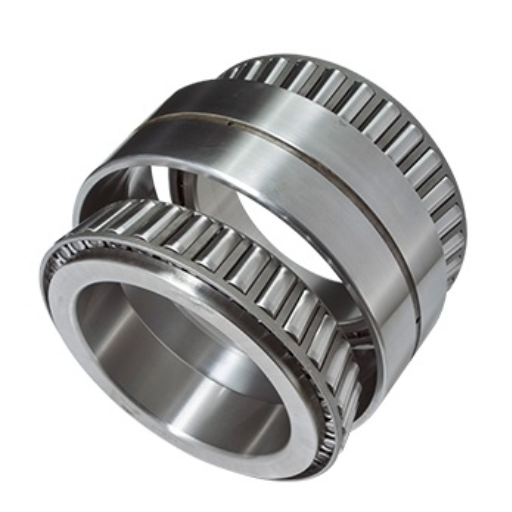
Tapered roller bearings have a unique set of benefits that make them ideal for a multitude of uses. The bearing is capable of sustaining both axial and radial loads with ease, surpassing most load-bearing requirements. They are reliable when it comes to supporting massive weight and speed. In addition, it helps to further alleviate friction in the geometric sense. These traits enable Tapered Roller Bearings to be used in various industries, including automotive, construction, and manufacturing.
Why Do Industrial Applications Prefer These Bearings?
Tapered roller bearings are favored in industrial applications for their capability to combine radial and axial load functionalities simultaneously. They effectively manage rotary forces due to their inherent construction that offers a uniform distribution of load stress. Research shows tapered roller bearings are capable of up to 20% less friction than the traditional type of bearings, thus optimizing machine output and increasing power efficiency. Also, new material as well as advanced manufacturing have made these bearings more resistant to wear and tear, enabling operational life spans of some bearings to over 20,000 hours of continuous operation. These traits render them essential in industries such as automotive production which require precision and sustained durability. The ease of configuration also reduces maintenance effort and therefore, inline operational time in the case of industries that utilize large-scale machinery.
Ability to Handle Heavy-Duty Applications
Modern self-aligning roller bearings are designed to survive in extremely strenuous industrial conditions, making them a critical part of heavy-duty operations. Industrial bearings are an example. They provide reliable operation at temperatures above 500°F (260°C) or in sub-zero conditions as low as -50°F (-45°C), while additionally, being capable of withstanding high levels of corrosion.
Their load-bearing capabilities have become impressive as well. Nowadays, spherical roller bearings can support radial forces greater than 10,000 pounds, and axial forces greater than 5,000 pounds, which makes them ideal in mining, construction, and energy-producing industries. Additionally, these high-power bearings have built-in maintenance-free exact lubrication systems, which work, by lubrication friction, to increase bearing life even during long service periods under cyclic heavy loads.
High-power bearings have a significant advantage in industries such as wind energy. They provide high efficiency and reliability by allowing turbines to rotate for millions of cycles while handling highly fluctuating torque loads. Also, high-performance bearings minimize the frequency of replacements which saves money and improves sustainability in multiple industries.
Understanding the Applications of Tapered Roller Bearings
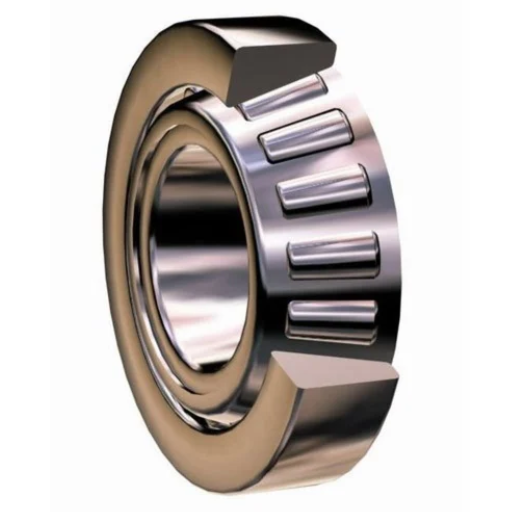
Due to their suitability for combined radial and axial loads, tapered roller bearings are commonly utilized in many sectors. Their role in the automotive industry is fundamental; for instance, the wheel hubs incorporate tapered roller bearings which carry out the dual function of sustaining the weight and allowing the hub to rotate freely. Also, construction and mining machinery need these bearings to withstand harsh and severe operating conditions. Tapered roller bearings are also used in the manufacturing industry in the spindles of machine tools to ensure that tools remain properly aligned while in operation. The robust construction and multi-functionality of these components is widely preferred in various industry sectors.
Common Industrial Applications of Taper Roller Bearings
1. Industries as well as automobiles
The automotive sector makes great use of taper roller bearings because of their radial and axial load capacity. They can be found in the wheel hubs, differentials, and the transmission systems of the vehicles. It’s estimated that more than 75% of the wheel hub assemblies are taper roller bearing-based. This is the most preferred type because of the effortless performance, safety and durability it provides.
2. Construction and Excavation
Taper roller bearings carry all the heavy-duty construction and mining equipment such as excavators, bulldozers, dump trucks, etc. They are highly dependable when it comes to working under extreme conditions and doing tasks that need a lot of effort. They also provide a lot of benefits to equipment by increasing its lifespan and carrying heavy loads while being tear-resistant.
3. Aerospace
It’s trustful that aircraft use taper roller bearings in places that need high responsibility such as the landing gear and the engines. These types of bearings tolerate high stress, as well as, temperature fluctuations, making them essential for aerospace applications.
4. Steel, Metal Industries and Maintenance
The intense heat and pressure while operating these machines increase efficiency while the taper roller bearings sustain the overloads. In rolling mills and continuous casting machines, taper roller bearings increase overall productivity.
5. Machine Tools and Industrial Equipment
The manufacturing sector’s precision machining processes make use of taper roller bearings in spindles and gearboxes. They are an important part of machine tools because of their effectiveness in vibration reduction and precision of machining.
6. Railways
Taper roller bearings are frequently utilized in the railway industry for train wheels, axles, and gearboxes due to their capability of supporting heavy loads while standing up to continual vibrations. This enhances safety and the longevity of railway systems globally.
7. Wind Energy Industry
In wind turbines, taper roller bearings are crucial in supporting main shafts and gearboxes. Their ability to bear fluctuating loads, extreme weather, and harsh climatic conditions makes them essential for reliable power generation alongside less frequent maintenance.
These various applications demonstrate taper roller bearings’ importance to different industries while also showcasing their flexibility, strength, and ever-lasting efficiency in harsh conditions.
Specific Applications Require Tapered Roller Bearings
Tapered roller bearings are custom-crafted to satisfy the needs of high-performance industrial activities. To ensure efficiency and reliability, tapered roller bearings are applied in various industrial fields, which are explained in detail below.
- Automotive Industry
- Application: Wheel hubs, transmissions, and differentials.Details: Tapered roller bearings help manage the load in the vehicles and ensure sufficient durability to withstand radial and axial forces simultaneously.
Data: Their implementation in the differential assemblies of over 90% of vehicles speaks for their effectiveness in heavy-load situations.
- Wind Turbines
- Application: Main shaft and gearbox.Details: The roller bearings have proven to endure extreme weather conditions extending to temperature differences above normal and have significantly improved the lifespan of primary components in wind turbines.
Data: These types of bearings can withstand axial loads up to 45% more than standard bearings which proves critical in consistent power generation.
- Mining Equipment
- Application: Crushers, conveyors, and drilling rigs.Details: These specific bearings have been tailored to optimize performance in extremely high-impact, abrasively laden environments synonymous with mining.
Data: Standard operating temperatures are dangerous to sensitive materials used in designing equipment for these kinds of operations. These heavy-duty roller bearings are designed to operate effectively in -30°F to 250°F (-34°C to 121°C) providing reliability in harsh conditions.
- Railroad Industry
- Application: Railcar axle bearings and propulsion systems.Details: These bearings preside over smooth travel and the lifetime of vehicles by carrying the high axial and radial loads of rail vehicles.
Data: Able to extend maintenance intervals to more than one million miles for rail applications.
- Agricultural Machinery
- Application: Tractors, Horsepower Farm Equipment, and harvesters.Details: The performance of taper roller bearings in dusty and wet environments or where equipment is in continuous operation is dependable.
Data: Consistent use has proven to extend the lifespan of the machinery by 30 percent.
- Aerospace Sector
- Application: Transmissions and landing gear for helicopters.Details: Taper roller bearings of high accuracy made for aerospace constructions support high-speed rotation and heavy load torques at low weight.
Data: Constructed to exceed 10,000 RPMs of rotation while ensuring structural integrity.
- Industrial Machinery
- Application: Gear Boxes, conveyor belts, and pumps.Details: Reliability for extremes of continuous operation in manufacturing environments. Provide great load levels.
Data: These bearings can reduce maintenance downtimes by up to 20 percent.
Bearings are vital in the described constructions. This paper highlights their importance and flexibility in demanding branches of industry. The factors of strength and efficiency combined with adaptability will always rank these bearings on top in various fields.
Comparing Taper Roller Bearings Across Various Types

Tapered roller bearings are divided into groups based on their configuration and features of usage. The most frequent category is single-row, double-row, and four-row taper roller bearings.
- Single-Row Taper Roller Bearings
These bearings are commonly used to deal with combined radial and unidirectional axial loads. They are perfect for uses like automotive wheel hub applications.
- Double-Row Taper Roller Bearings
These bearings are used for gearboxes and in heavy machinery as well as industrial equipment which require higher radial and axial load capacities.
- Four-row Taper Roller Bearings
These bearings are used in rolling mills besides providing maximum load-bearing capacity, and performance in demanding applications.
All the above-mentioned types are chosen depending on the load and speed of operation as well as the environment within which the bearing will be operating to guarantee satisfactory performance of the system and application.
Differences Between Ball Bearings and Taper Roller Bearings
The two components differ in design, function, and usage which is important to understand as far as bearing selection is concerned.
- Design
When it comes to friction, ball bearings are the most efficient since they use spherical balls as rolling components which provide radial and a small amount of axial support. While taper roller bearings have tapered rollers and raceways specifically designed to accommodate both radial and huge axial loads.
- Load Capacity
Due to the lower ratio of the contact area to the balls and stock ring, ball bearings are the most optimal for lighter loads and higher speeds. Unlike taper roller bearings, they encounter a higher volume of friction which makes them suitable for automotive hubs or heavy industrial machinery.
- Operational Speeds
Considering the application of ball bearings, they perform best in scenarios like electric motors or precision tools because of higher speeds and operational efficiency. Although sturdy, taper roller bearings are much slower due to high frictional resistance from the larger area of the bearing that takes the load.
- Applications
Smoother and faster rotation are two major and basic functions required from fans, bicycles, and electronic systems which enable ball bearings to be found everywhere in such devices. Taper roller bearings find their application in railway vehicles, construction steel, and heavy duty machinery because they can withstand immense loads.
- Efficiency and Heat Generation
Ball bearings are generally more efficient in high-speed applications since they possess lower friction compared to other bearing types, leading to reduced generation of excess heat. Taper roller bearings, on the other hand, are capable of handling very large loads, but due to greater frictional contact, they generate excess heat and require adequate lubrication to function effectively.
- Service Life
Taper roller bearings typically offer a longer service life over ball bearings for heavy-duty applications with proper lubrication and loading conditions. However, in high-speed applications with light loads, ball bearings are more favorable because they undergo less damage over time.
Both taper roller and ball bearings offer unique benefits. Their selection is determined primarily by the environment concerning speed, load, and other conditions. Ball bearings provide unmatched speed and precision, while taper roller bearings are unrivaled in heavy-duty applications.
Understanding the Role of Spherical Taper Roller Bearings
Spherical taper roller bearings are manufactured to support both axial and radial loads and, therefore, are widely used in various industrial applications. These bearings possess a distinctive construction whereby the inner ring contains tapered rollers set at a bearing angle which enables efficient mechanical loading in several different directions. They are especially useful in processes that require alignment modifications to counterbalance shaft rotation or alignment off-center.
Recently, these spherical taper roller bearings have been improved to better withstand heavy loads and increase periods of operation without failure. For example, the Modern Design innovation incorporates new materials with superior heat treatment for increased endurance which focuses on wear, fatigue, and overall durability. Research suggests these bearings are nowadays capable of 30% more load than the previous generations, thus a step towards less required maintenance and increased dependability in harsh conditions such as mining, construction, and power generation.
Overall, these bearings now claim higher support of operational speeds while maintaining a lower bound of added lubrication, shape, and friction, therefore they’re preferred among energy-focused countries. Manufacturing studies show improved friction on moving components results in direct savings of required energy to operate and higher overall efficiency which makes them preferred among industries that seek improved environmental stability.
Reference Sources
-
- Explores the suitability of double-row tapered roller bearings for supporting wind turbine rotors.
- Highlights the importance of preload in ensuring stability and performance in high-load applications.
- Methodology includes analytical and experimental evaluation of preload effects on bearing performance.
-
The Dynamics of Tapered-Roller Bearings–A Bottom-up Validation Study:
- Analyzes the dynamic behavior of tapered roller bearings under various operational conditions.
- Discusses torque, temperature rise, and other performance factors critical for bearing selection.
- Methodology involves dynamic modeling and validation through experimental data.
-
- Focuses on optimizing the geometry of roller face/rib contact to enhance energy efficiency.
- Highlights the role of lubrication and contact geometry in improving bearing performance.
- Methodology includes elastohydrodynamic lubrication (EHL) analysis and geometrical optimization.
- View Taper Roller Bearings Manufacturers in China – Amigo details to get into the details
Frequently Asked Questions (FAQs)
Q: What are the types of roller bearings available?
A: The types of roller bearings include cylindrical, spherical, tapered, and needle roller bearings. Each type offers unique features and benefits for specific applications.
Q: How do tapered roller bearings work?
A: Tapered roller bearings work by utilizing tapered rollers and the raceways, allowing them to handle both radial and axial loads. The geometry of tapered roller bearings helps distribute loads evenly.
Q: What are the main features of tapered roller bearings?
A: Tapered roller bearings are characterized by their tapered shape, which includes a row of tapered rollers. The inner and outer ring design allows them to support high loads and accommodate misalignment.
Q: What applications are tapered roller bearings typically used for?
A: Tapered roller bearings are typically used in applications requiring the combination of radial and axial load support, such as in automotive wheel hubs, gearboxes, and machinery with rotating shafts.
Q: How do spherical roller bearings differ from tapered roller bearings?
A: Spherical roller bearings are self-aligning and can handle misalignment better than tapered roller bearings. They are designed to accommodate heavier radial loads and some axial loads, making them suitable for different applications.
Q: Why are needle bearings important in specific applications?
A: Needle bearings are important for applications requiring a compact design and high load capacity. Their slender rolling elements provide a high capacity of the bearing in a small space.
Q: What is the function of thrust bearings in a bearing system?
A: Thrust bearings are designed to handle axial loads and prevent movement along the axis of the bearing. They are crucial for applications where axial load support is required.
Q: Can tapered roller bearings handle high loads?
A: Yes, tapered roller bearings are designed to handle high radial and axial loads due to their tapered rollers and raceways construction, which distributes loads efficiently.
Q: What is the importance of the inner and outer ring in roller bearings?
A: The inner and outer ring in roller bearings form the raceways for the rolling elements, providing structural support and determining the load capacity of the bearing.