



Miniature bearings play a critical role in various precision-focused applications, offering high performance in compact designs. Within this category, single row and double row miniature bearings represent two widely utilized variants, each tailored for specific operational conditions and performance requirements. This blog post will provide a detailed comparison of these two bearing types, exploring their structural differences, load handling capacities, and ideal use cases. By understanding their distinct characteristics, industries can make informed decisions to optimize performance and efficiency. Readers can expect a comprehensive analysis that highlights key technical parameters, practical applications, and the advantages that each type of bearing offers in different scenarios.
What Is a Ball Bearing and How Does It Work?
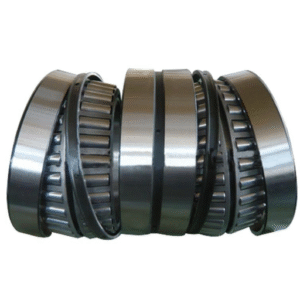
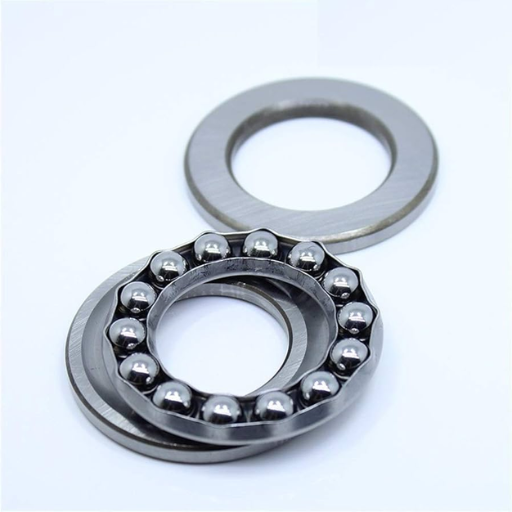
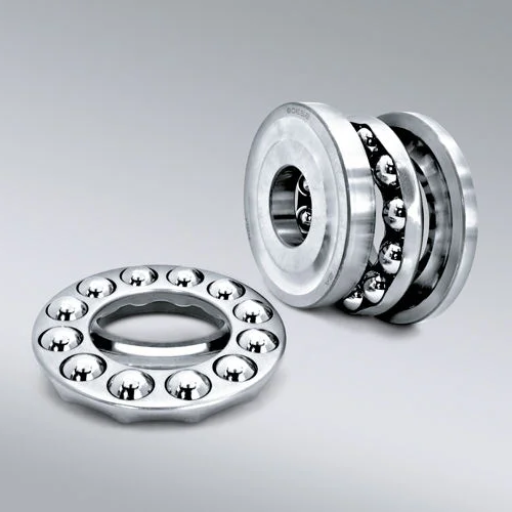
A ball bearing is a type of rolling-element bearing that minimizes friction between moving parts by using small spherical balls as the rolling elements. It consists of an inner ring, an outer ring, a set of balls, and a cage that evenly spaces the balls. When a load is applied, the balls rotate within their raceways, reducing friction and enabling smooth motion. Ball bearings are highly efficient in handling both radial and axial loads, making them versatile for applications ranging from automotive components to industrial machinery. The precision design of ball bearings ensures minimal energy loss and long operational life under appropriate conditions. If you are looking for more information about Single Row and Double Row Miniature Bearings go here right away
Exploring the Basics of Ball Bearings
Key Parameters and Insights for Ball Bearings
To further explore the fundamentals of ball bearings, several technical parameters are necessary to assess their performance and suitability for specific applications:
- Load Capacity
-
-
- Dynamic Load Rating (C): Reflects the bearing’s ability to endure varying loads during operation. Typically measured in kilonewtons (kN).
- Static Load Rating (Cₒ): Indicates the maximum load the bearing can support without permanent deformation. Specified in kN.
-
- Rotational Speed
-
-
- Limiting Speed: Maximum revolutions per minute (RPM) under permissible operating conditions, determined by bearing design, lubrication, and heat dissipation. Typical values range from a few thousand RPM for standard bearings to over 100,000 RPM for high-speed variants.
-
- Friction Coefficient
-
-
- Dependent on the bearing type, surface finish, material, and lubrication. Friction coefficients for ball bearings commonly range between 0.001 and 0.005.
-
- Operating Temperature
-
-
- Ball bearings function effectively within a defined temperature range, typically -30°C to 150°C, with specialized designs extending these limits.
-
- Precision Grade
-
-
- Bearings are categorized by international standards such as ABEC (Annular Bearing Engineers Committee) or ISO grades, ranging from low precision (ABEC 1/ISO 0) to high precision (ABEC 7 or higher/ISO 6 or better).
-
- Lubrication Type
-
-
- Grease or oil lubrication plays a critical role in minimizing wear and ensuring durability. Adequate selection depends on speed, load, and environmental conditions.
-
By understanding these parameters, selecting the correct ball bearing variant for a specific application becomes a systematic process, ensuring reliability and optimal functionality.
How Does a Ball Bearing Reduce Friction?
Ball bearings reduce friction by allowing smooth, low-resistance rolling motion between moving parts instead of direct sliding contact. The balls within the bearing minimize surface contact, significantly lowering frictional forces. Additionally, they distribute load evenly and prevent excessive wear, while proper lubrication further enhances efficiency and durability by reducing direct metal-to-metal contact.
Applications of Ball Bearings in Various Industries
Ball bearings are integral to a wide range of industries due to their ability to reduce friction, support radial and axial loads, and enable smooth rotational or linear motion. Below are some of the primary applications categorized by industry:
1. Automotive Industry
Ball bearings are widely used in the automotive sector, particularly in wheels, gearboxes, engines, electric motors, and steering mechanisms. For instance, wheel bearings withstand radial and axial loads from vehicle motion, while specialized angular contact ball bearings enhance performance in high-speed transmissions. Typical materials include hardened steel and ceramic hybrids for heat resistance and durability. Operating specifications often include high-speed capacity (e.g., 10,000 – 20,000 RPM) and temperature ranges from -20°F to 300°F, depending on the application.
2. Aerospace Industry
Precision engineering is critical in aerospace applications, where ball bearings must operate under extreme conditions. These bearings are used in jet engines, actuation systems, and navigation. Common characteristics include lightweight designs with corrosion-resistant materials such as stainless steel or ceramic. They adhere to strict standards such as AS9100 and typically feature low torque values to maintain fuel efficiency and high-speed capabilities (up to 30,000 RPM).
3. Industrial Machinery
Ball bearings are fundamental components in industrial equipment such as conveyors, pumps, compressors, and electric motors. They ensure smooth operation under high load and repetitive motion. Bearings used in this context often have a load capacity ranging from 1,000 lbs to over 20,000 lbs, with specific bearings like deep groove variants being highly popular for their ability to manage both radial and axial forces.
4. Renewable Energy
Wind turbines and solar equipment rely on ball bearings for reliability and minimal maintenance. For example, in wind turbines, ball bearings are essential for rotor shafts, pitch, and yaw systems. They must handle high loads while withstanding harsh environmental conditions. Typical parameters include a load rating in the range of 200 kN and operational lifespans exceeding 20 years under periodic maintenance.
5. Medical Devices
Ball bearings in the medical field are used in applications such as imaging equipment, surgical robots, and dental handpieces. These bearings are designed for low-noise operation, corrosion resistance, and biocompatibility in some instances. They often feature small diameters, high precision (ABEC 7 or 9 standards), and compatibility with FDA-compliant lubrication materials.
By integrating reliable ball bearings tailored to specific technical parameters, these industries achieve enhanced performance, efficiency, and durability in their systems and equipment.
What Makes a Single Row Bearing Different?

Single row bearings are distinct due to their design, which features a single row of rolling elements situated between the inner and outer rings. This configuration provides efficient load distribution while primarily accommodating radial loads, with limited capacity for axial loads. They are known for their simplicity, reduced friction, and high-speed performance, making them ideal for applications requiring minimal maintenance and compact designs. Additionally, their straightforward construction allows for ease of installation and cost efficiency compared to more complex bearing types.
Characteristics of Single Row Deep Groove Ball Bearings
Performance and Technical Parameters
Single row deep groove ball bearings exhibit several notable characteristics that make them highly versatile in various industrial applications:
- Load Capacity:
-
-
- Radial Load: These bearings are specifically designed to handle significant radial loads efficiently.
- Axial Load: Although optimized for radial loads, they also support axial loads in both directions, albeit with limited capacity.
-
- Speed Performance:
-
-
- These bearings are suitable for high-speed applications due to their low frictional torque and precise manufacturing tolerances.
-
- Material Construction:
-
-
- Typically constructed from high-grade steel (e.g., AISI 52100), ensuring durability and resistance to wear over extended operational periods.
-
- Operating Temperature Range:
-
-
- Standard models operate effectively between -30°C and 120°C, with certain variants accommodating higher temperatures using specialized lubricants or seals.
-
- Clearance and Tolerance:
-
-
- Available with standard clearances (e.g., C3 or C4) for different rotational speeds and thermal expansion conditions.
-
- Lubrication:
-
-
- Supplied pre-lubricated with grease or oil, minimizing maintenance demands while ensuring optimal performance over a wide range of speeds.
-
- Sealing Options:
-
-
- Offered with open, shielded (ZZ), or sealed (2RS) designs to prevent contamination and retain lubrication effectively.
-
By matching these parameters with operational requirements, single row deep groove ball bearings provide reliable performance, cost efficiency, and durability, catering to a broad spectrum of industries.
Advantages of Using Single Row Bearings
From my perspective, single row bearings are advantageous due to their versatility and efficiency. They accommodate both radial and axial loads, making them suitable for diverse applications. Their simple design ensures ease of installation and maintenance, while the low friction operation contributes to energy savings and extended service life. Additionally, these bearings are widely available in various sizes and configurations, catering to the demands of industries ranging from automotive to industrial machinery.
Comparing Single Row with Double Row Bearings
When evaluating single row versus double row bearings, it is essential to consider their structural differences and performance characteristics. Single row bearings are simpler in design and typically support lower load capacities compared to double row bearings. They are ideal for applications where space constraints and lighter loads are primary considerations. On the other hand, double row bearings provide significantly higher load-carrying capacity due to their two rows of rolling elements. This makes them suitable for applications requiring greater axial and radial load support.
Key technical parameters to consider include:
- Load Capacity:
-
-
- Single Row Bearings: Lower load capacity, typically sufficient for light radial and axial loads.
- Double Row Bearings: Higher load capacity, often accommodating moderate to heavy-duty loads.
-
- Axial and Radial Load Support:
-
-
- Single Row Bearings: Primarily optimized for radial loads.
- Double Row Bearings: Better balance of radial and axial load-handling capabilities.
-
- Space Requirements:
-
-
- Single Row Bearings: Compact dimensions, making them suitable for applications with limited space.
- Double Row Bearings: Larger overall dimensions due to the addition of a second row.
-
If operational conditions demand enhanced rigidity, durability under heavy loading, or dual-direction axial load capacity, double row bearings are generally the preferred choice. However, single row bearings remain advantageous for lower weight, reduced friction, and compact designs in less demanding environments. Selecting the appropriate bearing type should involve a thorough analysis of these parameters in alignment with application-specific requirements.
Why Choose Double Row Bearings?

Double row bearings are specifically designed to handle higher radial and axial loads compared to single row bearings, making them suitable for applications with demanding performance requirements. Their construction provides increased rigidity, allowing for better stability under heavy loads or high-speed operations. Additionally, they are ideal for scenarios that involve dual-direction axial loads, as their layout inherently supports balanced load distribution. These features make double row bearings a reliable choice for heavy machinery, automotive systems, and industrial applications where durability, precision, and load handling are critical.
Features of Double Row Deep Groove Ball Bearings
- High Load Capacity
Double row deep groove ball bearings can handle higher radial and axial loads as compared to their single-row counterparts. The presence of two rows of balls distributes the load more effectively, enhancing the bearing’s overall load-carrying capacity.
- Compact Design
Despite their ability to manage significant loads, these bearings maintain a compact design. This makes them suitable for applications where space constraints exist but high performance is still required.
- Improved Rigidity
The dual-row configuration offers increased rigidity, making them ideal for applications requiring minimal deflection under load, such as in precision machinery and heavy industrial equipment.
- Versatility
These bearings are versatile and used in various industries, including automotive systems, conveyors, and machine tools. Their ability to support radial and bi-directional axial loads makes them suitable for numerous configurations.
- Long Service Life
Engineered with high-grade materials and precision manufacturing, double row deep groove ball bearings ensure durability and reliability. Specialized designs may include seals or shields to reduce contamination and extend operational lifespan.
- Low Friction and Noise
The optimized ball-raceway contact and superior lubrication practices minimize friction and operational noise, contributing to efficient performance even under demanding conditions.
By incorporating these features, double row deep groove ball bearings provide robust and efficient solutions for complex engineering applications requiring high load handling, precision, and longevity.
Benefits of Double Row Bearings in Load Support
Double row deep groove ball bearings excel in load support due to their ability to handle higher radial and axial loads compared to single row bearings. This is achieved through their dual raceway construction, which effectively distributes force across a greater contact area, ensuring durability and stability under rigorous conditions. Additionally, these bearings reduce rotational friction, enhancing energy efficiency and operational precision. Their compact design and superior load-bearing capacity make them highly versatile, suitable for applications requiring reliability and performance in confined spaces or demanding environments. They are an optimal choice for extending service life while minimizing maintenance requirements.
Common Applications for Double Row Ball Bearings
Double row ball bearings are commonly employed in applications requiring high radial and axial load-carrying capabilities within compact spaces. Examples include:
- Automotive Industry:
-
-
- Wheel Hubs: Double row ball bearings are integral in wheel hub assemblies, providing stability under varying loads while maintaining smooth rotation.
- Transmissions: These bearings are used for their ability to handle combined loads efficiently under continuous operation.
-
- Industrial Machinery:
-
-
- Conveyor Systems: Their high durability and low maintenance requirements make them ideal for conveyor rollers in manufacturing and logistics settings.
- Electric Motors: Double row ball bearings contribute to precise alignment and reduced vibrations, ensuring consistent motor performance.
-
- Aerospace Applications:
-
-
- Landing Gear Components: They meet the requirements for reliability and compactness under extreme operational stresses.
- Avionics: Used in rotary systems where precision and stability are critical.
-
- Pumps and Compressors:
-
-
- These bearings are utilized for their ability to handle both axial and radial forces, ensuring smooth operation under various pressure conditions.
-
Technical Parameters:
- Load Capacity:
-
- Dynamic Load Rating (C): 25–250 kN (depending on size and application)
- Static Load Rating (C0): 15–180 kN
- Speed Capability:
-
- Grease Lubricated Speed: Up to 8,000 RPM
- Oil Lubricated Speed: Up to 12,000 RPM
- Material:
-
- Chrome Steel (Grade 52100) or Stainless Steel for corrosion resistance
- Operating Temperature Range:
-
- Standard Bearings: -30°C to 120°C
- High-Temperature Bearings: Up to 200°C (with specialized lubricant)
These technical specifications ensure that double row ball bearings meet the performance standards required in their respective applications, delivering reliability, efficiency, and longevity.
How Do Miniature Bearings Fit into Modern Machinery?
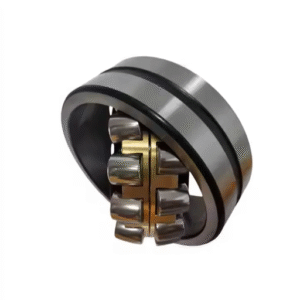
Miniature bearings play a crucial role in modern machinery by enabling precise motion control in compact designs. They are commonly used in devices where space constraints and high-performance requirements converge, such as medical equipment, robotics, and aerospace applications. These bearings reduce friction, support rotational or linear movement, and contribute to overall energy efficiency. Their precision engineering ensures smooth operation and longevity, even in high-speed or high-load environments, making them indispensable components in cutting-edge technology.
Understanding Miniature Ball Bearings
Miniature ball bearings are compact and highly precise components designed to reduce friction and facilitate smooth rotational or linear motion in restricted spaces. Their design includes an inner and outer race, balls, a cage, and often seals or shields to protect against contamination. These bearings are engineered to perform at high speeds and under varying loads while maintaining reliability and efficiency. They are integral in advanced applications like medical devices, robotic systems, and aerospace technology due to their ability to meet stringent performance and durability requirements.
Role of Miniature Bearings in Precision Engineering
Miniature bearings play a critical function in precision engineering by enabling smooth, efficient motion in high-accuracy mechanisms. These highly specialized components are designed to support loads while minimizing friction, ensuring consistent performance in compact systems where tolerances are exceptionally tight. Their use spans numerous fields, including robotics, aerospace, and medical devices, where precision, reliability, and durability are paramount. Due to their small size and superior material composition, they can operate efficiently even under high rotational speeds or in harsh environments. Miniature bearings are essential for optimizing energy efficiency and achieving the stringent accuracy demands of modern engineering applications.
Different Sizes and Variants of Miniature Bearings
Miniature bearings are manufactured in a wide range of sizes and variants to meet diverse application requirements. The most common sizes typically fall between inner diameters of 1mm to 10mm and outer diameters of 3mm to 30mm. These dimensions cater to industries requiring compact components with precise load-bearing capabilities. For instance, the 608 bearing, with a 22mm outer diameter and 7mm inner diameter, is popular in small machinery and equipment.
Variants of miniature bearings include deep groove ball bearings, thrust ball bearings, angular contact bearings, and miniature needle bearings. Each type provides unique benefits depending on the application. Deep groove ball bearings, known for their high load-carrying capacity and low operating friction, are ideal for high-speed, low-noise environments. Angular contact variants are designed to support combined radial and axial forces, making them suitable for precision machinery.
Specific technical parameters, such as accuracy classes and material composition, further differentiate variants. Miniature bearings often adhere to ISO tolerance classes P0, P6, or P5, ensuring precision in rotation. Materials include stainless steel for corrosion resistance, chrome steel for strength, and hybrid ceramic variants for lightweight, non-conductive applications and temperature resistance.
Additionally, these bearings can include specialized features like seals or shields to prevent contamination, lubrication retention to ensure smooth operation over time, and anti-friction coatings to enhance performance in demanding environments. This robust selection allows engineers to optimize performance and durability across a multitude of systems and conditions.
What Are the Material Options for Bearings?

Bearings are manufactured using a variety of materials, each selected for specific performance attributes and operating environments. Common material options include:
- Steel Alloys: High-carbon chrome steel is widely used for its strength, wear resistance, and ability to handle high loads. Stainless steel is preferred in corrosive or moisture-prone environments due to its enhanced corrosion resistance.
- Ceramics: Materials such as silicon nitride offer superior hardness, low density, and resistance to high temperatures and corrosion, making them ideal for high-speed or extreme-condition applications.
- Polymers: Lightweight and non-conductive, polymer bearings are used in applications requiring self-lubrication or resistance to chemicals and water.
- Composites: Engineered for durability, composites combine materials such as resin and fibers to deliver high strength and low friction in a variety of conditions.
- Bronze and Other Metals: Bronze bearings excel in low-speed, high-load applications and are often self-lubricating, making them suitable for equipment requiring minimal maintenance.
Selecting the appropriate material is critical to ensuring optimal bearing performance, longevity, and compatibility with operating conditions.
Comparing Steel to Stainless Steel in Bearings
When comparing steel to stainless steel in bearings, the key differences lie in their properties and recommended applications. Steel bearings, typically made from high-carbon chromium steel, offer superior hardness and high load-carrying capacity, which makes them ideal for applications with significant mechanical stress. However, they are prone to corrosion in humid or wet environments, necessitating proper lubrication or protective coatings.
On the other hand, stainless steel bearings are more resistant to corrosion due to their chromium content, making them highly effective in environments exposed to moisture, chemicals, or extreme temperatures. While stainless steel bearings are generally less hard and may not support as much load as their steel counterparts, their durability and resistance to degradation ensure reliable performance over time in challenging conditions. The choice depends on assessing the operational conditions, including load, speed, temperature, and potential exposure to corrosive elements.
Exploring Chrome Steel and Its Benefits
Chrome steel, known for its impressive hardness and wear resistance, is a preferred material in applications requiring precision and durability. Its high carbon content and chromium addition contribute to its exceptional strength and capability to handle significant loads. Additionally, chrome steel offers excellent dimensional stability, which is crucial in high-speed or high-precision environments. Commonly used in bearings, gears, and tools, it meets demanding operational standards.
Technical Parameters of Chrome Steel (AISI 52100):
- Hardness: Typically 60-67 HRC (Rockwell Hardness Scale) after heat treatment.
- Tensile Strength: Approximately 1,900–2,100 MPa.
- Operating Temperature Limit: Up to 150°C (302°F) in continuous operation.
- Density: ~7.81 g/cm³.
- Corrosion Resistance: Limited compared to stainless steel; requires protective lubrication in corrosive environments.
These properties make chrome steel ideal for high-load, high-contact stress applications, ensuring long-lasting performance in demanding conditions. The selection of materials should always align with the specific application requirements.
Choosing the Right Material for Your Bearings
When choosing the right material for your bearings, I consider factors like load capacity, operating temperature, and environmental conditions. Chrome steel is my go-to choice for its high hardness and load-carrying capability, but I keep in mind its limitations in corrosive environments. If corrosion resistance is critical, I opt for stainless steel due to its superior durability in moisture and chemical exposure. For advanced applications requiring lightweight, low-friction performance, ceramic materials serve as an optimal solution due to their exceptional wear resistance and thermal stability. My selection always aligns with the specific demands of the application to ensure optimal performance and longevity.
Reference Sources
- Differences Between Single Row and Double Row Ball Bearings – SLS Bearings Blog
- What’s the Difference Between Double and Single Row Bearings – IBT Inc.
- Single Row VS Double Row Ball Bearings – Lily Bearing
- Cylindrical Roller Bearings – Single Row, Double – MMB Bearings
- Differences Between Single Row and Double Row Ball Bearings – CWL Bearing
Frequently Asked Questions (FAQs)
Q: What are the main differences between SKF single row and double row miniature bearings?
A: SKF single row miniature bearings generally have a simpler design and are used for applications where space is limited. Double row bearings, on the other hand, can handle higher loads and provide better stability due to their additional row of balls.
Q: How does the contact angle affect the performance of row angular contact ball bearings?
A: The contact angle in row angular contact ball bearings determines how much axial and radial load the bearing can withstand. A larger contact angle allows the bearing to handle higher axial loads, while a smaller angle is more suited for radial loads.
Q: What materials are used in steel deep groove ball bearings, and why?
A: Steel deep groove ball bearings are typically made from high-quality steel to provide durability, corrosion resistance, and the ability to handle high loads. The steel material ensures the bearings are ideal for a wide range of applications.
Q: Why would one choose an NSK bearing over other brands like FAG or NKE?
A: NSK bearings are known for their precision and reliability. They have a strong reputation in the industry for producing durable and efficient bearings. Choosing NSK may be beneficial if precision, reduced friction, and longevity are key considerations for your application.
Q: Can SKF single row deep groove bearings be used in both radial and axial load applications?
A: Yes, SKF single row deep groove bearings are versatile and can handle both radial and moderate axial loads. This makes them suitable for a variety of applications.
Q: What is the importance of seal and rubber in miniature bearings?
A: Seals and rubber in miniature bearings are crucial for preventing contaminants from entering the bearing, thereby enhancing their life and performance. They also help retain lubrication within the bearing.
Q: How do you adjust axial clearance in double row angular contact ball bearings?
A: Axial clearance in double row angular contact ball bearings can typically be adjusted by altering the position of the outer or inner ring, ensuring that the bearing operates smoothly under load without excessive play.
Q: What are the standard metric sizes available for miniature bearings?
A: Common metric sizes for miniature bearings include diameters of 6mm, 7mm, 8mm, 10mm, 12mm, and 22mm. These sizes cater to a variety of applications where space constraints are a consideration.
Q: What is the role of the cage in a type of ball bearing?
A: The cage in a ball bearing serves to separate and maintain the optimal spacing between the balls, ensuring even load distribution and reducing friction and wear during operation.
Q: What should be considered when selecting the proper bearing for an application?
A: When selecting the proper bearing, consider factors such as load capacity, speed, temperature, environment (corrosion resistance), and space constraints. It is also important to consult with a reputable supplier or distributor to ensure the chosen bearing meets the application requirements.