


Roller bearings are critical components in mechanical systems, designed to handle high loads and reduce friction within rotating machinery. Among the most common types, cylindrical and tapered roller bearings each serve distinct purposes based on their design and application. Understanding the key differences between these bearings is essential for selecting the appropriate option for specific operational requirements, ensuring optimal performance, durability, and reliability in industrial applications.
This article will provide an in-depth comparison of cylindrical and tapered roller bearings, focusing on their structural differences, load-handling capabilities, operational advantages, and preferred usage scenarios. By exploring these aspects in detail, readers will gain a comprehensive understanding of how these bearings function and which factors should be considered when choosing between the two. Whether you’re a design engineer, maintenance professional, or simply curious about mechanical components, this overview will equip you with the knowledge needed to make informed decisions. If you are looking for more information about cylindrical vs. tapered roller bearings go here right away
What Are the Differences Between Roller Bearings?
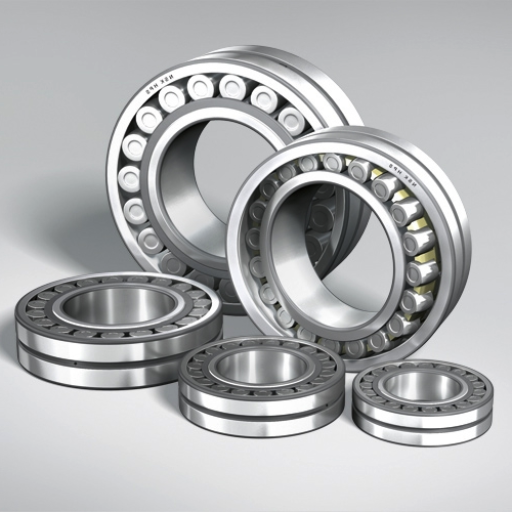
Roller bearings differ primarily in their design, load capacity, and applications. Cylindrical roller bearings use cylindrical rolling elements that allow them to handle high radial loads while maintaining low friction. Spherical roller bearings, on the other hand, are designed with spherical rolling elements and can accommodate both radial and axial loads, making them suitable for misaligned shafts. Tapered roller bearings are specifically designed to handle combined axial and radial loads due to their conical geometry. Finally, needle roller bearings feature thin, elongated rolling elements, which enable them to support high load capacities in applications with space constraints. The choice of roller bearing depends on operational requirements such as load type, speed, alignment considerations, and space availability.
Understanding Cylindrical Roller Bearings
Cylindrical roller bearings are engineered to handle high radial loads while accommodating limited axial loads, depending on the specific design. These bearings feature cylindrical rolling elements positioned between an inner and outer raceway, allowing for efficient load distribution and minimal friction. Available in various configurations (e.g., single-row, double-row, full-complement), cylindrical roller bearings are suitable for high-speed applications while maintaining precision and durability.
Key factors influencing their selection include the bearing’s ability to support heavy radial loads in limited axial load scenarios, compatibility with high-speed operations, and adaptability to thermal expansion, as the rolling elements allow for relative axial movement between the races. Common applications include electric motors, pumps, gearboxes, and heavy machinery, where both reliability and performance are critical.
Exploring Tapered Roller Bearings
Tapered roller bearings are engineered to support combined loads, including heavy radial and significant axial loads, making them highly versatile. Their design integrates tapered inner and outer ring raceways with tapered rollers, all arranged to converge at a single point on the bearing axis. This geometry allows for the efficient distribution of loads and precise alignment under demanding conditions.
These bearings are widely used in automotive applications, such as wheel hubs, as well as industrial machinery like conveyor systems and gearboxes. Key performance metrics include their ability to handle high thrust loads, accurate rolling motion, and resistance to wear under varying speeds and loads. Proper maintenance, including regular lubrication and alignment checks, is critical to maximizing their service life and preventing premature failure.
Comparing Ball Bearings and Roller Bearings
|
Key Point |
Ball Bearings |
Roller Bearings |
|---|---|---|
|
Load Type |
Primarily radial loads |
Handles both radial and axial loads |
|
Contact Area |
Point contact |
Line contact |
|
Friction Levels |
Lower friction |
Higher friction |
|
Speed Suitability |
Suitable for high-speed applications |
Moderate to low-speed applications |
|
Durability |
Less durable under heavy loads |
More durable under heavy loads |
|
Common Materials |
Steel, ceramic |
Steel, alloy |
|
Precision Applications |
Ideal for precision and high-speed rotation |
Suitable for robust applications |
|
Maintenance Frequency |
Lower maintenance required |
Higher maintenance required |
|
Typical Applications |
Motors, fans, and hard drives |
Gearboxes, axles, and industrial machines |
|
Cost |
Generally lower |
Generally higher |
How Do Cylindrical Roller Bearings Work?
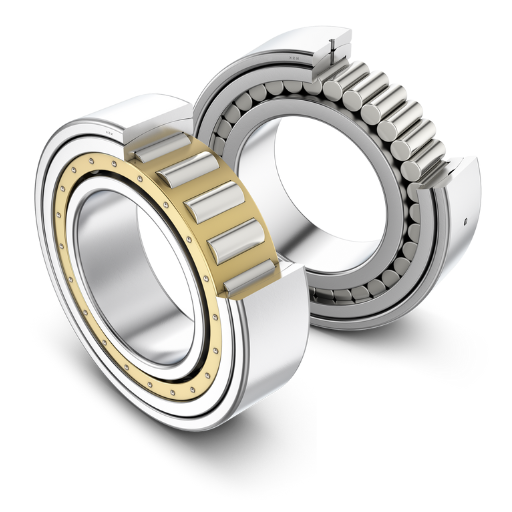
Cylindrical roller bearings function by using cylindrical rolling elements positioned between an inner and outer ring to distribute loads efficiently. Unlike ball bearings, they offer a larger contact surface, which significantly enhances their capacity to manage high radial loads while maintaining minimal friction. These bearings are ideal for applications involving high-speed rotation and heavy loads due to their low rolling resistance and robust performance. Additionally, their design allows for axial displacement in one direction, making them a preferred choice for applications requiring thermal expansion or shaft alignment adjustments in machinery.
The Role of Rolling Elements in Cylindrical Bearings
Rolling elements in cylindrical bearings play a crucial role in facilitating motion while minimizing friction and supporting radial loads. From a technical perspective, these elements are typically cylindrical rollers that are precision-engineered to provide uniform load distribution and high efficiency. Their design ensures reduced contact stress and allows for both high-speed performance and load-carrying capacity.
Key parameters to consider include:
- Outer Diameter (OD) and Length-to-Diameter Ratio of the rollers, which directly influence the load capacity and stiffness.
- Material Specifications, such as through-hardened or case-hardened steel grades (e.g., 100Cr6 or equivalent), to ensure durability under stress.
- Radial Clearance and Dimensional Tolerance, defining the smoothness of operation and alignment precision.
- Maximum Rotational Speed, determined by the roller surface quality and lubrication system.
Optimal bearing performance relies on the combination of precise rolling element geometry, material quality, and compatibility with the operating environment. By paying close attention to these factors, we can design cylindrical bearings tailored to specific industrial applications.
Impact of Radial Load on Performance
Radial load significantly influences the performance and lifespan of cylindrical bearings. When subjected to radial forces, the load distribution across the rolling elements becomes a critical determinant of operational efficiency. Excessive radial loads can lead to deformation of the bearing components, increasing friction and wear, which accelerates fatigue. Proper load distribution is crucial; under uneven or misaligned conditions, specific rolling elements may bear disproportionate stress, leading to localized damage such as spalling.
To optimize performance, selecting a bearing rated for the expected radial load is essential. The material composition, lubrication, and housing design must also accommodate these forces to ensure operational stability. Additionally, monitoring operating conditions and implementing appropriate maintenance practices can mitigate load-induced degradation, extending the service life of the bearing and preventing failures in high-stress applications.
Analyzing Bearing Capacity and Applications
Bearing capacity is determined by evaluating several critical technical parameters, including dynamic load rating (C), static load rating (C₀), and fatigue load limits. These parameters are essential for proper application and performance analysis. The dynamic load rating (C) refers to the constant load a bearing can endure for a calculated number of revolutions, usually one million revolutions (per ISO 281 standards). For instance, ball bearings typically have dynamic load ratings ranging from 5 kN for smaller bearings to over 400 kN for larger industrial bearings.
Static load rating (C₀), on the other hand, represents the maximum static force the bearing can withstand without significant permanent deformation, typically measured in kilonewtons (kN). For high-precision applications, it is critical to ensure the C₀ value exceeds the maximum expected load. Another key parameter, fatigue load limit, predicts the endurance of a bearing under fluctuating loads, helping engineers design systems with minimized risk of early fatigue failure.
Applications of bearings depend on matching these capacity parameters with the working conditions, including speed, temperature, and lubrication. For example, high-speed environments like electric motors require bearings with low friction coefficients and precise tolerances. Conversely, heavy machinery, such as in construction or mining, demands bearings with high static and dynamic load tolerances and enhanced durability coating materials like chrome steel or ceramic composites.
By analyzing these parameters and corresponding technical specifications, engineers can ensure proper bearing selection tailored to specific operational requirements, improving efficiency while mitigating risks associated with improper load capacity alignment.
Why Choose Tapered Roller Bearings?
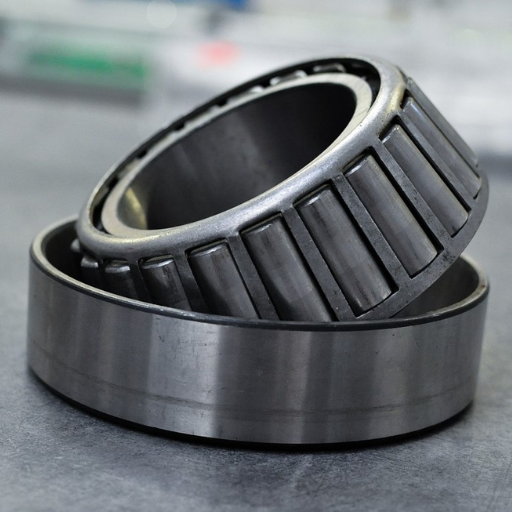
Tapered roller bearings are an optimal choice due to their ability to handle combined radial and axial loads with exceptional efficiency. Their design features tapered inner and outer ring raceways, which align with the tapered rollers, allowing the load to be evenly distributed across the contact surfaces. This results in reduced friction, enhanced load-carrying capacity, and improved performance under high-stress conditions. Furthermore, their durability and precision make them well-suited for demanding applications such as automotive axles, industrial machinery, and heavy equipment where reliability is critical.
Benefits of Radial and Axial Loads Management
Radial and axial loads management provides several critical benefits that ensure optimal performance and longevity of mechanical systems. By effectively distributing these loads across bearings, friction is minimized, leading to less wear on components and a significant reduction in maintenance requirements. Additionally, managing these loads enhances the stability and precision of systems, which is vital for high-speed and high-load applications. This capability is particularly important in industries such as automotive, manufacturing, and heavy machinery, where consistent reliability and efficiency are paramount.
The Importance of Tapered Rollers and Their Design
Tapered rollers are integral to the design of bearings used in applications requiring high load capacities and precise motion. Their conical geometry efficiently distributes both radial and axial loads, ensuring robust performance under heavy-duty conditions. The design specifically allows the contact angle between the rollers and the bearing raceway to manage combined loads while minimizing friction, ultimately contributing to operational efficiency and extended lifespan.
Furthermore, tapered roller bearings are highly customizable, with variations in size, material composition, and lubrication options available to meet specific industrial needs. This versatility makes them essential in sectors such as automotive, where they support critical components like wheel hubs, gear systems, and transmissions, as well as in heavy machinery, where load reliability and durability are non-negotiable. Their precision engineering enables reduced vibration and noise, which enhances system performance and overall safety.
Applications in Machinery and Heavy Industries
Bearings play a critical role in machinery and heavy industries by ensuring the efficient transfer of motion and load with minimal friction. Common applications include conveyor systems, turbines, pumps, and earthmoving equipment. Depending on the operational requirements, selecting the right bearing involves key technical parameters such as load capacity, rotational speed, temperature resistance, and lubrication type.
- Load Capacity: Bearings must support dynamic and static loads. For instance, heavy-duty applications may require bearings with a load capacity exceeding 200 kN to handle high stress reliably.
- Rotational Speed: High-speed machinery, such as turbines, often demands bearings rated up to 10,000 RPM or more to maintain operational stability.
- Temperature Resistance: Bearings in heavy industries are frequently subjected to extreme temperatures, ranging from -20°C to 150°C or higher, necessitating heat-resistant materials and advanced lubrication systems.
- Lubrication: Proper lubrication minimizes wear and ensures longevity. Grease or oil-based lubricants are selected based on the operating environment and expected maintenance intervals.
- Durability: For prolonged life under demanding conditions, bearings for heavy machinery are often constructed from hardened steel or ceramic materials, ensuring resistance to wear and potential deformation.
Understanding these parameters ensures the correct bearing solution is implemented, optimizing performance and reducing the risk of mechanical failure.
What are the Key Types of Roller Bearings Available?
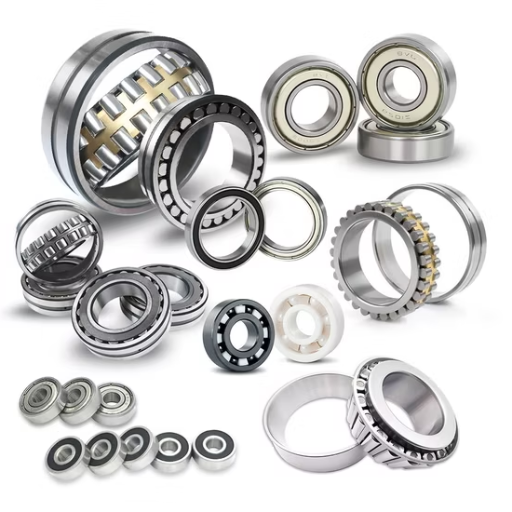
Key Types of Roller Bearings
- Cylindrical Roller Bearings: Designed to manage high radial loads, these bearings offer low friction and are suitable for high-speed applications. They are commonly used in motors, generators, and gearboxes.
- Spherical Roller Bearings: Capable of handling both radial and axial loads, these bearings are self-aligning and ideal for applications where shaft misalignment is present, such as in conveyor systems and heavy machinery.
- Tapered Roller Bearings: Engineered to accommodate combined loads (both radial and axial), these bearings are widely used in automotive applications like wheel hubs and axle systems.
- Needle Roller Bearings: Characterized by their small, cylindrical rollers, these bearings are used in applications where space is limited and moderate to heavy radial loads are present, such as transmissions and hydraulic pumps.
- Thrust Roller Bearings: Designed to support axial loads, these bearings are suitable for applications in which high thrust forces occur, such as in crane hooks and turntables.
Each type of roller bearing is specifically engineered to meet the demands of particular applications, ensuring optimal performance and reliability.
Exploring Spherical Roller Bearings
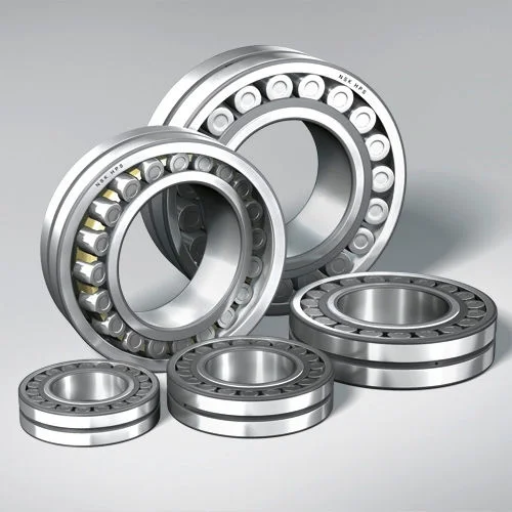
Spherical roller bearings are precision-engineered components designed to handle high radial and axial loads while compensating for shaft misalignment. These bearings consist of an inner ring with two raceways, an outer ring with a spherical raceway, and a series of barrel-shaped rolling elements. The design enables them to self-align, making them highly effective in applications where shaft deflection or mounting errors might occur.
These bearings are commonly used in demanding industrial environments, including heavy machinery, mining, paper mills, and wind turbines. Their ability to operate under harsh conditions, such as high temperatures and contaminated environments, is further enhanced by advancements in materials and lubrication techniques. Available in various designs, such as standard, sealed, or split types, spherical roller bearings provide flexibility to meet specific operational requirements across industries, ensuring durability and enhanced performance.
Understanding Needle Roller Bearings
Needle roller bearings are a specialized type of rolling element bearing, characterized by their slender cylindrical rollers. These bearings are designed to handle high radial loads in compact spaces, making them ideal for applications where weight and size constraints are critical. Their unique design allows for efficient load distribution and reduced friction, particularly in high-speed or oscillatory conditions. Industries such as automotive, industrial machinery, and aerospace commonly utilize needle roller bearings for their robustness and ability to accommodate misalignments. Proper lubrication and maintenance are vital to ensuring their longevity and optimal performance.
The Role of Thrust Bearings in Load Management
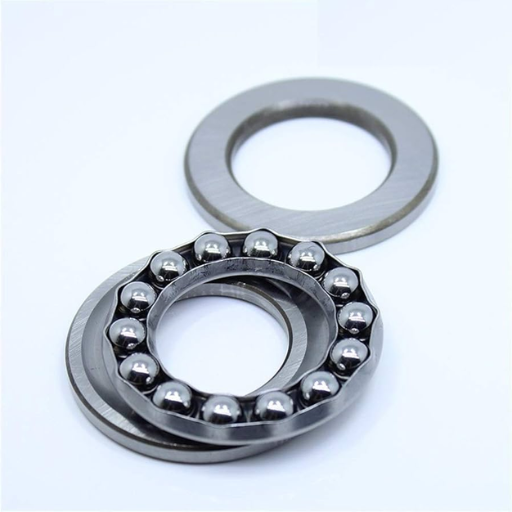
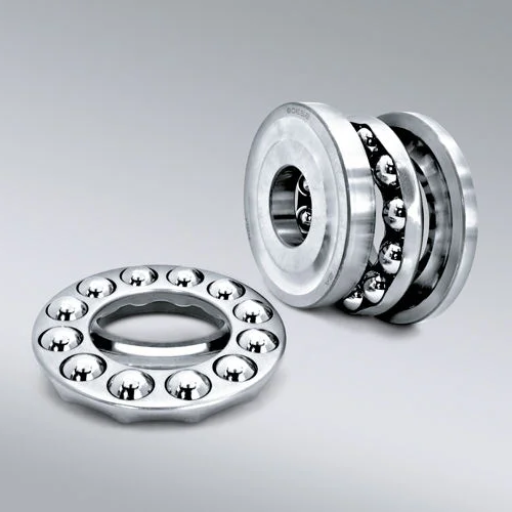
Thrust bearings are critical components engineered to handle axial loads, ensuring smooth rotational or linear motion in machinery. They are specifically designed to support forces applied parallel to the axis of rotation, offering stability and minimizing wear in systems subjected to significant thrust loads. Common types include ball thrust bearings, cylindrical thrust bearings, and tapered roller thrust bearings, each suited to specific operational requirements. Key applications include automotive transmissions, turbines, marine propulsion systems, and heavy-duty industrial equipment. Proper material selection, surface finish, and lubrication determine their efficiency and longevity. Advanced designs, such as those incorporating ceramic or hybrid elements, further enhance performance by reducing weight and friction, particularly in high-speed or high-temperature environments.
How to Choose between Radial Roller Bearings and Others?

When choosing between radial roller bearings and other types of bearings, several critical factors must be considered. Radial roller bearings are specifically designed to handle radial loads effectively and are ideal for applications requiring high load capacity and robust performance under heavy stress. If the application involves significant axial loads in addition to radial loads, angular contact or thrust bearings may be a better fit. Additionally, environmental factors such as operating temperature, contamination exposure, and speed requirements play a vital role in the selection process. Cost considerations and maintenance needs should also be weighed to ensure the chosen bearing aligns with the operational demands and lifecycle expectations of the system.
Evaluating Friction and Efficiency
When assessing friction and efficiency in bearing systems, it is crucial to consider several interrelated factors. Friction levels in bearings are directly influenced by the type of bearing (e.g., ball, roller, or plain), lubrication method, load profiles, and operating speed. Low-friction bearings, such as ball bearings, are often preferred for high-speed applications to minimize energy loss and heat generation. However, these may be less suitable for applications requiring higher load capacities where roller bearings excel.
Efficiency is closely tied to the friction characteristics of the bearing system. Proper lubrication is essential to reducing friction and enhancing efficiency, with grease being more suitable for contaminated environments and oil providing superior cooling in high-speed operations. External factors like operating temperature and contamination levels must be controlled, as they impact both friction characteristics and long-term performance.
Ultimately, selecting the optimal bearing for a system requires balancing frictional losses, load support, and operational efficiency. Detailed calculations and referencing manufacturer specifications can aid in deriving the best solution for minimizing wear and maximizing system reliability.
Determining Suitable Types of Bearings for Your Needs
When determining the most suitable type of bearing for my needs, I begin by clearly defining the application requirements, such as load type (radial, axial, or a combination), operating speeds, and environmental conditions like temperature and potential exposure to contaminants. I then consider whether the application demands high precision or standard-level performance to narrow down the options.
After establishing these parameters, I compare the available bearing types—such as ball bearings, roller bearings, or plain bearings—by evaluating their unique characteristics. For example, ball bearings are ideal for lower friction and high-speed operations, while roller bearings handle heavier loads effectively. Lastly, I consult manufacturer catalogs and industry standards to validate my choice, ensuring compatibility with the system’s performance goals and maintenance considerations. By carefully assessing these factors, I make an informed, application-specific decision.
Reference Sources
- Basic knowledge of tapered roller bearings and cylindrical roller bearings – Spark Bearing
- The difference between tapered roller bearings and cylindrical roller bearings – CF Bearing
- What Are the Differences Between Bearings? – Koyo JTEKT
- Cylindrical and Tapered Roller Bearings – Pace Bearings
- Difference Between Roller Bearing And Cylindrical Roller Bearings – NBC Bearings
Frequently Asked Questions (FAQs)
Q: What are the main differences between cylindrical and tapered roller bearings?
A: The primary difference between cylindrical and tapered roller bearings lies in their design and function. Cylindrical roller bearings feature rollers that are perpendicular to the bearing rings, allowing them to support high radial loads. Tapered roller bearings, on the other hand, have tapered rollers and raceways, which enables them to handle both radial and high axial loads.
Q: How do the shapes of the rollers affect the performance of these two types of bearings?
A: The shape of the rollers significantly affects performance. Cylindrical rollers provide a large contact area with the outer ring raceway, ideal for high radial load capacity. Tapered rollers, with their conical shape, engage both the axial and radial loads efficiently, which makes them suitable for applications requiring combined load support.
Q: Why are tapered roller bearings widely used in wheel bearings?
A: Tapered roller bearings are widely used in wheel bearings because their design allows them to accommodate both radial and high axial loads, which are common in automotive applications. This capability ensures durability and reliability in supporting the vehicle’s weight and handling cornering forces.
Q: Can cylindrical roller bearings handle axial loads effectively?
A: Cylindrical roller bearings typically support radial loads better than axial loads due to their perpendicular roller orientation. However, they can handle some axial load if designed with specific features, such as a flange on the bearing rings.
Q: What are the benefits of using double row tapered roller bearings?
A: Double row tapered roller bearings provide enhanced load capacity and stiffness compared to single row designs. They can accommodate higher radial and axial loads, making them suitable for heavy-duty applications where durability and performance are critical.
Q: How do cylindrical roller bearings and needle bearings differ?
A: Cylindrical roller bearings have rollers with a larger diameter and length compared to needle bearings, allowing them to support higher radial loads. Needle bearings, with their slender rollers, are suitable for applications with limited radial space but requiring high load capacity.
Q: What are the typical applications for cylindrical roller bearings?
A: Cylindrical roller bearings are used in applications requiring high radial load capacity, such as electric motors, gearboxes, and pumps. Their ability to support heavy loads and accommodate shaft misalignment makes them versatile for various industrial uses.
Q: How does the length of the roller affect bearing performance?
A: The length of the roller impacts the load distribution and capacity of the bearing. Longer rollers provide a greater contact area with the raceway, increasing the bearing’s load capacity. However, it can also affect the bearing’s ability to compensate for misalignment.
Q: Are tapered roller bearings separable?
A: Yes, tapered roller bearings are separable, meaning the inner ring with the roller and cage assembly can be mounted separately from the outer ring. This feature facilitates easier installation and maintenance in various applications.