


When it comes to mechanical systems, bearings play a critical role in ensuring smooth operation, reducing friction, and sustaining loads. Choosing the correct bearing for a specific application is not merely a technical decision but a foundational one that can significantly affect the efficiency, reliability, and longevity of the machinery. This guide aims to provide a detailed framework for understanding the various factors involved in selecting the ideal bearing.
This article is going to touch on the main classifications of bearings, their uses, and practical aspects like load limits, speed, and environment. We will also discuss how important the choice of material is, along with lubrication, interferometric mounting, and other performance aspects. After reading this guide, you will understand how to tailor a bearing solution that best balances operational efficiency and service life in relation to your application’s specific requirements.
How Do I Choose the Correct Type of Bearing?

Factors to Consider in Selecting the Right Bearing
Choosing the correct type of bearing begins with a thorough analysis of the application requirements. Key considerations include:
- Load Type and Magnitude – Determine whether the bearing will predominantly handle radial, axial, or a combination of both loads, as this dictates whether a ball, roller, or thrust bearing is most suitable.
- Speed Requirements – Evaluate the rotational speed of the application, as specific bearing types are designed to perform optimally within defined speed ranges.
- Environmental Conditions – Assess the operating environment, including temperature, moisture, contaminants, and exposure to chemicals, as these factors can impact bearing material and sealing requirements.
- Material Selection – Choose a bearing constructed from materials compatible with the operating conditions to ensure longevity and resistance to wear or corrosion.
- Space Constraints – Factor in the physical dimensions of the application, ensuring the bearing selected fits within the design specifications without compromising functionality.
- Lubrication Needs – Understand the lubrication requirements for the bearing to minimize friction and wear, opting for grease or oil lubrication depending on the application.
- Expected Lifespan and Maintenance – Take into account the bearing’s durability and the ease of maintenance, aligning with the application’s operational demands and downtime constraints.
By systematically addressing these variables, the most appropriate bearing type can be selected to ensure reliable performance, minimize system failures, and maximize efficiency. If you are looking for more information about how do i know which bearing to use go here right away
Understanding Different Bearing Types
Bearings come in various designs, each suited for specific applications based on load, speed, and operational environment. Below is a concise breakdown of the most common bearing types:
- Ball Bearings
Ball bearings are highly versatile and designed to handle both radial and axial loads. They are prevalent in applications requiring high-speed performance and minimal friction, such as in electric motors, fans, and precision instruments. However, their ability to handle heavy loads is limited compared to other bearing types.
- Roller Bearings
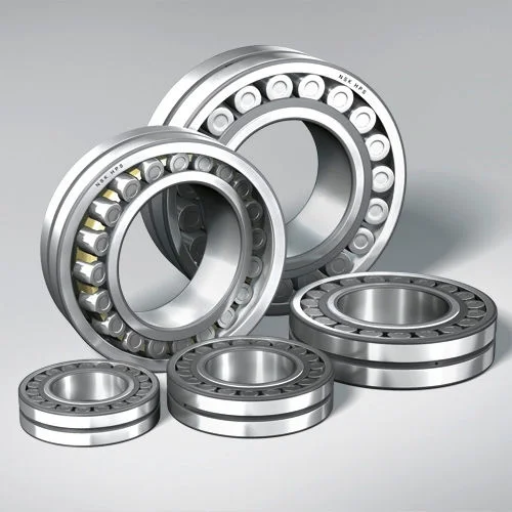
Roller bearings include cylindrical, spherical, and tapered designs, making them ideal for applications with heavier radial loads and moderate speeds. Their larger contact area increases load capacity but may lead to higher friction under axial loads. Common applications include conveyor belt rollers, gearboxes, and heavy-duty machinery.
- Needle Bearings
A subtype of roller bearings, needle bearings feature long, thin rollers, which maximize load capacity while minimizing overall footprint. They are well-suited for applications with space constraints, such as automotive transmissions and pump joints.
- Thrust Bearings
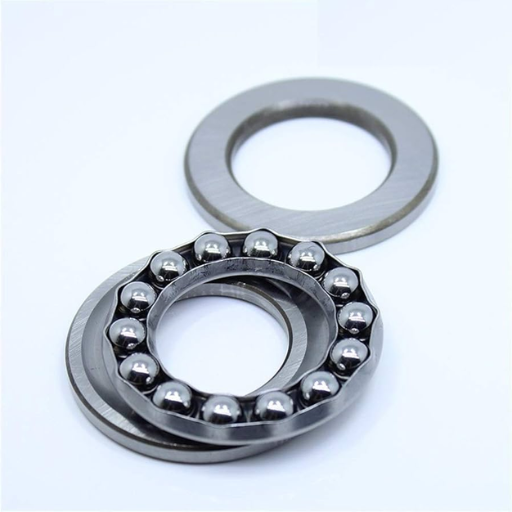
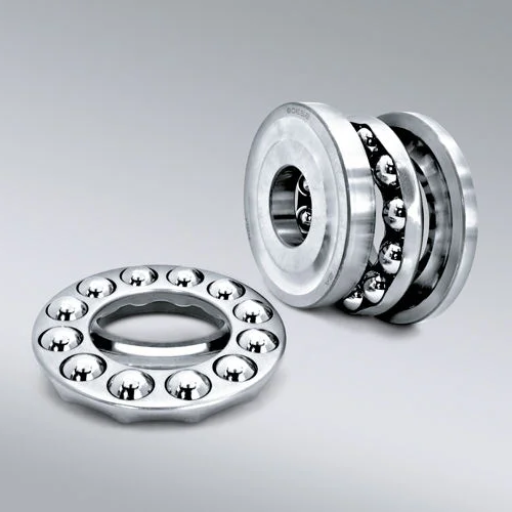
Thrust bearings are engineered to handle axial loads exclusively. These bearings, including their ball and roller variants, are often used in applications like turntables, cranes, and automotive steering systems, where axial force predominates.
- Plain Bearings
These bearings rely on sliding motion rather than rolling and are typically used in applications requiring cost-efficiency and simplicity, such as agricultural equipment or low-speed rotating devices. They can also operate without lubrication in some cases, making them ideal for high-temperature or corrosive environments.
By selecting the appropriate bearing type based on operational factors such as load, speed, and environmental conditions, engineers can optimize equipment performance and longevity while reducing the risk of component failure.
Factors to Consider When Choosing a Bearing Type
When choosing a bearing type, I consider several critical factors to ensure optimal performance and reliability. First, the load type and capacity are essential; I evaluate whether the bearing needs to handle radial, axial, or combined loads and select a design capable of supporting the expected forces. Second, I review the operational speed since higher speeds typically require bearings with specific designs to minimize friction and heat generation. Finally, environmental conditions play a pivotal role; I assess factors such as temperature, moisture, contamination, and potential exposure to corrosive substances to determine the materials and sealing solutions best suited for the application. These considerations guide me in selecting a bearing that effectively balances durability, efficiency, and cost.
Comparing Roller Bearing and Ball Bearing Options
|
Parameter |
Roller Bearings |
Ball Bearings |
|---|---|---|
|
Load Capacity |
High; supports radial and axial loads |
Moderate; primarily radial loads |
|
Speed Capability |
Lower due to rolling resistance |
Higher with efficient rotation |
|
Durability |
Robust for heavy-duty applications |
Less durable under heavy loads |
|
Friction Level |
Moderate; greater rolling resistance |
Low; minimal contact friction |
|
Alignment Tolerance |
Less tolerant to shaft misalignment |
Better tolerance to shaft misalignment |
|
Application Suitability |
Heavy machinery, conveyors, trains |
Pumps, electric motors, medical devices |
|
Maintenance Requirements |
Higher; often needs regular lubrication |
Lower; reduced maintenance needs |
|
Cost |
Generally higher for heavy-duty models |
Cost-effective for light applications |
|
Noise Levels |
Higher under certain conditions |
Quieter operation at high speeds |
|
Lifespan |
Longer in harsh environments |
Shorter for extreme conditions |
What Are the Key Considerations for Bearing Size?
Selecting the appropriate bearing size involves evaluating several critical factors to ensure efficient performance and reliability. First, the load capacity—both dynamic and static—must match the expected operational demands, including axial and radial forces. Second, the speed at which the bearing will operate can influence size, as larger bearings may accommodate slower speeds better, while smaller bearings might be required for high-speed applications. Third, the shaft and housing dimensions must align with the bearing size to avoid improper fitting or misalignment. Additionally, lubrication effectiveness is tied to bearing size, as larger bearings often require specific lubrication strategies to reduce friction and wear. Lastly, thermal considerations are crucial, as oversized bearings may retain excess heat, affecting operational efficiency, while undersized bearings risk premature failure under load. Each parameter must be analyzed in the context of the application’s specific requirements.
How to Measure a Ball Bearing Size
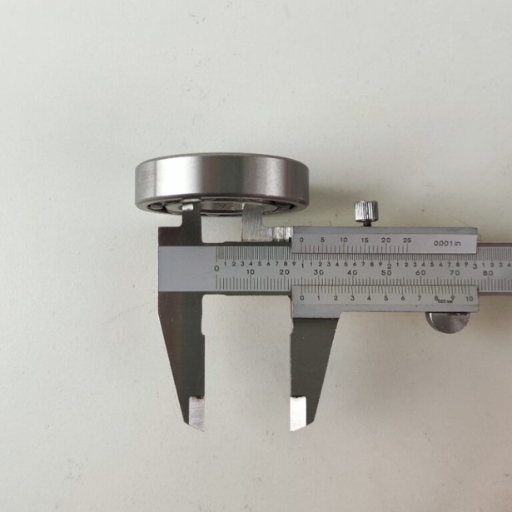
To accurately measure a ball bearing’s size, I begin by determining three key dimensions using a precise measuring tool like a vernier caliper. First, I measure the inner diameter (bore size) by placing the caliper’s jaws inside the bearing hole and recording the result. Next, I measure the outer diameter by positioning the caliper around the widest point of the bearing. Finally, I determine the width (or height) of the bearing by measuring its side profile. These measurements are critical for ensuring a proper fit and compatibility with the intended application. Accurate measurement is essential to avoid issues such as misalignment, wear, or operational inefficiencies.
The Impact of Bearing Size on Performance
Bearing size directly influences the performance, efficiency, and lifespan of machinery. Larger bearings typically offer higher load-carrying capacity due to their increased contact area, making them suitable for heavy-duty applications. However, they may introduce challenges such as higher friction and reduced speed capabilities. Conversely, smaller bearings are ideal for high-speed operations and compact designs but may not withstand significant loads.
Key Technical Parameters to Consider:
- Load Rating (Dynamic and Static): Larger bearings generally feature higher dynamic and static load ratings, measured in kN, which define the bearing’s capacity to handle forces during operation and at rest.
- Speed Limit: The rotational speed (in RPM) decreases with an increase in size due to higher frictional resistance and heat generation.
- Clearance and Fit: Larger bearings may require precise tolerances for proper alignment and load distribution to minimize wear.
- Lubrication Requirements: Bearing size dictates the volume and type of lubrication needed to mitigate heat and friction effectively.
The selection of the appropriate bearing size must balance factors such as load, speed, system constraints, and environmental conditions to achieve optimal performance and reliability.
Choosing the Right Bearing Size for Your Needs
When choosing the right bearing size for your needs, I focus on a combination of load requirements, operational speed, and the specific conditions of the application. First, I assess the load—both radial and axial—to determine what the bearing must support under normal and peak conditions. Next, I consider the rotational speed, ensuring the selected bearing can withstand the RPM without compromising performance. I also evaluate environmental factors, such as temperature extremes, exposure to moisture or contaminants, and the space constraints within the system. Balancing these factors helps me identify the most efficient and reliable bearing size to ensure optimal operation and longevity.
How to Determine the Load Capacity of a Bearing?
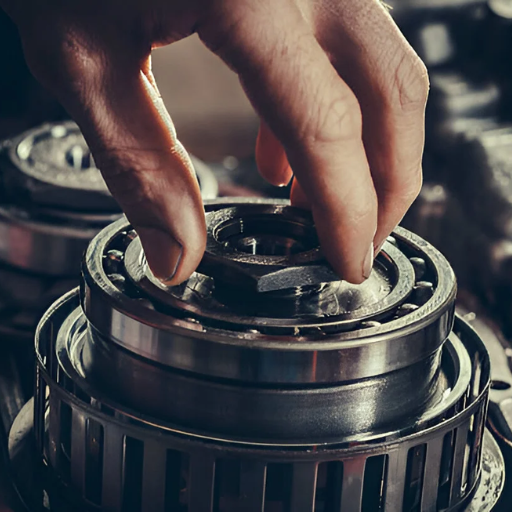
To determine the load capacity of a bearing, it is essential to analyze both the dynamic and static load ratings provided by the manufacturer. The dynamic load rating indicates the maximum load the bearing can endure during continuous operation, while the static load rating reflects its ability to withstand stationary loads without deformation. Calculations involve evaluating the forces acting on the bearing, including radial and axial loads, and comparing these forces against the bearing’s specified limits. Additionally, factors such as load direction, operating speed, and lubrication quality must be considered to ensure the bearing performs within its capacity.
Understanding Radial and Axial Loads
Radial loads act perpendicular to the rotational axis of the bearing, while axial loads act parallel to this axis. To assess a bearing’s suitability for a given application, it is crucial to calculate both load components and compare them with the bearing’s rated capacities. Radial load capacity is typically specified in units of force (e.g., Newtons or pounds), and it represents the maximum load the bearing can sustain perpendicular to its shaft. Similarly, axial load capacity defines the maximum parallel force the bearing can handle.
Key Technical Parameters to evaluate radial and axial loads include:
- C (Dynamic Load Rating): The maximum radial load that a bearing can endure under constant rotation (measured in Newtons or pounds).
- Co (Static Load Rating): The load a stationary bearing can withstand without excessive plastic deformation.
- Fa (Axial Force): The calculated axial load acting parallel to the bearing’s axis.
- Fr (Radial Force): The calculated radial load acting perpendicular to the axis.
- Speed Factor: Influences load ratings as higher rotational speeds can generate additional forces due to inertia.
- Lubrication and Alignment: Improper lubrication or misalignment may reduce a bearing’s effective load capacity.
When determining load distribution, it is essential to account for the application’s specific demands—whether the load is constant, variable, or dynamic—and ensure the selected bearing operates well within its rated capacities for reliable and efficient performance.
Calculating Load Capacity for Different Bearings
To calculate the load capacity for bearings, it is imperative to consider several critical factors, including bearing type, load type, and operational conditions. The basic dynamic load rating (C) is a common parameter used, which represents the constant radial load a bearing can endure for one million revolutions. This rating is provided by bearing manufacturers and serves as a fundamental reference.
For radial bearings, the formula to determine dynamic equivalent radial load (P) is:
P = XFr + YFa
Where:
- Fr = Radial load (N)
- Fa = Axial load (N)
- X, Y = Load coefficients based on the bearing type and internal design.
The static load capacity (C₀), on the other hand, is used for situations where bearings experience stationary loads or shock loads. It provides the maximum load that the rolling elements and raceways can sustain without experiencing permanent deformation.
For accurate calculations, it is essential to factor in operational variables such as speed, lubrication, and environmental conditions, as these can influence load distribution and bearing lifespan. Tools such as software provided by bearing manufacturers or standardized calculation methods, like those outlined in ISO 281, are often employed for precise analysis to ensure optimal performance and reliability in practical applications.
Matching Load Capacity with Bearing Type
Selecting the appropriate bearing type for a given load capacity is contingent on several critical factors, including the intensity and direction of the load (radial, axial, or combined), operating speeds, and environmental conditions. For radial loads, deep groove ball bearings or cylindrical roller bearings are often preferred due to their ability to handle high radial forces effectively. Conversely, for axial loads or applications requiring axial alignment, thrust bearings or tapered roller bearings are better suited.
Hybrid bearings, such as angular contact bearings, are ideal for combined load scenarios as they can manage both axial and radial forces simultaneously. It is crucial to assess operational requirements, including load dynamics and fatigue limits, to avoid overloading or underutilizing the bearing. Advanced industry tools, such as dynamic load rating calculators provided by manufacturers, or adhering to standards such as ISO 76 and ISO 281, ensure the selected bearing meets the application’s performance criteria.
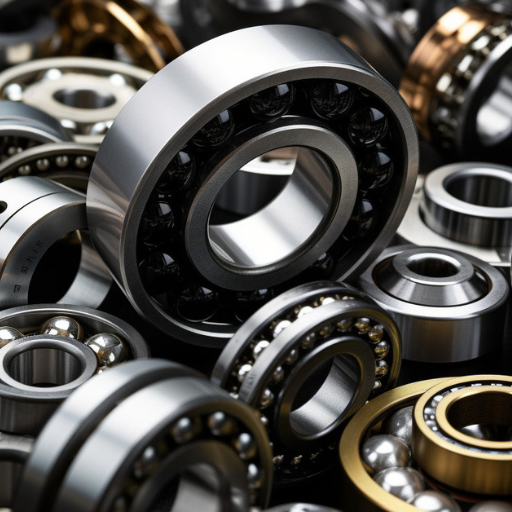
What Are the Differences Among Cylindrical, Tapered, and Spherical Roller Bearings?
|
Key Parameter |
Cylindrical Roller Bearings |
Tapered Roller Bearings |
Spherical Roller Bearings |
|---|---|---|---|
|
Roller Shape |
Cylindrical |
Conical |
Barrel-shaped |
|
Load Capacity |
High radial load |
Combined radial and axial load |
High radial and misalignment load |
|
Axial Load Capability |
Limited |
High |
Moderate |
|
Self-Alignment |
No |
No |
Yes |
|
Application |
Motors, gearboxes |
Automotive, machinery |
Heavy-duty equipment |
|
Misalignment Tolerance |
Low |
Low |
High |
|
Friction Levels |
Moderate |
Higher than cylindrical |
Higher than cylindrical |
|
Speed Capability |
High |
Moderate |
Moderate |
|
Durability Under Shock Loads |
Moderate |
High |
Very high |
|
Common Materials |
Steel, alloy steel |
Steel, alloy steel |
Steel, chrome steel |
Exploring Cylindrical Roller Bearing Features
Cylindrical roller bearings are designed to accommodate high radial loads and moderate thrust loads while delivering consistent performance. Their cylindrical rolling elements allow for low friction and high radial stiffness, making them ideal for applications requiring precise alignment and high-speed operation. Key features include:
- Load Carrying Capacity: Cylindrical roller bearings can support heavy radial loads due to their line contact design, which ensures even load distribution across the rolling elements.
- High-Speed Capability: With minimized internal friction and optimized cage design, they perform efficiently at high rotational speeds, typically up to 300,000 dN (dN = bore diameter in mm × rotational speed in RPM).
- Modularity and Configurations: Available in single-row, double-row, and multi-row configurations, they offer flexibility for various industrial needs. For example, single-row bearings prioritize speed, while double-row designs enhance load capacity and rigidity.
- Misalignment Tolerance: These bearings have limited tolerance for angular misalignment, generally not exceeding 4 arc minutes, meaning they are best suited for applications with well-aligned shafts.
- Size and Dimensional Standards: Cylindrical roller bearings adhere to ISO 15 specifications, ensuring interchangeability and standardization across industries.
Common applications include electric motors, gearbox systems, turbines, and heavy machinery, where reliability, durability, and efficiency are critical. For optimal performance, selecting the correct internal clearance, lubricant type, and cage material (e.g., steel or brass) is essential. Typical operating temperatures range from -40°C to 150°C, depending on lubrication and material structure.
Advantages of Tapered Roller Bearings
Tapered roller bearings offer numerous technical advantages that make them well-suited for handling combined radial and axial loads. Their unique design, featuring tapered inner and outer raceways along with tapered rolling elements, enables efficient load distribution, reducing stress concentrations and enhancing longevity. Key advantages include:
- High Load-Carrying Capacity
Tapered roller bearings can accommodate both large radial and thrust loads, making them ideal for demanding applications such as automotive axles and industrial gearboxes.
- Superior Durability
The robust construction provides excellent resistance to fatigue and wear under heavy loads and harsh operating environments, ensuring extended service life.
- Precise Alignment and Rigidity
These bearings support enhanced rigidity and precise shaft alignment due to their geometry, which is critical in applications where stability is paramount.
- Wide Operating Temperature Range
Designed to operate reliably across a range of temperatures, typical limits extend from -30°C to 120°C, depending on the bearing material and lubricant used.
- Customizability
Available in various sizes, cage materials (steel, brass, or polymer), and internal clearances, tapered roller bearings can be tailored to match specific application requirements.
By selecting appropriate dimensions, material grades, and lubrication systems, these bearings ensure optimal performance in diverse mechanical systems.
When to Use Spherical Roller Bearings
Spherical roller bearings are ideal for applications where misalignment or shaft deflection is expected. I would use them in equipment subject to heavy loads, shock loads, or vibration, such as in mining, construction, or industrial processing machinery. Their ability to compensate for angular misalignment, combined with high load-carrying capacity, makes them suitable for harsh operating environments where consistent reliability is crucial.
How to Ensure the Correct Bearing for High Speeds and Loads?
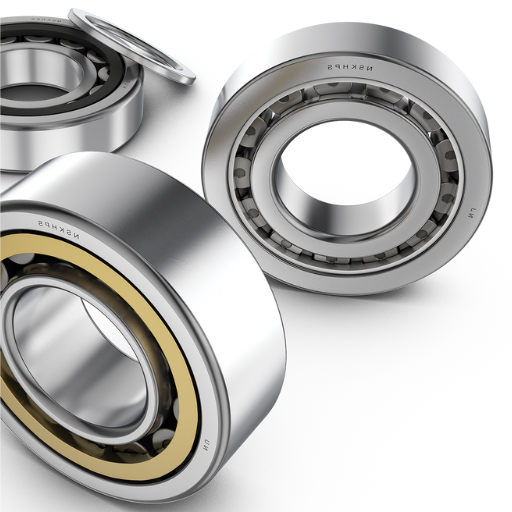
Selecting the Correct Bearing for High Speeds and Loads
To ensure optimal performance under high speeds and loads, careful consideration must be given to several factors. First, select a bearing type designed specifically for high-speed applications, such as angular contact ball bearings or cylindrical roller bearings, as their designs minimize friction and heat generation. Second, evaluate the material and lubrication system, choosing high-quality materials and specialized lubricants that can withstand both extreme speed and load conditions while preventing premature wear. Third, analyze the bearing’s load ratings, ensuring it meets or exceeds the application’s axial and radial load demands. Lastly, consider environmental factors such as temperature, contamination, and vibration, as these can significantly affect bearing longevity and performance. Proper installation and maintenance are equally critical to maintaining reliability in demanding applications.
Choosing Precision Bearings for High-Speed Applications
Factors to Consider When Choosing Precision Bearings for High-Speed Applications
When selecting precision bearings for high-speed applications, a methodical approach is required to ensure optimal performance. First, evaluate the speed rating of the bearing, as not all bearings can withstand the rotational speeds required in specialized applications. Look for bearings designed with minimal friction, such as those utilizing ceramic balls or advanced lubrication systems, as these are better suited for high-speed operations.
Second, prioritize thermal performance. Bearings in high-speed environments generate significant heat, which can affect performance and cause premature failure. Select bearings with superior heat dissipation capabilities or those rated for extreme operating temperatures. High-quality lubricants specifically designed for high-speed conditions are essential to mitigate heat and reduce wear.
Third, examine the precision grade of the bearing. Bearings categorized as ABEC or ISO P4 and higher are engineered for enhanced accuracy and reduced vibration, which are critical factors for high-speed functionality. Pay close attention to the material quality as well; steel alloys or hybrid designs combining steel races with ceramic balls offer a balance of strength and low inertia.
Lastly, account for the dynamic load conditions and potential contamination risks. Employ sealed or shielded bearings if the application is exposed to particulate matter or moisture. Proper alignment, regular maintenance, and adherence to recommended operating conditions are crucial to sustain long-term bearing reliability in high-speed environments.
Assessing High Load Capacity Needs
When determining high load capacity requirements, begin by evaluating the maximum radial and axial loads expected in the application. The basic dynamic load rating (C) provided by the manufacturer is a critical parameter, as it defines the bearing’s capacity to withstand dynamic loads over a specified service life. Ensure the combined load (P) aligns with the equation:
P = X Fr + Y Fa,
where:
- Fr = Radial load,
- Fa = Axial load,
- X and Y = Load factors (available in manufacturer catalogs based on bearing type).
Next, compute the estimated life expectancy of the bearing using the L10 life calculation:
L10 = (C / P)^p,
where:
- p = 3 for ball bearings,
- p = 10/3 for roller bearings.
For applications involving heavy shock or fluctuating loads, factor in the application’s safety margin and consider over-specifying the load rating by 1.2–1.5 times the maximum calculated load. Additionally, confirm that the bearing’s material and design feature adequate resilience against stress-induced fatigue or deformation under extreme loads. For these scenarios, bearings with reinforced steel cages or special heat-treated components may offer superior performance.
If operating at high speeds concurrently with heavy loads, assess the bearing’s limiting speed and thermal performance, as both can significantly affect operational reliability. Always verify that lubrication systems are designed to handle increased thermal generation and prevent unnecessary wear under high-stress conditions.
Reference Sources
- GMN Bearing USA – How to Choose a Bearing
- SKF Product Select Tool
- Emerson Bearing – The Best Type of Bearing for Your Application
- DirectIndustry – Choosing the Right Bearing
- NHBB – Bearing Selection Factors
Frequently Asked Questions (FAQs)
Q: What factors should I consider in bearing selection for my application?
A: When selecting the right bearing for your application, consider factors such as load capacity, speed, temperature, environment, and bearing life. Understanding bearing requirements like these will help you choose the best option for your specific needs.
Q: How do I choose a ball bearing for my application?
A: To choose a ball bearing for your application, evaluate the load type (radial or axial), speed requirements, and space constraints. Ball bearings are ideal for applications requiring low friction and high-speed capabilities.
Q: What are the common types of bearings available?
A: Common types of bearings include radial ball bearings, needle roller bearings, thrust ball bearings, and spherical bearings. Each type offers different advantages depending on the application requirements.
Q: How does the outside diameter of the bearing affect its performance?
A: The outside diameter of the bearing is crucial for fitting within the designated space and ensuring stability. It affects the load distribution and bearing rigidity, impacting overall performance.
Q: What is the importance of bearing rigidity in selecting bearings?
A: Bearing rigidity is important for maintaining accuracy under load conditions. High rigidity is essential in applications where precision is critical, such as in machine tools and precision instruments.
Q: Can a performance comparison of bearing type aid in selecting the best option?
A: Yes, a performance comparison of bearing type can help you choose the best bearing by evaluating factors like load capacity, speed limits, noise levels, and maintenance requirements.
Q: What causes bearing failure and how can it be prevented?
A: Bearing failure can occur due to improper installation, inadequate lubrication, contamination, or exceeding load limits. Regular maintenance and following a detailed selection guide can prevent failures.
Q: How does understanding bearing life influence selection?
A: Understanding bearing life helps in estimating the durability and maintenance intervals, ensuring the bearing can withstand the application’s demands over time. This knowledge aids in selecting an optimal bearing.
Q: What role do insert bearings play in specific applications?
A: Insert bearings are used in applications requiring easy installation and replacement. They are mounted in housings and offer flexibility for misalignment, making them suitable for various industrial uses.
Q: How can I use a ball bearing to improve equipment efficiency?
A: Using a ball bearing can reduce friction, enhance speed capabilities, and minimize energy consumption, leading to improved equipment efficiency and longevity. Proper selection and maintenance are key to maximizing these benefits.