


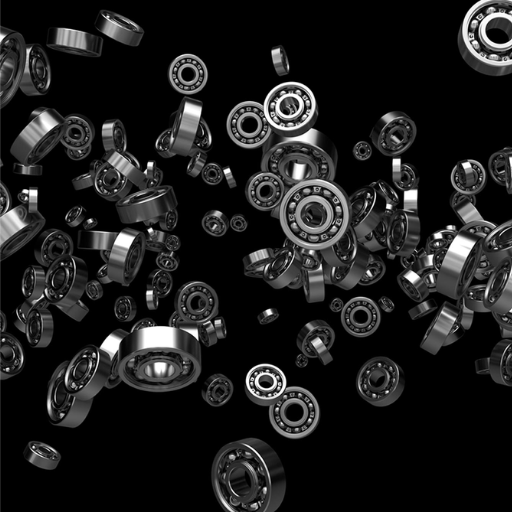
Miniature ball bearings are small-scale mechanical components designed to reduce friction and support axial and radial loads in precision applications. These bearings are fundamental to a wide array of industries, ranging from aerospace and robotics to medical devices and consumer electronics, due to their compact size and high-performance capabilities. This article will provide a comprehensive overview of miniature ball bearings, including their design features, materials, manufacturing processes, and key applications. By exploring their technical attributes and functional significance, readers will gain a detailed understanding of how these bearings enable reliability and efficiency in intricate mechanical systems.
What Are Miniature Ball Bearings and Their Applications?

Miniature ball bearings are precision-engineered components designed to support rotational motion and reduce friction between moving parts in compact mechanical systems. These bearings typically have an outer diameter of less than one inch and are constructed from high-grade materials such as stainless steel, ceramic, or chrome steel to endure varying levels of load, speed, and environmental conditions.
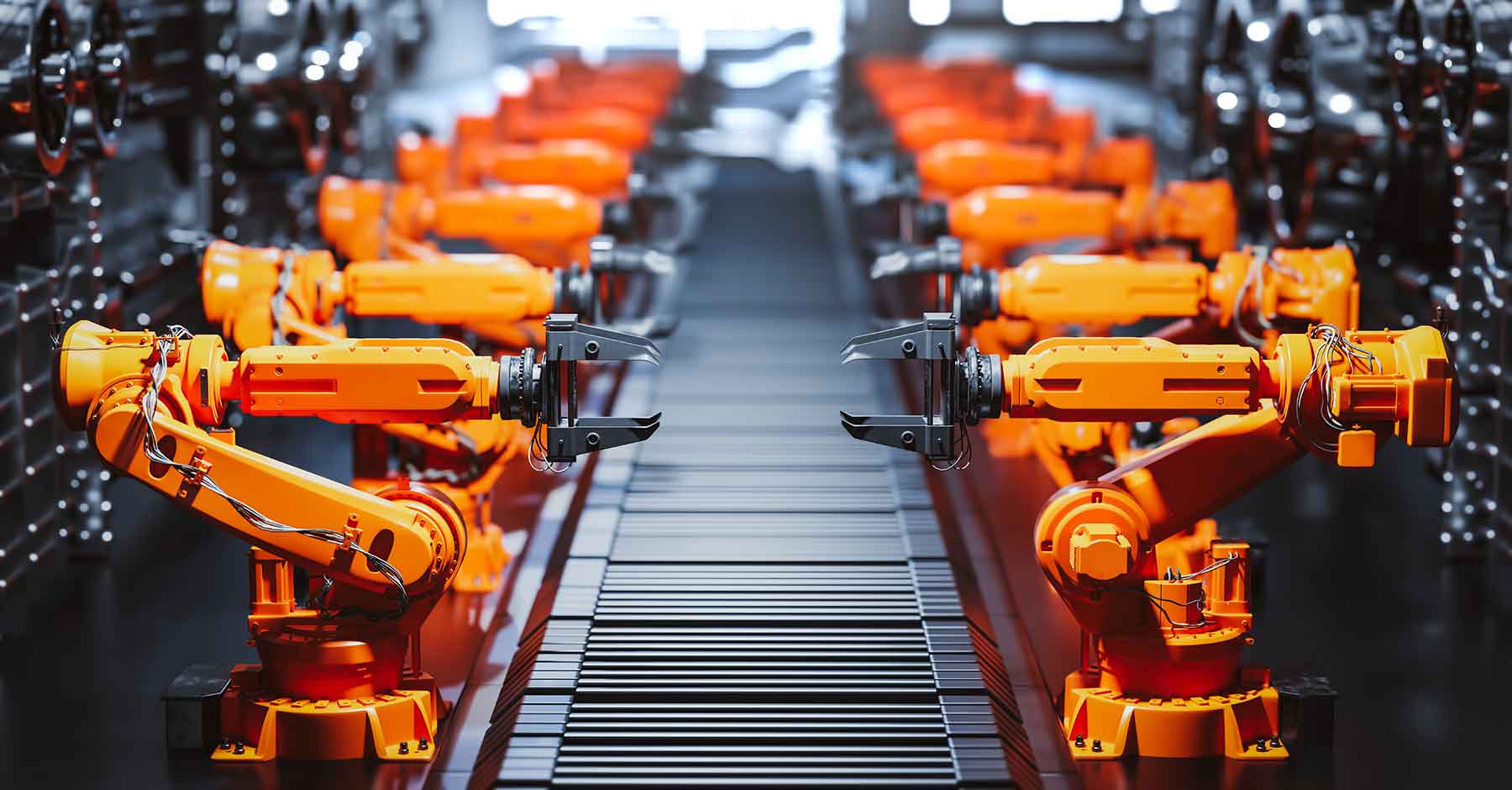
Their applications span a wide range of industries due to their small size and high performance. They are widely utilized in medical devices, robotics, drones, compact motors, and precision instruments. Additionally, they play a crucial role in consumer electronics, such as smartphones and gaming devices, where space constraints demand efficient and reliable motion components. Miniature ball bearings are indispensable for achieving high-speed operation, smooth rotation, and extended system durability across these advanced applications.
Understanding the Basic Bearing Structure
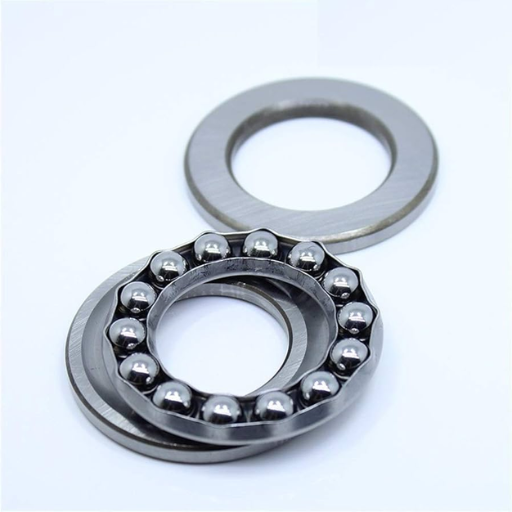
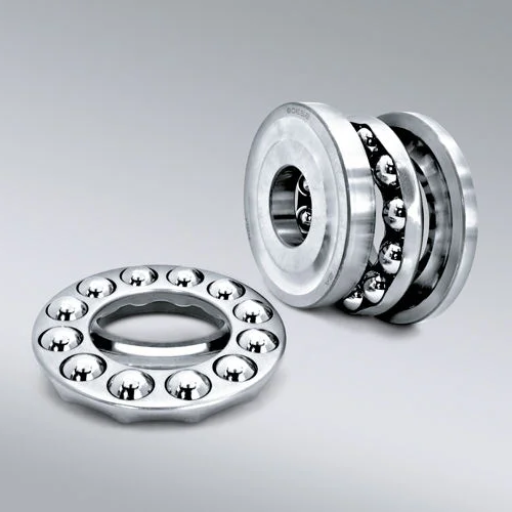
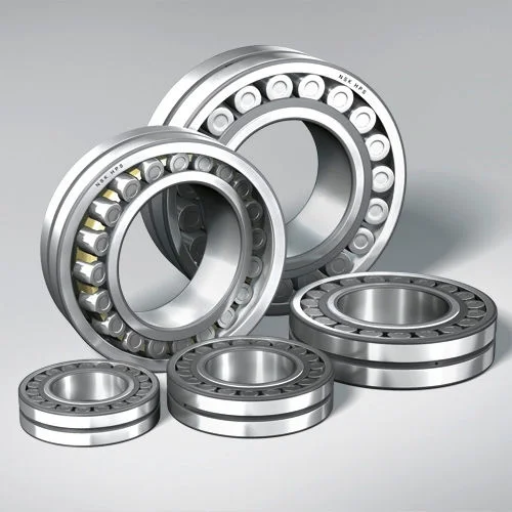
A ball bearing typically consists of four key components: the inner ring, the outer ring, the balls, and the cage (or retainer). The inner ring fits onto the rotating shaft and facilitates rotation, while the outer ring remains stationary in the housing. Precision-ground balls made from steel or ceramic roll between these rings, reducing friction by minimizing contact surface area. The cage ensures proper spacing and alignment of the balls, improving operational efficiency and preventing direct contact between them. Additionally, seals or shields may be incorporated to protect against contaminants, such as dust or moisture, which can compromise performance and longevity. This fundamental structure ensures smooth motion, load distribution, and resistance to wear under varying mechanical conditions. If you are looking for more information about miniature ball bearing go here right away
Key Features of Miniature Ball Bearings
- Compact Design
Miniature ball bearings are designed with a small form factor, making them ideal for applications where space is limited. Despite their size, they are engineered to provide high precision and performance.
- High Rotational Accuracy
These bearings offer exceptional accuracy with minimal radial and axial runout, ensuring reliable operation in applications demanding precision, such as medical devices and robotics.
- Durability and Longevity
Constructed from high-quality materials like stainless steel or ceramic, miniature ball bearings exhibit excellent durability and resistance to wear, even in high-speed or challenging environments.
- Low Friction and Efficient Operation
The design minimizes friction through optimized ball contact and lubrication, enabling smoother motion, lower energy consumption, and reduced heat generation.
- Customizable Configurations
Available in various designs, such as open, shielded, or sealed configurations, these bearings can be tailored to specific operational needs, providing protection against contaminants like dust and moisture.
- Versatility
Miniature ball bearings are used in a wide range of industries, including aerospace, electronics, and instrumentation, due to their ability to handle high speeds and varying loads efficiently.
These features ensure that miniature ball bearings play a critical role in achieving precision, reliability, and efficiency in advanced mechanical applications.
Applications of Miniature Bearings in Various Industries
Miniature bearings are indispensable in numerous industries due to their precision, reliability, and adaptability to high-performance environments. Below is an overview of their applications along with relevant technical parameters:
- Aerospace Industry
Miniature bearings are utilized in gyroscopic instruments, navigation systems, and small actuators. Their ability to endure high rotational speeds (up to 500,000 RPM depending on design) and operate under extreme temperature ranges (-60°C to +120°C or higher for custom materials) ensures optimal functionality in aerospace applications.
- Electronics and Micro Motors
These bearings are widely implemented in precision devices such as hard disk drives, cooling fans, and electric motors. Their low torque and minimal vibration performance make them ideal for compact electronics, where reliability and efficiency are paramount. Radial loads of 0.5–10 Newtons and diameters as small as 1–3 millimeters are typical.
- Medical Equipment
Miniature bearings enhance the performance of dental drills, surgical tools, and diagnostic devices. Their ability to function in clean environments, with high-speed operation (typically up to 300,000 RPM), ensures peak performance in critical medical procedures.
- Instrumentation
Precision instruments such as measuring devices and analytical equipment rely on miniature bearings for accurate and steady movement. Bearings in this field typically feature minimal runout error, often less than 1 micron (0.001 mm), supporting detailed and repeatable operations.
These technical capabilities highlight the versatility and critical role of miniature bearings across diverse, high-precision sectors. Proper material selection (stainless steel, hybrid ceramic) and lubrication type will vary based on specific industry requirements.
How Are Chrome Steel Miniature Ball Bearings Made?

The production of chrome steel miniature ball bearings involves a sequence of high-precision processes to ensure their mechanical performance, dimensional accuracy, and durability. Below is an overview of the manufacturing steps:
- Material Selection and Preparation
Bearings typically use chrome steel, such as AISI 52100, due to its high carbon content (approximately 1%) and chromium composition (approximately 1.5%), offering exceptional toughness, wear resistance, and fatigue strength. The raw material is processed into steel rods or pipes, which form the basis of bearing components.
- Forming and Shaping of Components
The bearing rings are machined into precise dimensions using techniques like forging or turning. The balls are created by cutting steel wire into small pieces, which are then rounded into spheres through press forming and grinding. Initial tolerances are maintained within ±0.05 mm.
- Heat Treatment
Components undergo heat treatment, including hardening and tempering, to achieve a Rockwell hardness level typically between HRC 58–65. This step enhances hardness, durability, and resistance to deformation under cyclic loads.
- Grinding and Superfinishing
Grinding processes refine the bearing rings and balls to their final dimensions, achieving high tolerances (within ±0.001 mm). Superfinishing techniques, such as lapping, create an ultra-smooth surface finish (Ra < 0.03 µm) to reduce friction and wear, key for high-precision applications.
- Assembly
After cleaning, the individual components are assembled. Separation by a cage structure ensures uniform spacing of the balls within the rings. The radial and axial clearance is precisely calibrated to meet application-specific requirements.
- Lubrication and Sealing
Suitable lubricants, such as grease or oil, are applied to reduce friction and enhance operational lifespan. Seals or shields are added to protect against contaminants like dirt or moisture.
- Quality Control and Testing
Rigorous quality assurance steps include roundness testing, noise/vibration analysis, and rotational accuracy checks. Bearings are classified based on tolerance grades in accordance with standards such as ABEC (Annular Bearing Engineers’ Committee) or ISO norms.
By adhering to these detailed steps, chrome steel miniature ball bearings achieve superior performance characteristics, making them indispensable in demanding fields like aerospace, medical devices, and industrial automation.
The Role of Steel Ball in Manufacturing
Steel balls play a vital role in manufacturing by serving as key components in various applications that demand precision, durability, and efficiency. They are fundamental in the functionality of bearings, enabling smooth rotational motion while minimizing friction. Additionally, steel balls are utilized in grinding processes to crush or pulverize materials in industries like mining and cement production. Their consistent quality, defined by strict tolerances and surface finishes, ensures high reliability and accuracy in critical machinery used across sectors such as aerospace, automotive, and heavy equipment manufacturing.
Manufacturing Process of Miniature Ball Bearings
The manufacturing process of miniature ball bearings is a detailed, multi-step procedure that ensures precision and reliability in their application. Key steps in the process are as follows:
- Material Selection and Preparation
Miniature ball bearings are typically made from high-grade steel, such as SAE 52100 chrome steel or stainless steel (e.g., AISI 440C), chosen for its hardness, wear resistance, and corrosion resistance. The raw material is forged into smaller blanks, which are then heat-treated to achieve the desired hardness and structural integrity.
- Turning and Shaping
The bearing rings and balls are shaped through precision turning and grinding processes. Inner and outer rings are formed using CNC lathes, ensuring dimensional accuracy. The steel balls are initially rough-formed in circular molds, maintaining tight tolerances.
- Heat Treatment
All bearing components undergo heat treatment, including hardening and tempering, to achieve optimal strength and resistance to wear. Hardened steel typically achieves a hardness value of HRC 58-65, ensuring longevity under operating conditions.
- Grinding and Lapping
Grinding is a critical step in refining the surfaces of bearing rings and balls. This process includes face grinding, outer diameter grinding, and raceway grinding, using high-precision machinery to achieve micrometer-level accuracies. Final lapping further polishes the surfaces to achieve an ultra-smooth finish, reducing friction and ensuring consistent rotation.
- Assembly
Bearings are assembled in a cleanroom environment to prevent contamination. Steel balls are inserted between the inner and outer rings, separated by a cage that maintains uniform spacing. Advanced automated systems ensure proper alignment and spacing for optimal performance.
- Lubrication and Sealing
After assembly, bearings are lubricated with grease or oil to enhance wear resistance and minimize friction. Protective seals or shields are added to prevent the ingress of contaminants such as dust and moisture, which could compromise performance.
- Quality Control and Testing
Each bearing undergoes rigorous quality control, including dimensional inspection, noise and vibration testing, and rotational performance evaluation. Tolerances based on ISO 492 or ABEC standards (e.g., ABEC 5 or 7) ensure precision, with roundness deviations typically less than 0.01 micrometers for steel balls.
This tightly controlled manufacturing process ensures that miniature ball bearings meet the demanding requirements of industries such as aerospace, robotics, and medical equipment. Their compact size, combined with high durability and efficiency, makes them indispensable in high-precision applications.
Quality Control in Precision Miniature Bearings
Quality control in precision miniature bearings involves rigorous testing and evaluation to ensure compliance with performance standards and dimensional tolerances. Key parameters assessed include:
- Dimensional Accuracy: Bearings are inspected to maintain tolerances as low as ±1 micrometer, ensuring compatibility with high-precision applications.
- Roundness and Surface Finish: Steel balls and races undergo roundness testing with deviations typically confined to less than 0.01 micrometers and surface roughness below Ra 0.025 micrometers.
- Material Integrity: Non-destructive testing (NDT), such as ultrasonic or magnetic particle inspection, is employed to detect subsurface defects or impurities.
- Load Capacity Evaluation: Bearings are tested under dynamic and static load conditions as per ISO 76 and ISO 281 to verify performance under both regular and extreme operating environments.
- Lubrication Assessment: Specialized lubricants are analyzed to ensure optimal viscosity and stability based on the bearing’s intended temperature range, which may vary between -40°C to 150°C.
Strict adherence to these quality control measures ensures reliability, longevity, and superior performance of precision miniature bearings across complex and demanding applications.
Why Choose Stainless Steel Miniature Bearings?

I choose stainless steel miniature bearings because they offer exceptional resistance to corrosion, which is crucial for performance in humid, wet, or chemically active environments. They provide remarkable durability and maintain precision under high loads and extreme temperatures. Additionally, their low maintenance requirements and high-quality construction make them ideal for applications demanding consistent reliability over extended periods, such as medical instruments, aerospace, and robotics.
Benefits of Using Stainless Steel in Bearings
Key Technical Advantages of Stainless Steel Bearings
- Corrosion Resistance
Stainless steel bearings exhibit exceptional resistance to corrosion caused by moisture, water, and corrosive chemicals. This makes them particularly suitable for industries where exposure to harsh environments is common, such as marine, chemical processing, and food production.
- High Durability and Strength
Due to their robust material properties, stainless steel bearings maintain structural integrity and operational accuracy under heavy loads. Typical maximum load-bearing capacities can range from 300 MPa to 600 MPa, depending on the grade of stainless steel used.
- Temperature Resistance
Stainless steel bearings operate effectively in a wide temperature range, typically from -20°C to 250°C. Heat-stabilized bearings are available for applications requiring higher temperature tolerance, such as aerospace mechanisms and industrial ovens.
- Low Maintenance Requirements
The self-lubricating properties and resistance to wear reduce maintenance intervals. For example, 440C stainless steel, commonly used in bearings, offers high hardness (58-60 HRC) and extended service life under repetitive motion.
- Chemical Compatibility
Stainless steel’s inert nature ensures compatibility with a variety of substrates and fluids, significantly reducing chemical degradation risks. This feature is critical for applications in medical equipment, where sterility and material stability are paramount.
By incorporating these benefits, stainless steel bearings deliver superior performance across critical industries, even under demanding operational conditions.
Comparing Chrome Steel and Stainless Steel Bearings
When comparing chrome steel and stainless steel bearings, the choice largely depends on the application demands. Chrome steel bearings, with their superior hardness and load-carrying capacity, are ideal for high-speed or high-load applications where corrosion is not a significant concern. On the other hand, stainless steel bearings provide excellent corrosion resistance, making them the preferred option in environments exposed to moisture, chemicals, or extreme temperatures. While stainless steel bearings may not match the mechanical strength of chrome steel, their durability in adverse conditions and low-maintenance requirements make them indispensable for industries like food processing, marine applications, and medical equipment. Ultimately, selecting between the two requires evaluating environmental conditions, load requirements, and performance priorities.
How to Select the Right Miniature Ball Bearing for Your Needs?

When selecting the right miniature ball bearing, I first consider the application’s specific operating conditions and requirements. Key parameters include load capacity, rotational speed, and environmental factors such as temperature, moisture, or exposure to corrosive substances. For instance, if my application involves high RPMs, I prioritize bearings with low-friction seals and superior lubrication. Similarly, in corrosive or wet environments, stainless steel or ceramic bearings are my go-to options due to their superior resistance.
Here are the main technical parameters I evaluate:
- Load Capacity (Dynamic and Static): Ensure the bearing can handle both the dynamic and static loads required by the application.
- Rotational Speed (RPM): Check for a maximum speed rating compatible with the operational requirements.
- Material Type: Choose between chrome steel, stainless steel, or ceramic based on durability, resistance to corrosion, and application-specific needs.
- Dimensions: Verify the inner diameter (ID), outer diameter (OD), and width to match the design specifications.
- Lubrication and Seal Type: Opt for grease or oil-lubricated bearings and appropriate seals (open, shielded, or sealed) based on operating conditions.
- Temperature Range: Confirm that the bearing operates effectively within the expected temperature conditions.
By thoroughly assessing these factors, I can ensure optimal performance, longevity, and reliability for any application requiring miniature ball bearings.
Factors to Consider: Size Miniature Ball and Metric Options
When selecting the appropriate size miniature ball bearings and metric options, the following key parameters and technical considerations should be addressed:
- Bearing Dimensions: Verify the inner diameter (ID), outer diameter (OD), and width of the bearing to ensure compatibility with the application. Common miniature bearing ID sizes can range from 1mm to 10mm with metric options typically specified in millimeters.
- Load Capacity: Determine the required dynamic and static load capacities based on the application’s operational demands. For miniature bearings, dynamic load ratings may range between 20N and 2000N depending on size and design.
- Material Composition: Consider bearings constructed from materials such as chrome steel (AISI 52100), stainless steel (AISI 440C), or ceramic hybrids for enhanced resistance to corrosion, wear, and high temperatures. Stainless steel and hybrid ceramic bearings are especially suitable for applications involving moisture or chemicals.
- Rotational Precision and Speed: Assess the precision level as per ISO or ABEC standards, typically ranging from ABEC 1 to ABEC 9 for miniature bearings. Additionally, identify the bearing’s limiting speed, calculated based on grease or oil lubrication, which can vary up to 100,000 RPM for high-quality applications.
- Runout Tolerance: Verify exact runout tolerances for accuracy-sensitive tasks, commonly measured in microns. Tight tolerances are critical for applications such as medical devices or instrumentation.
- Metric Designation: If using metric options, ensure compatibility with standard ISO measurements to simplify integration into global systems. This includes proper identification of the bearing type via part numbers or manufacturers’ specifications.
By considering these factors alongside testing references and manufacturer data, optimal miniature ball bearings can be selected for both size and metric precision, ensuring superior operational efficiency and reliability.
Understanding Flange and Shield Options
When selecting between flange and shield options for miniature ball bearings, it is essential to evaluate specific design requirements to ensure alignment with operational needs.
- Flange Options: Flanged bearings are equipped with an extended lip around the outer race, simplifying installation and enhancing axial positioning. These are particularly effective in applications where precise alignment and mounting are critical. Key technical considerations include flange diameter, thickness, and compatibility with the housing bore. Ensure dimensions conform to ISO specifications, such as flange outer diameter tolerances ranging from 0.01 mm to 0.05 mm.
- Shield Options: Shields, typically made of metal, are designed to protect the bearing interior from debris while mitigating lubricant loss. They are non-contact elements that minimize friction but provide moderate protection. Shield selection should consider factors such as operating speed, temperature, and contamination exposure. For example, a standard shield’s maximum speed rating may vary between 30,000 and 100,000 RPM based on bearing size and lubrication.
By analyzing these parameters relative to the application environment, the appropriate flange or shield configuration can be chosen to optimize performance, durability, and installation efficiency.
Choosing Between Seals and Shields for Different Applications
When choosing between seals and shields for different applications, I focus on key operational factors such as speed, temperature range, and the presence of environmental contaminants. Shields are generally ideal for applications requiring higher rotational speeds, where minimal friction is preferred, and contamination is moderate. On the other hand, seals offer superior protection against contaminants, including dust, moisture, or harsh chemicals, making them suitable for harsh environments or applications with lower operating speeds. By understanding the specific requirements of my system, including lubrication type and maintenance accessibility, I determine which option ensures optimal performance, longevity, and reliability.
What Are the Maintenance Tips for Miniature Bearings?

Maintenance Tips for Miniature Bearings
Proper maintenance of miniature bearings is essential to ensure their longevity, efficiency, and performance. Below are key maintenance practices derived from reputable sources:
- Cleanliness: Keep the bearings and their surrounding environment clean and free of dust, debris, and contaminants. Even small particles can significantly impact the performance due to the tight tolerances of miniature bearings.
- Proper Lubrication: Use the correct type and amount of lubrication based on the bearing’s operating conditions. Over-lubrication can increase friction, while under-lubrication can lead to wear and potential failure.
- Handling: Handle miniature bearings with care, avoiding direct contact with bare hands to prevent contamination from oils or moisture. Use suitable tools for installation or removal to avoid damaging the bearing’s delicate components.
- Inspection and Monitoring: Regularly inspect bearings for any signs of wear, corrosion, or noise during operation. Early detection of issues can prevent more significant failures and downtime.
- Storage: Store bearings in a controlled environment away from moisture, extreme temperatures, and corrosive elements to maintain their original quality.
By adhering to these maintenance practices, you can maximize the operational lifespan of your miniature bearings while ensuring consistent and reliable performance in your application.
Proper Lubrication: Grease and Light Oil
Proper Lubrication Continued
When it comes to properly lubricating miniature bearings, I ensure I select the most suitable lubricant based on the application’s operating conditions. Grease is ideal for applications requiring a sealed, long-term solution, as it provides excellent protection against contaminants and does not need frequent reapplication. On the other hand, light oil is preferable for high-speed or precision applications, as it minimizes friction and allows for smoother operation. I follow the manufacturer’s recommendations for the lubricant type and reapply it at regular intervals to optimize performance and avoid premature wear. Keeping the lubrication clean and free of debris is also essential to maintaining efficiency and extending the bearing’s lifespan.
Inspecting Inner Ring and Outer Ring for Wear
When inspecting the inner ring and outer ring for wear, focus on identifying key indicators such as surface damage, dimensional deviations, and material discoloration. Begin by carefully examining the surfaces for signs of pitting, scoring, or abrasion, which may result from inadequate lubrication or contamination. Use a micrometer or caliper to measure dimensional tolerances, ensuring the inner and outer ring diameters remain within the manufacturer’s specified range. Typically, tolerances should adhere to ISO 492 standards, such as ±0.001 mm for high-precision bearings, but always confirm the exact values with the product documentation.
Check for uneven wear patterns that may indicate misalignment or excessive load. Additionally, inspect the rings for any material fatigue or cracks that may compromise performance. Ensure the surfaces are free from corrosion or oxidation, as these can accelerate degradation. Regular inspection and maintenance, including verifying these parameters, can help mitigate risks of failure and prolong the component’s operational lifespan.
Handling Corrosion in Miniature Ball Bearings
Corrosion in miniature ball bearings is a critical concern, as it directly affects their longevity, performance, and reliability. To address this, proper material selection, lubrication, and environmental protection are essential. Stainless steel or ceramic materials are highly recommended for bearings operating in corrosive environments due to their enhanced resistance to rust and oxidation.
Using appropriate lubricants, such as corrosion-inhibiting greases or oils, can form a protective barrier over the bearing surfaces, reducing exposure to moisture and contaminants. Regular maintenance is crucial to ensure that lubrication remains effective; the re-lubrication interval depends on operational parameters but generally varies between 6 to 12 months, depending on usage conditions. Bearings should also be shielded with seals or protective coatings to prevent dirt, moisture, and chemicals from causing aggressive wear.
For technical maintenance, the following measures are recommended:
- Material Selection:
-
-
- Stainless Steel (e.g., AISI 440C): Resists rust in moderate environments.
- Hybrid Designs (Steel Races + Ceramic Balls): Offer superior corrosion resistance and lower friction.
-
- Lubrication:
-
-
- Anti-corrosion grease (e.g., lithium-based or calcium sulfonate complex greases) operating within a viscosity range of 100-200 cSt at 40°C.
- Non-migrating oils designed for prolonged protection in wet conditions.
-
- Operational Parameters:
-
-
- Operating Temperature Range: Ensure lubricants and materials function effectively between -20°C to 120°C.
- Maximal Humidity Exposure Limit: Below 75% relative humidity to reduce condensation risks.
-
- Environmental Protection:
-
-
- Employ double-sealed bearings or external housing designs in high-moisture environments.
- Use desiccants or humidity control systems in storage and operational areas to limit corrosion initiation.
-
By integrating these policies and monitoring the operational environment, corrosion in miniature ball bearings can be minimized, maximizing the lifespan and reliability of the component under various conditions.
Reference Sources
- Exploring the Features and Applications of Miniature Bearings – ISK Bearing
- Miniature & Instrument Ball Bearings – NHBB
- Miniature Bearings: An Overview – PIC Design
- Miniature Ball Bearings – Bearings Direct
- Miniature Ball Bearings – Timken
Frequently Asked Questions (FAQs)
Q: What are miniature ball bearings?
A: Miniature ball bearings are small bearings that are designed for applications where space is limited. They typically have a diameter of less than 9mm and are used in a wide range of devices, including motors and roller bearings.
Q: What are the key features of a mini ball bearing?
A: Mini ball bearings are known for their precision, durability, and ability to operate at high speeds. They often include features such as steel ball bearing construction, deep groove design, and are available with metal shields or rubber seals for protection.
Q: How does a flanged ball bearing differ from a standard miniature ball bearing?
A: A flanged ball bearing includes an extended inner ring with a flange, which helps to securely position the bearing in its application, preventing axial movement. This feature can be particularly useful in applications involving motors and other devices where precise alignment is crucial.
Q: What is the significance of the dimensions 8mm x 22mm x 7mm in miniature ball bearings?
A: The dimensions 8mm x 22mm x 7mm refer to the inner diameter (ID), outer diameter (OD), and width of the bearing, respectively. These measurements help users ensure they are selecting the correct sized ball bearing for their specific application needs.
Q: Why are some miniature ball bearings pre-lubricated with grease?
A: Many miniature ball bearings are pre-lubricated with grease to reduce friction and wear, extend the bearing’s lifespan, and enhance performance. This feature ensures that the bearings are ready to use out of the box and require minimal maintenance.
Q: What is the role of deep groove in miniature ball bearings?
A: The deep groove design in miniature ball bearings allows them to support both radial and axial loads, making them versatile for various applications. This design also contributes to the bearing’s ability to operate smoothly at higher speeds.
Q: Are there different types of shields available for miniature ball bearings?
A: Yes, miniature ball bearings can come with different types of shields, such as metal shields or rubber seals. Metal shields provide protection from dust and debris, while rubber seals offer better protection against moisture and contaminants.
Q: Can miniature ball bearings be used in high-speed applications?
A: Yes, due to their precision engineering and lubricated design, miniature ball bearings are well-suited for high-speed applications. They are commonly used in motors and other devices that require smooth and efficient operation at high speeds.
Q: What materials are commonly used in manufacturing miniature ball bearings?
A: Miniature ball bearings are typically manufactured using high-grade materials such as stainless steel for the balls and races, and sometimes include nylon or other polymers for cages to provide strength and reduce friction.