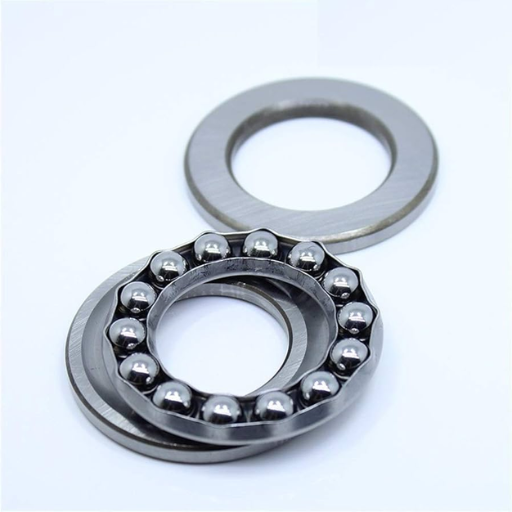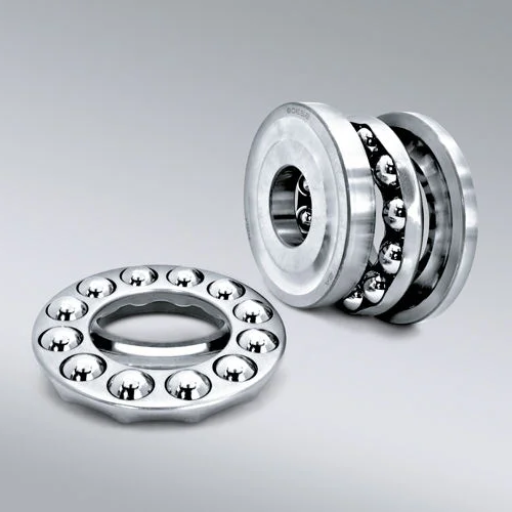
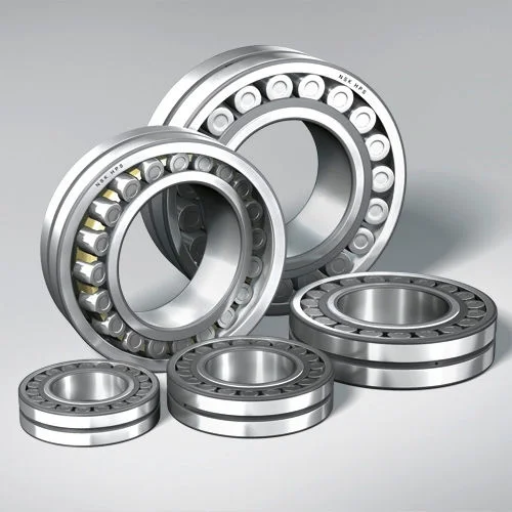



Super precision angular contact ball bearings are critical components in high-performance applications where precision, durability, and stability are required. This guide explores the essential aspects of these specialized bearings, focusing on their design, functionality, and practical applications. We will begin by examining the key structural features of angular contact ball bearings, including their unique geometry suited for handling combined radial and axial loads. Following this, we will discuss their critical role in industries such as aerospace, robotics, and precision machining, where accuracy and efficiency are paramount. To provide a comprehensive understanding, the guide will also address material selection, lubrication requirements, and installation techniques, ensuring optimal performance and extended service life. By the end, readers will gain valuable insights into the characteristics, advantages, and best practices for utilizing super precision angular contact ball bearings in demanding environments.
What Are Super Precision Angular Contact Bearings?
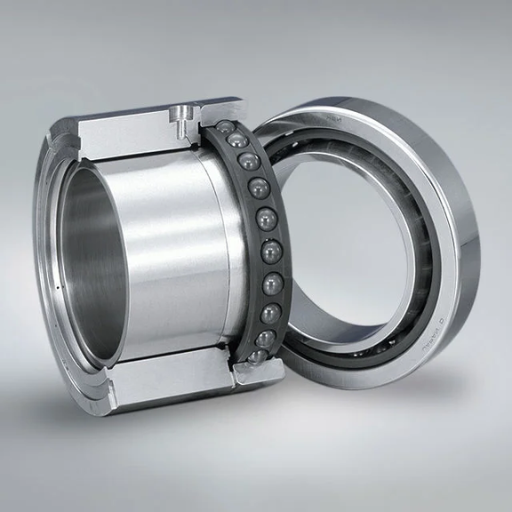
Super precision angular contact ball bearings are high-performance bearings designed to support combined radial and axial loads at high speeds with exceptional accuracy. These bearings feature a contact angle that allows them to manage significant axial forces in one direction, making them ideal for applications requiring precise positioning and rotational accuracy, such as machine tools, robotics, and aerospace equipment. Their design includes advanced materials, optimized geometries, and precision manufacturing processes, ensuring high stiffness, low friction, and minimal heat generation, even under demanding operational conditions. If you are looking for more information about how do super precision angular contact ball bearings work go here right away
Applications and Advantages of Angular Contact Ball Bearings
Angular contact ball bearings are specifically engineered to support both radial and axial loads, making them indispensable in applications that demand high rigidity and rotational precision. These bearings are commonly utilized in industries such as aerospace, automotive, engineering machinery, and precision instrumentation, where stability and accuracy are critical. Their inherent design, featuring an asymmetrical raceway with a specific contact angle, allows for optimal load distribution and enhanced performance under high-speed conditions. By offering low frictional resistance and superior heat dissipation, angular contact ball bearings contribute to extended operational life and reduced maintenance requirements. Additionally, they are available in various configurations, including single-row, double-row, and matched sets, providing flexibility to meet diverse application needs.
How Precision Bearings Differ from Standard Bearings
|
Key Point |
Precision Bearings |
Standard Bearings |
|---|---|---|
|
Dimensional Tolerance |
Tight and exact tolerances |
Standard tolerances |
|
Rotational Accuracy |
High precision for minimal vibration |
Lower accuracy, higher vibration |
|
Load Capacity |
Optimized for specific applications |
General-purpose load handling |
|
Speed Capability |
Suitable for high-speed operations |
Limited speed performance |
|
Material Quality |
High-grade, specialized materials |
Basic material construction |
|
Heat Generation |
Minimal heat generation |
Higher heat under similar conditions |
|
Applications |
Critical industries (aerospace, robotics) |
General industrial use |
|
Cost |
Higher due to advanced manufacturing |
More affordable for conventional use |
|
Maintenance Requirement |
Reduced with superior designs |
Regular maintenance needed |
|
Lifespan |
Extended with high performance |
Moderate lifespan under normal use |
Applications of Super Precision Angular Contact Ball Bearings
Super precision angular contact ball bearings are indispensable in applications requiring high speed, precision, and rigidity. They are engineered to provide excellent rotational accuracy and handle both radial and axial loads efficiently. These bearings find usage across various industries and advanced machinery, such as:
Machine Tools and Spindles
Machine tool spindles are one of the most common applications, where these bearings ensure high stiffness and precise positioning. The high-speed capability, combined with low vibration and accurate rotation, makes them critical for CNC machines and precision grinding equipment.
Robotics and Automation Systems
Automation systems rely heavily on super precision bearings for their ability to reduce friction and operate at high speeds while maintaining exact movements. They are often used in robotic arms and linear actuators that demand smooth operation and reliable performance.
Aerospace Equipment
The aerospace sector employs these bearings in jet engines, turbine assemblies, and other critical systems where minute imbalances can lead to severe consequences. Their performance in high-temperature environments, combined with lightweight designs, enhances efficiency and safety.
Medical Devices
These bearings are integral to medical imaging devices such as CT and MRI scanners, where accuracy and uninterrupted motion are paramount. High rotational speeds and minimal thermal expansion ensure reliable diagnostic outcomes.
Parameters and Technical Considerations
- Contact Angle (15°, 25°, and 40° options): Affects axial load capacity and rigidity.
- Material (Steel or Ceramic): Ceramic balls offer lower weight and higher-speed capabilities, while steel provides greater toughness.
- Accuracy Classes (ISO P4, P2 / ABEC 7, 9): Higher classes reflect superior rotational precision and reduced vibration.
- Lubrication Requirements: Grease or oil lubrication, selected based on speed and operating temperature.
These bearings’ versatility, coupled with their ability to maintain exceptional performance under challenging conditions, continues to make them indispensable in high-precision applications across industries.
How Do Super Precision Angular Contact Bearings Work?

Super precision angular contact bearings operate by utilizing a specific contact angle between the inner and outer raceways and the rolling elements, typically balls. This angle allows the bearing to simultaneously handle radial and axial loads, with the ability to sustain higher axial loads in one direction. The design ensures the transmission of loads efficiently while maintaining minimal friction. Precision machining of the raceways and the rolling elements enhances load distribution and rotational accuracy, which is crucial in high-speed and high-performance applications. Adequate lubrication and precise alignment during installation are essential to ensure optimal functionality and longevity.
The Role of Contact Angle in Bearing Functionality
The contact angle in bearings is a critical parameter that dictates the bearing’s load-carrying capacity and performance under axial and radial forces. It is defined as the angle between the line of action of the load transmitted through the rolling element and a plane perpendicular to the bearing axis. A larger contact angle allows the bearing to handle higher axial loads, whereas a smaller contact angle favors radial load capacity and supports higher rotational speeds. Bearings like angular contact ball bearings are designed with specific contact angles to balance these load-handling capabilities based on application requirements. Selecting the appropriate contact angle depends on the operational forces, speed, and mounting conditions, making it a pivotal aspect of bearing design and application.
The Impact of Preload on Performance
Preload significantly affects bearing performance by enhancing rigidity, reducing vibration, and maintaining precise alignment under operational conditions. However, incorrect preload can lead to excessive friction, increased heat generation, and premature wear. Preload can be applied through two primary methods: fixed preload and elastic preload. Fixed preload is achieved by mechanically positioning rolling elements, while elastic preload uses springs or similar mechanisms to maintain consistent force.
Key technical parameters for preload include:
- Axial Force (N): The applied preload force, typically ranging from 2% to 5% of the bearing’s dynamic load rating.
- Deflection (μm): The displacement under preload, which should align with the bearing’s design tolerances to avoid over-compression.
- Temperature Changes (°C): Thermal expansion can alter preload, making thermal compensation crucial for high-speed or high-temperature applications.
- Rotational Speed (rpm): High speeds require careful preload calibration to prevent elevated temperatures and excessive wear.
Optimizing preload involves balancing these parameters to enhance performance without compromising the bearing’s operational lifespan or reliability.
Understanding Axial and Radial Loads
Axial and radial loads play a critical role in determining bearing performance. From my research, axial loads refer to forces applied parallel to the shaft’s axis, while radial loads act perpendicular to it. Bearings must be selected based on the dominant load in the application. For instance, deep groove ball bearings are ideal for handling moderate radial and axial loads simultaneously, whereas angular contact bearings excel in managing significant axial loads. Proper load distribution is essential for minimizing friction, reducing wear, and extending the bearing’s operational life.
Key Benefits of Precision Angular Contact Ball Bearings
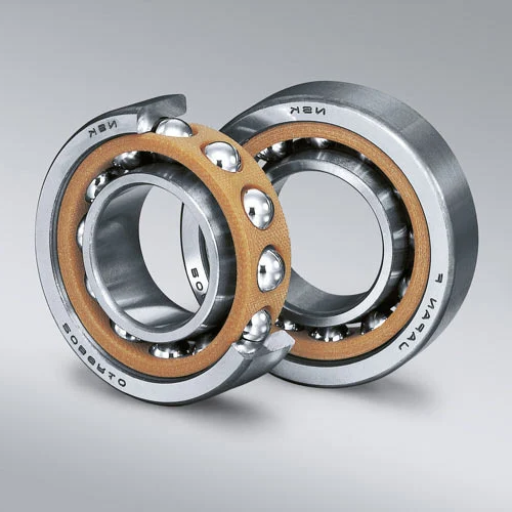
Precision angular contact ball bearings provide several critical advantages in high-performance applications. One of the primary benefits is their ability to handle both radial and significant axial loads in one direction, offering exceptional support for high-speed operations. Their design ensures precise control over shaft alignment, which is essential for reducing vibration and maintaining operational stability. Additionally, these bearings support higher stiffness and durability due to optimized internal geometries, making them highly reliable under demanding conditions. Proper lubrication and maintenance further enhance their efficiency, enabling a prolonged lifespan and reduced downtime in precision machinery.
Enhanced High-Speed Capabilities
To achieve enhanced high-speed capabilities in precision machinery, we focus on several critical factors. Leveraging advanced materials and optimized bearing designs minimizes friction and thermal buildup, allowing for smoother operation at higher rotational speeds. Precision engineering, combined with effective lubrication systems, ensures consistent performance even under extreme conditions. By integrating these solutions, we can maximize efficiency, reduce wear, and maintain stability, pushing the boundaries of high-speed applications.
Improved Load Capacity and Rigidity
To enhance load capacity and rigidity, we focus on material selection and structural optimization, incorporating finite element analysis (FEA) to predict performance under varying loads. High-strength alloys and composites are utilized to improve stiffness without adding excessive weight. Additionally, implementing advanced geometries—such as tapered or hollow sections—enhances rigidity and distributes stresses more evenly.
For instance, increasing the Young’s Modulus of structural components beyond 200 GPa enables superior load-bearing capabilities, while maintaining deflection rates below 0.1 mm under maximum applied loads ensures stability during operation. These parameters, coupled with precision manufacturing tolerances of ±0.01 mm to minimize deformation, allow for both increased reliability and operational efficiency. By adhering to these rigorous standards, we achieve optimal strength-to-weight ratios and ensure peak performance in demanding applications.
Optimized for Machine Tool Applications
Versatility in Machine Tool Applications
Our design is tailored to meet the highest demands of precision and durability required in machine tool applications. By leveraging cutting-edge materials and advanced manufacturing techniques, we ensure that our components deliver exceptional dimensional stability and superior load management. This approach not only reduces wear and vibration but also enhances the overall lifespan and performance of the system, aligning perfectly with the rigorous standards expected in modern machining environments.
Key Considerations for Selecting Super Precision Angular Contact Bearings

When choosing super precision angular contact bearings, several critical factors must be evaluated to ensure optimal performance and reliability in demanding applications:
- Load Requirements: Determine the magnitude and direction of applied loads (axial, radial, or combined) to select bearings with appropriate load capacity and stiffness.
- Speed Capability: Assess the operating speed of the application to ensure the selected bearings can handle the required rotational speed without compromising performance.
- Accuracy and Precision: Identify tolerances and precision requirements, especially in high-performance machining applications, to select bearings meeting the necessary ISO/ABEC standards.
- Lubrication Method: Consider the lubrication type (oil or grease) and delivery system based on operating conditions, as proper lubrication is vital for minimizing friction and extending bearing life.
- Material and Design: Evaluate bearing materials (e.g., high-grade steel or ceramic) and design features, such as contact angles, to meet temperature, load, and speed demands.
- Operating Environment: Account for external factors like contamination, temperature variance, and vibration, which can impact bearing performance and durability.
Each of these considerations plays a pivotal role in optimizing system performance and ensuring that the bearings meet the application’s specific requirements.
Factors to Consider: Bearing Design and Specifications
Addressing Key Considerations in Bearing Design and Specifications
When approaching bearing design and specifications, my primary focus would include the following factors:
- Load Requirements: I would evaluate the type and magnitude of loads—radial, axial, or a combination—and align these with the bearing’s load rating to avoid premature failure.
- Speed Capabilities: Understanding the operational speed of the application helps me determine whether to choose standard bearings or specialized ones with optimized rolling element geometries and lubrication.
- Material Composition: I’d prioritize selecting materials that are compatible with the operating environment, such as stainless steel for high-corrosion areas or ceramic for high-speed and thermal resistance.
By thoroughly analyzing these parameters, I ensure that the chosen bearing aligns with both the performance demands and longevity expectations of the specific application.
The Importance of Lubrication in Performance
Lubrication is a critical factor in ensuring optimal bearing performance, as it directly influences friction reduction, heat dissipation, and wear prevention. Proper lubrication minimizes metal-to-metal contact between bearing components, reducing frictional forces and thereby enhancing efficiency and lifespan. Furthermore, it serves as a medium to carry away heat generated during operation, maintaining thermal stability and preventing overheating. The choice of lubricant—whether grease or oil—must align with the application’s temperature, load, and speed requirements. Additionally, inadequate or contaminated lubrication can lead to surface damage, increased vibration, and premature failure. Routine monitoring and maintenance of lubrication systems are essential to ensure consistent performance and prevent costly downtime. Effective lubrication management, tailored to the specific operating conditions, is indispensable for achieving reliability in mechanical systems.
Comparing Single Row vs Double Row Bearings
|
Key Point |
Single Row Bearings |
Double Row Bearings |
|---|---|---|
|
Load Capacity |
Lower |
Higher |
|
Radial Load Support |
Moderate |
High |
|
Axial Load Support |
Limited |
Improved |
|
Space Requirement |
Compact |
Larger |
|
Design Complexity |
Simple |
More Complex |
|
Resistance to Misalignment |
Limited |
Better |
|
Common Applications |
Light-duty systems |
Heavy-duty systems |
|
Cost |
Lower |
Higher |
|
Assembly and Maintenance |
Easier |
Slightly More Complex |
|
Typical Lifespan |
Shorter |
Longer |
Installation and Maintenance of Precision Bearings

Proper Techniques for Installing Spindle Bearings
When installing spindle bearings, ensure the work area is clean and free of contaminants to prevent particle ingress. Use appropriate tools, such as a bearing press or thermal methods, to achieve interference fits without damaging the bearing surfaces. Follow manufacturer specifications for tolerances and lubrication to maintain alignment and performance.
Common Issues and How to Avoid Them
- Contamination – Always handle bearings in a clean environment and use proper sealing to prevent the ingress of dirt or debris.
- Misalignment – Utilize precision tools during installation and verify alignment using dial indicators or similar equipment.
- Insufficient Lubrication – Apply lubricants recommended by the manufacturer in the correct volume to minimize wear and overheating.
Routine Maintenance Tips for Longevity
- Regularly inspect for abnormal noise, vibrations, or temperature increases during operation.
- Replace lubricants periodically based on operational hours or environmental conditions.
- Check seals and housings to ensure they remain intact and effective at preventing contamination.
- Address minor issues promptly to prevent further degradation of the system.
Proper Techniques for Installing Spindle Bearings
Proper installation of spindle bearings is critical to ensure optimal performance, longevity, and reliability of the assembly. Follow these detailed techniques to achieve a precise and effective installation:
- Preparation of Components
Begin by thoroughly cleaning all mating surfaces, including the spindle, housing, and bearings, to remove any contaminants such as dust, grease, or debris. Ensure that components are free from damage or wear, as irregularities can compromise performance. Verify that tolerances conform to specifications, commonly between H6 and H7 for housing and g6 for shafts.
- Control of Environmental Conditions
Perform the installation in a clean, temperature-controlled environment. Avoid humid or dusty areas, which can lead to contamination during assembly. Maintain an ambient temperature of approximately 68°F (20°C) to prevent thermal expansion or contraction affecting the fit.
- Thermal Expansion Techniques for Fitting
Utilize controlled thermal methods when mounting. For interference fits, heat the housing or cool the bearing to ease installation:
-
-
- Heating: Use an induction heater or oven to uniformly heat the housing to 120°F–250°F (49°C–121°C). Avoid open flames or overheating that could damage bearing components.
- Cooling: Submerge the bearing in liquid nitrogen or a similar cooling agent, but ensure temperatures do not fall below -94°F (-70°C) to avoid brittle fractures.
-
- Alignment and Placement
Carefully align the bearing to the spindle or housing to prevent misalignment, which may cause uneven wear or vibration. Use specialized tools such as arbor presses or hydraulic presses to apply uniform and controlled pressure during installation. Do not apply impact force directly to the bearing components, as this can induce damage or deformation.
- Lubrication During Assembly
Apply an appropriate type and quantity of lubricant, such as grease or oil, based on the bearing’s operational requirements. Typical grease-fill recommendations range from 20%–30% of internal free volume to avoid excess heat generation. Consult the manufacturer’s guidelines for specific lubricant compatibility.
- Preload Adjustment
Set the correct preload, which is crucial for spindle accuracy and stability. Preload values largely depend on the bearing type:
-
-
- Light preload for high-speed applications.
- Medium or heavy preload for higher duty cycles or precision machining.
-
Use a torque wrench or preload adjustment tool with specifications outlined in the bearing’s technical data sheet.
- Run-In Procedure
After installation, perform a controlled run-in phase. Gradually increase spindle speed to operational levels, monitoring for abnormal noise, temperature rise, or vibrations. This step allows for even distribution of lubricant and helps validate proper installation.
Adhering to these detailed techniques ensures the correct assembly of spindle bearings, ultimately maximizing performance and reducing the risk of failure. Always refer to manufacturer-specific documentation for precise technical parameters tailored to your bearing model.
Common Issues and How to Avoid Them
One common issue with spindle bearings is improper lubrication, which can lead to overheating and premature wear. To avoid this, I always ensure the correct type and quantity of lubricant is used as per the manufacturer’s guidelines. Another frequent problem is contamination from debris or moisture, which can degrade bearing performance. I address this by maintaining a clean working environment and using sealed or shielded bearings when appropriate. Additionally, misalignment during installation is a critical concern, as it can cause uneven stress and eventual failure. I mitigate this risk by carefully following alignment procedures and verifying with appropriate tools, such as dial indicators. Regular inspection and adherence to maintenance schedules are essential to prevent these issues and ensure optimal bearing performance.
Routine Maintenance Tips for Longevity
- Proper Lubrication
Maintaining correct lubrication is critical for extending the service life of bearings. Use the recommended lubricant type and quantity specified by the manufacturer. Over-lubrication can cause overheating, while under-lubrication reduces the bearing’s protective layer. Regularly inspect lubricant conditions and replace it if contamination, such as dirt or water, is observed. For grease-lubricated bearings, re-lubrication intervals should align with operational speeds and temperatures. For example:
-
-
- Operating temperature below 150°F (65°C): Grease every 6-12 months.
- Above 150°F (65°C): Increase frequency to every 1-3 months.
-
- Monitoring Operating Conditions
Bearings should be monitored for abnormal noise, vibration, or temperature increases, which can indicate wear or pending failure. Install vibration sensors to detect deviations from normal operating conditions. Acceptable vibration levels vary by bearing type but typically range between 0.01 and 0.03 ips (inches per second) RMS for most rotating machinery. Analyze any anomalies promptly to avoid catastrophic failure.
- Maintain Optimal Alignment and Loading
Ensure proper shaft and housing alignment to prevent uneven load distribution. Use laser alignment tools to achieve precise results. Bearings should operate within their load limits, specified as dynamic load ratings (C) in kN or lbf by manufacturers. Overloading can reduce bearing life significantly, as per the following approximation:
-
-
- Life reduction formula: L₁/L₂ = (P₂/P₁)^3, where P = applied load.
-
- Protect Against Contamination and Corrosion
Contaminants such as dirt, moisture, and debris reduce bearing efficiency by damaging surfaces and accelerating wear. Employ seals, shields, or desiccant breathers when operating in harsh environments. Use corrosion inhibitors if bearings may be exposed to water or humidity over prolonged periods.
- Scheduled Inspections and Replacements
Follow the maintenance interval guidelines tailored to the bearing’s application and operating environment. For critical equipment, consider condition-based monitoring alongside periodic inspections. Replacement planning should consider the calculated bearing fatigue life (L10), with most industrial bearings designed for 1,000,000 revolutions under normal conditions. Factors like temperature, load, and rotational speed can affect this life span and must be reviewed regularly.
By performing these routine maintenance tasks, the longevity and performance of bearings can be maximized, reducing downtime and ensuring operational efficiency.
Reference Sources
-
SKF: Super-precision angular contact ball bearings – A detailed guide on high-capacity bearings and their applications.
-
NSK: Super Precision Angular Contact Ball Bearings – Information on bearings designed for high running accuracy and rotational speed.
-
RHP Super Precision Angular Contact Ball Bearings – Covers materials, dimensions, preload levels, and more.
-
ScienceDirect: Angular Contact Ball Bearings Overview – A comprehensive engineering perspective on angular contact ball bearings.
-
Schatz Bearing: Angular Contact Bearing Overview – Explains the design and load capabilities of angular contact bearings.
Frequently Asked Questions (FAQs)
Q: What are super-precision angular contact ball bearings?
A: Super-precision angular contact ball bearings are a type of rolling-element bearing designed for high accuracy and rotational speed. They are commonly used in applications requiring high precision and support both radial and axial loads. These bearings offer excellent performance in terms of speed and load-carrying capacity.
Q: How do super-precision angular contact ball bearings differ from radial bearings?
A: Unlike radial bearings, which primarily support radial loads, super-precision angular contact ball bearings can support both radial loads and axial loads in both directions. This makes them ideal for applications where combined loads occur, providing more versatility and efficiency.
Q: What factors should be considered when choosing the right super-precision angular contact ball bearing?
A: When choosing the right bearing, consider factors such as the load-carrying capacity, rotational speed and precision requirements, the type of load (radial or axial), and the environmental conditions. Additionally, bearing specifications like material, size, and lubrication should be considered to ensure optimal performance.
Q: What are the benefits of using double row angular contact ball bearings?
A: Double row angular contact ball bearings offer increased load-carrying capacity, supporting heavier loads compared to single-row designs. They are suitable for applications where space is limited but high load capacity is required, providing stability and high accuracy.
Q: How do angular contact bearings support high load applications?
A: Angular contact bearings are designed to support high load applications by distributing the load along the bearing axis and optimizing the point of contact. This design allows them to handle significant axial and radial loads, making them suitable for demanding environments.
Q: What is the significance of the back-to-back arrangement in angular contact bearings?
A: The back-to-back arrangement in angular contact bearings increases rigidity and load-carrying capacity. This configuration helps to handle axial loads in both directions and improves the overall stability and performance of the bearings in high load applications.
Q: Why are custom bearings sometimes necessary for specific applications?
A: Custom bearings are necessary when standard bearings do not meet the specific requirements of an application. This could include unique load conditions, extreme environmental factors, or specific size and material needs. Custom bearings are designed to provide the best performance and longevity in specialized applications.
Q: In what industries are super-precision angular contact bearings commonly used?
A: Super-precision angular contact bearings are commonly used in industries such as aerospace, automotive, machine tools, and robotics. They are essential for applications requiring high accuracy, speed, and the ability to support complex load conditions.
Q: How do angular contact bearings offer high accuracy and precision?
A: Angular contact bearings offer high accuracy and precision by minimizing friction and ensuring smooth rotation at high speeds. Their design, material selection, and manufacturing processes are optimized to achieve the best possible performance, making them ideal for precision applications.