


Bearings are critical parts of innumerable machines. However, having to choose a specific type of bearing can be quite difficult without knowing their specific differences. And now for the two of the most frequently encountered types of bearings, we have the needle roller bearing and ball bearing. They are made to work under particular conditions. But what are the major differences? In this article, we will Peel Open the two types of bearings in question and lay out their differences, applications, benefits, drawbacks, and different structures which ultimately decide what type of bearing to choose. No Matter whether you are working as a Professional Engineer, this guide will assist you in comprehending the topic and determining which mechanical bearing fulfills your requirements best.
What are the Key Differences Between Ball Bearings and Roller Bearings?
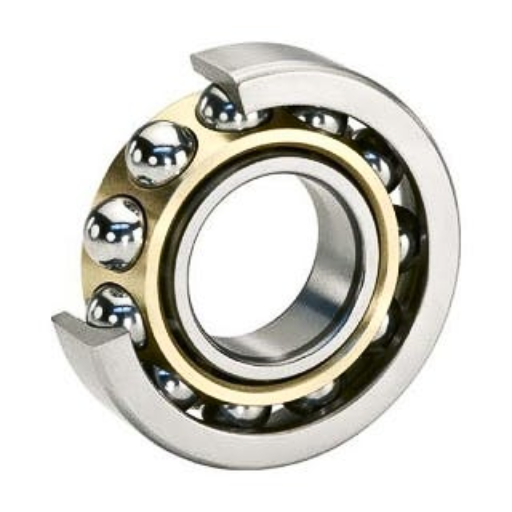
Ball Bearings and Roller Bearings are unique in their ways of how they are used in practical design with their operations as well as structures.
- Design: A ball frame is made of two rings, an inner and an outer one which cu Mncticulesse together with small spheres placed between them that serve to ease the rotational movement and make it effortless. In contrast to roller-type bearings, they keep some form of cylindrical or tapered rollers which better portions the load over a more extensive surface encounter.
- Load Capacity: In most scenarios when roller bearings are employed they are together with a higher capacity than ball bearings.
- Contact Surface Area: In terms of ball bearings, contact at point instance is the best when rotating at high speed, and for roller bearings line contact radial and axial loads better.
- Bearings: Ball bearings can be found in low-weight machines such as fans or bicycles. Heavy equipment like conveyors and industrial vehicles typically use roller bearings.
The differences outlined above are central to each type of bearing’s range of optimal use.
Types of Bearings and Their Modern Applications
Bearings are critical for the functioning of countless machines as they minimize friction and support loads in different directions. Some types of bearings are specialized and optimized for particular applications.
1. Ball Bearings
The primary function of ball bearings with rolling spherical elements is to reduce friction from rotation while managing radial and axial loads. The latest advancements in ball bearing technology have improved their efficiency, enabling their use for high-speed applications such as electric motors and precision instruments. Reportedly, ceramic ball bearings, valued for their low weight and high-temperature resistance, are now gaining adoption in the aerospace and medical industries.
2. Roller Bearings
Due to their cylindrical rolling elements, roller bearings are best for carrying heavy loads. They are typically used in applications like conveyor belts and industrial machinery. For example, spherical roller bearings are best at coping with the misalignment of shafts and provide lasting life under severe mechanical abuse.
3. Tapered Roller Bearings
They are one of the most complicated elastomer and polymer components to manufacture since they permit radial and axial loads to be applied simultaneously. These are used extensively in automotive industries such as in wheel hubs and gearboxes due to their conical shape. Recent studies have indicated that sophisticated methods of lubrication significantly improve efficiency and enhance the operational life of tapered roller bearings.
4. Needle Bearings
Bearings with a high length-to-diameter ratio are most helpful when loads need to be supported in confined places and spatial considerations are of utmost importance. Construction and Manufacturing industries widely use these types of bearings in their tools and gear systems.
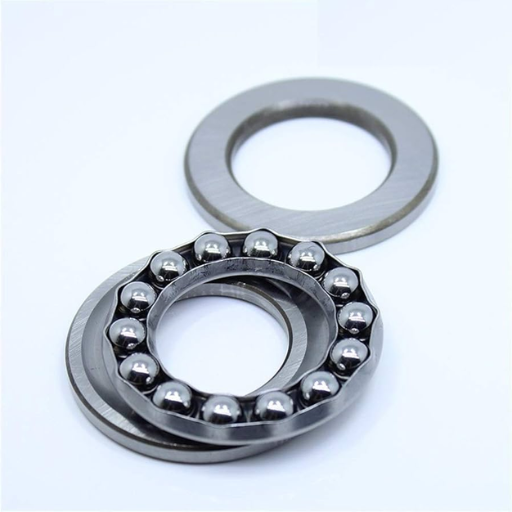
5. Thrust Bearings
They are made specifically for axial loads, enabling smooth rotary motion on the shaft. They are extensively used in rotary systems like propellers, rotors, turbines, and compressors. Recently introduced constructions from material science, hybrid thrust bearings made from ceramics and steel parts of different components enjoy strength and heat resistance which puts them at the top of the thrust bearing field.
Breakthroughs in material engineering, nanotechnology, and lubrication techniques have advanced the versatility and efficiency of these components for modern machinery. Choosing the right bearing depends on operational requirements so optimal performance and durability can be achieved across diverse applications.
How Needle Roller Bearings Minimize Friction
Needle roller bearings are crafted for compact mechanisms that need to minimize energy loss. These types of bearings incorporate slender cylindrical rollers in place of perfunctory balls, which in turn boost surface area contact. The amount of rolling resistance experienced is greatly alleviated, which in turn reduces energy lost in the machines smoothens system functioning.
For example. one of the distinct advantages of needle roller bearings is their spatial efficiency due to lowered cross-section height. This provides added value in automotive machine systems, industrial equipment, as well as in aerospace technologies. It has also been reported that the precisely shaped rollers greatly improve the load distribution on the bearing surface, and therefore friction against the raceways is diminished while component life is prolonged.
Over exploring years, the materials and lubrication methods of needle roller bearings have undergone positive changes. To illustrate, the incorporation of advanced materials, such as chromium steel, as well as the use of synthetic grease are proven to reduce friction and enhance durability for high-speed, high-temperature endurance-rated applications. This modern construction has enabled high precision bearings to decrease industrial machinery energy expenditure by as much as thirty percent, making energy efficiency a reality. The unique designs of these cages also ensure appropriate roller positioning, reducing internal frictional losses and making them trustworthy for several high-load applications.
Comparing Ball Bearings and Roller Bearings in Various Applications
Both ball and roller bearings have taken the spotlight in various mechanical systems and their differences make each of them perfect for different applications. Ball bearings have a spherical shape since they contain a ball element, and they are best suited for precision work such as electric motors and medical machinery due to their ability to endure radial and axial loads simultaneously. With a ball bearing’s design which significantly reduces the area of the pieces in contact, this enables lower friction and efficient operations even at extremely fast rotations.
On the contrary, the use of cylindrical or tapered rolling elements makes roller bearings more appropriate for applications requiring high load capacities and needing to endure heavy-duty work. Their larger contact surface enables better weight distribution which is useful for conveyor systems, wheel hubs, and heavy industrial machinery. Research indicates that roller bearings endure up to 20% more weight compared to ball bearings of the same dimensions thus increasing operational durability in harsh conditions.
These days, scientists and engineers are constantly improving all types of bearings, selecting optimum materials for each particular task with updated research materials. For example, the need for heat resistance and high-speed operations has resulted in the popularity of ceramic ball bearings, whereas novelties in the manufacture of roller bearings have increased their ability to withstand shock loads and fatigue life by over 25%. All types of bearings are undergoing constant changes to meet various requirements.
How to Choose the Right Bearing for Your Application?
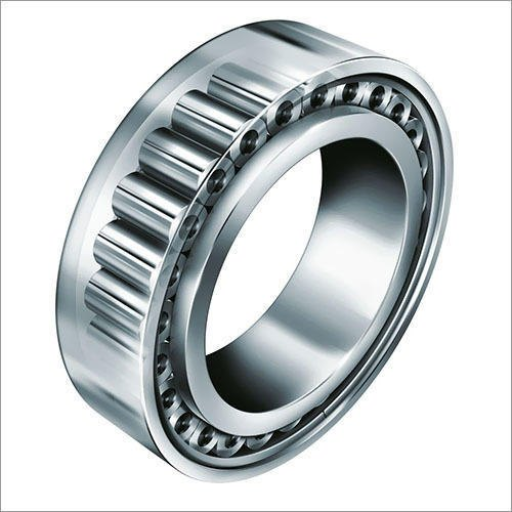
Choosing the right bearing requires factoring in a few major issues.
1. Types of Loads and Their Magnitudes
Identify if the bearing will experience radial, axial, or a combination of both loads. For lighter, high-speed applications, ball bearings are most suitable, while more robust applications with heavier loads and shocks are better suited with roller bearings.
2. Environmental Conditions
For temperature specifics, consider moisture, dust, and exposure to chemicals. Materials and seals must be chosen that best align with these operating environments.
3. Rotational Speed
For applications that require high speeds, ball bearings are preferable due to their efficient friction alleviation.
4. Space
For compact applications, axially short needle roller bearings with a high load capacity may be used.
5. Routine Task
Various maintenance intervals may be required. Lubricated bearings provide some maintenance-free operation, while sealed bearings tend to operate for extended periods with little upkeep.
Measured evaluation of the above factors will allow the selection of a bearing solution that provides optimum performance and longevity for a given application. More guidance can be found in the manufacturer’s documentation.
Factors to Consider When Selecting Roller Bearings and Ball Bearings
- Load Capacity and Type
The loading type and its severity is some of the most important considerations. Roller bearings are best appropriate for heavy radial loads because their design allows them to bear the load over a large area. On the contrary, ball bearings are better for light loads and are more effective in the combination of radial and axial loads. For example, spherical roller bearings can support some misalignment while under heavy load, thus making them appropriate for use in industrial applications that need to endure a lot of stress.
- Operating Speed
The rotational speed of the application is also a major factor. Ball bearings are usually better faster applications because of the lower rolling resistance and less heat generated in the process. Roller bearings are best suited for slow-speed operations where load capacity is critical. An example of this is cylindrical roller bearings which are used in medium speed devices such as gearboxes that require accuracy and a high degree of loading.
- Material and Durability
Bearings are constructed from materials that include chrome steel, stainless steel, and ceramics based on the environment in which they will be used. Chrome stainless steel is the go-to material due to its cost-effectiveness and strength. Stainless steel has better corrosion resistance in humid or aquatic environments. Ceramic bearings are lightweight and resistant to corrosion, making them easier to use in high-speed applications such as aerospace industries.
- Environmental Conditions
Factors like contaminants, temperature extremes, and moisture exposure greatly impact bearing selection. Sealed bearings have a clear-cut advantage in dirt-prone environments since they reduce the need to clean and lubricate frequently. Used in conjunction with sealed bearings, appropriate lubricants significantly increase bearing life in grueling operational environments.
- Lifespan and Maintenance Costs
A detailed approach while considering the total cost of ownership will include making the initial investment and factoring the ongoing maintenance attention required. The overall service life of bearings equipped with reliable seals, high-quality construction, and lubricating systems is far superior. Also, unexpected failures, arguably an incremental cost, can be prevented using advanced monitoring techniques like vibration analysis.
Examining these factors enables industries to choose the most appropriate bearings for their needs, improving long-term efficiency and reliability while lowering costs. Innovations in design technology and materials science continue to broaden the scope and applicability of roller and ball bearings in various industries.
Understanding the Capacity of Ball Bearings
The performance capabilities of ball bearings are limited by their supporting structures which provide axial and radial loads. It is affected by several components like the components and the design of the bearing, the materials used, and the operating conditions. Bearings also have radial load capacity which is the endurance to loads presented perpendicular to the shaft and axial load capacity which has to do with the forces acting on the shaft’s axis.
Most modern ball bearings are manufactured from engineered materials like chrome steel or ceramic which are much easier to maintain and assist the ball bearings performance. For instance, standard chrome steel ball bearings can typically handle radial loads of several thousand pounds depending on their size. Specialized bearings like hybrid ceramic options can achieve even higher due to their strength and resistance to wear.
To understand the capacity further, bearing life is also an essential factor. It is estimated by the L10 life method which explains how the number of turns or hours spent at a set speed would have a 90% population of that bearing show signs of fatigue. Detailed charts are provided by the manufacturers along with dynamic load rated in Newtons (N) or pounds-force (lbf) to aid in application load capacity calculations.
Furthermore, developments in lubrication and sealing systems have also increased the load capacity of ball bearings. With effective seals, inner components are protected from contamination, and high-performance lubricants are capable of reducing friction and heat build-up, thus prolonging lifespan. These factors help maintain efficiency under extreme conditions, including elevated temperatures or severe vibrations, enhancing endurance even during the most demanding situations.
For optimal reliability and performance, it is crucial to grasp these capabilities and consider specifications given by manufacturers to bearing during choosing ball bearings. These specifications can ensure accuracy for a range of uses, from industrial machinery to heavy-duty precision apparatuses.
Applications Requiring Low-Friction Solutions
In sectors where energy loss must be curbed, low-friction solutions are a must, especially when boosting productivity. An example is the automotive industry, where low-friction ball bearings are needed to enhance the fuel economy and reduce CO2 emissions of electric and internal combustion vehicles. Possible standards of the field are verified with advanced coatings, like diamond-like carbon (DLC) which lower friction coefficients by up to 50% compared to conventional lubricants.
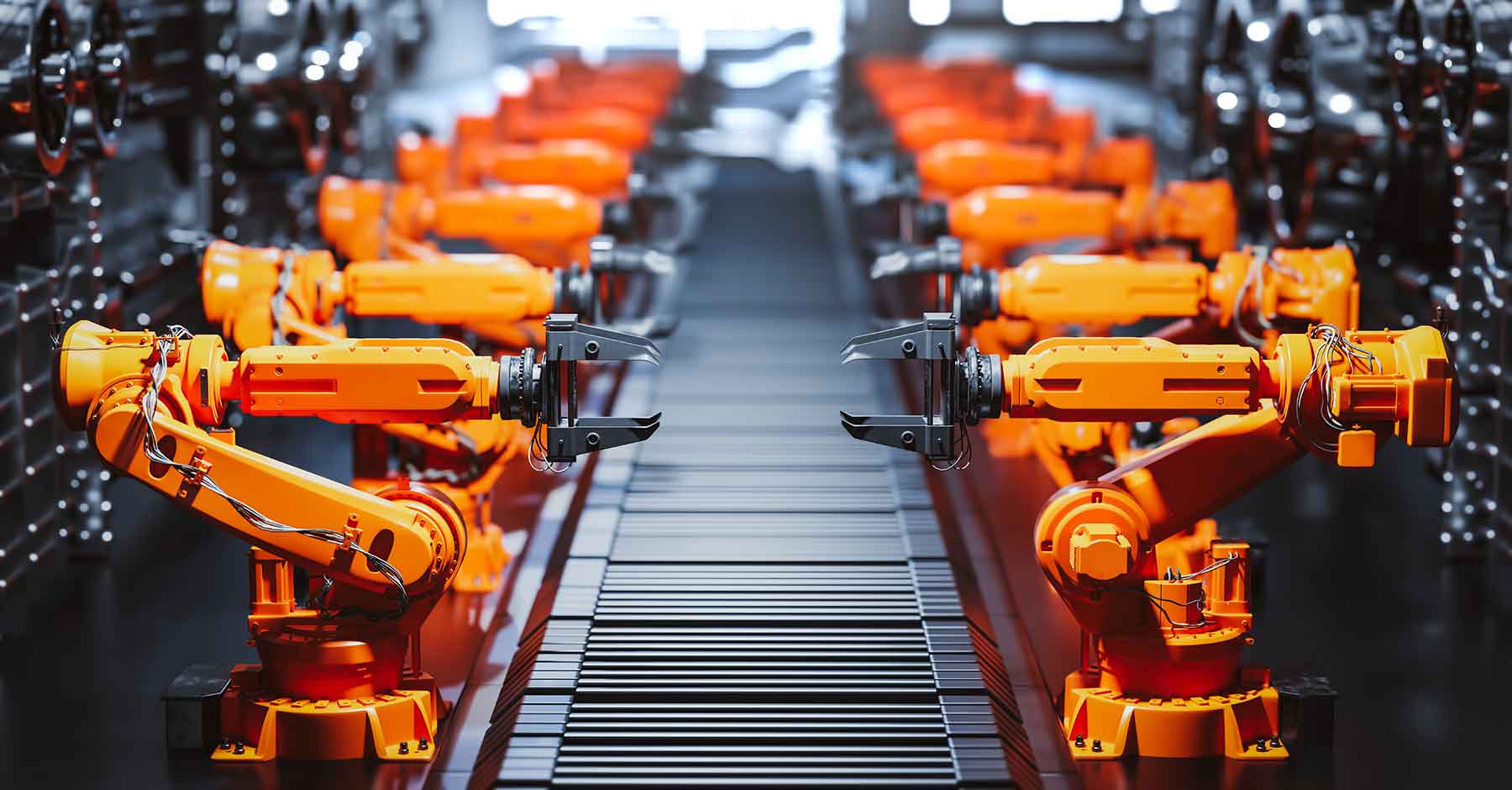
Likewise, in industry and manufacturing, low-friction methods are incorporated within the belts of conveyors and robotic assemblies. These systems require very tight tolerances and extremely low levels of wear to avoid failure during long-term operation. Analysis based on new technologies reveals that the use of ceramic or hybrid ball bearings can increase the life of the machinery by 3-5 times compared to using steel bearings, and additionally, the maintenance needed is reduced.
Moreover, ball bearings and similar low-friction parts are also applied in aerospace for use in aircraft engines and control systems to provide smooth uninterrupted movement. Light materials like titanium and advanced-grade lubricants have been shown to reduce energy consumption and friction, thus improving the service intervals and increasing the cost efficiency of operations.
These industries stand to gain enhanced performance by adopting the innovative low-friction approach, fulfilling reduced energy requirements and extending equipment lifetime as part of corporate social responsibility objectives. This is focused on the global competition in the market for technology and the emphasized trend of increased efficiency.
What are the Types of Ball Bearings and Their Uses?
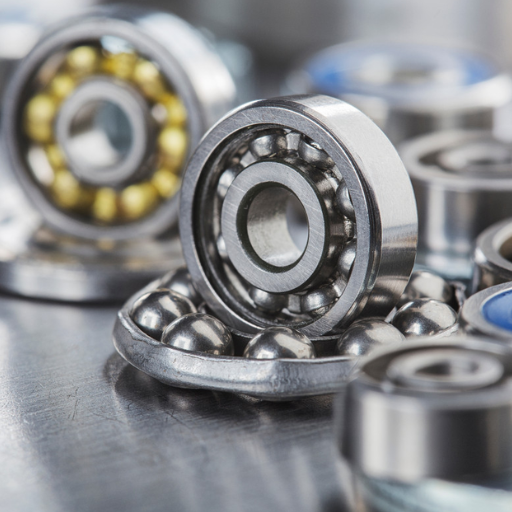
- Deep Groove Ball Bearings
These are the most typical forms of ball bearings. They are best suited in places with high rotational speed and little maintenance; they are used in motors, household machines, and gearboxes.
- Angular Contact Ball Bearings
These bearings are used in machinery containing radial and axial pumps, rotary compressors as well as high-speed spindles due to their ability to withstand radial and axial loads simultaneously.
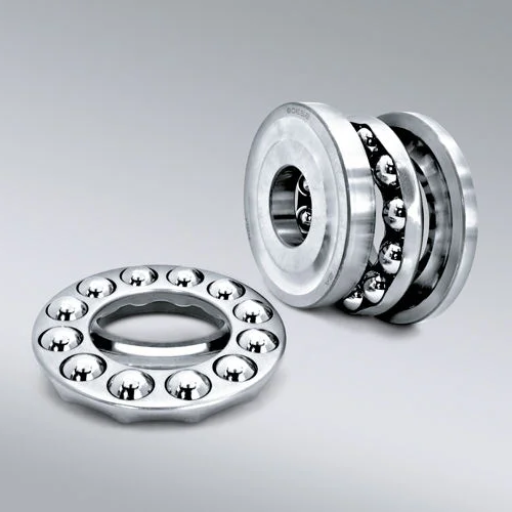
- Thrust Ball Bearings
These bear precisely axial loads. Furniture turntables, crane hooks, and low-speed gearboxes often employ thrust ball bearings.
- Self-Aligning Ball Bearings
These types of bearings can readily adapt to a certain degree of misalignment, which is preferable for use in conveyor systems as well as in machinery and textile units.
- Miniature Ball Bearings
These are light as well as small. They are used in medical devices, robots, and precise instruments.
Choosing the right type of ball bearing will give you the desired efficiency and functionality for your application. Remember to always measure the load settings and operational environment beforehand.
Exploring Angular Contact Ball Bearings
These are the only types of bearings that simultaneously sustain radial and axial loads. The performance of any machine is critically affected by the radial and axial loads exerted on it during rotation, and usually, axial loads are applied simultaneously with radial loads. Usually, contact angles 15°,25°, and 40° are widespread, where a higher angle provides a higher axial load.
Angular contact ball bearings have one of the most remarkable properties of high-precision ball bearings which can be utilized in CNC machines, turbines, and automotive gearboxes requiring utmost reliability. Optimized internal geometry reduces friction and enables efficient performance at high speeds which minimizes wear and tear.
Some of these ball bearings are specifically for use in pairs or sets so that combined multi-direction loads can be applied to them. The design is advantageous for dynamic movements encountered in robotics and aerospace systems. They can also be designed in single row or double row which serves different operating requirements.
The single-row angular contact ball bearing can carry an axial load in one direction while the double-row variant can accommodate radial loads and axial loads in both directions. The durability of these bearings has been enhanced due to modern advancements in material science and the incorporation of new materials such as ceramic or hybrid materials that have high wear resistance.
Angular contact ball bearings are classified according to their series and dynamic load ratings. For example, the 7000 series bearings are common and have dynamic load capacities between 1,000 lbf and 23,100 lbf (pounds-force), and thus give choices across many industries. When choosing a bearing for a specific application, one must also consider the efficiency and lifespan of the bearing, so the workload and speed of the bearing must always be taken into account.
Advantages of Deep Groove Ball Bearings
The performance features of deep groove ball bearings make them one of the most commonly known and used bearings of all time. The ability of these bearings to accommodate radial and axial loads simultaneously while achieving a high rotational speed means they can be used in a wide variety of applications. Also, the simple design of these bearings leads to increased reliability coupled with reduced ease of maintenance and therefore, operating costs.
The deep groove ball bearings have the major advantage of having low frictional resistance and energy efficiency. With a coefficient of friction even lower than 0.001, the dgbb is reliable. Heat generation is a concern for continuous operation machinery and these bearings ensure that the issue is addressed. A featured capability of these deep groove ball bearings is that they can handle well over 7000rpm of rotational speed, making them reliable in harsh environments such as those used in electric motors, medical devices, and a host of other applications.
Deep groove ball bearings benefit from low operating temperatures and generally improve their performance. Studies show these bearings can achieve up to 50,000 hours of service with proper lubrication and maintenance. The lifespan of deep groove ball bearings is extended further due to their precise manufacturing and materials, allowing them to withstand extreme temperatures ranging from -30°F to 250°F.
Finally, these bearings are optimized for value while still maintaining the necessary functionality. They are accessible in different dimensions and configurations which cater to automotive, aerospace, and industrial machinery industries. Their flexibility guarantees their use in numerous engineering problems, serving as a dependable solution.
Specialized Thrust Ball Bearings for High-Speed Applications
Specialized thrust ball bearings are the most critical component for precise and demanding applications as they continuously rotate and perform at ultra-high speeds while needing high axial load support. These are usually constructed from high-end materials like steel grade and ceramic parts which makes them rigid and limits frictional heat build-up when rotating. Their use can also be found in aerospace systems, motors for automobiles, turbines used in industries, and many more.
High-speed thrust ball bearings are best known for optimized raceway geometry, an enhanced feature designed to further reduce already low rolling resistance and improve lubricant flow. Sustained operation at greater than 10 thousand RPM is only achievable with stable performance, which is critical for certain applications. Use of synthetic low-viscosity oils as well as some solid lubricants, known as advanced lubrication technologies, further decreases the rate of damage and lifespan while increasing how long the component can be used for.
Data from performance testing emphasizes their efficiency with some models lasting up to 50% longer than conventional bearings under similar operating conditions. In addition, the precision manufacturing process guarantees reduced noise and vibration control, vital for high-speed, precise machinery. Specialized thrust ball bearings with these characteristics are well adapted for taking high axial loads while operating optimally in high-speed conditions.
Exploring Types of Roller Bearings and Their Applications
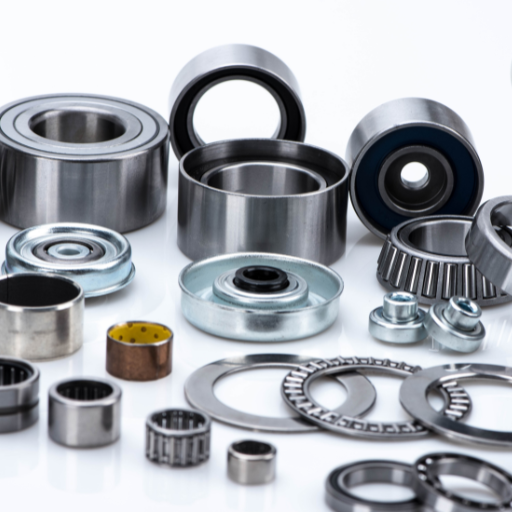
Roller bearings are constructed to manage greater loads and decrease friction in rotating parts. Different types are made based on their use and structure:
1. Cylindrical Roller Bearings
These types of bearings are called self-aligning as they can adjust to friction forces within the system, which makes them optimally used in electric motors, gearboxes, and turbines, rapidly rotating machines.
2. Tapered Roller Bearings
These bearings are suitable in scenarios where both radial and axial loads are applied, like in automobile wheel hubs, gears of internal combustion motors and industrial machines.
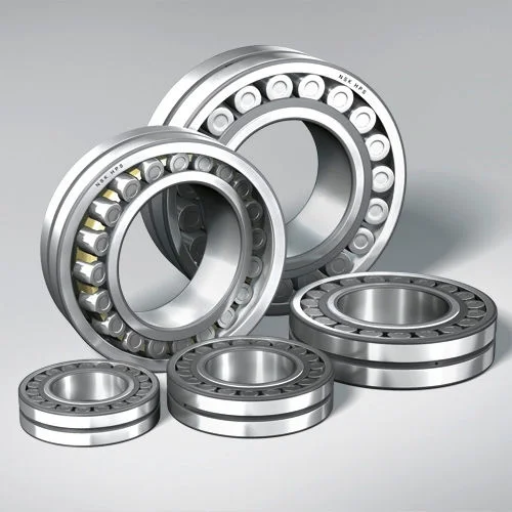
3. Spherical Roller Bearings
Used mostly in heavy-duty applications such as in mining equipment or as part of a heavy-duty conveyor, these types of bearings are meant to withstand significant loads while simultaneously dealing with structural strain.
4. Needle Roller Bearings
Commonly used in smaller machines or automotive parts, these small form factor bearings are ideal for regions with very little free space.
Choosing the right roller bearing type depends on the load magnitude, alignment, and the conditions under which the device will operate.
Features of Spherical Roller Bearings
Heavy radial and axial loads are no challenge to spherical roller bearings, thanks to their self-aligning geometric configuration and forgiving nature to shaft misalignment. They mitigate stress on auxiliary components, critical in harsh contexts. Let us look into some of their characteristics:
1. Superior Load-Carrying Capability
The dual-row assortment of cylindrical cross-sectioned rollers provides the highest possible carrying axial and radial loads simultaneously. The mining, construction, and heavy machinery industries rely on this feature.
2. Self Alignment Capability
Spherical roller bearings provide self-aligning features due to the spherical inner race of the bearing, which allows some angular misalignment of the shaft, granting full operational capabilities even in extreme conditions.
3. Durability Under Tough Environments
Due to extreme environmental conditions, these bear special treatment. Spherical roller bearings are often fabricated with heat-treated steel or specific wear, corrosion, and high-temperature-resistant coatings.
4. Lower Operating Friction and Energy Requirements
Smoother functioning alongside friction reduction is achieved through advanced designs of the internals and lubrication system which operate under lower power demands and high-efficiency needs.
5. Extended Lifespan
Fatigue resistance along with a more advanced operational lifespan are qualities given by optimizing surface finishes and employing advanced materials to, some modern spherical roller bearings also incorporate seals to block contamination.
6. Broad Working Frequency Range
Depending on the material and lubrication, the bearings can function within a broad temperature spectrum ranging from -40°F (-40°C) to 392°F (200°C).
Due to their strength and high level of dependability, spherical roller bearings are critical for use in highly flexible applications. They can operate exceedingly well in different industrial applications.
When to Use Cylindrical Roller Bearings
Cylindrical roller bearings are most effective in applications requiring an electric motor, gearbox, pump, and compressor where there is a high radial load and require high-speed capabilities. These types of machinery work with radial loads and require minimal friction in the components employed.
Because of temperature changes, many shafts expand and contract, making these bearings useful for accommodating displacements. In the case of paper production, a constant softwood supply, in addition to cylindrical roller bearings operating under severe conditions and capable of withstanding long-term continuous operation, is required.
Cylindrical roller bearings have been shown to withstand speeds above 6,000 RPM, depending on the model and type of oil used to lubricate the motor. These bearings surpass others in load capacity due to the greater area of contact maintained between the rollers and raceways, which improves other’s efficiency and dependability, resulting in enhanced performance under extreme conditions.
Their adjustable applications range from single-row to double-row configurations. For instance, double-row cylindrical roller bearings are commonly found in high-precision machining equipment because they provide additional stability and rigidity. In addition, these bearings can withstand high-temperature and contaminated working environments due to the use of advanced materials and coatings like ceramic rollers and wear-resistant steel.
Taking into consideration the properties, cylindrical roller bearings make it possible for some industries to attain the required strength and precision in their systems, thus providing an answer to their needs.
Benefits of Needle Roller Bearings in Compact Spaces
Needle roller bearings offer a high level of load-bearing capacity in tight and confined spaces, thanks to their streamlined design. Their long, thin cylindrical rollers offer better surface contact than other bearing types and allow heavy radial loads to be sustained with ease. Their compact design allows for use in places where space is highly restricted such as in automotive transmissions, gearboxes, and industrial machinery.
Their size-defying load-carrying capacity is one distinct perk of needle roller bearings. To put this in context, they are capable of handling dynamic loads greater than 1.5 times the typical cylindrical roller bearings’ capacity of the same size. Moreover, precision grinding and proprietary heat treatments have also recently been added to the manufacturing processes, thus improving these bearings’ extreme condition durability and wear resistance.
Apart from this, roller needle bearings are essential in friction reduction and system efficient improvement. Their compact height cross-section coupled with a low height enables more streamlined assembly designs, which is crucial in scenarios that require compact and lightweight components. Moreover, long intervals, and low-maintenance operation translates to reduced costs and bolstered reliability over time.
The strength that these components possess, alongside their capabilities, allows global industries like automotive, aerospace, and heavy machinery to integrate powerful compact constructions into their products.
What are the Disadvantages of Ball Bearings?
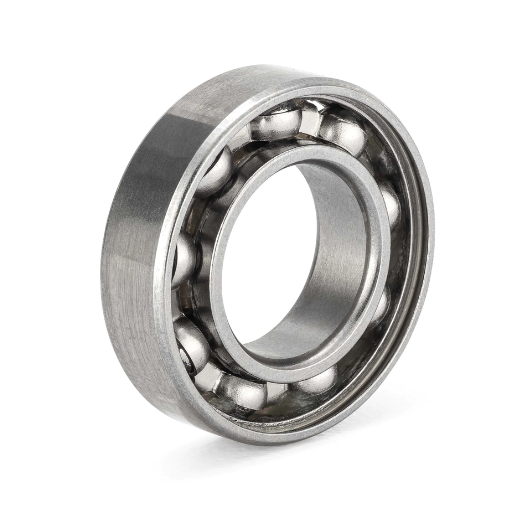
- Limited Load Capacity – Ball bearings are not ideal for handling heavy loads as the contact area between the balls and the raceways is relatively small.
- Sensitivity to Misalignment – Even minor misalignments can lead to decreased efficiency and potential damage.
- Lower Shock Load Resistance – These bearings are less capable of withstanding sudden impacts or shock loads compared to other types such as roller bearings.
- Higher Speed Limitations in Certain Conditions – Excessive speeds, combined with high loads, can lead to overheating and reduced lifespan.
Limitations in High-Speed Applications
Even though ball bearings are extremely adaptable, there are certain specific restrictions on them during high-speed applications. Their use in high-speed applications is only limited due to the friction-produced heat of the rotating system. Increased operating temperature can lead to unacceptable thermal expansion, which may affect tolerances and result in bearing failure. If there is not enough lubrication available, studies show that the likelihood of overheating becomes critical over 1.5 million dN, with d being the measurement of the bore diameter in mm, and N the measurement of the speed in RPM.
Higher velocities also lead to lubrication problems. Conventional lubricants become less effective under extreme conditions, and may even be destroyed. This problem usually arises with the use of hybrid ceramic bearings or advanced synthetic lubricants, which are their own problem because they are costly and require precise application techniques to work efficiently. To further worsen the operations of the bearing, centrifugal forces at high speeds may propel the lubricant from important contact surfaces.
Vibration and noise are other issues we face in high-speed environments. The bearing assembly and alignment are areas that may cause these vibrations to be elevated. These vibration issues are not only performance hindering, however, they can cause component fatigue as well over time. It is clear that surface roughness and proper preload create some of these issues, but reducing them adds complexity to system design.
High-speed performance reveals traditional steel ball bearings’ material shortcomings. Incorporated ceramic balls with steel races, hybrid ceramic bearings perform better because of their lower density and increased strength. They can maintain lower operating temperatures while their speeds are increased. These materials are not always appropriate for every application because of their cost, which presents a trade-off.
Bearing design and material selection for high-speed applications pose unique conflicts that require thorough studying in order for the system to operate efficiently and last long.
Challenges with Reduce Friction in Certain Environments
The removal of friction in some environments is particularly difficult from a technological and material point of view. For instance, some traditional lubricants would fail under very high or low-temperature environments because a refrigerant’s ability to decrease friction could be lost (breakdown) at some point in time. Some studies suggest high-temperature lubricants, such as some synthetics or ceramic composites, can exceed 500°F, thus arguing that they would work best for these applications. Specialized lubricants tend to be much more costly, thus raising the importance of cost considerations.
High moisture and underwater conditions bring on a different set of concerns because water can erode, ie wash-away, the standard lubricants or even cause rust (corrode), both of which would increase friction. Newer ideas such as hydrophobic coatings and water-resistant grease formulations have been shown to enhance efficiency in these situations. Some performance test data demonstrates up to 30 percent enhancement for some of those solutions in retaining lubrication.
Friction may also be problematic in certain vacuum applications like aerospace and semiconductor manufacturing, where there is no atmospheric pressure exists. These conditions are often remedied by the use of solid lubricants; Graphite and molybdenum disulfide are common choices as they achieve low friction. Those materials also have limitations in load and speed which means System Engineering has to be done carefully.
Tackling these environmental challenges effectively involves an interdisciplinary approach that merges advanced material science and engineering design with economic considerations to create innovative and cost-effective friction-reduction technologies.
Comparing Bearings vs Ball Bearings: What to Consider
It is important to recognize the different aspects of functionality, design, and applications when comparing bearings and ball bearings. In a generic sense, bearings serve to lessen the friction in mechanical systems by aiding the movement of the parts while supporting a mechanical load. A ball bearing, as a particular kind of bearing, uses rolling elements with a spherical shape, which are located between the inner and outer races, to facilitate effortless rotational movement.
Performance and Load Handling:
Bearings include many other forms like roller bearings, plane bearings, and thrust bearings, all of which are referred to as ‘bearings’ under one umbrella. Bearings also vary in the types of loads they can manage like radial and axial loads. The ball bearing is known to excel in applications with medium velocities but needs minimal load due to its design which offers friction-by-point contact. Bearings with a higher load demand such as roller bearings support better due to their line contact which evenly distributes the weight.
Speed Capabilities:
The use of ball bearings is mostly in high-speed applications as they reduce friction to the bare minimum during rotational movements. Applications such as electric motors, fans, and automotive parts go well with these bearings. Though they work well, they have their weak points. Extreme speeds can cause heating issues, making it more difficult and delicate, calling the use of advanced lubrication techniques, designed materials, or other methods.
Durability and Maintenance:
The life span of bearings is highly dependent on design, materials, and the surrounding environment. In the case of ball bearings, contamination, and wear are issues that occur when exposed to dust, dirt, or low lubrication. These issues can be alleviated with more advanced shields or seals. As with any other component, when comparing bearings, the operating environment and maintenance criteria frequently need to be addressed to guarantee the longevity of bearings.
Applications and Cost Considerations:
In industries such as automotive, aerospace, and manufacturing that require innovative and spatially efficient solutions, ball bearings are a welcome addition. Use in heavy industrial machinery or applications prone to extreme shock loads are not fit for ball bearings; those require alternative bearing types, such as cylindrical and tapered roller bearings. Coastwise, ball bearings tend to be more expensive than plain bearings, especially when adapted or modified variants are needed for specific applications.
In essence, the decision to use bearings or ball bearings primarily rests on load requirements, speed, expected lifetime, overall cost, and application needs. Taking all these factors into account ensures a reliable performed system.
Reference Sources
-
Optimization of Needle Roller Bearing Design Using Novel Hybrid Methods:
- Focuses on the design optimization of needle roller bearings and compares their performance with ball bearings.
- Highlights the advantages of needle roller bearings in specific applications due to their compact design and high load capacity.
- Methodology involves hybrid optimization techniques to evaluate and improve bearing designs.
-
An Investigation for the Friction Torque of a Needle Roller Bearing with the Roundness Error:
- Examines the impact of roundness errors on the friction torque of needle roller bearings and compares it with ball bearings.
- Discusses the differences in friction behavior under varying load and speed conditions.
- Methodology includes experimental analysis and empirical modeling of friction torque.
-
Ball and Needle Bearing Friction Correlations Under Radial Load Conditions:
- Investigates the frictional behavior of ball and needle bearings under radial load conditions.
- Highlights the differences in friction coefficients and performance characteristics between the two bearing types.
- Methodology involves experimental testing and correlation analysis of friction data.
- For more in-depth information you should view from Top Needle Roller Bearings Manufacturers in China – Amigo
Frequently Asked Questions (FAQs)
Q: What are the main differences between needle bearings and ball bearings?
A: The main differences between needle bearings and ball bearings lie in their design and application. Needle bearings consist of long, thin cylindrical rollers and are designed to handle high radial loads in a compact space. Ball bearings, on the other hand, use spherical balls as the rolling elements and are generally used for applications needing low friction and high-speed performance.
Q: When should I choose needle bearings over ball bearings?
A: Needle bearings excel in applications where space is limited and high radial load capacity is needed. They are ideal for situations where the bearing length is longer compared to its diameter, providing high load-carrying capacity in a compact form.
Q: What are the advantages of ball bearings over needle bearings?
A: The advantages of ball bearings include their ability to handle both radial and axial loads, their suitability for high-speed applications, and their lower friction compared to needle bearings. Ball bearings excel in applications where smooth rotation and speed are crucial.
Q: How do ball and roller bearings differ in their applications?
A: Ball bearings are generally used in applications where high speed and low friction are essential, while roller bearings, including needle bearings, are used in scenarios with heavy radial loads. Roller bearings are also more suitable for shock and impact applications.
Q: Can needle bearings and ball bearings be used interchangeably?
A: Although needle bearings and ball bearings are both used to reduce friction, they are not interchangeable due to their different designs and load capacities. Each type is designed to support specific load types and application requirements.
Q: What are some common applications for needle bearings?
A: Needle bearings are commonly used in automotive components like transmissions, gearboxes, and universal joints, where high radial loads and compact dimensions are necessary.
Q: Why are ball bearings preferred in high-speed applications?
A: Ball bearings are preferred in high-speed applications because they offer low friction, which reduces heat generation and energy loss. Their spherical design allows for smooth and efficient rotation, making them ideal for high-speed machinery.
Q: What are the key design elements of ball and roller bearings?
A: Ball bearings consist of spherical balls that rotate within a raceway, reducing friction between moving parts. Roller bearings, including needle bearings, use cylindrical rollers which can handle higher radial loads due to their larger contact area.
Q: How do the load capacities of needle bearings compare to ball bearings?
A: Needle bearings are designed to handle higher radial loads compared to ball bearings due to their elongated cylindrical design, which provides a greater surface area of contact. Ball bearings, however, can handle both radial and axial loads effectively.