


Super precision bearings play an essential role in high-performance machinery, where precision, reliability, and longevity are paramount. This blog aims to provide a comprehensive guide on how to ensure their optimal performance by focusing on key factors such as proper handling, installation techniques, lubrication management, and condition monitoring. Readers will also gain insights into common challenges associated with super precision bearings and actionable solutions to mitigate them. By understanding these critical elements, you can maximize the efficiency, lifespan, and overall functionality of these highly specialized components.
What Are Super Precision Bearings and Why Are They Important?
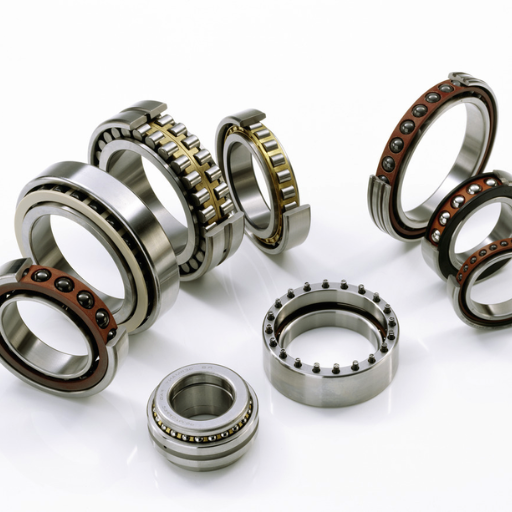
Super precision bearings are high-performance rolling bearings engineered to operate with exceptional accuracy, speed, and reliability. These components are essential in applications requiring precision and efficiency, such as aerospace systems, medical equipment, robotics, and advanced manufacturing. Their importance lies in their ability to minimize friction and heat generation while maintaining tight tolerances, which enhances operational performance and reduces wear. By ensuring consistent and precise motion control, super precision bearings are critical to achieving optimal functionality in demanding, high-speed environments. If you are looking for more information about how to ensure optimal performance of super precision bearings go here right away
Understanding the Different Types of Bearing
Bearings are classified based on their design, functionality, and application in various mechanical systems. The primary types include:
- Ball Bearings
Ball bearings are versatile and capable of handling both radial and axial loads. They function by reducing rotational friction through a rolling element composed of small, hardened steel balls housed between inner and outer rings. Common applications include electric motors, fans, and precision instruments.
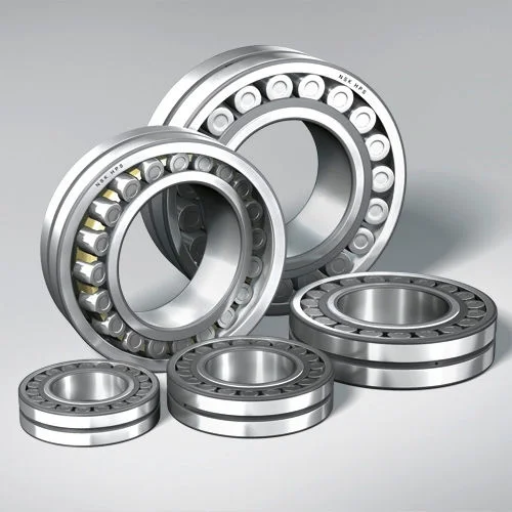
- Roller Bearings
Designed to accommodate larger radial loads, roller bearings use cylindrical rollers instead of balls. Variants such as cylindrical, tapered, and spherical roller bearings address specific load and alignment requirements. These are often used in heavy machinery like conveyor systems and industrial gearboxes.
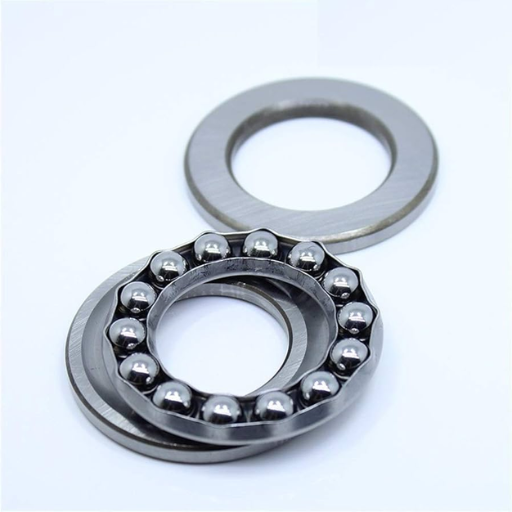
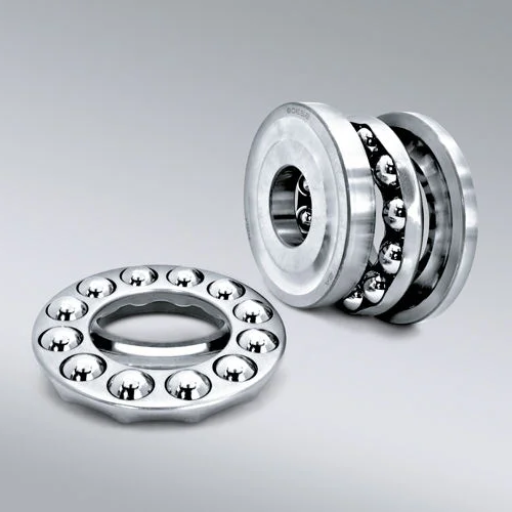
- Thrust Bearings
Specializing in managing axial loads, thrust bearings are frequently used in applications such as automotive transmissions and turbine systems. They ensure smooth rotational motion under high axial stress.
- Needle Bearings
A type of roller bearing with elongated cylindrical rollers, needle bearings are lightweight and compact. They are ideal for scenarios with space constraints, such as automotive components and gearboxes.
- Self-Aligning Bearings
These bearings automatically correct misalignments between the shaft and housing, allowing smooth operation even under shaft deflection. They are commonly utilized in agricultural or textile machinery.
- Magnetic Bearings
Utilizing magnetic fields to suspend and stabilize rotating shafts, magnetic bearings eliminate physical contact, thereby reducing friction. They are ideal for high-speed, high-precision applications such as turbines and compressors.
Each type of bearing is engineered to meet specific performance requirements, making their selection critical to the durability and efficiency of mechanical systems.
Key Features of Precision Bearings for Optimal Performance
- Dimensional Accuracy
Precision bearings are manufactured with extremely tight tolerances, ensuring consistent and reliable performance. Common standards include ISO P5 and P4 grades, where P4 offers higher precision with tolerance deviations as low as ±2 microns.
- Load Capacity
Bearings are designed to handle specific load types, such as radial, axial, or combined. For instance, radial ball bearings can typically handle loads up to 35% of their static capacity, while angular contact bearings are optimized for axial loads due to their contact angle design.
- Material Composition
Advanced materials, such as high-carbon chromium steel (e.g., AISI 52100) and ceramics like silicon nitride (Si3N4), enhance durability, reduce wear, and withstand high temperatures (operating ranges up to 250°F for steel and 1,202°F for ceramic).
- Lubrication Systems
Proper lubrication is essential for reducing friction and wear. Oil lubrication systems are effective for high-speed applications, while grease is suitable for moderate speeds. Viscosity grades, such as ISO VG 32 or VG 68, should align with operational conditions.
- Speed Ratings
Bearings must align with the maximum allowable speed limits. For instance, a precision angular contact bearing with a ceramic ball configuration may achieve a speed rating of 1.5 million DN (the product of bore diameter in mm and RPM).
- Vibration and Noise Control
Low vibration and noise levels are critical, especially in precision machinery. Vibration grades per ISO 1940 can guide selection, ensuring optimal performance in sensitive applications.
- Sealing Mechanisms
Effective sealing mechanisms, such as contact, non-contact, or hybrid seals, protect against contamination and retain lubrication. Consider the environmental conditions and required protection level when choosing seal types.
These parameters, when carefully considered, ensure the optimal performance and longevity of precision bearings in demanding applications.
Applications of Super-Precision Bearings in Various Industries
Super-precision bearings are integral components across a range of industries requiring high-speed, high-accuracy, and reliable performance. Below are key applications and relevant considerations:
- Aerospace Industry
Super-precision bearings are critical in aerospace applications such as turbines, jet engines, and landing gear systems. They withstand extreme conditions, including high loads, rapid temperature fluctuations, and vibrations.
-
-
- Technical Parameters:
-
- Speed Capability: Up to 2 million dN (bearing bore diameter × RPM)
- Operating Temperature Range: -60°F to 300°F (-51°C to 149°C)
- Load Ratings: High axial and radial load capacities to handle dynamic flight conditions
-
- Machine Tools
High-speed machining centers and precision lathes rely on these bearings to achieve exceptional accuracy and surface finishes. They enhance spindle performance, reduce energy consumption, and improve tool life.
-
-
- Technical Parameters:
-
- Rotational Speed Tolerance: Above 10,000 RPM
- Radial Runout Accuracy: ≤ 1 micron
- Lubrication Type: Grease or oil-air systems for minimal friction and heat generation
-
- Medical Equipment
Precision bearings are found in CT scanners, robotic surgical devices, and dental drills, where smooth, noiseless operation and reliability are paramount.
-
-
- Technical Parameters:
-
- Noise Level: ≤ 25 dB for silent operation
- Material Composition: Ceramic or stainless steel for sterilization compatibility
- Speed Capability: Up to 500,000 RPM for applications like dental turbines
-
- Robotics and Automation
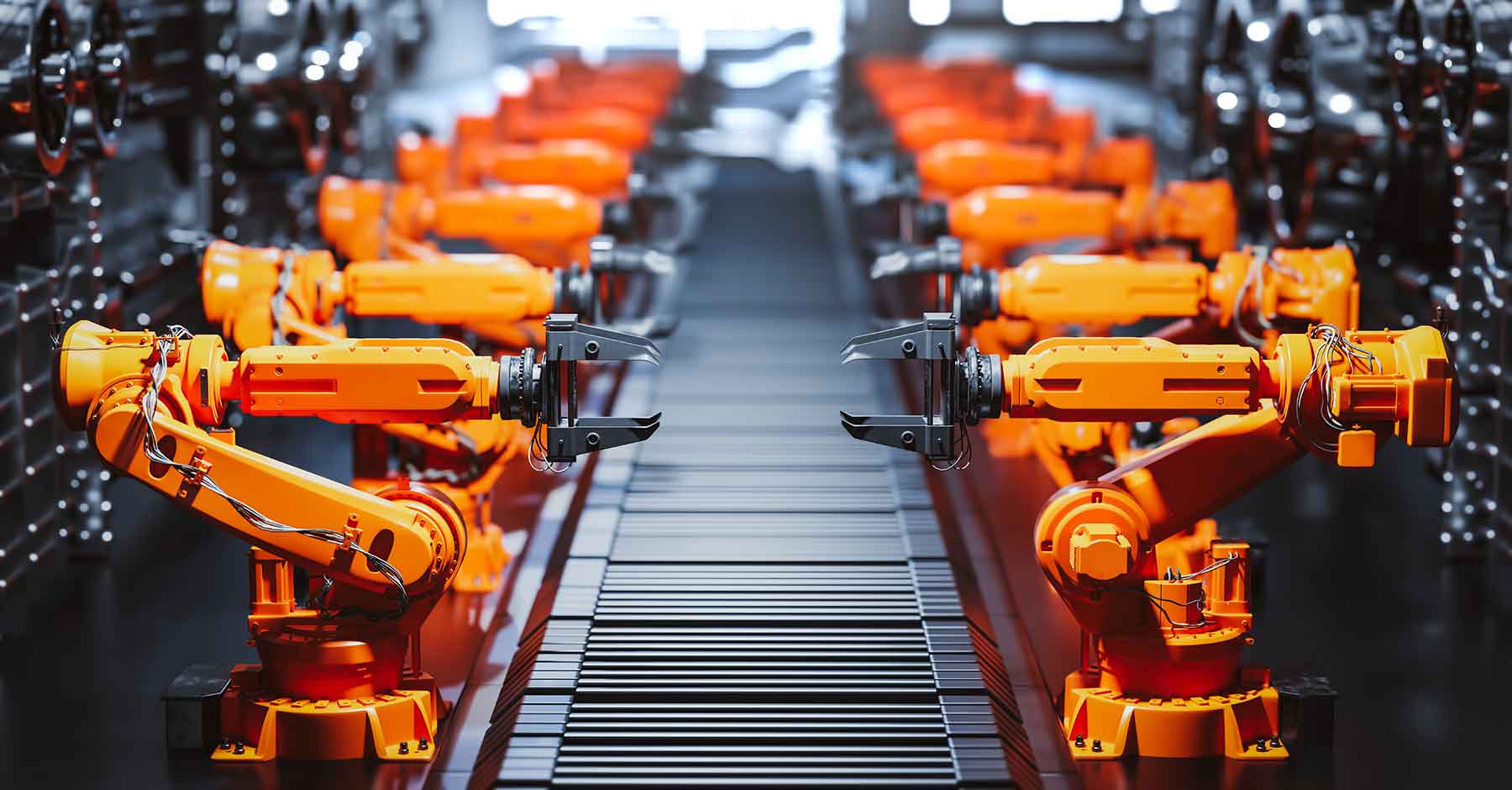
Automation solutions, including robotic arms and actuators, require bearings that ensure precision movement and long operating life under repetitive motion cycles.
-
-
- Technical Parameters:
-
- Axial Stiffness: ≥ 60 N/μm for accurate positioning
- Maximum Deflection Tolerance: ≤ 0.3 μm under load
- Lifetime Rating (L10): > 20,000 hours in cyclic applications
-
- Energy Sector
Super-precision bearings are employed in wind turbine generators, gas compressors, and high-speed pumps, contributing to system efficiency and reliability.
-
-
- Technical Parameters:
-
- Load Capacity: High axial and radial load ratings to handle operational stresses
- Corrosion Resistance Coating for harsh environments
- Maintenance Interval: Extended to delay downtime and reduce costs
-
By integrating robust materials, optimized designs, and advanced lubrication systems, super-precision bearings deliver dependable performance in these industries, driving innovation and operational excellence.
How Can Super Precision Bearings Improve Your Machinery?

Super-precision bearings improve machinery by enhancing operational accuracy, reducing friction, and increasing rotational speeds. Their high load-carrying capacity and extended maintenance intervals minimize downtime, resulting in improved efficiency and cost savings. Additionally, their optimized designs and advanced materials ensure reliability under extreme operating conditions, extending the life span of critical machinery components.
Enhancing Bearing Performance with Super Precision Options
Super precision bearings are engineered to deliver outstanding performance in applications demanding high accuracy and reliability. These bearings achieve enhanced performance through specialized features such as tighter tolerances, optimized raceway geometries, and advanced materials like ceramic or hybrid steel-ceramic components. The precise design reduces vibration and heat generation, which allows for higher operational speeds and lower wear.
To further elevate bearing performance, super precision options include lubricants specifically formulated to minimize friction and enable smooth operation under demanding conditions. Additionally, innovative sealing technologies protect against contamination, preserving the integrity of the bearings in environments exposed to dust, moisture, or debris. The advanced manufacturing processes employed ensure consistent quality and durability, making these bearings essential for industries such as aerospace, robotics, machine tools, and medical equipment, where performance and reliability are critical.
Reducing Vibration and Noise for Better Reliability
To reduce vibration and noise, we focus on precision engineering and the use of advanced materials specifically designed to dampen vibratory forces. By optimizing the internal geometry of components and employing innovative lubrication methods, we minimize friction and disruptions during operation. Additionally, thorough testing and analysis ensure that our bearings meet stringent performance standards, making them quieter and more reliable even under demanding conditions.
Increasing Load Capacity and Efficiency
To increase load capacity and efficiency, we focus on several key engineering principles. First, we utilize high-strength alloys and advanced heat-treatment processes to enhance the material properties of our components, ensuring they can withstand greater loads without compromising integrity. Second, we incorporate optimized contact surfaces and rolling element geometries to reduce stress concentrations and improve load distribution. Lastly, by designing systems with energy-efficient lubrication techniques and precision manufacturing tolerances, we achieve smoother operation and higher mechanical efficiency. These innovations collectively enable us to deliver solutions that excel in both performance and durability.
What Are the Key Considerations When Using Super Precision Bearings?
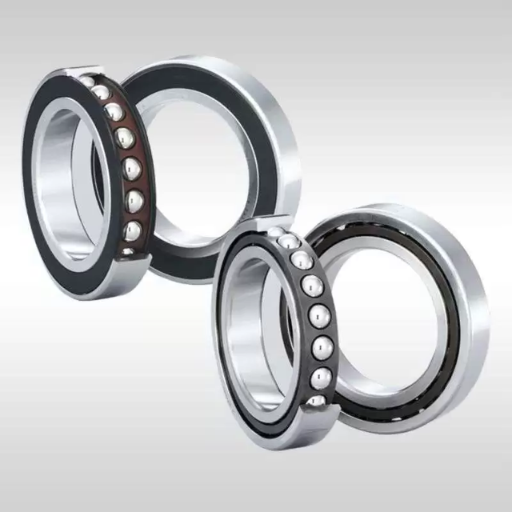
When using super precision bearings, several critical considerations must be addressed to ensure optimal performance and longevity. First, proper lubrication is essential to minimize friction and wear; selecting the correct lubricant type and applying it at the correct intervals is vital. Second, meticulous alignment during installation is necessary to prevent uneven load distribution, which can lead to premature failure. Third, environmental factors such as temperature, contamination, and vibration should be carefully managed, as these can directly impact the bearing’s operational integrity. Finally, regular monitoring and maintenance are required to detect early signs of wear or damage, enabling timely interventions to maintain system reliability.
Understanding Tolerance and Precision Engineering
Tolerance and precision engineering are fundamental in ensuring the accurate functionality of mechanical systems. From my perspective, tolerance refers to the allowable variations in dimensions or physical properties during manufacturing, which ensure components fit and perform as intended even under operational stresses. Precision engineering, on the other hand, represents the meticulous design and manufacturing process required to achieve extremely tight tolerances. Together, these principles are critical for optimizing performance, minimizing wear, and maintaining reliability in high-precision applications across industries such as aerospace, automotive, and robotics.
Factors Affecting Durability and Service Life
The durability and service life of components are influenced by a combination of material properties, environmental conditions, and operational stresses. Material selection is critical, as factors such as strength, corrosion resistance, and fatigue performance directly impact how long a component remains functional. Environmental conditions, including exposure to extreme temperatures, humidity, and chemical substances, can accelerate wear and degradation. Operational factors such as load cycles, mechanical stress, and vibration also contribute to material fatigue and possible failure over time.
Effective strategies to maximize durability include the application of protective coatings, advanced surface treatments, and proper lubrication to reduce friction and wear. Additionally, adherence to rigorous design standards and preventive maintenance schedules ensures that components are operating within safe tolerances, minimizing the risk of premature failure. Finally, incorporating detailed lifecycle analysis during the design phase can help predict potential weaknesses and optimize performance across the intended service life.
Best Practices for Installation and Maintenance
When it comes to installation and maintenance, I focus on precision and adherence to established guidelines to ensure optimal performance. During installation, I thoroughly inspect all components for defects and verify compatibility with system specifications. I prioritize using the correct tools and tightening fasteners to torque values prescribed by manufacturers, which reduces the likelihood of mechanical stress or misalignment. For maintenance, I consistently follow a scheduled plan that includes cleaning, inspecting, and replacing parts as needed. By monitoring systems for signs of wear or abnormalities, I can address issues proactively, extending the lifecycle and reliability of the equipment.
How to Choose the Right Super Precision Bearings for Your Machine Tools
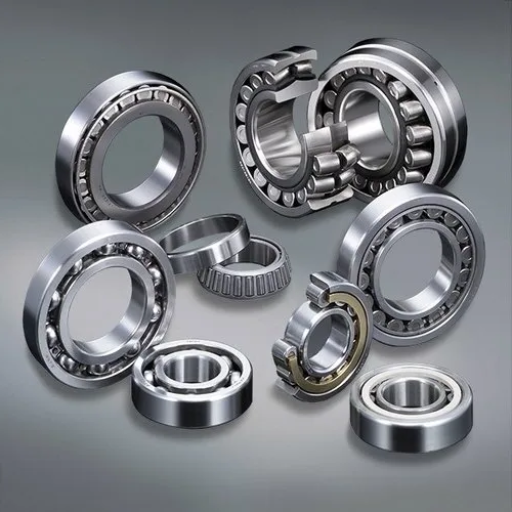
Factors to Consider When Selecting Super Precision Bearings
To choose the right super precision bearings for your machine tools, several critical factors must be evaluated:
- Application Requirements: Assess the operational demands, including speed, load capacity, accuracy, and rigidity. Different applications may require varying axial or radial load capabilities.
- Bearing Type: Select the appropriate type of bearing, such as angular contact ball bearings or cylindrical roller bearings, based on the machine tool’s specifications and performance needs.
- Speed and Accuracy: Ensure the bearings are rated for the maximum rotational speed and precision necessary for the application. High-speed spindles, for example, require low-friction bearings with minimal heat generation.
- Lubrication Method: Determine whether grease or oil lubrication is optimal, considering operational temperature, contamination levels, and maintenance intervals.
- Material and Coating: Consider bearings with advanced materials or special coatings that enhance durability and corrosion resistance, especially in demanding environments.
Evaluating these factors in alignment with the manufacturer’s guidelines and operating conditions will ensure optimal performance, longevity, and efficiency of the bearings in your machine tools.
Comparing Ball Bearings and Roller Bearings
|
Parameter |
Ball Bearings |
Roller Bearings |
|---|---|---|
|
Load Capacity |
Lower; handles radial and axial loads |
Higher; better for heavy radial loads |
|
Contact Area |
Point contact |
Line contact |
|
Friction |
Lower friction |
Higher friction |
|
Speed Capability |
Suitable for high-speed applications |
Limited speed capability |
|
Durability |
Moderate durability |
Higher durability in demanding conditions |
|
Size and Weight |
Compact and lightweight |
Larger and heavier |
|
Maintenance |
Requires less frequent maintenance |
May require more maintenance |
|
Misalignment Tolerance |
Tolerates slight misalignment |
Less tolerant to misalignment |
|
Applications |
Precision tools, motors |
Heavy machinery, conveyors |
|
Cost Efficiency |
Generally more cost-effective |
More expensive but durable |
Considering Ceramic Bearings and Stainless Steel Bearings
|
Parameter |
Ceramic Bearings |
Stainless Steel Bearings |
|---|---|---|
|
Material Composition |
Ceramic (silicon nitride, etc.) |
Stainless steel alloy |
|
Durability |
High under wear and corrosion |
High under heavy loads |
|
Operating Temperature |
Handles extreme heat |
Moderate to high temperatures |
|
Weight |
Lightweight |
Heavier |
|
Noise Levels |
Operates quietly |
Generates more noise |
|
Speed Capability |
High-speed performance |
Moderate-speed performance |
|
Magnetic Properties |
Non-magnetic |
Magnetic |
|
Lubrication Needs |
Often lubricant-free |
Requires consistent lubrication |
|
Electrical Insulation |
Excellent insulation |
Poor electrical insulation |
|
Load Capacity |
Lower |
Higher |
|
Resistance to Chemicals |
Highly resistant |
Moderately resistant |
|
Longevity |
Long lifespan |
Dependable under heavy use |
|
Cost |
Expensive |
More affordable |
|
Maintenance Frequency |
Minimal maintenance |
Periodic maintenance required |
|
Applications |
Precision tools, high-speed |
Heavy-duty machinery, conveyors |
Selecting Thin Section Bearings for Space-Constrained Applications
When selecting thin section bearings for space-constrained applications, I prioritize several key factors to ensure optimal performance. First, I assess the load requirements—both radial and axial—to determine the appropriate bearing type and size. Thin section bearings are ideal for maintaining compact designs while handling moderate to high loads. Next, I consider the material composition, often opting for corrosion-resistant options like stainless steel or ceramic hybrids when operating in harsh or specialized environments. Additionally, I evaluate the lubrication needs and sealing mechanisms to maintain efficiency and minimize wear over time. Ultimately, identifying the right thin section bearing contributes to achieving a balance between compact design and high-precision functionality for demanding applications.
How Do Super Precision Bearings Enhance Performance in Aerospace and Automotive Industries?
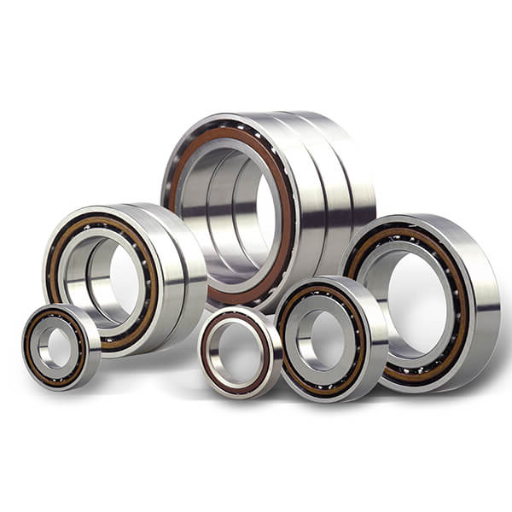
Super precision bearings play a critical role in enhancing performance within the aerospace and automotive industries by delivering exceptional accuracy, durability, and efficiency. These bearings are engineered to withstand high rotational speeds, extreme temperatures, and substantial loads, all while minimizing friction and reducing energy loss. In aerospace applications, they contribute to the smooth operation of turbines, actuators, and navigation systems, ensuring reliability and precision in demanding conditions. Similarly, in the automotive sector, these bearings support components such as transmissions, driveshafts, and turbochargers, enabling superior performance, fuel efficiency, and extended service life. Their advanced design and material properties make them indispensable for achieving stringent performance and reliability standards in both industries.
The Role of Precision Ball Bearings in Steering Systems
Precision ball bearings play a critical role in the effective operation of modern steering systems by minimizing friction and enabling smooth rotational movement. These bearings are typically used in steering columns, racks, and pinions, ensuring accurate transmission of motion and responsiveness to driver inputs. Their precise engineering ensures optimal alignment between steering components, which not only enhances vehicle handling but also reduces wear and tear over time.
Key technical parameters of ball bearings used in steering systems include load capacity, operating speed, and tolerance levels. For instance, the typical dynamic load rating for such bearings ranges from 1,000 to 20,000 N, depending on the specific application and vehicle type. Additionally, their rotational speed is often designed to exceed 3,000 RPM, ensuring seamless functionality under high-performance conditions. Bearings used in steering systems are also engineered with high dimensional accuracy, often adhering to ISO P5 or P6 tolerance classes to ensure reliability and durability.
Materials commonly used for these bearings include high-grade chrome steel (e.g., AISI 52100), which provides excellent strength, wear resistance, and fatigue life. Advanced lubrication options, such as grease with enhanced thermal stability, are also integrated to ensure consistent performance in the varying operating conditions of vehicles. These features collectively contribute to the dependability and longevity of precision ball bearings in modern steering mechanisms.
Optimizing High-Speed Applications with Deep Groove Ball Bearings
Deep groove ball bearings are critical components optimized for high-speed applications due to their ability to handle both radial and axial loads efficiently. Their design, characterized by a deep groove raceway, minimizes friction while maintaining structural integrity under rapid rotational speeds. Key enhancements such as precision-grade manufacturing, advanced heat treatment processes, and superior surface finishes contribute to their high-performance capability.
High-speed optimization often involves selecting bearings with lower-friction seals or shields, implementing high-temperature lubricants that resist thermal degradation, and utilizing lightweight materials or coatings to reduce inertia. Engineers may also focus on maintaining tight tolerances to ensure sustained performance under extreme operational demands. These innovations not only enhance speed and efficiency but also extend the operational lifespan of the bearings, making them indispensable in applications such as electric motors, turbines, and aerospace systems.
Ensuring Peak Performance in Critical Applications
To ensure peak performance in critical applications, I focus on several key strategies. Firstly, I prioritize regular maintenance protocols, including lubrication schedules and inspection for wear or contamination, to prevent unexpected downtime. Secondly, I employ advanced materials and coatings engineered to withstand extreme conditions, ensuring durability and efficiency. Lastly, I rely on precise installation methods and alignment techniques to minimize operational stress and optimize functionality. By implementing these practices, I ensure that the systems consistently perform to their highest potential.
Reference Sources
-
Super precision bearings – the ultimate guide 2023 – A comprehensive guide on production techniques and design for optimal bearing life.
-
Bearing Basics: Extra Precision Bearings – Discusses lubrication options and other essentials for precision bearings.
-
An introduction of super precision bearings | EIBC Blog – Covers the role of roller and ball bearings in ensuring smooth machine performance.
-
Ten Tips for Proper Bearing Maintenance – Offers practical tips for handling, storing, and maintaining bearings.
-
BEARING MAINTENANCE GUIDE – A detailed guide on maintenance practices for various types of bearings.
Frequently Asked Questions (FAQs)
Q: How do super precision bearings ensure optimal performance?
A: Super precision bearings ensure optimal performance by providing high precision and reliability. They are manufactured using advanced technologies and materials to deliver maximum performance in demanding applications.
Q: How can super precision bearings improve machinery efficiency?
A: Super precision bearings can improve machinery efficiency by reducing friction and wear, which leads to less energy consumption and longer service life of the equipment. This results in enhanced performance and precision.
Q: What distinguishes super precision bearings from standard precision bearings?
A: Super precision bearings are designed with tighter tolerances and higher quality materials compared to standard precision bearings. They are also designed to withstand higher speeds and loads, making them suitable for applications that require superior accuracy and performance.
Q: Why are ball screw bearings important in high precision applications?
A: Ball screw bearings are crucial in high precision applications because they reduce rotational friction and convert rotational motion to linear motion with high accuracy and efficiency. This is essential for tasks that require precise positioning and movement.
Q: What role do pillow block bearings play in supporting machinery?
A: Pillow block bearings provide stable support for rotating shafts in machinery. They are designed to accommodate misalignment and reduce stress on the shaft, enhancing the overall reliability and performance of the equipment.
Q: How are super precision bearings manufactured to achieve high performance?
A: Super precision bearings are manufactured using precision machining techniques and high-quality materials. This ensures that they meet strict tolerances and perform reliably under demanding conditions, thus achieving high performance.
Q: In what applications are super precision ball bearings used?
A: Super precision ball bearings are widely used in applications that require high speed and accuracy, such as aerospace, medical equipment, and precision machinery. They provide the necessary support to maintain precision and efficiency in these fields.
Q: Why are plain bearings still relevant in modern machinery?
A: Plain bearings are still relevant in modern machinery because they offer simple, cost-effective solutions for applications with low to moderate speeds and loads. They are designed to withstand harsh environments and provide smooth operation without the need for lubrication systems.
Q: How do slewing bearings contribute to the functionality of large equipment?
A: Slewing bearings contribute to the functionality of large equipment by enabling rotational movement and load support. They are essential in cranes, wind turbines, and other large machinery, providing stability and precision in operations.
Q: What are the benefits of using super precision line bearings in industrial applications?
A: The benefits of using super precision line bearings in industrial applications include enhanced accuracy, higher load capacity, and improved reliability. These bearings can provide the necessary performance and precision required for complex industrial processes.