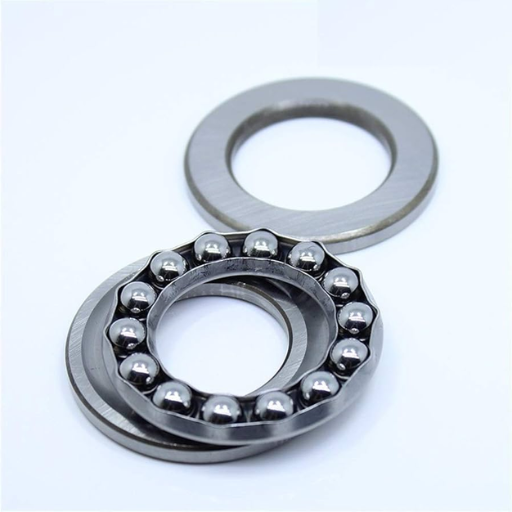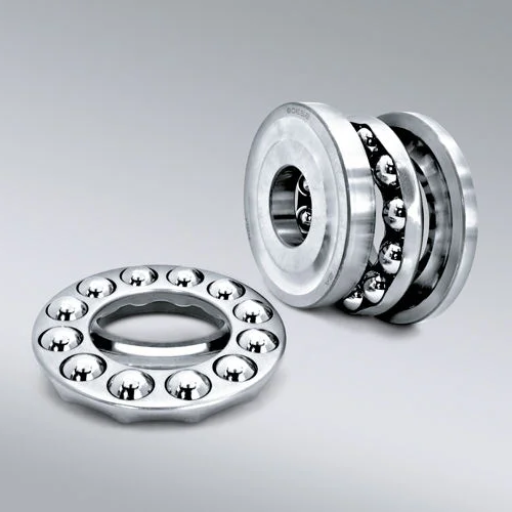
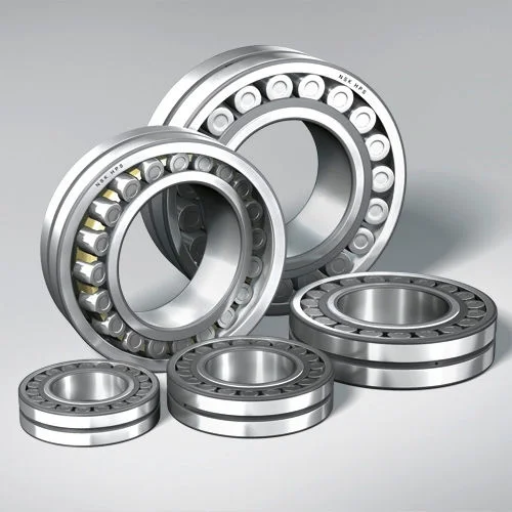



When it comes to performance, durability, and efficiency, the choice between ceramic ball bearings and traditional steel ball bearings plays a crucial role in various applications, ranging from industrial machinery to high-performance sports equipment. This article will explore the key differences between these two types of bearings, analyzing their material properties, performance characteristics, and usage scenarios. Readers will gain a detailed understanding of how ceramic ball bearings compare to their steel counterparts in terms of longevity, heat resistance, and load-bearing capacity. By the end of this post, you will be well-equipped to determine which type of ball bearing is better suited for your specific needs.
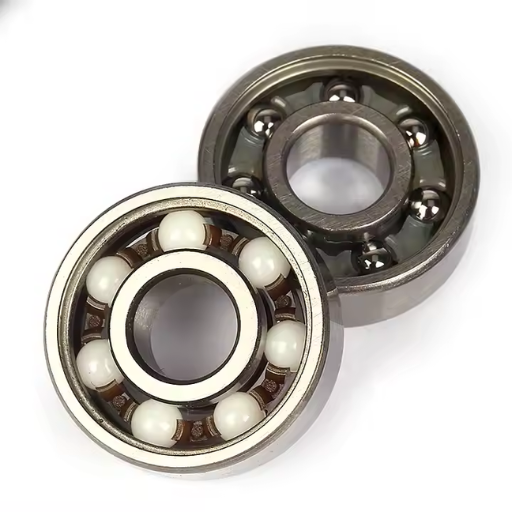
What Is the Difference Between Steel Bearings and Ceramic Bearings?
|
Key Point |
Steel Bearings |
Ceramic Bearings |
|---|---|---|
|
Material Composition |
High-carbon or stainless steel |
Silicon nitride or zirconia |
|
Hardness |
Moderate |
Extremely high |
|
Weight |
Relatively heavy |
Lightweight |
|
Durability |
Good under standard conditions |
Superior, especially in harsh environments |
|
Heat Resistance |
Limited |
Excellent |
|
Friction Level |
Higher than ceramic |
Lower, reducing energy loss |
|
Corrosion Resistance |
Susceptible without coating |
Highly resistant |
|
Load-Bearing Capacity |
High in heavy loads |
Moderate, depending on design |
|
Speed Capability |
Moderate |
High, ideal for precision tasks |
|
Cost |
More affordable |
Higher initial investment |
|
Maintenance Requirements |
Regular lubrication needed |
Minimal maintenance |
|
Longevity |
Shorter lifespan under stress |
Longer lifespan |
Understanding Steel Ball Bearings
Steel ball bearings are widely recognized for their durability, affordability, and versatility in a variety of applications. Composed primarily of high-grade steel, such as chrome steel or stainless steel, these bearings are designed to handle significant loads and stresses. Their strength and resilience make them well-suited for industries requiring reliable performance under standard operating conditions. However, they are more prone to wear and thermal expansion at extremely high speeds or temperatures compared to hybrid ceramic bearings. If you are looking for more information about ceramic ball bearings vs. ball bearings go here right away
Key Advantages of Steel Ball Bearings
- Load Capacity – Steel ball bearings are capable of handling high radial and axial loads due to their robust material properties and uniform heat treatment processes.
- Cost Effectiveness – Compared to ceramic bearings, steel ball bearings are far more economical, making them an ideal choice for budget-conscious applications.
- Wide Availability – Both standard and custom steel bearings are readily available in the market, ensuring that they meet diverse size and specification requirements.
Limitations in High-Speed and Specialized Applications
At very high speeds, steel ball bearings encounter challenges such as increased friction, heat buildup, and wear due to their weight and susceptibility to thermal expansion. These factors may lead to reduced performance and shorter service life in critical, high-speed environments. This is a key reason why applications demanding superior speed and reduced friction, such as precision machinery or aerospace technologies, often transition to ceramic hybrid bearings.
Common Applications for Steel Ball Bearings
Steel bearings are extensively used in industries where cost-effectiveness and robust performance under standard conditions are priorities. Examples include:
- Automotive systems such as wheels, transmissions, and gearbox mechanisms.
- Industrial equipment, including conveyor systems and gear motors.
- Construction and heavy machinery subjected to high load stresses but moderate speed conditions.
By understanding the inherent strengths and limitations of steel ball bearings, engineers and designers can effectively align their selection with the specific demands of their applications.
Exploring Ceramic Ball Bearings
Ceramic ball bearings represent a significant advancement in bearing technology due to their unique material properties and performance benefits. Constructed from high-strength silicon nitride or similar ceramics, these bearings are lighter, harder, and more resistant to wear than their steel counterparts. Additionally, their ability to withstand higher operating temperatures and resist corrosion enhances their suitability for demanding applications such as aerospace systems, electric motors, and high-performance racing vehicles. While the initial cost of ceramic ball bearings is typically higher, their extended operational lifespan and lower maintenance requirements frequently offset this expense, making them a cost-effective choice for high-precision, high-efficiency applications.
Comparing Steel and Ceramic Materials
|
Parameter |
Steel |
Ceramic |
|---|---|---|
|
Density |
Higher |
Lower |
|
Thermal Conductivity |
High |
Lower |
|
Corrosion Resistance |
Moderate |
Excellent |
|
Hardness |
Lower |
Higher |
|
Weight |
Heavier |
Lighter |
|
Operating Temperature Range |
Limited |
Wider |
|
Wear Resistance |
Moderate |
Superior |
|
Electrical Insulation |
Conductive |
Insulating |
|
Cost |
Lower initial cost |
Higher initial cost |
|
Maintenance Frequency |
More frequent |
Less frequent |
|
Lifespan |
Shorter |
Longer |
How Does Friction Affect Bearing Performance?
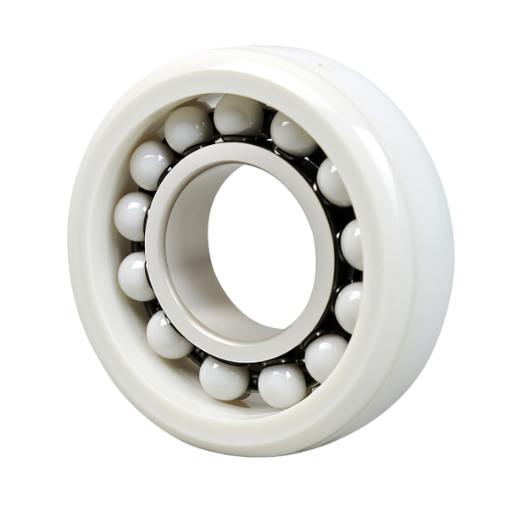
Friction plays a critical role in determining bearing performance by influencing efficiency, energy consumption, and component wear. High levels of friction within a bearing result in increased heat generation, which can cause thermal expansion and material degradation, reducing the bearing’s lifespan. Conversely, reduced friction enhances operational efficiency, minimizes energy losses, and lowers maintenance requirements. Ceramic hybrid bearings excel in mitigating friction due to their smoother surfaces, higher hardness, and thermal stability, making them ideal for high-speed and high-temperature applications. By managing friction effectively, bearings can achieve optimal performance and reliability across diverse industrial applications.
The Role of Friction in Steel Bearings
Steel bearings rely on precision engineering and lubrication to manage friction during operation. Friction in steel bearings can be categorized into three primary types: rolling, sliding, and viscous friction. Rolling friction occurs between the rolling elements and raceways, while sliding friction emerges when there is relative motion between components such as cage elements and rolling elements. Viscous friction is influenced by the lubrication properties and dynamic viscosity of the chosen lubricant.
Under high-speed conditions, friction in steel bearings can lead to excessive heat generation, resulting in thermal expansion, lubricant breakdown, and reduced operational efficiency. For example, at rotational speeds exceeding 10,000 RPM, the heat generated due to friction may cause temperatures to rise significantly, often surpassing 150°C, if insufficient cooling or improper lubrication exists.
To mitigate friction, factors such as surface finish, material hardness, and proper lubrication must be optimized. Surface roughness for raceways and rolling elements is typically maintained between Ra 0.1 to 0.4 μm to minimize energy losses. Furthermore, lubricants with high thermal stability, such as synthetic oils with additives, are preferred to ensure consistent performance under varying loads and temperatures.
How Ceramic Bearings Reduce Friction
Ceramic bearings reduce friction primarily due to their material properties and precise engineering. Unlike steel bearings, ceramic bearings are made from materials like silicon nitride, which are lighter, harder, and smoother. Their reduced surface roughness leads to lower contact friction, while their lighter weight minimizes centrifugal forces at high speeds. Additionally, ceramic materials have lower thermal expansion, reducing heat generation and maintaining a stable performance even under extreme operating conditions. These factors collectively contribute to improved efficiency, reduced wear, and longer service life.
Why Choose Hybrid Bearings?

Hybrid bearings combine the strengths of steel and ceramic materials to deliver superior performance in demanding applications. Their ceramic rolling elements provide increased durability, reduced friction, and excellent thermal stability, while the steel raceways ensure structural integrity and load-bearing capabilities. This combination results in enhanced speed, lower operating temperatures, and extended service life, making hybrid bearings a reliable and cost-effective solution across industries, including automotive, aerospace, and industrial machinery.
What are Ceramic Hybrid Bearings?
Ceramic hybrid bearings are advanced bearings that combine ceramic rolling elements, typically made from silicon nitride, with steel raceways. This unique construction leverages the strengths of both materials to deliver superior performance. Ceramic rolling elements are lighter, harder, and exhibit lower thermal expansion compared to steel, which minimizes friction and wear while enabling higher speeds and improved energy efficiency. The steel raceways, on the other hand, provide the structural strength needed to handle significant loads. These bearings are also highly resistant to electrical conductivity, making them ideal for applications that involve electric motors or high-frequency environments. Overall, ceramic hybrid bearings are widely used in industries like automotive, aerospace, and precision machinery due to their durability, efficiency, and reduced maintenance requirements.
Advantages of Hybrid Ceramic Bearings
From my analysis, hybrid ceramic bearings offer significant advantages over traditional steel bearings due to their unique construction. First, they exhibit lower friction coefficients, typically around 0.001 to 0.005, reducing energy loss and enhancing efficiency in high-speed applications. Their silicon nitride ceramic balls are 50% lighter than steel, which minimizes centrifugal forces and reduces wear on the raceways. Additionally, these bearings operate exceptionally well under high temperatures, withstanding conditions up to approximately 1,200°F (649°C), depending on the specific design.
Another major benefit is their resistance to electrical conductivity. Unlike all-steel bearings, the ceramic components are non-conductive, preventing electrical arcing damage in electric motor applications. This makes them ideal for precision machinery and aerospace applications where insulation and reliability are paramount. Furthermore, the reduced weight and hardness of ceramics result in less vibration and quieter operation, extending the operational lifespan of the entire assembly. These advantages, combined with lower maintenance needs, make hybrid ceramic bearings a superior choice for demanding industrial applications.
Applications for Hybrid Bearings
Hybrid ceramic bearings are utilized across a diverse range of industries due to their superior performance under demanding conditions. Below are key applications and their specific technical requirements:
- Aerospace Industry
Hybrid bearings are commonly used in jet engines, turbine shafts, and other aerospace components due to their high-speed capabilities and ability to perform under extreme temperatures. These bearings can tolerate operating temperatures up to 300°C (572°F) while exhibiting low thermal expansion, ensuring stability and precision in high-stress environments.
- Machine Tooling and Manufacturing
Precision machinery, such as CNC machines, relies on hybrid bearings for their durability and low-friction operation. Their reduced vibration and minimal wear extend the lifespan of spindle assemblies. For example, typical hybrid bearing configurations can achieve speeds upwards of 1 million dN (a parameter combining the bearing diameter and speed), significantly enhancing machining efficiency.
- Automotive Applications
Hybrid ceramic bearings improve performance in electric motors, turbochargers, and transmission components. Their lightweight design reduces energy consumption, making them ideal for electric vehicles (EVs). Additionally, their ability to withstand high RPMs (up to 70,000 or more, depending on size) ensures reliability in modern EV drivetrains.
- Energy Sector
Wind turbines employ hybrid ceramic bearings in gearboxes and generators to minimize friction, resist corrosion from environmental factors, and support high-load operations. The bearings’ long operational life reduces downtime and maintenance, crucial for renewable energy systems to remain cost-effective.
- Medical Devices
Due to their biocompatibility and wear resistance, hybrid bearings are integrated into medical equipment like dental drills and MRI machines. These devices demand precise motion and quiet operation, both of which are facilitated by the hybrid bearing’s low noise levels and friction coefficients.
By combining the benefits of ceramic rolling elements and steel races, hybrid bearings provide unmatched performance in these critical applications, leading to improvements in efficiency, reliability, and overall system integrity.
Which Bearing is Best for High-Speed Applications?

When selecting a bearing for high-speed applications, hybrid ceramic bearings are often the optimal choice. Their ceramic rolling elements are lighter and generate less centrifugal force compared to steel, reducing wear and enabling higher rotational speeds. Additionally, they exhibit low friction and thermal conductivity, minimizing heat generation even under extreme operating conditions. These characteristics make hybrid bearings highly reliable and efficient for high-speed machinery, ensuring both longevity and consistent performance.
Benefits of High Speeds with Ceramic Bearings
One of the primary benefits of ceramic bearings operating at high speeds is their ability to maintain stability and performance under extreme conditions. Their lighter ceramic rolling elements cause reduced centrifugal force, which minimizes strain on components and allows for rotational speeds exceeding 1.5 million DN (diameter in mm multiplied by speed in RPM). Furthermore, the low coefficient of friction (typically ranging between 0.001–0.005 for ceramics) ensures efficient operation by reducing energy losses and heat generation. These bearings can sustain temperatures up to 1200°F (649°C) without significant degradation, thanks to their superior thermal resistance. Such factors significantly enhance the operational lifespan of machinery by preventing premature wear and ensuring reliability in demanding high-speed applications.
Challenges with Steel Bearings at High Speeds
When operating at high speeds, steel bearings encounter several critical challenges. First, the increased friction between the rolling elements and the raceways generates excessive heat, which can lead to thermal expansion and material deformation. Second, the limitations in their fatigue strength make them prone to spalling and surface wear under sustained high-speed loads. Lastly, steel bearings are more susceptible to wear and corrosion in environments with inadequate lubrication, further reducing their efficiency and operational lifespan. These factors collectively hinder their performance in high-speed and demanding applications.
How Do Applications and Industries Influence Bearing Selection?
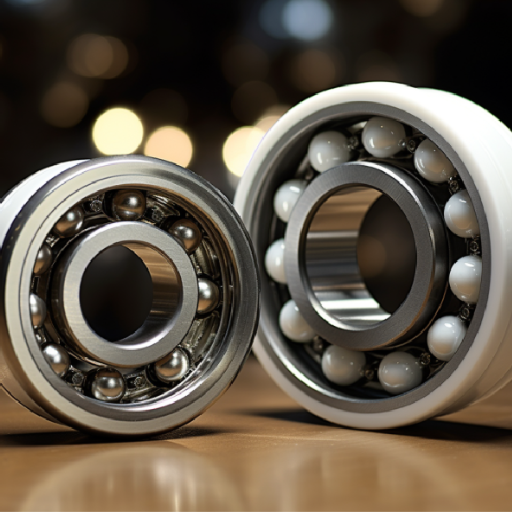
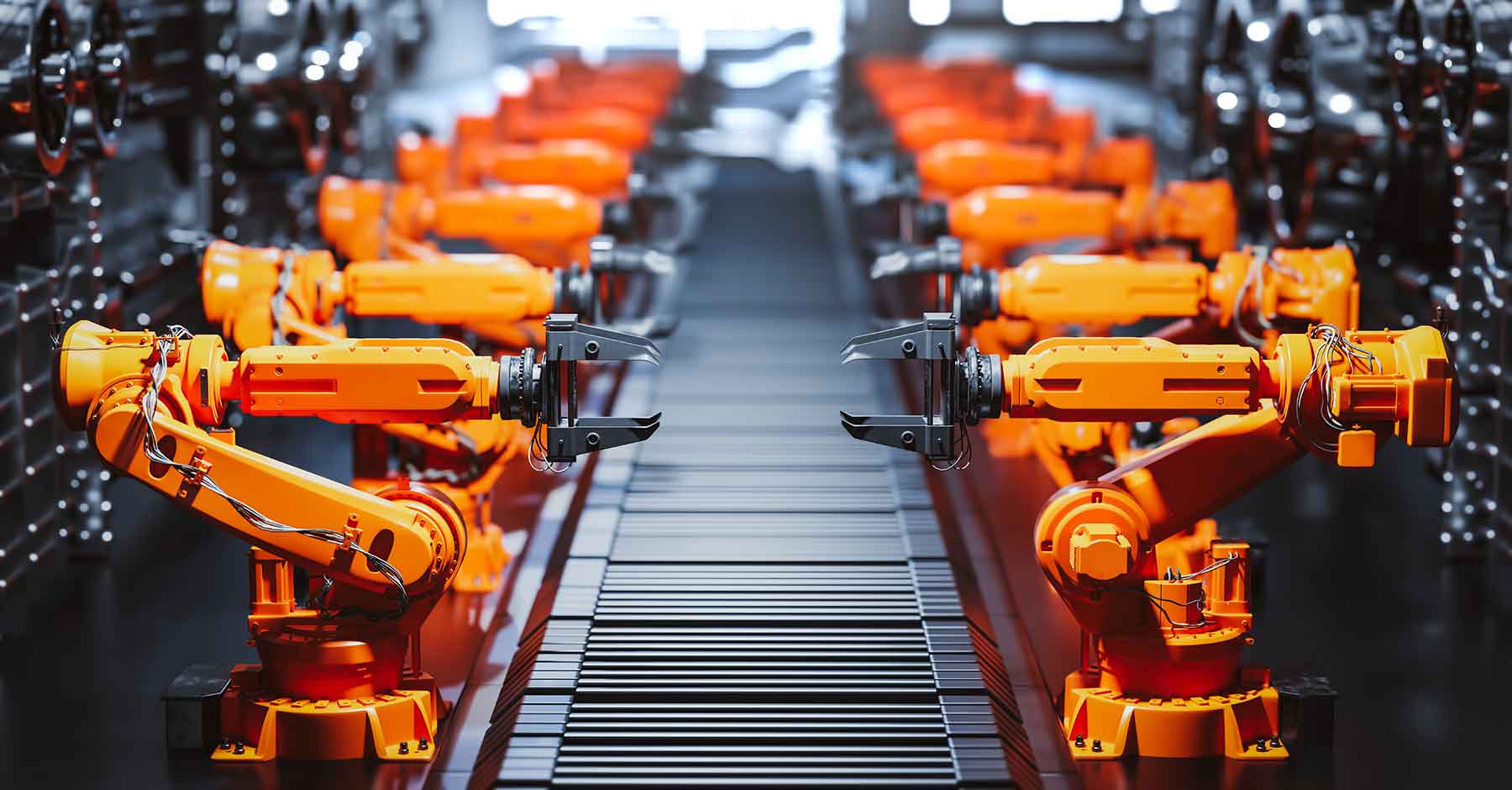
The selection of bearings is heavily influenced by the specific requirements of applications and industries. Factors such as load capacity, speed, precision, and environmental conditions play a critical role in determining the appropriate bearing type. For instance, industries like aerospace and robotics prioritize high precision and lightweight materials, favoring ceramic or hybrid bearings due to their superior performance at high speeds and resistance to thermal expansion. Conversely, heavy machinery and automotive sectors often opt for durable steel bearings capable of withstanding significant loads and impact. Additionally, specialized conditions, such as extreme temperatures or exposure to corrosive elements, require bearings with customized coatings or advanced material compositions to ensure reliability and longevity. Ultimately, the choice of bearings must align with the operational demands and environmental challenges of the target application.
Industries Preferring Ceramic Bearings
Ceramic bearings are highly favored in industries that demand superior performance, particularly in high-speed, high-temperature, or highly corrosive environments. For example, aerospace and aviation industries value ceramic bearings for their lighter weight, reduced friction, and ability to operate under extreme thermal stress. Similarly, medical device manufacturers often prefer ceramic bearings due to their biocompatibility, resistance to wear, and low particulate generation, making them ideal for precise applications such as surgical tools and imaging equipment. Additionally, the semiconductor industry leverages the non-conductive properties of ceramic bearings, which are crucial for cleanroom environments and delicate electronic processes.
Key technical parameters:
- Material Composition – Silicon nitride (Si3N4) is commonly used for its high strength, low density, and thermal stability.
- Friction Coefficient – Typically lower than 0.2, contributing to enhanced efficiency and reduced wear.
- Thermal Resistance – Operational temperatures ranging from -200°C to 800°C, depending on the specific design.
- Corrosion Resistance – Exceptional resistance to chemicals, moisture, and oxidation, ensuring extended lifecycle under harsh conditions.
- Rotational Speed – Ceramic bearings often support higher RPMs due to lower thermal expansion and friction.
These attributes ensure that ceramic bearings meet the demanding requirements of specialized applications across these industries.
When to Opt for Steel Bearings
I recommend choosing steel bearings when cost-efficiency, durability under heavy loads, and widespread availability are key considerations. Steel bearings are incredibly robust, making them ideal for applications that involve high radial or axial forces. Additionally, they perform well in environments with consistent lubrication and are suitable for general-purpose use in industries such as automotive, industrial machinery, and agricultural equipment. If your application does not demand extreme resistance to heat or corrosion, steel bearings often provide a reliable and budget-friendly solution.
Specific Application Considerations
When selecting bearings for specific applications, several critical factors must be evaluated to ensure optimal performance and longevity. First, determine the load requirements, including the magnitude and type—radial, axial, or combination loads—to match the bearing’s capacity. Second, assess the operating environment; applications exposed to contaminants, extreme temperatures, or moisture may necessitate specialty coatings or materials, such as stainless steel or ceramic bearings, for enhanced durability. Third, consider the speed requirements; high-speed applications demand bearings with precision-grade designs and proper lubrication to reduce friction and heat generation. Finally, evaluate maintenance needs and lubrication intervals, as some applications benefit from sealed or pre-lubricated bearings to minimize upkeep. Selecting the appropriate bearing involves aligning these specifications with the unique demands of your system.
Reference Sources
-
Ceramic vs. Steel Ball Bearings: Which One Do You Need? – A detailed comparison of ceramic and steel ball bearings, discussing stiffness, speed, and other factors.
-
Ceramic Bearings vs. Steel Bearings: Your Complete Guide – Highlights the differences in material properties, friction, and energy efficiency.
-
Stainless Steel Bearings vs. Ceramic Bearings – Focuses on corrosion resistance and other performance aspects.
-
Why Do People Still Pay Extra for Ceramic Bearings? – A discussion on the practical benefits and trade-offs of ceramic bearings, especially in cycling.
-
Ceramic Bearing: Advantages and Applications in Precision Engineering – Explores the advantages of ceramic bearings in high-performance and precision applications.
Frequently Asked Questions (FAQs)
Q: What is the difference between ceramic ball bearings and standard steel bearings?
A: The main difference between ceramic ball bearings and standard steel bearings is the material used for the balls. Ceramic ball bearings use ceramic balls, which are lighter and harder than the steel balls found in standard steel bearings. This can result in less friction and potentially longer bearing life.
Q: Do ceramic ball bearings require less lubrication than steel bearings?
A: Yes, ceramic ball bearings typically require less lubrication than steel bearings. This is because ceramic materials are less prone to friction and wear, reducing the need for frequent lubrication.
Q: Are ceramic ball bearings better than chrome steel bearings in terms of performance?
A: Ceramic ball bearings can offer better performance than chrome steel bearings in certain applications due to their higher hardness and lower weight, which can result in less friction and improved efficiency.
Q: Why might one choose ceramic ball bearings over steel bearings?
A: One might choose ceramic ball bearings over steel bearings because they require less lubrication, experience less friction, and can potentially last longer. Additionally, they can operate at higher speeds and are more resistant to corrosion.
Q: How do ceramic ball bearings improve precision in bearings?
A: Ceramic ball bearings improve precision by maintaining their shape and smoothness over time, even under high loads and speeds. This leads to more consistent performance and better alignment within the inner and outer race.
Q: Are there any disadvantages to using ceramic ball bearings?
A: One disadvantage of using ceramic ball bearings is their higher cost compared to steel bearings. Additionally, while they perform well under high-speed conditions, they may not be the best choice for all applications, particularly where extreme shock loads are involved.
Q: How do steel and ceramic bearings compare in terms of temperature resistance?
A: Ceramic bearings generally have better temperature resistance than steel bearings. Ceramic materials can withstand higher temperatures without degrading, which is beneficial in high-heat environments.
Q: Can ceramic ball bearings be used in all applications where steel bearings are used?
A: While ceramic ball bearings can be used in many of the same applications as steel bearings, they are particularly advantageous in high-speed, high-temperature, and corrosive environments. However, they might not be suitable for applications with heavy shock loads or where cost is a significant concern.
Q: How do ball and roller bearings differ, and where do ceramic bearings fit in?
A: Ball bearings use spherical balls to maintain separation between the bearing races, while roller bearings use cylindrical rollers. Ceramic bearings can be found in both ball and roller bearing forms, offering reduced friction and improved performance compared to traditional steel components.