


Like every machine parts, tapered roller bearings require proper installation and maintenance to achieve maximum efficiency and extend their service life. Whether you intend to improve an equipment’s performance, reduce downtimes, or prevent unexpected breakdowns, grasping the essentials is very important. This guide is a one-stop shop tailored to address your concerns regarding the key steps, best practices, and expert advice on tapered roller bearings. From alignment to lubrication, operational knowledge necessary to ensure smooth operations in your machines will here be gained. Continue reading and master these techniques to enhance your maintenance practices and safeguard your investment.
What Are Tapered Roller Bearings and Their Components?

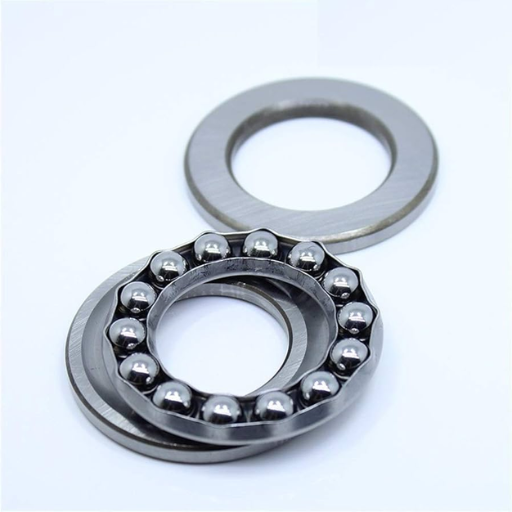
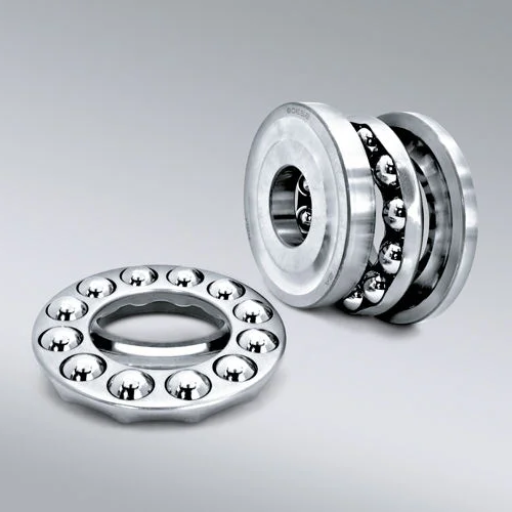
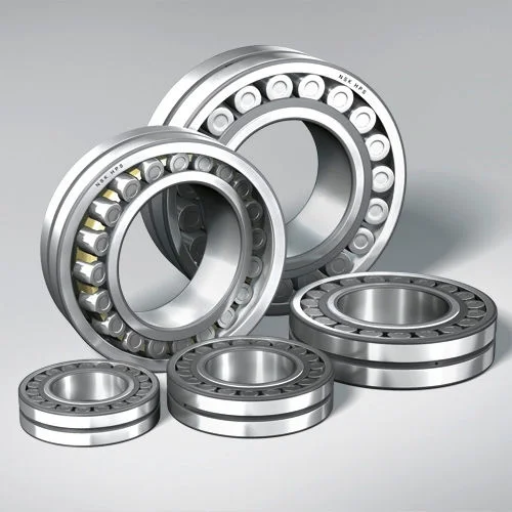
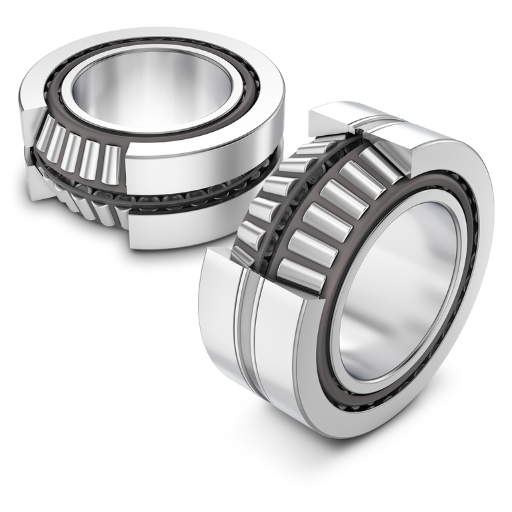
As a kind of rolling-element bearing, tapered roller bearings are constructed to take both radial and axial loads simultaneously. The main components include:
- Inner Ring (Cone) – This is described as the inner part of the bearing which sits on the rotating shaft.
- Outer Ring (Cup) – This part is described as the outer component of the bearing which fits into the housing.
- Rollers – These are Tapered cylinders that are situated between the inner and outer rings. the role of the rollers is to help apply loads evenly as they are usually subjected to moderate forces.
- Cage – This refers to the part that supports and spaces the rollers to permit free rotation on their axis.
These parts function in unison to lessen friction, increase load capacity, and ensure precision of operations, which makes them very useful within heavy-duty applications.
Understanding Tapered Roller Bearing Design
Tapered roller bearings are precisely crafted to accommodate simultaneous radial and axial loads, making them useful in various machines. Their ability to perform dual functions arises because the angles of the inner and outer rings of the bearing cones are tapered, allowing for better distribution of forces as the rollers undergo load. The contact angle of tapered bearings is usually between 10 and 30 degrees, with an increased value providing enhanced capability for supporting axial loads.
Another significant benefit is the widely shock loads these tapered bearings can take without failing. These bearings are manufactured from tough materials such as through hardened and case hardened steels, which means heery performance will not be degraded for a long time of harsh environments. Testing data suggests that tapered roller bearings can be serviced with scheduled maintenance and withstand automotive usage, like in wheel hubs, for as much as 100,000 miles of efficient operation.
Besides, new developments in lubrication and design of tapered roller bearings have further contributed to lowering friction and improving efficiency. This is achieved with addition of optimized surface finishes and precision geometry which, as some studies indicate, energy loss may be cut down by 30%. This is not only what makes tapered roller bearings strong, but also economically more favorable for many industrial segments, including automotive, aerospace, heavy machinery, and industrial equipment.
The unrivaled reliability of tapered roller bearings in harsh settings is demonstrated by their extended lifespan, advanced performance, and lower servicing costs due to reduced maintenance brought about by design efficiencies.
Key Components: Inner and Outer Ring, Tapered Rollers, and Raceways
Inner and Outer Ring
The structural features of the tapered roller bearings are the inner and outer rings. These rings assist in the rotation of tapered rollers. As high-quality steel, the rings are machined to provide smooth sliding with optimal load-bearing distribution. Studies have shown that the addition of new material technologies such as case-hardened or through-hardened steel improves the life and wear resistance of these components even further. In addition, accurate alignment of the inner and outer ring enables effective orthogonality for radial and axial rotary loads. Some bearings can support axial loads over thirty percent of radial capacity.
Tapered Rollers
The most notable aspect of rollers is the shape which tapers to aid in the managing of combined loads. Created with extreme attention to detail, the surface finishes and geometries of the rollers are tailored to reduce contact stress and friction to the lowest possible levels. Now, certain micro-polished surfaces, black oxide, or even ceramic coatings are added, and these bearing surfaces operate with 25% less friction than the uncoated ones, thus significantly improving bearing life. Furthermore, depending on the use, tapered rollers may be produced in different bolting patterns, sizes, and arrangements to meet the myriad requirements of radial and axial load capabilities needed within automotive transmissions and wind turbines.
Raceways
The raceways retain the position of the tapered rollers on the inner and outer rings, so that they function as guides for the sliding movement of the rollers. The raceways must be tapered as well to match the uniform precise taper of the roller and the design must include certain free space around the raceway profile with minimum radial play as well as axial play, this ensures uniform load distribution within the bearing. Advancements in geometric positioning and surface treatments enhance the resistance to wear and fatigue. The anti-friction raceway coating gives him the capability to withstand friction over 40 percent more than regular designs thanks to high-speed application. Such inventions have made these tapered roller bearings widely used where high demand is placed, for example, in aerospace or heavily engineered machines.
Differences Between single-row tapered Roller Bearings and Double-row
Single-row tapered roller bearings are crafted to accommodate combined axial and radial loads, paying homage to applications where space optimization is critical. These bearings depend on a single set of rollers and can withstand immense unidirectional loads, which makes them helpful in gearboxes, automotive wheels, and compact design machinery. However, with the addition of another bearing, they are able to support bidirectional axial loads.
Double-row tapered roller bearings, in contrast, contain two rows of tapered rollers in one assembly. This incorporates greater load-bearing capabilities and simplifies the bearing’s ability to completely support radial and axial loads in both directions without additional construction. Single-row bearing. Thanks to their robust structure, double-row bearings are widely used in harsh operating conditions, such as mining equipment, military vehicles, and railway axles. For instance, these bearings can support 1.5 times the amount of single-row axial loads of similar dimensions, allowing extreme conditions to be encountered effortlessly.
Proper load application and adaption environment mark the key difference. While single row bearings operate best with compact structure and simplistic load scenarios, demanding applications needing greater multi-directional load capacity are catered to by double row bearings.
What Are the Key Points of Installing Tapered Roller Bearings?
- Preparation: Ensure that all components including the housing and bearings are spotless. Any foreign particles may impede performance.
- Proper Lubrication: Use the correct form and amount of lubricant proportional to the friction in order to wear during running.
- Correct Alignment: To prevent excess wear or uneven load distribution, correct alignment of the bearing components is crucial.
- Appropriate Fit: Verify that the bearing fits snugly onto the shaft and housing without being forced, as improper fit can lead to operational issues.
- Preload and Clearance: Adjust the preload and internal clearance according to manufacturer specifications to ensure optimum performance and longevity.
- Inspection: Conduct a visual check for any misalignment or erratic motion of the bearing’s rotational axis and other movements while the machine is not running.
Preparing the Shaft and Housing for Mounting
To guarantee optimal bearing performance, prepare the shaft and housing meticulously, as this ensures the bearings last as long as possible. Start by cleaning the shaft and housing to eliminate any fragments of dirt, debris, or old lubricant. These contaminants can prevent a proper installation and affect the functioning of the bearing.
Confirm that the dimensions of the shaft and housing are correct using micrometers or calipers. Verify that the diameter aligns with the tolerances accredited by ISO or ABEC; otherwise, the fit will be incorrect. For instance, ISO 286-1 provides certain limits for the shaft’s diameter which works to minimize the vibrations experienced and increase the bearing’s efficiency. Seek a surface roughness value (Ra) no greater than 0.8An error occurred during generation. Please try again or contact support if it continues.
Steps for Correct Bearing Mounting and Dismounting
- Clean and Inspect Components
Make sure all parts including the shaft, housing, and the bearings are clean from any dried lubricant, grime or fresh dirt. Diligently check these parts for worn surfaces, damages, or any abnormalities to prevent complications during operation.
- Choose the Right Tools
Caution should be taken not to damage the bearings during mounting and dismounting. Induction heaters, hydraulic presses, pullers, and specially designed sleeves are some of the appropriate tools.
- Check Binding
Bearings should be mounted in such a way that they are aligned properly to avoid binding. Binding causes misalignment which leads to premature tear and equipment failure. Misalignment can be set no more than about three thousandths of an inch (0.003 inches or 0.08mm) if optimal performance is expected.
- Apply Mounting Techniques Based on Fit
- With Existence of Interference Fits (tight fit): Flame direct, outside of the bearing, while caring not to exceed 120 degrees Celsius (248 Fahrenheit) prohibitive zone will enable thermal expansion to deep extremes.
With Loose Fits (sliding fit): In most cases these can be easily installed or pressed lightly into place to slide.
- Check Clearance and Lubrication
Verify error occurred during generation. Please try again or contact support if it continues.
Ensuring Proper Radial and Axial Alignment
The proper arrangement of bearings is necessary to maximize the efficiency and lifespan of mechanical systems. With regard to radial alignment , it focuses on ensuring that the centerlines of both the bearing and shaft are concentric, while the axial alignment targets the parallel alignment of the bearing faces. Any misalignment is bound to cause uneven load distribution leading to overheating, wear, system vibrations, and in some instances, unscheduled system downtime.
To achieve radial alignment, it is necessary to work with measurement systems such as dial indicators or laser alignment systems as they can assist in detecting deviations, guaranteeing the secure fixing of the bearings. When dealing with axial alignment, it is essential to confirm that the shaft is not subjected to severe thermal expansion as this might cause axial movement during an operation. Studies show that the mere existence of 0.05 mm in misalignment is enough to significantly shorten the lifespan of a bearing.
Moreover, A survey on the industry shows disregard of controlled mounting practices. For example, thermal contraction or expansion due to too much or too little clearance introduces and imbalances the radial and axial forces. Avoiding these problems entails applying pre-lubrication as well as removing the installation shim before the final installation. Adhering to defined alignment precision standards such as pre-installation checks ensures a systematic enhanced dependability, alongside heightened operational efficacy.
What Are the Best Practices for Lubrication?
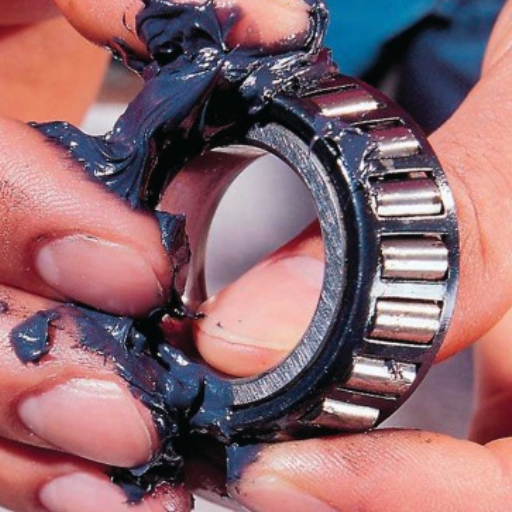
Lubricating helps minimize friction, and primaries away and makes the bearing system move easily. Always remember to follow these best practices:
1. Choose the Appropriate Lubricant: Always choose a lubricant that was recommended by the manufacturer based on the specific application and working condition together with the operating environment.
2. Maintain Cleanliness: Make sure the lubricant itself and the lubrication system free from any dirt, dust and water.
3. Use the Right Quantity: Both over and under-lubrication can result to failure, take accurate methods of dispensing lubricant distribute in the unit.
4. Check Frequently: Specifically for high demand aloft systems, check or top lid recover needs positions.
5. Account Working Environment: When its work rate intervals and volumes also empirically accounting load and speed.
Factors to Consider When Selecting Lubrication for Tapered Roller Bearings
To promote optimal functioning and longevity of tapered roller bearings, their lubrication must be selected carefully. The following elements are the most pertinent to consider:
- Load-Carrying Capacity: Tapered roller bearings experience tremendous radial and axial loads. To promote smooth operation and reduce wear during slow operation, use grease or oil with high load-carrying capacity additives. API-based classifications such as GL-4 and GL-5 for oil are frequently recommended for these use cases.
- Operating Temperature Range: Bearings are frequently subjected to a varying set of temperatures. For elevated temperature environments, some synthetic lubricants like polyalphaolefin (PAO) oils are very resistant to thermal breakdown. Some greases with elevated dropping points, like those exceeding 250°C or 482°F, excel at retaining consistency at extreme temperatures.
- Speed Requirements: Bearing performance at any given speed is affected by the lubricant’s viscosity. High-speed applications usually need low-viscosity lubricants to mitigate friction and centrifugal forces. The ISO VG classification system is extremely useful for choosing oil viscosity relative to the required speeds.
- Contamination and Environmental Conditions: Bearings exposed to dusty, wet, or corrosive environments require lubricants with strong sealing properties and water washout resistance. Calcium-sulfonate complex greases, or other anti-corrosion fortified greases, effectively protect bearings from contaminants.
- Re-Lubrication Intervals: Select a lubricant that is aligned with the operational demands of the equipment in use to optimize the re-lubrication interval. Emerging technology in lubrication, such as extended-life or long-drain lubricants, permits an infrequent maintenance schedule while still delivering the requisite performance.
Supporting Statistics and Insights
Recent industry benchmarks have found an alarming gap of up to 50 percent of bearing failures stemming from improper or insufficient lubrication. The right choice of bearing lubrication strategy can achieve reductions in wear rates up to 30-40 percent, thereby increasing the life span of the bearing. For example, the adoption of synthetic lubricants in systems that are continuously operated under high loads has yielded up to 20 percent more performance than traditional mineral oils.
Considering the above-referenced factors along with other pertinent data, it is possible to achieve the ideal lubrication solution for tapered roller bearings which enhances their function and life expectancy across a range of operating conditions.
How Lubrication Affects Bearing Life and Performance
Bearing life as well as the performance of tapered roller bearings depend critically on adequate lubrication. Correctly performed lubrication avoids friction between rolling elements and raceways as well as cages, thus lowering wear and energy use. Some studies suggest that permissible lubrication can inhibit energy loss due to friction by as much as 30% which increases the efficiency of the machinery.
Additionally, lubrication protects the bearing from harmful external contaminants such as dirt, dust, and moisture that would otherwise lead to corrosion and possible premature failure. For instance, studies show that grease lubrication improves sealing in highly contaminated environments, improving service life by up to 25%. Proper oil circulation efficiently dissipates heat in high-speed applications and maintains thermal equilibrium resulting in the reduction of thermal stress on bearing parts.
A more recent survey attributed almost half of all bearing failures to the lack or provision of inappropriate lubrication. Use of optimal lubricant type, viscosity grade and application method increases the reliability of bearings tremendously. There is an emerging preference for synthetic lubricants due to the superior fusion stability, oxidation resistance, and lubrication provided in extreme conditions.
Implementation of appropriate maintenance strategies coupled with investment in advanced lubrication technologies can help achieve the full potential of tapered roller bearings, thus achieving the lowest operational costs and downtime in the long term.
Common Lubrication Mistakes and How to Avoid Them
Balanced lubrication is important for the optimal performance and longevity of tapered roller bearings. However, if not managed properly, common oversights can adversely affect their efficiency and lifespan. The following are some of the most common mistakes and suggestions for overcoming them regarding lubrication.
Using the Wrong Lubrication
Choosing the wrong lubricant based on the specific operating conditions can cause accelerated wear and other malfunctions gravely impacting overall functionality. Literature suggests that roughly 40% of bearing failures are due to either lack of proper lubricant or lubricant incompatibility. To counter this, always follow manufacturer guidelines for lubricant selection as it pertains to ambient temperature, load, and speed due to their unique specifications. For high temperatures and extreme conditions, synthetic lubricants are more suited due to their exceptional qualities.
Over-Lubrication
It might come as a surprise, but over-lubrication can also be detrimental as it can cause excessive heat buildup which can stress seals. This later on can cause grease to escape leading to contamination. Following prescribed lubrication intervals along with applying the correct amount as specified during operation is recommended by experts. Think about the implementation of automatic lubricators to manage precise measurement and delivery.
Insufficient Lubrication
The absence of lubricant in running bearings results in increased friction and wear while greatly accelerating failure. Condition monitoring systems and regular maintenance may address the issue of under-lubrication. Furthermore, the implementation of high-quality lubricants with extended lifespan will reduce the application frequency.
Contamination of Lubricant
Pollutants such as soil, water, or even minute fragments can compromise the lubricant’s quality which may lead to serious damage to the bearings. Industry statistics indicate that almost half of the bearing failures stem from the use of insufficient lubrication. Proper storage, robust sealing mechanisms, and proactive replacement of expired lubricants ensure enhanced efficacy and purity.
Ignoring the Temperature Compatibility
Operating bearings at the extremes of the temperature range without suitable adjustments to lubricants will lower efficiency and result in thermal breakdown. For instance, greases applied at low temperatures must maintain their fluidity throughout the application to ensure adequate lubrication. Lubricant failure can only be mitigated by confirming the operating temperatures of lubricants before application.
Implementing these common lubrication blunders along with proactive strategies ensures the optimum functioning of tapered roller bearings. Integrating sophisticated lubrication systems with stringent maintenance schedules improves bearing reliability and reduces operational cost and downtime.
How to Maintain Optimal Axial and Radial Load Capacity?

To achieve optimal axial and radial load capacity with tapered roller bearings, consider the following:
1. Correct Fit and Right Alignment: Proper installation hinges on placement by specified tolerances. Improper fitting may result in axial and radial clearance, leading to uneven stress and bearing failure.
2. Proper Lubrication: Based on operating conditions, the type and quantity of lubricant should be appropriate to reduce friction and wear.
Prompt Inspection: Bearings must be accompanied by a wear, contamination, or misalignment detection scheme at defined time intervals.
3. Balanced Load Application: Avoid overly high or low loads as this could lead to uneven distributed bearing stress. Additionally, ensure the applied bearing load does not exceed the defined specifications.
4. Controlled Environment: Provide a range of temperatures aimed at removing the possibility of bearing or environment degradation due to dirt, moisture, or loose debris.
Implementing these measures can improve performance, time active on mph, time before maintenance is scheduled, and bearing load capacity.
Understanding Axial Load and Its Impact on Bearing Performance
An axial load, as its name suggests, denotes a load that is applied parallel to the shaft of a bearing. It has a negative leverage on the efficiency and useful life of the bearing. A bearing must be capable of withstanding and supporting all manners of thrust (axial, radially, in both ways). Appreciating the purpose it serves is key to choosing the suitable bearing type as well as the application resulting in desired outcomes.
Excessive axial loads can lead to increased friction, overheating, and accelerated wear. For example, thrust bearings and angular contact ball bearings are designed to handle greater axial loads than deep groove ball bearings which are primarily radial load bearings. Research suggests that improper application (misapplication) of axial load could decrease bearing life by 50% compared to strictly following the specified load ratings and design parameters.
In addition to material composition and lubrication, the way axial loads are exerted on a bearing also depends on factors such as the grade of materials used to manufacture the bearing. The use of advanced materials like ceramic hybrids and synthetic lubricants can improve the load-bearing capacity while the bearing is subjected to harsh operating conditions. More advanced solutions incorporate computational modeling for analyzing axial and combined loading to enhance bearing predictions during actual operating scenarios.
Effective control of the bearing’s axial load issues involves proper maintenance, load-testing tools, and respect for design limits. Considering these aspects and their detailed interplay enables significant improvements in machinery availability and reliability, and extending the bearing operational life.
Managing Radial Load for Longer Bearing Life
Radial load, the force acting on the bearing and perpendicular to the shaft, significantly determines a bearing’s operational efficiency and life. Effective management of radial load requires knowledge of the bearing’s load cycle and its effects on the internal parts. During the design process, bearings are set to accommodate specific radial load limits, but these limits should not be exceeded without the risk of accelerated wear and increased operational friction failing.
The most critical underlying causes of radial load issues include misalignment and inadequate lubrication. Consider the case of misalignment. It induces unevenly distributed tensile and compressive stresses on the rolling elements of a bearing, dramatically reducing its lifespan. Closely fitted guides or adjustment mechanisms can minimize or eliminate these issues when combined with proper maintenance activities capable of addressing these issues periodically.
So also, the application of advanced lubricants with use-specific design features will help friction, heat, and wear under radial loads. It is reported that properly lubricated bearings can outperform underperforming bearings by up to 50% instances of bearing failure. Monitoring systems integrated into a condition-based maintenance strategy serve the operations better by diagnosing bearings in advance before the onset of operationally destructive changes resulting from excessive radial load.
Optimal bearing performance can be achieved along with saving energy and avoiding unexpected downtimes with proper radial load management through alignment, lubrication, and monitoring technologies which make the machinery function more effective and efficient in terms of cost.
The Role of Preload in Axial and Radial Stability
Rolling element bearings requirement of preload for axial and radial stability is significant as it involves applying force to eliminate the gap between movable parts of the bearing to ensure that the rolling elements are in contact with the raceways. Rotary parts are also referred to as raceways. Preload serves both mechanical and design applications and is required in springs depending on the use.
When accurately set, preload improves the system’s rigidity by making the vibration damped and the load evenly distributed on the system under movement. For machine tools, high preloads are demanded to enhance the positioning precision and deflection. Excessive preload, however, is said to bring about unwanted effects like increased heat generation and accelerated wear supporting the argument that fine-tuning is critical.
Sectors using preload technology claim to see a positive change in bearing performance and life span. An example would be the data from the latest growths which suggest that preload optimization can improve bearing life by as much as 30% leading to significant reductions in maintenance expenditures. Moreover, optimal preload is associated with better overall energy efficiency, especially in the case of high-speed rotating machines where smooth functioning is paramount.
Appropriate control of preload levels together with modern analysis and simulation techniques allow an engineer to optimally balance stability, operational life, and energy efficiency across many applications.
Common Installation and Maintenance Issues Regarding Taper Roller Bearings

Improper installation is one of the most common issues, often caused by excessive force and incorrect tools which may lead to damage of the Bearing or Housing. Another common issue is some degree of misalignment which, while minor, creates uneven load distribution that leads to premature wear.
From a maintenance perspective, inadequately applied lubrication is a great concern. Applying an incorrect type or insufficient quantity of lubricant increases friction which results in overheating or in the case of contamination, uncleaned components. A lack of regular inspections on the bearings for wear, corrosion, or damage also greatly risks the performance and longevity of the component. To avoid such problems, the parts must be properly handled, precisely installed, and regularly maintained.
Recognizing Vibration and Damage to the Bearing
Use of Vibration is a key indicator of excessive damage being inflicted on bearings which may also be a cause of a lot of other problems needing immediate attention. Misalignment, imbalance, and even external forces acting on the system may contribute to excessive vibration. Early identification is often aided by vibration monitoring and measurement systems which capture aspects such as amplitude, frequency, and patterns of vibration to analyze the problem with the bearing.
If not taken care of, abnormal vibrations can precipitate irregular wear patterns, indentations on bearing races, and in the worst-case scenario, operational failure. As an example, studies suggest roughly 40-50% of bearing failures result from poor lubrication, which increases the vibration amplitude. Eventually, this can lead to spalling as stress and fatigue cause material to fragment and break off.
It is likewise important to check bearings for visible damage such as discoloration from overheating, surface cracks, or pitting because these too must be attended to. Furthermore, scheduled maintenance with incorporated vibration analysis and thermal imaging bearings maintenance programs can greatly extend the usable life of bearings. Marking equipment performance and resolving the issue before it becomes critical helps industries optimize their uptime while circumvention expensive repairs.
Solutions for Tight Fit and Clearance Problems
Undoubtedly, proper bearing function relies heavily on fit and clearance issues which are dictated by careful machining, bearing part fabrication and selection of appropriate materials. One of the solutions involves the use of new engineering materials that have greater strength properties and high resistance to wear. Better toleranced materials such as chrome steel, specifically AISI52100, or even ceramics, can tolerate more severe conditions.
For close fits, circumferential thermal expansion methods such as heating the housing, or cooling the bearing using liquid nitrogen, facilitate fit without inflicting damage. Proper thermal control during mounting may eliminate undue strain on the bearings and lead to optimum seated conditions.
To fix clearance issues, manufacturers often offer precision bearings with internal clearances C3 and C4 classes which are set. These classes are designed for defined operational temperature ranges and loaded conditions. Research indicates that selecting the right internal clearance has been proven to decrease vibration levels by 30%. This greatly improves the reliability of equipment.
Moreover, the caliper setting of measurements can be maintained while grease or oil is continuously supplied by automatic lubrication systems of the bearings. Continuous operation leads to the required clearances being maintained. Continuous operation also makes it possible to control the gaps using a laser alignment system which tracks gaps in real time using stationary condition measuring sensors that can detect misalignment and material deformation allowing for proactive interventions.
Most importantly, the effective resolution of fit and clearance problems is achieved through a combination of high-quality components, installation techniques, and predictive maintenance strategies.
Preventative Measures for Prolonging Bearing Life
Extending the lifespan of the bearing calls for a combination of proactive measures including its design, installation, maintenance, and environmental factors. Consider the following to guarantee optimal functionality and longevity:
1. Accurate Lubrication: Close to half of bearing failures are a result of issues with lubrication such as contamination or wrong choice of lubricant. Careful selection of the lubricating grease according to temperature, speed, and load will greatly enhance the lifetime of hydraulic bearings. For high-performance applications and extremes of temperature, synthetic lubricants are recommended because of their high stability and efficacy.
2. Proper Installation: Installation increases torque misalignment or mounting misalignment which stresses the bearing, resulting in excessive and premature wear. Application of induction heaters or hydraulic nuts avoids metering fitment which preserves bearing integrity.
3. Cleaning and Contamination Control: The performance of bearings can be impacted by troublesome contaminants including dust and water. Studies indicate that the existence of low-level contamination can shorten the life of bearings by 70%. Shields or seals can block contaminant penetration into the system which system components.
4. Proactive Condition Monitoring: Early indications of faults can be captured using Vibration analysis and temperature monitoring. For example, a bearing failure may be indicated by an abnormal temperature rise due to lubrication failure or bearings overheating. The collection of real-time data has been made possible due to advancements in IoT and sensor technologies which makes it easier and quicker for maintenance teams to perform relevant actions.
5. Load Balancing and Design Optimization: The operational design load limits of a bearing must be complied with to avoid bearing damage. Bearings will incur excessive loads from poorly aligned or overloaded machinery. Employing sophisticated design modeling methods at the design stage aids in optimal load balance thereby reducing excessive loads.
6. Environment Control: Bearings working in high humidity, corrosive or extreme vibration environments need additional protective measures. Stainless steel as well as ceramic materials will serve as effective solutions to corrosion and other protective tackles owing to their chemical resistance.
With these measures alongside enhanced maintenance methods and strategies, the operational life of the bearings can be increased tremendously which reduces machinery downtime and expensive repair costs while maximizing operational efficiency.
Reference Sources
-
Investigation of Drag and Churning Losses on Tapered Roller Bearings:
- Focuses on the impact of lubricant distribution during the operation of axially loaded tapered roller bearings.
- Highlights the importance of symmetrical operating conditions for uniform lubrication, which is critical during and after installation.
- Methodology includes experimental analysis of drag and churning losses under various operating conditions.
-
The Dynamics of Tapered-Roller Bearings–A Bottom-up Validation Study:
- Explores the dynamics and load distribution in tapered roller bearings, emphasizing proper alignment during installation.
- Discusses the effects of torque and temperature rise on bearing performance.
- Methodology involves analytical modeling and validation of dynamic behavior under different loading conditions.
-
- Investigates the relationship between contact stresses and taper errors, which can occur during improper installation.
- Highlights the importance of precision in aligning the outer ring raceway to avoid stress concentration.
- Methodology includes finite element analysis using ANSYS to simulate contact stress scenarios.
- If you are looking for more information about Taper Roller Bearings – Amigo go here right away
Frequently Asked Questions (FAQs)
Q: What are the types of tapered roller bearings?
A: Tapered roller bearings can be categorized into several types, including single-row, double-row, and four-row tapered roller bearings. Each type is designed for specific applications, depending on the required capacity of the bearings and the load they are expected to handle.
Q: How should a tapered roller bearing be installed?
A: A tapered roller bearing must be installed with precision. It involves placing the bearing components correctly, ensuring that the raceway is clean and free of debris, and setting the axial clearance appropriately. The installation process is crucial for optimal performance and longevity of the bearing.
Q: What is the significance of bearing designation in tapered roller bearings?
A: Bearing designation helps identify the specifications and dimensions of a tapered roller bearing. It is crucial for selecting the right bearing for the application, ensuring compatibility, and maintaining the proper bearing arrangement.
Q: How do you maintain a tapered roller bearing?
A: Maintenance of a tapered roller bearing involves regular inspection, lubrication, and cleaning. It is important to check for any signs of wear or damage, ensure proper lubrication, and maintain the correct bearing arrangement to extend the bearing’s life.
Q: What is the purpose of using two tapered roller bearings in an x arrangement?
A: Using two tapered roller bearings in an x arrangement allows for better handling of radial and axial forces. This configuration provides stability and enhances the load-carrying capacity of the bearings, making it suitable for applications with combined loads.
Q: Why are four-row tapered roller bearings used?
A: Four-row tapered roller bearings are used in applications requiring high load capacities and where radial force is a significant concern. They are commonly found in heavy machinery and rolling mills due to their ability to handle large radial and axial loads.
Q: What are the common bearing components in tapered roller bearings?
A: The common components of tapered roller bearings include the inner ring, outer ring, tapered rollers, and the cage. These components work together to support loads and allow for smooth rotational movement.
Q: How does the bearing arrangement affect the performance of tapered roller bearings?
A: The bearing arrangement is crucial in determining the load distribution and overall performance of tapered roller bearings. Proper arrangement ensures that the bearings can handle the specified radial and axial loads efficiently, reducing wear and extending service life.
Q: Can metric tapered roller bearings be used interchangeably with standard bearings?
A: Metric tapered roller bearings and standard bearings have different dimensions and specifications. While they serve similar purposes, they are not necessarily interchangeable. It is important to check the bearing designation and ensure compatibility with the application.
Q: What role do bearing seats play in the performance of tapered roller bearings?
A: Bearing seats provide a stable and precise surface for mounting tapered roller bearings. Properly machined and aligned bearing seats ensure optimal performance by maintaining correct positioning, reducing misalignment, and enhancing load distribution.