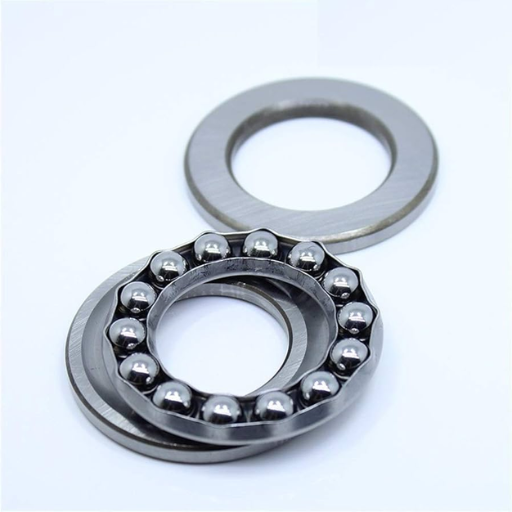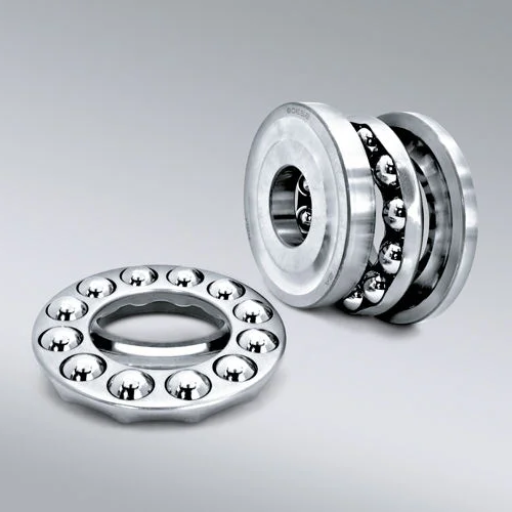
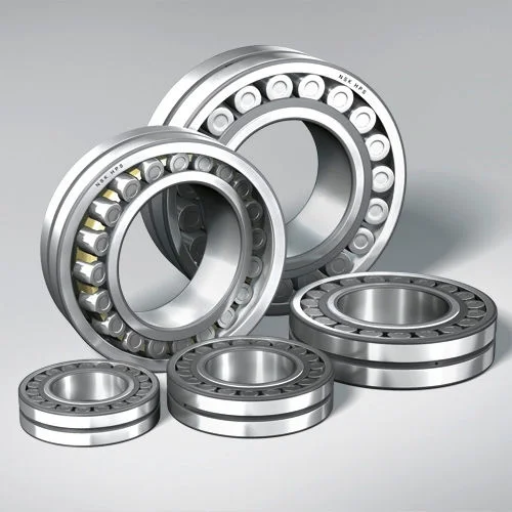



Bearings play a crucial role in facilitating the smooth operation of rotating and moving components across various industries. Among the many types available, angular contact ball bearings and deep groove ball bearings are widely used due to their reliability and versatility. However, while they may appear similar at first glance, these two types of bearings are engineered with distinct structural features and operational capabilities to meet specific applications. This article aims to provide a comprehensive analysis of their differences, focusing on aspects such as design, load-handling capabilities, applications, and performance. By the end of this discussion, readers will have a clear understanding of which bearing type is most suitable for their respective requirements.
What Is a Ball Bearing?

Ball bearings are mechanical components designed to reduce friction and facilitate smooth rotational or linear motion between two surfaces. They consist of spherical rolling elements (balls) housed between inner and outer rings, known as races. The balls distribute the load evenly and minimize contact, enabling high-speed operation and reduced wear. Ball bearings are commonly used in applications requiring precision, efficiency, and durability, such as automotive axles, electric motors, and industrial machinery. Their design is best suited for managing radial and moderate axial loads, making them versatile across various industries.
Definition and Function of Ball Bearings
Ball bearings are mechanical components that reduce friction between two moving parts, allowing for smooth rotation or linear motion. They consist primarily of an inner ring, an outer ring, balls as rolling elements, and a cage to maintain ball spacing. The design ensures uniform load distribution while minimizing surface contact, which reduces friction and enhances operational efficiency. Ball bearings are highly effective in managing both radial and axial loads, depending on their configuration, and are commonly employed in a wide range of high-precision and high-speed systems such as automotive components, aerospace equipment, medical devices, and industrial engineering applications. Their durability, reliability, and adaptability make them critical to improving machine performance and extending operational life. If you are looking for more information about angular contact ball bearing vs. deep groove ball bearing go here right away
Different Types of Bearing
There are several types of bearings, each designed for specific applications based on load type, operational conditions, and performance requirements:
- Ball Bearings
Ball bearings are the most common type and are suited for low-friction, high-speed rotations. They can handle both radial and axial loads effectively. Typical specifications include a load capacity of up to 3,000 newtons (depending on the size) and operational speeds exceeding 10,000 RPM for precision models.
- Roller Bearings
Roller bearings are designed to handle heavier loads compared to ball bearings, relying on cylindrical rollers to distribute pressure over a larger area. Common configurations include cylindrical, spherical, and tapered designs with load ratings often exceeding 10,000 newtons and operating within moderate speed ranges.
- Thrust Bearings
Designed specifically to manage axial loads, thrust bearings are available in ball or roller configurations. They are commonly used in applications such as automotive gearboxes or marine propellers, with typical axial load capacities ranging from 5,000 to 200,000 newtons based on the design.
- Needle Bearings
These are a subtype of roller bearings characterized by their slender, needle-like rollers. They are ideal for applications requiring a compact design and high radial load capacity, such as automotive transmissions or industrial machinery. Load ratings can range between 1,000 and 15,000 newtons.
- Magnetic Bearings
Utilizing magnetic force to suspend and stabilize rotating shafts, magnetic bearings are primarily used in high-speed and precision systems like turbines or centrifuges. While they eliminate friction, their load capacities are typically lower, requiring detailed electronic control systems for operation.
These bearings are selected based on factors such as load type (radial or axial), rotational speed, precision requirements, and environmental conditions like temperature and lubricant compatibility.
Exploring the Angular Contact Ball Bearing
Characteristics and Applications
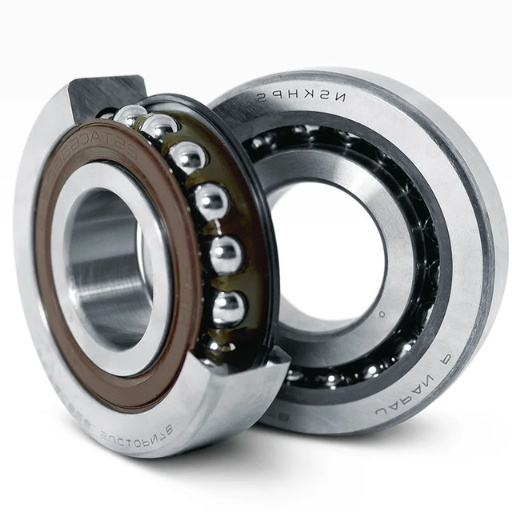
Angular contact ball bearings are designed to accommodate combined loads, meaning they can support both radial and axial forces simultaneously. The contact angle, typically ranging from 15° to 40°, determines the bearing’s axial load capacity; a higher angle allows for greater axial force support. These bearings are commonly used in applications with high-speed and high-precision requirements, such as machine tool spindles, pumps, and robotics.
Factors for Selection
When selecting angular contact ball bearings, it is critical to evaluate the operating conditions. Key factors include the magnitude and direction of applied loads, rotation speeds, required rigidity, and alignment accuracy. Additional considerations involve compatibility with lubrication systems and operating temperatures. Proper installation, often in matched sets, is essential to achieve the desired system performance and longevity.
How Angular Contact Ball Bearings Work
Angular contact ball bearings are designed to handle both radial and axial loads due to their asymmetric raceway design. The contact angle, which typically ranges between 15° and 40°, defines the axial load-carrying capacity of the bearing. A higher contact angle increases the ability to support axial loads but reduces radial load capacity.
These bearings transfer loads through the steel balls at an angle relative to the axis of the bearing. This enables them to accommodate combined loads and ensures rigidity in high-speed precision applications. For optimal performance, the preload must be carefully controlled. Preload values typically range between 1% to 3% of the dynamic load rating, depending on specific application requirements.
Key technical parameters include:
- Dynamic Load Rating (C): Defines the bearing’s capacity to handle dynamic loads, commonly measured in newtons (N).
- Static Load Rating (C0): Indicates the maximum static load the bearing can sustain without deformation.
- Operating Speed: Dependent on lubrication and load; commonly expressed in RPM (revolutions per minute).
- Lubrication Systems: Grease or oil can be used depending on the bearing’s speed and temperature conditions, with oil providing better heat dissipation for higher speeds.
- Operating Temperature Range: Typically between -20°C to 120°C (-4°F to 248°F), though high-temperature applications may require specialized materials.
When used in arrangements such as back-to-back (DB), face-to-face (DF), or tandem (DT) configurations, angular contact ball bearings can achieve robust performance in applications requiring high precision, such as in machine tools, aerospace systems, and robotics. Proper installation and alignment are critical to maintain reliability and prolong operational life.
Applications of Angular Contact Bearings
Angular contact bearings are crucial in a wide range of high-precision and high-speed applications due to their ability to support both radial and axial loads simultaneously. Their design allows for the handling of higher axial loads compared to standard bearings, with their load-carrying capacity being further enhanced by using paired configurations.
- Aerospace Systems
Angular contact ball bearings are extensively used in aerospace components such as gas turbine engines, landing gear assemblies, and control systems. They offer exceptional rigidity, precision, and the ability to withstand extreme temperatures and operational loads. For instance, aerospace-grade angular contact bearings typically operate within temperature ranges from -65°F to 400°F and exhibit high-speed capabilities due to advanced lubrication systems and high-performance materials.
- Machine Tools
Precision machine tools commonly utilize angular contact bearings in their spindles to achieve high rotational accuracy and stability. These bearings are designed to suppress vibration and ensure precise positioning under heavy loads, vital for CNC machining, grinding, and milling machines. Bearings with preload, such as light (L) or medium (M) grades, are often employed to enhance rigidity and maintain consistent accuracy.
- Robotics and Automation
Robotics applications necessitate bearings that can support high speeds and dynamic movements with minimal backlash. Angular contact bearings are implemented in robot joints, actuators, and end-of-arm tooling systems to ensure smooth and precise operation. Integrated ceramic balls are sometimes used in hybrid designs to reduce weight and improve wear resistance in robotic systems, which often operate at rotational speeds up to 10,000 RPM.
- Renewable Energy Systems
Wind turbines and similar renewable energy systems rely on angular contact ball bearings in gearbox assemblies and generator outputs. Their ability to endure combined forces and resist fatigue makes them ideal for prolonged operation under fluctuating loads. These bearings are commonly designed with robustness in mind, using materials like through-hardened or carburized steel for greater durability.
- Automotive Applications
Automotive drivetrain systems, including transmissions and wheel hubs, frequently incorporate angular contact bearings. Their ability to handle high axial and radial forces makes them suitable for vehicle dynamics. Specifications such as contact angles of 30° or 40°, depending on the intended use, are selected to optimize performance.
Key Technical Parameters:
- Contact Angle: Commonly 15°, 25°, 30°, or 40° depending on the application.
- Temperature Range: -65°F to 400°F, with material adaptations possible for high-temperature applications.
- Load Ratings (dynamic and static): Vary significantly by size; for example, a 7204 bearing might have a dynamic load rating of 36 kN and a static load rating of 19 kN.
- Speed Capability: Depending on lubrication and material, rotational speeds range between 6,000 RPM to over 25,000 RPM.
- Material: High-grade steel, hybrid designs with ceramic balls, or corrosion-resistant steel for extreme environments.
Angular contact bearings illustrate the interplay of material science and mechanical engineering, providing unparalleled functionality across diverse industries. Proper selection, installation, and maintenance are pivotal for optimal performance and reliability in critical systems.
Advantages of Using Angular Contact Ball Bearings
- High Load-Carrying Capacity: Angular contact ball bearings are designed to support both radial and axial loads simultaneously, making them ideal for applications requiring combined load management. Their unique design allows for increased load capacity compared to other types of bearings.
- High-Speed Performance: Due to their specialized design and materials, these bearings operate efficiently at high speeds, with minimal friction and reduced heat generation, which enhances system performance and longevity.
- Axial Load Handling in Both Directions: Angular contact ball bearings can be designed as single or double-row configurations to handle axial loads in one or both directions, adding versatility to their application across different systems.
- Enhanced Rigidity and Precision: They offer superior rigidity and high precision, which is crucial for applications such as machine tools, robotics, and high-performance equipment, where accuracy and stability are paramount.
- Durable and Reliable: Made from advanced materials such as hybrid ceramic or corrosion-resistant steel, these bearings are built for durability, with resistance to wear and tear in extreme environments or demanding conditions.
- Versatility in Configurations: Available in various arrangements like back-to-back, face-to-face, or tandem setups, angular contact ball bearings offer flexibility to meet specific application requirements, optimizing overall system design.
Diving Into the Deep Groove Ball Bearing

Deep groove ball bearings are among the most widely used bearing types due to their robust design and operational efficiency. Their defining feature is a simple yet effective design that includes an inner ring, outer ring, a set of steel or ceramic balls, and a cage to maintain spacing between the balls. These bearings are engineered to support radial loads and, to a limited extent, axial loads in both directions, making them suitable for high-speed applications. Key advantages include low friction, quiet operation, and minimal maintenance requirements, which enhance their utility in industries such as automotive, manufacturing, and home appliances. Their versatility in terms of size and configuration makes them an optimal choice for a broad range of applications.
Characteristics of Deep Groove Ball Bearings
Deep groove ball bearings are characterized by their simple yet robust design, which features an inner ring, an outer ring, a set of steel or ceramic balls, and a cage to evenly space the rolling elements. Their deep raceway grooves allow for efficient handling of both radial and axial loads, offering reliable performance under diverse operating conditions. These bearings are engineered for high-speed operations due to their low frictional resistance, reducing energy consumption and heat generation. Additionally, their sealed or shielded versions provide enhanced protection against contaminants, ensuring extended service life with minimal maintenance.
A defining feature of deep groove ball bearings is their dimensional accuracy, typically conforming to ISO and ABEC standards, which ensures compatibility across a wide range of machinery. They are available in various materials, including stainless steel and hybrid ceramic configurations, to suit specific applications involving higher corrosive or thermal demands. Their operational versatility, combined with advanced engineering traits, makes them indispensable components across industries such as automotive, aerospace, and industrial manufacturing.
Uses of Deep Groove Ball Bearings
Deep groove ball bearings are highly versatile and find application in numerous industries due to their ability to handle both radial and axial loads efficiently. They are commonly employed in electric motors, where their low friction and quiet operation are critical for performance. Additionally, these bearings are vital in automotive systems, including transmissions and wheels, due to their durability and high-speed capabilities. They are also integral to household appliances, such as washing machines and fans, ensuring reliable and smooth operation. Beyond these, their design supports high precision and efficiency, making them essential in aerospace equipment and industrial machinery. Their adaptability across varying conditions and environments underscores their widespread utility.
Benefits of Deep Groove Ball Bearings
Deep groove ball bearings offer several significant advantages that make them widely used across industries and applications. These benefits include:
- High Load-Carrying Capacity
Deep groove ball bearings are designed to handle both radial and axial loads effectively. Their deep raceway grooves and close conformity between the balls and raceways enhance their ability to carry high loads. For instance, small-sized bearings can handle axial loads of up to 25% of the radial load capacity under standard conditions.
- Low Friction and Efficiency
The bearings operate with minimal friction due to their precise engineering, enabling high efficiency in rotational systems. This feature minimizes wear and energy loss, making them ideal for high-speed applications. Typical friction coefficients range from 0.001 to 0.002, depending on grease or oil lubrication.
- Versatile Operating Speeds
Deep groove ball bearings are capable of supporting both low and high-speed operations, with some models exceeding 10,000 RPM in precision applications. This versatility ensures they can adapt to a wide range of mechanical systems.
- Wide Temperature Tolerance
These bearings are suitable for operations in temperatures ranging from -30°C to +150°C, depending on the sealing and lubrication used. Special materials and lubricants can extend this range for extreme situations.
- Durability and Longevity
With proper material selection (commonly steel or ceramic) and advanced heat treatments, deep groove ball bearings offer excellent durability, reducing maintenance requirements and extending service intervals. Many bearings are designed to achieve a service life exceeding 10,000 hours under nominal conditions.
- Ease of Installation and Maintenance
The simple design of deep groove ball bearings makes them easy to install and remove, minimizing downtime during maintenance. Shields and seals are often included to protect against contaminants and retain lubrication.
- Resistance to Misalignment
Although not primarily designed for angular misalignment, certain designs can tolerate slight deviations, improving performance under imperfect alignment conditions.
These technical parameters and features highlight why deep groove ball bearings are essential in numerous mechanical systems, from automotive and industrial machinery to household appliances and beyond.
Key Differences Between Deep Groove and Angular Contact Bearings

- Load Handling Capabilities
Deep groove ball bearings are primarily designed to handle radial loads, with the ability to support moderate axial loads in both directions when necessary. Conversely, angular contact bearings are specifically engineered to efficiently manage both high radial and axial loads, but only in one direction unless configured in pairs.
- Contact Angle
A defining feature of angular contact bearings is their contact angle, which allows for superior axial load handling at higher speeds. Deep groove bearings lack a similar contact angle, focusing instead on general-purpose performance.
- Structural Design
Deep groove bearings have a simpler design with a single deep raceway, making them versatile and easy to install. Angular contact bearings, however, feature a more complex design to accommodate their specialized load-handling capabilities.
- Applications
Due to their versatility and cost efficiency, deep groove ball bearings are often used in applications with moderate load requirements, such as electric motors, household appliances, and automotive components. Angular contact bearings are employed in high-performance applications requiring precise load distribution, such as aerospace systems, machine tools, and high-speed spindles.
These distinctions make each bearing type suitable for specific roles, determined by the operating conditions and performance requirements of the machinery involved.
Structural Differences: Deep Groove and Angular Contact Bearings
|
Parameter |
Deep Groove Bearings |
Angular Contact Bearings |
|---|---|---|
|
Raceway Design |
Symmetrical raceways |
Asymmetrical raceways |
|
Load Type |
Radial and limited axial loads |
Combined radial and axial loads |
|
Contact Angle |
0° |
Typically 15°, 25°, or higher |
|
Load Handling Capacity |
Moderate load capacity |
High axial load capacity |
|
Bearing Arrangement |
Single-row common |
Single or paired for higher loads |
|
Speed Capability |
High |
Very high |
|
Alignment Tolerance |
Low |
Requires precise alignment |
|
Common Applications |
Household appliances, electric motors |
Aerospace, machine tools, high-speed spindles |
|
Axial Load Directions Supported |
Both directions |
One or both, depending on configuration |
|
Cost |
Generally lower |
Generally higher |
Cost and Maintenance Considerations
When it comes to cost and maintenance, I believe the decision between angular contact and deep groove ball bearings largely hinges on your specific application requirements. Deep groove ball bearings are generally more cost-effective upfront and require minimal maintenance, making them suitable for standard applications. On the other hand, angular contact bearings, while typically more expensive, deliver superior performance for high-speed or high-precision needs and may require more detailed upkeep. I recommend weighing the initial costs against the potential long-term benefits and consulting a bearing specialist for tailored advice to ensure optimal performance and durability in your system.
Choosing the Right Bearing for Your Application
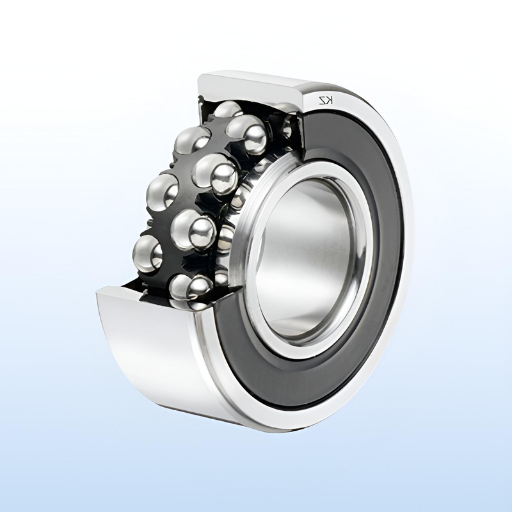
Answering Key Questions for Bearing Selection
When choosing the right bearing for your application, consider the following concise answers to the outlined factors:
- Factors to Consider When Selecting a Bearing Type
The primary considerations include load type (radial, axial, or combined), rotational speed, operating temperature, and environmental conditions such as exposure to dust or moisture. Additionally, evaluate the space constraints of your system and the anticipated lifespan and maintenance requirements.
- Comparing Angular Contact and Deep Groove Ball Bearings
Angular contact bearings are ideal for supporting combined axial and radial loads and are particularly suited for high-speed applications requiring precision. Deep groove ball bearings, on the other hand, are more versatile and cost-effective, excelling in radial load support with moderate axial load capabilities.
- Consulting with Experts for Bearing Selection
For specific applications, engaging with a bearing specialist ensures that critical factors such as material, lubrication, and sealing options are accurately matched to your performance needs. This step minimizes the risk of failures and maximizes system reliability.
Factors to Consider When Selecting a Bearing Type
When selecting a bearing type, it is essential to evaluate key performance and operational parameters to ensure compatibility with the application’s requirements. The following factors provide a concise framework for decision-making:
- Load Capacity
Determine the type and magnitude of loads (radial, axial, or combined) the bearing will support. Ensure the static and dynamic load ratings of the selected bearing meet or exceed the anticipated load requirements.
– Static Load Rating (C₀): Maximum load the bearing can sustain without permanent deformation.
– Dynamic Load Rating (C): Capability of the bearing to endure varying loads over a specified lifespan.
- Rotational Speed
Assess the operating speed of the application and compare it with the bearing’s maximum permissible speed. Factors such as lubrication type and bearing design affect speed performance.
– Grease-Lubricated Bearings: Typically lower speed limits due to viscosity constraints.
– Oil-Lubricated Bearings: Higher speed tolerance, suitable for high-speed systems.
- Operating Environment
Consider external conditions such as temperature, contamination, and moisture. Bearings designed with specialized seals, coatings, or materials may be required for corrosive or high-temperature environments.
– Temperature Range (°C): Verify the material specifications match the thermal limits of your application.
– Protection Options: Dustproof or waterproof sealing for dirty or wet conditions.
- Misalignment
Evaluate whether your shaft and housing configurations might cause misalignment. Self-aligning bearing types or those with higher tolerance for angular displacement are optimal for such scenarios.
- Expected Service Life and Maintenance
Analyze the required lifespan and maintenance schedule of the system to select bearings with adequate durability and ease of servicing.
– L10 Life Expectancy: Calculated bearing life, factoring the operational load and speed.
– Maintenance-Free Bearings: Options such as sealed or pre-lubricated bearings reduce the need for regular maintenance.
By applying these principles and corresponding technical parameters, you can select a bearing that improves reliability and meets the functional demands of your application.
Comparing Angular Contact and Deep Groove Ball Bearings
|
Key Point |
Angular Contact Ball Bearings |
Deep Groove Ball Bearings |
|---|---|---|
|
Load Capacity |
High axial and radial loads |
Mainly radial, moderate axial loads |
|
Contact Angle |
Typically 15°, 25°, or 40° |
No contact angle, designed for radial load |
|
Speed Capability |
High speed |
Very high speed |
|
Misalignment Tolerance |
Limited |
High |
|
Assembly |
Single or paired sets |
Single, double, or sealed units |
|
Lubrication Options |
Grease or oil dependent on load/speed |
Typically grease-lubricated |
|
Applications |
Aerospace, machine tools, pumps |
Electric motors, household appliances |
|
Maintenance |
Requires proper alignment and lubrication |
Low maintenance, simple design |
|
Cost |
Higher compared to deep groove bearings |
Generally lower and economical |
Consulting with Experts for Bearing Selection
When selecting the most appropriate bearing type, I focus on key factors such as load capacity, intended application, and operational conditions. Based on the information from the most reputable sources, I understand that angular contact bearings are ideal for applications requiring high precision and the ability to handle combined radial and axial loads, such as in aerospace or machine tool settings. On the other hand, deep groove bearings are more suited to general-purpose functions in electric motors or household appliances due to their simpler design and cost-effectiveness. I weigh other considerations like lubrication needs, maintenance demands, and overall cost-efficiency to ensure the right balance for performance and longevity. Collaboration with experienced engineers or bearing suppliers is also critical to confirm the best choice for specific technical requirements.
Reference Sources
- Radial Ball Bearings Versus Angular Contact Ball Bearings – GMN Bearing
- Deep Groove Ball Bearing Vs. Angular Contact Ball Bearing – LKP Bearing
- Understand The Difference Between Deep Groove Ball Bearings and Angular Contact Ball Bearings – WXING Group
Frequently Asked Questions (FAQs)
Q: What is the primary difference between angular contact ball bearings and deep groove ball bearings?
A: The primary difference lies in their ability to handle loads. Angular contact ball bearings can bear both radial and axial loads due to their design, which features a contact angle. In contrast, deep groove ball bearings are mainly designed to handle radial loads, though they can also accommodate some axial load.
Q: How does the contact angle affect the performance of angular contact ball bearings?
A: The degree of contact angle in angular contact ball bearings determines their ability to handle axial loads. The smaller the contact angle, the more capable the bearing is at handling radial loads. Conversely, a larger contact angle allows for better axial load handling.
Q: Can angular contact ball bearings be used in high-speed applications?
A: Yes, angular contact ball bearings can be used in high-speed applications. However, the limit speed of angular contact ball bearings is generally higher than that of other types of bearings, such as cylindrical roller bearings and thrust ball bearings.
Q: Are deep groove ball bearings suitable for handling axial loads?
A: While deep groove ball bearings are primarily designed to handle radial loads, they also can bear radial load along with a limited axial load capacity. However, for applications requiring significant axial load handling, angular contact ball bearings are more suitable.
Q: What role do inner ring size and structure play in the performance of these bearings?
A: The inner ring size and structure are crucial in determining the load capacity and speed capabilities of both angular contact and deep groove ball bearings. A well-designed inner ring can enhance the bearing’s ability to withstand radial load and increase its overall performance.
Q: How does the outer ring size and structure impact the bearing’s functionality?
A: The outer ring size and structure affect the bearing’s ability to align under load and its overall strength. Properly designed outer rings in angular contact ball bearings help optimize their ability to handle both radial and axial loads.
Q: What are some common applications for angular contact ball bearings?
A: Angular contact ball bearings are used in various applications requiring high-speed and precision, such as in machine tool spindles, pumps, and gearboxes. They are especially useful in scenarios where combined radial and axial loads are present.
Q: Do deep groove ball bearings offer any advantages over angular contact ball bearings?
A: Deep groove ball bearings are simpler in design and generally more cost-effective than angular contact ball bearings. They are easier to install and maintain, making them suitable for general-purpose applications with primarily radial loads.
Q: Can double row angular contact ball bearings handle higher loads?
A: Yes, double row angular contact ball bearings can handle higher loads compared to single row configurations. They provide enhanced load-carrying capacity and can withstand both radial and axial loads effectively.