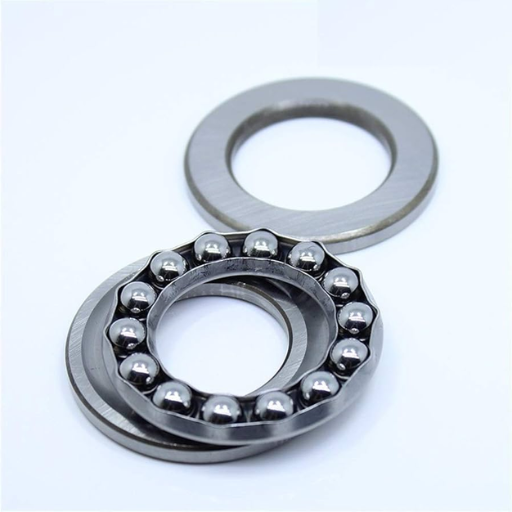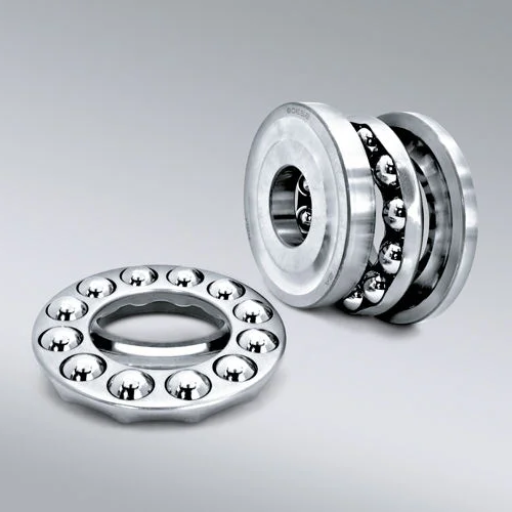
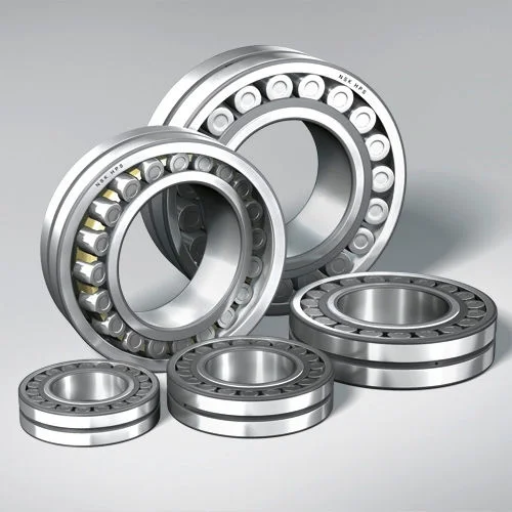



Super precision bearings are highly engineered components designed to deliver exceptional performance in demanding applications that require precision, reliability, and efficiency. These bearings are utilized in industries such as aerospace, robotics, machine tools, and medical equipment, where tolerances are extremely tight, and the margin for error is minimal. Their design and construction focus on minimizing friction, optimizing load capacity, and achieving high-speed capabilities without compromising accuracy.
This blog post will provide a comprehensive overview of super precision bearings, including their key characteristics, applications, and advantages over standard bearing designs. Additionally, we will explore the materials and manufacturing techniques behind these advanced components, as well as offer insights into the factors that influence their selection and maintenance. By the end of this post, readers will gain an in-depth understanding of how super precision bearings contribute to the efficiency and functionality of high-performance machinery across various industries.
Understanding the Basics of Super Precision
Key Features of Super Precision Bearings
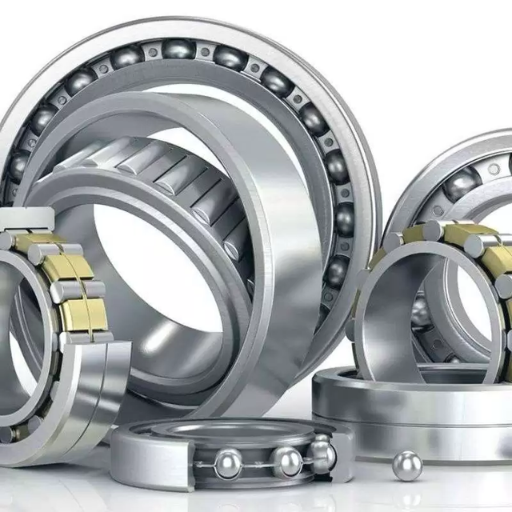
Super precision bearings are engineered to deliver exceptional performance in high-speed and high-accuracy applications. They are characterized by tighter dimensional tolerances, enhanced surface finishes, and advanced internal geometries compared to standard bearings. These attributes help minimize friction, reduce vibration, and ensure reliable operation under demanding conditions. If you are looking for more information about super precision bearings go here right away
Materials and Manufacturing Techniques
The materials used in super precision bearings are critical to their performance. They are typically crafted from high-grade steel, ceramics, or hybrid materials that offer superior strength, heat resistance, and durability. Advanced manufacturing techniques, such as precision grinding and finishing, are employed to achieve the exact specifications required, ensuring consistent performance and extended service life.
Factors Influencing Selection and Maintenance
Selecting the right super precision bearing requires consideration of several factors, including load capacity, operating speed, temperature range, and lubrication requirements. Proper maintenance, such as regular cleaning, inspection, and lubrication, is vital to maximize their lifespan and efficiency. Additionally, ensuring the correct installation method helps prevent premature wear and operational issues.
By understanding these foundational concepts, industries can leverage the advantages of super precision bearings to optimize the performance of their machinery and maintain competitive operational standards.
Key Differences Between Standard and Super Precision Bearings
|
Key Point |
Standard Bearings |
Super Precision Bearings |
|---|---|---|
|
Tolerance Levels |
Regular tolerance |
Ultra-fine tolerance |
|
Rotational Speed Capability |
Low to moderate |
Extremely high |
|
Load Capacity |
Standard load handling |
Optimized for light to moderate loads |
|
Dimensional Accuracy |
Basic accuracy |
Exceptional dimensional control |
|
Vibration and Noise Levels |
Higher vibration and noise |
Minimized vibration, low noise levels |
|
Material Quality |
Standard-grade materials |
High-grade, durable materials |
|
Application Suitability |
General-purpose machinery |
High-precision applications |
|
Maintenance Requirements |
Moderate maintenance |
Requires meticulous maintenance |
|
Operational Temperature Range |
Standard operating temperatures |
Tolerates higher temperature variance |
|
Service Life |
Shorter lifespan |
Extended lifespan |
Why Choose Precision Bearings?
When selecting precision bearings, I prioritize them because they deliver unmatched accuracy, durability, and efficiency in high-performance applications. Their ability to handle extreme speeds and loads with minimal friction makes them indispensable in industries like aerospace, robotics, and manufacturing. Precision bearings also reduce overall maintenance costs due to their engineered longevity and reliability under demanding operational conditions. Simply put, they are the optimal choice when precision, efficiency, and resilience are non-negotiable.
Types of Super Precision Bearings
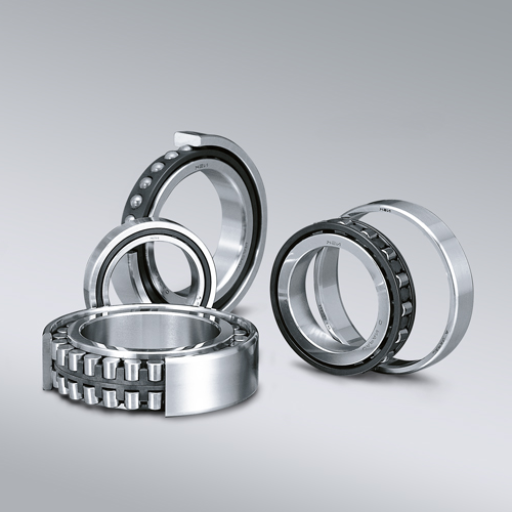
Angular Contact Ball Bearings
Angular contact ball bearings are optimized for applications requiring high rotational speed and significant axial and radial load handling. Their unique design enables superior accuracy and rigidity, making them ideal for usage in machine tools, robotics, and aerospace applications.
Cylindrical Roller Bearings
Cylindrical roller bearings are designed for high radial load capacity and precision. These bearings feature low friction, making them suitable for high-speed applications, particularly in spindles and heavy machinery where stability is essential.
Axial-Radial Bearings
Axial-radial bearings, also known as cross roller bearings, allow for the simultaneous management of axial and radial loads. They are often utilized in multi-axis machining setups and precision rotary tables due to their compact and robust construction.
Hybrid Bearings
Hybrid bearings consist of steel rings and ceramic rolling elements. The use of ceramic material significantly reduces weight, minimizes friction, and enhances thermal stability, making them highly efficient in ultra-high-speed operations found in industries like semiconductor manufacturing.
Each type of super precision bearing fulfills specific operational needs, and their selection should align directly with the application requirements, including load, speed, and environmental conditions.
Angular Contact Ball Bearings: A Closer Look
Angular contact ball bearings are specifically designed to accommodate both radial and axial loads, providing high precision and reliability in demanding applications. Their construction features an offset raceway, which enables the bearing to sustain axial loads in one direction while supporting radial loads simultaneously. This unique configuration is essential in applications demanding high rotational speeds and accuracy, such as in machine tool spindles and robotics.
Key factors to consider when selecting angular contact ball bearings include the contact angle, which influences load-carrying capacity and rigidity. Common configurations include single-row, double-row, and four-point contact designs, each suited for distinct applications. Single-row bearings handle high-speed operations and directional axial loads, while double-row variants manage combined loads in both directions with enhanced stability. Four-point contact bearings are ideal for space-saving designs due to their dual load-handling capacity.
Material selection is also critical, with bearings often manufactured from high-grade steel or ceramic hybrids for increased durability and performance under extreme conditions. Proper lubrication and alignment are necessary to maximize service life, and preloading is often employed to eliminate internal clearance, ensuring optimal rigidity and accuracy in high-precision environments.
The Role of Precision Cylindrical Roller Bearings
Precision cylindrical roller bearings are integral components in applications demanding high load capacities, exceptional accuracy, and robust operating conditions. These bearings are specifically designed to support heavy radial loads, making them ideal for machinery in industries such as aerospace, automotive, and manufacturing. Their ability to accommodate limited axial load, in addition to radial forces, further broadens their functional versatility.
Key technical parameters that define the performance of precision cylindrical roller bearings include load capacity, rotational speed, and dimensional accuracy. Load ratings, often specified as dynamic (C) and static (C₀) in kilonewtons (kN), provide insight into the bearing’s capacity to handle forces and maintain longevity. For high-performance applications, these bearings typically support dynamic loads up to 1,000 kN and static loads nearing 800 kN, depending on size and material.
Dimensional accuracy conforms to standards such as ABEC or ISO P tolerances, ensuring consistent, precise operation. For instance, high-precision designs often meet ISO P4 or P2 tolerances for minimal deviation. Rotational speeds—measured in revolutions per minute (RPM)—can range between 5,000 and 30,000 RPM, contingent on lubrication, cage design, and internal clearance optimization.
Material selection remains a pivotal factor. Commonly, precision cylindrical roller bearings are crafted from through-hardened bearing steels like SAE 52100 or case-hardened steels (e.g., carburized alloys) to ensure durability under demanding conditions. Hybrid versions incorporating ceramic rollers further reduce weight and thermal expansion while enhancing speed capabilities.
Proper lubrication, such as low-viscosity oils or specialized greases, is essential to minimize friction and reduce heat generation at high speeds. Additionally, preloading techniques are leveraged to achieve zero internal clearance, thereby increasing rigidity and vibration resistance in precision applications, such as CNC spindles or high-speed turbines.
By combining high material integrity, precise manufacturing techniques, and optimal lubrication, precision cylindrical roller bearings provide the reliability and performance necessary for advanced industrial systems.
Exploring Super Precision Cylindrical Roller Bearings
The Function and Advantages of Super Precision Cylindrical Roller Bearings
Super precision cylindrical roller bearings are engineered to deliver exceptional performance in high-speed, high-rigidity applications. They utilize advanced design features such as optimized raceway profiles and high-capacity roller designs, which result in reduced vibration, enhanced load distribution, and minimized friction. These bearings are commonly constructed using high-quality steels and feature surface treatments like nitriding or coatings to resist wear and extend operational life under demanding conditions.
Suitability for High-Speed and Precision Applications
The unique construction of these bearings, which often includes seamless inner and outer rings alongside carefully controlled roller geometries, allows them to maintain tight tolerances and stability at elevated rotational speeds. Such attributes make them an ideal choice for machine tool spindles, precision robotics, and aerospace systems, where both accuracy and reliability are paramount.
Optimal Performance Through Advanced Lubrication Systems
To achieve consistent performance and mitigate thermal effects, precision cylindrical roller bearings rely on specialized lubrication techniques such as air-oil systems or minimum quantity lubrication (MQL). These methods ensure a thin, stable lubricant film between contact surfaces while preventing excess heat buildup, thereby maintaining operational integrity even during prolonged use.
By integrating cutting-edge materials, design sophistication, and advanced lubrication strategies, super precision cylindrical roller bearings play a critical role in enhancing the functionality and longevity of modern mechanical systems.
Applications of Super Precision Bearings
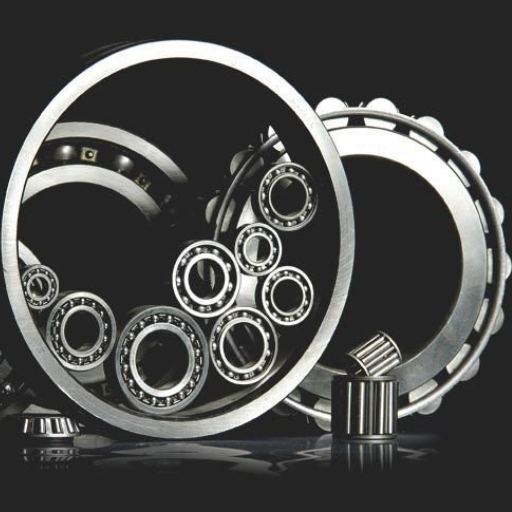
Super precision bearings are utilized across industries where exceptional accuracy, high speed, and reliability are critical. They are extensively employed in aerospace applications, such as jet engine components, where precise operation under extreme conditions is essential. Additionally, in the machine tool industry, these bearings ensure high precision in spindles and cutting applications, directly influencing manufacturing quality. Medical devices, including advanced imaging systems and robotic surgical tools, rely on super precision bearings for smooth and precise functionality. Furthermore, they are critical in semiconductor processing equipment, where micro-level accuracy is required to maintain production standards.
How Machine Tool Performance is Enhanced
Machine tool performance is enhanced through the integration of high-quality components such as super precision bearings, optimized spindle design, and advanced control systems. These elements work synergistically to improve rigidity, reduce vibration, and enable accurate positioning. For instance, the use of angular contact ball bearings with a contact angle of 15° or 25° allows for precise load distribution and high-speed capabilities, resulting in superior machining accuracy. Additionally, maintaining tight geometric tolerances, such as spindle runout below 1 micron, further ensures consistent performance. By leveraging these technical parameters, machine tools achieve heightened efficiency, reliability, and output quality, meeting the rigorous demands of modern manufacturing.
The Importance in Aerospace Industries
Precision and reliability are paramount in aerospace manufacturing, where components must meet exceptionally tight tolerances to ensure safety and optimal performance under extreme conditions. Machine tools designed for aerospace applications must accommodate advanced materials, such as titanium and composite alloys, which demand high rigidity and thermal stability during machining processes. The ability to achieve microscale accuracy, with tolerances often below 5 microns, is critical for producing parts like turbine blades, structural components, and engine housings.
Furthermore, modern aerospace manufacturing emphasizes the transition to smart systems and automation. CNC machines equipped with adaptive control and real-time monitoring deliver the precision and repeatability required to meet quality assurance standards, particularly in high-stress applications like jet engines and airframes. The integration of advanced technologies, such as multi-axis machining and additive manufacturing, enhances production efficiency while reducing material waste, a crucial factor in cost-sensitive and environmentally regulated aerospace industries.
By combining cutting-edge machine tools, robust process controls, and innovative materials, aerospace manufacturers can meet stringent performance and safety criteria, driving continued advancements and supporting the growing demands of the global aerospace sector.
Use in Ball Screw Support Systems
Ball screw support systems are critical components in precision machinery, enabling efficient linear motion under high load conditions. These systems rely on ball bearings to minimize friction and provide smooth, precise operation, making them indispensable in industries requiring high accuracy, such as aerospace, robotics, and semiconductor manufacturing. Ball screw supports typically incorporate preloaded designs to eliminate backlash, enhance rigidity, and maintain positional accuracy under dynamic loads. Their integration with advanced lubrication techniques further ensures longevity and consistent performance by reducing wear and thermal expansion. Modern designs also prioritize compactness and durability, meeting the demand for highly reliable components in space-constrained applications.
How to Select the Right Super Precision Bearings
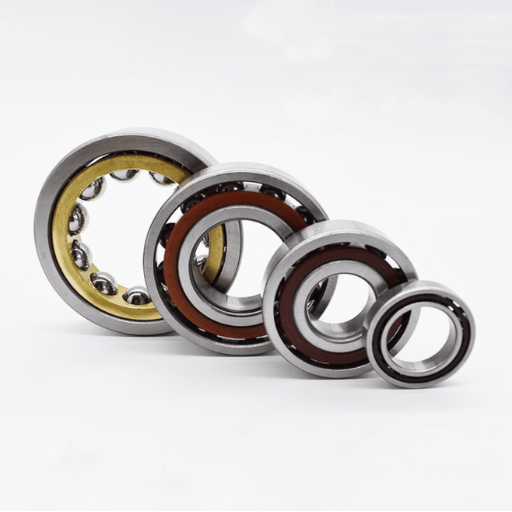
When selecting the right super precision bearings, several critical factors must be evaluated to ensure optimal performance and reliability. First, determine the application requirements, including load capacity (radial, axial, or combined), speed, and operating conditions such as temperature and environmental factors. Consider the material and coating options to account for corrosion resistance or extreme conditions, and choose the appropriate bearing type (angular contact, cylindrical roller, or others) based on the specific mechanics of the system. Precision class (e.g., ISO P4 or P2) should match the desired accuracy and tolerances, while lubrication compatibility must guarantee minimal wear and temperature stability during operation. Lastly, integration with housing, shafts, and other components must support proper alignment, thermal management, and minimal vibration for a reliable, high-performance solution.
Factors to Consider: Speed and Axial Load
When evaluating speed and axial load, I focus on maintaining compatibility between the bearing’s capabilities and the system’s operational demands. High-speed applications require bearings with precision-grade materials and optimized designs to minimize friction and heat generation, which can otherwise compromise performance. For axial load considerations, the selected bearing must tolerate the directional forces applied along the axis without deformation or misalignment, often necessitating angular contact or thrust bearings for optimal load distribution. The balance between speed capacity and axial load resistance is critical for ensuring durability and operational efficiency under varying conditions.
Understanding Tolerance and Accuracy Needs
When defining tolerance and accuracy requirements, it is essential to consider the operational demands and the precision levels required for the application. Tolerance specifies the permissible deviations in dimensions, ensuring components fit together correctly despite minor variations. Accuracy, conversely, refers to the degree to which a component achieves its intended measurements or performance metrics.
Corresponding technical parameters to address include the following:
- Dimensional Tolerance
-
-
- Linear dimensions (±0.005 mm for high-precision applications).
- Diameters (±0.01 mm for rotating shafts or bearings).
-
- Surface Finish
-
-
- Roughness average (Ra) between 0.2–0.8 μm for components requiring smooth interfaces to reduce friction.
-
- Geometric Tolerances
-
-
- Concentricity (≤0.02 mm deviation for rotating parts).
- Flatness (≤0.01 mm over critical surfaces).
-
- Material Tolerance
-
-
- Thermal expansion coefficients must align with operational temperature ranges (e.g., aluminum at ~23 μm/m·°C for standard conditions).
-
A careful evaluation of these parameters ensures the assembly operates efficiently under specified conditions while minimizing wear, misalignment, or excessive variation-induced failures.
Choosing the Right Precision Rating
When selecting the appropriate precision rating, I focus on the specific requirements of the application and the operational environment. The most critical factors include the desired dimensional accuracy, material performance under varying temperatures, and tolerance thresholds for the components involved. Based on standard guidelines, aligning rotational and positional accuracy with the overall system requirements is paramount to ensure efficiency and longevity. Cross-referencing data from trusted resources further aids in confirming compatibility, reducing the risk of operational inefficiencies or premature component wear. By considering these aspects, I can confidently determine the precision rating best suited for the intended purposes.
Maintenance and Care for Super Precision Bearings
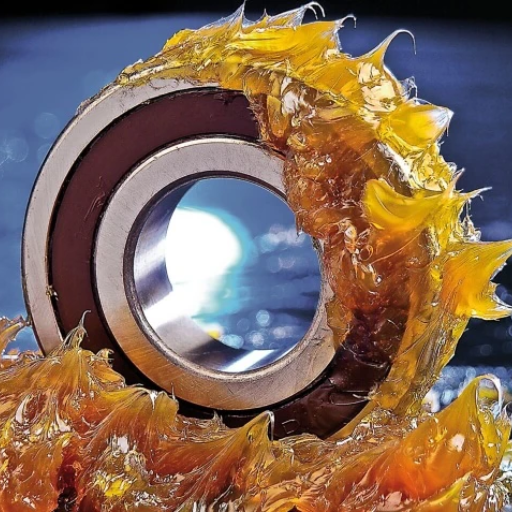
To ensure the long-term performance and reliability of super precision bearings, several key maintenance practices must be followed. Regular lubrication is critical, as it minimizes friction and wear while protecting against contaminants. The choice of lubricant—whether grease, oil, or another specialized type—should align with operational demands such as speed, load, and temperature. Additionally, periodic inspections are necessary to detect early signs of damage, such as corrosion, pitting, or excessive vibration. During handling and installation, using precision tools and maintaining clean, controlled environments will prevent contamination and misalignment. Proper storage is equally important, requiring dry, stable conditions to avoid exposure to moisture or extreme temperatures. Adhering strictly to these practices ensures optimal performance, prolongs service life, and reduces the likelihood of unexpected failures.
Ensuring Longevity Through Proper Application
To ensure longevity through proper application, I focus on precise adherence to recommended operating parameters, including load, speed, and environmental conditions. I ensure components are not subjected to forces beyond their design limits and monitor for early signs of wear through regular inspections. Additionally, I implement proper lubrication techniques using manufacturer-specified lubricants to minimize friction and wear. Consistently applying these best practices allows me to maximize performance and extend the service life of the equipment.
Common Issues and How to Avoid Them
- Overloading Equipment
Issue: Operating machinery beyond its design capacity can lead to mechanical failure, excessive wear, and decreased lifespan.
Solution: Always adhere to the manufacturer’s recommended load limits and operational guidelines. For example, maintain load parameters within 70-80% of the maximum rated capacity to allow for a margin of safety. Regularly inspect load-bearing components and replace any compromised parts.
- Insufficient Lubrication
Issue: Lack of proper lubrication leads to increased friction, overheating, and accelerated wear of parts.
Solution: Use only manufacturer-specified lubricants and follow a scheduled maintenance plan for lubrication. For instance, machinery operating under high temperatures may require synthetic lubricants with a viscosity index of 150 or higher to ensure proper performance.
- Improper Alignment of Components
Issue: Misaligned shafts, gears, or bearings can cause vibrations, uneven wear, and premature failure.
Solution: Use precision alignment tools like laser alignment systems to verify that components are correctly aligned. Tolerances should be within ±0.001 inches (25 microns) to ensure smooth operation. Conduct periodic checks, especially after repairs or heavy usage.
- Contamination of Components
Issue: Dirt, debris, or moisture ingress into the system damages internal components and deteriorates lubrication quality.
Solution: Implement sealing systems such as labyrinth seals or O-rings rated for the operating environment. Maintain air filtration standards of at least ISO 8573-1 Class 2. Remove contaminants during inspections and replace filters regularly.
- Overheating
Issue: Prolonged exposure to high temperatures degrades materials and accelerates equipment failure.
Solution: Monitor operating temperatures using thermal sensors and ensure the cooling systems function effectively. Limit maximum operating temperatures to below the threshold set by manufacturers, typically around 120°F (49°C) for standard industrial equipment, or install auxiliary cooling methods if necessary.
By addressing these common issues with proactive measures and adhering to technical specifications, machinery reliability and efficiency can be significantly improved. Regular inspections, adherence to maintenance schedules, and a focus on operational best practices are critical for avoiding unnecessary downtime or costly repairs.
Best Practices for Regular Maintenance
When implementing regular maintenance, I consistently focus on adhering to the manufacturer’s recommended schedule and utilizing only approved parts and lubricants. I ensure that all equipment is inspected periodically for signs of wear, misalignment, or other anomalies that could compromise performance. Additionally, I prioritize proper cleaning procedures to prevent debris buildup, adhere to precise calibration methods for optimal operation, and document all servicing activities for reference during audits or troubleshooting. This systematic approach allows me to minimize unexpected downtime and extend the lifespan of machinery efficiently.
Reference Sources
- SKF – Super-precision bearings
- NSK – Super Precision Bearings
- Emerson Bearing Blog – Introducing Super Precision Bearings
- Schaeffler – Axial-super Precision Bearings
- SKF – Super-precision bearings catalogue (PDF)
Frequently Asked Questions (FAQs)
Q: What are super precision bearings?
A: Super precision bearings are specialized bearings designed to deliver greater precision, higher speeds, and long life in demanding applications. They are commonly used in applications requiring high performance and accuracy, such as machine tools and screw drives.
Q: What is the purpose of super precision angular contact bearings?
A: Super precision angular contact bearings are designed to handle both radial and axial loads, offering greater precision and stiffness. They are ideal for applications that require high-speed rotation and high accuracy, such as spindles in machine tools.
Q: How do deep groove ball bearings differ from other types of bearings?
A: Deep groove ball bearings are designed to support both radial and axial loads. They are versatile, offering a full range of sizes and configurations, making them suitable for a variety of applications. Deep groove ball bearings typically have a simple design and are easy to maintain.
Q: What are the benefits of using taper bearings?
A: Taper bearings are designed to handle large radial and axial loads due to their tapered inner and outer ring raceways. They provide excellent stiffness and are often used in applications such as automotive and industrial machinery where durability and reliability are crucial.
Q: What is the significance of the p4 precision class in bearings?
A: The p4 precision class indicates a high level of accuracy and precision in bearings. Bearings in this class offer minimal runout and are suitable for applications requiring extremely precise operation, leading to better performance and longer life.
Q: Why are phenolic cages used in some bearings?
A: Phenolic cages are lightweight and offer excellent heat resistance, making them ideal for high-speed applications. They help reduce friction and wear, contributing to the longevity and performance of super precision bearings.
Q: What are miniature bearings and where are they used?
A: Miniature bearings are small-sized bearings, often used in applications where space is limited and high performance is required, such as robotics, medical devices, and instrumentation. They offer the same precision and durability as larger bearings but in a compact form.
Q: How do angular contact thrust bearings differ from standard angular contact bearings?
A: Angular contact thrust bearings are designed to handle primarily axial loads, unlike standard angular contact bearings that can handle both radial and axial loads. They are often used in applications where axial load capacity is more critical.
Q: What materials are commonly used in super precision bearings?
A: Super precision bearings are often made from high-quality materials like stainless steel, chrome, and silicon nitride. These materials offer excellent corrosion resistance, durability, and the ability to perform at higher speeds under various conditions.
Q: Why are special radial clearances important in super precision bearings?
A: Special radial clearances are crucial for ensuring that bearings maintain their precision and performance under different operating conditions. They help accommodate thermal expansion and misalignment, which can occur in high-speed or high-temperature environments.