


When selecting the right ball bearings for your application, understanding the differences between sealed and shielded designs is crucial. Each type of bearing offers unique advantages depending on the operating environment, performance requirements, and maintenance considerations. This guide will provide an in-depth comparison of sealed and shielded ball bearings, equipping you with the knowledge needed to make an informed decision. Whether your priority is protecting against contaminants, minimizing friction, or ensuring long-term durability, this article will break down the key factors to help you determine which option is best suited to your needs. Read on to explore their features, applications, and critical performance distinctions.
What Are the Differences Between Sealed Bearing and Shielded Bearing?

|
Parameter |
Sealed Bearing |
Shielded Bearing |
|---|---|---|
|
Protection Level |
Completely sealed from contaminants |
Partially blocks contaminants |
|
Maintenance Requirement |
Maintenance-free |
May require periodic maintenance |
|
Friction Level |
Higher due to tight seal |
Lower due to less contact |
|
Durability |
Longer lifespan in harsh conditions |
Good for moderate environments |
|
Speed Suitability |
Better for low to moderate speeds |
Suitable for high-speed applications |
|
Moisture Resistance |
Excellent water resistance |
Limited moisture resistance |
|
Common Applications |
Dirty, wet, or harsh environments |
Clean, dry, or controlled settings |
|
Cost |
Typically more expensive |
Usually more affordable |
|
Installation Complexity |
Simple, no extra sealing required |
May require additional sealing |
|
Replacement Frequency |
Less frequent due to durability |
More frequent in harsh conditions |
Understanding Sealed Bearings Offer Key Advantages
From my experience, sealed bearings are highly advantageous in environments exposed to contaminants such as dirt, dust, or moisture. They are specifically designed to provide superior protection by encasing the internal components within a durable seal, preventing external elements from entering and compromising functionality. Due to their self-contained nature, sealed bearings require minimal maintenance and are often pre-lubricated by the manufacturer, ensuring long-term reliability in demanding conditions. If you are looking for more information about Sealed Ball Bearings vs. Shielded Ball Bearings go here right away
Technical parameters that highlight their performance include their ability to operate within a typical temperature range of -20°C to 110°C (-4°F to 230°F) and their capacity to withstand moderate to high radial and axial loads, depending on the bearing size and material. Additionally, their speed limits are generally lower compared to shielded bearings but remain efficient for most industrial applications. Choosing sealed bearings is an effective solution for optimizing longevity and maintaining efficiency in harsh operating environments.
Exploring the Role of Metal Shields in Shielded Bearings
Metal shields in shielded bearings serve as a protective barrier designed to prevent the ingress of contaminants such as dust, debris, and other particulate matter while allowing for limited grease retention. These shields are typically made of durable materials such as stainless steel or other corrosion-resistant metals to prolong the bearing’s operational lifespan under demanding conditions.
Functionality of Metal Shields
Metal shields are non-contact mechanisms, meaning that while they restrict external contamination, they do not create friction with the inner ring of the bearing. This non-contact design facilitates higher operational speeds as compared to sealed bearings, while still offering a moderate level of protection against environmental elements. The gap between the shield and the inner race, known as the “clearance,” is precisely engineered to balance protection and performance, commonly ranging from 0.02 mm to 0.1 mm depending on the application.
Key Technical Parameters of Shielded Bearings
- Temperature Tolerance: Shielded bearings typically operate within a temperature range of -30°C to 120°C, though high-performance versions can withstand temperatures beyond 150°C.
- Speed Capability (RPM): Metal-shielded bearings often support rotational speeds exceeding 10,000 RPM due to their low-friction design, making them ideal for high-speed applications like electric motors and fans.
- Load Capacity: Depending on the size and type, shielded bearings can handle radial loads ranging from 5 kN to 50 kN or higher.
Applications of Shielded Bearings
The use of shielded bearings is prevalent in scenarios where operational efficiency and protection from indirect contamination are crucial. Industries such as aerospace, automotive, and manufacturing rely on these bearings to enhance the performance of high-speed components without compromising durability. However, shielded bearings may not be ideal for environments with heavy water exposure or extreme contamination due to limited sealing capabilities.
By providing an effective balance between speed, protection, and maintenance, shielded bearings play a critical role in improving equipment reliability and operational efficiency.
How Do Rubber Seal and Metal Shield Compare?
|
Key Point |
Rubber Seal |
Metal Shield |
|---|---|---|
|
Primary Material |
Rubber or elastomer |
Thin metal sheet |
|
Sealing Effectiveness |
Higher, suitable for contaminants |
Moderate, primarily dust and debris |
|
Resistance to Water |
Excellent, blocks water ingress |
Limited, not ideal for heavy water exposure |
|
Temperature Range |
Wide, depends on rubber material type |
High, withstands elevated heat |
|
Friction Levels |
Higher due to contact with moving parts |
Lower, minimal contact |
|
Maintenance Requirements |
Reduced, better protection against contaminants |
Moderate, requires occasional cleaning |
|
Speed Suitability |
Suitable for moderate-speed applications |
Optimal for high-speed applications |
|
Durability |
High in harsh environments |
Long-lasting in clean conditions |
|
Energy Efficiency |
Slightly lower due to higher friction |
Higher due to minimized friction |
|
Application Environment |
Dusty, wet, or contaminant-heavy environments |
Clean, dry, or lightly contaminated areas |
How Do Sealed Bearings and Shielded Bearings Work?

Mechanism of Sealed Bearings
Sealed bearings are designed to operate in environments where contamination risks are high. They feature integrated seals that create a near-impermeable barrier, preventing dirt, moisture, and debris from entering the bearing assembly. These seals also retain the pre-applied lubricant within the bearing, providing consistent lubrication throughout its lifespan. The design ensures minimal maintenance while offering reliable performance under harsh conditions.
Mechanism of Shielded Bearings
Shielded bearings, on the other hand, incorporate metal shields on either one or both sides of the bearing. These shields protect the internal components by blocking large particles and debris, though they allow some level of air and moisture ingress. Unlike sealed bearings, shielded bearings depend on external lubrication, making them suitable for high-speed applications where heat dissipation and reduced friction are critical factors. Their design balances protection with efficiency in less-contaminated environments.
The Mechanics Behind Sealed Bearings
Sealed bearings are engineered with integrated seals that fully enclose the bearing’s internal components, protecting them from contaminants such as dust, dirt, and moisture. These seals are typically made of rubber or other synthetic materials and are designed to create a tight barrier while allowing rotational movement. Unlike shielded bearings, sealed bearings are pre-lubricated with grease during manufacturing and require minimal to no maintenance over their lifespan. This makes them ideal for environments with high levels of contamination or where lubrication access is challenging. However, their sealed design limits heat dissipation and may not be optimal for high-speed applications, where the buildup of thermal energy could hamper performance. The sealed configuration ensures durability and reliability, particularly in applications involving harsh operating conditions.
The Functionality of Shielded Bearings
Shielded bearings are designed to provide an effective barrier against contaminants such as dust, debris, and moisture, while still allowing for minimal friction during operation. Unlike sealed bearings, shielded bearings utilize metal shields or plates that do not completely seal the internal components but instead create a gap small enough to block most environmental particles. This design allows for better heat dissipation and is particularly advantageous in high-speed applications where excessive heat buildup is a concern. While shielded bearings require periodic lubrication to maintain optimal performance, their partially open design ensures a balance between protection and thermal management.
Impact of Lubrication and Contamination on Ball Bearings
Proper lubrication is critical for maintaining the performance and lifespan of ball bearings. It minimizes friction between components, reduces wear, and aids in heat dissipation during operation. Neglecting sufficient lubrication can lead to increased friction coefficients (typically rising above 0.001 for rolling bearings), excessive temperature escalation, and accelerated material fatigue. Recommended lubricants often include grease or oil with a viscosity range of 10-100 cSt at operating temperatures, depending on the application’s speed and load requirements.
Contamination, on the other hand, poses a significant threat to ball bearing reliability. Particles, moisture, or corrosive agents infiltrating the bearing can cause abrasive wear, pitting, and surface corrosion, severely impeding performance. Cleanliness levels are often quantified using ISO 4406 standards, where a contamination code of 18/16/13 or lower is preferred for high-precision machinery. Employing sealed or shielded bearing designs, combined with consistent inspection and maintenance, is essential to mitigate contamination risks and ensure durability in demanding operating conditions.
When Should You Use Sealed Bearings or Shielded Bearings?
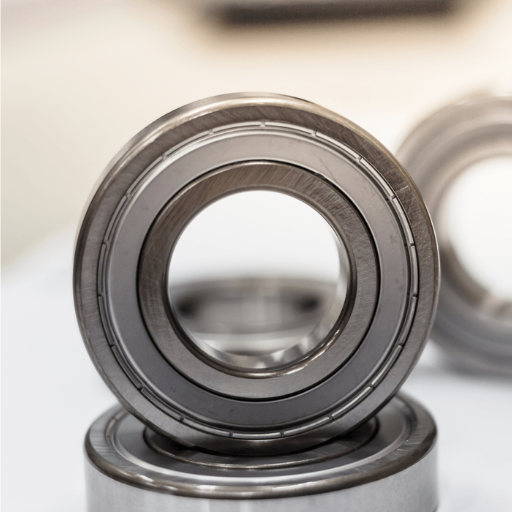
Sealed bearings are typically used in environments where contamination from dust, dirt, or moisture is a primary concern. Their integral seals provide robust protection, making them ideal for applications such as agricultural machinery, chemical processing, or underwater components, where external particles or fluids could compromise functionality. Shielded bearings, on the other hand, are best suited for environments where protection from moderate contamination is required while minimizing friction. These are commonly employed in electric motors and other precision applications where high speeds and efficiency are critical. The decision between sealed and shielded bearings depends heavily on the operating environment and specific performance requirements.
Choosing a Bearing for Your Application and Environment
Key Considerations for Selecting the Ideal Bearing
When choosing a bearing for your specific application and environment, several factors must be carefully evaluated to ensure optimal performance and durability. Below, we outline the primary considerations and technical parameters involved in this decision:
1. Load Requirements
- Radial Load: Bearings, such as deep groove ball bearings, are suitable for higher radial loads due to their robust raceway geometry.
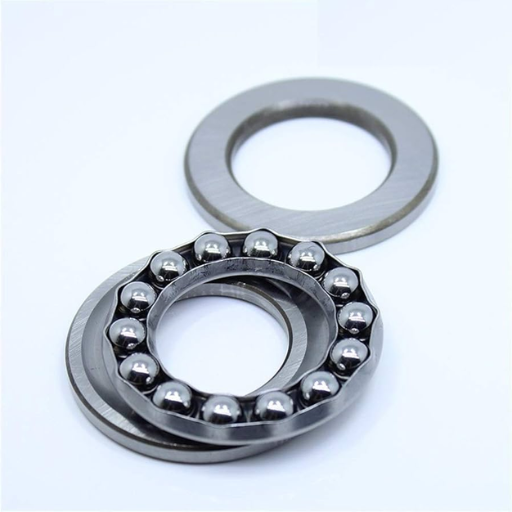
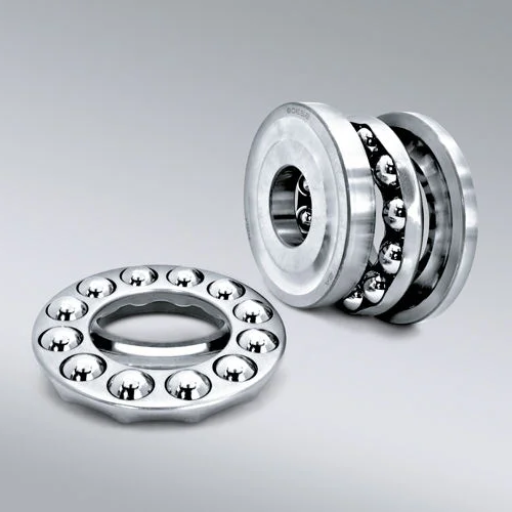
- Axial Load: Angular contact bearings or thrust ball bearings are preferred when operating under substantial axial loads.
- Combined Load: Tapered roller bearings provide excellent performance in managing both radial and axial loads simultaneously.
2. Operating Speed
- Low Speeds: Sleeve or plain bearings perform well at low rotational speeds and offer quieter operation.
- High Speeds: Ball bearings with ceramic or hybrid elements are ideal for high-speed applications, such as in turbines or high-speed electric motors.
- Key Speed Parameter: Look for the Maximum RPM (Revolutions Per Minute) rating suitable for your application—common values range from 3,000 RPM for general machinery to over 100,000 RPM for precision equipment.
3. Environmental Conditions
- Contamination Levels: Use sealed bearings (rubber or metal seals) for applications in dusty or wet environments to prevent contaminants from entering the bearing.
- Temperature Range: Select bearings that match operational temperatures, such as heat-resistant bearings for applications exceeding 150°C (302°F) or cryogenic bearings for temperatures below freezing.
- Material Considerations:
- Stainless Steel: Corrosion resistance, suitable for wet conditions.
- Chrome Steel: Optimal for general use and moderate climates.
4. Lubrication Type
- Grease Lubrication: Provides long-term protection and ease of maintenance; ideal for sealed systems.
- Oil Lubrication: Necessary for high-speed and high-temperature applications; ensures reduced friction and effective heat dissipation.
- Lubrication Parameters:
- Viscosity (cSt or mm²/s) aligned with the operational speed/temperature.
- Regular relubrication intervals for demanding environments.
5. Precision and Tolerance
- For Precision Applications: Bearings with higher accuracy ratings, such as P5 or P4 tolerance classes per ISO/ABEC standards, are critical in minimizing vibration and optimizing rotational precision.
- Key Industries: Aerospace, robotics, medical devices.
Summary Recommendations
By systematically weighing the criteria above using application-specific demands, you can identify the appropriate bearing type and configuration. Always refer to manufacturer catalogs for detailed specifications and consult with engineering professionals when in doubt to ensure compliance with performance standards.
Factors to Consider: Lifespan and RPM
When considering lifespan and RPM in bearing selection, I focus on anticipated operational conditions and manufacturer data. Lifespan is closely tied to dynamic and static load ratings, lubrication quality, and environmental factors like contamination or temperature extremes. For high-RPM applications, I ensure the bearings have precision-grade components and consider features like ceramic balls to reduce friction and heat buildup. Consulting manufacturer specifications and following recommended maintenance schedules are critical to achieving optimal performance and extended service life.
Common Bearing Uses and Their Requirements
Bearings are vital components across a variety of industries, facilitating smooth motion and reducing friction in mechanical systems. Below is a detailed examination of their common applications and unique requirements:
- Automotive Industry
Bearings in the automotive sector are integral to engines, transmissions, and wheel assemblies. They must endure high rotational speeds, varying load conditions, and exposure to contaminants. Sealed or shielded bearings with high-temperature grease are commonly used, while taper roller bearings support transmission and differential applications due to their capacity to handle both radial and axial loads.
- Industrial Machinery
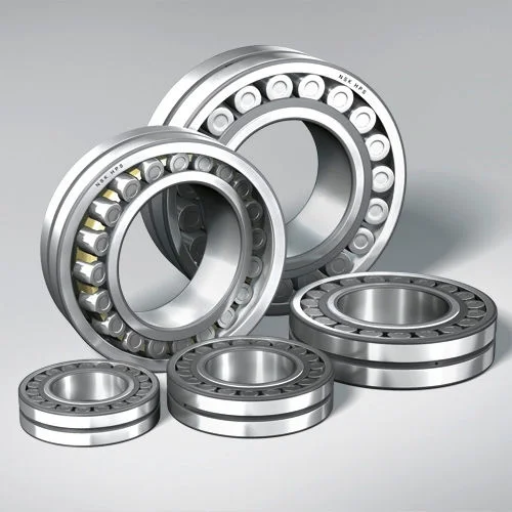
Heavy-duty machinery like conveyors, pumps, and gearboxes rely on bearings designed for continuous, high-load operations. Bearings here must handle significant static and dynamic loads, tolerate misalignment, and resist wear from abrasive particles. Spherical roller bearings and cylindrical roller bearings are frequently utilized for these demanding environments.
- Aerospace Applications
Bearings in aerospace systems must meet stringent performance standards, given the critical nature of these applications. They operate under extreme temperatures, high speeds, and elevated stress levels. Lightweight materials like titanium or hybrid bearings using ceramic balls are often chosen for their strength-to-weight ratio and thermal stability. Precision manufacturing and thorough quality testing are imperative for these applications.
- Electric Motors
For electric motors, bearings facilitate smooth, energy-efficient operation at high speeds while minimizing noise and vibration. Deep groove ball bearings are the most common choice, offering low friction and long service life. Proper lubrication and alignment are essential to prevent overheating and ensure reliability.
- Renewable Energy Systems
Wind turbines and other renewable energy applications require heavy-duty bearings capable of handling fluctuating loads and harsh outdoor conditions. Slewing bearings and spherical roller bearings are standard in wind turbine main shafts, with advanced seals and corrosion-resistant materials to withstand moisture and debris.
Understanding the specific requirements of each application and selecting bearings with optimized designs, materials, and coatings are instrumental in ensuring operational efficiency, reliability, and longevity across these industries. Leveraging technical guides and working closely with manufacturers are recommended best practices for proper bearing selection and maintenance.
What Are the Advantages and Disadvantages of Each Type?
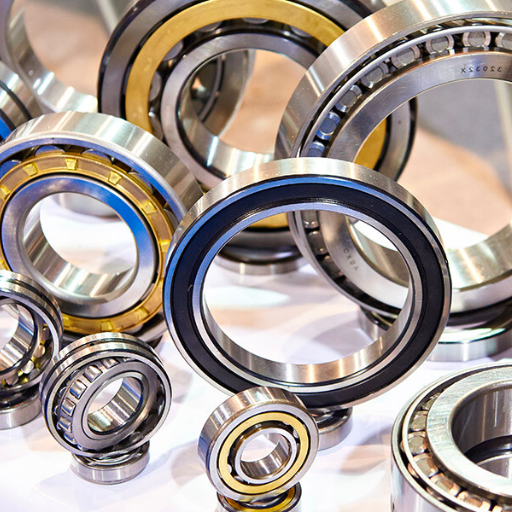
Advantages and Disadvantages of Each Type
Ball Bearings
Advantages:
- High rotational speed capabilities.
- Low friction reduces energy loss.
- Compact and versatile for various applications.
Disadvantages:
- Lower load-carrying capacity compared to other types.
- Susceptible to wear under heavy loads or misalignment.
Roller Bearings
Advantages:
- Excellent load-carrying capabilities, particularly for radial loads.
- Provides durability in heavy-duty applications.
Disadvantages:
- Limited performance at high rotational speeds.
- Higher friction than ball bearings.
Needle Bearings
Advantages:
- Compact design, suitable for tight spaces.
- High load capacity relative to size.
Disadvantages:
- Prone to wear in applications with excessive axial loads.
- Demands precise alignment and lubrication for optimal performance.
Tapered Roller Bearings
Advantages:
- Handles combined radial and axial loads effectively.
- High rigidity and durability for heavy-duty operations.
Disadvantages:
- Requires careful installation and alignment.
- Larger size may limit application versatility.
Thrust Bearings
Advantages:
- Effectively supports axial loads.
- Well-suited for low-speed applications with high axial forces.
Disadvantages:
- Limited radial load capacity.
- High friction in certain configurations.
Benefits of Sealed Bearings in Harsh Conditions
Sealed bearings offer significant advantages in environments exposed to contaminants, moisture, and extreme temperatures. They provide a robust barrier against dirt, dust, and water ingress, reducing the risk of internal damage and extending the bearing’s operational lifespan. The integrated seals also minimize the need for frequent maintenance by retaining lubrication effectively, ensuring consistent performance even in demanding conditions. Additionally, sealed bearings can operate efficiently under higher pressures, making them an excellent choice for applications requiring reliability in harsh or unpredictable environments.
Advantages of Shielded Bearings in High-Speed Applications
Shielded bearings are specifically designed to excel in high-speed applications by offering a combination of protection and low-resistance operation. The principal advantages include reduced friction due to finely-engineered shielding, which prevents excessive contact with rotating elements. This lower friction directly results in less heat generation, enabling the bearing to maintain optimal performance at higher operational speeds, typically up to 30,000 RPM, depending on the bearing size and material.
Another benefit is the ability of the shields to prevent contaminants, such as dust or debris, from entering the bearing while allowing a controlled flow of lubrication. This ensures consistent lubrication cycles and reduces wear over time without sacrificing speed. Shielded bearings also require less maintenance compared to open bearings, as the shielding prolongs grease life and minimizes the frequency of lubrication.
Finally, shielded bearings exhibit enhanced thermal stability due to their efficient heat dissipation design, which prevents temperature-induced material deformation. These attributes make them an excellent choice for high-speed machinery, including electric motors, turbines, and precision equipment where consistent, reliable performance is critical.
Understanding the Downsides of Each Kind of Bearing
When evaluating the downsides of various types of bearings, it is important to consider their specific limitations in relation to their intended applications and technical parameters:
- Shielded Bearings
While shielded bearings excel in protecting against debris and prolonging lubrication, their sealed construction can limit the ease of relubrication and shift focus to long-term maintenance. Additionally, shielded designs can slightly impede rotational speed in high-speed applications due to increased friction at the seal interface. For example, they may show performance degradation at speeds exceeding 10,000 RPM depending on the material and design precision.
- Open Bearings
Open bearings offer the advantage of lower friction and easier maintenance because they are accessible for regular lubrication. However, their greatest limitation is vulnerability to contamination. They are unsuitable for use in environments where foreign particles, dust, or moisture are prevalent. Their operational lifespan can be significantly reduced if proper maintenance schedules are not adhered to, particularly in dusty or humid conditions.
- Sealed Bearings
Sealed bearings, while providing excellent protection from contamination and requiring minimal maintenance, have a primary drawback in that they are non-servicable. Once the lubrication depletes, the entire bearing must typically be replaced. They are also not ideal for applications involving extremely high speeds or temperatures, as the seal material may degrade, reducing overall efficiency and thermal stability. For instance, seals graded for temperatures up to 120°C may fail in conditions exceeding this threshold.
By identifying these specific downsides and balancing them with application requirements, one can determine the most suitable bearing type for operational needs while ensuring performance optimization.
How to Maintain and Replace Sealed and Shielded Bearings?

Maintenance and Replacement of Sealed and Shielded Bearings
- Regular Inspection: Periodically check for signs of wear, excessive noise, or vibration. These indicators may suggest potential bearing damage or contamination.
- Cleaning: For shielded bearings, clean the external surfaces with a suitable solvent to remove debris, ensuring no abrasive material enters the housing. Sealed bearings typically require minimal cleaning due to their design.
- Lubrication:
-
-
- Sealed Bearings: These are pre-lubricated and generally do not require additional lubrication during their service life.
- Shielded Bearings: Re-lubricate periodically as per manufacturer recommendations using compatible grease or lubricant.
-
- Replacement Procedure:
-
-
- Disassembly: Carefully remove the bearing using appropriate tools to avoid damage to adjacent components. Note the orientation for correct reinstallation.
- Inspection Before Installation: Examine the replacement bearing for any visible defects and ensure it matches the specifications of the original component.
- Installation: Place the new bearing using proper equipment to prevent misalignment or undue force, which can degrade performance.
- Testing: Once installed, rotate the system to ensure smooth operation and confirm proper alignment.
-
By adhering to these maintenance and replacement procedures, the operational life of sealed and shielded bearings can be maximized while minimizing downtime.
Best Practices for Maintaining Your Bearings
- Regular Inspections:
Conduct routine visual inspections to check for signs of wear, corrosion, or contamination. Look for unusual noises or vibrations during operation, as these can indicate internal damage or misalignment.
- Proper Lubrication:
Ensure bearings are adequately lubricated with the correct type and quantity of lubricant. Over-lubrication can lead to excessive heat buildup, while under-lubrication may cause premature wear. Follow manufacturer recommendations for lubrication intervals and product type.
- Keep Bearings Clean:
Contaminants such as dirt, moisture, and debris significantly reduce bearing life. Use protective seals and take precautions to maintain cleanliness during handling and installation.
- Avoid Overloading:
Adhere to the OEM-specified load capacities to prevent undue stress on the bearings. Overloading can distort bearing races and reduce operational efficiency, leading to premature failure.
- Proper Handling and Storage:
Store bearings in a clean, dry environment in their original packaging to protect against contaminants and humidity. Handle with care to avoid damaging the precision surfaces.
- Monitor Operating Conditions:
Track temperature, speed, and load conditions regularly. Deviations from intended operation parameters can point to potential issues that need immediate attention.
By integrating these best practices into your maintenance regimen, you can significantly extend the lifespan of your bearings while ensuring optimal system performance.
Steps to Replace Sealed Bearings and Shielded Bearings
- Preparation and Safety
Before beginning, I ensure the equipment is powered off and any moving components are fully stationary. I gather the necessary tools, such as a bearing puller, wrenches, and a lubricant suitable for the application. It’s critical to work in a clean environment to prevent contamination.
- Access the Bearings
I carefully disassemble the surrounding components to expose the sealed or shielded bearings, following the manufacturer’s guidelines specific to the equipment. Proper documentation of the disassembly process helps make reassembly more efficient.
- Remove the Bearings
Using a bearing puller or another compatible tool, I extract the bearing without applying excessive force, which could damage the housing or shaft. If the bearing is stuck, I use heat or lubrication to ease its removal while adhering to safety protocols.
- Inspect and Clean
Once the old bearing is removed, I inspect the housing and shaft for wear, corrosion, or debris. I thoroughly clean these areas to ensure a smooth and contamination-free installation of the new bearing.
- Install the New Bearing
I align the new sealed or shielded bearing precisely with the shaft or housing, avoiding direct blows to the bearing to prevent internal damage. If necessary, I use a press-fit tool to carefully seat the bearing into place.
- Reassemble Components
After ensuring the bearing is properly installed, I reassemble the equipment, verifying that all components are secure and aligned according to the manufacturer’s specifications.
- Test the System
Before resuming full operation, I perform a test run at reduced speeds and monitor for any irregular sounds or vibrations, ensuring the replacement was successful and the system operates efficiently.
By following these steps methodically, I minimize risks and maximize the performance and lifespan of the new bearings.
Signs That Indicate It’s Time for a Bearing Replacement
From my experience, the most common signs of bearing failure include excessive noise such as grinding, squealing, or humming sounds during operation, which often indicate internal wear. Additionally, I watch for unusual vibrations or excessive heat emanating from the bearing housing, as these could signal misalignment or lubrication breakdown. Lastly, visible damage such as scoring, pitting, or corrosion during routine maintenance is a clear indicator that the bearings are nearing the end of their service life and require replacement. Addressing these issues promptly helps prevent further system damage and ensures reliable performance.
Reference Sources
- The Benefits of Rubber Seals vs Metal Shielded Bearings – Quality Bearings Online
- Should I Use Bearing Seals or Shields? – IBT Inc.
- Sealed, Open and Shielded Bearings Comparison – PIB Sales
- Shielded Vs Sealed Bearings – Lily Bearing
Frequently Asked Questions (FAQs)
Q: What are the main differences between sealed and shielded ball bearings?
A: The main differences between sealed and shielded ball bearings lie in their construction and the level of protection they provide. Shielded bearings have metal shields that protect against larger debris but do not provide a complete seal, allowing some contaminants and dust to enter. Sealed bearings, on the other hand, have rubber sealed bearings that create a complete seal, preventing dust and debris from entering and keeping the lubricant inside the bearing.
Q: When should I choose shielded bearings instead of sealed ones?
A: Shielded bearings are often chosen when the application involves moderate contamination levels and where lower running torque is desired. They are best used in environments where some protection against contaminants is needed, but not as much as sealed bearings offer. Shielded bearings are best in situations where minimal friction is a priority.
Q: What are contact seals and non-contact seals in sealed bearings?
A: Contact seals in sealed bearings have direct contact with the inner ring or outer ring, providing superior sealing capability but potentially increasing friction and running torque. Non-contact seals do not touch the inner ring, reducing friction and heat generation, but they may allow minimal ingress of contaminants compared to contact seals.
Q: How do rubber sealed bearings enhance protection?
A: Rubber sealed bearings enhance protection by using rubber shields that provide a complete barrier against dust, dirt, and moisture. This prevents contaminants from entering the bearing and helps retain the lubricant inside, extending the bearing’s lifespan and performance.
Q: What bearing seals are recommended for high-speed applications?
A: For high-speed applications, non-contact seals are often recommended as they reduce friction and heat generation compared to contact seals. Shielded bearings are also suitable for high-speed applications where some level of protection is needed without the added friction of seals.
Q: How do bearing shields and seals affect maintenance requirements?
A: Bearings with shields or seals require less maintenance compared to open bearings, as they provide some level of protection against contaminants and help retain lubricant. Sealed bearings, in particular, often require no maintenance for the life of the bearing, while shielded bearings may need periodic checks depending on the environment.
Q: Can I replace a sealed bearing with a shielded bearing in my equipment?
A: In some cases, a shielded bearing can be used instead of a sealed one if the environment has lower levels of contamination and the equipment can tolerate a slight increase in friction. However, for environments with high contamination or where maximum protection is needed, it is best to stick with sealed bearings.
Q: What role does the lubricant inside the bearing play?
A: The lubricant inside the bearing plays a crucial role in reducing friction and wear, dissipating heat, and extending the bearing’s lifespan. In sealed bearings, the lubricant is retained inside due to the seals, providing consistent lubrication over the bearing’s life.
Q: How do I decide between sealed vs. shielded bearings for my application?
A: Deciding between sealed vs. shielded bearings depends on the specific requirements of your application, including the level of contamination, speed, and maintenance capabilities. Consider factors such as environmental conditions, bearing load, and the importance of maintenance-free operation to determine the best option for your needs.