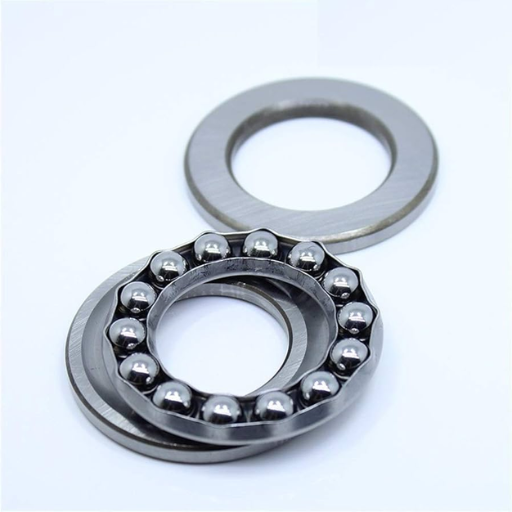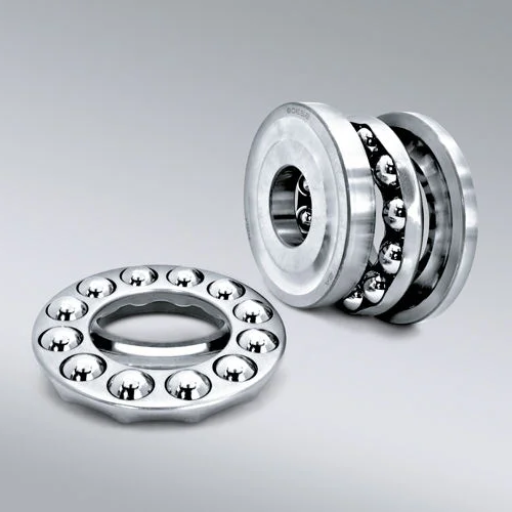
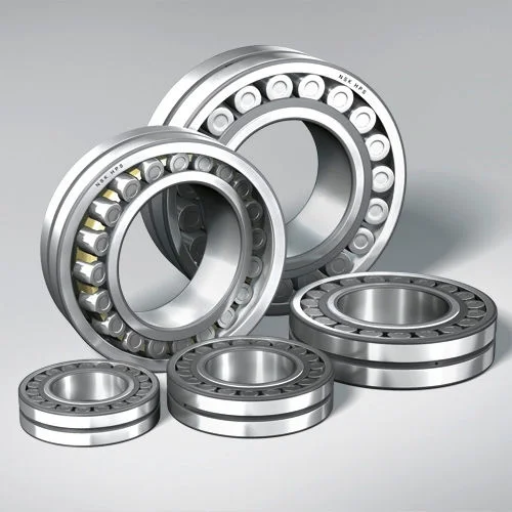



Angular contact ball bearings are a specialized type of rolling-element bearing designed to handle both radial and axial loads simultaneously. They are engineered to offer high precision, durability, and efficiency in a variety of challenging applications, from industrial machinery to automotive systems. This blog post will provide a comprehensive exploration of what sets angular contact ball bearings apart, focusing on their unique design features, material composition, and performance characteristics. Additionally, we will examine key factors that impact their functionality, such as load capacity, alignment requirements, and operating speeds. By the end of this article, readers will gain a detailed understanding of these versatile components and their critical role in modern engineering.
What Are Angular Contact Ball Bearings?

Angular contact ball bearings are a specialized type of rolling element bearing designed to handle combined radial and axial loads. Unlike standard ball bearings, these bearings feature raceways in the inner and outer rings that are displaced relative to one another along the bearing axis. This unique design enables them to sustain axial loads in one direction while also accommodating high-speed rotation. They are commonly used in applications such as machine tool spindles, pumps, and automotive transmissions, where precision, high load capacity, and reliable performance are critical. If you are looking for more information about angular contact ball bearings go here right away
Understanding the Basic Bearing Design
Key Components of Bearing Design
At the core of a bearing’s functionality lies its design, which consists of several critical components. Bearings typically include inner and outer rings, rolling elements (such as balls or rollers), and a cage that maintains the spacing and alignment of the rolling elements. The inner and outer rings form the raceways, which guide the rolling elements and determine load distribution. Advanced materials, such as high-grade steel or ceramic, are frequently used to ensure durability, reduce friction, and enhance performance under varying operational conditions.
The geometry of the raceways, combined with the type of rolling element, significantly impacts the bearing’s load capacity and rotational speed. For instance, angular contact ball bearings feature raceways designed to handle both axial and radial loads efficiently. The inclusion of seals or shields can further protect the bearing from contaminants such as dust or moisture, extending its service life. By leveraging these design principles, manufacturers produce bearings suitable for a diverse range of applications, from high-precision machinery to heavy-duty industrial equipment.
The Importance of Contact Angle in Angular Contact Ball Bearings
The contact angle in angular contact ball bearings is a critical factor that directly influences their ability to manage axial and radial loads. A larger contact angle increases the bearing’s capacity to handle higher axial loads, while a smaller angle is more effective for high-speed applications requiring greater rigidity. The contact angle is defined by the geometry of the bearing’s raceways and the alignment of the rolling elements, ensuring optimal load distribution during operation. By carefully selecting the appropriate contact angle for a specific application, I can ensure enhanced performance, reliability, and longevity in high-demand environments. This parameter is fundamental in tailoring bearings to meet precise engineering requirements.
How Single Row and Double Row Angular Contact Ball Bearings Differ
|
Key Point |
Single Row Bearings |
|
|---|---|---|
|
Load Capacity |
Handles moderate axial and radial loads |
Handles higher axial and radial loads |
|
Number of Raceways |
Single raceway |
Two raceways combined |
|
Axial Load Direction |
Supports load in one direction |
Supports loads in both directions |
|
Space Efficiency |
Requires less axial space |
Compact for higher capacity needs |
|
Common Applications |
Pumps, motors, machine tools |
Automotive hubs, heavy-duty machinery |
|
Alignment Capability |
Limited self-alignment tolerance |
Better tolerance for misalignment |
|
Design Complexity |
Simpler design |
Complex dual-raceway design |
|
Costs |
Generally lower |
Higher due to increased capacity |
|
Mounting Requirements |
Requires paired installation for bidirectional loads |
Self-contained for bidirectional loads |
|
Vibration Resistance |
Moderate resistance |
Improved damping and stability |
How Do Angular Contact Ball Bearings Work?
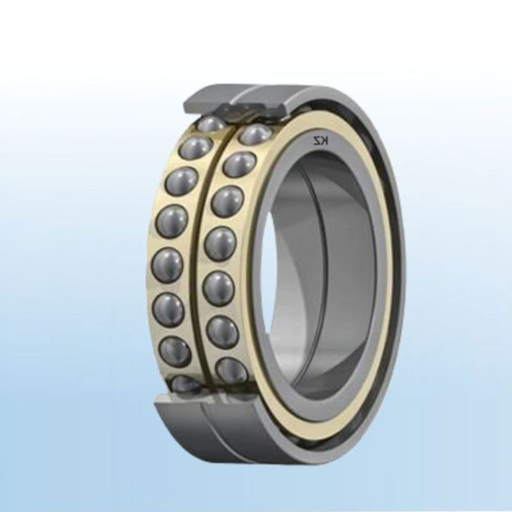
Angular contact ball bearings are designed to manage both radial and axial loads simultaneously due to their unique internal geometry. The angles of contact between the balls and the raceways enable the bearings to sustain axial loads in one direction while accommodating concurrent radial loads. This makes them particularly effective in applications requiring high precision and rigidity, such as in machine tools and high-speed motors. The performance of these bearings depends significantly on their configuration—single, double, or matched pairs—allowing engineers to optimize load distribution and stiffness for specific operating conditions. By carefully selecting the suitable preload and contact angle, these bearings enhance both operational stability and lifespan, even under demanding mechanical stresses.
The Role of Axial Load and Radial Load
Axial load and radial load play crucial roles in the performance and longevity of bearings. Axial load refers to the force exerted parallel to the shaft axis, while radial load applies perpendicular to the shaft. Both types of loads dictate the proper selection and configuration of bearings to ensure optimal functionality. For instance, angular contact bearings are specifically designed to handle combined axial and radial loads, with critical parameters like contact angle (typically 15° to 40°) and preload adjusting their stiffness and load capacity. When dealing with high-speed applications, maintaining an appropriate balance between axial and radial loads is essential to avoid deformation or excessive wear, which can compromise both accuracy and service life.
Applications of Angular Contact Ball Bearings in Various Industries
Angular contact ball bearings are utilized across a wide range of industries due to their ability to handle combined axial and radial loads efficiently, along with their precision and load-bearing capabilities. Below are some key applications across various sectors, supported by important technical parameters:
- Automotive Industry
Angular contact ball bearings are integral in automotive applications such as in wheel hubs, transmissions, and differential systems, where they support both the axial and radial loads generated during vehicle operation.
-
-
- Typical speed range for automotive applications: up to 10,000 RPM.
- Common materials include high-carbon chromium steel for durability and heat resistance.
- Preload values are carefully optimized to ensure low vibration and extended service life.
-
- Aerospace Industry
These bearings are critical in aircraft engines, landing gear, and gyroscopes, where high speeds and extreme environmental conditions are common.
-
-
- Operating temperatures can range from -60°F to 350°F (-51°C to 176°C), requiring special lubricants and heat-resistant materials.
- High precision class ratings (e.g., ABEC 7 or above) to ensure minimal runout.
- Contact angles between 15° to 25° are frequently used for higher axial load capacity.
-
- Industrial Machinery
Used in equipment such as pumps, compressors, and machine tool spindles, these bearings are essential for accurate and high-speed operations.
-
-
- Speed capabilities can exceed 20,000 RPM depending on spindle design.
- Ceramic rolling elements may be used to reduce weight and friction, improving energy efficiency.
- Preloading techniques are employed to ensure rigidity and consistent performance under varying loads.
-
- Renewable Energy Sector
Angular contact ball bearings are also used in wind turbines, particularly in the gearbox and generator components, where reliability under fluctuating loads is crucial.
-
-
- Load ranges vary significantly but are typically designed to handle high static and dynamic loads.
- Sealing systems are critical for protection against contamination due to environmental exposure.
-
- Medical Equipment
Applications include dental drills, imaging equipment, and robotic surgical instruments, where high precision and low vibration are necessary.
-
-
- Bearings in these systems often operate at ultra-high speeds, up to 400,000 RPM in cases like dental drills.
- Consistent lubrication and minimal heat generation are critical for operational efficiency.
-
By tailoring the specifications, such as preload, contact angle, material selection, and lubrication strategies, angular contact ball bearings can be optimized for the specific demands of each industry, ensuring reliability, longevity, and operational excellence.
Why Precision Matters in Angular Contact Ball Bearings
Precision in angular contact ball bearings is critical because it directly impacts performance, durability, and efficiency across high-demand applications. From my perspective, precise tolerances ensure optimal load distribution, reducing wear and extending the bearing’s service life. High precision also minimizes vibration and noise, which is essential in industries like aerospace and medical devices, where even minor imperfections can compromise functionality. Additionally, precision manufacturing enhances operational speed and accuracy, allowing bearings to meet the stringent requirements of modern high-speed machinery. Simply put, precision isn’t just a standard—it’s the foundation for reliability and top-tier performance.
What Are the Different Types of Row Angular Contact Ball Bearings?
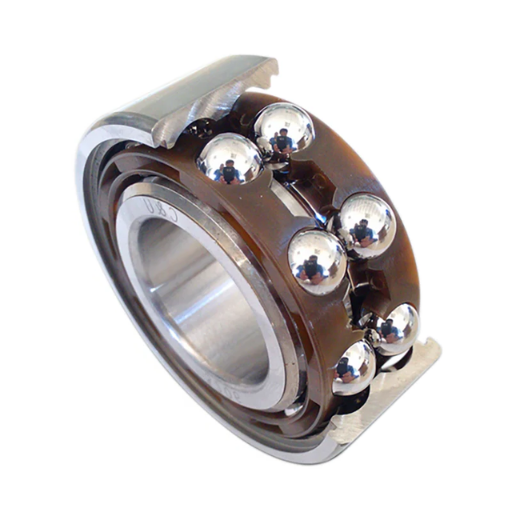
Types of Row Angular Contact Ball Bearings
Row angular contact ball bearings are primarily categorized into single-row and double-row configurations, each designed to meet specific application requirements:
- Single-Row Angular Contact Ball Bearings
Single-row bearings are designed to handle combined axial and radial loads in one direction. They are often used in applications requiring high rotational speeds and precise alignment. However, they typically require pairing with another bearing to accommodate axial loads in the opposite direction.
- Double-Row Angular Contact Ball Bearings
Double-row bearings are effectively two single-row bearings mounted back-to-back. They can support axial loads in both directions, along with high radial loads, making them ideal for applications with bidirectional loading and less space for installation.
Each type offers unique advantages, allowing for tailored solutions to suit diverse operational demands in industries such as automotive, machinery, and aerospace.
Exploring the Single Row Angular Contact Ball Bearings
Single row angular contact ball bearings are designed to handle combined loads, that is, simultaneous radial and axial forces. Unlike other ball bearing types, they can accommodate axial loads in one direction only, which makes precise handling and installation essential to optimize performance. The contact angle, typically available in 15°, 25°, or 40° variants, determines the bearing’s axial load capacity. Bearings with a larger contact angle are generally suited for higher axial loads, while smaller angles are ideal for applications requiring high speeds.
Technical Parameters:
- Contact Angles: 15° (high speed capability), 25° (balanced performance), 40° (higher axial load support).
- Material: High-grade steel or ceramic hybrids for enhanced durability and reduced friction.
- Lubrication: Grease (for standard applications) or oil lubrication (for high-speed systems).
- Speed Rating: Dependent on size and lubrication, typically ranging from 10,000 RPM to 30,000+ RPM.
- Load Capacity: Radial and axial capacities vary based on size but are generally calculated via industry-standard dynamic and static load formulas.
Single row angular contact ball bearings are widely used in industries such as machine tools, robotics, and high-performance engines, where precision, speed, and load-handling capabilities are critical. Proper selection of the bearing type, contact angle, and lubrication ensures optimal efficiency and operational reliability.
Advantages of Double Row Angular Contact Ball Bearings
From a technical perspective, double row angular contact ball bearings offer several key advantages, particularly in applications where high radial and axial loads must be accommodated simultaneously. These bearings provide enhanced rigidity and load-carrying capacity compared to single row designs due to their internal geometry, which distributes loads across two rows of balls.
Key Advantages:
- High Load Capacity: The dual-row configuration allows the bearing to handle both high radial and axial loads in both directions efficiently.
- Compact Design: By integrating two single row bearings into one unit, double row angular contact ball bearings save space, making them ideal for applications with dimensional constraints.
- Improved Alignment Tolerance: They can compensate for minor misalignments, offering greater flexibility during installation.
- Reliability in High-Speed Applications: These bearings are well-suited for high-speed operations due to their optimized inner design.
- Versatility: Commonly used in pumps, gearboxes, and electric motors, these bearings are highly adaptable to a range of operating conditions.
Technical Parameters:
- Contact Angle: Typically available in 25° or 30°, providing a balance between axial and radial load-carrying capabilities.
- Material: High-quality bearing steel or hybrid designs with ceramic balls for specific environments requiring reduced friction or thermal stability.
- Lubrication: Pre-lubricated with grease optimized for the intended application, ensuring longevity and reducing maintenance requirements.
- Speed Rating: Capable of supporting rotational speeds up to 8,000-15,000 RPM, depending on the size and design.
Selecting double row angular contact ball bearings requires careful alignment with application-specific demands to achieve optimal performance and durability.
When to Use Duplex Angular Contact Ball Bearings
I use duplex angular contact ball bearings when higher rigidity and load-carrying capability are necessary for an application. These bearings are ideal for scenarios requiring precise axial and radial alignment, such as in machine tool spindles, pumps, or high-speed precision equipment. Typically arranged in matched sets (e.g., back-to-back or face-to-face configurations), they excel in managing combined loads and enhancing system stiffness. I also consider them in applications where minimizing shaft deflection and achieving high accuracy are critical, particularly in environments where demanding speeds and directional load fluctuations are prevalent.
What Factors Affect the Bearing Life and Load Carrying Capacity?
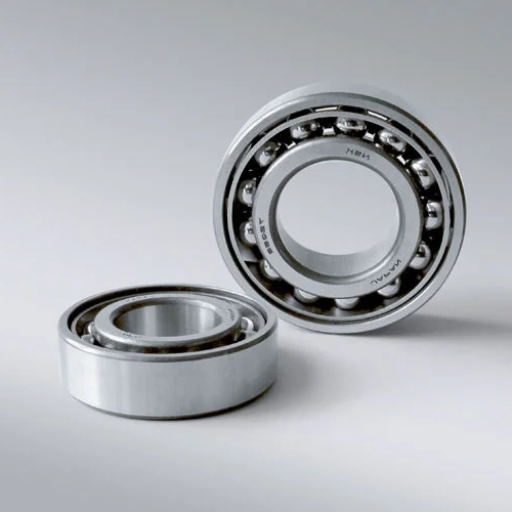
Several factors influence bearing life and load-carrying capacity, including:
- Load Magnitude and Direction: Bearings are designed to handle specific radial and axial loads. Excessive or improperly directed loads can cause premature wear or failure.
- Lubrication Efficiency: Proper lubrication reduces friction and wear, extending bearing life. The wrong type, insufficient quantity, or contaminated lubrication can significantly decrease performance.
- Operating Speed: Higher speeds increase heat generation, which can degrade materials and lubrication, impacting the bearing’s lifespan.
- Temperature: Extreme operating temperatures can alter material properties, accelerate lubricant breakdown, and reduce the bearing’s load-carrying capacity.
- Material Quality: Bearings constructed from high-grade materials with precise manufacturing tolerances typically last longer and handle loads more effectively.
- Contamination: Particulates, dirt, or moisture entering the bearing can cause surface damage, increase friction, and reduce overall reliability.
- Mounting and Alignment: Improper installation or misalignment of the bearing can result in uneven load distribution, leading to premature failure.
- Maintenance Practices: Regular inspection, cleaning, and replacement of worn components ensure that bearings remain efficient and reliable under operational demands.
The Impact of Speed and Direction on Bearing Performance
The performance and lifespan of bearings are significantly influenced by speed and directional factors. At high rotational speeds, excessive heat generation can occur due to increased friction and inadequate lubrication, potentially causing thermal expansion and material degradation. Bearings designed for high-speed applications typically incorporate specialized materials and precise tolerances to minimize these effects. Conversely, low-speed operations can result in insufficient film thickness of lubricants, increasing the risk of metal-to-metal contact and wear.
Changes in direction, particularly frequent or abrupt directional shifts, place additional stress on the bearings due to dynamic load variations. This can lead to uneven wear patterns, fatigue damage, or excessive vibration. Proper alignment and shaft balance, along with choosing bearings designed for bidirectional loads or dynamic conditions, are essential to mitigating these issues. Adapting bearing selection and maintenance practices to the specific speed and directional demands of an application is critical to achieving optimal performance and reliability.
How Seal and Cage Design Influence Bearing Durability
The design of seals and cages plays a pivotal role in the durability of bearings. From my analysis, seals protect bearings by preventing contamination from particles or moisture, which can lead to premature wear. High-quality seal materials and designs are essential for maintaining lubrication and blocking external debris. On the other hand, cage design directly impacts performance by ensuring proper spacing and alignment of rolling elements. Materials and geometries that reduce friction and withstand operational stresses enhance reliability. By selecting appropriately engineered seals and cages, we maximize bearing lifespan and efficiency under a variety of operating conditions.
Understanding the Outer Ring and Width Specifications
The outer ring and width specifications of a bearing are critical factors that influence its compatibility and performance within a given application. The outer ring serves as the structural component that supports the rolling elements and aligns with the housing, ensuring operational stability. Its dimensional accuracy, including the outer diameter, dictates the bearing’s fit within the machinery. Common tolerances for outer diameter adhere to industry standards such as ISO 492, which specifies precision levels (e.g., Normal, P6, P5).
Width specifications determine the axial load capacity and clearance allowances within the bearing system. Wider bearings can accommodate higher axial loads but may require careful consideration of space constraints in the assembly. The width is defined by parameters such as the inner width (Bi) and outer width (Bo), and these dimensions must align with the design requirements of the machinery. Precise adherence to these specifications is crucial to ensure proper load distribution, minimize wear, and optimize longevity under operational stresses. Comprehensive consultation of technical charts and adherence to application-specific guidelines are recommended to select appropriate outer ring and width dimensions.
How to Choose the Right Angular Contact Ball Bearing for Your Application?
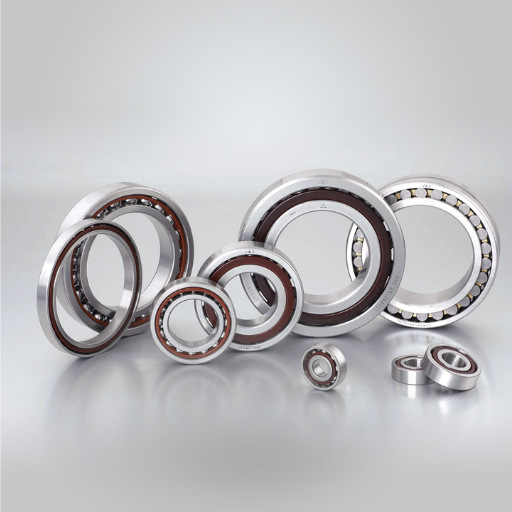
Key Considerations for Selecting Angular Contact Ball Bearings
- Load Requirements: Determine the type and magnitude of loads (axial, radial, or combined) the bearing will need to support. Angular contact ball bearings are particularly suited for applications with significant axial or combined loads.
- Speed Capabilities: Assess operational speed parameters. Bearings with specific contact angles and cage designs are optimized for high-speed applications.
- Contact Angle: Select an appropriate contact angle (e.g., 15°, 25°, or 40°) based on the balance between axial load-carrying capacity and speed performance. Larger contact angles support higher axial loads, while smaller angles are preferable for high-speed applications.
- Material and Coatings: Identify material specifications, such as steel or hybrid (steel rings with ceramic balls), and consider any required anti-corrosion or heat-resistant coatings for demanding environments.
- Lubrication Needs: Choose the correct lubrication method (grease or oil) compatible with the operational conditions, ensuring optimal performance and reduced wear.
- Mounting Configuration: Define the bearing arrangement—single, back-to-back (DB), face-to-face (DF), or tandem (DT)—depending on load direction and application design.
- Precision and Clearance: Evaluate required precision levels (e.g., ABEC or ISO classes) and internal clearance to meet the application’s performance standards.
By systematically analyzing these factors, you can ensure that the angular contact ball bearing selected is tailored to your application’s operational demands and longevity goals.
Considering Load Types: Radial, Axial, and Combined
The selection of a suitable angular contact ball bearing requires a thorough understanding of the load types it will encounter. Radial loads act perpendicular to the shaft, while axial loads run parallel to it. Combined loads, as the name suggests, are a combination of both radial and axial forces and are typical in applications like gearboxes, pumps, and machine spindles.
For radial loads, bearings are primarily designed to support these forces by distributing them across the rolling elements and raceways efficiently. However, they may still require supplementary axial load capacity depending on misalignment or dynamic conditions. Conversely, when axial loads dominate—such as in vertical applications or thrust-specific designs—angular contact bearings with steep contact angles (e.g., 30° or 40°) are essential for accommodating these forces.
Applications with combined loads demand bearings capable of multi-directional support and robust operation under varying load transitions. The arrangement (DB, DF, or DT) and preload adjustments are critical in such cases to ensure even load distribution, improved rigidity, and reduced vibration. By analyzing and categorizing the load requirements, you can optimize bearing performance, reliability, and longevity for specialized industrial applications.
Evaluating Precision Angular Contact Ball Bearings for High-Speed Applications
Key Considerations for High-Speed Applications
When evaluating precision angular contact ball bearings for high-speed applications, several critical factors must be taken into account to ensure optimal performance and reliability. These factors include bearing design, material selection, lubrication, and thermal management. Below are the key aspects derived from authoritative sources:
- Bearing Design and Configuration
-
-
- Angular contact ball bearings are designed to accommodate both radial and axial loads. For high-speed applications, the contact angle plays a pivotal role. Standard angles include 15°, 25°, and 40°, with smaller angles typically favored for higher speed capabilities.
- The arrangement (such as DB – Back-to-Back, DF – Face-to-Face, or DT – Tandem) impacts the overall stiffness and load distribution. For high-speed scenarios, the DT or tandem arrangement may be suitable to enhance axial load capacity in a single direction.
-
- Material Selection
-
-
- Steel bearings, such as those made from AISI 52100 chrome steel, offer durability and cost-effectiveness but may be limited in extremely high-speed environments due to friction-generated heat.
- Ceramic hybrid bearings, employing silicon nitride (Si3N4) balls, reduce mass and minimize centrifugal force, enabling significantly higher speed thresholds. These materials also exhibit excellent thermal resistance and longer operational lifespans under extreme conditions.
-
- Lubrication
-
-
- Adequate lubrication is essential to reduce friction, wear, and heat generation. For high-speed operations, low-viscosity synthetic oils or grease designed for high RPM performance are recommended. Oil-air or mist lubrication systems can be employed to precisely manage lubricant delivery and minimize excess heat.
-
- Thermal Behavior and Preload
-
-
- High-speed operation generates heat due to friction and increased rotational velocities. Thermal expansion can alter preload settings, leading to changes in bearing stiffness, vibration levels, or even failure. Preloads should be selected carefully—light to moderate preloads are advisable—and adjusted dynamically where possible.
- Effective thermal management, such as the incorporation of cooling systems, is vital in sustaining operational stability.
-
- Speed and Load Ratings
-
-
- Key technical parameters to evaluate include the limiting speed (typically defined in revolutions per minute, or RPM), contact angle, and dynamic and static load ratings. For instance:
- Limiting speeds can range from 10,000 RPM for standard designs to over 100,000 RPM for specialized ceramic hybrid bearings.
- Axial load capacity increases as the contact angle rises, but higher angles may reduce the maximum rotational speed.
- The life expectancy (L10 life) should also be calculated based on the applied loads and operational conditions to align with application demands.
- Key technical parameters to evaluate include the limiting speed (typically defined in revolutions per minute, or RPM), contact angle, and dynamic and static load ratings. For instance:
-
- Precision Class and Tolerances
-
-
- Bearings used in high-speed applications often require tight tolerance grades. Standards such as ABEC-7 or ABEC-9 (ISO equivalent P4 and P2, respectively) ensure minimal runout and improved accuracy at elevated speeds.
-
By considering these parameters and selecting the appropriate bearing type and configuration, engineers can meet the stringent demands of high-speed industrial applications while ensuring efficiency, reliability, and extended component longevity.
Reviewing the Catalog for Correct Bearing Selection
When reviewing the catalog for correct bearing selection, I focus on key factors that align with industrial requirements, such as load capacity, speed ratings, and tolerances. I prioritize bearings that meet the necessary ABEC or ISO precision standards, ensuring compatibility with high-speed applications. Cross-referencing manufacturer specifications with application parameters helps confirm proper fit and reliability. By evaluating details such as material composition, lubrication solutions, and seal types, I can confidently choose a bearing that optimizes performance and longevity in demanding operational conditions.
Reference Sources
- NSK – Angular Contact Ball Bearings
- GMN Bearings – Characteristics of Angular Contact Ball Bearings
- NBC Bearings – Understanding Angular Contact Ball Bearings
- FHD Bearings – Advantages of Angular Contact Ball Bearings
- Principle Engineering – Angular Contact (Spindle) Bearings
Frequently Asked Questions (FAQs)
Q: What are angular contact ball bearings?
A: Angular contact ball bearings are designed to accommodate combined loads, i.e., simultaneously acting radial and axial loads. They have a large number of balls and are used in pairs or in sets to handle thrust and radial loads.
Q: How do angular contact ball bearings differ from other bearings?
A: Unlike standard ball bearings, angular contact ball bearings are designed to handle axial loads in either direction, along with radial loads. This makes them suitable for applications where high precision and relatively high load carrying capacity are required.
Q: In what applications are angular contact ball bearings typically used?
A: Angular contact ball bearings are commonly used in applications such as compressors, gearboxes, pumps, and wheel hubs. They are also found in the assembly of machinery where bearings need to be adjusted against a second bearing for optimal performance.
Q: What is the significance of the “7004ac” designation in angular contact bearings?
A: The “7004ac” designation refers to a specific size and configuration of an angular contact ball bearing. It indicates the dimensions and the type of load the bearing can support, which is crucial for correct application in devices such as pumps and gearboxes.
Q: Why are angular contact bearings often used in pairs?
A: Bearings are used in pairs to handle axial loads in either direction and to increase the load carrying capacity. This arrangement, known as duplex mounting, allows for better distribution of forces and enhanced performance in demanding applications.
Q: What materials are typically used in the construction of angular contact ball bearings?
A: Angular contact ball bearings are often made from chrome steel, which provides a good balance of strength and resistance to wear. This material choice helps ensure durability and reliability in various applications.
Q: What is the role of “four-point” contact in angular contact bearings?
A: The “four-point” contact design in angular contact ball bearings allows them to support a combination of radial and thrust loads effectively. This design helps in applications where space is limited, and a high load capacity is needed.
Q: What are the benefits of using angular contact ball bearings in a gearbox?
A: In gearboxes, angular contact ball bearings accommodate radial and thrust loads, ensuring smooth operation and longevity. Their ability to handle high-speed rotations and loads makes them ideal for such applications.
Q: Can angular contact ball bearings be used in a roller application?
A: Yes, while angular contact ball bearings are different from roller bearings, they can be used in applications where both radial and thrust loads need to be accommodated, making them versatile for various mechanical systems.