



When it comes to mechanical components, bearings are fundamental in ensuring smooth and efficient motion in countless applications, from industrial machinery to everyday bicycles. Among the various types available, sealed bearings are often touted for their durability and reliability. But do they truly last longer than their open or shielded counterparts? This blog post dives deep into the lifespan of sealed bearings, examining how their unique design, lubrication systems, and ability to resist external contaminants affect their performance. Whether you’re a mechanical engineer, technician, or an enthusiast looking to make informed decisions about bearing selection, this article will provide a detailed analysis of sealed bearings and their potential advantages in various operating conditions.
What Are Sealed Bearings and How Do They Work?

Sealed bearings are a type of rolling-element bearing designed to protect internal components from contaminants such as dirt, moisture, and debris. They are equipped with built-in seals, typically made of rubber or metal, that form a barrier at the openings of the bearing. These seals not only prevent external particles from entering but also help retain lubrication within the bearing, reducing the need for frequent maintenance. By minimizing contamination and maintaining proper lubrication, sealed bearings offer improved durability and consistent performance, making them ideal for applications in harsh or demanding environments. If you are looking for more information about do sealed bearings last longer go here right away
Understanding the Basics of Sealed Bearings
When it comes to sealed bearings, I understand their primary function is to provide efficient operation by reducing contamination and retaining lubrication. From what I’ve gathered, these bearings are essential for environments where exposure to dust, debris, or moisture is common. Sealed bearings work by using integrated seals made from robust materials like rubber or metal, effectively extending the lifespan of the bearing and reducing the need for frequent maintenance. They are particularly beneficial in heavy-duty or challenging applications, ensuring consistent performance and superior reliability.
How Sealed Bearings Retain Lubrication
Sealed bearings retain lubrication through the incorporation of integrated seals that prevent contaminants from entering and keep lubricants from escaping. These seals are typically constructed using durable materials like nitrile rubber or metal, designed to withstand harsh operating conditions. Inside the bearing, a pre-packed lubricant, often a high-performance grease, ensures long-lasting lubrication without requiring frequent reapplication. The seal design creates a barrier that minimizes the loss of lubricant due to evaporation or leakage, while also reducing friction. This system ensures the bearings operate efficiently over extended periods, even in environments with high levels of dust, moisture, or debris.
The Role of Rubber Seals in Bearing Protection
Keeping external contaminates at bay, rubber seals are very important in protecting bearings and maintaining their performance. The primary purpose of seals is to barricade the bearing cavity from receiving dust, dirt and moisture and at the same time capturing lubricant within. Furthermore, high quality rubber seals are fabricated from Nitrile rubber (NBR), fluoroelastomers (FKM), silicone rubber or other material depending on operating conditions. For example, NBR is effective between -40°F to 250°F and for FKM rubber, NBR is sufficient up to 400°F (200°C).
The design of the seal, whether it is a single-lip or double-lip configuration, affects its sealing efficiency and friction characteristics. A double-lip seal, for example, provides enhanced protection against contamination while maintaining sufficient lubrication retention. Additionally, the compatibility of the seal material with the lubricant is a crucial consideration to avoid premature degradation. Specifying appropriate technical parameters—such as maintaining a maximum rotational speed of 3,000 to 7,000 RPM, depending on the seal type—ensures seamless operation. Proper selection and maintenance of rubber seals are essential to prolong the lifespan of bearings and enhance equipment reliability under demanding conditions.
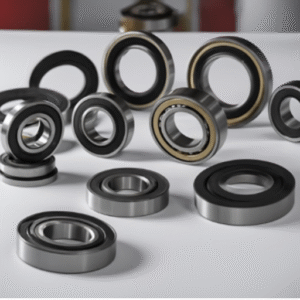
How Do Sealed Bearings Compare to Other Types of Bearings?
|
Key Point |
Sealed Bearings |
Open Bearings |
Shielded Bearings |
|---|---|---|---|
|
Maintenance Requirements |
Low |
High |
Moderate |
|
Protection Against Contaminants |
Excellent |
Poor |
Limited |
|
Lubrication Retention |
High |
Requires regular lubrication |
Moderate |
|
Durability in Harsh Conditions |
High |
Low |
Moderate |
|
Speed Capability |
Moderate (3,000-7,000 RPM) |
High |
High |
|
Application Environment |
Harsh or contaminated |
Clean and controlled |
Mild contamination |
|
Cost |
Higher upfront |
Lower upfront |
Moderate upfront |
|
Service Life |
Long |
Shorter |
Moderate |
|
Common Use Cases |
Machinery, automotive |
Precision instruments, turbines |
Electric motors |
|
Installation Complexity |
Simple |
Complex |
Simple |
|Advantages of Metal Shielded Bearings
From my research, the primary advantages of metal shielded bearings lie in their ability to provide robust protection against contaminants such as dirt, dust, and debris, which can significantly affect performance and longevity. Unlike open bearings, the metal shields create a physical barrier that reduces the ingress of harmful particles, contributing to reduced wear and tear. Additionally, they help retain lubricant within the bearing assembly, ensuring consistent operation and minimizing the frequency of relubrication. These features make them particularly suitable for applications in moderately harsh environments, where durability and reliability under dynamic conditions are critical.
What Is the Impact of Operating Conditions on Bearing Life?

Operating conditions have a profound impact on bearing life, as factors such as load, speed, temperature, lubrication, and environmental contaminants directly influence performance and longevity. Excessive load or speed can lead to premature wear due to increased stress and friction, while inadequate or improper lubrication exacerbates wear and may result in overheating. High operating temperatures accelerate material fatigue and degrade lubricants, reducing their effectiveness. Furthermore, the presence of contaminants, such as dust, moisture, or chemicals, can compromise the integrity of the bearing by causing corrosion or abrasive damage. Ensuring optimal operating conditions is essential to extend bearing service life and maintain reliability.
Effects of Contaminants on Bearings
Contaminants significantly impact bearing performance and longevity by introducing abrasive or corrosive elements that deteriorate the surface and underlying material. Common contaminants include solid particles such as dust or metal debris, liquid contaminants like water or chemicals, and airborne pollutants. These foreign substances often infiltrate the bearing system through inadequate or damaged seals, improper handling, or insufficient lubrication.
The implications of contaminants in bearings are severe. Abrasive particles can create micro-cuts and roughness on rolling surfaces, leading to increased friction, elevated noise, and vibration levels. This damage accelerates surface fatigue, resulting in premature flaking or spalling. Water or moisture, on the other hand, promotes corrosion of bearing components, particularly on raceways and rolling elements, which further compromises performance. For example, studies indicate that even a 0.002% water content in oil can reduce bearing fatigue life by up to 48%.
To mitigate the effects of contaminants, proper sealing is essential to prevent ingress. The selection of a suitable lubricant is also critical, as some lubricants with enhanced water resistance and anti-wear additives can improve contamination tolerance. For instance, in environments with high exposure to water or particulate matter, grease with an NLGI grade of 2 or higher is commonly recommended, as it provides better sealing capability while maintaining stability under operating conditions. Additionally, regular monitoring of lubrication systems and implementing particle filtration systems with a cleanliness level of ISO 4406 18/16/13 or better are effective in reducing the contamination risk.
By proactively addressing contamination risks and maintaining strict operational standards, the adverse effects on bearings can be minimized, thereby ensuring greater reliability and service life.
Influence of Friction and Torque on Wheel Bearings
Friction and torque significantly impact the performance and longevity of wheel bearings. From my perspective, these factors are interrelated, as excessive friction generates heat and wear, which can lead to premature bearing failure. Torque, the rotational force acting on the bearing, must be carefully calibrated during installation to avoid over-tightening or loosening, both of which can adversely affect functionality.
The optimal preload torque typically ranges from 15 to 25 Nm for most automotive wheel bearings, depending on the specific application and manufacturer guidelines. For friction, the coefficient of friction in properly lubricated bearings is often between 0.001 and 0.005, ensuring minimal resistance during rotation. Maintaining these parameters while ensuring proper lubrication and avoiding contamination will enhance operational efficiency, reduce energy loss, and extend the service life of the bearings.
Importance of Regular Service and Relubrication
Regular service and relubrication are essential to maintaining optimal performance and longevity of automotive wheel bearings. Proper maintenance ensures the reduction of wear caused by friction and prevents failure due to contamination, inadequate lubrication, or overheating.
The relubrication intervals for wheel bearings typically depend on the operational conditions, including speed, load, and environmental factors. For example, bearings operating in high-temperature environments (>150°F or 65°C) or under heavy loads may require more frequent lubrication, with intervals ranging from 5,000 to 10,000 miles. Standard operating conditions generally allow intervals of 20,000 to 30,000 miles.
Technically, the relubrication process involves the use of high-performance grease with appropriate consistency, such as NLGI Grade 2, specifically formulated for high-speed and high-load applications. Furthermore, contaminant ingress must be minimized through proper sealing mechanisms, as particulate matter or moisture can degrade grease and increase the risk of bearing failure. Periodic inspection for wear, abnormal noise, and temperature fluctuations should accompany relubrication to identify potential issues before severe damage occurs.
How Can Sealed Bearings Be Maintained to Last Longer?
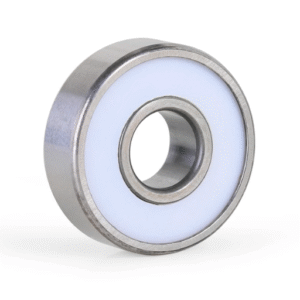
To extend the lifespan of sealed bearings, ensure they operate within their specified load and speed limits. Avoid exposing them to excessive vibration or misalignment, as these can cause premature wear. Keep the surrounding environment clean to reduce the risk of contaminants reaching the bearings. Additionally, routinely inspect for signs of damage, such as unusual noise or heat, and replace bearings immediately if these symptoms occur. Proper installation, storage in a clean, dry area, and using compatible components are also critical for long-term performance.
Tips for Extending the Bearing’s Lifespan
- Lubrication
Proper lubrication is one of the most critical factors in extending the lifespan of bearings. Use the recommended type of lubricant for the application, whether grease or oil, and ensure it is applied in the right quantity. Over-lubrication can generate heat, while under-lubrication can lead to metal-on-metal contact. For most industrial applications, maintain grease operating temperatures between -30°F (-34°C) and 250°F (121°C) to prevent degradation.
- Load and Speed Compliance
Operate the bearings within the manufacturer’s specified limits for load and speed. Excessive loads can lead to deformation or premature failure, while running at speeds higher than the ratings can generate excessive heat. For example, many standard bearings are optimized for speed ranges between 1000-3600 RPM depending on size and type.
- Alignment
Ensure that the shaft and housing are properly aligned during installation. Misalignment can cause uneven wear, leading to increased friction and reduced bearing life. Angular misalignment, even as small as 0.001 inches per inch (0.025 mm per mm), can significantly increase stress on ball bearings.
- Contamination Control
Protect bearings from contaminants like dust, dirt, and moisture. Use quality seals or shields during installation to create a barrier. If the operating environment exposes the bearings to contaminants, periodic cleaning with clean solvents and proper re-lubrication is necessary.
- Temperature Monitoring
Use thermographic or temperature sensors to monitor operating conditions. Bearings typically operate best within a temperature range of 32°F (0°C) to 250°F (121°C). Consistent overheating above 250°F (121°C) indicates a problem that requires immediate attention.
- Visual Inspections and Monitoring
Conduct regular inspections to identify warning signs such as discoloration, unusual noise, or excessive vibration. Vibration analysis in particular can highlight early signs of wear or imbalance. Most industrial systems aim to maintain a maximum vibration velocity below 0.15 in/sec (3.8 mm/s).
- Proper Storage
Store bearings in a cool, dry place away from direct sunlight and corrosive chemicals. Bearings should remain in their original factory-sealed packaging until use to prevent exposure to contaminants.
- Correct Handling Practices
Avoid applying unnecessary force when handling or installing bearings. Tools like bearing pullers and specialized presses should be used to install or remove bearings safely without causing damage.
By following these practices, you can significantly extend the bearing’s operational lifespan, minimize unexpected downtime, and ensure optimal performance in various industrial or mechanical systems. Always refer to the manufacturer’s technical specifications for precise operational guidelines.
When and How to Relubricate Sealed Bearings
Relubrication of sealed bearings is generally unnecessary under normal operating conditions, as they are designed with sufficient lubricant for their expected service life. However, in certain high-demand applications or environments with extreme conditions (e.g., high temperatures, contamination, or heavy loads), relubrication might be required to ensure optimal performance and longevity.
To relubricate sealed bearings, follow these steps:
- Assess the Need for Relubrication:
Refer to the manufacturer’s recommendations and evaluate operating conditions. Signs of inadequate lubrication include unusual noise, increased temperatures, or noticeable performance degradation.
- Use Compatible Lubricants:
Always use grease or oil that matches the bearing’s original lubricant type and conforms to the specifications outlined by the manufacturer.
- Relubrication Method:
If the sealed bearing design allows for relubrication, use an appropriate grease gun fitted with a compatible nozzle. Inject a measured amount of lubricant slowly while rotating the bearing to distribute it evenly. Avoid over-lubrication, as it can cause excessive heat and damage.
- Frequency and Volume:
Follow the lubrication intervals and quantities specified in the technical documentation. Over-greasing or infrequent relubrication can impact bearing performance and reduce its lifespan.
By carefully evaluating the application and adhering to proper lubrication practices, you can maximize the efficiency and reliability of sealed bearings in demanding conditions. Always prioritize the manufacturer’s specific guidance to avoid operational risks.
What Are the Benefits of Using Quality Bearings?
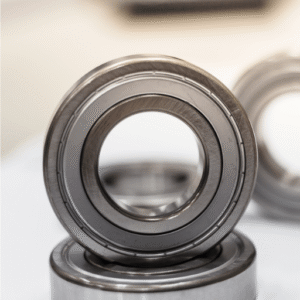
Quality bearings offer numerous benefits that enhance machine performance and reliability. Their precision engineering ensures reduced friction, leading to lower energy consumption and improved efficiency. Additionally, quality bearings exhibit superior durability, minimizing maintenance requirements and extending the service life of machinery. By providing consistent and stable operation, they reduce the risk of unexpected failures, ultimately contributing to cost savings and operational productivity. Investing in high-quality bearings is essential for achieving optimal performance in demanding industrial applications.
Why Quality Bearings Matter
Quality bearings are critical for ensuring the reliable and efficient operation of machinery across various industries. Their primary role is to reduce friction between moving components, which directly impacts energy consumption, heat generation, and wear rates. Poor-quality bearings, on the other hand, can result in increased friction, leading to premature failure, heightened energy usage, and costly downtime.
From a technical perspective, key parameters to consider for quality bearings include:
- Load Capacity: High-quality bearings should support radial and axial loads effectively. For example, a typical deep groove ball bearing may have a dynamic load rating (C) ranging from 3,000 to 100,000 N, depending on the size.
- Rotational Speed: Bearings must operate reliably at various speeds. For instance, precision bearings can achieve speed ratings of up to 30,000 RPM or more, depending on their design and lubrication.
- Precision Grade: Accuracy standards, such as those outlined in ISO 492 or ABEC classifications, are important to ensure low runout and vibration, which are critical in high-speed or precise applications.
- Material Properties: Premium materials, like high-carbon chromium steel or ceramic hybrids, offer better resistance to wear, corrosion, and fatigue. For example, 52100 steel is commonly used for its durability and hardness.
- Lubrication: Effective lubrication systems or grease selections (e.g., lithium-based grease for temperatures up to 120°C) extend the service life and maintain performance under varying conditions.
By adhering to these parameters and investing in premium components, companies can maximize machinery longevity, reduce maintenance intervals, and optimize overall operational efficiency.
Reference Sources
- Sealed, Open and Shielded Bearings comparison – PIB Sales
- On a bicycle, what are the pros and cons of sealed bearings vs unsealed bearings – Quora
- Sealed bearings clean and cost efficient – SKF Evolution
- Bearing Life Calculation – AM Roll
- Extension of Service Life – The Role of Sealing – Emerson Bearing Blog
Frequently Asked Questions (FAQs)
Q: What are rubber sealed bearings?
A: Rubber sealed bearings are a type of bearing that features rubber seals on either side of the bearing. These seals prevent contaminants from entering the bearing, providing better protection for the bearing surfaces.
Q: How do rubber sealed bearings compare to open bearings in terms of lifespan?
A: Rubber sealed bearings usually last a long time compared to open bearings because they offer protection from contaminants, reducing the risk of contamination and wear on the bearing surfaces.
Q: Are sealed bearings better than shielded ones?
A: Sealed bearings are often considered better than shielded ones because they offer more comprehensive protection from contaminants entering the bearing. Sealed bearings have contact seals that provide a tighter seal compared to shielded bearings, which can allow some debris to enter.
Q: Do sealed and shielded bearings require relubrication?
A: Sealed bearings are typically lubricated for life and do not require relubrication. Shielded bearings, on the other hand, may need to be relubricated depending on their application and design.
Q: What role do bearing seals play in the lifespan of hub bearings?
A: Bearing seals are crucial in extending the lifespan of hub bearings by preventing contaminants from entering the bearing. This protection helps maintain the integrity of the entire bearing assembly and reduces wear and tear.
Q: Can rubber shields come into contact with the inner ring of the bearing?
A: Yes, rubber shields can come into contact with the inner ring of the bearing. This contact helps create a more effective seal, preventing contaminants from entering and safeguarding the bearing surfaces.
Q: What is the difference between contact seals and non-contact seals?
A: Contact seals touch the inner ring of the bearing, providing a tight seal that prevents contaminants from entering the bearing. Non-contact seals, however, have a slight gap and do not touch the inner ring, which can allow some debris to enter but typically offer less friction.
Q: Are bearings available in both sealed and unsealed configurations?
A: Yes, bearings are available in both sealed and unsealed configurations, allowing users to choose based on the specific requirements of their application and the level of protection needed from contaminants.
Q: How does the presence of bearing seals impact the maintenance of the bearing?
A: The presence of bearing seals reduces the need for regular maintenance because they help keep contaminants out and maintain lubrication within the bearing, ensuring it remains in good condition for a longer period.