


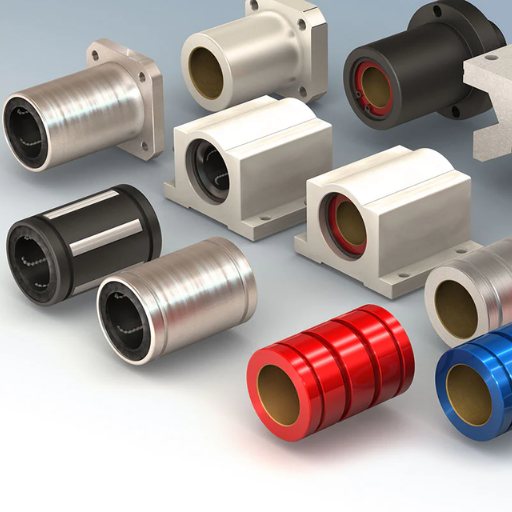
Linear ball bearings play a critical role in applications requiring precise, low-friction motion. By utilizing a series of rolling elements encased in a housing, these bearings enable smooth linear movement along a guide rail or shaft, minimizing resistance and wear. Their design ensures efficient load distribution, making them indispensable components in industries ranging from robotics and automation to medical equipment and manufacturing.
This article explores the fundamental principles behind linear ball bearings, detailing their structure, working mechanisms, and materials commonly used in their construction. Additionally, we will examine specific applications where these bearings shine, outlining the advantages they confer in terms of performance, durability, and cost-efficiency. By the end of this discussion, readers will gain a comprehensive understanding of how linear ball bearings facilitate reliable and accurate motion in various high-demand environments.
What Are the Different Types of Linear Bearings?
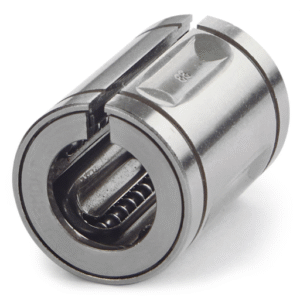
Types of Linear Bearings
Linear bearings can be broadly categorized into two main types based on their design and mode of operation: rolling element bearings and plain bearings.
- Rolling Element Bearings: These bearings include linear ball bearings and linear roller bearings. Linear ball bearings use rows of ball bearings housed within a carriage to facilitate smooth and low-friction linear motion along a shaft. They are ideal for applications requiring high precision, minimal friction, and moderate load handling. Linear roller bearings, on the other hand, use cylindrical rollers to distribute loads over a larger surface area, making them suitable for high-load capacities while maintaining operational efficiency.
- Plain Bearings: Also known as bushings or sleeve bearings, these operate without rolling elements. Using a low-friction material, such as bronze, PTFE, or plastic composites, they enable sliding motion along a surface. Plain bearings are highly durable, cost-effective, and suitable for applications where high loads, shock resistance, or harsh environmental conditions are common.
Both types of linear bearings are further refined into specialized variants for specific operational demands, such as self-lubricating or corrosion-resistant models. The selection of a linear bearing type ultimately depends on factors such as precision requirements, load capacity, and environmental conditions. If you are looking for more information about how do linear ball bearings facilitate smooth motion go here right away
Understanding Ball Bearings and Roller Bearings
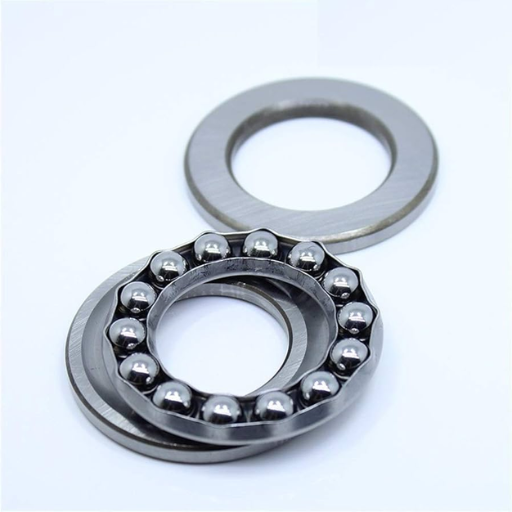
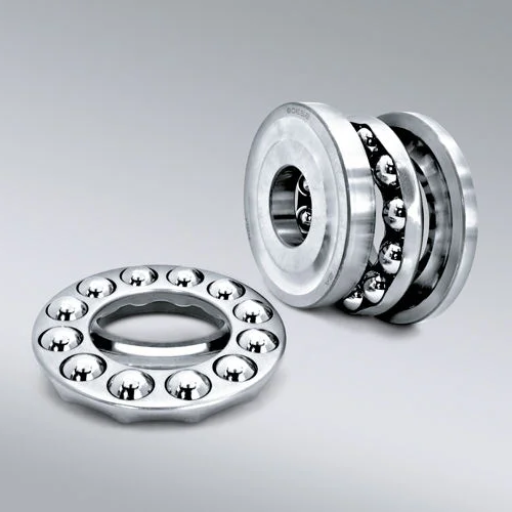
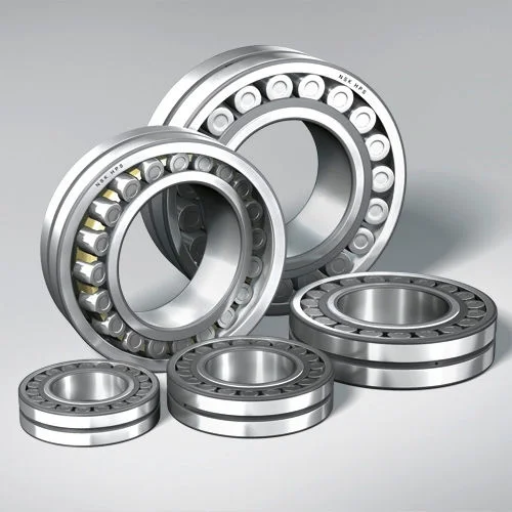
Ball bearings and roller bearings serve distinct roles in supporting motion and reducing friction depending on the application. Ball bearings are the ideal choice for applications requiring high-speed performance and lower loads due to their point contact between the rolling elements and the raceway. On the other hand, roller bearings are designed for heavier radial loads, aided by their line contact, which distributes forces over a larger surface area.
Key Technical Parameters:
- Ball Bearings
-
-
- Load Capacity: Suitable for light to moderate loads.
- Speed Limit: Typically operates at higher speeds (up to 30,000 RPM in standard applications).
- Tolerance Levels (ISO Standards): Common grades include ABEC 1 to ABEC 9 (lower to higher precision).
- Lubrication Requirements: Often grease-lubricated for general use or oil-lubricated for high-speed applications.
-
- Roller Bearings
-
-
- Load Capacity: Optimized for high radial loads and moderate axial loads.
- Speed Limit: Generally lower than ball bearings, suitable for slower rotational speeds.
- Roller Types (Structural Variants): Cylindrical, spherical, tapered, and needle rollers for specific load alignments.
- Misalignment Tolerance: Higher in spherical roller bearings compared to other types.
-
When selecting between the two, analyze factors such as load type (radial or axial), speed requirements, operational precision, and environmental conditions like temperature fluctuations or exposure to contaminants. Always consult manufacturer guidelines or engineering standards to verify compatibility with your specific application.
Exploring Plain Bearings and Their Functions
Plain bearings, also known as bushings, are fundamental components in engineering due to their simplicity and reliability. These bearings facilitate smooth motion between two surfaces by reducing friction through direct surface contact, often aided by lubrication. They excel in high-load, low-speed applications and are widely used in industries like automotive, aerospace, and manufacturing. Plain bearings are maintenance-friendly, cost-effective, and operate quietly, making them suitable for dynamic and stationary systems where precision is crucial. Their material composition, ranging from metal to composite polymers, is selected based on specific load and environmental factors to ensure optimal performance and longevity.
How Do Rolling Element Bearings Work?
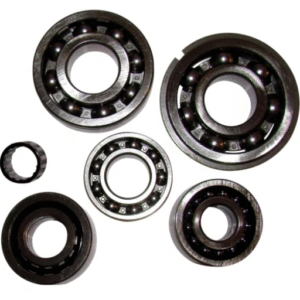
Rolling element bearings reduce friction between moving parts by utilizing rolling elements, such as balls or rollers, positioned between inner and outer raceways. These rolling elements rotate with minimal friction and support both radial and axial loads, making the bearings ideal for applications requiring high precision and efficiency. The design of rolling element bearings minimizes surface contact, significantly reducing wear and energy dissipation compared to plain bearings.
Key components include the inner race, outer race, rolling elements, and cage. The inner race typically fits tightly onto a rotating shaft, while the outer race is mounted within a housing. The rolling elements, guided by the cage, distribute the load evenly and maintain proper spacing to prevent direct contact. Lubrication is critical to reduce wear and heat generation while promoting smooth operation.
Technical parameters for rolling element bearings include:
- Load Capacity: Varies based on bearing type and size. For instance, a deep groove ball bearing may handle radial loads up to several thousand Newtons.
- Speed Rating: Typically expressed in revolutions per minute (RPM) and determined by the bearing type and lubrication. High-speed applications, such as precision spindles, can exceed 20,000 RPM.
- Operating Temperature: Most bearings function efficiently between -20°C to 120°C, though specialized materials and lubricants extend this range.
- Tolerances: Defined by ISO and ABEC standards to determine the bearing’s precision level, with higher-grade bearings offering tighter tolerances for critical applications.
Rolling element bearings are widely used in machinery ranging from electric motors to automotive systems due to their reliability, load-bearing efficiency, and versatility in handling diverse operating conditions. Proper selection based on application-specific demands ensures optimal performance and service life.
How Do Linear Ball Bearings Ensure Smooth Motion?
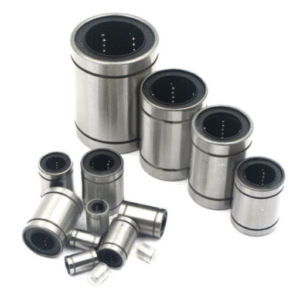
Linear ball bearings ensure smooth motion by utilizing a series of precision-engineered rolling elements, typically spherical balls, that travel along a linear path within a carriage or housing. These bearings minimize friction by maintaining point contact between the rolling elements and the guide surface, resulting in highly efficient, low-resistance movement. Additionally, their design ensures load distribution across multiple contact points, providing both stability and accuracy for linear applications. Proper lubrication and alignment further enhance their performance, reducing wear and ensuring consistent, smooth operation over time.
The Role of Linear Guides in Motion Control
Linear guides are integral components in motion control systems, offering structured guidance for linear motion while maintaining precision and efficiency. These devices facilitate the smooth transition of loads along a predefined axis, with minimal deviation or friction. Their core functionality enhances the overall stability, accuracy, and load capacity of automated machinery, enabling higher performance in industrial and manufacturing applications.
Linear guides often consist of rail and carriage systems paired with rolling elements like ball bearings or rollers, optimizing load distribution across contact points and reducing wear over time. With proper integration, they are capable of accommodating high-speed operations and high load demands without compromising accuracy. Advances in materials and lubrication technologies have further improved their durability and resistance to contaminants, ensuring reliable operation across varying environments.
Applications of linear guides span multiple sectors, from CNC machining and robotics to medical devices and semiconductor manufacturing. Their precision and repeatability are critical in ensuring product quality, reducing operational errors, and achieving enhanced throughput in automated systems. Consequently, selecting the appropriate linear guide, tailored to the application’s load, speed, and environmental requirements, is crucial for achieving optimal performance.
Mechanisms for Facilitating Smooth Linear Motion
To address the topic concisely, facilitating smooth linear motion relies on a combination of key mechanisms. Linear guides, such as ball bearing guides or roller guides, are essential for allowing precise and friction-reduced movement along a defined axis. These components are engineered to accommodate varying load capacities and motion speeds, ensuring both stability and durability. Additionally, lubrication systems play a pivotal role in reducing wear and maintaining the integrity of the guide’s performance over time. Advanced materials and coating technologies, such as anti-corrosion treatments, further enhance the reliability of linear motion systems in demanding environments. Beyond components, the alignment during installation and ongoing maintenance are critical factors in achieving smooth and repeatable linear motion. Each of these mechanisms must be tailored to the application-specific requirements for optimal results.
How Ball Bearings Are Designed for Efficiency
Ball bearings are meticulously engineered to minimize friction and maximize energy efficiency while maintaining durability. The design process involves selecting high-quality materials, such as chrome steel or stainless steel, for their strength, wear resistance, and low coefficient of friction. Precision manufacturing ensures that the inner and outer races, balls, and cages align with tight tolerances to promote smooth motion and reduce energy losses.
Key technical parameters that influence efficiency include:
- Roundness of Ball Bearings: Typically maintained within microns (e.g., 0.1 µm to 1 µm) to ensure uniform load distribution.
- Surface Roughness: Achieved through polishing processes to reach values as low as 0.02 µm Ra, reducing friction and wear.
- Lubrication Type and Viscosity: Specialized lubricants are used, with a viscosity typically ranging from 15 to 100 cSt (centistokes) at operating temperatures, to minimize rolling resistance.
- Contact Angle: Optimized (e.g., 15° to 25° for angular contact bearings) to balance axial and radial load capacity, enhancing performance under specific loading conditions.
Additionally, advanced treatments, such as heat treatment for improved hardness or coatings like tungsten disulfide, are applied to further enhance efficiency and operational lifespan. These design strategies ensure ball bearings perform reliably and efficiently in various applications, ranging from high-speed machinery to precision instruments.
What Are the Applications of Linear Bearings?
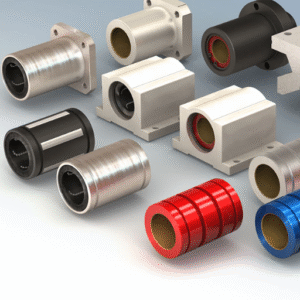
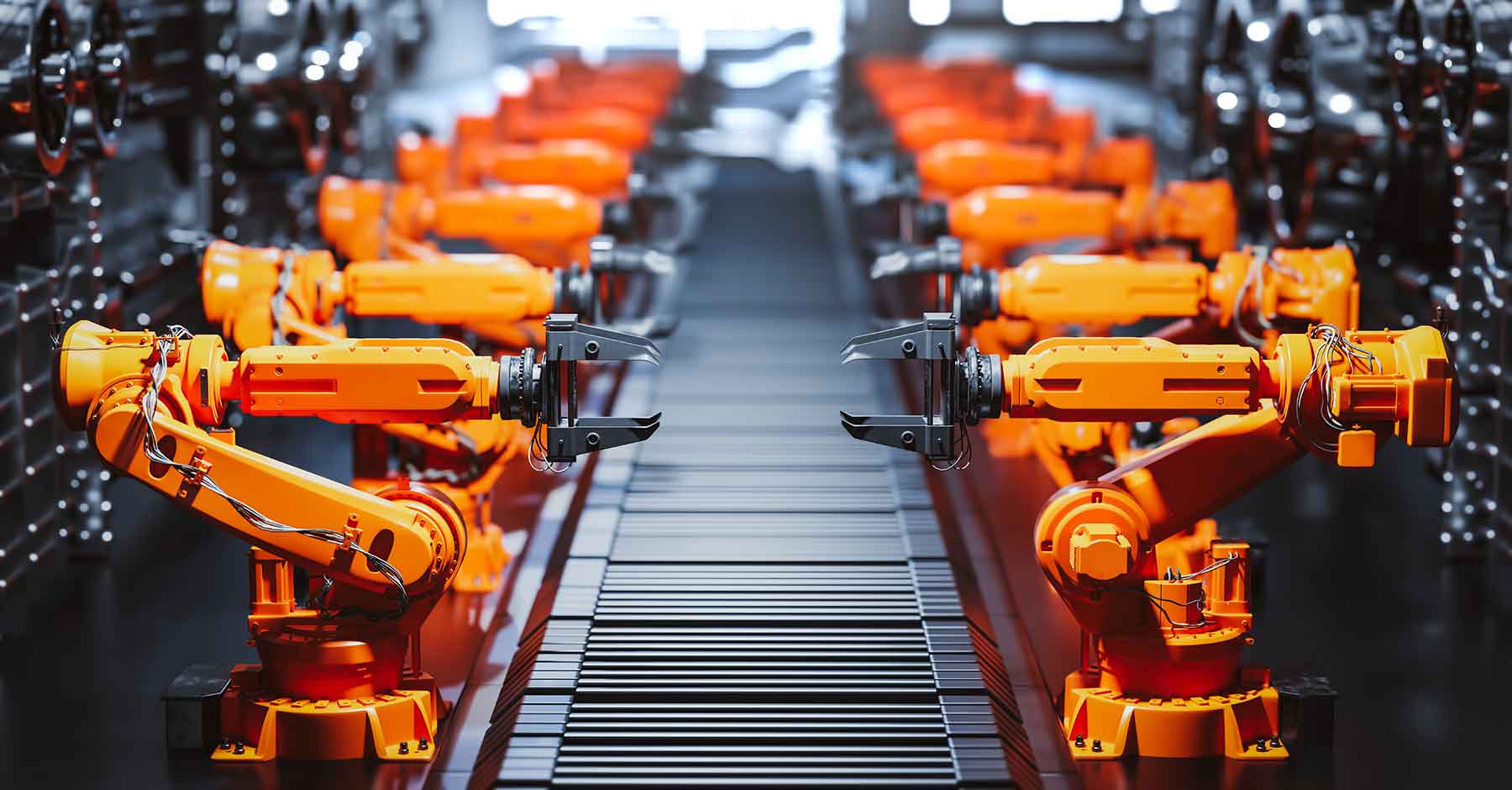
Linear bearings are critical components in a wide range of industrial and technological applications due to their ability to facilitate precise and smooth linear motion. They are commonly employed in CNC machines, 3D printers, and robotic systems, where high accuracy and repeatability are essential. Additionally, they see use in medical devices, such as imaging equipment, requiring precise alignment and controlled motion. Linear bearings are also integral to automation systems in manufacturing, enabling efficient and reliable material handling. Their versatility and durability make them indispensable for applications demanding consistent performance under varying loads and environmental conditions.
Common Uses in Linear Motion Systems
Linear motion systems are extensively used across various industries to achieve precision, efficiency, and reliability. In my experience, their applications range from CNC machinery and 3D printers, which rely on linear bearings for smooth and accurate movement, to robotics where they enable precise actuator control. Additionally, they play a critical role in industrial automation, supporting tasks such as material handling and assembly with unparalleled consistency. Their adaptability ensures optimal performance in diverse environments and under challenging operational demands.
Integrating Linear Actuators for Precise Motion
Linear actuators are integral to achieving precise and controlled motion in a variety of mechanical and automated systems. From my perspective, integrating linear actuators begins with careful selection based on the system’s specific requirements, such as force, stroke length, and speed. Proper alignment and mounting are crucial to prevent unnecessary wear and ensure accurate operation. Additionally, I recommend implementing appropriate control systems, whether manual, programmable, or networked, to optimize performance. Regular maintenance, like lubrication and inspections, is essential to enhance the longevity and reliability of the actuators in demanding applications. By addressing these factors, I can ensure seamless and precise motion in my projects or systems.
Understanding Applications of Linear Bearings in Industry
Applications of Linear Bearings in Industry
Linear bearings are integral components in various industrial settings, providing smooth and precise linear motion under load. They are widely used in automation systems, CNC machining, robotics, and material handling equipment, where high accuracy and low friction are essential. Linear bearings are particularly valuable for achieving repeatable positioning in automated assembly processes and ensuring reliability in high-speed operations.
Industrial applications often rely on different types of linear bearings to meet specific requirements. For example, recirculating ball bearings are preferred for heavy-duty machinery due to their ability to handle high loads and resist wear over time. Alternatively, plain bearings are commonly used in environments with contaminants or high temperatures, as they are more resistant to corrosion and debris-related damage. Selecting the appropriate linear bearing for the application is critical to optimizing efficiency, precision, and system durability.
Furthermore, advancements in linear bearing technology have enabled their use in emerging fields such as 3D printing and advanced manufacturing. These bearings improve energy efficiency and reduce maintenance costs, making them indispensable in modern industrial design.
How Do Linear Motion Bearings Work?
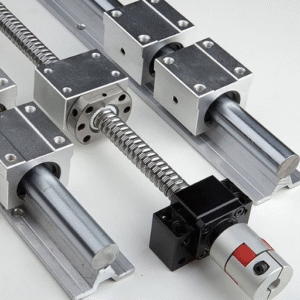
Linear motion bearings operate by facilitating smooth and precise linear movement along a defined axis while minimizing friction and wear. They achieve this by utilizing rolling elements, such as balls or rollers, or by employing low-friction sliding surfaces, depending on the bearing type. The rolling elements are typically housed between a rail or shaft and the bearing housing, enabling motion with minimal resistance. Proper lubrication, alignment, and material selection further enhance performance, ensuring reliability and longevity even under high loads and repetitive use.
Converting Rotational Motion into Linear Movement
To effectively convert rotational motion into linear movement, several fundamental mechanisms and parameters must be considered. Common techniques involve the use of screw drives, belt and pulley systems, or rack and pinion assemblies. Each method operates under specific principles and is selected based on the required application criteria.
- Screw Drives (e.g., Ball Screws or Lead Screws)
-
-
- Mechanism: Rotational input on the screw generates linear translation of the nut along the screw threads. Ball screws incorporate rolling elements to minimize friction, while lead screws rely on sliding contact.
- Key Parameters:
-
- Lead (distance the nut travels per screw revolution): Typical range is 1-20 mm per revolution. Choose smaller leads for precision and higher leads for speed.
- Efficiency: Ball screws ~90%, Lead screws ~50%-80%.
- Load Capacity: Defined by thread design and material strength.
-
- Belt and Pulley Systems
-
-
- Mechanism: A rotational drive pulley imparts motion to a flexible belt, which transfers force linearly to a moving load.
- Key Parameters:
-
- Belt Tension: Proper tension avoids slippage while preventing excessive stress (50-80% of rated tension capacity).
- Speed Ratios: Determine linear velocity; larger pulley diameters produce greater output speeds with reduced torque.
- Material Selection: Rubber, polyurethane, or timing belts depending on load and environmental conditions.
-
- Rack and Pinion Systems
-
-
- Mechanism: A rotational pinion gear meshes with a linear rack gear, yielding precise linear motion.
- Key Parameters:
-
- Tooth Pitch/Module (determines precision): Smaller pitch = finer movement.
- Gear Ratio: Influences speed and linear force output.
- Maximum Torque: Based on gear material and engagement.
-
The choice of mechanism should align with operational demands such as speed, precision, load capacity, and environmental considerations. Proper maintenance, alignment, and lubrication remain critical for ensuring optimal performance and durability across all systems.
Ensuring Accurate Motion with Minimal Resistance
To ensure accurate motion with minimal resistance, I focus on selecting high-precision components, such as ball screws with low friction coefficients and optimized gear ratios tailored to the application. I prioritize regular maintenance routines, including lubrication with low-viscosity oils or greases, to reduce wear and maintain efficiency. Additionally, ensuring proper alignment of moving parts and using materials with low deformation rates under stress are key steps I consistently take to mitigate resistance and enhance motion accuracy.
The Role of Linear Rails in Motion Systems
Linear rails are an integral component in precision motion systems, providing smooth, controlled, and high-accuracy linear motion. Their primary function is to guide and support loads while minimizing friction, ensuring stability and repeatability in operations. Linear rail systems typically consist of a guide rail and a bearing block, with the combination designed to handle various load types, including radial, axial, and moment loads. High-quality linear rails are manufactured using materials with excellent wear resistance and low deformation under stress, such as hardened steel or advanced alloys, enhancing durability and longevity.
When selecting linear rails for motion systems, it is critical to consider factors such as load capacity, travel length, and environmental conditions, including potential exposure to contaminants or extreme temperatures. Advanced features like preloading options and anti-corrosion coatings can further optimize performance in demanding applications. Industries ranging from robotics and automation to medical equipment and semiconductor manufacturing rely heavily on linear rails to achieve precision and efficiency, making them a foundational element in modern engineering design. Through proper maintenance, such as regular lubrication and alignment checks, the lifespan and reliability of linear rail systems can be significantly extended, ensuring consistent performance over time.
What Is the Difference Between Ball Bearings and Roller Bearings?
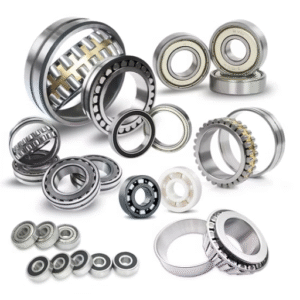
Ball bearings and roller bearings differ primarily in their design and load-handling capabilities. Ball bearings use spherical rolling elements to reduce friction between moving parts, making them ideal for handling radial and axial loads in applications where precision and high-speed operation are required. Roller bearings, on the other hand, utilize cylindrical, tapered, or needle-shaped rolling elements, which provide a larger contact area with the bearing raceway. This design enables roller bearings to support heavier radial loads and operate effectively in applications involving high impact or shock loads. The choice between the two depends on the specific requirements of load, speed, and operational environment.
Comparing Efficient Linear Motion Capabilities
When comparing efficient linear motion capabilities, I would prioritize evaluating factors such as load capacity, precision, speed, and durability. Based on common industry standards, ball bearings are often favored for their ability to handle high rotational speeds with minimal friction, whereas roller bearings excel in sustaining higher radial or axial loads due to their increased contact area. For linear motion applications, ball slides are better suited for scenarios requiring high accuracy and smooth movement at moderate loads, boasting positioning accuracy within microns, typically around ±0.01 mm. Conversely, roller slides deliver enhanced load-bearing capabilities and rigidity, making them ideal for heavy-duty applications, with load capacities often exceeding 2,000 N (Newtons) in industrial setups. Choosing between these systems depends largely on the application’s operational parameters, such as maximum load, speed (up to 1-2 m/s for higher-end systems), and environmental factors like temperature and exposure to contaminants.
Understanding Reliable Linear Motion Design
Criteria for Selecting Linear Motion Systems
When selecting a linear motion system, several critical parameters must be analyzed to ensure reliability and efficiency in the intended application. Below are key factors derived from thorough research and industry standards, incorporating insights from leading sources:
- Load Capacity and Rigidity
-
-
- Determine the system’s ability to support loads under operational conditions.
- For ball-bearing linear motion systems, standard load capacities typically range from 50 N to 1,200 N, while roller slides often exceed 2,000 N, making them suitable for applications requiring high structural rigidity.
-
- Speed and Precision
-
-
- Speed thresholds vary by system type, with high-end ball-bearing guides capable of achieving 1-2 m/s.
- Precision levels are critical for scientific instruments or machining setups, with tolerances as low as ±0.01 mm achievable under optimal conditions.
-
- Operating Environment
-
-
- Environmental contamination, such as dust or chemical exposure, influences maintenance and reliability. Sealed linear systems or those with protective components are recommended for harsh conditions.
- Operating temperature ranges should consider material expansion and lubrication efficiency, with ranges from -20°C to +80°C being common for many systems.
-
- Maintenance and Lifetime
-
-
- Systems with self-lubricating mechanisms reduce downtime and extend operational lifespans.
- Assess system life expectancy based on load cycles, material durability, and operating conditions. Premium systems can exceed 100,000 operational cycles with proper maintenance.
-
- Application-Specific Requirements
-
-
- Consider special requirements, such as corrosion-resistant coatings for marine or medical applications and vibration dampening features for sensitive equipment.
- Modular or customizable options may be necessary for complex, large-scale setups.
-
By systematically evaluating these parameters in relation to your specific application, you can ensure the selection of a linear motion solution that balances performance, durability, and cost-efficiency. For additional technical specifications, refer to manufacturer datasheets or consult engineering standards such as ISO 3408 for ball screws and DIN 69051 for linear actuators.
Reference Sources
-
Bearings Direct – Linear Ball Bearings: Provides detailed information on the composition and functionality of linear ball bearings.
-
PBC Linear – Linear Bearings: Offers insights into the design and advantages of linear ball bearings.
-
Amazon Product Page – Linear Motion Bearing: Highlights the features and applications of linear motion bearings.
-
Thomson Linear Bearings: Features a wide range of linear bearings and technical specifications.
-
PBC Linear – Types of Linear Bearings: Discusses various types of linear bearings, including linear ball bearings.
Frequently Asked Questions (FAQs)
Q: What are linear ball bearings and how do they facilitate smooth motion?
A: Linear ball bearings are mechanical devices designed to facilitate linear motion with minimal friction. They consist of small, hardened steel balls that roll along a track, allowing for smooth and precise motion. These bearings are essential in applications where precise linear motion is essential.
Q: How do linear bearings operate to ensure accurate motion?
A: Linear bearings operate by using rolling elements, such as balls or rollers, to reduce friction between moving parts. This facilitates smooth and efficient linear motion, ensuring accurate alignment and reduced wear on components.
Q: In what applications are linear ball bearings used?
A: Linear ball bearings are used in various applications where smooth and accurate motion is required. These include CNC machines, 3D printers, and medical devices where precise linear displacement is crucial.
Q: How do ball bushings differ from other types of bearings?
A: Ball bushings are a type of bearing specifically designed for linear applications. Unlike other bearings that may convert rotary motion into linear motion, ball bushings facilitate linear motion directly, offering high precision and low friction.
Q: What role do rolling bearings play in facilitating motion?
A: Rolling bearings, such as ball bearings, contribute to facilitating motion by reducing friction and wear. They enable components to move smoothly and precisely, which is crucial in applications where reliable and accurate motion is needed.
Q: Why are linear bearings crucial in mechanical systems?
A: Linear bearings are crucial because they ensure the smooth and efficient operation of mechanical systems by reducing friction and wear. This leads to longer service life of components and reliable performance in systems where precise linear motion is essential.
Q: How do linear bearings convert rotary motion into linear motion?
A: While linear bearings themselves do not convert rotary motion into linear motion, they are often used in conjunction with other components, such as lead screws or belts, to achieve this conversion. The bearings facilitate the smooth linear movement of the components involved.
Q: What is the significance of smooth and accurate motion in industrial applications?
A: Smooth and accurate motion is significant in industrial applications because it enhances the precision and efficiency of operations. Linear bearings play a critical role in ensuring that machinery operates reliably with minimal downtime and maintenance.
Q: How do bearings ensure smooth and precise motion in automation systems?
A: Bearings ensure smooth and precise motion in automation systems by providing low-resistance pathways for movement. This reduces energy consumption and wear, allowing components to function optimally over extended periods.