


Bearings are a critical component in a wide range of mechanical systems, influencing the efficiency, durability, and overall performance of machinery. Among the various classifications, C4 and C3 bearings stand out due to their differing internal clearance values. Understanding these distinctions is vital for selecting the correct bearing type for a specific application, as it directly impacts operating temperature ranges, load capacities, and rotational speeds.
This article will provide a comprehensive overview of the differences between C4 and C3 bearings, exploring their technical characteristics, applications, and advantages. By the end of this post, you will have a detailed understanding of how these bearing types compare and how to make an informed decision for your industrial or engineering requirements.
What Is the Role of Bearing Clearance in C3 and C4 Bearings?
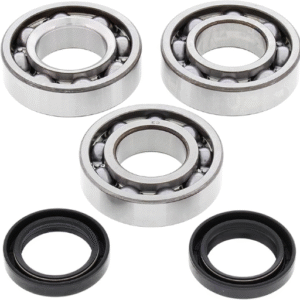
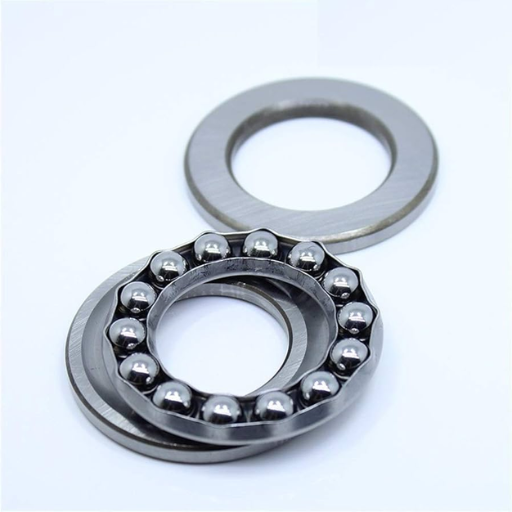
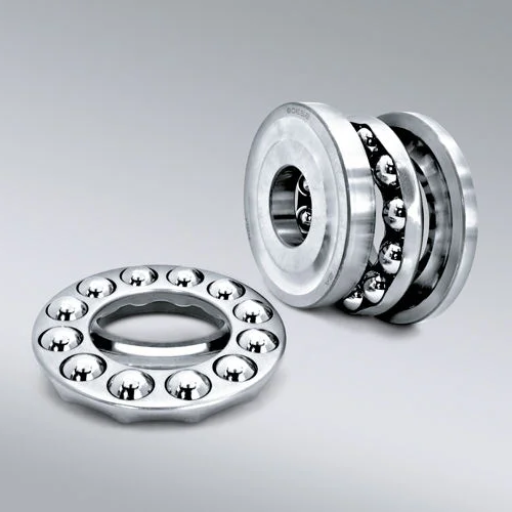
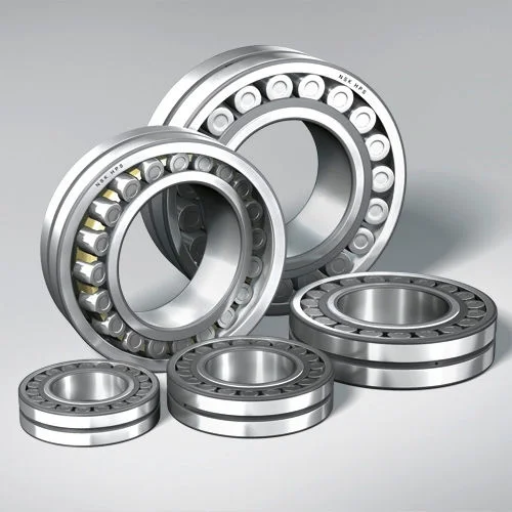
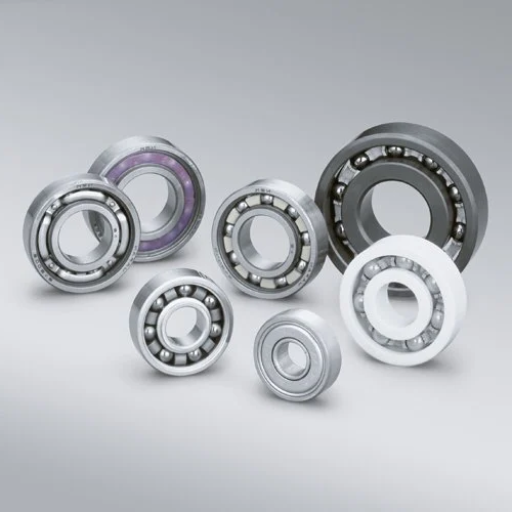
Bearing clearance refers to the internal free space within a bearing that allows for movement between the rolling elements and the raceways. This clearance is crucial as it directly impacts the bearing’s performance under various operating conditions. C3 and C4 bearings are both designed with specific clearance ranges to accommodate thermal expansion, operating speeds, and load conditions. Bearings classified as C3 have a greater clearance than standard bearings, making them suitable for applications with moderate thermal expansion and load variability. C4 bearings, on the other hand, have even greater clearance, enabling them to perform effectively in high-temperature environments or under heavy loads where significant expansion occurs. The selection of C3 or C4 bearings is thus dictated by the operational requirements, ensuring optimal efficiency and longevity in mechanical systems. If you are looking for more information about difference between C4 and C3 bearings go here right away
How Does Internal Clearance Affect Bearing Performance?
Internal clearance directly impacts the performance, efficiency, and durability of bearings by influencing the load distribution, rotational accuracy, and thermal adaptability of the system. Proper internal clearance ensures that the bearing can accommodate thermal expansion, prevent excessive friction, and maintain operational stability under various loads. If the clearance is too small, it can lead to increased friction, heat generation, and wear. Conversely, excessive clearance may cause reduced precision, vibration, and noise. Optimizing internal clearance is crucial for balancing the trade-off between flexibility and stability, ensuring that bearings perform reliably according to their designed application.
Why Is Radial Clearance Important in Bearings?
Radial clearance is important in bearings because it directly impacts the bearing’s performance, longevity, and ability to handle loads effectively. From my perspective, insufficient clearance can cause excessive friction and overheating, leading to premature wear and potential failure of the bearing. On the other hand, too much radial clearance may result in instability, increased vibration, and noise during operation. Striking the right balance in radial clearance ensures that the bearing operates reliably under specified conditions, maintains proper alignment, and adapts to temperature variations or load fluctuations.
What Are the Implications of Extra Clearance in Bearings?
Implications of Extra Clearance in Bearings
Excessive clearance in bearings can lead to a range of technical challenges impacting performance and longevity. Increased radial clearance may result in higher vibration levels, reduced rotational accuracy, and heightened noise during operation. These issues can compromise machinery stability and lead to premature wear on both the bearing and adjoining components. Additionally, excessive clearance can cause uneven load distribution, increasing dynamic stress on the bearing’s internal elements, such as balls, rollers, or raceways, which may accelerate fatigue.
From a technical standpoint, the appropriate amount of radial clearance should correspond to the operational requirements, including load dynamics, temperature fluctuations, and rotational speeds. For example, typical radial clearance values for ball bearings might range from 0.0002″ to 0.0012″ (5 μm to 30 μm) depending on the size and application. It is critical to consult manufacturer specifications and industry standards, such as ISO 5753 or ANSI/ABMA standards, to determine permissible clearance values for specific scenarios. Addressing extra clearance through proper selection, adjustment, or preloading can mitigate these adverse effects and optimize bearing performance.
How Do C3 and C4 Bearings Differ in Design and Application?
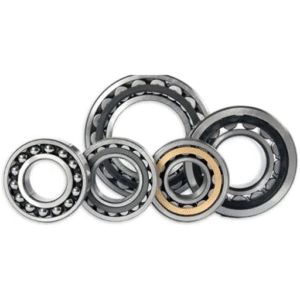
C3 and C4 bearings differ primarily in their internal clearance ranges. C3 bearings have a greater internal clearance than standard bearings, making them suitable for applications where higher-than-average thermal expansion and operational speeds are expected. This additional clearance prevents issues such as overheating and excessive friction. C4 bearings, on the other hand, have an even greater internal clearance than C3 bearings, enabling them to perform effectively in environments with extreme thermal expansion or very high rotational speeds. Proper selection depends on the application’s load, speed, and temperature conditions, with industry standards providing guidance for optimal use.
What Are the Specific Characteristics of C3 Bearings?
C3 bearings are designed with greater internal clearance compared to standard bearings. This additional clearance allows them to accommodate higher thermal expansion and radial loads without experiencing performance issues, such as excessive friction or overheating. Specifically, the internal clearance of C3 bearings is typically defined as being slightly larger than standard (CN) bearings, as per ISO 5753 or similar industry standards.
The primary technical parameters of C3 bearings include:
- Internal Radial Clearance (Before Mounting): The clearance generally ranges between 6–20 microns for smaller bearings (e.g., bore diameters of 10–30mm) and increases for larger bearings.
- Operating Speed Range: C3 bearings are suited for applications requiring higher rotational speeds, where standard clearances might lead to heat buildup or premature wear.
- Temperature Tolerance: The additional clearance ensures reliable performance in environments with significant temperature variations, particularly in high-speed or heavy-load conditions.
- Application Examples: Commonly used in electric motors, industrial machinery, automotive components, and large mechanical systems operating under dynamic conditions.
Ultimately, C3 bearings are optimized for scenarios where both heat and dynamic stresses are present, ensuring longevity, reduced maintenance, and dependable operation. Proper selection of these bearings requires consideration of load type, rotational speed, and temperature to prevent mechanical issues.
How Do C4 Bearings Handle High Speeds?
C4 bearings are specifically designed to handle higher speeds due to their increased internal clearance, which accommodates thermal expansion during operation. This extra clearance prevents excessive friction and heat buildup at high rotational speeds, ensuring smooth performance and reduced wear on the components. Additionally, the precision engineering and material durability of C4 bearings make them suitable for applications in turbines, compressors, and other high-speed machinery, where reliability and efficiency are critical. Proper lubrication and consistent maintenance further enhance their capability to withstand extreme operating conditions effectively.
When Should You Use C3 or C4 Bearings for Optimal Performance?
When deciding between C3 and C4 bearings, I focus on the application’s operational requirements, particularly the thermal expansion and rotational speed. C3 bearings, with their slightly increased internal clearance, are ideal for standard industrial machinery where moderate thermal expansion occurs. On the other hand, C4 bearings, offering even greater internal clearance, are specifically suited for high-speed or high-temperature applications, such as turbines or compressors, where significant heat causes greater expansion.
Technical Parameters to Consider:
- Operating Temperature:
-
-
- C3 Bearings: Suitable for moderate temperature elevations up to approximately 120°C.
- C4 Bearings: Optimal in environments exceeding 120°C, tolerating heavy thermal expansion.
-
- Rotational Speed:
-
-
- C3 Bearings: Recommended for medium-speed operations.
- C4 Bearings: Designed for high-speed equipment requiring reduced friction and consistent precision.
-
- Load Capacity:
-
-
- Both bearing types support heavy loads; however, consult the manufacturer’s load rating specifications to ensure compatibility with your machinery.
-
Selecting the appropriate bearing ultimately depends on aligning its internal clearance with the thermal and dynamic stresses of the application. Always refer to operational requirements and, if uncertain, consult technical guidelines or an engineering professional.
How Does Internal Clearance Influence Bearing Life?
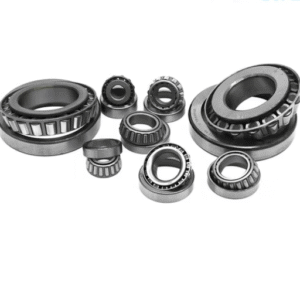
Internal clearance significantly impacts bearing life by influencing load distribution and operational performance. Insufficient clearance can lead to excessive friction, heat generation, and premature wear, while excessive clearance may result in misalignment, instability, and uneven load distribution. Properly set internal clearance ensures optimal load sharing among rolling elements, reduces stress concentrations, and minimizes the risk of early failure. To enhance bearing life, it is crucial to select and adjust internal clearance based on operating conditions, including temperature, load, and speed.
What Factors Influence the Internal Clearance in a Bearing?
The internal clearance in a bearing is influenced by several critical factors, which must be carefully considered to achieve optimal performance and reliability:
- Operating Temperature: Bearings expand or contract depending on the operating temperature. Thermal expansion, particularly of the inner and outer rings, can alter the clearance. Higher temperatures typically lead to a reduction in clearance, whereas lower temperatures can increase it. Materials with different thermal expansion rates must also be accounted for.
- Load Conditions: Radial and axial loads directly impact internal clearance. Heavy loads may compress rolling elements and reduce clearance, potentially causing excessive stress on the bearing components. Dynamic loads from frequent starts, stops, or vibrations also contribute to variations in clearance over time.
- Speed of Operation: High rotation speeds can generate centrifugal forces that influence the distribution of rolling elements and reduce effective internal clearance. This must be addressed in high-speed applications to prevent overheating and ensure consistent performance.
- Bearing Type and Design: Specific bearing types, such as deep groove or cylindrical roller bearings, have different internal clearance requirements due to their geometry and intended applications. Design features like preload or special tolerances also play a role in defining clearance.
- Installation and Fit: Improper installation or incorrect fits between the bearing and its housing or shaft can result in undesired changes in internal clearance. Tight fits may reduce clearance, while loose fits could increase it, leading to misalignment or instability.
By carefully considering these factors during the selection, installation, and operational phases, the internal clearance can be optimized, ensuring longer service life and improved performance of the bearing system.
How Does Thermal Expansion Affect Bearing Clearance?
When considering how thermal expansion affects bearing clearance, I would note that temperature changes significantly impact the relative dimensions of bearing components. Bearings and their housings or shafts expand at different rates depending on the materials used. For example, steel and aluminum have different coefficients of thermal expansion, which can alter the internal clearance as the system heats up or cools down. If the bearing expands more than the shaft or housing, the clearance decreases, potentially causing excessive preload and increased friction. Conversely, greater expansion of the housing or shaft can increase clearance, leading to reduced stability or vibration. Managing thermal expansion by selecting appropriate materials and considering operational temperatures is crucial to maintaining optimal clearance.
What Are the Benefits of Using Radial Bearings with C3 and C4 Clearances?
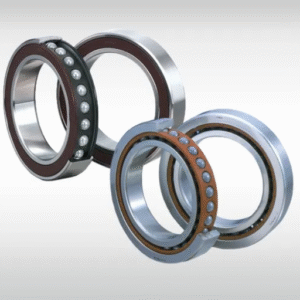
Radial bearings with C3 and C4 clearances are specifically designed to accommodate thermal expansion and high operational temperatures. The increased clearance in these bearings allows for proper function under conditions where standard clearances might lead to excessive preload or friction. This makes them ideal for high-speed applications or environments with significant heat generation, as they maintain stability and reduce the risk of seizure or wear. Additionally, the enhanced clearance minimizes vibration and improves overall performance in demanding operational scenarios, ensuring reliable and efficient machinery operation.
How Does Radial Internal Clearance Affect Bearing Efficiency?
Radial internal clearance directly influences bearing efficiency by affecting the load distribution, friction, and operating temperature of the bearing. Insufficient clearance can result in excessive preload, leading to higher frictional forces, increased heat generation, and premature wear. Conversely, excessive clearance may cause a lack of proper load distribution, resulting in vibrations, noise, and potential misalignment issues. The optimal clearance ensures a balance between minimizing friction and maintaining proper load support.
Key technical parameters to consider include:
- Operating Temperature Range: Bearings must account for thermal expansion, with clearances adjusted for expected temperature variations (e.g., standard range -40°C to 150°C).
- Friction Coefficient: Maintaining a low coefficient (typically ≤ 0.001 for rolling bearings) to minimize energy loss.
- Load Conditions: Static and dynamic loads (e.g., static up to 50% of dynamic load rating) must align with the bearing’s clearance specification.
- Shaft and Housing Fits: Precision fits, typically H6/h5 for interference fits, are crucial to avoid altering the clearance during assembly.
These parameters should be tailored based on application-specific demands to maximize bearing efficiency and longevity.
What Are the Typical Applications for Rolling Bearings with C3 and C4 Clearances?
Rolling bearings with C3 and C4 clearances are typically used in applications where higher operating temperatures, misalignments, or increased thermal expansions occur. For instance, I often see C3 clearance bearings in electric motors, where thermal expansion due to heat generation necessitates additional internal clearance. Similarly, C4 clearance bearings are commonly utilized in heavy-duty industrial equipment like compressors or gearboxes, where high speeds or excessive loads produce significant heat. These higher clearances help accommodate thermal expansion and prevent premature wear or failure.
How Do Crank Bearings C3 or C4 Enhance Engine Performance?
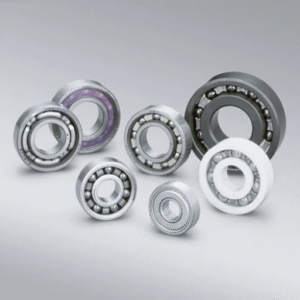
Crank bearings with C3 or C4 clearance enhance engine performance by accommodating the thermal expansion that occurs under high operating temperatures. These bearings provide increased internal clearance, which reduces friction and prevents binding as the crankshaft and other components expand due to heat. By maintaining optimal alignment and reducing the risk of premature wear or failure, C3 and C4 clearance bearings ensure smooth rotational movement and improve the overall efficiency and reliability of the engine during high-speed or heavy-load operations.
What Are the Advantages of Using Crank Bearings with C3 or C4 Clearances?
The primary advantages of using crank bearings with C3 or C4 clearances lie in their ability to accommodate thermal expansion and reduce operational stress within high-performance environments. By providing additional internal clearance, these bearings ensure the crankshaft operates without binding or excessive friction, even under elevated temperatures and high rotational speeds. This leads to improved durability, smoother operation, and increased reliability of the engine.
Technical Parameters to Consider:
- Operating Temperature Range: Bearings with C3 or C4 clearances are ideal for environments where temperatures regularly exceed 120°C (248°F).
- Radial Clearance Values:
-
-
- C3 clearance typically ranges between 0.010–0.028 mm (depending on bearing size).
- C4 clearance ranges between 0.020–0.036 mm for the same conditions.
-
- Load Bearing Capacity: These bearings are designed to handle higher radial and axial loads, making them suitable for engines operating under heavy strain or at high RPMs.
Utilizing these clearances ensures the engine maintains peak performance while minimizing the risk of premature wear or failure in demanding applications.
How Does Bearing Clearance Affect Crank Bearing Efficiency?
From an engineering perspective, I would say that bearing clearance plays a critical role in maintaining crank bearing efficiency by ensuring proper lubrication, reducing friction, and accommodating thermal expansion. If the clearance is too tight, it may restrict oil flow, increase friction, and lead to overheating or even bearing seizure. Conversely, excessive clearance can cause oil leakage and reduce the load-carrying capacity of the bearing, resulting in reduced efficiency and faster wear. Optimizing and correctly measuring bearing clearances ensures the crankshaft operates smoothly under varying thermal and mechanical stresses, ultimately prolonging the engine’s lifespan and reliability.
Reference Sources
-
What is the difference between C3 and C4 bearings? – A discussion on Quora explaining the applications and differences between C3 and C4 bearings.
-
Bearing clearance: everything you need to know – A detailed guide on bearing clearances, including C3 and C4 classifications.
-
Crank bearings C3 or C4? – A forum discussion comparing the RPM ratings and applications of C3 and C4 bearings.
-
What is C3 and C4 in bearing? – An explanation of the internal clearance differences between C3 and C4 bearings.
-
What is Bearing Clearance and Why is It Important? – Insights into bearing clearance and its importance in various applications.
Frequently Asked Questions (FAQs)
Q: What is the bearing internal clearance?
A: Bearing internal clearance refers to the total distance one bearing ring can be moved, or displaced, relative to the other in the radial direction (radial clearance) or in the axial direction (axial clearance). It’s crucial for ensuring that the bearing operates correctly under different conditions.
Q: What is the main difference between C4 and C3 bearings?
A: The main difference between C4 and C3 bearings lies in their internal clearance. C3 bearings have a greater internal clearance than standard C0 bearings but less than C4 bearings. C4 bearings have even more clearance between the balls and bearing ring, making them suitable for high temperature and high rpm applications.
Q: Why would I choose a C4 bearing over a C3?
A: You might choose a C4 bearing if your application involves high temperatures or high speeds. The extra clearance in C4 bearings helps accommodate thermal expansion and reduces the risk of bearing seizure.
Q: How does the inner ring affect bearing performance?
A: The inner ring’s fit and clearance can significantly impact bearing performance. A tight fit may lead to zero clearance under thermal expansion, while a looser fit might accommodate more movement, affecting the overall functionality of the bearing.
Q: What are the established five clearance classes for bearings?
A: The five clearance classes for many bearing types are C2, C0 (standard), C3, C4, and C5. Each class indicates a different level of internal clearance, with C2 having the least and C5 the most.
Q: When should precision bearings with specific clearance classes be used?
A: Precision bearings with specific clearance classes should be used when the application demands exacting tolerances, such as in high-speed machinery or environments with significant temperature fluctuations. Proper clearance ensures reliable performance and longevity.
Q: Can a bearing supplier provide custom clearance classes?
A: Yes, a bearing supplier like SKF or FAG can often provide special order bearings with custom clearance classes tailored to specific application needs, ensuring optimal functionality and performance.
Q: What roles do the outer race and inner ring play in clearance?
A: The outer race and inner ring are critical in determining the bearing’s clearance. The fit between these components can impact the clearance means, affecting how the bearing accommodates thermal expansion and operational loads.
Q: How does high temperature affect bearing clearance?
A: High temperature can cause the bearing materials to expand, potentially reducing the internal clearance. Bearings with higher clearance classes, like C4 or C5, account for this expansion, preventing compression and ensuring smooth operation.