


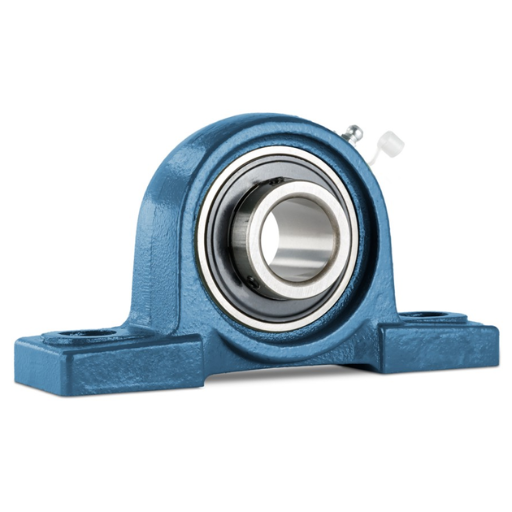
Pillow blocks, also known as plummer blocks or bearing housings, are essential mechanical components widely used in various industries. They are designed to provide support and stability for rotating shafts while minimizing friction and wear. Pillow blocks consist of a housing and an installed bearing, typically allowing for quick assembly and maintenance. This article will explore the fundamental purpose of pillow blocks, their key components, and how they contribute to the efficiency and reliability of mechanical systems. Additionally, we will examine their applications across different sectors, the materials used for manufacturing, and the factors to consider when selecting the proper pillow block for specific operational requirements. By the end of this blog, you will have a comprehensive understanding of the critical role pillow blocks play in enhancing machinery performance and prolonging system lifespan.
What Is a Pillow Block Bearing and How Does It Work?
A pillow block bearing, also known as a plummer block, is a mounted bearing unit designed to support a rotating shaft. It consists of a housing, typically made from cast iron or other robust materials, and an integrated bearing that allows for smooth rotational motion. The bearing is securely mounted within the housing, which is bolted to a fixed surface. Pillow block bearings work by reducing friction and facilitating the efficient transfer of loads from the shaft to the mounting structure. They are designed to accommodate varying levels of misalignment and radial or axial loads, ensuring reliable operation across diverse industrial applications. If you are looking for more information about purpose of a pillow block go here right away
Understanding the Basic Structure: Pillow Block Bearing and Housing
Components of a Pillow Block Bearing and Housing
The primary components of a pillow block assembly include the housing and the bearing itself. The housing is typically made from cast iron, steel, or thermoplastic materials, providing a robust and durable support structure. It is designed to be mounted securely onto a fixed surface, ensuring stability during operation.
The bearing within the housing allows for smooth rotational movement of a shaft. Depending on the application, the bearing can be of various designs, such as ball bearings or roller bearings, to accommodate different load capacities and degrees of misalignment. The inner bore of the bearing is aligned with the shaft, while the outer surface is securely held by the housing.
To enhance performance, pillow block bearings often include seals or shields to protect against contaminants such as dust, dirt, or moisture, which can impair functionality. Lubrication mechanisms are also integrated to reduce wear and friction, thus extending the service life of the bearing and improving efficiency. This modular and customizable structure makes pillow block bearings versatile for numerous industrial and mechanical applications.
How Pillow Block Bearings Work to Support a Rotating Shaft
Pillow block bearings function by providing a stable mounting point for rotating shafts while minimizing friction and wear. The bearing housing accommodates the bearing itself, which securely holds the shaft in place, allowing it to rotate smoothly under varying loads and speeds. Seals or shields are incorporated to prevent contaminants from entering, ensuring reliable performance even in harsh conditions. Internal lubrication systems further enhance efficiency and longevity by reducing heat and friction during operation. This combination of support, protection, and adaptability ensures that pillow block bearings can effectively sustain and guide rotating shafts in diverse industrial applications.
Common Industrial Applications for Pillow Block Bearings
Pillow block bearings are integral components in numerous industrial applications due to their versatility and ability to handle varying loads and speeds. Below are some key applications where these bearings are commonly employed, along with relevant technical parameters:
- Conveyor Systems
Pillow block bearings are extensively used in conveyor systems for material handling in industries such as manufacturing, mining, and food processing. They support rotating shafts under dynamic loads and allow smooth, continuous belt operation. Typical Parameters: Load capacity of up to 1500 kg, rotational speeds ranging from 1000 to 3000 RPM.
- Agricultural Machinery
Equipment like combine harvesters, plows, and irrigation systems rely on pillow block bearings for their reliability and ability to withstand dirt, moisture, and shocks. Typical Parameters: Sealed units to prevent contamination, working temperatures from -20°C to 100°C.
- HVAC Systems
Pillow block bearings support the rotating components of blowers, fans, and pumps used in heating, ventilation, and air conditioning systems. Their low-maintenance attributes make them ideal for prolonged use. Typical Parameters: Noise level below 50 dB, speed range up to 2000 RPM.
- Material Processing Equipment
Industrial crushers, mixers, and mills incorporate pillow block bearings to handle heavy radial and axial loads during operation. Typical Parameters: Static load ratings up to 40 kN, dynamic load ratings up to 25 kN.
- Textile Industry Machines
Pillow block bearings are critical to the precision and efficiency of looms and spinning machines. They ensure consistent motion while minimizing vibrations. Typical Parameters: Minimal axial movement, speeds up to 5000 RPM.
These bearings are engineered to suit application-specific needs, providing optimal balance between durability, performance, and ease of maintenance across numerous industries.
Exploring the Different Types of Pillow Block Bearings

Ball Bearing Units
Ball bearing pillow blocks are among the most commonly used types due to their versatility and ability to support both radial and axial loads. These units are equipped with deep-groove ball bearings, making them ideal for applications requiring high-speed performance and low friction.
Roller Bearing Units
Roller-bearing pillow blocks are designed for heavy-duty applications and can handle significantly higher loads compared to ball bearing units. Tapered or cylindrical rollers in these designs offer superior load distribution, making them suitable for industries like mining and material handling.
Plain Bearing Units
Plain bearing pillow blocks are utilized in applications where low-speed operation and high load capacities are prioritized. Lacking rolling elements, these rely on sliding motion, which reduces maintenance demands but limits speed capabilities.
Bearing Materials
The materials used, such as stainless steel, cast iron, or composite polymers, directly influence the unit’s resistance to corrosion, durability, and suitability for specific environments like high moisture or high-temperature conditions. Each type is optimized to meet distinct industrial requirements.
Key Differences: Ball Bearing vs. Roller Bearing
From a technical perspective, ball bearings and roller bearings differ primarily in their design and load-handling capabilities. Ball bearings utilize spherical balls to reduce friction, making them highly effective for managing lighter radial and axial loads while enabling high-speed operation. Conversely, roller bearings have a cylindrical shape, which increases the contact surface area, making them better suited for heavier radial loads and environments requiring extended durability. While ball bearings excel in precision and speed, roller bearings are the preferred choice for rigorous, high-load applications where strength and reliability are critical.
The Role of Spherical and Cylindrical Roller Bearings in Pillow Blocks
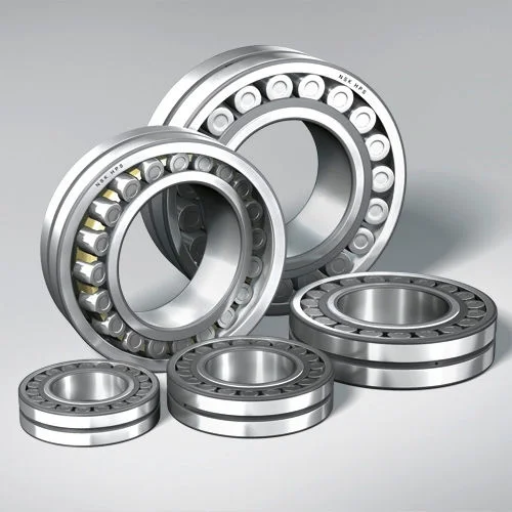
Pillow blocks are designed to support rotating shafts while accommodating a range of load conditions. Spherical roller bearings in pillow blocks are particularly effective in handling both radial and axial loads while compensating for misalignment. These bearings feature self-aligning capabilities, making them ideal for applications where shaft deflection or angular misalignment is present. Common technical parameters for spherical roller bearings include a dynamic load rating of up to 1,000 kN, static load ratings exceeding 600 kN, and operational speeds between 1,000 and 3,000 RPM, depending on the design and lubrication.
Cylindrical roller bearings, on the other hand, are optimized for high radial loads and are known for their ability to handle conditions requiring greater durability. These bearings provide minimal friction under heavy radial forces and can operate efficiently even in high-speed applications. Technical specifications for cylindrical roller bearings typically include dynamic load ratings up to 700 kN, static load ratings around 500 kN, and speeds reaching up to 4,000 RPM, with certain precision-engineered models achieving even higher values.
Both types of bearings play a critical role in the performance and reliability of pillow blocks. The choice between spherical and cylindrical roller bearings depends on specific application requirements such as load type, alignment conditions, and operational speed. By selecting bearings with suitable parameters, pillow blocks ensure optimal functionality and long-term operational efficiency.
Advantages of Sealed Bearings in Pillow Block Units
Sealed bearings in pillow block units provide several key advantages that enhance their performance and longevity. First, they offer superior protection against contaminants such as dust, dirt, and moisture, which are common in industrial and outdoor environments. By preventing these particles from entering the bearing housing, sealed bearings significantly reduce wear and the risk of early failure. Second, they require minimal maintenance compared to open bearings, as the seal retains lubrication within the bearing, ensuring consistent and efficient operation over time. This reduces the need for frequent re-lubrication and downtime.
From a technical perspective, sealed bearings maintain optimal lubrication at speeds typically up to 3,000 RPM and beyond, depending on the design and application. They are ideal for environments with temperatures ranging from -20°C to 120°C, thanks to their ability to retain grease formulated for these ranges. Additionally, standard sealed bearings can support dynamic loads between 10 kN and 50 kN, depending on size and material, delivering reliability under heavy load conditions. These parameters highlight why sealed bearings are a preferred choice for enhancing the performance and reliability of pillow block units.
How Housing and Mounting Impact Performance

Proper housing and mounting are critical factors that influence the performance and longevity of pillow block units. The housing must be precisely machined to provide accurate alignment, ensuring that the shaft and bearing operate within specified tolerances. Misalignment or improper assembly can lead to uneven load distribution, accelerated wear, and reduced operational efficiency. Furthermore, secure mounting reduces the risk of vibration and displacement, which can compromise the stability and reliability of the system. By following manufacturer guidelines for housing design and carefully selecting appropriate mounting methods, users can maximize the efficiency and durability of the pillow block assembly.
The Importance of Proper Mounting Surface Alignment
Proper mounting surface alignment is critical to ensuring the optimal performance and longevity of a pillow block assembly. Misalignment can introduce excessive stresses on bearings and shafts, leading to uneven load distribution, premature component failure, and reduced system efficiency. To maintain proper alignment, the mounting surface should be flat, clean, and free of contaminants that could interfere with precise positioning.
Key technical parameters to consider include:
- Flatness Tolerance: The surface should meet a flatness tolerance of 0.001 inches per inch of surface length to ensure even support.
- Surface Finish: A surface roughness of Ra 1.6 µm or smoother is recommended to minimize friction and maintain solid contact.
- Leveling: The mounting surface should be leveled using a spirit level or precision leveling instrument to avoid distortions in the alignment.
- Fastening Torque: Apply fastening torque according to the manufacturer’s specifications, typically ranging between 15-25 ft-lbs for medium-duty assemblies, to avoid over-tightening or loosening under operational loads.
By adhering to these parameters, users can effectively reduce the likelihood of misalignment-related issues, ensuring superior operational stability and prolonging system lifespan.
Choosing the Right Housing Material: Cast Iron Vs. Plastic
When selecting between cast iron and plastic for housing materials, several factors should be considered, including mechanical strength, environmental conditions, weight, and cost.
- Mechanical Strength and Durability:
-
- Cast Iron: Known for its exceptional compressive strength and rigidity, cast iron is highly resistant to deformation under heavy loads or stress, making it suitable for industrial applications. Compressional strength typically exceeds 650 MPa, depending on the alloy composition.
- Plastic: While lighter and more versatile, plastic housings offer significantly lower strength, with tensile strengths ranging from 20 MPa (for general-purpose plastics) up to 100 MPa for high-performance engineering plastics, such as PEEK or PTFE.
- Environmental Resistance:
-
- Cast Iron: Highly durable under extreme temperatures, ranging from -40°F to over 1000°F, and resistant to wear and impact. However, it is prone to corrosion in humid or acidic environments unless properly coated or treated.
- Plastic: Corrosion-resistant and inert to a wide range of chemicals, making it ideal for use in environments with moisture or exposure to corrosive substances. Certain engineering plastics can withstand temperatures from -40°F to 400°F, depending on their specific formulation.
- Weight and Installation:
-
- Cast Iron: Significantly heavier, with a density of ~6.9-7.2 g/cm³, increasing overall system weight and installation difficulty.
- Plastic: Lightweight, with a density typically around ~0.9-1.6 g/cm³, making it easier to handle and install in applications requiring portability.
- Cost and Availability:
-
- Cast Iron: More expensive upfront and requires additional treatments (e.g., anti-corrosion coatings) for certain environments. However, its longevity can offset its higher initial cost for industrial uses.
- Plastic: Generally more affordable per unit, with lower manufacturing and machining costs. However, the total cost can increase for high-performance specialty plastics.
Summary of Use Cases
- Use Cast Iron for applications requiring high mechanical strength, stability under heavy loads, and resistance to deformation, such as in heavy machinery or automotive parts.
- Use Plastic for lightweight, corrosion-resistant applications, particularly in chemical-processing environments, electronic enclosures, or low-load systems.
By assessing specific technical requirements and environmental conditions, the appropriate housing material can be selected to optimize performance, cost-efficiency, and system reliability.
Understanding Lubrication and Maintenance for Longevity

Importance of Lubrication
Lubrication is critical for minimizing friction, wear, and thermal degradation in mechanical systems. Proper lubrication ensures smoother operation by reducing metal-to-metal contact and dissipating heat generated during motion. Selecting the correct lubricant—whether oil, grease, or solid film—is determined by factors such as operating temperature, load conditions, and environmental exposure.
Routine Maintenance Procedures
Effective maintenance strategies are essential to prolonging the lifespan of components. Inspections should focus on identifying lubricant degradation, contamination, or insufficient levels. Regularly scheduled lubricant replacement or replenishment minimizes the risk of system failure. Additionally, proper cleaning of components and adherence to manufacturer guidelines further ensures the integrity and reliability of the system over time.
Why Lubrication Is Critical for Pillow Block Bearings
Lubrication is critical for pillow block bearings as it reduces friction, minimizes wear, and ensures smooth operation under load. Proper lubrication forms a protective film between moving components, preventing direct metal-to-metal contact that could lead to premature failure. It also plays a crucial role in dissipating the heat generated during operation, maintaining an optimal temperature range for the bearing. Furthermore, lubrication helps to keep contaminants, such as dust and debris, out of the bearing surfaces, reducing the risk of corrosion or damage. Regular lubrication, following manufacturer specifications, ensures reliable performance, extends bearing life, and minimizes downtime associated with maintenance or failure.
Best Practices for Maintenance and Troubleshooting
When maintaining and troubleshooting bearings, I prioritize a systematic approach to maximize efficiency and reliability. First, I ensure regular inspection schedules are adhered to, checking for noise, vibration, or increased operating temperature as indicators of wear or misalignment. Using a vibration analysis tool can pinpoint issues such as imbalance, misalignment, or looseness. For proper lubrication, I follow manufacturer specifications, maintaining appropriate viscosity levels and re-lubrication intervals. For instance, standard operating conditions may require re-lubrication every 500 to 2,000 operating hours, depending on the load and RPM.
Additionally, I monitor load and speed parameters closely—bearings generally operate best within the designated radial load capacity (C) and speed limits listed in ISO 15 standards. Misalignment of less than 0.05 degrees is considered acceptable to prevent undue stress. When replacing bearings, I ensure clean handling practices and verify the correct fit tolerances per ISO 286-2 to avoid premature failure. By combining these technical measures with vigilant monitoring, I extend bearing longevity while minimizing unplanned downtime.
Dealing with Corrosion and Contaminant Prevention
Corrosion and contaminant prevention are critical to maintaining the operational efficiency of bearings and ensuring long-term reliability. To mitigate these issues, it is essential to incorporate protective measures such as the application of anti-corrosion coatings and the use of sealed bearing designs. A corrosion-resistant coating, such as zinc or nickel plating, provides a robust barrier against moisture and chemical exposure, with typical thicknesses ranging from 5 to 25 micrometers, depending on the operational environment.
Implementing effective sealing solutions, such as contact seals or labyrinth seals, helps prevent the ingress of contaminants like dirt and debris. Seals must be selected based on the operating speeds and temperatures, with contact seals being more effective at speeds below 5000 rpm and temperatures under 120°C, while labyrinth seals are ideal for high speeds and harsh environments. Additionally, ensuring proper lubrication is crucial, as it reduces friction and forms a protective layer. High-quality grease with corrosion inhibitors and particle absorption capabilities is recommended, with viscosity tailored to the bearing’s operating load and speed requirements, typically between ISO VG 46 and ISO VG 150.
Routine maintenance further supports these preventive measures. Regular inspections to identify early signs of pitting, rust, or contamination, combined with timely relubrication and replacement of worn components, are vital. Adhering to these practices significantly reduces the risk of corrosion and prolongs bearing service life.
What to Consider When Selecting a Bearing Type for Your Needs

When selecting a bearing type, several critical factors must be evaluated to ensure optimal performance and longevity. First, consider the load type—whether it is radial, axial, or a combination—as this will determine whether a ball bearing, roller bearing, or another type is most suitable. Next, assess the operating speed, as different bearings are designed to function effectively under specific speed ranges. Additionally, evaluate the environmental conditions, including temperature, exposure to moisture, and potential contamination, as these factors directly impact material selection and sealing requirements. Finally, review the bearing’s required lifespan and maintenance needs to align with your application’s reliability and cost expectations. By carefully analyzing these considerations, you can identify the most appropriate bearing type for your specific operational requirements.
Assessing Load Capacity and Misalignment Factors
When assessing load capacity, I focus on the specific forces the bearing must withstand, including radial, axial, and dynamic loads. It’s essential to calculate not just maximum load limits but also the distribution and frequency of these loads to ensure the bearing can handle operational stresses without premature failure. Regarding misalignment, I consider the degree of angular or axial displacement that may occur between the shaft and housing. Bearings designed to compensate for misalignment, such as spherical or self-aligning bearings, are prioritized in applications where deviations are frequent or unavoidable. By aligning these factors with application-specific requirements, I can ensure optimal performance and longevity of the bearing system.
Choosing Between Mounted Bearing Units and Flange Bearings
When deciding between mounted bearing units and flange bearings, I assess the application’s specific mounting and operational requirements. Mounted bearing units are versatile, offering ease of installation and alignment in applications where significant radial or axial loads are present. They are ideal for scenarios requiring adjustable positioning or simple replacement. On the other hand, flange bearings are highly effective when space constraints or fixed mounting surfaces dictate a compact and reliable solution for support. The choice largely depends on factors such as load type, alignment tolerance, and available mounting configurations, ensuring the system’s reliability and efficiency.
Reference Sources
- Wikipedia: Pillow block bearing – A comprehensive overview of pillow block bearings, their design, and uses.
- Engineering Product Design: Pillow block bearing, Types and applications – Detailed insights into the types and applications of pillow block bearings.
- MDS of MI: What is a Pillow Block Bearing Used For? – Explains the role of pillow block bearings in industrial systems.
- Quora: What would I use a pillow block bearing for? – A community discussion on the practical uses of pillow block bearings.
- Baker Bearing: Pillow Block Bearings Supplier – Information from a supplier of high-quality pillow block bearings.
Frequently Asked Questions (FAQs)
Q: What is the purpose of a pillow block?
A: A pillow block is used to support a rotating shaft by housing a bearing that provides smooth rotation. It’s used in various applications to ensure that shafts remain in position while reducing friction.
Q: How do pillow block bearings support shafts?
A: Pillow block bearings support shafts by housing a bearing insert that allows the shaft to rotate smoothly. The unit is mounted to a surface, ensuring stability and alignment.
Q: What components are used in a pillow block?
A: A pillow block consists of a mounting base, a housing that houses a bearing, and an inner ring that supports the shaft. It may also include mounting holes for secure attachment.
Q: How are pillow block bearings mounted?
A: Pillow block bearings are mounted to a surface using bolts. The mounting base of the pillow block is bolted to a foundation or frame, providing a stable support structure for the shaft.
Q: What types of bearings are used in pillow blocks?
A: Pillow blocks commonly use spherical bearings, tapered roller bearings, and sometimes plastic bearings for corrosion resistance. The choice depends on the load applications and environmental conditions.
Q: Why are pillow block bearings essential in machinery?
A: Pillow block bearings are essential because they provide support for rotating shafts, ensuring smooth operation and reducing wear on the motor and other components. They help absorb loads and align the shaft properly.
Q: What are the benefits of using plastic pillow block bearings?
A: Plastic pillow block bearings offer corrosion resistance and are lightweight. They are ideal in environments where metal bearings may corrode or in applications where weight reduction is critical.
Q: How do bearing inserts function in pillow blocks?
A: Bearing inserts inside of the pillow block allow for smooth rotation of the shaft. They reduce friction and wear, assisting in the efficient transfer of power and prolonging the life of the bearing.
Q: In what load applications are pillow block bearings used?
A: Pillow block bearings are used in various load applications, from light to heavy loads, due to their ability to support shafts and reduce friction. They are versatile components used across many industries.
Q: What maintenance do pillow block bearings need?
A: Pillow block bearings need regular lubrication to ensure smooth operation and prevent wear. Periodic inspections are also necessary to check for alignment, wear, and any potential damage.