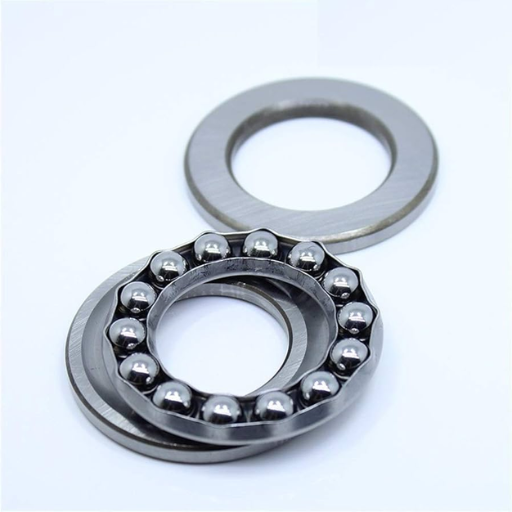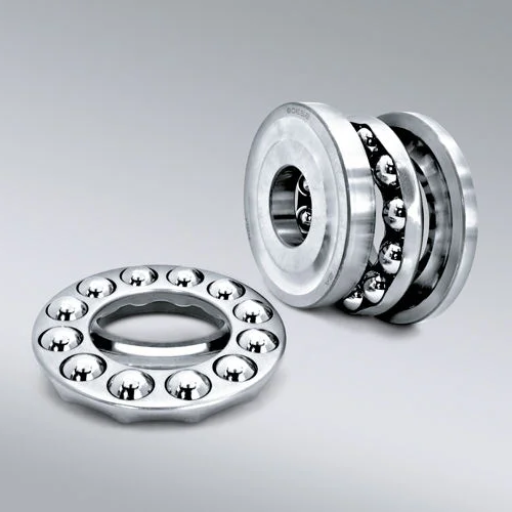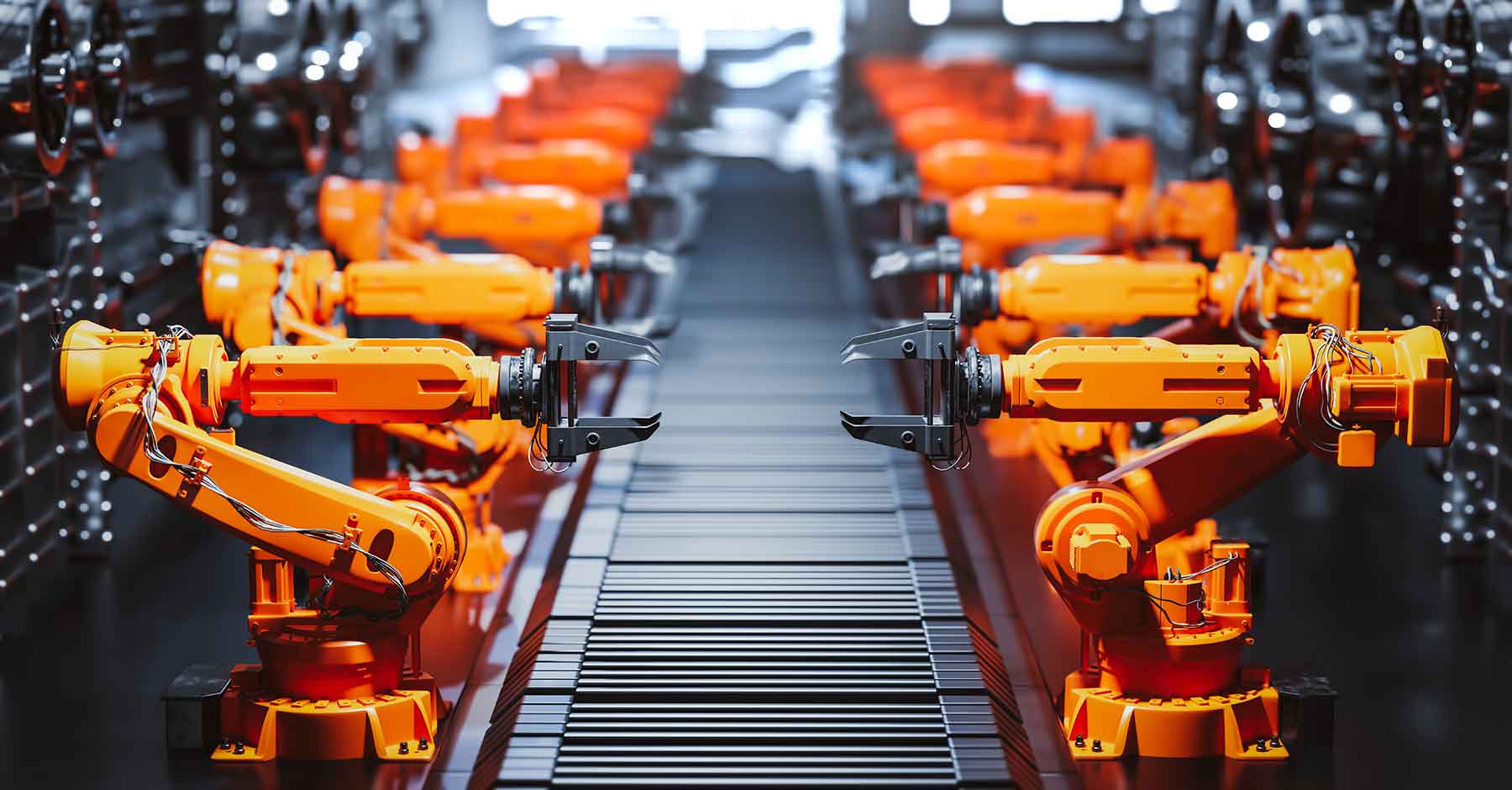



Every part of heavy-duty machinery is vital to its seamless functioning and flawless performance. Taper roller bearings are some of the critical components that keep it working under extreme pressure and load, although they often go unnoticed. These bearings are specifically made to manage radial and axial forces simultaneously, which makes them crucial for many businesses that require absolute dependence and exert unyielding pressure. This article examines the importance of taper roller bearings in heavy-duty machinery by reviewing their distinct structure, strength, and diverse application benefits. Whether you operate within the industry or are simply wondering about the mechanics of heavy equipment, this blog will greatly enhance your understanding of machinery components that actively aid progress.
What are the advantages of tapered roller bearings over other bearing types?
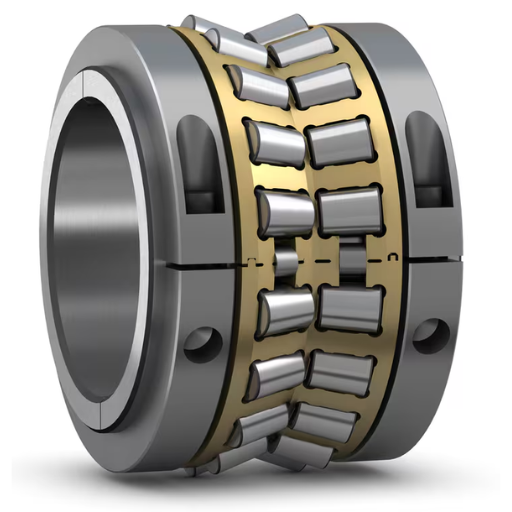
Tapered roller bearings have a set of advantages as compared to other types of bearings:
- High Load Capacity: Bearings can effectively support both radial and axial loads because of their unique design, making them suitable for heavy duties.
- Durability: The conical geometry evenly distributes stress due to low wear, extending the life of the bearing.
- Precision and Stability: Bearings keep alignment under heavy load, maintaining a dependable and smooth operation.
- Versatility: Tapered roller bearings can tolerate different speeds, making them workable for diverse machines and conditions.
Such benefits make the bearings the most suitable for industries working with rigorous and optimized productivity needs.
How tapered roller bearings handle combined radial and axial loads
Owing to their rotational symmetry, tapered roller bearings efficiently handle a combination of radial and axial loads. The inner and outer ring raceways, together with the rollers, taper at a particular angle. This allows the bearing to accommodate both types of loads simultaneously and control their distribution across the rolling elements. This unique property enhances the durability and reliability of the bearing. The capacity to endure these stresses makes tapered roller bearings optimum for places where axial thrust and radial forces coexist.
Comparing tapered roller bearings to ball bearings and cylindrical roller bearings
Each type of bearing has its application as well as distinguishing features, so do ball bearings and cylindrical roller bearings and tapered roller bearings. Owing to the many advantages, ball bearings find their use in places where high speeds are needed. They easily cope with radial loads in one direction and can sustain light axial loads because of their simplicity as the balls only touch the raceways at one point. However, with an increase in axial or even combined loads, ball bearings will fall short compared to their tapered roller thrust counterparts.
Cylindrical roller bearings are meticulously constructed to accommodate heavy radial loads because of the line contact that exists between the rollers and raceways. They are well suited for situations with heavy radial load and moderate speed. However, these bearings most often cannot sustain considerable thrust or axial loads, which reduces their flexibility in application in machines subjected to a combined system of forces.
Tapered roller bearings have an exceptional feature which is the ability to sustain and manage axial and radial loads simultaneously which makes them stand out from the rest. They have a greater operational life because their conical geometry allows the tapered roller bearings to sustain less frictional forces due to even load distribution across the entire cross-section of the bearing. They are commonly to see used on automotive wheel hubs or in gearboxes where both load types are present. Compared to cylindrical roller bearings, tapered roller bearings can sustain much higher axial forces. They also outperform ball bearings in such extremely demanding conditions.
The choice of the bearing type is primarily determined by the application, for example, load and speed parameters, required life, and failure criteria. For instance, tapered roller bearings are uniquely suited for tasks where strength reliability, and multitasking are necessities.
The significance of line contact in tapered roller bearing performance
The design of tapered roller bearings is particularly unique as it is based on the principle of line contact between rollers and raceways. As mentioned previously, this type of contact permits a greater surface area of a bearing to be affected by load than in the case of point contact which is characteristic of ball bearings. This decrease in stress concentration for tapered roller bearings translates to greater load capacity and an increase in durability under difficult conditions.
As an example, radial and axial forces can be directed into these bearings simultaneously and line contact enables these forces to be combined into a single point. Studies conducted by the industry showed that tapered roller bearings could take on axial loads from 60 to 100 percent of the radial load depending on the bearing contact angle. This ability, combined with the expectation of good alignment, leads to minimized friction and wear over long periods of operation.
In addition, tapered roller bearings are line contact bearings and therefore possess good heat dissipation properties because the greater the area over which heat is generated, the lower the concentration of heat. This is vital for high-speed machinery applications where excessive heat can lead to damaged machinery very quickly. Research also showed that optimized designs with line contacts achieve service life durations 25 percent longer than other types of tapered roller bearings under the same conditions, especially when installed in automobile hubs and industrial geared systems.
Utilizing line contact, tapered roller bearings offer better performance and dependability in critical use cases, maintaining operational performance throughout varying and challenging load conditions.
How does the unique geometry of tapered roller bearings affect their function?
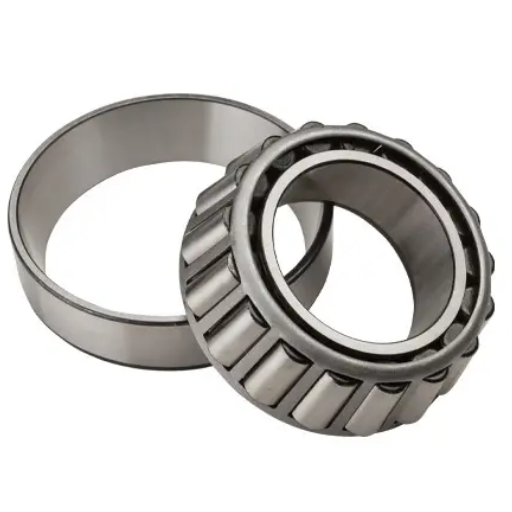
With tapered roller bearings, they can hold radial and axial loads simultaneously because of their distinctive geometry. The shape of the roller permits a better load distribution to rolling elements which lessens the pressure and increases the life span of a device. Moreover, these parts achieve exceptional holding power and alignment, making them preferred in applications where combined loads act or where movement precision is vital.
Understanding the contact angle and its impact on load distribution
The contact angle in tapered roller bearings is important in determining the radial and axial load distribution. It is the angle between the rolling elements’ action line and the perpendicular plane to the bearing axis. Higher contact angles improve the bearing’s ability to sustain axial loads, while smaller ones are optimal for radial loads.
Recent research and engineering analyses suggest that bearings with optimized contact angles maintain a balance of forces applied to them, thus reducing wear and tear. For example, bearings with apple angles greater than 15° experience longer life under heavy axial loads than those with lesser angles. Designers and engineers strive to precisely determine so-called optimal contact angles using numerous simulations and measurements to ensure standards of efficiency and trust.
Why tapered shape matters for bearing performance
The tapered form within the bearings is important in their operation for combined loading, which means both radial and axial loading. Tapered roller bearings differ from other types of bearings like cylindrical or spherical roller bearings because they have angled surfaces of contact that apply loads to the rollers and raceway in a distributed manner. This leads to a reduction of peak loads, friction, and stress that the bearing is subjected to thus increasing efficiency.
It has been shown that tapered roller bearings have an advantage in applications with high load requirements. For instance, a single tapered roller bearing depending on the contact angle can support axial loads as high as 60% of the radial load it was designed for. The angle is fairly steep, usually between 10° and 30°. This helps engineers when trying to optimize radial and axial load capabilities thus improving service life.
Furthermore, the tapered shape enhances geometric alignment which minimizes the chances of failures due to misalignment. Systems that make use of tapered bearings demonstrate as much as a 30% reduction in wear compared to conventional cylindrical designs according to data in bearings taper and cylindrical in high-stress situations. These advantages place tapered roller bearings as the most useful parts in automotive, aerospace, and heavy machinery industries where dependability and durability is critical.
The importance of inner ring, outer ring, and cage components
The inner and outer rings, along with the cage, are essential to the operation and performance of a bearing. The inner ring is normally fitted to the rotating shaft and contains the rolling components while enabling rotation. The outer ring, which is stationary relative to the housing, offers a robust reference frame over which the rolling elements can move. Load distribution and friction are critical factors that must be designed; hence, these rings undergo machining processes. Specialized research states that using high-grade steel material on these components would improve the bearing’s lifespan by as much as 40%.
While the cage, also known as a retainer, has a strong influence on allowing proper spacing between rolling elements and protecting against wear or overheating. Enhanced designs of cages such as those made of lightweight polymers or optimized metal cages with vents have decreased servicing noise by around 15%, while simultaneously improving lubrication flow and overall operational efficiency. All of those components work in unison towards reliability, guaranteeing that the bearing functions under extreme conditions, withstanding heavy dynamic loads across various applications.
What applications are tapered roller bearings best suited for?
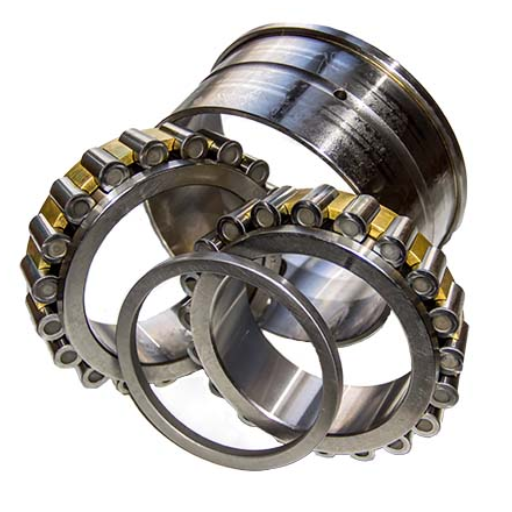
Tapered roller bearings perform optimally when the workload is radial and axial simultaneously. They find application in the automotive industry in places such as wheel hubs, gearboxes, and in differentials, as well as in construction and agricultural equipment. Also, they can be used in systems that require long-lasting endurance and accuracy such as conveyor systems, industrial gearboxes, and railcar axles. They are often the best option for these types of environments due to their ability to support high loads and remain stable under pressure.
Industrial machinery applications requiring heavy load handling
Machinery in the industry dealing with heavy workloads is put under a lot of pressure, and so, resulting in heavy load efficient handling is very important. Take, these spherical roller bearings, to consider. They are extremely popular due to their high demand accommodating in both axial and radial loads. These bearings can manage load capacities ranging from tens of thousands to millions of pounds based on their size and design.
Important uses encompass crane hooks, steel mills, and mining tools where performance under extreme strain is execution-critical. Their use in cast machines for steel production is one of the best-known, as bearings need to withstand high temperatures and immense loads with exactitude and precision. Industry research claims that the reliability of these parts decreases machinery downtime exponentially, in some instances improving productivity by up to 20%. Moreover, new developments in bearing design such as advanced steel composition and specific coating have improved resistance to wear and tear, and in some regions, operational life was increased by two-fold.
Such improvements are central to heavy industry verticals where the equipment malfunction risk is extremely costly. Maintaining productivity across industrial verticals, innovations about stability and dependability within heavy load handling components significantly enhance industrial productivity.
Why wheel bearings often utilize tapered roller designs
Tapered roller bearings are commonly used in wheel assemblies owing to their capability to support radial and axial loads simultaneously. This type incorporates conical rollers and raceways which enable the bearing to withstand considerable radial loads while absorbing significant thrust loads. The unique geometry also helps to achieve a uniform distribution of contact pressure, which minimizes wear and extends the service life of the bearing.
One notable taper roller bearing benefit is its ability to withstand extreme duty cycles in, for example, automotive or industrial applications. For example, in a bearing performance test study, tapered roller designs performed better concerning load-carrying capacity than other bearing types, prevailing under extreme conditions like high speeds and fluctuating loads. They also provide precise alignment within assemblies, allowing for reduced operational friction and enhanced energy efficiency due to lesser adjustable clearance.
Furthermore, the durability of tapered roller bearings is enhanced by high-strength advancements in the materials and manufacturing techniques used to make them. Stronger Designs have prevented failure during severe exposure to the dynamic forces and environmental stress present in the heavy vehicle industry. Prolonged use and exposure of the heavy vehicles used in the construction industry is another key reason these vehicles are so useful. The manufacturing industry is highly reliant on tapered roller bearings due to their reliability, safety, and performance in so many varied systems.
When tapered roller bearings are used in pairs for better performance
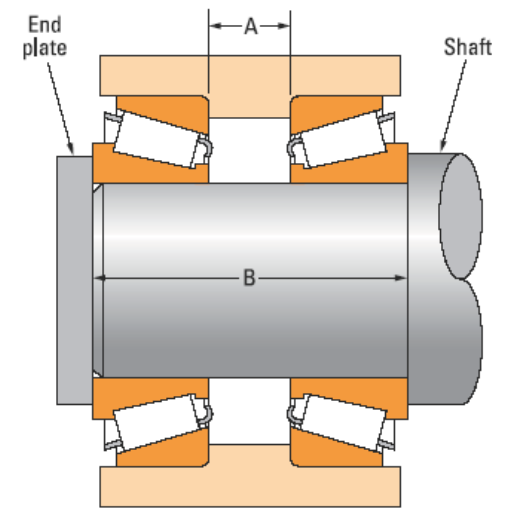
Tapered roller bearings are frequently utilized in pairs so that the combined loads can be shared and so that the performance can be improved. The paired configurations have to be designed to take the axial and radial loads in opposite directions for better application stability. Other arrangements also include back-to-back which is also known as DB, face-to-face which is known as DF, and tandem which is known as DT. Each arrangement is designated aside from the specific requirements of alignment and load distribution.
For instance, back-to-back arrangements are suitable for applications that require greater resistance to tilt owing to their high load-carrying capacity coupled with excellent rigidity. Systems with slight misalignment do rely on this setup, but not depend on it exclusively which is the benefit of face-to-face arrangements. Tandem pairings are best suited for supporting high axial loads in one direction.
From industry data, it has been reported that the dynamic paired tapered roller bearings are capable of increasing the load dynamic capacity by 30% compared to single-row bearings. This serves to directly improve the endurance of components like gearboxes, railway systems, and other machinery used in demanding conditions. Furthermore, tuned preloads and paired setups of advanced lubrication systems lower the friction as well as the heat produced, which increases the servicing lifetime and enhances the energy efficiency of the components.
Using such tapered roller bearings in selected pair arrangements is for sure going to provide the required safety and efficiency in bearing solutions for the given needs in precise industrial operations.
How do tapered roller bearings compare to spherical roller bearings?
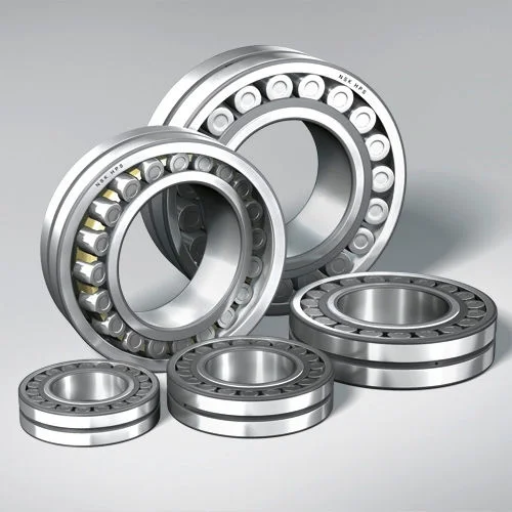
The design differences between tapered roller bearings and spherical roller bearings imply that they have different uses. Tapered roller bearings are perfect for applications that involve a combination of thrust and radial load due to the precise alignment they offer. It is best suited for tasks requiring linear motion with alignment that is tightly controlled.
Unlike tapered roller bearings, spherical roller bearings do well in case the equipment has misalignment or the shaft is deflecting. They can carry much heavier loads which makes them better when alignment is less certain. Spherical roller bearings are used when the ability to adapt to changing conditions is more critical than precision. The decision of which type of bearing to use depends on the requirements of the application.
Differences in axial and radial load capabilities
The axial and radial load handling differences between tapered roller bearings and spherical roller bearings must be considered when choosing the appropriate bearing for an application. Their distinct load capabilities are discussed in detail below.
- Tapered Roller Bearings
- Axial Load Capacity: The ability to support high axial loads by tapered roller bearings is outstanding. The degree of contact of the rollers and raceways applies to the axial loads. This leads to efficient performance in automobile wheel hubs and geared engines.
- Radial Load Capacity: Even though taper roller bearings do not perform as well with radial loads they still have a significant ability to function optimally. Best used in systems such as heavy-duty axle systems which have simultaneous axial and radial loads.
- Spherical Roller Bearings
- Axial Load Capacity: Adaptable with moderate axial loads but does not perform as well as tapered roller bearings with such loads. Their control of adaptability to misaligned bearings is exceptional unlike their ability to sustain high axial forces.
- Radial Load Capacity: Heavy radial loads are one of the areas where these bearings excel. Industrial conveyors or paper mill machinery applications have radial forces that are performed on them continuously, which is why spherical roller bearings are readily available.
Tapered roller bearings and spherical roller bearings have their advantages and drawbacks. A thorough review of the axial and radial load requirements of the application should help you make that choice.
When to choose tapered vs. spherical roller bearings
The difference between tapered and spherical roller bearings boils down to the application at hand. Here are some factors that might help you make the decision:
- Bearing Frame or Type of Load
Tapered roller bearings work best with mixed-type loads where there is a combination of radial and significant axial loads. They are easily applied in automotive gearboxes and cranes, as the design can efficiently bear forces of radial and significant axial loads. Many designs can bear axial loads up to 50 percent of radial loads.
Spherical roller bearings are best used where there are heavy radial loads accompanied by moderate axial loads because they bear heavy loads while accommodating misalignment. This makes spherical rollers useful in large pumps and vibrating screens as their shaft deflection and housing misalignment resilience is legendary.
- Deflection Misalignment Angle
The biggest advantage of spherical roller bearings is the correction of alignment tolerance. They correct misalignment of several degrees depending on the designed inner and outer geometry of the bearing. SBHRs are crucial in heavy machinery that works in difficult conditions because the parts constantly filled with bearing packing grease do not allow high precision shaft and housing.
In tapered roller bearings, the situation is inverted, with smoother installations needing an accurate bearing housing due to less tolerance in alignment.
- Speed and Friction Considerations
Tapered roller bearings usually outperform spherical bearings in speed due to a lower friction coefficient. Because of this, tapered bearings excel in applications where speed is critical. Spherical roller bearings are powerful, but their design and load-handling capabilities result in lower operational speeds.
- Temperature and Durability
Spherical roller bearings are commonly used in applications that require higher operating temperatures due to their construction, materials, and ability to handle lubrication maintenance in harsh environments. Although more durable, tapered roller bearings are best suited for applications with minimal temperature changes.
- Cost Efficiency
In most cases, tapered roller bearings are the most economical solution for moderate or high-speed applications and cases where high axial precision is essential. On the other hand, spherical roller bearings tend to have a higher upfront cost, but their lifetime value reduces heavy-duty application downtime significantly.
What are the key considerations for proper tapered bearing installation?
- Cleanliness: Care must be taken that all parts including bearing, housing, and shaft are clean. Remember, a clean environment should be maintained. Cleanliness is next to godliness. Lastly, make sure the bearing remains uncontaminated.
- Correct Fit: Check that the bearing is fitted onto the shaft and within the housing with the correct fit. Construction should adhere to the manufacturer’s specifications concerning interference and clearance fits.
- Lubrication: A lubricant of the right type and quantity should be applied as recommended by the manufacturer. Bearings are subjected to damage and always wear out prematurely due to lubricant insufficiency.
- Alignment: The bearings should be aligned in such a way that even distribution of load is achieved. Misalignment tends to lengthen the operational exercises.
- Preload or Clearance Adjustment: The preload or clearance settings must be based on application requirements so the bearing is angled for performance and longevity.
- Follow Manufacturer Guidelines: Rely on the instructions given by the bearing manufacturer. Make sure to follow each recommendation because he gives the critical points for proper use and installation.
Understanding preload and its effect on bearing life
Bearing preload is defined as the measured value of an axial or radial load applied to a bearing during bearing mounting or operation in order to remove internal clearances. The stiffening of a vibrating or rotating system of flexible components will also benefit from meticulously set preloads. Properly set preloads improve the performance, stiffness, and service life of a bearing while reducing vibration.
Accurate preloading has benefits such as reduction of loss of relative motion at the bearings machine elements interfaces, less sliding at high speeds (skidding), and better load distribution on the bearing’s contact surfaces. Nevertheless, gas dynamic bearings loaded beyond their optimum range tend to spin faster than is good for them and accrue frictional drag that will elevate operating temperature and shred mechanical parts in dismember psycho-mechanical freefall, shredding their surroundings.
The inaccurate setting of preload value also affects the rolling bearings detrimentally. In some, it can lead to an increase of as much as 50% in an ethereal lifetime if such arbitrary values are applied beyond reason. Slow-speed applications work better to evaporate heat produced due to the poor setting of variable exhaust vents which in speed setting parts of the system overheat to breach the 30 to 40 percent of rolling bearing failure threshold.
To determine and implement the optimal preload, consideration must be given to the type of bearing, the load conditions, the operating speeds, and possible temperature influences. Tightening applications and real-time measuring devices/sensors are examples of sophisticated technology that facilitates accurate preload modification. It is also important to note that relative instructions and ranges of these specifications are often provided by the prospective manufacturer’s reliability.
There is no doubt that proper management of preload within specified values during the entire operational life of the bearing improves its performance and increases its durability.
Common mistakes that cause tapered roller bearings to fail
- Insufficient or Incorrect Lubrication
Using an incorrect lubricant or one that comes in insufficient quantity is among the leading reasons of tapered roller bearing failures. In addition, poor lubrication increases friction, heat, and wear and tear. According to research, lack of proper lubrication is responsible for nearly 43% of bearing failures which makes it an important consideration while servicing bearings. Maintaining proper speeds, operating conditions and loads ensures that the best lubricant is selected and optimal performance is achieved.
- Contamination and Dirt
Grime refers to foreign matter like dust, dirt, or metal shavings that can /”cut into” a bearing system, resulting in contamination that can accelerate wear exponentially. Contamination tends to inhibit the rolling elements, raceways, and seals and can be detrimental to bearable life. With contamination playing a role in approximately 14% of bearing failures, reliable sealing measures combined with clean assembly measures become incredibly important.
- Incorrect Installation and Alignment
Using too much physical force during installations frequently results in one component being out of alignment with another leading to additional unwanted stresses and uneven load distribution. Bearings that sustain misaligned installations typically get the most of the damaging effects because by far the most significant is accelerated wear-and-tear outpacing loss of life expectancy. Proper tools, techniques, and alignment checks after assembly must be instituted.
- Excessive or Insufficient Preload
For the correct bearing operation, appropriate preload has to be achieved during assembly. Too little or no preload leads to play while too much preload results in increased friction such that too much heat is generated. Reduced operational life along with damage can be incurred from any of these actions. Avoiding this issue requires specialized measurement tools as well as manufacturer-specified preload settings.
- Overloading or Improper Load Distribution
Existing parameters of rolling elements and raceways can be permanently deformed by moving tapered roller bearings past their intended boundaries. Failure too soon can also be caused by improper machine design. Controlling monthly load checks and enforcing policies that ensure the bearing does not operate outside its rated capacity are critical to avoiding overloading.
- Insufficient Regular Maintenance
One of the most common oversights that reduce the life span of bearings is failing routine checks. Routine inspections are critical for spotting wear, lubricant failure or process contamination. If unchecked, even minor concerns will evolve into major breakdowns. Processed maintenance schedules along with timely inspections have been shown to vastly improve uptime while enhancing the upkeep of bearings.
Timely rectification of these factors not only cuts repair costs but also extends the optimal functioning and durability of tapered roller bearings.
Proper mounting techniques for tapered bearing assembly
Tapered roller bearings are sensitive components that require precise mounting to ensure optimal performance throughout their functional life. Premature wear, loss of alignment, and even operational failure of related equipment can result from incorrect installation. The following recommends best practices to achieve accurate and repeatable mounting.
1. Examine the Parts for Cleanliness and Damage
Before commencing assembly, ensure that all bearing parts, including the inner and outer rings, rollers, and separators, are free of damage, burrs, contaminants, and cleaned. Even minor debris has the potential to create a functional issue or negatively impact the accuracy of the bearing.
2. Bearings Must Be Well Handled
Bearings must be kept free from shock loading or contamination. Tools dented or with sharp edges that can leave scratches must be replaced with lifting slings and gloves, as direct glove contact with the surface can lead to scratches.
3. Fit the Components with Adequate Interference
The shaft and housing must be concentrically aligned for tapered roller bearings. Roughened surfaces must conform to volumetric skirt gaps. A press or specialty mounting tool must be employed when enforcing a fit because compressing the assembly with hammers may distort internal components.
4. Systematic Application of Lubrication
Efficient lubrication enables a bearing to function smoothly. Ensure the specified type and quantity of grease and oil is evenly spread over the bearing surface during assembly. Lubricating too much or too little has detrimental effects since these two scenarios can cause overheating and increased wear.
5. Adjustment of Bearing Setting
Clearance and preload require careful payment of attention. Too much preload may increase wear while excessive clearance may reduce rigidity. The system’s optimal setting varies based on the application and operating conditions. Some tools bearing analyzers and electronic setting devices offer more precision during adjustment.
6. Confirm Post Installation Alignment Checks
alignment can be checked with dial gauges and laser alignment measures, for the tapered bearing assembly. This enables check if the load can be, evenly split by the rollers, thus preventing concentrated wear or failure.
7. Conduct Assembly Checks Pre and Post Installation
These include examination of strong noise, smoothness of rotation, and how much heat is produced after running a new fitted machine at low speeds. Rectifying any operational hitches discovered during testing prevents systematic malfunctions from occurring later on.
By adhering to these steps and best practices, fully tapered roller bearing assemblies will function with optimal efficiency, minimal wear, and maximum longevity.
How do tapered roller bearings handle thrust loads in machinery?
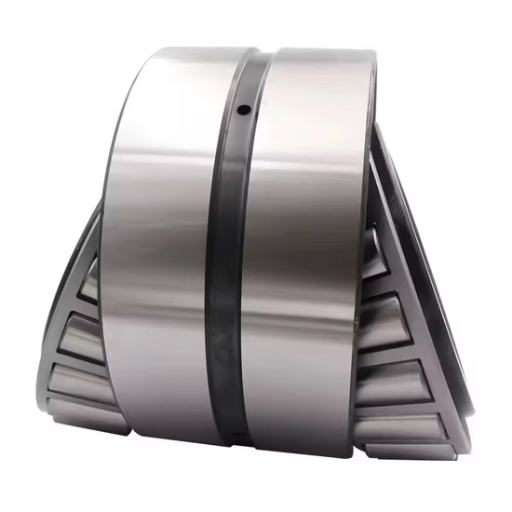
Tapered roller bearings use cone-shaped rollers and raceways to manage thrust loads on the bearing effortlessly, automatically offloading the thrust radial action onto supporting structures. Roller thrust bearings can accommodate racking forces because the angle of the rollers allows simultaneous management of radial and axial loads. This design is best suited for places where machinery must endure high axial loads, such as gearboxes and other pieces of heavy-duty machinery. Capable of supporting various load types simultaneously, these bearings are effective in harsh operational conditions.
The relationship between bearing axis orientation and thrust handling
The position of the axis of a bearing directly relates to how well it can take thrust loads. Bearings with a vertical axis are usually more appropriate for greater carry axial loads because the force acts in the direction of the axis which allows for load application without stressing the system. On the other hand, bearings with horizontal orientation often perform radial load support more effectively, although they can: support axial forces of low magnitudes depending on design.
Angular contact ball bearings, for instance, leverage the bearing axis orientation by providing a specific angle of contact that improves their ability to handle combined axial and radial loads concurrently. Research suggests that angular contact ball bearings sustain axial loads 40-50% greater than standard radial bearings because of their peculiar geometric configuration. Tapered roller bearings are also commonly used under massive thrust loads because of their conical geometry that provides stability, especially in automotive and heavy equipment industries.
The exact bearing axis alignment relationship in thrust handling is equally influenced by rotation speed, lubrication, and general load placement within the system. For instance, some studies claim that bearings with improper alignment suffer up to 25% efficiency losses as a result of force misdistribution, which emphasizes the critical nature of axis alignment in high-performance systems.
Why tapered bearings excel at managing axial forces
Due to the conical shape of tapered roller bearings, they are specially designed to sustain both radial and axial forces at the same time. Each component of the bearing including the inner and outer races as well as the rollers has been fabricated to an angle that permits greater contact area for the force to be applied. This makes it easier for the bearing to support large axial loads.
Another important benefit of tapered bearings is the adjustable contact angle that can be modified to fit different requirements. Research shows that increasing the contact angle further enhances the ability of the bearings to sustain axial loads which makes them ideal for use in automotive wheel hubs, gearboxes, and other heavy-duty machinery. Furthermore, new developments in material science, including high-strength steel alloys coupled with precision machining boast low rates of wear and prolonged service life even when facing extreme loads, ensuring these components are reliable.
Information gathered from industrial applications indicates that tapered roller bearings can withstand an axial load as much as three times greater than ball bearings of a similar size, depending on the configuration. In addition, the optimized lubrication channels further enhance their efficiency by reducing friction, which minimizes energy loss-making tapered roller bearings key components in high-performance systems. These attributes make tapered roller bearings critical in industries where failure is not an option and systems are subjected to heavy mechanical loads.
Reference Sources
-
Investigation of Drag and Churning Losses on Tapered Roller Bearings:
- Explores the drag and churning losses in tapered roller bearings when used in oil-lubricated environments.
- Highlights the advantages of tapered roller bearings in reducing friction and improving efficiency due to their internal design.
- Methodology includes experimental measurements of drag forces and analysis of bearing performance under different lubrication conditions.
-
- Focuses on the energy efficiency of tapered roller bearings in high-load applications such as automotive and mechanical systems.
- Discusses the optimization of roller face and rib contact geometry to enhance load capacity and reduce energy losses.
- Methodology involves elastohydrodynamic lubrication (EHL) modeling and geometrical optimization techniques.
-
Design and Fabrication of Emergency Braking System in Four-Wheeler:
- While primarily focused on braking systems, this study mentions the use of tapered roller bearings for their ability to handle combined radial and axial loads in automotive applications.
- Highlights the reliability and durability of tapered roller bearings in dynamic systems.
- Methodology includes the design and testing of braking systems incorporating tapered roller bearings.
- If you are looking for more information about Cylindrical Roller Bearings – Amigo go here right away
Frequently Asked Questions (FAQs)
Q: What are the key features of tapered roller bearings?
A: The key features of tapered roller bearings include their conical shape, which allows them to handle both radial and axial loads. The rollers are tapered, and they are typically arranged in pairs for better radial load distribution. This type of bearing is essential where high load capacities are required.
Q: How do bearing components in tapered roller bearings contribute to their performance?
A: Bearing components in tapered roller bearings, such as the raceway and cone, are designed to distribute loads evenly across the roller ends. This design minimizes friction and heat buildup, which enhances the performance and longevity of the bearings in heavy-duty machinery.
Q: Why are tapered roller bearings used in many industrial applications?
A: Tapered roller bearings are used in many industrial applications because they can support heavy radial and axial loads, making them ideal for heavy-duty machinery. Their durability and efficiency in handling loads make them a preferred choice compared to ball bearings or other types of roller bearings.
Q: What is the importance of the conical shape in tapered roller bearings?
A: The conical shape of tapered roller bearings is crucial as it allows the bearings to handle combined loads effectively. This design directs the load from the roller ends towards a point on the bearing axis, ensuring stability and reducing the risk of bearing failure under heavy loads.
Q: How do tapered roller bearings compare to ball bearings?
A: Tapered roller bearings differ from ball bearings in that they can handle much higher radial and axial loads due to their conical shape and roller design. Ball bearings, while suitable for light to moderate loads, cannot provide the same level of support for heavy-duty applications.
Q: What role does the axis of the bearing play in tapered roller bearings?
A: The axis of the bearing in tapered roller bearings is significant because it helps align the load through the bearing components, such as the rollers and raceways. This alignment ensures that the load is distributed evenly, preventing excessive wear and prolonging the bearing’s lifespan.
Q: What types of roller bearings are available besides tapered roller bearings?
A: Besides tapered roller bearings, other types of roller bearings include needle bearings, needle roller bearings, and thrust bearings. Each type has unique characteristics suited for different applications, with tapered roller bearings being favored for heavy-duty machinery due to their load-handling capabilities.
Q: Why might bearings fail if not properly utilized in heavy-duty machinery?
A: Bearings might fail in heavy-duty machinery if they are not properly utilized due to excessive loads, misalignment, or inadequate lubrication. Using the correct type of bearing, such as tapered roller bearings, and ensuring proper maintenance can prevent premature failure and extend the lifespan of the machinery.
Q: What is the significance of the roller element in tapered roller bearings?
A: The roller element in tapered roller bearings is significant because it directly contacts the raceways, allowing for the smooth and efficient transfer of loads. The tapered design allows for a greater contact area, which distributes the load more evenly and enhances the bearing’s load-carrying capacity.