



Ball bearings are fundamental components in various mechanical systems, playing a crucial role in reducing friction and supporting loads. However, not all ball bearings function the same way; their design and application vary depending on the type of load they are intended to support. This article focuses on the distinctions between thrust ball bearings and radial ball bearings, two widely used types of bearings in industrial and mechanical applications. We will explore their design, functionality, and specific use cases to provide a comprehensive understanding of when and why each type should be utilized. By the end of this blog, readers will be equipped with the knowledge to differentiate these two types of ball bearings and understand their unique contributions to mechanical performance.
What Is a Radial Ball Bearing?
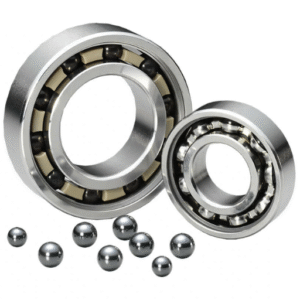
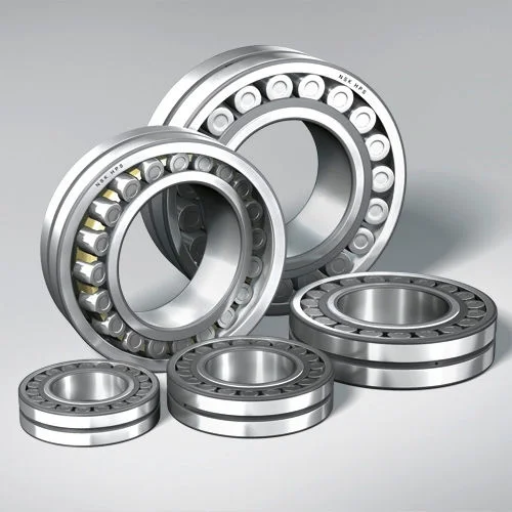
Radial ball bearings are a type of rolling-element bearing designed to primarily support radial loads—forces perpendicular to the axis of rotation. They consist of an inner ring, an outer ring, a cage, and a set of spherical balls that reduce friction and allow smooth rotational movement. The balls are evenly spaced within the cage, ensuring consistent load distribution and minimizing wear. These bearings are commonly used in applications such as electric motors, automotive wheels, and industrial machinery, where high-speed operations and low friction are critical. If you are looking for more information about thrust ball bearing vs radial ball bearing go here right away
How Are Radial Ball Bearings Designed?
Radial ball bearings are designed with precision to handle radial loads effectively while minimizing friction and wear. They consist of key components, including the inner ring, outer ring, balls, cage, and often seals or shields. The inner and outer rings are machined from high-strength steel for durability and serve as raceways for the rolling balls. The balls are typically made of hardened steel or ceramic to withstand high speeds and loads, while the cage ensures even spacing of the balls to prevent contact and reduce friction. Depending on the application, additional design elements such as seals provide protection against contaminants, or lubrication grooves enhance performance. Advanced manufacturing processes, such as heat treatment and grinding, ensure the necessary precision and strength for demanding environments in industries like aerospace, automotive, and manufacturing.
What Are the Applications of Radial Ball Bearings?
Radial ball bearings are extensively used across various industries due to their ability to handle both radial and axial loads, their efficiency, and their compact design. In the automotive sector, they are commonly employed in wheels, transmissions, and engines, where precision and durability are vital. Similarly, in the manufacturing industry, they are integral to machinery such as conveyor systems, pumps, and gearboxes, providing consistent performance under diverse operating conditions. Additionally, in aerospace applications, radial ball bearings are crucial for ensuring reliability in turbines, landing gear, and control systems, where precision and tolerance to extreme environments are essential. Their versatility makes them indispensable for numerous engineering and mechanical systems.
How Do Radial Loads Affect Performance?
Radial loads impact the performance of radial ball bearings by influencing their operational efficiency, lifespan, and structural integrity. When subjected to radial loads, which act perpendicular to the axis of rotation, the bearings experience stress along their raceways and rolling elements. Properly managing these loads is essential to prevent excessive wear, deformation, or failure.
Key technical parameters affected by radial loads include:
- Static Load Rating (C₀): Defines the maximum radial load a bearing can withstand without permanent deformation.
- Dynamic Load Rating (C): Represents the constant radial load a bearing can endure for a calculated lifespan, often measured in millions of revolutions.
- Fatigue Life (L₁₀): Predicts the operational lifespan of the bearing under specified load and speed conditions, where L₁₀ indicates that 90% of identical bearings can achieve this duration without failure.
- Contact Stress: Excessive radial loads increase stress at the contact points, potentially accelerating wear or leading to material fatigue.
Ensuring that radial loads remain within the bearing’s rated capacity is critical for maintaining optimal performance and avoiding premature failure. Proper selection of materials, lubrication, and alignment further enhances resistance to radial load impacts.
Exploring Thrust Bearings

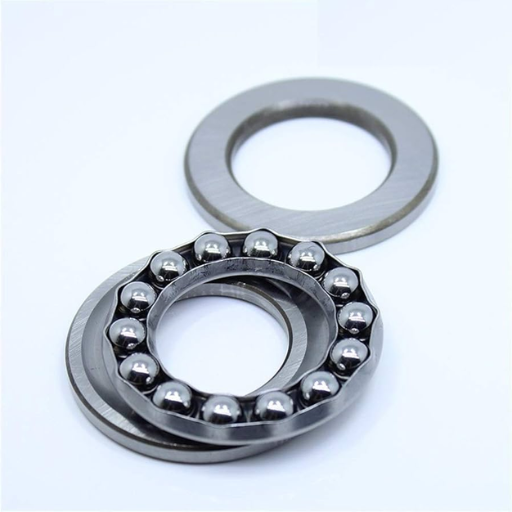
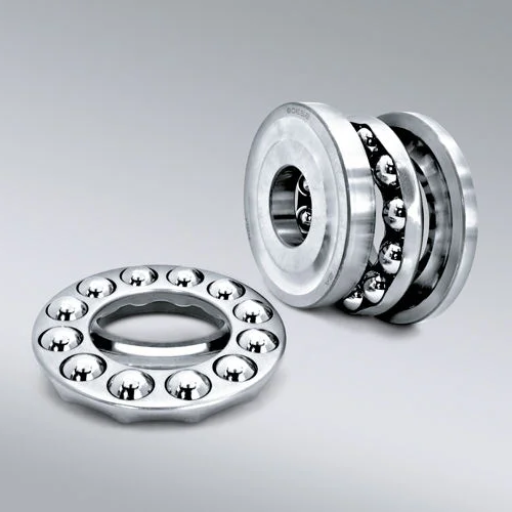
Thrust bearings are specialized components designed to accommodate axial forces, also known as thrust loads, within a mechanical system. Unlike radial bearings that primarily handle loads perpendicular to the shaft, thrust bearings manage forces acting parallel to the axis of rotation. They are commonly used in applications such as turbines, automotive drivetrains, and industrial machinery where axial stability is critical.
Key Considerations for Thrust Bearings:
- Material Selection: The choice of materials directly influences durability and load capacity. Hardened steel or ceramic materials are often preferred for enhanced wear resistance and high-performance characteristics.
- Load Capacity and Ratings: Every thrust bearing has a specified axial load limit. Operating within this range is essential to avoid issues like contact stress or material fatigue, similar to the considerations for radial bearings.
- Lubrication: Adequate lubrication minimizes frictional losses, dissipates heat, and reduces wear. Using a lubricant compatible with bearing materials and operating conditions ensures long-term reliability.
- Alignment and Installation: Proper alignment of shafts is crucial to prevent uneven force distribution, which can lead to premature bearing damage or failure.
By addressing these aspects, thrust bearings can deliver optimal performance and extended lifespan under demanding operational conditions.
What Are Thrust Bearings Designed For?
Thrust bearings are specifically designed to handle axial loads, which are forces applied parallel to the shaft’s axis. Their primary purpose is to support and manage such loads in rotating systems, ensuring reduced friction and smooth operation. They are commonly used in applications like automotive transmissions, turbine engines, marine propulsion systems, and industrial machinery.
Technically, thrust bearings are classified based on their design and application, including ball thrust bearings, roller thrust bearings, and fluid-film thrust bearings. Key performance parameters include load capacity, which ranges from a few hundred pounds for smaller bearings to thousands of pounds for heavy-duty industrial applications. Rotational speed capacities can vary, with some designs performing efficiently at speeds exceeding 10,000 RPM, depending on lubrication and material properties. Proper selection and maintenance of thrust bearings are critical for ensuring reliability and efficiency across various sectors.
How Do Thrust Loads Impact Efficiency?
Thrust loads directly influence the efficiency of mechanical systems by determining the stress and wear experienced by thrust bearings. When thrust loads exceed the designed capacity of the bearing, additional friction, heat generation, and material deformation occur, leading to reduced operational efficiency and potential component failure. Conversely, maintaining load levels within the bearing’s rated capacity, while ensuring proper lubrication and alignment, minimizes energy loss and prolongs the lifespan of the system. Hence, efficiency is maximized by precise load management and adherence to manufacturer specifications.
Where Are Thrust Bearings Commonly Used?
Thrust bearings are commonly used in applications where axial loads need to be supported, such as in automotive systems, industrial machinery, and marine propulsion. For instance, in automotive applications, thrust bearings are critical in manual transmissions to manage forces generated by helical gears, ensuring smooth operation. Industrial machinery employs them in turbines, compressors, and pumps, where they facilitate handling of axial forces to maintain system efficiency. Marine propulsion systems rely on thrust bearings to counteract propeller thrust and preserve the alignment of the drivetrain.
Key Technical Parameters:
- Load Capacity – Ensuring the bearing supports the maximum axial load as specified by the manufacturer.
- Lubrication Requirements – Efficient lubrication with proper viscosity to reduce friction and thermal buildup.
- Speed Rating – Ensuring operational speeds do not exceed the bearing’s maximum RPM.
- Material Composition – Typically steel or ceramic, designed for durability and heat resistance.
- Alignment Tolerance – Proper alignment to prevent uneven loading and premature wear.
The Difference Between Radial and Thrust Bearings

Radial and thrust bearings serve distinct purposes based on the direction of the loads they are designed to handle. Radial bearings are engineered to support loads perpendicular to the shaft’s axis, facilitating rotational or oscillatory motion with reduced friction. They are commonly found in applications like electric motors, conveyor belts, and bicycles.
Thrust bearings, on the other hand, are specialized to accommodate axial loads, which act parallel to the shaft’s axis. These bearings are often utilized in scenarios where axial stability is critical, such as automotive transmissions, rotary tables, and turbines. While radial bearings prioritize rotational support, thrust bearings focus on maintaining axial precision under heavy loads. Both types require proper installation, lubrication, and alignment to ensure maximum efficiency and durability.
What Is the Difference Between Radial and Axial Loads?
Radial and axial loads refer to the two primary types of forces that bearings are designed to accommodate. Radial loads are forces that act perpendicular to the axis of a shaft, commonly encountered in rotating machinery such as motors, wheels, and pulleys. These loads rely on the bearing’s ability to support and stabilize the shaft during rotation. On the other hand, axial loads, also known as thrust loads, act parallel to the shaft’s axis. These forces occur in applications like screw jacks, turbines, and gear assemblies where linear stability is crucial. The key difference lies in the direction of the load and the corresponding bearing design—radial bearings handle forces perpendicular to the axis, focusing on rotational support, while thrust bearings are engineered to sustain forces along the axis, ensuring axial precision.
How Do Radial and Thrust Bearings Compare in Structure?
From a structural perspective, radial bearings are designed with rolling elements, such as balls or rollers, positioned between inner and outer races to efficiently support forces perpendicular to the axis. Their construction prioritizes smooth rotational functionality, which is essential in applications like pulleys or wheels. On the other hand, thrust bearings typically feature flat or angular contact surfaces, with the rolling elements designed to handle axial loads effectively. These bearings are constructed to stabilize components under linear pressure, commonly found in systems like thrust washers or screw assemblies. Both designs emphasize durability and load capacity but are engineered with distinct geometries to address their specific directional force requirements.
What Are the Differences Between Radial and Thrust Bearings in Applications?
Differences Between Radial and Thrust Bearings in Applications
The primary difference between radial and thrust bearings lies in the direction of the loads they are designed to support. Radial bearings are engineered to manage loads acting perpendicular to the shaft’s axis, commonly referred to as radial loads. These bearings are widely used in applications like motors, gearboxes, and wheels, where the primary force operates at right angles to the shaft.
Thrust bearings, on the other hand, are specifically designed to accommodate axial loads, which act parallel to the shaft’s axis. These bearings are ideal for applications like vertical shaft systems, propeller shafts, and turntables, where components encounter linear or axial pressure.
Key Technical Parameters:
- Load Direction:
-
-
- Radial Bearings: Perpendicular (radial) loads.
- Thrust Bearings: Parallel (axial) loads.
-
- Design Geometry:
-
-
- Radial Bearings: Often feature cylindrical rollers or balls housed in a circular raceway.
- Thrust Bearings: Utilize flat or angular contact surfaces with rolling elements optimized for axial force.
-
- Speed Capabilities:
-
-
- Radial Bearings typically operate at higher rotational speeds due to their balanced design.
- Thrust Bearings generally support lower speeds owing to the increased friction from axial load handling.
-
- Load Capacity:
-
-
- Radial Bearings have moderate to high load capacities depending on design specifics.
- Thrust Bearings are explicitly engineered to handle high axial loads but perform less efficiently with radial forces.
-
By understanding these distinctions, engineers can select the correct bearing type, ensuring optimal performance and longevity in the specific application.
How to Select the Right Bearing for Your Needs

Key Factors to Consider
- Load Requirements:
-
-
- Analyze the type and magnitude of loads in the application (radial, axial, or a combination). Radial bearings are suitable for applications with predominantly radial loads, while thrust bearings are recommended for high axial load scenarios.
-
- Operating Conditions:
-
-
- Evaluate environmental conditions such as temperature, humidity, and exposure to contaminants. Sealed or shielded bearings may be necessary for adverse conditions to prevent contamination and ensure durability.
-
- Speed Ratings:
-
-
- Consider the bearing’s maximum allowable speed. Precision bearings designed for high-speed operations should be used in applications with rapid rotational motion.
-
- Material and Durability:
-
-
- Select bearings made from materials that align with your application’s requirements, such as stainless steel for corrosion resistance or ceramic hybrids for enhanced performance under specific conditions.
-
- Maintenance and Longevity:
-
-
- Determine if the application warrants low-maintenance bearings or if regular lubrication and inspection are acceptable. Pre-lubricated options may reduce downtime and simplify upkeep.
-
By systematically assessing these factors, you can ensure the chosen bearing aligns with both functional demands and operational constraints. This methodical approach minimizes risks of premature failure and maximizes efficiency in machinery performance.
What Factors to Consider When Choosing a Bearing?
When selecting a bearing, it is critical to evaluate several key factors to ensure optimal performance, reliability, and efficiency. These include:
- Load Capacity and Type
Bearings must be chosen based on the magnitude and nature of the load they will support.
-
-
- Radial Load occurs perpendicular to the shaft axis and requires radial bearings like deep groove ball bearings.
- Axial (Thrust) Load acts parallel to the shaft. Thrust bearings, such as cylindrical thrust or angular contact ball bearings, handle this load effectively.
- Combined Load (radial and axial) necessitates bearings designed for multi-directional stresses, like tapered roller bearings.
-
Technical Parameter: Maximum static and dynamic load ratings should align with ISO or ABMA standards for safety and durability.
- Operating Speed
The speed of rotation directly affects the choice of bearing type. High-speed applications, such as those in turbo machinery, often require low-friction bearings like ceramic ball bearings or high-precision angular contact bearings.
Technical Parameter: Reference speed and limiting speed should be verified in manufacturer catalogs relative to operating conditions.
- Temperature and Environmental Conditions
Bearings should be suited to temperature extremes and exposure to contaminants like dust, water, or chemicals.
-
-
- High-temperature environments may necessitate heat-resistant materials, enhanced cage designs, or special lubricants.
- Sealed or shielded bearings improve performance in contaminated environments.
-
Technical Parameter: Operational temperature range (e.g., -20°C to 150°C) and ingress protection (IP) rating as per expected conditions.
- Material and Coating
Material selection impacts corrosion resistance, fatigue life, and suitability for specific environments.
-
-
- Chrome steel (52100 steel) is common for general use.
- Stainless steel or ceramic materials are preferable in corrosive or lightweight applications.
- Anti-corrosion coatings, such as zinc or ceramic coatings, can extend operational life in harsh environments.
-
- Shaft and Housing Alignment
Misalignment can lead to irregular forces on the bearing, reducing service life. Self-aligning bearings, such as spherical roller bearings, are designed to handle misaligned shafts effectively.
Technical Parameter: Angular misalignment tolerance, typically in degrees, should meet application standards.
- Lubrication Requirements
Proper lubrication is essential for minimizing wear and friction. Options include grease-lubricated or oil-lubricated systems, with some bearings offering pre-lubrication for reduced maintenance.
Technical Parameter: Viscosity grade according to ISO VG standards and lubricant type suitable for operating temperatures.
- Size and Space Constraints
Space limitations influence bearing design; compact applications may benefit from thin-section or integrated bearings. Ensure dimensions fit without compromising load capacity or performance.
Technical Parameter: Bore diameter (d), outer diameter (D), and width (B) must align with application requirements.
- Lifespan and Maintenance
Longevity and ease of maintenance significantly affect overall costs. Selecting a bearing rated for sufficient service life can eliminate frequent replacements.
Technical Parameter: L10 life rating, which calculates the expected lifespan based on dynamic load and operating conditions.
By comprehensively assessing these factors and their respective technical parameters, you can select a bearing that aligns with the operational demands, environmental conditions, and mechanical constraints of the application.
How to Determine the Right Bearing for Your Machinery?
To determine the right bearing for your machinery, I start by evaluating the operational requirements, which include load type (radial or axial), speed, and expected service life. Next, I consider environmental factors such as temperature, contamination, and lubrication needs, as these directly impact bearing performance. With this information, I refer to manufacturer catalogs or online tools to match these parameters with suitable bearing types—ball bearings, roller bearings, or specialized designs. Finally, I cross-check the L10 life rating to ensure the selected bearing meets the application’s durability demands. Careful analysis at every step ensures optimal performance and reliability.
When to Use Roller Bearings Instead?
Roller bearings are ideal for scenarios where high radial loads, or a combination of radial and axial loads, must be accommodated. Unlike ball bearings, roller bearings have an elongated rolling element that maximizes contact with the raceway, enhancing load-carrying capacity. These bearings are particularly effective in applications characterized by heavy-duty use, shock loading, or misalignment.
You should consider roller bearings in the following cases:
- Heavy Radial Loads
-
-
- Roller bearings, such as cylindrical and spherical roller bearings, are designed to handle larger radial loads compared to ball bearings.
- Parameters:
- Radial load ratings often exceed 20,000 – 80,000 N depending on the size.
-
- Axial & Radial Load Combination
-
-
- Tapered roller bearings are suitable for managing both radial and axial loads simultaneously.
- Parameters:
- Axial load rating is proportionate to the roller angle, typically in the range of 10%–30% of radial capacity.
-
- Misalignment or Shaft Deflection
-
-
- Applications with inherent misalignment or shaft deflection benefit from spherical roller bearings due to their ability to correct angular misalignments (up to 3–5 degrees).
- Parameters:
- Alignment correction capacity of ±1.5°–3° is standard.
-
- High Shock Loads or Vibration
-
-
- Heavy machinery, such as in mining or construction, requires robust bearing solutions like spherical or cylindrical roller bearings that can absorb shocks and vibration.
- Parameters:
- Dynamic impact load-handling exceeds standard ISO or ABEC grades for durability.
-
Roller bearings are commonly utilized in conveyors, gearboxes, turbines, and car axles due to their diverse designs, including cylindrical, tapered, needle, and spherical configurations. Proper selection involves not only understanding load requirements but also considering speed constraints, lubrication systems, and any misalignment tolerances to ensure reliability over the operational lifecycle.
Understanding Types of Ball Bearings

Types of Ball Bearings
Ball bearings are categorized primarily based on their specific applications and operating conditions. Common types include:
- Deep Groove Ball Bearings – These are the most widely used due to their simplicity and capability to handle both radial and axial loads. They are ideal for high-speed applications, such as electric motors and household appliances.
- Angular Contact Ball Bearings – Designed to accommodate combined loads, these bearings are often used in equipment like pumps and gearboxes where high precision and stability are required.
- Self-Aligning Ball Bearings – These bearings can naturally compensate for minor misalignments, making them suitable for applications with potential shaft deflections, such as agricultural machinery.
- Thrust Ball Bearings – Specifically built for axial loads, these bearings are used in applications like crane hooks and turntables where axial load capacity is critical.
Each type requires careful consideration of load capacity, lubrication, and tolerance levels to optimize performance and lifespan. Proper alignment and maintenance practices are also paramount for reliability in varying industrial settings.
What Are Deep Groove Ball Bearings?
Deep Groove Ball Bearings are one of the most commonly used types of bearings due to their versatility and reliability. They are designed to handle both radial and axial loads, which makes them suitable for a wide range of applications, including electric motors, household appliances, automotive systems, and more. These bearings feature deep raceway grooves in both the inner and outer rings, allowing them to accommodate higher speeds while maintaining low friction. Made with precision engineering, they are highly durable and can be single-row or double-row designs. Proper lubrication and alignment are critical to ensuring their optimal performance and extending their service life across diverse industrial and commercial operations.
Exploring Angular Contact Ball Bearings
Key Features and Applications of Angular Contact Ball Bearings
Angular contact ball bearings are specifically designed to support combined loads, meaning they can handle both radial and axial forces simultaneously. Their construction involves raceways in the inner and outer rings that are offset relative to each other, enabling them to manage high-speed operations and increased axial loads. They are commonly found in high-performance applications, such as machine tool spindles, pumps, and gearboxes, due to their ability to maintain stiffness and precision under heavy operating conditions.
To answer your questions concisely, these bearings excel in applications requiring high load capacity, rotational accuracy, and durability. They rely on proper preload, alignment, and lubrication for optimal functionality and are available in various configurations, including single-row, double-row, and four-point contact designs, to suit specific mechanical requirements.
How do Rolling Elements Affect Performance?
Rolling elements play a critical role in determining the performance of a bearing by influencing friction, load distribution, and overall efficiency. The type, material, and size of rolling elements directly impact several key technical parameters:
- Friction and Efficiency: Rolling elements reduce friction compared to sliding contact by minimizing surface area contact. Their efficiency is characterized by the coefficient of friction, which typically ranges between 0.001 and 0.005 in well-lubricated bearings.
- Load Capacity: The number, shape, and size of rolling elements dictate the bearing’s axial and radial load capacity. For example:
-
-
- Single-row ball bearings are ideal for moderate radial loads.
- Cylindrical roller bearings provide higher radial load capacity due to line contact.
-
- Rotational Speed: Smaller rolling elements can support higher rotational speeds due to their reduced mass and lower centrifugal forces, often quantified by the bearing’s speed limit or DN value (bore diameter in mm × RPM).
- Durability and Wear Resistance: The material composition (common examples include chrome steel or ceramic) affects wear resistance and fatigue life, as governed by ISO standards for rolling contact fatigue (RCF).
- Vibration and Noise Control: Uniformly manufactured and precisely aligned rolling elements reduce operational noise and vibration levels, ensuring smoother performance.
Proper selection and maintenance of rolling elements, including adherence to preload, lubrication, and alignment guidance, are essential to optimizing these parameters and ensuring reliable bearing operation under specific mechanical and environmental conditions.
Reference Sources
- Radial vs Thrust Bearings: What’s the Difference?
- What Is the Difference between a Radial Ball Bearing and a Thrust Ball Bearing?
- What’s the Difference Between Bearings?
- How do radial vs. thrust loads affect ball bearing selection?
- Ball bearing – Wikipedia
Frequently Asked Questions (FAQs)
Q: What are the main differences between a thrust ball bearing and a radial ball bearing?
A: Thrust ball bearings are designed to support axial loads, whereas radial ball bearings are designed for radial loads. The contact angle in radial bearings allows them to handle a combination of radial and axial loads, unlike thrust bearings which primarily manage axial forces.
Q: How does the contact angle affect the performance of ball bearings?
A: The contact angle determines the ability of a bearing to support axial loads. In radial bearings, a smaller contact angle is used to primarily support radial loads, while a larger contact angle in thrust bearings helps in supporting axial loads.
Q: Can thrust bearings be used in applications requiring radial load support?
A: No, thrust bearings are primarily designed for axial loads and are not suitable for applications requiring significant radial load support. For such applications, radial bearings are recommended.
Q: What are the two main types of bearings used in various applications?
A: The two main types of bearings commonly used are radial bearings and thrust bearings. Radial bearings support radial loads, and thrust bearings are designed to support axial loads.
Q: What kind of bearing is suitable for assembling a lift mechanism?
A: For assembling a lift mechanism, radial bearings and thrust bearings can be used depending on the specific load requirements. Thrust bearings for assembling a lift are used when axial loads are predominant.
Q: What is a needle roller bearing and how does it differ from ball bearings?
A: A needle roller bearing is a type of bearing that uses small cylindrical rollers. It is different from ball bearings in that it can support higher radial loads due to its larger contact surface area, but it is generally not suited for axial loads.
Q: What are the different types of ball bearings available?
A: Different types of ball bearings include radial ball bearings, thrust ball bearings, angular contact ball bearings, and self-aligning ball bearings. Each type is designed to handle specific load types and conditions.
Q: Why is bearing configuration important in machinery?
A: Bearing configuration is crucial as it determines the efficiency and effectiveness of the machine’s operation. Proper configuration ensures the bearings can adequately support the required loads and extend the machinery’s lifespan.
Q: How do radial bearings and thrust bearings contribute to the performance of machinery?
A: Radial bearings and thrust bearings enhance machinery performance by reducing friction and wear, supporting loads, and maintaining alignment, which results in smoother and more efficient operation.