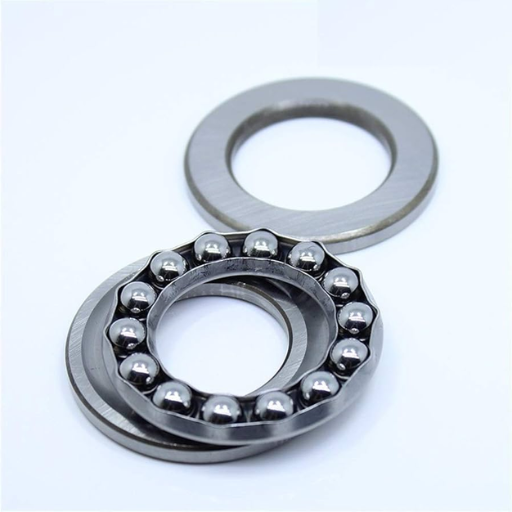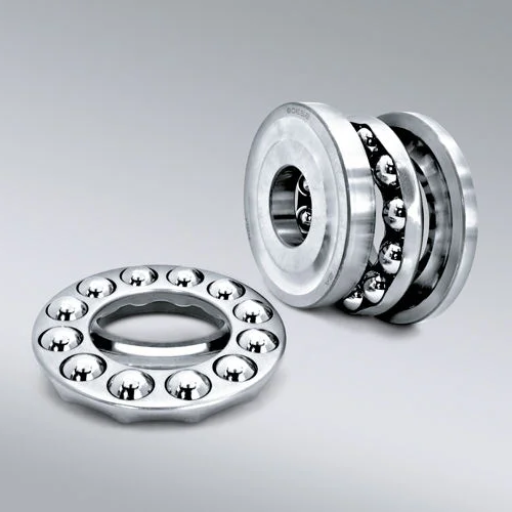
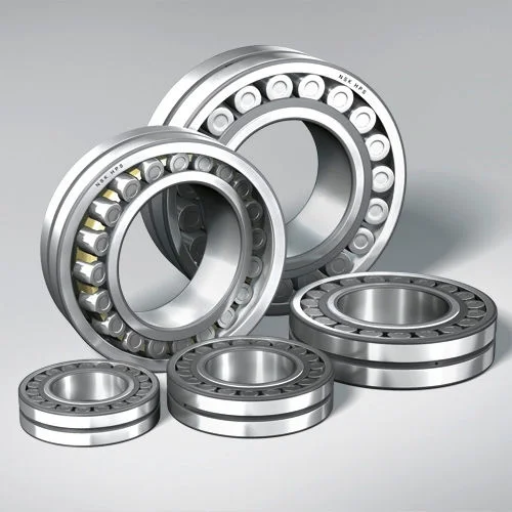



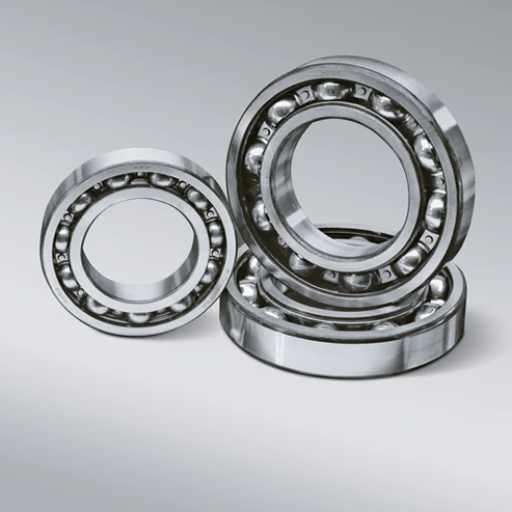
Ball bearings are critical components in a wide range of machinery, devices, and systems where minimizing friction and ensuring smooth rotational motion is essential. Achieving faster spinning ball bearings not only enhances efficiency but also improves the overall performance and longevity of the equipment they support. This article will provide a detailed overview of the factors that impact ball bearing speed, including proper lubrication methods, material selection, and maintenance practices. Additionally, we will explore advanced techniques such as precision machining and surface treatments to optimize bearing performance. Whether you are an engineer, a technician, or an enthusiast, this guide will equip you with actionable insights to maximize the speed and functionality of ball bearings in any application.
What Are the Best Ways to Spin Bearings Much Faster?
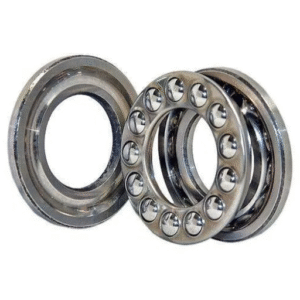
Optimizing Bearing Speed
To spin bearings much faster, start by ensuring proper lubrication. Use high-quality, low-friction lubricants specifically designed for high-speed applications, as inadequate lubrication increases friction and heat, hindering performance. Next, choose bearings made of durable, lightweight materials such as ceramic or hybrid configurations, which reduce rotational inertia and enhance efficiency. Precision machining is critical; implementing tight tolerances and precise alignment minimizes irregularities that could slow down the rotation. Additionally, applying surface treatments like coatings or polishing reduces surface roughness, further decreasing resistance. Lastly, maintain the bearings effectively through routine cleaning to eliminate debris and contaminants that can obstruct smooth motion. Implementing these strategies will significantly optimize the speed and performance of ball bearings.If you are looking for more information about make ball bearings spin faster go here right away
How Does Cleaning the Bearing Improve Speed?
Cleaning ball bearings is critical for maintaining and improving their operational speed. Over time, dirt, dust, and debris can accumulate within the bearings, creating friction and impeding the free movement of the rolling elements. Routine cleaning removes these contaminants, reducing frictional resistance and ensuring smooth and efficient motion. Additionally, cleaning helps prevent wear and corrosion that may compromise the integrity of the bearing surfaces. By maintaining a clean bearing, lubricants can also perform optimally, further reducing friction and heat buildup. Ultimately, clean bearings facilitate improved rotational speed and enhance overall performance while extending their operational lifespan.
What Role Does Lubrication Play in Spin Efficiency?
Lubrication plays a pivotal role in optimizing spin efficiency by minimizing friction and reducing heat generation between moving components. It creates a thin film that separates contact surfaces, ensuring smoother motion and preventing direct metal-to-metal contact, which can lead to wear and inefficiency. Proper lubrication also helps dissipate heat, maintain consistent performance, and extend the lifespan of the parts involved. By using the appropriate type and quantity of lubricant, I can ensure maximum rotational speed and stability, ultimately achieving the best possible spin efficiency.
Are Ceramic Bearings Worth the Investment for Faster Speeds?
Ceramic bearings can indeed be worth the investment for achieving faster speeds, particularly for high-performance applications. They offer several advantages over traditional steel bearings, mainly due to their material properties and precision engineering. Ceramic bearings are lighter, harder, and smoother compared to steel bearings, resulting in reduced friction, lower rolling resistance, and improved efficiency.
Key Technical Parameters:
- Friction Coefficient: Ceramic bearings have a significantly lower coefficient of friction compared to steel, typically around 0.001 to 0.005 depending on load and lubrication, which contributes to their smoother operation.
- Rotational Speed (RPM): Ceramic bearings can sustain higher rotational speeds, often exceeding 1.5x that of steel bearings in similar conditions, making them ideal for demanding speed applications.
- Weight Reduction: The density of ceramic materials is approximately 60% lower than steel, reducing overall rotational mass for better performance.
- Thermal Stability: Ceramic bearings can operate at higher temperatures (up to 1000°F / 537°C, depending on the material composition), maintaining performance under intense heat without deformation or failure.
- Durability and Longevity: Ceramic materials are highly resistant to wear, corrosion, and fatigue, often lasting 2-5 times longer than conventional steel bearings with proper maintenance.
While ceramic bearings offer superior performance benefits, their cost is significantly higher than standard steel bearings. For casual or low-intensity applications, the investment might not yield proportional advantages. However, for competitive contexts such as cycling, motorsports, or precision machinery, the performance gains justify the expense, making ceramic bearings a smart upgrade for those seeking peak speed and efficiency.
How to Properly Clean and Lubricate Your Bearings
Step-by-Step Guide to Cleaning and Lubricating Bearings
- Remove the Bearings
Carefully disassemble the equipment to access the bearings. Use appropriate tools to avoid damaging the surrounding components.
- Inspect for Damage
Before cleaning, inspect the bearings for visible signs of wear, cracks, or corrosion. Replace any damaged bearings as cleaning will not restore functionality.
- Clean the Bearings
Submerge the bearings in a specialized cleaning solution or isopropyl alcohol to dissolve dirt, grease, and debris. Use a soft brush if necessary. Ensure the bearings are completely free of contaminants.
- Dry the Bearings
Allow the bearings to air dry completely or use compressed air to remove any residual moisture. Moisture can lead to rust, so ensure thorough drying.
- Apply Lubrication
Use a high-quality bearing lubricant appropriate for the application (e.g., lightweight oil for speed applications or grease for durability). Apply a few drops evenly across the bearing surfaces, avoiding over-lubrication.
- Reassemble the Equipment
Carefully reinstall the bearings into the equipment. Ensure they are seated properly and aligned to maintain optimal performance.
- Test and Maintain Regularly
Post-reassembly, test the equipment for smooth operation. Clean and lubricate the bearings periodically to prolong their lifespan and maintain efficiency.
What Tools and Solvents Are Needed for Cleaning?
To effectively clean bearings and related components, a specific set of tools and solvents is required to ensure thorough and precise maintenance:
Tools:
- Soft-Bristle Brushes: Used to remove dirt and debris without damaging the bearing surfaces.
- Compressed Air Canister: Ideal for clearing out fine particles and drying components after cleaning.
- Non-Abrasive Cleaning Cloths or Rags: Used to wipe down components and apply solvents consistently.
- Bearing Removal Tools: Essential for safely disassembling the equipment to access bearings without causing damage.
- Protective Gloves and Safety Glasses: Provides safety while handling cleaning solvents and chemicals.
Solvents:
- Isopropyl Alcohol (IPA) 90% or Higher: A common choice due to its effective cleaning properties and rapid evaporation rate.
- Kerosene or Mineral Spirits: Often used for dissolving grease and dirt; ensure proper ventilation during use.
- Designated Bearing Cleaning Solvent: Specialized solvents recommended by manufacturers to ensure compatibility with bearing materials and minimize corrosion risks.
- Water-Based Degreasers (pH-neutral): Safer for environmentally sensitive applications while being effective in dissolving oils and grease.
Technical Parameters of Solvents:
- Isopropyl alcohol should maintain a minimum concentration of 90% to ensure effective cleaning and reduced residue.
- Industrial kerosene and mineral spirits should meet standards for low flashpoints (approximately 37-65°C / 98-150°F) to ensure safe handling in controlled environments.
- The selected water-based degreaser should have a pH range of 6-8 to avoid damage to seals or coatings.
Using the right tools and solvents not only cleans bearings effectively but also prevents premature wear, ensuring optimal performance and extending equipment longevity. Always follow manufacturer recommendations for specific cleaning practices and product compatibility.
Steps to Effectively Lubricate Ball Bearings
- Clean the Bearings
Before applying any lubricant, ensure the bearings are thoroughly cleaned and free from contaminants. Use a compatible solvent or degreaser, and allow them to dry completely to prevent dilution or interference with the lubricant.
- Select the Appropriate Lubricant
Choose a lubricant that aligns with the operational demands of the bearings, such as temperature range, load capacity, and rotational speed. For most applications, a high-quality grease with the appropriate viscosity and additives is recommended.
- Apply the Lubricant Properly
Using a grease gun or applicator, add lubricant until you see it start to purge from the sides of the bearing seals. Avoid over-lubrication, as this can lead to overheating or additional friction during operation.
- Reassemble and Test
After lubrication, reinstall the bearings correctly, ensuring alignment and proper fit. Perform a test run to confirm smooth operation and monitor for any abnormalities such as noise or vibration.
Regularly inspect and re-lubricate based on manufacturer guidelines or operating conditions to maintain peak performance and prolong the service life of the bearings.
Common Mistakes to Avoid During Cleaning and Lubrication
- Using Incorrect Cleaning Agents
One of the most frequent errors is selecting cleaning solutions that are incompatible with the bearing material. Always consult the manufacturer’s recommendations to ensure the cleaning agent will not degrade or damage the components.
- Over-Lubrication
Applying excessive lubricant can lead to increased heat generation and potential seal failure. It is essential to follow prescribed lubrication volumes to avoid operational inefficiencies.
- Under-Lubrication
Conversely, insufficient lubrication can result in metal-to-metal contact, accelerated wear, and early equipment failure. Always adhere to schedule-based lubrication intervals as recommended by the manufacturer.
- Mixing Different Lubricants
Combining incompatible lubricants can cause chemical reactions, compromising the effectiveness of the lubrication. Ensure that only the approved type and consistency of lubricant are used.
- Improper Storage of Bearings
Contaminants such as dust, moisture, or dirt can infiltrate improperly stored bearings, leading to issues during operation. Always store bearings in clean, dry, and temperature-controlled environments until ready for use.
Avoiding these mistakes is crucial for ensuring the reliability and longevity of your equipment. Proper cleaning and lubrication practices, paired with adherence to manufacturer guidelines, significantly reduce maintenance-related failures.
What Are the Differences Between Ceramic and Steel Bearings?
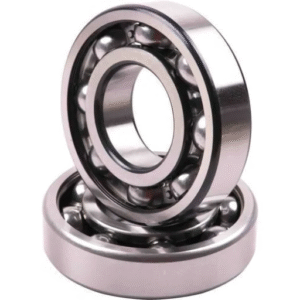
Ceramic and steel bearings differ primarily in their material composition, performance characteristics, and applications. Ceramic bearings, often made from silicon nitride or zirconium oxide, are significantly lighter and harder than their steel counterparts. This translates to reduced friction, higher speed capabilities, and superior wear resistance. Additionally, ceramic bearings are non-corrosive and can operate effectively with minimal lubrication, making them suitable for environments where moisture or chemicals may pose a challenge.
On the other hand, steel bearings are typically more affordable and readily available. They offer high durability and can comfortably handle heavy loads, making them ideal for applications requiring robust performance under significant stress. However, steel bearings are more prone to corrosion and generate greater friction compared to ceramics. Ultimately, the choice between ceramic and steel bearings depends on factors like operating conditions, load requirements, and cost considerations.
Which Type Offers a Smoother Spin?
Ceramic bearings are widely regarded as offering a smoother spin compared to steel bearings. The primary reasons include their lower friction coefficient, reduced thermal expansion, and lighter weight. Unlike steel bearings, ceramic options experience minimal deformation under load, ensuring a consistent, efficient rotation. Additionally, their resistance to heat and corrosion minimizes wear over time, maintaining performance. While steel bearings can perform adequately for most standard applications, the superior material properties of ceramics make them the preferred choice for high-speed or precision environments requiring exceptionally smooth operation.
How Do Ceramic Balls Reduce Friction?
Ceramic balls reduce friction primarily due to their material properties, including their smooth surface finish, high hardness, and low coefficient of friction. Unlike steel counterparts, ceramic balls generate less rolling resistance because their polished surfaces minimize microscopic imperfections, reducing contact points. Furthermore, their lightweight nature lessens centrifugal forces at high speeds, enhancing operational efficiency. Key technical parameters include a typical coefficient of friction between 0.001 and 0.002 (without lubrication), a hardness range of 75-85 HRC, and a density of approximately 3.2 g/cm³ (for silicon nitride). These attributes collectively ensure reduced energy loss, longer bearing life, and superior performance in demanding applications.
How to Choose the Right Bearings for Skateboarding?
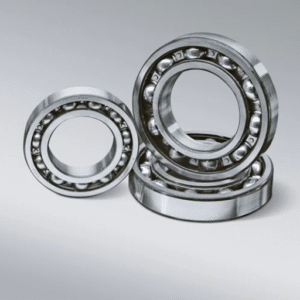
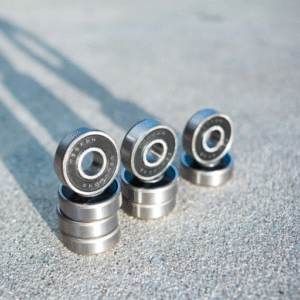
When choosing bearings for skateboarding, several key factors should be considered to ensure optimal performance and longevity. Material composition is critical, with options such as steel and ceramic offering durability and varying levels of friction resistance. ABEC ratings provide a standardized measure of precision, though higher ratings are not always necessary for skateboarding. Pay attention to lubrication type, as pre-lubricated bearings require less maintenance and perform well under regular conditions. Additionally, opt for sealed or shielded bearings to protect against dirt and debris, a common issue in skateboarding environments. Lastly, evaluate the cost-to-performance ratio to match your skill level and intended usage, ensuring a balance between affordability and quality.
What Is the Importance of Precision Bearings in Skateboarding?
Precision bearings are critical in skateboarding because they directly influence speed, control, and overall performance. High-quality bearings reduce friction, enabling smoother rotations and higher speeds, which is essential for executing tricks and maintaining stability. They also offer greater durability, reducing the need for frequent replacements, particularly under the demanding conditions of skateboarding. By opting for precision-engineered bearings, skaters can achieve a more consistent, reliable ride that enhances their experience on varied surfaces.
How to Determine the Appropriate Bearing Speed for Your Needs?
Selecting the correct bearing speed depends on multiple factors, including the type of application, load conditions, and operational environment. Bearings are typically rated using their limiting speed, which is determined by parameters such as size, lubrication, material, and operating temperature.
- Understand the Speed Ratings
Bearings generally have two key speed ratings:
-
-
- RPM (Revolutions Per Minute): Manufacturers provide a maximum RPM value called the “limiting speed.” This indicates the highest speed at which the bearing can operate without overheating or sustaining damage.
- Pitch-Line Velocity: For larger bearings, pitch-line velocity (calculated as diameter × rotational speed) is an additional criterion. Ensure this value aligns with application requirements.
-
- Consider the Load and Application
-
-
- If you are dealing with high-speed, low-load applications (e.g., small electric motors or precision machinery), opt for bearings with minimal friction like ceramic or hybrid types.
- For high-load, moderate-speed operations (e.g., heavy industrial equipment), prioritize load-carrying capacity over maximum speed by selecting robust steel bearings with suitable lubrication.
-
- Evaluate Lubrication and Cooling
Proper lubrication is critical to maintaining bearing performance. High-speed applications often benefit from synthetic lubricants that reduce heat and wear. For extreme speeds, consider using grease or oil with a lower viscosity to minimize drag.
- Assess Environmental Conditions
Dust, moisture, vibration, and temperature extremes can affect performance. Bearings with sealed or shielded designs can mitigate these risks, while heat-resistant lubricants and high-performance coatings help manage elevated operating temperatures.
- Key Technical Parameters
Some widely accepted bearing specifications include:
-
-
- Steel Bearings: Limiting speeds of 5,000–30,000 RPM, depending on size and lubrication.
- Ceramic Bearings: Higher speed limits, often exceeding 50,000 RPM while offering superior heat resistance.
- Lubrication Requirements: Match lubricant type and viscosity to specific RPM and temperature ranges.
-
By analyzing these factors alongside manufacturer data, you can choose the ideal bearing speed to match your operational demands. Always consult engineering guidelines and specific product datasheets to finalize your selection.
Are 608 Bearings Suitable for All Skate Setups?
From my research across reputable sources, 608 bearings are considered a standard option for most skate setups due to their versatility and widespread compatibility with skateboard and roller skate wheels. However, their suitability ultimately depends on the specific requirements of your setup. Factors such as wheel size, deck type, and intended use—whether casual cruising, tricks, or high-speed skating—play a critical role. While 608 bearings perform well in standard applications, setups designed for niche purposes, such as downhill racing or aggressive inline skating, may require specialized bearings that offer higher load capacities or enhanced precision. It’s always important to balance performance goals with the bearing specifications to ensure optimal results.
How Do External Factors Affect Bearing Speed?
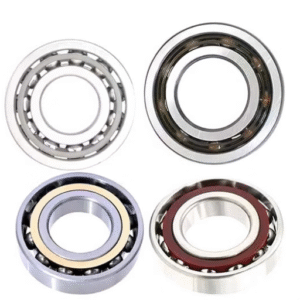
External factors significantly influence bearing speed by impacting friction, heat generation, and overall performance. Environmental conditions such as temperature, humidity, and the presence of contaminants like dust or debris can increase resistance and impede smooth operation. Proper lubrication is critical to mitigate friction and maintain efficient rotation, as inadequate or improper lubrication can lead to overheating and bearing wear. Additionally, load variations, including axial and radial forces, can cause stress on bearings, potentially reducing their speed and lifespan. Ensuring optimal operating conditions and regular maintenance can help minimize these external influences and maintain consistent bearing performance.
How Does Dust and Rust Impact Spin Efficiency?
Dust and rust significantly hinder spin efficiency by introducing physical impediments and promoting surface degradation. Dust particles can infiltrate the bearing surfaces, creating abrasive effects that increase friction and accelerate wear, ultimately reducing rotational speed and efficiency. Rust, caused by oxidation in the presence of moisture, leads to corrosion on metal components, which not only weakens the structural integrity of the bearing but also creates a rough surface texture further impairing smooth operation. Together, these contaminants compromise precision, increase energy consumption, and shorten the lifespan of rotational systems. Regular cleaning, proper sealing, and the application of anti-corrosive treatments are essential to mitigate these effects.
Can Temperature Changes Influence Bearing Performance?
Yes, temperature changes can significantly influence bearing performance. High temperatures can cause lubricant degradation, reducing its viscosity and leading to increased friction and wear. Conversely, low temperatures can cause the lubricant to thicken, limiting its ability to flow and provide adequate protection. Additionally, thermal expansion or contraction of bearing materials can alter clearances and tolerances, potentially impacting functionality. Maintaining proper lubrication and selecting bearings designed to withstand specific temperature ranges are crucial for optimal performance.
Reference Sources
-
SMB Bearings: How do you make ball bearings spin faster? – Discusses techniques like removing lubricant for better spin.
-
ScienceDirect: Improvement of ball bearing performances – Explores methods to enhance bearing performance by reducing contact pressure.
-
CED Engineering: Factors Influencing the Performance of Ball and Rolling Bearings – Provides insights into factors affecting ball bearing efficiency.
-
Reddit: TUTORIAL – How to Increase Spin Time – Offers practical advice on cleaning and maintaining bearings for better spin.
-
Quora: How to make my bearings go at the fastest possible speed – Shares user experiences and tips for optimizing bearing speed.
Frequently Asked Questions (FAQs)
Q: What are some ways to make my ball bearings spin faster?
A: To make your ball bearings spin faster, ensure they are clean and well-lubed. Use a speed cream or a light oil specifically designed for bearings, and make sure to remove any dirt or debris from inside the bearing.
Q: Can using WD-40 help in making bearings spin faster?
A: While WD-40 can initially help to clean and remove grime from inside the bearing, it is not a suitable long-term lubricant. For optimal performance, use a lubricant designed for bearings after cleaning with WD-40.
Q: How does the shield affect the speed of a bearing?
A: The shield helps to protect the inside of the bearing from dirt and debris. However, if you are seeking higher performance, using a removable shield can make it easier to clean and lube the bearing, potentially allowing it to spin more smoothly.
Q: What type of lubricant should I use for my fidget spinner bearings?
A: For fidget spinners, a light, high-quality lube such as speed cream is recommended. It helps the bearings to get a smoother and faster spin without making them too noisy.
Q: Is it better to have a dry bearing or a lubed bearing for high RPMs?
A: A lubed bearing is generally better for achieving high RPMs because the lubricant reduces friction and allows the bearing to spin smoothly and quietly.
Q: How often should I clean and lube my longboard bearings?
A: It depends on usage and environmental conditions, but a good practice is every few months or if you notice the bearings becoming noisy or not spinning smoothly. Regular maintenance helps keep the bearing in top condition.
Q: Are new bearings typically faster than old ones?
A: New bearings can be faster if they are of high quality and properly lubed. However, well-maintained older bearings can also perform excellently. It’s essential to keep the bearing clean and lubed to maintain speed.
Q: What should I do if my bearing starts to rattle?
A: If your bearing starts to rattle, it may indicate a need for cleaning or lubrication. Check for any debris or damage inside the bearing and apply the appropriate lube to ensure smoother operation.
Q: Can I use paint thinner to clean my bearings?
A: Yes, paint thinner can be used to clean bearings, but it should be done carefully. Fully dry the bearing after cleaning and apply a suitable lubricant before using it again. This ensures the bearing spins smoothly and remains protected.
Q: Are there specific bearing manufacturers recommended for faster spinning?
A: Brands like SKF are well-known for quality bearings. Selecting bearings from reputable manufacturers often ensures better performance, longevity, and a smoother spin.