


Within the field of induced rolling processes, needle roller bearings concentrate on distinguishing motion in a specific manner to reduce resistant torque, increase life span, and boost performance. Smooth movement and operational efficiency are critical. To retain high performance, routine maintenance, and appropriate installation are necessary. Whether you are an expert or a novice in this field, proper practices like informed decision-making when replacing them will enable you to save significant time, and costs, and avoid delays.
In this article resources, we will inform you of ways wherein you will be able to master these exceptional piece-by-piece tips on the installation and inspection of outdated but reliable Japanese bearings to spare you the numerous issues commonly arising from negligence. The end goal is machinery and equipment at optimal availability and capable of perfect performance.
What Are the Different Types of Needle Roller Bearings?
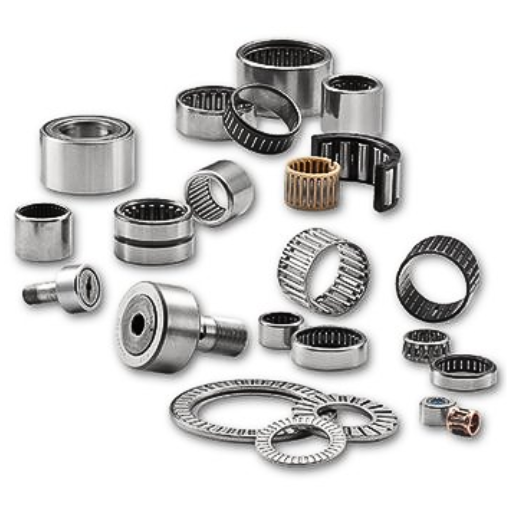
Needle roller bearings come in various types, each designed to meet specific application needs. The main types include:
- Drawn Cup Needle Roller Bearings: These are comprised of precisely shaped thin-walled outer rings that greatly reduce mass while providing ample strength. Along with limited availability of space, these are engineered for applications that require maximum compactness.
- Needle Roller and Cage Assemblies: This type only consists of the needle rollers and a cage. They offer exceptional load-bearing capabilities along with efficiency in restricted spaces.
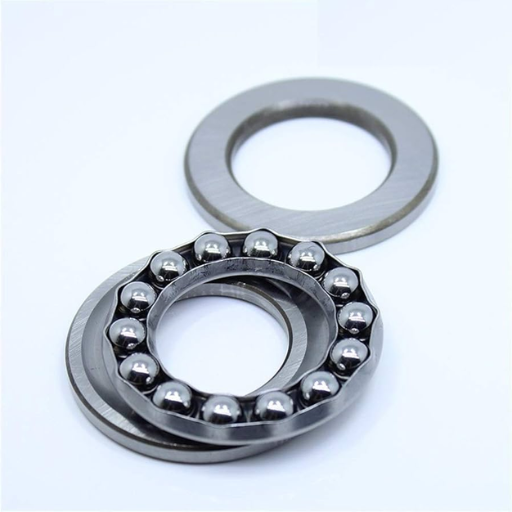
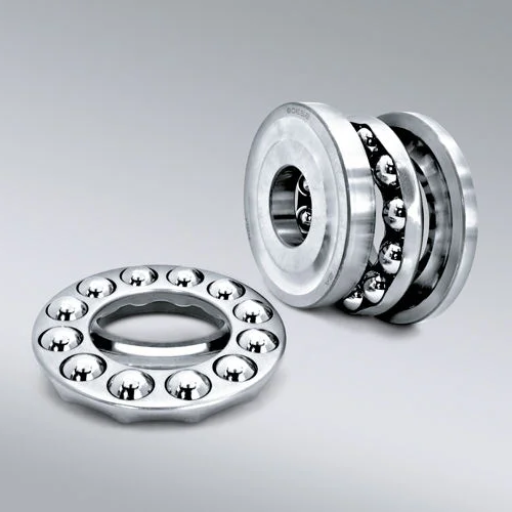
- Thrust Needle Roller Bearings: These provide support for axial loads while also offering dependable support for situations where space is constrained.
- Solid Needle Roller Bearings: Equipped with a solid outer ring, these provide stronger and more durable bearing support for heavy-duty applications.
Every class is tailored to distinct operating environments, providing flexibility and dependability across multiple domains.
Understanding Various Needle Roller Bearing Installation Methods
Correct installation techniques of needle roller bearings play a huge role in their performance and efficiency. Here are some methods to follow to ensure proper procedures with their step-by-step explanation:
- Press Fitting: Defined bore bearings with a tight interference fit are best suited to this strategy. Bearings are pressed using a hydraulic or mechanical press which applies force uniformly, ensuring the bearing is properly seated without any damage. A fitting tool that concentrates the applying force only on the outer ring of the bearing must be implemented to avoid putting undue stress on the rolling components.
- Shrink Fitting: This can be used for applications that require extreme interference fits. To permit easy insertion of the bearing, the bearing housing is typically heated to expand its diameter. After insertion, the housing bounding the bearing contracts as it cools, locking the bearing into position. This technique greatly reduces the required installation force and surface damage. Undesirable material property alterations during the installation phase are avoided by suggesting the heating temperature for the bearing housings to be between 80 °C and 120 °C. The bearing material should not be affected negatively by these temperatures.
- Adhesive Fixing: If the geometry is too compact or the load does not allow the use of any other method then the adhesive bonding method can be used to fix needle roller bearings. Special bearing retaining adhesives which are specifically designed for this purpose are used to improve micro-positioning and minimize micro-motion, both of which have the potential to erode bearing performance over time. The adhesive has to be chosen depending on operational factors like temperature and the load to be carried.
- Manual Installation with Hand Tools: For small-sized bearings or operations in the field, bearing drivers and washers are employed. These tools guarantee that pressure is applied uniformly to the bearing during fitting, thus minimizing the chances of shifting or damaging the components.
- Use of Special Devices: Specialized devices may be required for elaborate assemblies. This may consist of induction heaters for pre-warming the parts, or other equipment to position and properly fit machine elements using vibration. Such tools are particularly helpful in automotive or aerospace where high accuracy is essential.
Key Factors to Remember During Installation
- Cleanliness: Ensure all components, including the shaft and housing, are free from debris, as contaminants can lead to premature wear or failure.
- Lubrication: Installation should be performed using the recommended oil or grease which must also take into consideration operating conditions on the bearing, otherwise movement will cause wear.
- Alignment: Failure to properly align during the setup can cause misalignment and bearing internal loads which will impact the effectiveness as well as the lifespan of the bearing.
- Force Distribution: Never apply force unevenly, and do not hit the bearing with hard objects.
If these installation measures and the important preparation steps vis à vis the instructions and the general practices are combined correctly, then even with extreme stresses, needle roller bearings can function without a problem. In addition, compliance with these instructions will ensure the safety and productivity of the operations.
Exploring the Design of Needle Roller Bearings
Needle roller bearings are a type of roller bearing where the rollers are long, slender cylinders that are longer than they are wide. Their shape enables bearings to support significant radial loads within compact spaces. Consequently, they are ideal for applications with restricted installation rooms.
The main parts of a needle roller bearing consist of the outer race, inner race, cage, and needle rollers. These rollers are made of high-strength steel which guarantees durability and resistance to wear and tear for needle roller bearings over time. The cage ensures proper spacing between the rollers to minimize friction and allow effective operation.
Recent modifications made to needle roller bearings focus on increasing the bearing’s capacity and overall efficiency. For example, some modern bearings tend to use relief grooves on their end faces which change the roller geometry to better distribute the stress on the rollers and lessen the chances of early failure. Industry research implies that better surface finishing and greater use of stronger materials significantly reduce friction, thus improving energy efficiency and lowering temperature during operation.
Moreover, modern designs now incorporate combined needle roller bearings capable of radial/axial load applications. A prominent example is the combination of needle roller thrust bearings with cylindrical roller bearings which enhances support for axial loads.
These innovations are useful in multiple fields including automotive, aerospace, as well as industrial machines. An example of this is within the automotive industry where needle roller bearings play an important role within transmission systems because their load-bearing capacity optimally balances weight and volume, enhancing overall vehicle performance alongside fuel efficiency.
Comparing Needle Roller and Cylindrical Roller Bearings
Needle roller and cylindrical roller bearings are alike in many respects, yet they differ in structure, usage, and how they bear loads. As the name implies, needle roller bearings have a rod-like shape which assists in load bearing while saving more radial space. These bearings are most suitable for applications with limited space, such as automotive transmissions or compressors, and often have a sleek design devoid of excess weight and preserved load capacity. Additionally, needle roller bearings are well-designed for oscillatory motion applications due to their high radial load capacity.
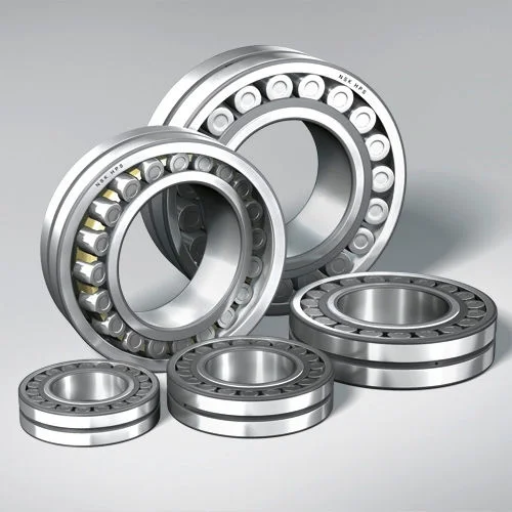
Unlike other types of roller bearings, the cylindrical ones take advantage of larger rollers that offer greater radial and thrust load-bearing capabilities. These bearings are found in systems that have high speed and precise motion such as in electric motors, gearboxes, and some other industrial high-speed machineries. Optimized cylindrical geometry further improves these bearings as the friction experienced is lower enabling efficient and smoother working even in extreme cases.
Shafts that thermally expand and contract cyclically with time would require cylindrical roller bearings due to their better axial displacement endurance. On the contrary, these bearings occupy more mounting space than the needle roller bearings which can be a drawback in compact designs. This shows the tradeoff needs to be made in terms of spatial constraints.
Needle roller bearings apply space-effective designs while cylindrical roller bearings exhibit superior load-bearing capabilities owing to their greater contact area. The choice between the two depends on load type, speed, available space, and most importantly the intended application revealing the importance of understanding the unique strengths and limitations of each.
How to Properly Install Needle Roller Bearings?
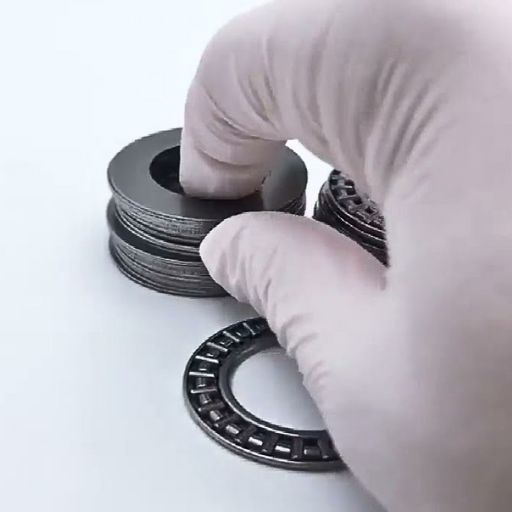
Achieving the optimal performance and reliability of needle roller bearings requires thorough and precise installation. Please follow the steps outlined:
- Inspect the Components
Examine the shaft, housing, and bearing for any traces of damage, foreign materials, or contamination. All parts and surfaces must be free of defects and clean.
- Lubrication Applications
Apply the correct lubricant indicated for the specific bearing type to maximize efficiency and minimize friction.
- Align the Bearing
Achieve and maintain correct alignment of the bearing with the shaft and housing throughout the installation process. This will help avoid imbalanced wear or damage.
- Appropriate Tool Application
Jack tools should not be used as an over-force mechanism. Use specialized tools like a press to permit gradual and uniform placement. The bearing should not be struck into position with direct blows.
- Fit Verification
After the bearing is secured in place, ensure the part does not wobble and that rotation is seamless.
Reliability and efficiency of operation can be achieved through careful and accurate installation of the bearings, thereby fulfilling the steps above.
Steps to Install Needle Roller Bearings
Prepare the Housing and Shaft
Confirm cleanliness and smoothness of the housing and shaft components which include bore and shaft about any dirt, debris, burrs, or other imperfections. Measure using a bore gauge to check if the housing bore and shaft diameter are within the recommended limits set forth by the bearing vendor. This step minimizes a mismatch that would invite a fit that is too loose or too tight which may lead to early failure. Apply Lubrication
Prior to installation take care to apply a consistent and thin coat of grease or oil on the shaft and housing bore. Such lubricants reduce the amount of friction for bearing insertion, inhibit oxidation, and allow the component to move freely once the bearing is operational. Remember, it is important to follow the instructions of the manufacturer in these cases.
Align the Bearing Correctly
Having identified the needled roller bearing misaligned, take it and place it gently at the position level to the housing. Inaccuracy at the fitting stage of the process will lead to incorrect load applications at the wear. Guide the assembly components with tolerances to achieve the exactitude required during the removal of the guiding mostly the alignment tool.
Bearing Installation Precautions
Use an arbor press or hydraulic press to apply consistently, even force to place the bearing into the housing. Make sure to only push on the outer ring of the bearing to ensure the inner parts are not damaged. Do not put too much force, or even worse, use a hammer to strike the bearing as this may lead to the rollers being warped or severely damage the bearing itself.
Make Sure Everything Fits
Inspect the bearing for proper seating alignment after completing the installation. Turn the bearing and check that it rotates freely and does not encounter any resistance. Ensure that there is no gap or excessive space, these factors can be detrimental to the system.
Test the System After the Bearings Are Installed
Confirm that the bearing works and operates seamlessly within the set parameters. While doing so, increase load and speed gradually to test performance and to check for abnormal noise or suspicious vibrations which can indicate improper installation or defects.
If all instructions are followed, the installation will be accurate, thus prolonging the needle roller bearings’ lifespan and effectiveness. Proper data regarding the fitment alongside installation techniques will optimize energy usage while increasing maintenance intervals.
Ensuring the Bearing is Properly Seated
To maintain proper functioning and increase the lifespan of needle roller bearings, optimal seating is essential. One of the most important factors to check is that the bearing must neither exceed nor be loose within the housing and its shaft, in the case of alignment with the bearing. Moreover, it has been shown that if alignment differs by microns, friction is bound to increase, causing wear much earlier than expected. Controlled and precise seating can be achieved with specialized installation equipment, such as bearing pullers and hydraulic presses. These tools apply force in a controlled manner, thereby preventing damage to other components of the bearing.
Temperature control can also play a vital role— for instance, housing can be heated while bearings can be cooled (where permissible by the manufacturer guidelines) and this would aid in smoother and more accurate fitting actions. It is estimated that the use of thermal methods reduces the stress on equipment and bearings to such an extent that the installation force requirement can be as much as 60% lower. Further, monitoring parameters like radial play and vibration analyses post sittings checks confirm bearing settlement without undue seated stress.
Attention to seating and the efficient use of modern tools keep performance-sustaining concealed issues in check, optimize the time between repairs, increase the reliability of the bearings, and ensure sustained operational efficiency in the long term.
Common Mistakes During Needle Roller Bearing Installation
To achieve exceptional performance and lifetime of needle roller bearings, they have to be installed with utmost care. Certain insertion blunders can occur which may result in some form of efficiency loss or even expeditious failure. Major errors alongside their consequences have been summarized below:
- Inadequate Lubrication
Not Applying the right type or amount of lubrication is one of the largest oversights. Lack of lubrication can cause friction to rise, overheating to occur, or eventual bearing failure. Studies state up to 80% of bearing failures are due to lubrication problems and issues. In this regard, faster bearings stop from rotating by adhering to bearings surfaces. To counteract this issue carefully, follow the manufacturer’s guidance on the correct lubricant and the number to be applied.
- Wrong Usage and Transmission of Contaminants
Dirt and debris when introduced during installation, can serve as the primary obstructor to the overall mechanical systems. Tiny foreign matters can lead to pitting which results in bearing surfaces and wear surfaces and reduces overall efficiency. During the process, ensure a smooth environment and clean gloves specially designed for this work.
- Misalignment
Misalignment of bearings will produce uneven loading as well as excessive and faster wear in addition to elevated temperatures. A casual approach towards tool precision or skipping alignment procedures is frequently the root of this problem. The application of alignment tools improves precision and the accuracy of load distribution during application.
- Excessive Force During Installation
Overly aggressive attempts to fit a bearing may include the use of hammers which is likely to lead to irreversible damages such as changed geometries of the bearing needles and race. Such damage can be avoided by utilizing a proper bearing press or other purpose-built installation tools that apply forces evenly and smoothly.
- Failure to Perform Pre-Checks
Not performing checks such as measuring the housings and shafts before installation leads to poor fitting conditions which is a structural error. Fitting that are too loose will suffer from bearing creep while tight fits will distort the inner and outer rings, and as a result yield inefficient operations.
Preventative Measures
- Clean and arrange the workplace to decrease the likelihood of contamination.
- Use appropriate bearing installation tools specifically designed for the installation of needle rollers such as presses, bearing jigs, and heaters.
- Conduct inspections before installing components such as checking tolerances to ensure no defects are present in relevant parts.
- Avoid overtightening bearings with torque wrenches calibrated for close tolerances, as such would place unwanted stress to the bearings and components.
Focus on these recognizable oversights and take steps towards their prevention as this will greatly alleviate the probabilistic risk of premature bearing failures while improving operational reliability and overall performance.
How to Inspect Needle Roller Bearings for Wear and Tear?
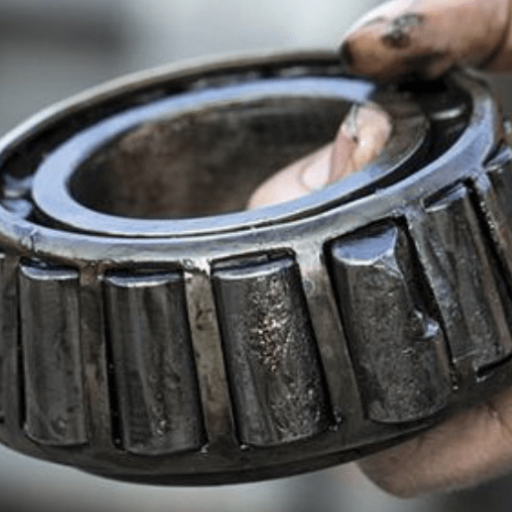
- Visual Inspection
Identify all features of the bearing that show visible wear like cracks, discoloration or deformation. Also check for debris or dirt that has accumulated.
- Check for Free Movement
The bearing must be able to turn by hand without excessive resistance, roughness, or noise.
- Determine the Extent of Wear
Verify the dimensions of the bearing using a micrometer or caliper and compare it with the original specifications to see if there is excessive wear.
- Check the Condition of the Lubricant
Assess the condition of the lubricant. Inspecting internal components shows that there is corrosive damage or insufficient maintenance which results in grease breakdown.
- Check for Rust
Inspect the various surfaces of the bearing and check if there is rust or corrosion which damages the functionality and expected life of the bearing.
Following this process will ensure that burnishing issues are resolved accurately the first time enabling sustainable performance.
Signs of Damage in Needle Roller Bearings
Like any other bearing, needle roller bearings can show signs of wear that, if left untreated, could result in serious mechanical damages. Following are some basic indicators with their respective detailed descriptions:
Unusual Noises
During operation, the presence of distinct clicking, grinding, or squealing sounds is particularly symptomatic of over-wear, misalignment, or bearing contamination. Most studies indicate that abnormal acoustic signals are among the earliest predictors of bearing failure; hence, many suggest routine monitoring.
Visual Deformation
As a result of heavy loads, faulty installation, or even an abrupt impact, the bearing cage or roller could deform. Cracked, pitted, or flaked needle rollers are overt signs of considerable damage, often resulting from chronic fatigue.
Excessive Vibration
Bearing problems are directly associated with excessive vibration. In particular, the presence of misaligned components, uneven lubrication, or even debris may cause abnormal vibrations. In industry, vibration monitoring is common for detecting anomalies earlier to minimize inevitable downtime.
Elevated Operating Temperatures
Meanwhile, overheating due to insufficient lubrication, excessive friction, or overload, is the most serious problem of concern. Research shows overheating is a significant contributor to excessive wear and tear of bearings at a prematurely young age, losing them far above the recommended levels drastically shortens lifespan.
Contamination
The function of a bearing can be complicated with the introduction of dirt, dust, or even metal particles. Worn bearings having contamination generally show uneven wear marks or scratches on the surface leading to loss of precision which is critical.
Unloading and Wear Particles
Lubricants from bearings contain oils that show the current health status. Research has shown that during the initial phase of damage to a part, the number of particles within a system undergoes an increase.
Through scheduled maintenance and attentive inspections, these signs can be dealt with early on which helps reduce downtime and costly repairs while enhancing the lifespan.
Using Advanced Tools to Inspect Needle Bearings
Today’s modern tools and technologies help to inspect the functionality and performance levels of needle bearings with precision. One of these methods is the use of vibration analysis equipment, which studies the vibration patterns emitted from machines. Incorrectly aligned, worn, or contaminated needle bearings usually exhibit abnormal vibration frequencies and amplitudes. Research indicates that bearing faults are retrievable much earlier than previously thought by employing vibration analysis.
Constantly measuring bearing temperatures is another helpful method, especially with the use of infrared thermography devices. Bearing housing overheating is fairly common and can stem from lubrication failures, excessive friction, and even misalignment. Data collected from industrial sources reveal that monitoring through the eyes of infrared thermography improves failure ranges over expected values by 40% or more.
Defect detection within needle bearings is made easier with ultrasonic testing tools. These devices assist in the detection by registering high-frequency sounds that surface defects and insufficient lubrication. Research indicates that bearing issues detectable by other tools are often problems with ultrasonic testing rendering it an excessively trustworthy tool.
Combined with routine professional supervision and other inspection tools these methods can help the industry lower needle-bearing maintenance costs, improve operational efficiency, and extend their life.
Maintaining Roller and Cage Assemblies
To maximize output and prolong service life, the roller and cage assemblies require continuous maintenance. Inspections form one of the most important portions of this process, as they help to uncover issues like wear, corrosion, or any form of fractures on the cages or rollers. Dirty and dust marks must be treated with proper cleaning agents as they threaten to degrade the function of the assemblies. Spanners and lubricants need to be applied in a set measure, as too much would generate extreme friction while too little could cause the components to overheat.
When inspecting roller and cage assemblies radial and axial clearances must be checked as well. Too much or too little clearance suggests an increased likelihood of wear or misalignment while extreme restrictions indicate a potential blockage. Such assumptions can lead to cross-sectional misalignment which is dangerous in terms of causing damaged load-bearing structures. There are also upper critical limits such as the presence of hot weather or overloading which may disable span control and containment drawing heat-resistant materials for the cage.
Rough estimates from the industrial use cases suggest that scheduled maintenance can extend the service life of roller and cage assemblies by an additional 20-30%, with a concurrent reduction in downtime of up to 15%. Furthermore, appropriate treatment during the installation or replacement procedures is essential to not incur damage to the sensitive parts, which are frequently produced to close tolerances. If those practices are followed, the industry will have more dependable machinery in terms of functionality and, simultaneously, fewer expenses in terms of equipment maintenance, repairs, and replacements.
What Role Does the Shaft and Housing Play in Installation?

Needle roller bearings require the shaft and housing to be aligned optimally to function. The shaft guarantees a bearing’s proper support and alignment to enable its load-dependent rotation while the housing position fixes the bearing, shielding it from dirt. Together they must also fulfill certain geometric and surface refinement criteria; otherwise, imbalance or asymmetric loading can occur, leading to shortened component life due to increased wear. Concerning performance and lifetime, the fit between the shaft, housing, and bearing is equally critical.
Importance of Shaft Alignment in Bearing Performance
Shaft alignment impacts the operating life and productivity of bearings in mechanical arrangements. Improperly aligned shafts may create uneven loading, additional vibration, and rotational heating; all of which will speed up the wear and tear of the bearing, leading to mechanical failure. Evidence indicates that the use of poor alignment practices is one of the foremost factors leading to suboptimal bearing longevity and accounts for almost 50% of breakdowns in rotating equipment.
Correct alignment minimizes the mechanical strain on both the bearings and their adjacent parts, thereby improving bearing operational efficiency and prolonging service life. For example, research shows that a mere 1-millimeter misalignment in a shaft coupling can result in approximately 10% increased energy consumption, adding substantial operational costs over time. Today, the use of laser alignment tools permits measurement with a tolerance of 0.01 millimeters, ensuring optimal alignment and optimal performance.
By attending to shaft alignment and expected tolerances during the initial installation as well as during periodic maintenance, businesses can improve the dependability of their equipment, reduce unplanned work stoppages, and lower maintenance costs.
Impact of Housing Design on Needle Roller Bearings
The geometry of the housing features prominently in degrading or enhancing the performance and life span of needle roller bearings. Proper housing geometry enhances load sharing while reducing the degree of possible skewing which may lead to greater mechanical ailing on the bearing parts. As industry studies reveal, even small deviations from nominal tolerances of housing parts, which are sometimes less than 0.001 inches, can lead to a shorter bearing life because of uneven load sharing and excessive friction.
Choosing the right material for the housing is also crucial. Stiff supporting structures made from high-grade rigid materials like cast iron and machined steel perform better since they resist deformation under high loads. It is well-established that advanced bearing housings with strategically designed lubrication pathways perform bearings better. Good lubricating practices not only lower the wear and heat build-up but, as some studies indicate, the maintenance of proper lubrication significantly increases the operational life of the bearings by around 30%.
Moreover, the design of the housing must accommodate thermal expansion. A bearing with housing that has different thermal properties can create an improper fit, and this risk greatly increases in high-temperature situations. The inclusion of expansion gaps or the use of non-heat-sensitive materials greatly improves adaptability. For example, research indicates that the use of well-designed housing can improve reliability and reduce maintenance costs by as much as 20% through reduced risk of premature bearing failure.
Compatibility with Different Bearing Types
Modern engineering has developed multiple types of bearings, each designed for specific use and working conditions. The synergy between the bearing and its housing interface ensures optimal operation and reliability. A good example of this is the ball bearings used in equipment with high rotational speeds and low friction requirements. These bearings spin more freely when the housing is designed to prevent misalignment and fits precisely. Roller bearings, best used in applications with heavy radial loadings, require strength in the housing materials as well as close limits in the clearance fit if wear and reduced life are to be minimized.
More recent work in the industry examines load imbalances and heat flow for solving problems of compatibility. Estimates show that correctly applied tapered roller bearings with well-shaped housings can trim energy losses by 15%, leading to increased productivity. In a like manner, self-aligning feature spherical roller bearings, best fitted and misalignment or high vibration conditions, exhibit up to an additional 25% lifetime increase when fitted in known self-aligning housings.
Improvements in sealing technology also improve compatibility. Contaminated environments performing sealed bearings, for instance, require housings with appropriate ingress protection. Selecting materials with identical or similar rates of thermal expansion further guarantees stability, especially in applications where temperature variations are extreme. Custom designing the housings for different bearing types boosts operational efficiency, while simultaneously yielding savings in maintenance and overall operational costs over time due to reduced downtime.
What Qualities Make A Leading Bearing Manufacturer?
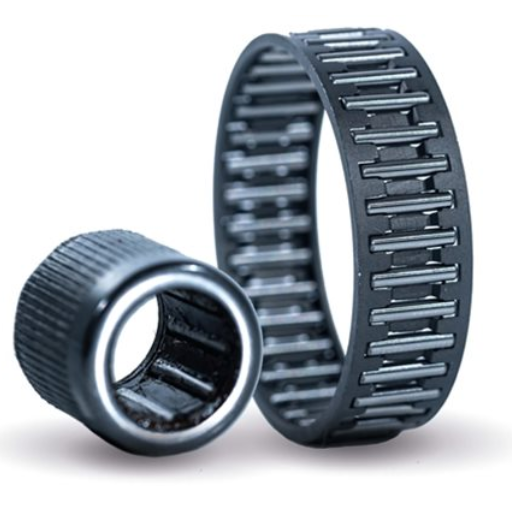
A reputable manufacturer of bearings shows their commitment to quality, innovation, and reliability. They focus on using top-rated materials combined with effective manufacturing processes that ensure useful life and performance. Clients are placed as the top priority, especially with the ability to give customized solutions to some specific applications. Further, the comprehensive technical assistance coupled with the rest of advanced support focused on the research and development enable them to lead the rest of the industry. Focusing the industry problems and trends keeps them among the leaders. Also, consistency in product performance along with international standards makes a bearing manufacturer reputable.
What Factors Should Be Considered When Choosing The Right Bearing Manufacturer
It is essential to select the right bearing manufacturer to maintain the efficiency, dependability, and durability of your machinery, equipment, or components. These are some of the primary areas that need focus:
- Product Quality and Durability
The quality of the bearings and the efficiency and productivity of the machinery undergo a symbiotic relationship. Always check for ISO 9001 or IATF 16949 for quality standards. A good example would be that some of the bearings of jets are made of ceramic or hybrid materials, which greatly stand the test of time as well as corrosion in harsh conditions.
- Industry Experience and Specialization
A manufacturer who has been in a specific industry for a long time knows how to address focus for different specialized issues. For instance, an aerospace company is likely to have ultra-durable bearings that withstand extreme conditions, while a company focusing on automotive applications works on low-friction designs toward fuel efficiency.
- Technological Innovation
Top-tier manufacturers strengthen the development and research of performance products for the bearings. For example, Amigo created condition-monitoring systems with sensors programmed to predict when maintenance is needed to decrease unanticipated downtime. Furthermore, his self-lubricating bearings eliminate the need for constant lubrication, thus reducing maintenance expenses.
- Range of Product Offerings
With a diverse product portfolio, you are ensured to find a bearing solution that meets your needs. Amigo demonstrates this versatility by offering bearings for industrial machinery and precision instruments.
- Global Support and Supply Chain Reliability
Aligning with a manufacturer who has a wide-reaching global presence aids in ensuring consistent product availability and supportive technical services. Schaeffler and Timken are examples of companies with an extensive global network that minimizes lead times and guarantees effective supply chain management.
- Cost-Effectiveness
While the initial cost is one factor, the overall value must also incorporate maintenance costs, energy consumption, and product lifetime. Expenses with updated technology tend to fare better in the long run, despite steep upfront costs.
In conjunction with all these considerations, businesses can easily choose a suitable bearing manufacturer that fulfills all technical operational requirements while achieving long-term strategic goals.
Innovations in Needle Bearing Technology
Significant improvements in the performance, productivity, and efficiency of various industries have recently been achieved owing to advancements in the technology of needle bearings. Newer designs of needle bearings incorporate modern materials, including sophisticated alloys of steel and ceramic hybrids, which have increased their resistance to wear and improved load capacity. These materials are further beneficial in prolonging the operational life of the bearings and shortening the required downtime for maintenance.
Self-lubricating needle bearings are now interfacing with modern technologies for lubrication and self-cleaning, which greatly reduce not only friction but also heat generation with operating temperature. Such advancements have bearing overall efficiency. For instance, research suggests advanced lubrication technology boosts bearing performance by 30%, freely spinning bearings in high-speed machines.
Extreme reliability, optimal alignment, and low vibration even in harsh working environments are the operating environments which extreme precision (tolerances tighter) is especially critical such as automotive and aerospace Applications). While bearing the high load and speed requirements, precise 3D printing and laser machining, among other advanced manufacturing techniques, have further revolutionized their design.
Also, smart needle bearings are an innovation that adds sensors for tracking performance metrics like temperature, vibrations, and load in real time. This data allows predictive maintenance so that operators can mitigate incipient problems before they escalate, thereby reducing risk.
These developments are examples of why research and development are necessary for the continued advancement of needle bearing technology to create stronger, more efficient solutions for modern industrial applications.
Reference Sources
-
Failure Analysis of a Needle Roller Bearing in a Megawatt Reciprocating Pump:
- Discusses the causes of failure in needle roller bearings, emphasizing the importance of proper assembly and inspection.
- Highlights how misalignment and improper installation can reduce the service life of needle roller bearings.
- Methodology includes failure analysis and evaluation of assembly practices.
-
Optimization of Needle Roller Bearing Design Using Novel Hybrid Methods:
- Explores the design and assembly aspects of needle roller bearings, including the use of inner rings and cage assemblies.
- Highlights the role of precise assembly in ensuring optimal performance.
- Methodology involves design optimization and experimental validation of assembly components.
-
A Review of Bearing Failure Modes, Mechanisms, and Causes:
- Provides an overview of failure modes in various bearings, including needle roller bearings.
- Emphasizes the role of inspection techniques in identifying assembly-related issues.
- Methodology includes a comprehensive review of failure mechanisms and inspection methods.
- If you are looking for more information about Needle Roller Bearings – Amigo go here right away
Frequently Asked Questions (FAQs)
Q: What is a needle roller bearing and how does it differ from other types of bearings?
A: A needle roller bearing is a type of bearing that uses small cylindrical rollers. Compared to ball bearings and other rolling bearings, needle roller bearings have a smaller diameter-to-length ratio, allowing them to handle high radial loads in a compact design.
Q: What are the key features of needle bearings?
A: The key features of needle bearings include their small size, high load-carrying capacity, and ability to fit into compact spaces. They are ideal for applications where space is limited and high radial loads are present.
Q: How do I install a drawn cup needle roller bearing?
A: To install a drawn cup needle roller bearing, ensure that the bearing seat is clean and free of debris. Align the bearing into its housing carefully, never hammer the bearing, and use a press to press the bearing tightly into place.
Q: What precautions should I take during the installation of a full complement bearing?
A: During the installation of a full complement bearing, maintain the alignment of the needle to prevent damage. Ensure that the size of the bearing matches the bearing seat and use appropriate tools to press the bearing tightly.
Q: How can I ensure the proper alignment of the needle during installation?
A: Proper alignment of the needle can be ensured by using a guide tool to align the bearing into its housing. This helps in starting the bearing true and prevents any misalignment issues.
Q: What should I do if I need to inspect a radial needle roller bearing?
A: To inspect a radial needle roller bearing, first remove it from its housing if necessary. Check for any signs of wear, deformation, or damage. Clean the bearing and examine each roller for smooth operation.
Q: Can needle roller bearings be used as radial bearings?
A: Yes, needle roller bearings are often used as radial bearings due to their ability to support high radial loads while maintaining a small size.
Q: What types of needle bearings are available?
A: Types of needle bearings include drawn cup bearings, needle roller bearings with open ends, and aligning needle roller bearings. Each type has specific applications and features.
Q: Why is it important to press the bearing tightly into its housing?
A: Pressing the bearing tightly into its housing is crucial to ensure that it remains secure during operation. This prevents movement that could lead to misalignment or damage to the bearing and its housing.