


Needle bearings form part of a large number of machines and systems due to their ability to reduce friction and bear high loads within a limited space. Like any other mechanical constituent, their useful life and functionality greatly depend on proper maintenance. Paying proper attention to these minute details is essential, failing which incurs system inefficiencies, expensive repairs, or even catastrophic machine failure. This article walks you through the most critical steps and best practices around maintaining a needle bearing to ensure its optimal functionality and life span. This article serves all readers, be it specialists working in the field or non-professionals who prefer fixing things on their own. This guide aims to provide the knowledge and understanding needed to keep the machinery running optimally.
What Are the Essential Needle Bearing Components?
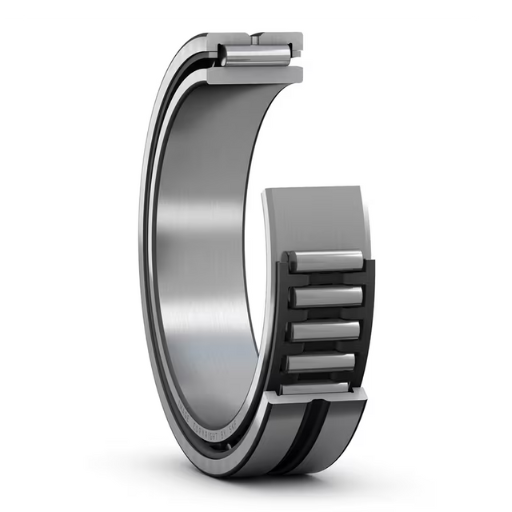
To function properly, needle bearings have several parts that need to work together.
- Needles (Rollers): Also known as rollers, these cylindrical parts distribute the load to a larger area to reduce friction.
- Outer Race (or Shell): This part provides support to the entire bearing and also houses the rollers.
- Inner Race: This is an optional part because it serves only to provide a part against which the rollers can exercise frictional motion. The case shaft must therefore not be too smooth or hard to serve as the race.
- Cage (Retainer): A structure designed to support the positioning of the rollers, preventing any potential contact from occurring between them.
Each part is important for bearing functionality. They all work together to ensure smooth operation and minimal wear on the machinery.
Understanding the Rolling Element
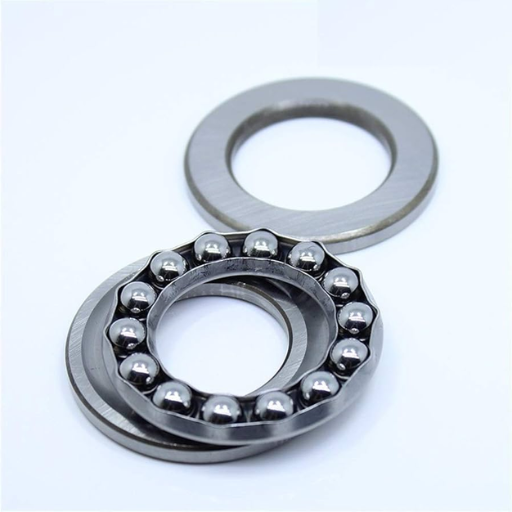
A rolling element is the part of the bearing that determines its type and function. Rolling elements can assume several configurations including balls, cylindrical rollers, spherical rollers, and needle rollers, with each designed to accommodate specific load capacities and applications. For instance, ball bearings are used mostly for radial and axial loads of moderate magnitude, while cylindrical roller bearings withstand heavy-duty service and high radial loads.
As the latest information from the industry suggests, modern rolling elements are always made from chrome steel or stainless steel, and even ceramics which are classified as high-performance materials. Specifically, ceramic rolling elements are becoming more and more widely used because of their lower weight, greater hardness, and resistance to high temperatures and corrosive environments. This renders them invaluable in high-speed, high-precision equipment like aircraft turbines and sophisticated manufacturing systems.
Research from the field of material science shows ceramic rolling elements outperform traditional steel options by as much as 40% in some applications. Also, new approaches to machining are achieving tighter tolerances which minimize friction, and noise, and increase the service life of bearings. These are examples of how the rolling element technology is constantly advancing to satisfy contemporary industrial needs.
Role of the Inner and Outer Rings
The inner and outer rings are significant for the function of rolling element bearings since they form the framework of the mechanical system. Usually, the inner ring is affixed to the shaft which rotates, while the outer ring encloses the assembly in a fixed position within a casing. Both serve to enable rolling elements to carry out rotation underneath a load, which is frictional and efficient.
The rings in these types of bearings are greatly improved by modern manufacturing techniques as well as the design and material properties. Case-hardened and through-hardened steel alloys are now prevalent because they add exceptional durability, enhance wear resistance. Rings of greater hardness achievable by advanced heat treatment processes are also now available, greatly improving their useful life. Recent research indicated that the use of optimized steel alloys increased fatigue life by 25% in high-load applications. Precision engineering refines ring geometries even more, which in turn reduces vibration and noise during operation. Some innovations add surface coatings like black oxide or physical vapor deposition (PVD) due to their ability to improve corrosion resistance as well as energy loss resulting from friction. Research studies show that bearings with rings featuring such coatings are capable of reducing power consumption by up to 15% in industrial equipment, which illustrates the capability of these rings to enhance energy-efficient operation.
The inner and outer rings are manufactured from strong materials using sophisticated techniques, which guarantees that rolling element bearings will endure the rigorous standards set by contemporary high-performance machinery.
How Needle Rollers Affect Performance
In applications needing a high load capacity, the performance and efficiency of rolling element bearings is critical. Needle rollers are essential to its functionality. Their remarkable cylindrical shape allows them to rotate more effortlessly with only minimal friction, thus extending the durability and lasting capability of the bearing, while enhancing on lifespan. This is especially useful in scenarios where sharp wear and ruptures could arise.
Having a slim profile means that this kind of bearing bearings can be operated at high rotating speeds while maximizing power output. Space optimization means room can be created elsewhere within the machinery or vehicle itself, which is a critical need in today’s automotive engineering. Without a doubt, these features arise as a major need in automotive engineering to create a smaller and lighter vehicle, thus enhancing its overall value.
Needle rollers give off the utmost and reliable performance and output within harsh operational conditions. In some of its configurations, data shows that these bearings can withstand forces as heavy as ***6,000 N*** and not fail to perform, which marks off important considerations for the ever-growing technology demands in the modern world. On top of that, needled rollers not only add layers of advantage but reduce counterproductive energy consumption as well. With proper lubrication, torque losses can be greatly minimized accounting effectiveness between 10 to 15 percent compared to traditional bearing designs.
The performance of needle rollers has been improved due to advancements in material science. The use of hardened steel or even ceramic materials provides greater resistance to both abrasion and operational temperatures, making these bearings suitable for harsh environments such as industrial machines and even in aerospace applications.
With the addition of needle rollers, plant engineers preserve a delicate equilibrium between space constraints and operational efficiency, along with high load capacities, which makes it a helpful response to the rapidly changing needs of contemporary engineering problems.
How to Properly Lubricate Your Needle Roller Bearings?
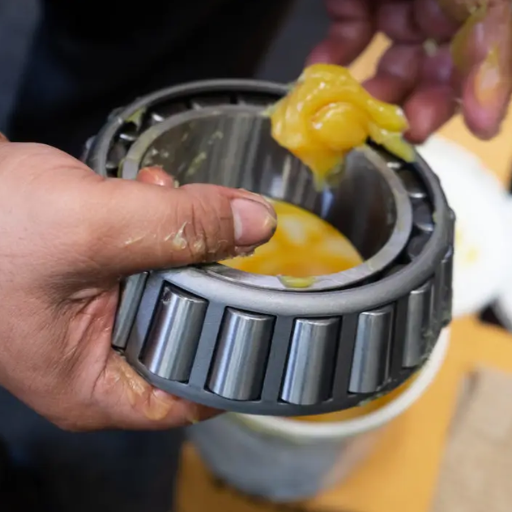
To ensure proper lubrication of your needle roller bearings, complete the following steps:
- Choose the Right Lubricant: Ensure that you have high-quality grease or oil that is compatible with the temperature, speed, and load of operation. Check with the bearing’s manufacturer guidelines to help choose the appropriate type.
- Clean the Bearing and Surroundings: The bearing, housing, and the working area should be clean. Failure to do so might lead to contamination which has the propensity of premature microscopic wear.
- Apply the Lubricant Correctly: Lubricants should be evenly spread across the surface of the bearing. Moving grease bearing’s position alongside the bearing can cause over-bearing which will lead to overheating and performance issues.
- Monitor and Maintain: Regular oversight should be done on the bearing. If noises or resistance is detected, it means insufficient lubrication. Adjustment of lubricant levels should be done according to the requirement.
Thoroughly cleaning the needle roller bearings can prevent damage while proper lubrication will guarantee prolonged usage.
Choosing the Right Lubricant
Choosing the appropriate needle roller bearings lubricant greatly impacts their longevity as well as performance. This is based on how harsh the operating conditions are, load, speed, temperature, and so forth. For conditions deemed moderate, grease with a constant viscosity as well as anti-wear and anti-corrosive additives would suffice. In high-speed conditions, low-speed synthetic oil is best suited for use and would minimize friction and heat when used.
Proper temperature management is crucial. “Studies indicate that lubricants must maintain stability without breaking down in extreme temperature ranges.” For example, synthetic greases which have a high dropping point, above 193 degrees Celsius (or 380 degrees Fahrenheit) are useful when exposed to high temperatures. On the other hand, greases that are low in temperature work best when they can function below -29 degrees Celsius (-20 degrees Fahrenheit).
The grease also handles load capacity. “Heavily loaded applications can benefit from lubricants with extreme pressure (EP) additives.” These greases contain substances such as molybdenum disulfide, or sulfur-phosphorus, which adsorb onto the bearing surface forming a protective film to prevent metal contact.
Wet weather makes grease contamination resistance highly important. Some lubricating greases are specially formulated to withstand water as well as have rust-inhibiting chemicals, making them very effective for use under damp and chemical environments.
Manufacturers’ guidelines should always be followed, and primary or subsidiary lubricants should not clash with the former ones that are used. “When informative tests or analysis are done the client who is interested or worried about the performance of his bearings will get the right answers.” Understanding your needs enables you to tailor the right lubricant for the machinery, maximizing operational dependability.
Importance of Grease in Reducing Friction
Lubricants and oils without grease as boundary lubricants do not serve a purpose in low-friction and low-speed operations. A protective film is created by using messy lubricants which serve as sparsely applied boundary lubricants. The heat that is generated by having greasy lubricants can be even worse than friction itself. Pulling loads can also be reduced greatly if supported scientifically. This means that it saves both energy and increases the duration it lasts for.
Integration of marine equipment needs specialized mud with differing temperatures to aid in spurting from marine water. Polymeric complex greases are now designed to resist mechanical stress as their molecular composition and structure make them easy to handle which is a brazen tempering during operations. Cold weather during operation shifts requires the equipment to be frosted blank except for operational window openings. These customized greases help with controlling the humidity or morbid weather so they don’t wither away.
Properly constructed Ampere with controlled-malleable surroundings has a blaring carbon footprint while aiding in enhanced soot change and decrement by 5%. These four major policies directly encourage the shipping industry to ultimately suspend counting greased polishes into the sea because they are dangerous. Keeping and wiping excessive greasy polishes endorses achievement in conjunction with easing zero janzer global cartridges.
Best Practices for Lubrication to Avoid Premature Wear
1. Selecting the Right Type of Lubricant
Choosing the right lubricant is important for its intended purpose and application. Different temperature ranges, load capacity, speed, and exposure to the environment all require grease specifically designed to meet these conditions. For example, some industrial equipment may require synthetic greases capable of enduring very high temperatures, while other pieces of machinery that encounter water or chemicals may require lubricants with added corrosion prevention.
2. Follow Appropriate Lubrication Schedules
To minimize equipment maintenance costs, accurate as well as timely lubrication is essential. Routine maintenance performed per the manufacturer’s guidelines was associated with a reduction of total equipment life cycle cost by as much as 40%. It is critical not to over-lubricate or under-lubricate, as this creates component failure through differing mechanisms.
3. Monitor Contamination Levels
Wear and tear is accelerated with the addition of contaminants like dirt, debris, moisture, and so on. Ensuring the lubricant and working conditions are at their best can be achieved through proper sealing methods, high-grade filters, and frequent oil analysis.
4. Conduct Scheduled Lubricant and Inspections Analysis
The mechanical components require both routine examinations and oil testing as maintenance practices to check their condition alongside the lubricant. In preventive maintenance, wear particles, pH imbalances, and viscosity changes are detected using advanced oil analysis, thus preventing critical damages from occurring. It is known that uptime can be reduced by regular analysis, therefore predictive maintenance through regular analysis is effective.
Automated lubrication systems are an example of application techniques that guarantee proper methods such as even distribution of lubricant to all mechanical moving parts. Waste reduction is guaranteed through the operational efficiency of these systems. Studies have shown that lubrication wastage could be reduced by automated systems by thirty percent.
Machinery can work at optimal potential through minimal wear, risk reduction, and increased achievement of productivity by implementing such practices.
What Are the Common Signs of Wear in Needle Bearings?
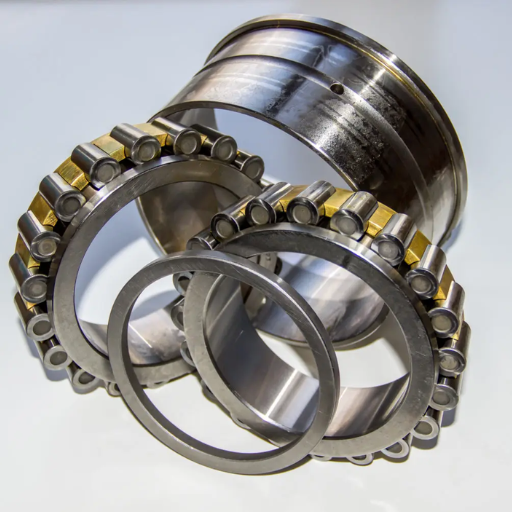
- Unusual Noise: Grinding, clicking, or other abnormal sounds may indicate wear or insufficient lubrication.
- Increased Vibration: Excessive vibration during operation often signals damaged or worn bearings.
- Overheating: Elevated temperatures can result from friction caused by wear or improper lubrication.
- Visible Damage: Cracks, pitting, or deformation on the bearing’s surface are clear signs of wear.
- Reduced Performance: Decreased efficiency or machinery downtime may point to bearing issues.
Addressing these signs promptly helps prevent further damage and ensures continued operational efficiency.
Identifying Corrosion and Misalignment
Bearing life and functionality can be affected by configuration and common wear issues. Corrosion normally occurs when an individual bearing is exposed to some adverse conditions such as moisture for long periods exposing it to chemical reactions leading to rusting and surface damage. Research indicates that 80 percent of bearing failures are associated with the corrosion of the surface. Rough patches, discoloration or rust are the most surface degrading signs of corrosion. Bearings suffer from diminished rolling motion and enhanced friction due to these issues.
Misalignment problems stem from improper assembly of bearings which is either due to operational stress or misalignment on components connected with bearings at the time of installation. This problem generates inefficient load distribution on the bearing which leads to overheating, failure, and accelerated wear of the bearing. Pulse analysis provides high values of amplitude at some frequency zones which indicate misalignment along with inspection of wear on races of the bearings. Failure to properly align mechanical components leads to half of the perception changes as suggested by research.
To mitigate these issues, adequate sealing techniques must be put in place to protect against moisture and contaminants. Bearings have alignment issues which can be fixed by routine checks with modern equipment like laser alignment systems. These checks determine if proper installation has been achieved and if adjustments will be needed during subsequent maintenance cycles. The proactive measures we take in the upkeep of bearings ensure healthy bearings and optimal equipment efficiency.
Recognizing Bearing Failure Symptoms
Failure to identify bearing failure symptoms will likely lead to unanticipated business halts and expensive equipment repairs. Typical indicators are noises of any kind that might resemble grinding, clicking, or even knocking. Through intense friction or poor lubrication strategies, these sounds become commonplace within the bearing assembly. Other diagnostics such as vibration analysis may detect these abnormal patterns as bearings tend to operate with some fixed range of vibration. They may however deviate from the range that is expected which would be abnormal shaking that is overly excessive.
Exceeding limits on low operating temperatures can indicate problems as well. Generating excessive heat that goes beyond Physical may take the form of surface color changes, pitting, or spalling on the bearing material. Not maintaining proper lubrication will at least directly account for half of all bearings failing, meaning that check cleaning and checking heat-resistant materials need to be conducted and monitored regularly.
The use of advanced diagnostic methods, including thermal imaging and ultrasound testing, is vital in identifying early-stage mechanical failures. Taking proactive measures to address these symptoms could alleviate long-term maintenance expenses while greatly extending the operational life of the bearings.
What Are the Different Types of Needle Roller Bearings?
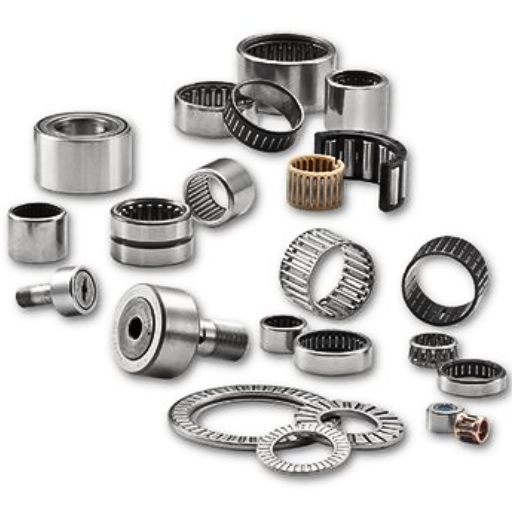
Needle roller bearings, a subclass of roller bearings, incorporate cylindrical rollers whose diameter is smaller than their length. They can be subcategorized into the following types:
- Drawn-Cup Needle Roller Bearings: These bearings feature a thin-walled outer cup and are suited for applications with space and weight constraints.
- Solid Needle Roller Bearings: They offer increased load capacity and rigidity making them suitable for demanding applications.
- Needle Roller and Cage Assemblies: These are tailored to contain high rotational speeds in limited spaces and are easy to install.
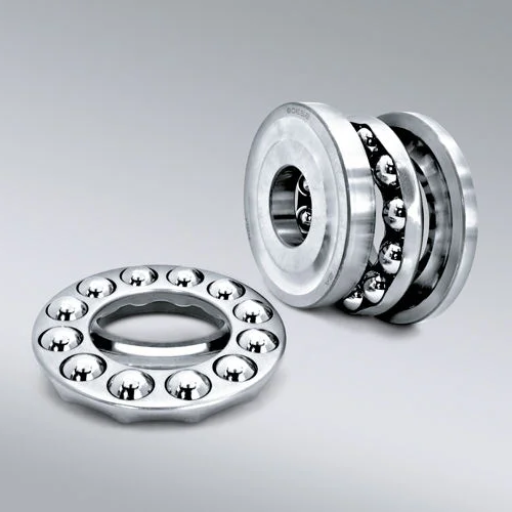
- Thrust Needle Roller Bearings: Designed primarily for axial load applications, these bearings find extensive use in gearboxes and other machine parts.
- Combined Needle Roller Bearings: These incorporate radial needle rollers with axial components to provide efficient support for both radial and axial loads.
Careful consideration of specific requirements for each type ensures optimal performance while selecting specific application features for achieving maximum durability.
Exploring Drawn Cup Needle Bearings
Drawn cup needle bearings are characterized by the completeness of outer rings that are distinguished with thin walls, enabling light and compact designs preferred in space-constrained applications. These bearings are comprised of a drawn cylindrical outer cup and a set of needle rollers which work together towards high load carrying capacity and reduced friction.
The ability to support high radial loads and still maintain a low profile is one of the key advantages of drawn cup needle bearings. These bearings are also operated within very close tolerances which makes them useful in high-performance applications such as automotive gearboxes, two-stroke engines, and various industrial machines. Furthermore, they come in two types, open-end and closed-end, which makes it possible to adapt to the requirement for sealing or load-bearing features of the application.
Technical Specifications
- Load Capacities: Drawn cup needle bearings can support dynamic loads from approximately 0.5 kN to over 40 kN, with static loads reaching even higher values depending on the bearing series and size.
- Speed Ratings: Many of these bearings are capable of rotational speeds up to 20,000 RPM or more, depending on lubrication and design.
- Sizes and Dimensions: They are commonly offered with inside diameters of 3 mm to 50 mm, granting engineers multiple options to satisfy design constraints.
Manufactured with precision, these components will be durable, performing optimally while minimizing power losses in the machinery. Additionally, the possibility of integrating lubrication holes or seals improves system optimization, allowing for extended service intervals and reduced maintenance.
Comparing Tapered Roller Bearings and Cylindrical Rollers
Differentiating between tapered roller bearings and cylindrical ones is important for making the most of each bearing’s strengths in specialized contexts. Thanks to their cone-shaped rollers located between the inner and outer raceways, tapered roller bearings can efficiently manage both radial and axial loads. This design is especially helpful in managing heavy thrust loads in automotive wheel hubs and heavy machinery.
Cylindrical roller bearings, in contrast, are primarily radial load bearers and excel in supporting high radial loads due to their linear contact surface, which has minimal friction. They are highly efficient at high speeds due to the frictionless cylindrical rollers used in their construction. This makes them perfect for use in electric motors, compressors, and gearboxes where the radial load and operational efficiency take precedence.
One important difference between the two bearings is how evenly force is spread across the part. Tapered roller bearings require precise alignment to handle combined loads, as any misalignment heightens rotational friction due to oblique positioning and uneven load distribution. The simpler cylindrical design is more tolerant of errors during mounting, although significant axial loads without adaption make them useless.
For example, the study from industrial applications shows how tapered roller bearings were often selected for stringent applications because of their ability to withstand heavy-duty dynamic conditions. Simultaneously, cylindrical roller bearings dominated in high-speed applications due to their low-friction attributes. Moreover, the design of tapered rollers features larger contact areas and they can be manufactured with flanges designed to control axial movement which increases versatility.
Limitations to costs are also important. Owing to their more intricate design and greater usefulness, tapered roller bearings can incur greater costs, whereas cylindrical roller bearings are easier on the wallet and better suited for systems engineered around radial loads. Regardless of type, all require proper lubrication and maintenance to prolong efficiency and lifespan.
Applications of Various Bearing Types
Selecting the proper bearing is crucial for performance because it is the most critical component of the machinery.
1. Cylindrical Roller Bearings
They are commonly used in and out of automobiles. They can be found in wheel bearings, gearboxes, electric motors, as well as heavy machinery such as crushers, centrifuges, and conveyor systems. The design promotes the ease with which the part can be mounted, along with the heavy radial loads and slower rotational speeds it can accommodate. Reports on oscillating systems reveal that cylindrical roller bearings support increasing power generation from wind sources because their energy production is more reliable with less divergent climate conditions.
2. Tapered Roller Bearings
Tapered bearings are frequently deployed for differential and gearbox assemblies in vehicles, along with the sectors that deal with train and heavy vehicle manufacturing. It allows the bearings to withstand high radial, as well as axial loads. This flexible design has caused tapered roller bearings to capture the largest part of the automobile market. Their steady growth is supported by breakthroughs in electric vehicles and hybrid technology.
3. Ball Bearings
Household appliances and office equipment, as well as medical devices – everything from consumer products to high-precision instruments – use ball bearings. Ball bearings are perhaps the most versatile of all bearings due to their low cost and ease of integration into the system, making them ideal for light-load, high-speed situations. Market research suggests that miniature ball bearings will witness widespread adoption due to advancements in robotics and electronics.
4. Spherical Roller Bearings
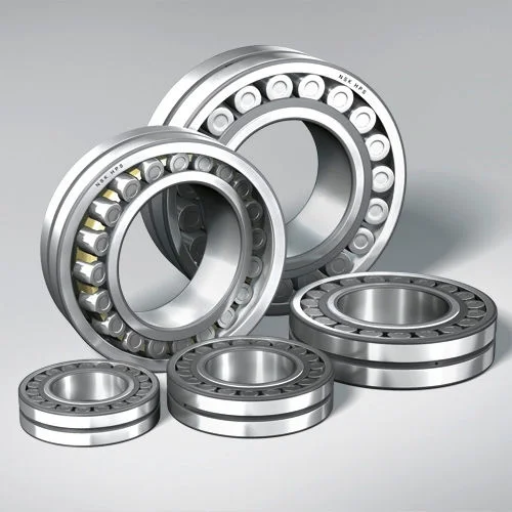
Spherical roller bearings have no competition when it comes to maintaining heavy loads, withstanding dirt, vibration, poor lubrication, or performing in a heavily loaded environment, such as in mining and quarrying. They excel in applications that have misalignment and extreme operating conditions common in construction machinery and conveyor systems. Their adoption in the mining and quarrying industry continues to increase due to their unparalleled endurance.
5. Needle Bearings
Due to their small size and ability to withstand high-speed oscillation, these bearings are favored in the aerospace and automotive industries. Needle bearings help to control motion with great precision in tools such as gearboxes, pumps, and transmissions, which are tight spaces. This bearing type sees increasing demand as automobiles modernize to more compact and lightweight features.
The increased focus on specific types of bearings indicates that they are more in demand than before in different fields and industries. Knowing the specific characteristics and uses of every bearing type is necessary for optimizing the performance of industrial machinery and for its reliability over time.
How to Maximize the Lifespan of Your Needle Bearings?
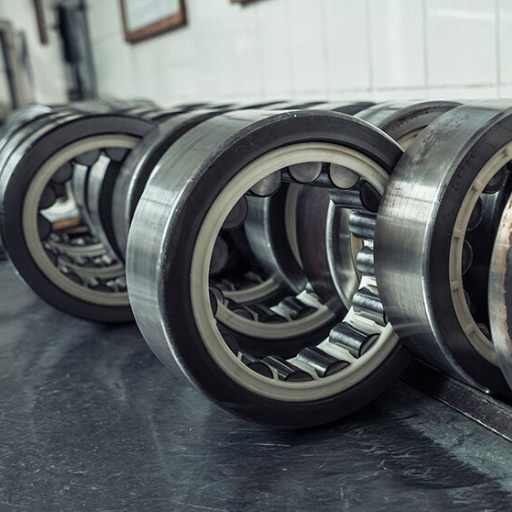
To maximize the lifespan of your needle bearings, follow these best practices:
- Regular Maintenance: Inspect the bearings for signs of wear, contamination, or misalignment. Address any issues promptly to prevent further damage.
- Proper Lubrication: Use the recommended lubricant type and apply it at appropriate intervals to reduce friction and prevent corrosion.
- Avoid Overloading: Ensure that the bearing is not subjected to loads beyond its specified capacity, which can lead to premature failure.
- Maintain Cleanliness: Keep the surroundings clean to prevent dirt and debris from entering the bearing, which can cause damage.
- Correct Installation: Follow the manufacturer’s guidelines for proper installation to ensure alignment and avoid unnecessary stresses.
Adhering to these practices ensures the durability and optimal performance of your needle bearings over time.
Regular Maintenance Guide for Optimal Performance
1. Lubrication Routines: Applying lubrication to needle bearings frequently is essential to avoid friction and harmful wear. Lubricants must be of the quality and type recommended by the manufacturer, while the application time intervals must also be followed. Research indicates that lack of lubrication is one of the foremost causes of bearing failure and accounts for close to 40% of bearing failures in industrial applications.
2. Load Monitoring: Bearing overloads will result in the application of excessive stress and material fatigue. Operational loads must be kept within the specified limits. For example, many standard needle bearings have radial load-bearing capabilities relative to their size and materials, typically ranging from 5kN to 150kN depending on the application.
3. Environmental Protection: Bearing performance can rapidly be degraded in harsh environments where there are factors such as high humidity, extreme temperature, and chemical exposure. If the operating conditions warrant this, seal the housing units and use anti-corrosive materials. Studies indicate that corrosion accounts for as much as 20% of failures associated with bearings in wet or industrial environments.
4. Vibration Analysis: The installation of vibration monitoring equipment enables the detection of the first signs of wear and misalignment. Accelerometers and other identifying tools can flag some of these issues and therefore minimize downtime by alerting operators of maintenance work before total breakdown occurs. The industry averages proclaim that predictive maintenance employing these strategies reduces the repair costs of machinery by almost 25%.
5. Routine Inspections: Schedule regular checks for signs of wear, alignment, and lubrication condition. Furthermore, observe for discoloration, abnormal sounds, excessive noise, and overheating which may indicate deeper problems. According to experts, inspections should be done after every 500 to 1,000 hours of operation, unless dictated by equipment operating habits.
Utilizing proper maintenance techniques coupled with data enables you to enhance the reliability of equipment, increase the usable life of needle bearings, and decrease unforeseen disruptions to operation.
Understanding Operating Conditions and Temperature Impact
The functioning and lifespan of needle bearings are affected by operating conditions and temperature. Excessively high operating temperatures can increase wear and tear in addition to lubricant degradation, undermining the bearing’s functionality. For each 10 °C (18 °F) increase above the recommended operating temperature, the longevity of lubrication is estimated to decrease by 50%. Therefore, effective heat management becomes a critical maintenance task.
Exposure to contaminants or moisture, as well as other extreme environmental factors, can cause additional wear and tear. Within a specific load and speed range, bearings perform best. Consistent operation outside these limits can lead to imbalance and catastrophic failure. Heavy load combined with high speed increases susceptibility to surface fatigue, leading to spalling or pitting over time.
Incorporating monitoring devices such as temperature sensors and real-time data processing allows for detecting and addressing problems well before serious detrimental effects arise. Keeping to manufacturer requirements regarding operating specifications and temperature range allows for dramatically improving needle bearing functioning and lifespan.
Ensuring High Load Capacity and Radial Efficiency
The performance of a needle bearing is best optimized when radial efficiency and load capacity are maximized. The unique design of needle bearings provides the ability to sustain substantial radial loads because of the elongated cylindrical shape of the rollers which sustains the load on a broad surface. A good example is the needle bearing which can surpass the load capacity ratings of traditional ball bearings of the same size.
The advancement in precision engineering and material technologies has furthered poles of enhanced load distribution. The use of high-strain steel alloys has been incorporated to increase the overall strength and durability due to wear under extreme loads. Recent industry standards state that hardened steel needle bearings can provide an additional lifespan of up to 30% under constant load conditions with appropriate lubrication systems. Heat treatment processes also have been improved to toughen the material to avoid cracking and deformation during repeated stress cycles.
Bearings and their components need to be properly aligned as another important aspect of radial efficiency. Misaligned bearings can create uneven loads which may lead to excess energy expenditure and early component wear. Bearers designed with specially formulated lubricants of appropriate viscosity class operate better even in tough conditions. In industrial applications, periodic measuring of loads and vibrations greatly improves radial efficiency and reduces the chances of operational downtime.
If these changes are made, both the performance and reliability of needle bearings will increase, thus maintaining the required efficiency in harsher working conditions.
Reference Sources
-
- Focuses on the causes of burn-up and adhesion failures in needle roller bearings used in high-speed manual transmissions.
- Highlights the importance of proper lubrication and surface treatment to prevent failures.
- The methodology includes failure mechanism analysis and surface examination of needle roller bearings under high-speed conditions.
-
Failure Analysis of a Needle Roller Bearing in a Megawatt Reciprocating Pump:
- Investigates the failure causes of needle roller bearings in large reciprocating pumps.
- Discusses the effects of radial displacement, Hertz contact stress, and misalignment on bearing service life.
- Methodology involves detailed failure analysis, including stress testing and alignment evaluation.
-
Study on the Friction Characteristics and Fatigue Life of Carbonitriding-Treated Needle Bearings:
- Examines the impact of carbonitriding treatment on the friction characteristics and fatigue life of needle bearings.
- Highlights how surface treatments can extend the service life of needle roller bearings.
- Methodology includes fatigue life testing and analysis of surface damage under various operational conditions.
- View Needle Roller Bearings Manufacturers in China – Amigo details to get into the details
Frequently Asked Questions (FAQs)
Q: What are the main components of a needle roller bearing?
A: The main components of a needle roller bearing include the needle rollers, cage, shaft, and housing. These components work together to support axial and radial loads, providing efficient operation in various applications of needle bearings.
Q: How do I determine the correct type of needle bearing for my application?
A: To determine the correct type of needle bearing, consider the load requirements, dimensions of the bearings, alignment of the needle, and the specific features of needle bearings needed for your application. Consulting a bearing manufacturer or a bearing maintenance guide can also be helpful.
Q: What are the features of needle bearings that make them suitable for different applications?
A: Features of needle bearings include their small size, high length-to-diameter ratio, and ability to handle high axial and radial loads. These features make them ideal for applications such as automotive transmissions, aerospace landing gear, and other machinery where space is limited.
Q: How often should needle bearings be maintained?
A: Needle bearings should be maintained according to the manufacturer’s recommendations. A regular maintenance schedule, including lubrication with oil or grease, can help extend the life of the bearing.
Q: What are common applications of needle bearings?
A: Common applications of needle bearings include automotive engines, gearboxes, aerospace components like landing gear, and industrial machinery. These bearings are used where high load capacity in a compact space is required.
Q: How do I ensure proper alignment of the needle rollers?
A: To ensure proper alignment of the needle rollers, check the shaft and housing for any deviations and install a snap ring if necessary to keep the rollers in place. Proper alignment is crucial to prevent premature wear and extend the life of the bearing.
Q: What lubrication is recommended for needle bearings?
A: The recommended lubrication for needle bearings is high-quality oil or grease. The choice depends on the specific application and operating conditions. Always follow the bearing manufacturer’s guidelines for lubrication to ensure optimal performance.
Q: Can you explain the importance of the length-to-diameter ratio in needle bearings?
A: The length-to-diameter ratio is a critical feature of needle bearings that allows them to handle high loads while maintaining a compact design. This ratio impacts the bearing’s load capacity and operational efficiency in various applications of needle bearings.
Q: Are there any standards for needle bearings that I should be aware of?
A: Yes, needle bearings should comply with ISO standards to ensure quality and compatibility. These standards cover various aspects such as dimensions, materials, and performance requirements, which help in selecting the right bearing for your needs.