


Bearings play a crucial role in mechanical systems, ensuring smooth rotational or linear movement while minimizing friction. Among the various types of bearings, angular contact ball bearings and thrust bearings are widely used in applications requiring precision and efficiency. This article provides a comprehensive analysis of the key differences between these two types of bearings, focusing on their design, load-handling capabilities, and common applications. By understanding these distinctions, readers will be equipped with the knowledge to select the appropriate bearing type for specific engineering or industrial needs.
What Are Ball Bearing Types and Their Applications?
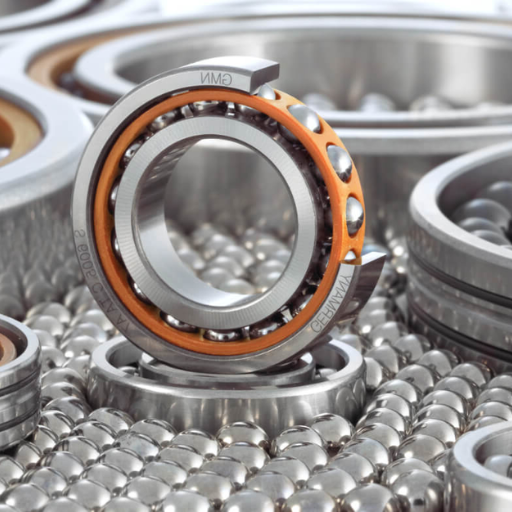
Ball bearings are a type of rolling-element bearing that utilizes balls to reduce friction and facilitate smooth rotational or linear movement between two surfaces. They are categorized into several types, depending on their design and application:
- Deep Groove Ball Bearings – These are versatile bearings designed for high-speed operations and can handle radial and axial loads. They are commonly used in electric motors, household appliances, and automotive components.
- Angular Contact Ball Bearings – Designed to handle combined loads (both radial and axial) at high speeds, these bearings are ideal for applications such as gearboxes, pumps, and machine tool spindles.
- Self-Aligning Ball Bearings – These bearings compensate for misalignment and are predominantly used in applications with shaft deflection or housing misalignment, such as agricultural machinery and conveyors.
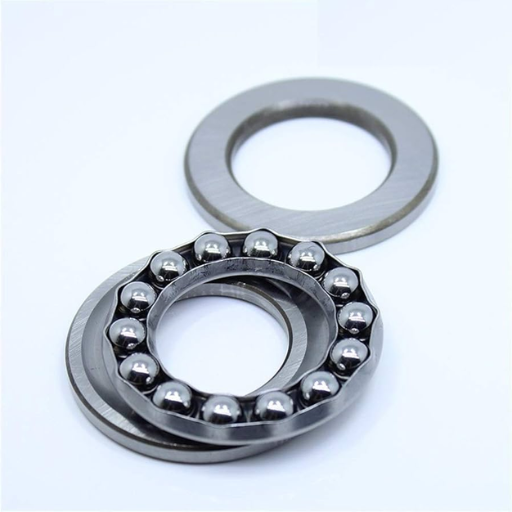
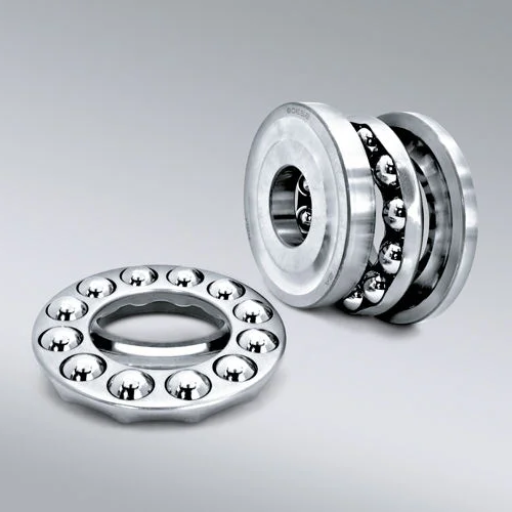
- Thrust Ball Bearings – Optimized for axial loads only, these bearings are used in low-speed applications like turntables and thrust washers.
Each type is designed with specific operational requirements in mind, providing engineers with tailored solutions to ensure durability and efficiency across various industrial and mechanical systems. If you are looking for more information about angular contact ball bearing vs. thrust bearing go here right away
Defining Angular Contact Ball Bearings
Angular contact ball bearings are precision-engineered components designed to handle combined radial and axial loads simultaneously. They are distinguished by their unique raceway geometry, which features an angular contact angle that facilitates the transfer of axial forces. This angle, typically ranging from 15° to 40°, enables the bearing to support higher loads and achieve greater speed performance. These bearings are ideal for applications requiring high rigidity and precision, such as machine tools, robotics, and high-speed gearboxes.
To achieve optimal functionality, angular contact ball bearings are often used in matched pairs or sets, allowing for configurations such as back-to-back (DB), face-to-face (DF), or tandem (DT) arrangements. These configurations enhance load distribution and rigidity, depending on the application’s requirements. Furthermore, designs may include single-row or double-row variants, with the latter providing increased load capacity. Material selection, lubrication, and cage design are also critical aspects influencing their performance, ensuring reliability under diverse operating conditions.
Exploring Thrust Bearing Characteristics
Thrust bearings are specifically designed to withstand axial loads and are utilized in applications where alignment precision and efficiency are critical. Key characteristics include their load capacity, which is determined by factors such as bearing type (e.g., ball or roller), contact angle, and material composition. For instance, thrust ball bearings are typically suited for lighter axial loads, while thrust roller bearings accommodate higher load capacities due to their larger contact surface areas.
Technical Parameters to Consider Include:
- Axial Load Capacity: Varies based on design; can range from a few hundred pounds for lighter applications to several thousand pounds for industrial use.
- Material Selection: Commonly steel, stainless steel, or ceramic for durability and abrasion resistance.
- Operating Speed: Influenced by lubrication and design, measured in RPM; optimal ranges are specified per bearing type.
- Lubrication Requirements: Essential for thermal control; typically grease or oil, with viscosity ratings matching operational needs.
- Contact Angle: Generally between 30° and 90°, affects the efficiency of force transmission.
Through careful consideration of these parameters, thrust bearings can achieve optimal performance, ensuring reliability and longevity in demanding applications. Proper maintenance, including regular inspections and lubrication, further enhances their operational lifespan.
How Do Radial and Axial Load Affect Bearing Selection?
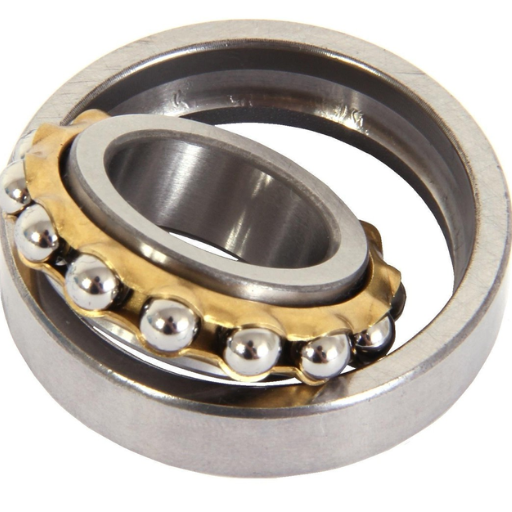
Radial and axial loads are critical factors in determining the appropriate bearing for an application. Radial loads act perpendicular to the shaft, requiring bearings specifically designed to support such forces, like deep groove ball bearings or cylindrical roller bearings. Axial loads, on the other hand, act parallel to the shaft, necessitating the use of thrust bearings or angular contact ball bearings, which are engineered to handle these directional forces effectively. When both radial and axial loads are present, combination bearings, such as tapered roller bearings or angular contact ball bearings in paired configurations, are preferred. Selecting the correct bearing type based on load directions and magnitude is essential to ensure efficient operation and prevent premature failure.
Understanding Radial Loads in Bearings
Radial loads refer to forces applied perpendicular to the axis of a rotating shaft. Bearings designed to withstand radial loads, such as deep groove ball bearings and cylindrical roller bearings, are engineered with raceways and rolling elements that optimize the distribution and management of these forces. The selection of appropriate radial load-bearing components depends on factors such as load magnitude, operational speed, and expected lifespan. Proper lubrication and alignment are critical to maintaining performance, as misalignment or inadequate lubrication can lead to increased wear, overheating, or mechanical failure. By employing the correct bearing type and adhering to recommended maintenance practices, you can ensure efficient operation and long-term reliability in radial load applications.
The Role of Axial Load in Bearing Performance
Axial load plays a critical role in the performance and selection of bearings, influencing both their operational stability and design characteristics. This type of load acts parallel to the shaft axis, and its impact varies based on the bearing type used. Bearings such as angular contact ball bearings, tapered roller bearings, and thrust bearings are specifically designed to handle axial loads effectively, though the load capacity differs depending on the specific engineering design and application.
For example, angular contact ball bearings can support combined radial and axial loads, with an axial load typically limited by the contact angle. A larger contact angle allows for greater axial load capacity; commonly, the contact angle varies between 15° and 40° for standard designs. Thrust ball bearings, on the other hand, are specifically optimized for handling axial loads exclusively and should not be exposed to radial loading. Tapered roller bearings perform well in applications requiring high axial load-carrying capacity and are often employed in heavy machinery or automotive systems.
Technical parameters for axial load performance include dynamic and static axial load ratings (Cₐ and C₀ₐ, respectively), which must not be exceeded for safe operation. The formula for determining bearing fatigue life under axial loads often modifies the equivalent load equation to account for load direction and magnitude. Additionally, misalignment tolerances, lubrication quality, and shaft rigidity should be rigorously maintained, as these factors directly affect the bearing’s ability to sustain axial forces without premature wear or failure. Proper design and load-matching ensure enhanced bearing reliability under axial loading conditions.
Balancing Radial and Axial Loads for Optimal Function
To achieve optimal performance while balancing radial and axial loads, several factors must be addressed methodically. First, determine the load distribution by calculating the radial load (Fr) and axial load (Fa) using the machine’s operational parameters. Ensure these values adhere to the bearing’s specified load ratings, specifically the dynamic load rating (C) and static load rating (C0) provided by the manufacturer. The ratio of Fa to Fr should be evaluated, as bearing types have distinct axial load limits.
Key design considerations include:
- Load Ratio (Fa/Fr): Select bearings that match the application’s Fa/Fr ratio to prevent overloading. Typically, taper roller bearings or angular contact ball bearings handle higher axial loads effectively while also supporting radial loads.
- Speed Factor (n): Verify the bearing’s maximum permissible operating speed (nmax), considering heat generation and lubrication quality.
- Lubrication: Use appropriate viscosity grades of oil or grease to minimize friction and dissipate heat, maintaining lubrication film thickness.
- Housing and Shaft Rigidity: Ensure alignment tolerances remain within ±0.001” and verify that shaft deflection does not exceed acceptable limits during operation.
By precisely balancing these technical parameters and ensuring adherence to manufacturer guidelines, the combined radial and axial load conditions can be managed effectively to maximize bearing performance and service life.
Why Choose Angular Contact Ball Bearings Over Other Bearings?

Angular contact ball bearings offer superior performance in applications requiring high-speed operation, combined radial and axial load handling, and high precision. Their unique design, featuring raceways in the inner and outer rings set at an angle relative to each other, enables them to simultaneously accommodate axial and radial loads, a capability that many other bearing types lack. Additionally, these bearings can operate with higher rigidity and support greater thrust loads, especially when mounted in pairs or configurations such as back-to-back or face-to-face. The optimized design also reduces deformation under load, enhancing reliability and service life in demanding applications such as machine tools, turbines, and automotive systems.
Advantages of Angular Contact Bearings
Angular contact bearings offer numerous advantages in both dynamic and static applications due to their specialized design and technical performance characteristics. These bearings are engineered to handle combined axial and radial loads with high precision, making them ideal for applications such as machine spindles, pumps, and turbines. Key advantages include:
- High Load Capacity
Angular contact bearings are capable of managing significant axial and radial loads simultaneously. Due to their contact angle, typically ranging from 15° to 40°, they can withstand higher thrust forces in one direction. For applications needing bidirectional axial load support, paired configurations (e.g., back-to-back or tandem) are employed to improve performance.
- High-Speed Performance
Designed for high-speed operation, angular contact bearings minimize friction and heat generation using optimized raceway geometry, precision-grade tolerances, and advanced materials such as ceramic balls. This makes them suitable for turbochargers, machine tools, and high-speed motors.
- Enhanced Rigidity and Stability
These bearings exhibit high stiffness, critical for precision operations. The preload (factory-set or adjustable) ensures stable positioning during high-speed or heavy-load scenarios, reducing vibrations and deformation under stress.
- Extended Service Life
Modern angular contact bearings implement advanced lubrication systems, heat-resistant materials, and precise sealing mechanisms to reduce wear and contamination, thereby improving overall longevity. Service life may also be extended with the use of hybrid versions incorporating ceramic balls for lower inertia and reduced wear.
- Compact Design
The angular contact bearing’s ability to manage multitasking loads in compact dimensions allows manufacturers to save space in complex assemblies while maintaining robust operational reliability. For example, their use in automotive transmissions illustrates their space-efficient load-handling capabilities.
Technical Parameters:
- Contact Angle: Commonly available in 15°, 25°, and 40° to suit different axial load requirements.
- Speed Limit: Can exceed 20,000 RPM in hybrid bearings depending on lubrication and design.
- Load Rating (Dynamic and Static): Ranges from several kN to hundreds of kN based on size (e.g., a 7206 model offers a dynamic load rating of ~29.2 kN).
- Material: Options include chrome steel, stainless steel, and ceramic hybrids for varied speed and load performance.
Angular contact bearings stand out for their versatility, reliability, and high-performance capabilities, making them indispensable in precision industries.
When to Use Contact Ball Bearing
I recommend using contact ball bearings when applications demand high-speed performance, combined load handling (both radial and axial), and precision in operation. These bearings are ideal for machinery such as pumps, compressors, electric motors, and gearboxes, particularly when there is a need to support angular misalignment or thermal expansion. Additionally, they are well-suited for environments requiring low friction and high reliability, ensuring efficient and durable operation under varying conditions.
Angular Contact Ball Bearing Vs. Thrust Bearing
|
Key Point |
Angular Contact Ball Bearing |
Thrust Bearing |
|---|---|---|
|
Primary Load Direction |
Radial and axial |
Axial only |
|
Load Capacity |
Moderate to high |
Very high (axial) |
|
Operating Speed |
High |
Moderate to low |
|
Alignment Capability |
Limited |
None |
|
Installation Orientation |
Can handle tilted shaft angles |
Requires precise axial alignment |
|
Common Applications |
Pumps, gearboxes, electric motors |
Turbines, axial supports, heavy-duty presses |
|
Friction Levels |
Low |
Typically higher due to pure axial load |
|
Bearing Design |
Single or double row with contact angles |
Flat or grooved raceways for axial loads |
|
Thermal Expansion Handling |
Yes |
Limited |
|
Durability |
High under balanced radial-axial loads |
High under pure axial loads |
What Makes Thrust Bearings Suitable for Specific Applications?
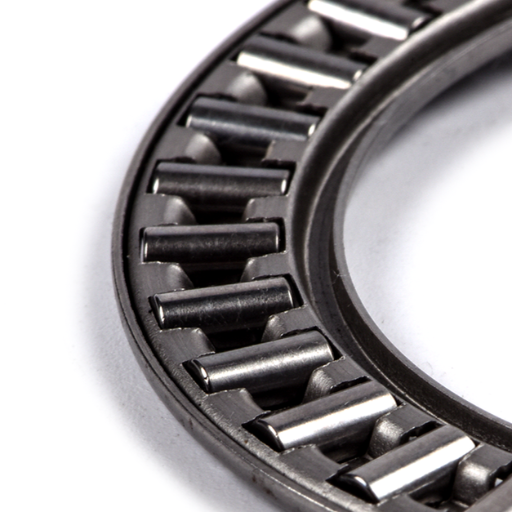
Thrust bearings are specifically engineered to handle axial loads, making them indispensable in applications where forces act parallel to the shaft. Their design accommodates high load capacities while maintaining rotational efficiency. Key factors include their ability to handle high-speed operations, resist wear under axial stress, and provide precise load distribution. The compatibility of thrust bearings with various lubrication systems further enhances their performance in demanding environments. Additionally, their material composition and geometry ensure durability in applications requiring reliability and longevity, such as turbines, automotive systems, and industrial machinery.
Understanding Thrust Load in Bearings
Thrust load refers to the axial force exerted along the shaft of a bearing, pushing it in a linear direction rather than a radial one. This type of load is crucial in applications where components must manage forces parallel to the axis of rotation, such as in propellers, vertical shaft systems, and machinery with embedded axial motions. Bearings designed to handle thrust loads, like thrust ball bearings, are specifically structured to mitigate wear and ensure efficiency under such stresses. Properly assessing the magnitude and direction of thrust load is critical for selecting the appropriate bearing type, as it directly impacts performance, longevity, and safety.
Applications of Thrust Ball Bearings
Thrust ball bearings are highly specialized components designed to efficiently manage axial loads in various industrial and mechanical systems. They are commonly used in the following applications:
- Automotive Transmissions
These bearings are utilized in car transmissions to accommodate the axial forces generated during gear shifting. Typical specifications include a load capacity ranging from 5 kN to 50 kN, depending on the vehicle type.
- Power Generation Equipment
Turbines, particularly vertical axis water and wind turbines, employ thrust ball bearings to handle high axial loads. Bearings in this context often support axial loads up to 200 kN while maintaining operational speeds of 500 to 3000 RPM.
- Pumps and Compressors
Thrust ball bearings are integral to pump assemblies where axial thrust arises from fluid pressure. Bearings for these applications usually operate within a load range of 10 kN to 100 kN and are capable of enduring prolonged exposure to high temperatures and corrosive environments.
- Heavy Machinery and Presses
Industrial presses and construction equipment, such as pile drivers, rely on thrust ball bearings for their capability to handle significant axial loads over extended periods. These bearings typically feature enhanced durability, supporting loads up to 500 kN with precision alignment under heavy stress.
- Marine Propulsion Systems
In marine applications, such as ship propeller shafts, thrust ball bearings are essential for mitigating the axial forces generated by propulsion. Such bearings are designed for robust operation, handling loads between 50 kN and 300 kN, with corrosion-resistant materials.
By carefully selecting thrust ball bearings with proper load capacity, speed limits, and material properties, manufacturers can ensure optimal performance and reliability for their specific application requirements.
Choosing Ball Thrust Bearings for Axial Support
When choosing ball thrust bearings for axial support, I focus primarily on the load requirements, operating conditions, and material properties. The load capacity of the bearing must match or exceed the axial forces it will encounter; this ensures both efficiency and durability. I also pay close attention to the speed ratings to avoid operational failures due to excessive rpm. Additionally, material selection is critical—corrosion-resistant alloys or stainless steel options are typically ideal for applications in harsh environments. By combining these factors and referencing manufacturers’ specifications, I can confidently select the most suitable bearing for any given application.
How to Select the Type of Bearing for Your Needs?

When selecting the type of bearing for your needs, begin by analyzing the application’s load requirements, including the magnitude and direction of forces (radial, axial, or combined). Evaluate the operating environment, such as temperature, contamination levels, and exposure to moisture, as these factors influence material and sealing requirements. Consider the speed and precision requirements of your system to determine the necessary tolerance levels and lubrication options. Finally, review the lifespan expectations and maintenance constraints to ensure long-term performance. Consulting technical specifications and compatibility guidelines from manufacturers is essential to making an informed decision.
Evaluating Operational Requirements
When evaluating operational requirements, I first focus on understanding the application’s specific demands, including load, speed, and environmental conditions. I ensure that all operating variables, such as temperature ranges, vibration levels, and exposure to contaminants, are assessed to select components that meet these conditions. Additionally, I prioritize reviewing manufacturer-provided technical data, such as tolerances, torque capacities, and material compatibility, to confirm suitability. By cross-referencing multiple authoritative sources, I aim to align performance specifications with long-term efficiency and reliability goals.
Determining the Right Contact Angle
To determine the right contact angle, I first analyze the operational requirements of the machinery, including load distribution, axial and radial forces, and the intended application environment. Contact angles influence the handling of thrust and radial loads—larger angles generally support higher axial loads, while smaller angles excel in high-speed applications with less axial stress. I consult authoritative sources, such as engineering guidelines and technical resources from manufacturers, to assess the impact of the contact angle on performance and durability. By synthesizing insights from trusted references, I ensure the chosen contact angle optimally balances load capacity, efficiency, and operational longevity for the specific application.
Reference Sources
- Angular vs thrust bearing on ballscrews – CNCZone
- Thrust or contact ball bearings – Eng-Tips
- What are the differences between thrust bearings and ball bearings – Quora
- Tapered roller vs thrust ball bearings – The Home Machinist
- Angular contact vs ball thrust bearings for ballscrew – Practical Machinist
Frequently Asked Questions (FAQs)
Q: What are angular contact ball bearings?
A: Angular contact ball bearings are a type of ball bearing designed to handle both radial and axial loads simultaneously. They have a contact angle that allows them to support higher axial loads compared to radial ball bearings.
Q: How do thrust bearings differ from angular contact ball bearings?
A: Thrust bearings are specifically designed to handle pure thrust loads, meaning loads applied in a direction parallel to the shaft. In contrast, angular contact ball bearings can handle both axial and radial loads, making them versatile for various applications.
Q: When should you use angular contact ball bearings over thrust bearings?
A: Angular contact ball bearings are ideal when you need to handle loads in both directions and higher speed applications, whereas thrust bearings are best for applications involving purely axial loads.
Q: Can angular contact ball bearings handle high radial loads?
A: Yes, angular contact ball bearings can handle high radial loads, especially when used in configurations such as double row angular contact bearings, which increase their radial load rating.
Q: What are the main uses of thrust bearings?
A: Thrust bearings are primarily used in applications where axial loads are predominant, such as in automotive transmissions and rotating equipment where pure thrust is the main concern.
Q: What factors should be considered to select the right bearing?
A: To select the right bearing, consider the type and magnitude of loads (radial and axial), speed requirements, bearing life, and environmental conditions such as temperature and contamination.
Q: How do spherical roller bearings compare to angular contact ball bearings?
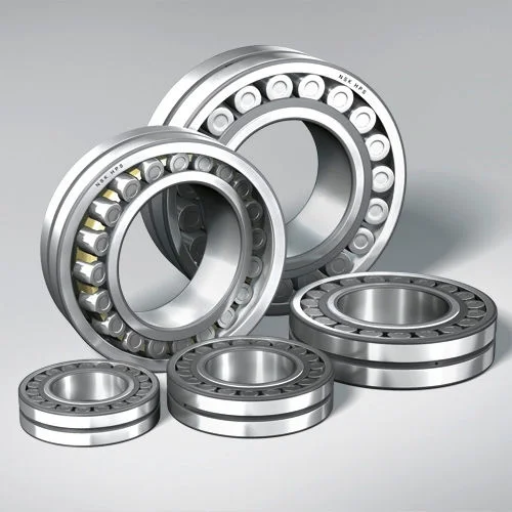
A: Spherical roller bearings are designed to accommodate misalignment and handle heavier loads, both radial and axial, compared to angular contact ball bearings. They are typically used in more demanding applications.
Q: What is the significance of the contact angle in angular contact ball bearings?
A: The contact angle in angular contact ball bearings determines the ratio of axial to radial load capacity. A larger contact angle allows for greater axial load capacity, making them suitable for applications requiring loads in both directions.
Q: Are radial ball bearings the same as radial bearings?
A: Yes, radial ball bearings are a type of radial bearing designed to handle primarily radial loads. They are commonly used in applications where the load is perpendicular to the axis.
Q: What are double row angular contact bearings, and where are they used?
A: Double row angular contact bearings consist of two rows of balls arranged back-to-back. They provide higher radial and axial load capacity than single row angular contact bearings, making them suitable for applications with combined loads.