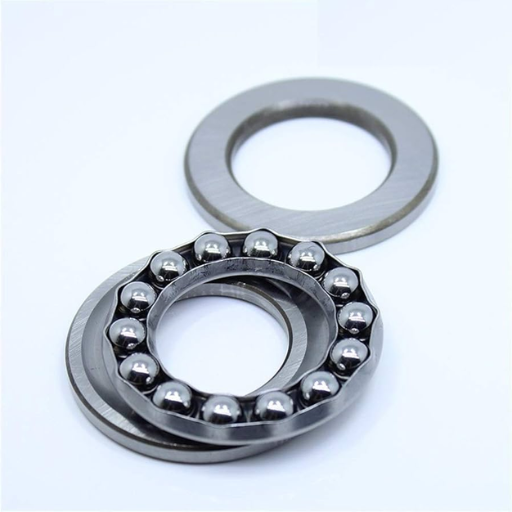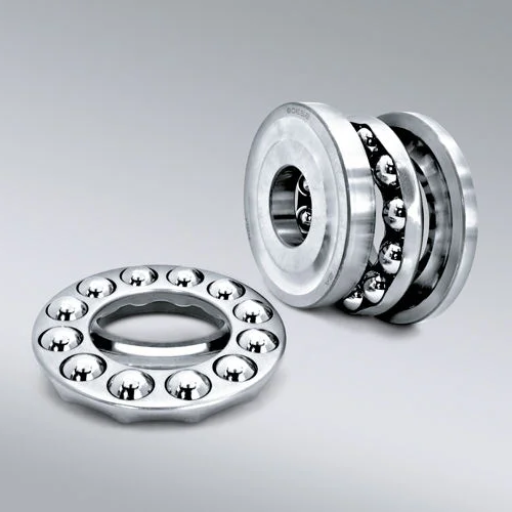
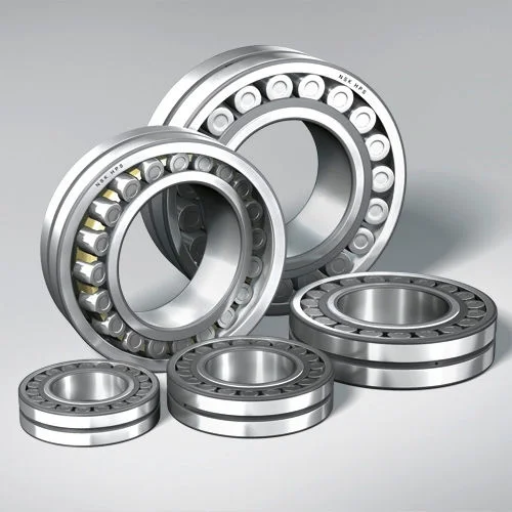



Bearings are critical mechanical components that enable smooth rotation and reduce friction between moving parts. Among the vast array of bearing types, needle bearings and tapered roller bearings stand out due to their specific designs and applications, tailored for different mechanical needs. This article aims to provide a comprehensive exploration of these two bearing types, highlighting their structural differences, operational principles, and typical use cases. By understanding the unique characteristics of each, engineers and designers can make informed decisions when selecting the appropriate bearing for various industrial applications.
What Is a Needle Roller Bearing and How Does It Work?
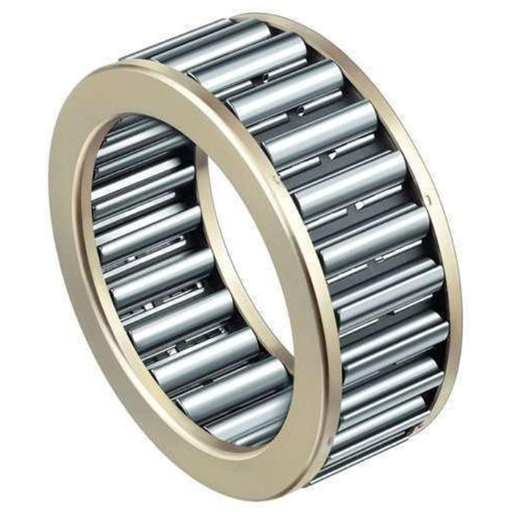
Needle roller bearings are a type of roller bearing that utilizes long, slender cylindrical rollers with a length typically several times greater than their diameter. This unique design allows needle roller bearings to provide high load-carrying capacity while maintaining a compact cross-sectional profile. These bearings work by reducing friction between moving parts through the rolling action of the needles, which are held in alignment by a cage or directly by the bearing housing. Commonly used in automotive, aerospace, and industrial machinery, needle roller bearings are ideal for applications requiring efficient support of radial loads in limited-space environments.
Key Features of Needle Bearings
- High Load-Carrying Capacity
Despite their compact design, needle roller bearings can support significantly high radial loads due to the elongated shape of the rollers. This makes them suitable for heavy-duty applications where space constraints exist. If you are looking for more information about needle bearing vs. tapered roller bearing go here right away
- Compact Design
The small cross-sectional profile allows these bearings to be used in applications with limited mounting space, without compromising on performance or structural integrity.
- Low Friction and High Efficiency
The rolling motion of the slender needle rollers minimizes friction between components, increasing efficiency and reducing wear over time. Coefficients of friction typically range between 0.001 and 0.003 depending on lubrication and operating conditions.
- Wide Operating Speed Range
Needle bearings can handle high rotational speeds when proper lubrication is maintained. Typical operating speeds range from 5,000 RPM to 15,000 RPM, depending on the specific bearing type and application.
- Durability and Longevity
Constructed from high-grade materials, such as hardened steel or chrome steel (e.g., 52100), needle roller bearings provide excellent resistance to wear, fatigue, and deformation under load, extending service life.
- Versatile Lubrication Options
Compatible with both oil and grease lubrication systems, these bearings can be adapted to a variety of operational environments, from high-temperature industrial machinery to low-maintenance configurations.
- Customization and Variants
Available in several configurations, including open-end, closed-end, and drawn-cup needle roller bearings, they can also incorporate seals or integral thrust washers to meet precise application requirements. Axial load capacities may vary based on design specifications.
By combining these features, needle roller bearings are a critical component for efficient and reliable operation in modern engineering systems.
Applications and Uses of Needle Bearings
Needle roller bearings are vital in a broad spectrum of applications due to their compact design, high load-carrying capacity, and ability to operate under varying conditions. These bearings are commonly utilized in automotive industries—for example, in transmissions, gearboxes, and universal joints—where their reduced cross-section ensures lightweight performance without compromising durability. Additionally, they are extensively used in agricultural machinery, two-stroke engines, power tools, and robotics, where space constraints and load-bearing efficiency are critical factors.
Key Applications and Corresponding Parameters:
- Automotive Transmissions and Gearboxes
-
-
- Purpose: High-speed rotation and transfer of significant torque.
- Technical Parameters:
-
- Minimum outer diameter: 3 mm.
- Load capacity range: Up to 1,000 MPa (depending on design).
- Operating speeds exceeding 7,000 RPM.
-
- Universal Joints in Drive Shafts
-
-
- Purpose: Efficient torque transfer under misalignment conditions.
- Technical Parameters:
-
- Compact radial design for constrained spaces.
- Integrated seals to prevent contamination.
-
- Agricultural and Industrial Equipment
-
-
- Purpose: Support heavy loads in slow-moving or oscillating equipment (e.g., tillers, conveyors).
- Technical Parameters:
-
- Radial load capacities ranging up to 12,000 N.
- Operating temperature tolerance between -30°C and 120°C.
-
These examples highlight the versatility of needle roller bearings across industries. Their design flexibility enables engineers to optimize machinery for performance, durability, and efficiency in a wide range of operational environments.
Advantages of Using Needle Bearings
Needle bearings offer several advantages that make them an indispensable choice in numerous mechanical applications. Firstly, their compact design allows for high load-carrying capacities while minimizing radial space requirements, making them ideal for applications with tight spatial constraints. Secondly, needle bearings are highly efficient in reducing friction and wear due to their rolling element design, which ensures smooth operation and contributes to extended machinery lifespan. Additionally, they perform exceptionally well under high load and low-speed conditions, demonstrating durability even in demanding environments. Their versatility is further enhanced by variations such as sealed, unsealed, or heavy-duty configurations, allowing engineers to match specific operational needs. These benefits collectively make needle bearings a critical component in optimizing equipment reliability, efficiency, and performance.
How Do Tapered Roller Bearings Differ from Other Bearings?
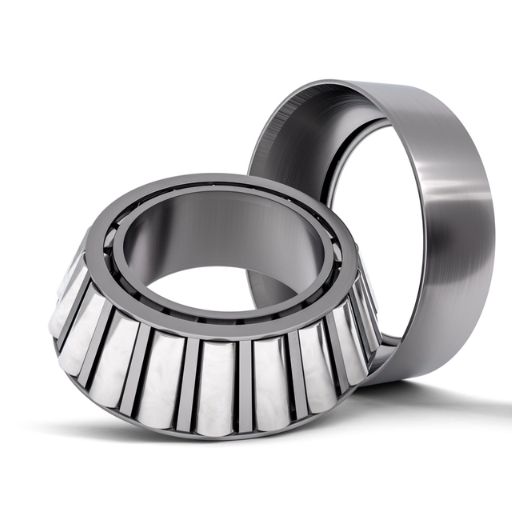
Tapered roller bearings differ from other bearings primarily in their design and load-handling capabilities. Unlike ball bearings, which utilize spherical elements, tapered roller bearings feature conical rollers that enable them to handle both radial and axial loads efficiently. This makes them ideal for applications requiring high load capacity and precise alignment, such as in automotive wheel hubs and industrial machinery. Additionally, their tapered geometry ensures even distribution of forces, reducing wear and extending service life, making them a superior choice for demanding operational environments.
Understanding the Structure of Tapered Bearings
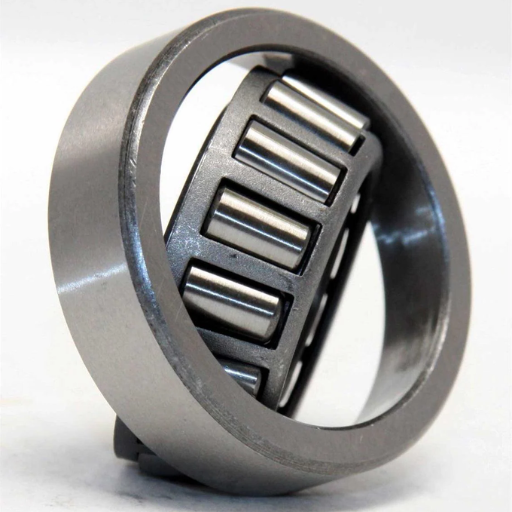
Tapered roller bearings are composed of four key components: the inner ring (cone), the outer ring (cup), tapered rollers, and the cage. The inner and outer rings are designed with angled raceways that correspond to the tapered shape of the rollers. This unique geometry facilitates effective management of both radial and axial loads. The cage, typically made from steel or brass, not only ensures uniform spacing of the rollers but also minimizes friction during operation. This precise configuration allows for optimal force distribution, high durability, and the ability to accommodate misalignment in applications. The synergy between these components makes tapered bearings highly efficient and reliable for high-performance machinery.
Common Uses of Tapered Roller Bearings
Tapered roller bearings are integral to numerous applications where durability and reliability are paramount. I often find them used in automotive wheel hubs, where they handle combined radial and axial loads efficiently. Additionally, they are essential in industrial equipment like gearboxes, conveyor systems, and heavy machinery, ensuring optimal performance under high-stress conditions. Their precision engineering also makes them popular in agricultural and mining equipment, where durability and resistance to misalignment are critical.
Benefits of Tapered Bearings in Industrial Applications
Tapered roller bearings provide significant advantages in industrial applications due to their unique design and high performance under demanding conditions. Their ability to handle combined radial and axial loads ensures reliability in heavy-duty operations. Key benefits include:
- Load Capacity: Tapered bearings are engineered to support large radial and thrust loads. For example, the bearing’s steep contact angles can sustain higher axial forces, critical for applications like gearboxes and axles.
- Durability: Constructed from high-grade steel, these bearings exhibit excellent wear resistance and longevity. Heat treatment processes further enhance their ability to operate under extreme temperatures or heavy vibrations without deformation.
- Precision and Alignment: With tight tolerances and optimized internal geometry, tapered bearings minimize misalignment, reducing equipment vibration and prolonging service life. Misalignment tolerances typically range between 0.1° to 0.3°.
- Efficiency: Low friction levels, thanks to precision machining and lubrication, result in smoother operations, energy savings, and reduced maintenance requirements.
- Thermal Stability: Many tapered bearings are designed to operate within a wide temperature range (-30°C to +120°C) without compromising performance, making them ideal for robust environments such as mining or agriculture.
By leveraging these benefits, tapered roller bearings ensure superior performance and reliability, contributing to extended equipment uptime and reduced operational costs.
Load-Carrying Capacity: Comparing Needle and Tapered Roller Bearings

|
Parameter |
Needle Bearings |
Tapered Roller Bearings |
|---|---|---|
|
Load Type |
Primarily radial loads |
Handles radial and axial loads |
|
Load-Carrying Capacity |
Lower capacity per unit size |
Higher capacity, suitable for heavy loads |
|
Contact Area |
Smaller contact area |
Larger contact area |
|
Axial Load Support |
Limited axial load support |
Strong axial load support |
|
Size and Compactness |
Smaller and more compact design |
Bulkier, requires more space |
|
Heat Tolerance |
Moderate heat tolerance |
High thermal stability (-30°C to +120°C) |
|
Durability Under Stress |
Prone to rapid wear under heavy loads |
Resistant to wear under high stress |
|
Common Applications |
Automotive gearboxes, two-wheelers |
Mining, agriculture, heavy machinery |
|
Misalignment Tolerance |
Low tolerance for misalignment |
Higher tolerance, maintains performance |
|
Cost |
Generally more cost-effective |
Typically higher cost |
Handling Radial and Axial Loads with Needle Bearings
Needle bearings are specifically designed to handle high radial loads while maintaining a compact footprint, making them ideal for applications with limited space. They feature elongated cylindrical rollers that distribute load evenly across the bearing. Despite their primary function of accommodating radial loads, needle bearings can also handle limited axial loads when coupled with thrust washers or combined with other bearing components. The precise load-bearing capacity of needle bearings depends on their design, material composition, and lubrication. Proper alignment and accurate installation are critical to maximizing their efficiency and lifespan, especially when they are required to manage complex load distributions. Regular inspection and maintenance are also essential to prevent premature wear and ensure reliable performance under varying operational conditions.
Tackling Thrust Loads with Tapered Rollers
To address thrust loads effectively using tapered rollers, I focus on their unique design, which incorporates conical elements that distribute both radial and axial forces efficiently. The geometry of tapered rollers is specifically engineered to handle combined loads, making them ideal for applications requiring stability under high axial forces. I ensure proper alignment during installation to minimize stress concentrations and enhance load distribution. Additionally, I prioritize the use of high-quality lubrication to reduce friction and wear, while also scheduling regular maintenance to detect and address early signs of degradation. By following these principles, I can maximize the durability and reliability of tapered roller bearings.
How to Select the Right Bearing for Your Needs
Key Considerations for Selecting the Right Bearing
- Load Requirements: Determine the type and magnitude of the load—radial, axial, or a combination of both. Different bearings are suited to specific load conditions, such as tapered roller bearings for high axial and radial loads or ball bearings for lighter, high-speed applications.
- Speed Rating: Analyze the operational speed of your application. Bearings are designed to operate effectively within certain speed limits, and exceeding these can lead to overheating or shortened lifespan.
- Environmental Factors: Evaluate the operating environment, including temperature, moisture, dust, and exposure to chemicals. Select bearings with appropriate sealing, material, and lubrication to withstand these conditions.
- Space Constraints: Consider size limitations in your design. Some bearings, like needle roller bearings, are compact and suitable for tight spaces, while others may require more room for installation.
- Durability and Maintenance: Assess the bearing’s expected lifespan and maintenance requirements. High-quality bearings with advanced materials or coatings may offer enhanced durability and lower the need for frequent servicing.
By addressing these factors, you can choose a bearing optimized for efficiency, reliability, and longevity in your specific application.
Factors to Consider When Choosing Between Needle and Tapered Bearings
|
Factor |
Needle Bearings |
Tapered Bearings |
|---|---|---|
|
Load Capacity |
Handles high radial loads |
Handles both radial and axial loads |
|
Size and Compactness |
Compact and lightweight design |
Larger and bulkier |
|
Speed Capability |
Suitable for higher-speed applications |
Suitable for moderate-speed applications |
|
Friction Level |
Lower friction for reduced energy loss |
Higher friction due to axial load capability |
|
Alignment Tolerance |
Limited misalignment tolerance |
Better tolerance for misalignment |
|
Maintenance Requirement |
Minimal maintenance with proper lubrication |
May require regular maintenance |
|
Durability |
Moderate durability depending on material |
Highly durable with advanced material options |
|
Cost |
Generally more cost-effective |
Often higher initial cost |
|
Typical Applications |
Automotive transmissions, pumps |
Vehicle axles, heavy machinery |
Impact of Load Capacity and Lubrication on Bearing Selection
The selection of needle or tapered roller bearings depends heavily on their load capacity and lubrication requirements. These factors determine the bearing’s efficiency, lifespan, and suitability for specific applications.
What Are the Lubrication Requirements for Needle and Tapered Roller Bearings?
Proper lubrication is critical for both needle and tapered roller bearings to minimize friction, reduce wear, and prevent overheating under operational stresses.
Ensuring Proper Lubrication for Needle Bearings
Needle bearings require adequate lubrication due to their smaller rolling elements and tighter clearances. Oil-based lubrication is often preferred for high-speed operations, as it provides a thin, consistent film to reduce friction. For lower-speed or oscillatory motions, grease lubrication may be sufficient, offering longer-lasting protection. Regular monitoring and replenishment are essential, especially in demanding environments where contaminants like dust or moisture may degrade lubrication quality.
Maintaining Tapered Roller Bearings for Optimal Performance
Tapered roller bearings, designed to sustain larger radial and axial loads, require robust lubrication strategies. These bearings commonly utilize either grease or oil lubrication based on the operating conditions. Thicker grease is suited for slow-moving applications, preventing metal-to-metal contact, while oil lubrication ensures effective heat dissipation in high-speed or high-load scenarios. Contamination-free lubrication systems, along with consistent maintenance, are vital to enhance performance and prevent premature bearing failure.
By carefully evaluating application-specific load demands and environmental conditions, selecting and maintaining the correct lubrication method ensures reliable performance of both needle and tapered roller bearings.
What Are the Lubrication Requirements for Needle and Tapered Roller Bearings?
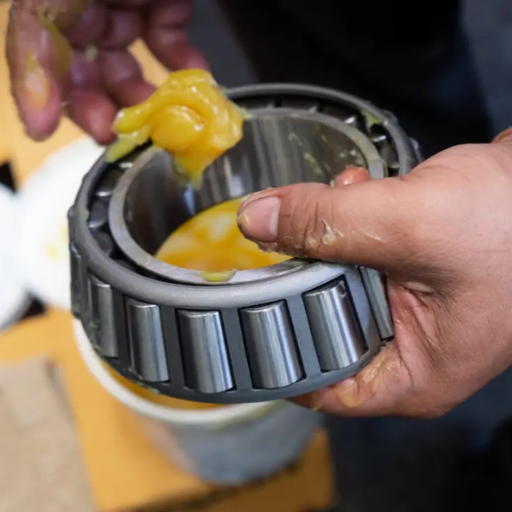
To ensure optimal performance and longevity, the lubrication requirements for needle and tapered roller bearings must account for factors such as load, speed, temperature, and environmental conditions. These bearings typically require lubricants with sufficient film strength to minimize metal-to-metal contact and reduce wear under heavy loads. For applications involving high speeds, lubricants with low viscosity are preferred for minimizing friction and heat generation, while heavy-duty applications may demand high-viscosity lubricants or grease. Regular monitoring and replenishment of lubrication are crucial, and contamination must be avoided to prevent premature bearing failure. Selecting the right lubrication type—whether oil, grease, or solid film lubricant—depends on the specific application requirements and operational conditions.
Ensuring Proper Lubrication for Needle Bearings
To ensure proper lubrication for needle bearings, I focus on selecting the right lubricant based on the operating conditions, such as load, speed, and temperature. For high-speed applications, I prefer low-viscosity oils to reduce friction, while in heavier loads, I opt for high-viscosity grease for effective film formation. I also implement a consistent maintenance schedule, regularly inspecting and replenishing the lubrication to prevent wear and avoid contamination. Additionally, I tailor the lubrication method, choosing between oil bath, spray systems, or grease packing, depending on the bearing’s operational demands and accessibility.
Maintaining Tapered Roller Bearings for Optimal Performance
To ensure tapered roller bearings perform efficiently, I focus on precision installation and thorough cleanliness during assembly. Proper mounting is crucial, and I aim for a preload that matches the application’s specifications—typically ranging between 0.02 and 0.08 mm, depending on the manufacturer’s recommendations and the operating load requirements. Additionally, I ensure contamination is minimized by using sealed bearings when necessary and by maintaining a clean working environment. Regular inspections are key, where I check for misalignment, overheating, and any abnormal vibrations, using vibration analysis tools where applicable. For lubrication, I prioritize selecting oils or greases with appropriate viscosity levels matching the bearing size and expected operating temperatures, usually between -30°C and 120°C for most standard applications, unless otherwise specified. Adhering to a strict maintenance protocol reduces the risk of premature wear, ensuring prolonged bearing life and sustained system reliability.
Reference Sources
- 5 Key Differences Between Tapered Bearings And Needle Bearings
- What Are the Differences Between Bearings?
- What’s the Difference Between Bearings?
- Can you explain the difference between needle roller bearings and spherical roller bearings?
- Needle Roller Bearings: Types and Catalogs
Frequently Asked Questions (FAQs)
Q: What is a needle bearing?
A: A needle bearing is a type of bearing that uses small cylindrical rollers, similar to needles, to reduce friction of a rotating surface. These bearings are essential when space is limited, as they have a high load-carrying capacity for their size.
Q: How do tapered roller bearings differ from needle bearings?
A: Tapered roller bearings use barrel-shaped rollers that are positioned at an angle to handle both radial and high thrust loads, whereas needle bearings use straight rollers to handle mainly radial loads. Tapered roller bearings are often used in applications where a combination of loads is present.
Q: What are some applications for needle bearings?
A: Needle bearings are used in various industries where space is limited and high load capacity is required, such as in automotive transmissions, gearboxes, and small engines. They play a crucial role in distributing the load effectively in compact spaces.
Q: Can needle bearings handle axial loads?
A: Needle bearings primarily handle radial loads, but when combined with needle thrust bearings, they can also support limited axial loads. However, for high thrust load applications, other bearing types like thrust bearings or tapered roller bearings might be more suitable.
Q: What are the advantages of using tapered roller bearings?
A: Tapered roller bearings can handle both radial and axial loads efficiently due to their design, which distributes the load over a larger contact surface. This makes them reliable and durable, suitable for applications such as wheel bearings and gearboxes.
Q: Are there different types of roller bearings?
A: Yes, there are many types of roller bearings, including cylindrical roller bearings, spherical roller bearings, and tapered roller bearings. Each type has its own unique design to accommodate specific load and application requirements.
Q: How do cylindrical roller bearings compare to needle bearings?
A: Cylindrical roller bearings use larger rollers compared to needle bearings, allowing them to handle heavier radial loads. However, cylindrical roller bearings require more space and are typically used in applications where space constraints are less of a concern.
Q: What is the role of deep groove ball bearings in comparison to needle and tapered roller bearings?
A: Deep groove ball bearings are designed to handle moderate radial and axial loads and are commonly used in various industries for their versatility. Unlike needle bearings and tapered roller bearings, ball bearings have a point of contact which allows for smoother and quieter operation.
Q: Why are bearings essential in mechanical systems?
A: Bearings are essential because they reduce friction between moving parts, distribute loads, and enhance the reliability and durability of mechanical systems. They play a crucial role in ensuring the efficient operation of machinery by minimizing wear and tear.
Q: What factors should be considered when choosing a type of bearing?
A: When choosing a type of bearing, consider load type (radial or axial), space constraints, speed requirements, and environmental conditions. These factors will determine whether a needle, cylindrical, spherical, or another type of bearing is most appropriate for the application.