


Bearings are critical components in machinery, designed to reduce friction between moving parts and facilitate smooth rotational or linear motion. Among the various types of bearings, ball bearings and regular bearings stand out for their unique designs and applications, often sparking curiosity about their primary differences.
This article will provide a comprehensive overview of the distinctions between ball bearings and other types of bearings, including their structural characteristics, load-handling capabilities, and optimal use cases. By thoroughly understanding these differences, readers can make informed decisions when selecting the ideal bearing type for specific mechanical systems or engineering projects.
What Is a Ball Bearing and How Does It Work?
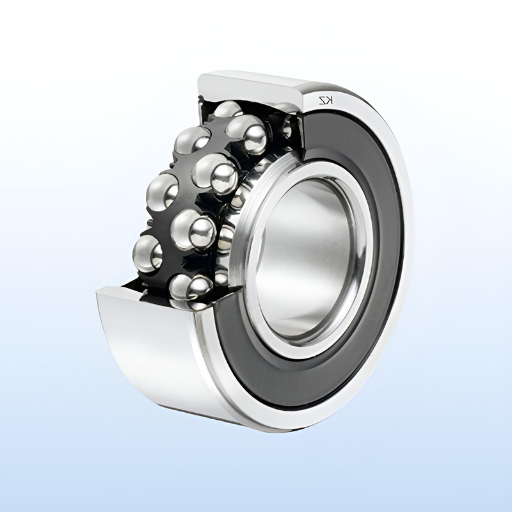
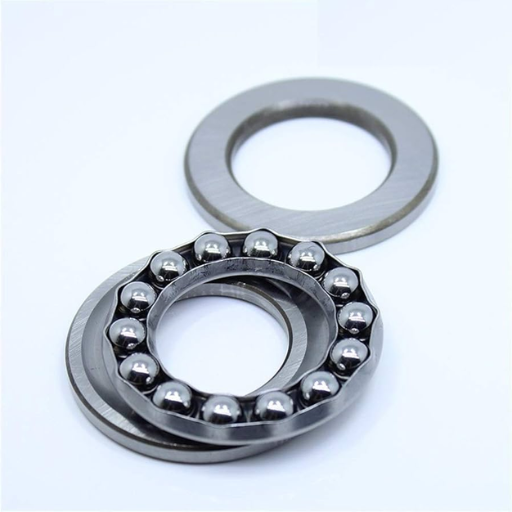
A ball bearing is a type of rolling-element bearing that uses balls to maintain the separation between bearing races, reducing friction and enabling smooth rotational motion. The primary components of a ball bearing include an inner race, an outer race, a set of balls, and a cage to hold the balls evenly spaced. When a load is applied, the balls rotate between the races, minimizing resistance and allowing for high-speed operation with reduced energy consumption. Ball bearings are particularly effective for handling radial and axial loads, making them ideal for applications such as electric motors, conveyors, and automotive systems. If you are looking for more information about ball bearing vs. regular bearing go here right away
Components of a Ball Bearing
Key Functions of Ball Bearing Components
The primary function of the inner race and outer race is to act as channels or tracks for the balls, ensuring smooth and controlled rotation. The balls, typically made of steel or ceramic, reduce friction by creating point contacts rather than surface contact, which decreases wear and heat generation. The cage, or retainer, evenly spaces the balls within the system to prevent collisions and ensure consistent performance under dynamic conditions. Together, these components allow ball bearings to convert sliding friction into rolling friction, enabling precise motion and reliable load handling in various mechanical systems.
How Ball Bearings Reduce Friction
Ball bearings reduce friction by minimizing the surface area of contact between moving parts. Instead of allowing surfaces to slide against each other, the balls enable rolling motion, which has significantly lower friction compared to sliding. The spherical balls within the bearing, often made of steel or ceramic, distribute the load evenly while the cage ensures proper spacing, preventing collisions. This design reduces wear, limits heat generation, and enhances efficiency, making ball bearings essential for smooth and reliable operation in mechanical systems.
Common Applications of Ball Bearings
Ball bearings are used across a wide range of industries and applications due to their ability to reduce friction and support radial and axial loads. Below are some of the most common applications:
- Automotive Industry
Ball bearings are integral components in automotive systems, used in wheel hubs, transmissions, and engines. They help reduce friction in moving parts, ensuring efficient energy transfer and improving durability. For example, wheel bearings enable smooth rotation of wheels under both radial and thrust loads.
-
-
- Typical Parameters: Load capacity varies by design, such as steel ball bearings with dynamic load ratings between 10 kN and 80 kN for standard automotive applications. Operating temperature ranges generally from -30°C to 150°C.
-
- Industrial Machinery
Ball bearings play a crucial role in heavy machinery, including conveyors, pumps, and compressors. Their ability to handle combined radial and axial forces makes them suitable for machines subjected to continuous, high-stress operations. Precision-grade ball bearings enhance the performance and reliability of CNC (Computer Numerical Control) machines and other automated equipment.
-
-
- Typical Parameters: Higher precision classes, such as ABEC-5 or ABEC-7 bearings, are often used. Speed capabilities can range between 3,000 RPM and 10,000 RPM, depending on the application.
-
- Aerospace and Aviation
The aerospace industry demands ball bearings capable of performing under extreme conditions, such as high speeds, large temperature variations, and significant load fluctuations. Bearings in aircraft engines, control systems, and landing gear are typically crafted from lightweight, high-strength materials like hybrid ceramic or aerospace-grade steel.
-
-
- Typical Parameters: Operating temperatures between -54°C and 300°C, rotational speeds of up to 50,000 RPM, and exceptional corrosion and fatigue resistance.
-
- Electrical Motors and Household Appliances
Ball bearings are essential in electric motors, washing machines, ceiling fans, and HVAC systems, ensuring quiet and energy-efficient operation. Their low noise and vibration levels make them suitable for residential and commercial environments.
-
-
- Typical Parameters: Noise level ratings of ZV3 or higher, with speeds typically ranging up to 20,000 RPM for electric motors.
-
These examples demonstrate the versatility of ball bearings in facilitating efficient and reliable mechanical motion across diverse industries and applications.
How Does a Roller Bearing Differ from a Ball Bearing?
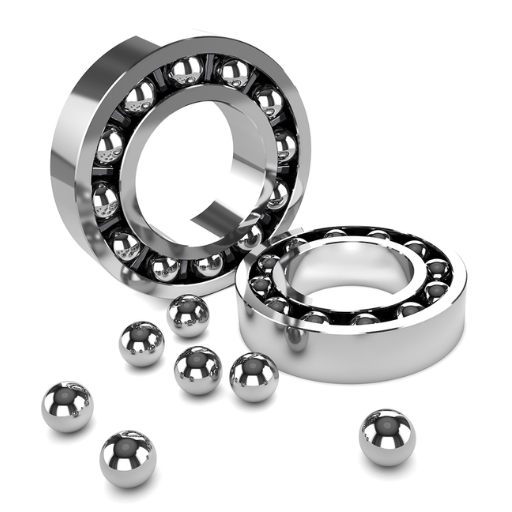
|
Parameter |
Roller Bearing |
Ball Bearing |
|---|---|---|
|
Contact Surface |
Line contact |
Point contact |
|
Load Handling |
Higher radial and axial loads |
Moderate loads |
|
Friction Levels |
Typically higher friction |
Lower friction |
|
Speed Capabilities |
Operates at lower speeds |
Capable of higher speeds |
|
Durability |
Better for shock and impact loads |
Less durable under heavy shock loads |
|
Application Suitability |
Heavy-duty industrial applications |
Precision and high-speed machinery |
|
Shape of Rolling Element |
Cylindrical, tapered, spherical, or needle |
Spherical (ball-shaped) |
|
Efficiency |
Lower efficiency at high speeds |
Higher efficiency at high speeds |
|
Size |
Typically larger for equivalent load capacity |
More compact design |
|
Maintenance Needs |
Requires frequent maintenance in some uses |
Requires less frequent maintenance |
Types of Roller Bearings
When selecting a roller bearing, I consider the specific application requirements and operational conditions, as different types of roller bearings serve unique purposes. The most common types include cylindrical, tapered, spherical, and needle roller bearings. Each type offers distinct advantages based on load capacity, speed, and alignment tolerance:
- Cylindrical Roller Bearings: Best suited for applications requiring high radial load capacity and minimal axial loads. Their linear contact surface reduces friction under heavy loads. Common parameters include high-speed ranges up to 7,000 RPM and load capacities typically rated in kN depending on size and design.
- Tapered Roller Bearings: Designed for applications requiring the handling of combined radial and axial loads at moderate speeds. They are widely used in automotive and industrial machinery. Parameters include a contact angle of 15° to 30° and load capacities depending on the bearing series.
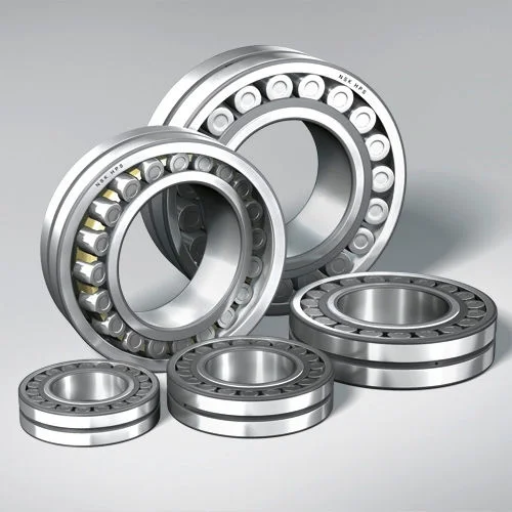
- Spherical Roller Bearings: Ideal for misaligned or heavy-duty industrial applications, accommodating both high radial and moderate axial loads. They operate effectively under challenging conditions such as vibration and shock loads. Misalignment tolerance is usually up to 2°.
- Needle Roller Bearings: Compact and efficient for applications requiring space-saving designs with high radial load capacity. Typically used in automotive transmissions and gearboxes, their dimensions and lightweight structure are key considerations, often offering higher load capacity due to the increased roller contact area.
Selecting the right type involves assessing load requirements, speed, alignment constraints, and operational conditions.
Advantages of Roller Bearings
Roller bearings provide numerous advantages which make them indispensable in a variety of industrial and mechanical applications:
- High Load Capacity:
Due to their line contact design, roller bearings can support significantly higher radial and axial loads compared to ball bearings. For example, cylindrical roller bearings often excel in applications requiring high dynamic or static load capacities.
- Reduced Friction:
The rolling motion minimizes surface contact compared to sliding motion, leading to reduced friction, which results in lower heat generation and energy consumption during operation.
- Durability and Longevity:
With proper lubrication and maintenance, roller bearings are highly durable, capable of withstanding harsh operational conditions such as heavy loads, vibrations, and shocks. Common materials include high-carbon chromium steel for strength and wear resistance.
- Support for Misalignment:
Certain types, such as spherical roller bearings, offer the ability to compensate for angular misalignment up to 1.5° to 2.0°, making them suitable for applications with shaft deflection or misalignment.
- Versatility in Type and Application:
Roller bearings come in many designs such as cylindrical, tapered, spherical, and needle bearings, each tailored for specific applications. For instance:
-
-
- Tapered Roller Bearings: High radial and axial load support in automotive and heavy machinery.
- Spherical Roller Bearings: Excellent for handling misalignment in paper mills and mining applications.
- Needle Roller Bearings: Compact and space-efficient, ideal for gearboxes and small mechanical assemblies.
-
- Operating at High Speeds:
High-precision roller bearings are engineered to operate at elevated speeds effectively, optimizing performance in critical machinery like turbines or pumps. The limiting speed typically depends on the bearing size, load, and type but generally ranges from 1,000 to over 10,000 RPM, depending on design and application needs.
- Resistance to Wear and Fatigue:
Modern advancements in surface treatments, heat treatments, and lubrication technology increase wear resistance and extend the fatigue life of bearings, especially under demanding operational loads.
Roller bearings deliver precision, reliability, and efficiency, making them an essential component in demanding applications across industries like automotive, aerospace, energy, and manufacturing.
Typical Uses for Roller Bearings
Roller bearings are integral to numerous industrial and mechanical applications due to their ability to handle large radial and axial loads efficiently. In the automotive industry, they are widely utilized in transmissions, wheel hubs, and differentials to ensure smooth and durable operation. Aerospace applications rely on roller bearings for critical components such as turbine engines and gearboxes due to their high precision and load-carrying capacity. Additionally, they are essential in manufacturing equipment, including conveyor systems and heavy machinery, facilitating reliable, continuous performance under challenging conditions. Their versatility and durability make roller bearings indispensable across these and many other sectors.
Exploring Different Types of Ball Bearings

Ball bearings are available in various types, each designed to meet specific operational requirements. The most common types include deep groove ball bearings, which are known for their ability to handle radial and axial loads efficiently, making them ideal for general-purpose applications. Angular contact ball bearings can accommodate higher axial loads due to their contact angle, offering superior performance in scenarios requiring high precision and speed. Self-aligning ball bearings excel in applications where shaft alignment may fluctuate, as they can adjust to misalignments. Additionally, thrust ball bearings are specialized for handling axial loads in low-speed operations. Each type is engineered to optimize performance and longevity, tailored to particular industrial and mechanical needs.
Deep Groove Ball Bearings Explained
Deep groove ball bearings are the most common type of rolling bearing, designed for a wide range of applications due to their simplicity, versatility, and durability. Their defining characteristic is the deep raceway grooves on both the inner and outer rings, which allow them to support radial and axial loads simultaneously. The design minimizes friction, ensuring smooth operation even at high speeds.
These bearings are available in single-row and double-row configurations, with the former being more prevalent. The bearing’s construction typically includes high-quality steel balls and raceways, which are precision-engineered to enhance performance and reduce wear over time. Variants can include shields or seals to protect against contamination and retain lubrication, further extending their lifespan.
Deep groove ball bearings are widely used across industries, including automotive, aerospace, and manufacturing, owing to their ability to handle diverse operating conditions. Their efficiency, low maintenance requirements, and adaptability make them a reliable choice for dynamic and static applications.
Understanding Angular Contact Ball Bearings
Angular contact ball bearings are specifically designed to accommodate combined radial and axial loads, making them critical in applications where precise axial positioning and high-speed performance are required. Their unique construction includes an inner and outer ring with high shoulder heights, enabling them to bear axial loads in one direction effectively. Depending on the configuration—single-row, double-row, or paired sets—they can handle varying load directions and levels. Applications commonly include machine tool spindles, pumps, and robotics, where precision and rigidity are vital for operational efficiency.
The Role of Thrust Ball Bearings
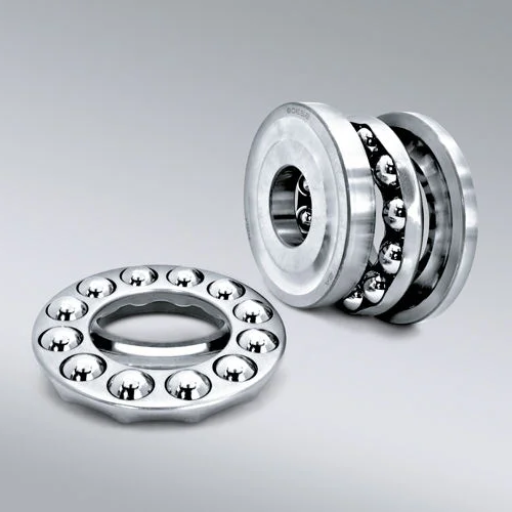
Thrust ball bearings play a critical role in supporting axial loads, ensuring precise and stable performance in machinery where such forces are predominant. These bearings are specifically designed to handle loads acting parallel to the shaft, with minimal or no radial load-bearing ability. The key technical parameters to consider when selecting thrust ball bearings include:
- Axial Load Capacity: Indicates the maximum axial force the bearing can sustain without compromising performance. This is typically measured in kilonewtons (kN).
- Rotational Speed: The maximum speed at which the bearing operates safely, often measured in revolutions per minute (RPM). Speed ratings depend on lubrication and load conditions.
- Material and Hardness: Common materials include chrome steel or stainless steel, with a hardness level of HRC 58-65 to ensure wear resistance and durability.
- Contact Angle: Typically between 30° to 90°, influencing the bearing’s ability to accommodate axial loads efficiently.
- Operating Temperature Range: Ranges from -20°C to 120°C under standard lubrication, though enhanced materials may expand the range.
By adhering to these parameters and ensuring proper installation and lubrication, thrust ball bearings deliver optimal performance in precision-critical applications such as automotive gearboxes, turbines, and industrial machinery.
What Is a Plain Bearing and When Should You Use One?
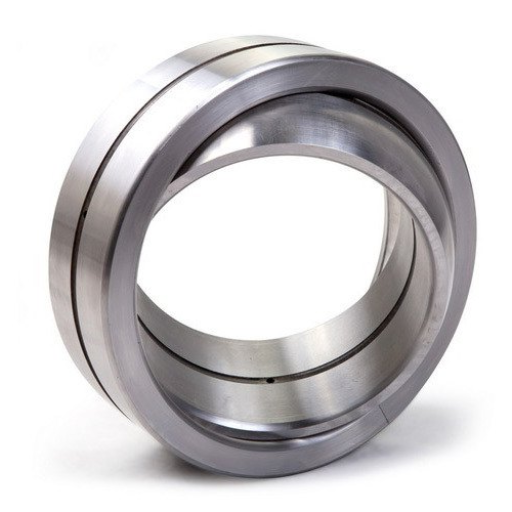
A plain bearing, also known as a sliding bearing, is a simple mechanical component that facilitates rotational or linear motion between surfaces with minimal friction. Unlike rolling-element bearings, plain bearings feature a smooth surface that allows the moving part to slide directly over a stationary counterpart, often requiring lubrication to reduce wear and enhance performance. These bearings are typically constructed from materials like bronze, plastic, or composite materials for durability and low friction.
Plain bearings are ideal for applications where simplicity, compact design, and cost-effectiveness are critical. They are often used in low-speed, high-load scenarios or environments where noise reduction is important, such as in automotive suspension systems, machine tools, and hydraulic cylinders. Their lack of complex moving parts results in lower maintenance requirements, making them a practical choice for many industrial applications.
Plain Bearing Design and Function
Plain bearings are designed with simplicity at their core, relying on a sliding motion between surfaces to reduce friction and support loads. Typically composed of materials like bronze, plastic, or composite substances, they are engineered to handle varying operational conditions. Their function is straightforward yet efficient—by eliminating rolling elements, they minimize complexity and provide robust performance in environments where reliability, durability, and minimal maintenance are essential. These bearings excel in applications requiring high load capacities and low-speed functionality, supported by their ability to withstand misalignment and reduce noise effectively.
Applications Suitable for Plain Bearings
Plain bearings are widely used in a variety of industrial and mechanical applications due to their simplicity, robustness, and adaptability to demanding conditions. Their design makes them particularly suitable for high-load, low-speed environments such as heavy machinery, construction equipment, and agricultural vehicles. Additionally, plain bearings are frequently employed in automotive systems, including suspension components and steering mechanisms, where durability and resistance to shock loads are critical.
These bearings are also well-suited to applications involving oscillating or rotational movements, such as in hydraulic cylinders, aerospace control systems, and wind turbines. Their ability to operate under extreme temperatures and harsh environments further makes them indispensable in industries like mining, oil and gas, and marine systems. Furthermore, plain bearings are often chosen for their capacity to handle misalignment and reduce vibrations, making them ideal for electrical appliances, pumps, and compressors. With minimal maintenance requirements, they offer a reliable solution for applications where downtime is costly and long-term performance is essential.
How to Determine Bearing Load Requirements
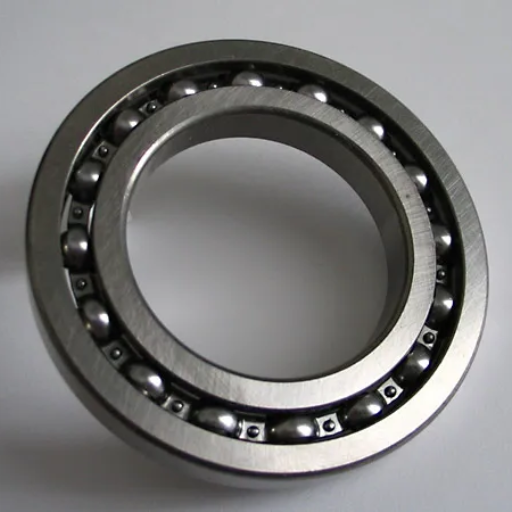
When determining bearing load requirements, it is essential to consider both the magnitude and direction of the loads that the bearing will experience during operation. Start by calculating the static load, which refers to the maximum load the bearing will support while stationary, as well as the dynamic load, representing the varying forces experienced during motion. Additionally, evaluate radial and axial load components to ensure the bearing can accommodate the specific combination of forces in your application. Factors such as speed, operating temperature, and lubrication should also be analyzed, as they significantly influence the bearing’s performance under load. Accurate calculations and understanding the application’s duty cycle ensure optimal bearing selection and long-term reliability.
Understanding Radial and Axial Loads
When evaluating radial and axial loads, I would first determine the magnitude and direction of each load in my application. Radial loads act perpendicular to the shaft, while axial loads act parallel along the shaft’s length. I would ensure that the bearing’s specifications align with both the expected radial and axial forces, considering peak loads and load variations over time. To refine my choice, I would reference datasheets and guidelines from the manufacturer, as these often include allowable limits and performance curves. Additionally, I would ensure proper lubrication and confirm the bearing’s suitability for the operating speed and temperature to avoid premature failure. All of these factors work together to ensure a robust, reliable setup tailored to the application’s demands.
Factors Affecting Bearing Load Capacity
Technical Parameters Influencing Bearing Load Capacity
- Dynamic Load Rating (C) – This parameter represents the constant load that a bearing can endure for a rated life of one million revolutions. It directly impacts the bearing’s capacity to manage operational loads over time and is calculated based on ISO standards.
- Static Load Rating (C₀) – The static load rating indicates the maximum permissible load for a bearing when stationary. Exceeding this rating can cause deformation of the raceways and rolling elements, leading to compromised performance.
- Operating Speed (n) – The bearing must be capable of handling the intended rotational speed, which is commonly limited by factors such as heat generation and lubrication properties. Manufacturers provide maximum speed ratings specific to each bearing type and size.
- Temperature Range – Bearings are designed to function within specific temperature ranges, often between -30°C and 120°C for standard applications. High-temperature applications may require specialized materials or lubricants.
- Service Life (L₁₀) – The calculated fatigue life of the bearing under given operational conditions. This metric allows engineers to estimate how long a bearing can sustain loads before fatigue-induced failure.
- Lubrication – Proper lubrication is critical for maintaining load capacity and reducing friction and heat. The lubricant’s viscosity, type (oil or grease), and re-lubrication intervals should align with operating conditions.
By analyzing these parameters and adhering to manufacturer recommendations, decisions regarding bearing load capacity can be precisely aligned with specific application needs.
Choosing the Right Bearing for Your Needs

Factors to Consider When Selecting a Bearing
- Load Requirements – Determine the type, magnitude, and direction of the load (radial, axial, or combined) to ensure the bearing can handle the specific forces within the application.
- Operating Speed – Analyze the rotational speed of the application. High-speed applications may require bearings with low-friction designs and high-precision tolerances.
- Temperature Conditions – Evaluate the operating and environmental temperature ranges. Choose bearings with materials and lubricants suitable for expected thermal conditions.
- Environmental Factors – Consider exposure to contaminants such as dust, water, or chemicals. Sealed or shielded bearings may be necessary for harsh environments.
- Maintenance and Longevity – Evaluate the required maintenance intervals and the bearing’s anticipated lifespan to minimize downtime and ensure long-term reliability.
- Space and Size Constraints – Select a bearing that fits within the dimensional limitations of your design while meeting the performance criteria.
- Cost and Availability – Balance performance specifications with budgetary constraints, and ensure the availability of replacement parts when needed.
By systematically addressing these factors, you can identify a bearing solution tailored to the operational demands of your application.
Ball vs. Roller: Which is Better?
|
Parameter |
Ball Bearings |
Roller Bearings |
|---|---|---|
|
Load Capacity |
Suitable for light-to-moderate loads |
Handles higher radial loads |
|
Speed Limit |
Operates efficiently at high speeds |
Moderate speed capacity |
|
Contact Area |
Smaller contact area, point contact |
Larger contact area, line contact |
|
Friction Level |
Lower friction due to point contact |
Higher friction due to line contact |
|
Tolerance to Misalignment |
Limited tolerance to misalignment |
Better tolerance due to line contact |
|
Durability |
Suited for lighter applications |
More durable for heavy-duty use |
|
Vibration Resistance |
Better performance in vibration-heavy conditions |
May struggle under high dynamic loads |
|
Typical Applications |
Appliances, precision instruments, electric motors |
Conveyors, heavy machinery, automotive parts |
Considerations for High-Speed Applications
When selecting bearings for high-speed applications, several critical factors must be evaluated to ensure optimal performance, reliability, and longevity:
- Material and Design: High-speed bearings should be constructed using materials with exceptional strength, durability, and heat resistance. Hybrid designs, such as ceramic ball bearings with steel races, are often preferred due to their reduced weight and higher heat resistance.
- Lubrication: Adequate lubrication is critical to minimize friction and dissipate heat during high-speed operations. High-performance synthetic lubricants or oil-air lubrication systems are commonly employed to address these challenges.
- Precision and Tolerance: Bearings for high-speed use must have tight manufacturing tolerances to achieve smooth, vibration-free operation. Precision grades such as ABEC-7 or above are typically recommended.
- Heat Management: High speeds can generate excessive heat, demanding bearings with efficient heat dissipation mechanisms, such as advanced material coatings or specialized cooling designs.
- Dynamic Load and Vibration Response: Bearings must be capable of handling significant dynamic loads and dampening vibrations efficiently to maintain performance at high rotational speeds without risking failure.
- Alignment and Housing Design: Proper alignment and rigid housing structures are fundamental in preventing misalignment, which can exacerbate wear and impair efficiency under high-speed conditions.
By carefully addressing these considerations, engineers can optimize bearing performance in high-speed systems, minimizing maintenance requirements while maximizing operational efficiency and durability.
Reference Sources
-
Ball vs Roller Bearings – Tameson: This source explains the differences between ball and roller bearings, focusing on their speed and load-handling capabilities.
-
Ball Bearings vs. Roller Bearings: What are the Key Differences? – IBT Inc.: A detailed comparison of ball and roller bearings, highlighting their applications and performance.
-
The Difference between Plain Bearing, Ball Bearing and Roller Bearing – Upffront: This article discusses the performance and design differences among plain, ball, and roller bearings.
-
Why use roller bearings over ball bearings? – Reddit: A community discussion on the practical differences between ball and roller bearings.
-
Different Types of Bearings and Their Characteristics – WayKen: An overview of various bearing types, including ball and roller bearings, and their unique characteristics.
Frequently Asked Questions (FAQs)
Q: What is the primary difference between ball bearings and roller bearings?
A: The main difference between ball bearings and roller bearings is the shape of the rolling element. Ball bearings use spherical balls, whereas roller bearings use cylindrical rollers. This difference affects their load-carrying capabilities, with roller bearings being better suited for heavier loads.
Q: How do ball bearings support axial and radial loads?
A: Ball bearings are designed to support both radial and axial loads. They are particularly effective when the load is predominantly radial, but they can also support moderate axial loads, making them versatile for various applications.
Q: When should I choose a ball or roller bearing?
A: Choosing a bearing depends on the specific requirements of the application. Ball bearings are generally used for lighter loads and higher speeds, while roller bearings are better suited for heavier loads and lower speeds. A bearing selection guide can help determine the best choice for your needs.
Q: Why are roller bearings considered better for heavy loads?
A: Roller bearings have a larger surface area than ball bearings, allowing them to distribute the load over a wider area. This makes roller bearings better suited for applications involving heavy loads or shocks.
Q: What are angular contact bearings, and how do they differ from other types?
A: Angular contact bearings are designed to support both radial and axial loads, similar to radial ball bearings, but they are optimized for applications where the load is applied at an angle. This design allows for higher load capacities in both directions compared to standard radial ball bearings.
Q: Can you explain the role of a thrust bearing in machinery?
A: Thrust bearings are used to support axial loads, which are loads parallel to the shaft. They are essential in applications where axial forces are significant, such as in automotive and aerospace industries. Roller thrust bearings are commonly used for heavier axial loads.
Q: What are sleeve bearings, and where are they typically used?
A: Sleeve bearings, also known as plain bearings, do not have rolling elements. They rely on a sliding motion between the shaft and the bearing surface. They are commonly used in applications with low-speed, high-load scenarios and are known for their quiet operation and durability.
Q: How do bearing manufacturers ensure the quality of their products?
A: Bearing manufacturers employ rigorous testing and quality control processes to ensure their products meet industry standards. This includes material testing, performance testing under various conditions, and adherence to specifications outlined in a bearing selection guide.
Q: What are some common types of bearings used in industrial applications?
A: Common types of bearings include ball bearings, roller bearings, thrust bearings, angular contact bearings, and sleeve bearings. Each type has unique characteristics and is chosen based on the specific needs of the application.
Q: How does the rolling element and the bearing raceway interact in bearings?
A: The rolling element and the bearing raceway work together to reduce friction and support loads. The rolling element, such as a ball or roller, moves along the raceway, allowing the bearing to facilitate smooth rotation or linear movement while minimizing wear and tear.