


Bearing retainers, often referred to as cages, are an essential component in the design and functionality of ball bearings. They are engineered to maintain the proper spacing between rolling elements, prevent direct contact between the balls, and ensure smooth, consistent operation of the bearing system. This introduction will explore the critical role of bearing retainers, their design considerations, and the materials commonly used in their production. Additionally, we will examine how different retainer types impact bearing performance, longevity, and application suitability. By the end of this article, readers will have a comprehensive understanding of the factors that influence bearing retainer selection and their importance in optimizing mechanical systems.
What Is a Bearing Retainer and How Does It Work?
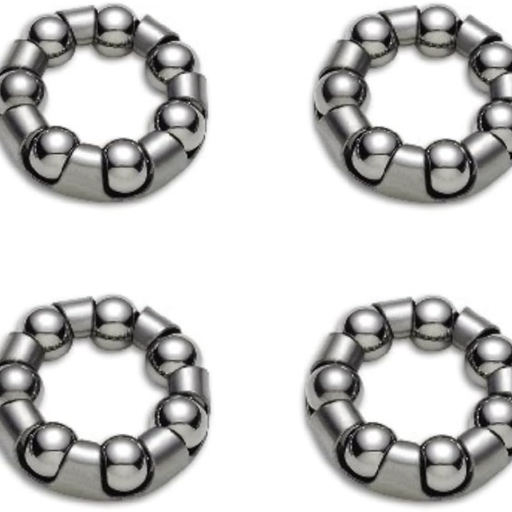
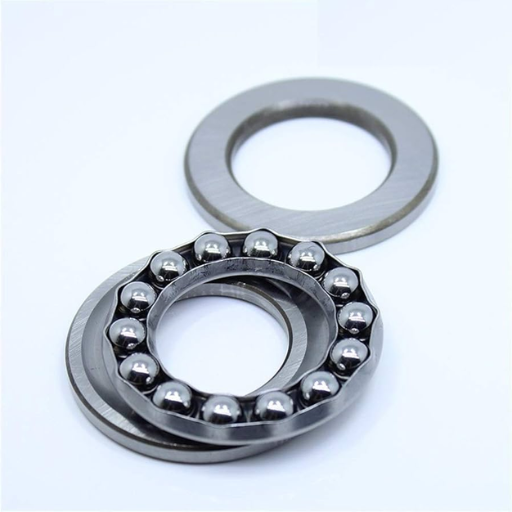
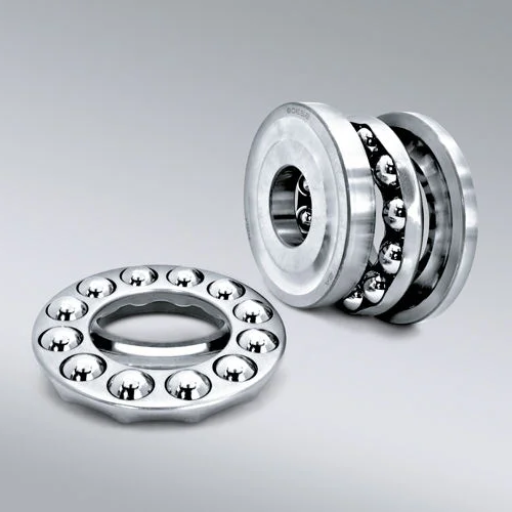
A bearing retainer, also known as a cage, is a critical component within a bearing assembly designed to ensure the proper spacing and alignment of rolling elements, such as balls or rollers. It prevents direct contact between these elements, reducing friction and wear, and ensures uniform load distribution. Bearing retainers are typically constructed from materials such as metals, polymers, or composite materials, selected based on the application’s operating conditions, including speed, temperature, and load capacity. By maintaining the integrity and functionality of the bearing, the retainer plays a pivotal role in enhancing the performance and longevity of mechanical systems. If you are looking for more information about What holds ball bearings in place go here right away
Definition and Purpose of a Bearing Retainer
A bearing retainer, also referred to as a cage, is a critical component in rolling-element bearings, designed to maintain uniform spacing between rolling elements such as balls or rollers. Its primary function is to prevent these elements from colliding during operation, thereby reducing friction, ensuring efficient load distribution, and minimizing wear. Bearing retainers also facilitate the recirculation of lubricant, which is essential for reducing heat generation and prolonging the life of the bearing. Constructed from materials like steel, brass, polymers, or composites, the choice of retainer material depends on specific operating conditions, including temperature, load, rotational speed, and environmental exposure. By optimizing the alignment and motion of the rolling elements, the bearing retainer enhances the stability and operational reliability of mechanical systems across a diverse range of applications.
How a Retainer Keeps a Ball Bearing in Place
A retainer, also known as a cage, plays a critical role in securing the rolling elements while maintaining the necessary spacing between them. It prevents direct contact between the balls, which reduces friction and uneven wear. By holding the rolling elements in position, the retainer ensures smooth rotation and alignment within the bearing assembly, even under high loads or speeds. The material and design of the retainer are carefully chosen to withstand specific operating conditions, enhancing both performance and durability.
Common Materials Used for Bearing Retainers
- Steel
Steel retainers are commonly used in high-load and high-speed applications due to their superior mechanical strength and durability. They are often made from carbon steel or stainless steel, depending on whether corrosion resistance is a factor. Steel retainers can operate effectively at temperatures ranging from -40°F to 400°F (-40°C to 204°C).
- Brass
Brass retainers are valued for their excellent wear resistance and self-lubricating properties. They are commonly utilized in applications where low noise levels and smooth operation are critical. Brass can handle temperatures up to approximately 400°F (204°C) while offering good chemical resistance.
- Polymer (Plastic)
Polymer retainers, such as those made from polyamide (Nylon), PEEK (Polyetheretherketone), or phenolic resin, are lightweight, cost-efficient, and ideal for applications requiring electrical insulation or reduced friction. These materials typically operate within a temperature range of -22°F to 300°F (-30°C to 150°C), though advanced polymers like PEEK can withstand higher temperatures up to 482°F (250°C).
- Ceramic
Ceramic retainers are used in specialized applications that demand exceptional thermal resistance, low friction, and non-conductivity. They are common in high-speed or high-precision bearings. Depending on the specific ceramic material, they can endure temperatures exceeding 1000°F (538°C) while offering excellent wear resistance.
- Aluminum
Aluminum retainers provide a lightweight option that is corrosion-resistant and suitable for moderate speeds and loads. They are typically used in aerospace and lightweight automotive components and function well within temperatures of -65°F to 300°F (-54°C to 150°C).
The selection of the retainer material depends on the operational requirements, including load, speed, temperature, and environmental considerations such as exposure to chemicals or moisture.
How Does a Cage Support the Function of a Ball Bearing?
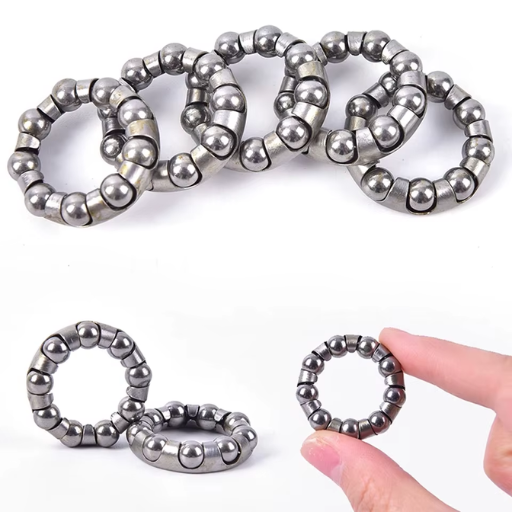
A cage, also known as a retainer, serves several critical functions in a ball bearing. Its primary role is to maintain the uniform spacing of the rolling elements, preventing contact between them, which reduces friction and wear. Additionally, the cage helps to evenly distribute the load across the balls and ensures proper alignment during operation. By minimizing stress concentrations and controlling the movement of the rolling elements, the cage enhances the stability, performance, and longevity of the bearing under varying operational conditions.
Role of the Cage in Ball Bearings
Detailed Functions and Technical Parameters of the Cage in Ball Bearings
The cage in ball bearings serves several critical functions that directly influence the bearing’s operational efficiency and performance. Primarily, the cage maintains the consistent spacing of the rolling elements, preventing them from coming into direct contact with one another. This effectively reduces friction, wear, and heat generation during operation. Furthermore, the cage evenly distributes loads across the rolling elements, which is essential for stabilizing the bearing under dynamic or static conditions.
The cage also ensures proper alignment and restrains the movement of the rolling elements, reducing the risk of skewing and misalignment. By controlling these factors, the cage enhances the overall reliability, precision, and lifespan of the bearing, particularly in high-speed or high-load applications. Additionally, the cage plays a role in facilitating lubrication flow within the bearing by providing clearances to allow the lubricant to reach critical contact points.
Common Technical Parameters:
- Material Specifications:
-
-
- Steel cages (e.g., low-carbon steel or chrome steel): Known for their strength, toughness, and temperature resistance up to approximately 250°C (482°F).
- Brass cages: Preferred for corrosion resistance, durability, and high-speed performance, withstanding temperatures up to 300°C (572°F).
- Polyamide cages (Reinforced polymers): Lightweight and suitable for high-speed applications, with operational temperature limits around 120°C (248°F).
-
- Clearance and Load Ratings:
-
-
- Standard clearances ensure a minimum gap of approximately 0.001 to 0.005 mm for lubrication and thermal expansion.
- Load distribution typically follows ISO standards, ensuring uniform stress profiles under dynamic (rotational) and static (stationary) forces.
-
- Speed and Vibration Performance:
-
-
- Cages designed for high-speed applications accommodate rotational speeds exceeding 10,000 RPM, depending on the bearing type.
- Designed to minimize vibration and noise levels, especially in machinery operating under precision requirements.
-
Through these specific roles and parameters, the cage remains a vital component in ensuring the robust and efficient operation of ball bearings across diverse industrial and mechanical applications.
Impact of Cage Design on Bearing Performance
From my research, the design of the cage significantly influences bearing performance by impacting load distribution, operational stability, and speed capabilities. An optimally designed cage ensures uniform load sharing among rolling elements, reduces friction, and prevents component misalignment. Key technical parameters include material selection (e.g., steel, brass, or polymer), which affects durability under varying temperatures and loads, and cage clearance, which must accommodate speeds up to 10,000+ RPM without contact wear. Additionally, the geometry of the cage’s pockets promotes efficient lubrication flow, minimizing heat generation and enhancing longevity. Properly engineered cages are essential for maintaining precision and reliability in high-performance machinery.
What Are the Different Types of Bearing Retainers?

There are several types of bearing retainers, each designed to meet specific application requirements:
- Crown-Type Retainers: Lightweight and commonly used in high-speed applications, they allow for efficient lubrication and minimal friction.
- Riveted Retainers: These are robust and durable, often used in applications requiring high load capacity and reliable performance.
- Machined Solid Retainers: Made from solid metal or polymer, these offer superior strength and are suitable for demanding environments with high loads or temperatures.
- Molded Polymer Retainers: Lightweight and resistant to corrosion, they are ideal for applications involving chemical exposure or low to moderate loads.
- Pressed Steel Retainers: Cost-effective and widely used, they provide a good balance between strength and weight, making them suitable for general-purpose applications.
Each type is selected based on considerations such as operating speed, load, temperature, and the environment in which the bearing will function.
Overview of Bearing Cage Types
Detailed Explanation of Bearing Cage Types and Technical Parameters
When selecting a bearing cage, understanding the types and corresponding technical parameters is critical to ensure optimal performance in specific applications. Below is a concise overview based on generalized industry findings and standards:
- Polyamide (Nylon) Cages
These cages are lightweight, offer excellent vibration damping, and exhibit strong fatigue resistance. They are commonly used in high-speed applications, as they generate minimal friction and can operate at temperatures up to approximately 120°C (250°F) under normal conditions. However, polyamide cages are sensitive to certain chemicals, especially oils containing additives or aggressive solvents, which can degrade their performance over time.
-
-
- Operating Speed: Up to 1.5 million DN value (bearing bore diameter in mm × rotational speed in RPM).
- Temperature Range: -40°C to +120°C (-40°F to +250°F).
-
- Stamped (Pressed) Steel Cages
Known for their simplicity and cost-effectiveness, stamped steel cages are widely used in general-purpose applications. They provide efficient heat dissipation and are well-suited for higher-load conditions. Steel cages are highly durable but may require lubrication to prevent corrosion.
-
-
- Operating Speed: Suitable for moderate to high speeds, depending on the lubrication system and the bearing type.
- Temperature Range: -40°C to +300°C (-40°F to +570°F).
-
- Brass Cages
Brass cages stand out for their durability and ability to withstand harsh operating conditions. They are corrosion-resistant and exhibit superior stability, making them appropriate for high-speed and high-temperature applications, such as in turbines or compressors. Brass also has excellent vibration resistance and rigidity, ensuring minimal wear in demanding environments.
-
-
- Operating Speed: Can handle up to 2 million DN value in specific configurations.
- Temperature Range: -40°C to +250°C (-40°F to +480°F).
-
Each of these materials offers distinct advantages, and their selection depends on the specific operating conditions such as load, speed, lubricant compatibility, and thermal requirements. Proper evaluation of these factors ensures enhanced operational reliability and lifespan of the bearings.
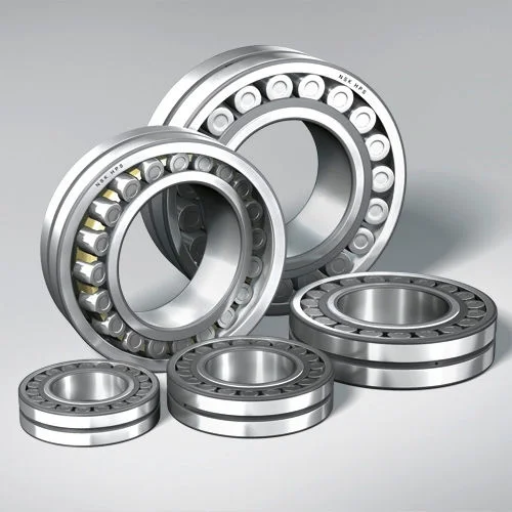
Comparison Between Roller and Ball Bearing Cages
|
Key Point |
Roller Bearing Cages |
Ball Bearing Cages |
|---|---|---|
|
Load Capacity |
Higher, suited for heavy loads |
Moderate, handles lower loads |
|
Speed Performance |
Lower speed capacity |
Higher speed capacity |
|
Friction Level |
Moderate, due to rolling contact |
Lower, less rotational resistance |
|
Durability |
Robust, ideal for demanding environments |
Durable, but less robust than rollers |
|
Alignment Handling |
Limited self-alignment capability |
Better self-alignment capabilities |
|
Vibration Resistance |
Higher resistance to vibrations |
Less resistant to vibrations |
|
Thermal Performance |
Good heat dissipation under loads |
Average heat dissipation |
|
Lubrication Demand |
Requires more regular lubrication |
Requires less frequent lubrication |
|
Cost |
Generally higher per unit |
Generally lower per unit |
|
Application Suitability |
Heavy industries, mining, gear drives |
Electric fans, automotive wheels |
Selection Criteria for a Bearing Retainer
When selecting a bearing retainer, multiple factors must be evaluated to ensure optimal performance based on application requirements and operating conditions. Key considerations include:
- Material Composition
The material of the retainer significantly impacts its strength, durability, and thermal performance. Common materials include pressed steel, bronze, plastic, and phenolic resin. Steel and bronze retainers are preferred for high-load and high-speed applications due to their robustness. Plastic and phenolic retainers are lighter and suitable for applications requiring low weight and reduced noise.
- Application-Specific Requirements
Each application demands specific retainer characteristics. High-speed operations often benefit from retainers with low inertia and high accuracy, whereas high-load applications require retainers with increased rigidity. Environmental conditions, such as exposure to lubricants, high temperatures, or corrosive substances, dictate material suitability and design.
- Lubrication Compatibility
The retainer design must facilitate proper lubrication flow within the bearing. Materials should also be compatible with the lubricants used, as chemical degradation can lead to premature failure.
- Operating Temperatures
Different retainer materials exhibit varying thermal tolerances. For instance, phenolic and plastic retainers are ideal for moderate thermal ranges, while metal retainers can endure higher temperatures without significant deformation.
- Dynamic Performance
The retainer geometry influences bearing torque, speed performance, and noise levels. A well-designed retainer reduces frictional losses, controls ball movement more precisely, and minimizes heat generation during operation.
By carefully analyzing these criteria, selecting an appropriate bearing retainer ensures improved operational efficiency, longevity, and reliability within mechanical systems.
How Do Bearing Cages and Separators Affect Performance?
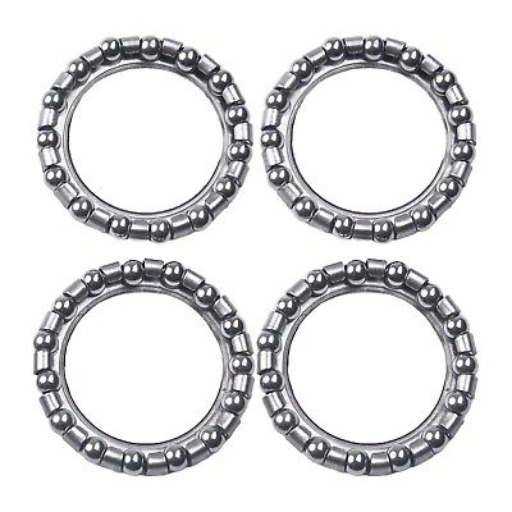
Effects of Bearing Cages and Separators on Performance
Bearing cages and separators play a critical role in maintaining ball or roller spacing within the bearing assembly, thereby reducing internal friction and preventing direct contact between rolling elements. This optimizes load distribution and enhances rotational precision. Their material composition and design significantly impact thermal stability, wear resistance, and vibration levels, directly influencing overall performance. High-quality cages minimize risks of seizure, improve speed capabilities, and ensure operational reliability, particularly in high-load or high-speed environments.
Understanding the Role of Ball Separator in Bearings
The role of the ball separator in bearings is integral to maintaining efficient operation and longevity. From my understanding, the ball separator, often referred to as the cage, keeps the rolling elements evenly spaced to prevent contact and reduce friction. This not only optimizes load distribution but also minimizes wear and vibration, crucial for high-speed applications. Material composition is essential, as high-grade materials ensure thermal stability and resistance to wear, particularly in demanding environments. By properly supporting the proper alignment of components, the ball separator enhances both the precision and reliability of the bearing system.
Effects of Bearing Cage Design on Torque and Speed
The design of the bearing cage significantly influences both torque and operational speed, as it directly affects internal friction, weight distribution, and airflow dynamics within the bearing. A well-designed cage minimizes friction losses by reducing contact area and ensuring consistent alignment of rolling elements, thereby lowering starting and running torque. Key technical parameters include cage clearance, material properties, and lubrication compatibility:
- Cage Clearance: Proper clearance prevents unnecessary drag while maintaining stability; typical values range from 0.005 mm to 0.02 mm depending on bearing size and application.
- Material Properties: Lightweight yet durable materials such as polyamide or reinforced steel alloys reduce inertial effects, enabling higher rotational speeds up to 30,000 rpm in precision applications.
- Lubrication Compatibility: The cage material and design should allow for optimal lubricant flow, reducing heat generation and maintaining low friction levels.
By carefully optimizing these parameters, bearing cages can achieve superior performance, ensuring high speed and low torque for demanding mechanical systems.
What Are the Challenges in Shaft and Bearing Alignment?
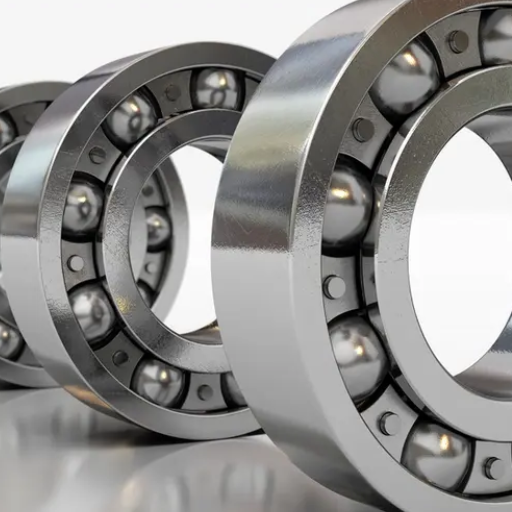
Shaft and bearing alignment presents several technical challenges that can significantly impact system performance and reliability if not addressed. Key challenges include thermal expansion, which can cause misalignment as components heat up during operation, and vibration, which may disrupt the precise positioning of the shaft and bearings. Additionally, installation inaccuracies, such as improper mounting or incorrect measurements, can result in angular or parallel misalignment. External forces, such as load fluctuations or structural shifts, further complicate maintaining alignment over time. Advanced techniques, such as laser alignment tools and real-time condition monitoring, are essential to mitigate these challenges and ensure optimal system functionality.
Importance of Precise Shaft Alignment in Bearing Systems
Precise shaft alignment is critical for ensuring the longevity and efficiency of bearing systems. Misalignment, whether angular or parallel, introduces excessive loads and stresses within the system, leading to accelerated wear, higher friction, and elevated operating temperatures. These issues can significantly shorten bearing life and compromise system performance. Proper alignment minimizes energy losses by reducing vibration and mitigating mechanical resistance, enhancing overall operational efficiency. Furthermore, accurate alignment decreases the likelihood of unplanned maintenance and costly downtime, thereby ensuring reliable system functionality. Utilizing advanced tools such as laser alignment systems and vibration analysis not only improves alignment precision but also provides critical data for early fault detection, contributing to predictive maintenance strategies. This level of accuracy and monitoring is vital in applications where high-speed rotation and significant load handling are required.
Common Issues in Bearing Assembly Related to Shaft Misalignment
From my experience and research, common issues in bearing assembly caused by shaft misalignment include excessive vibration, uneven load distribution, and premature bearing wear or failure. Misalignment generates additional stress on bearings, leading to increased friction and heat, which accelerate lubricant degradation. Over time, this can result in fatigue damage and compromised system efficiency. Furthermore, unchecked misalignment can propagate mechanical stresses across connected components, ultimately leading to costly repairs and operational downtime. Accurate alignment techniques and regular monitoring are critical to mitigating these risks.
Reference Sources
-
A Guide to Bearing Retainers (cages) for … – Explains how retainers keep balls evenly spaced and allow higher speeds.
-
Bearing Retainers & Cages – Discusses the importance of retainers in reducing friction and increasing bearing lifespan.
-
Types of Ball Bearing Retainer Performance Problems – Covers common issues with ball bearing retainers and their functionality.
-
Understanding Bearing Retainers: An Overview – Provides an overview of bearing retainers and their role in reducing friction.
-
Choosing the Right Bearing Retainers for Optimal Performance – Offers guidance on selecting the right retainers for optimal bearing performance.
Frequently Asked Questions (FAQs)
Q: What is the purpose of a bearing retainer in ball bearings?
A: A bearing retainer, also known as a cage, is a component that holds and separates the balls within the bearing. It ensures the balls remain evenly spaced around the raceway, preventing contact and reducing friction during operation.
Q: How does a ribbon retainer function within a bearing?
A: A ribbon retainer is a type of cage designed to hold the balls in place. It features ball pockets that secure the balls while allowing them to rotate smoothly. The retainer helps maintain the alignment and concentricity of the inner and outer rings.
Q: What is the difference between an inner ring and an outer ring in bearings?
A: The inner ring is the part of the bearing that fits directly onto the shaft, while the outer ring is the part that fits into the housing. Both rings contain raceways that guide the movement of the balls, ensuring smooth rotation.
Q: Why is the operating temperature range important for bearing retainers?
A: The operating temperature range is crucial as it determines the conditions under which the retainer can effectively function. Exceeding this range can affect the performance, leading to phenomena like retainer wobble, which resembles a hula-hoop motion.
Q: What is the role of deep groove ball bearings in machinery?
A: Deep groove ball bearings are versatile bearings that handle both radial and axial loads. They are widely used due to their simple design and capability to operate at high speeds, making them suitable for various applications.
Q: How does the concept of interference fit apply to bearing assemblies?
A: An interference fit is a method of mounting bearings where the inner or outer ring is slightly larger than the shaft or housing. This press fit ensures a secure connection, preventing any relative motion between the components during operation.
Q: Can you explain the significance of the bearing race in ball bearings?
A: The bearing race, consisting of the inner and outer races, provides the pathway for the balls to roll. These races contain grooves that facilitate smooth and consistent ball movement, crucial for efficient operation of the bearing.
Q: What happens when a retainer wobbles like a hula-hoop?
A: When a retainer wobbles like a hula-hoop, it indicates instability in the bearing assembly. This wobble can lead to uneven load distribution, increased friction, and ultimately, premature failure of the bearing.
Q: What materials are commonly used for bearing retainers?
A: Bearing retainers can be made from various materials, including metal, vacuum impregnated with oil, ptfe, and other polymers. The choice of material depends on the application requirements, such as load capacity and operating conditions.