


Ball bearings are a crucial component in countless mechanical systems, designed to reduce friction between moving parts while ensuring smooth and efficient motion. Their widespread use spans industries such as automotive, aerospace, manufacturing, and robotics, making them indispensable in modern engineering. This article aims to provide a comprehensive exploration of ball bearings, covering their fundamental purpose, core components, working principles, and diverse applications. By understanding how ball bearings function and their pivotal role in various systems, readers will gain valuable insights into why they are integral to the advancement of engineering solutions and mechanical designs.
What Are Ball Bearings?

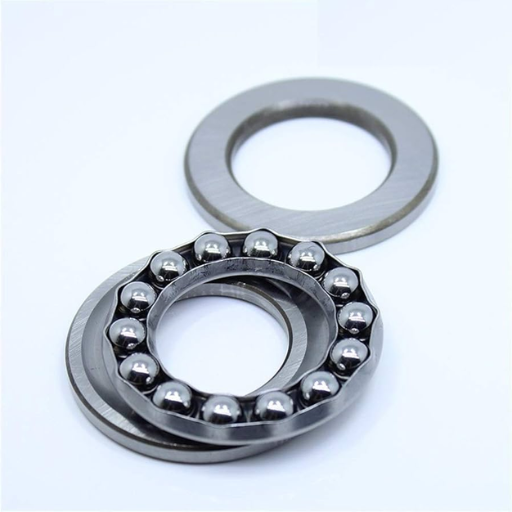
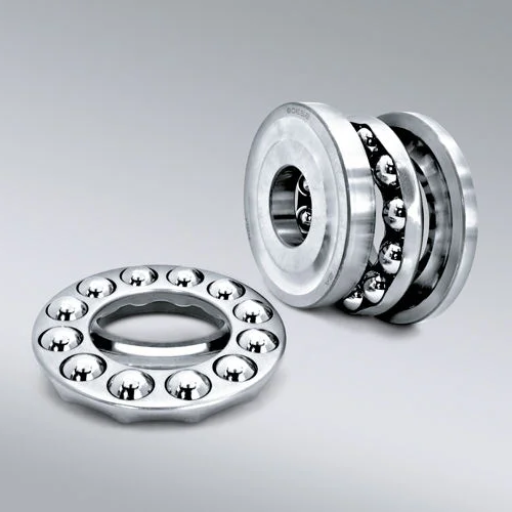
Ball bearings are mechanical components designed to reduce friction between moving parts while supporting radial and axial loads. They consist of an inner ring, an outer ring, a set of spherical balls, and a separator known as a cage. The balls rotate between the inner and outer rings, allowing for smooth motion and efficient load distribution. This design minimizes energy loss due to friction and enhances the durability and performance of mechanical systems, making ball bearings essential for a wide range of industrial and engineering applications. If you are looking for more information about ball bearings go here right away
Components of a Ball Bearing
Ball bearings are composed of several key components, each designed to perform specific functions in ensuring smooth operation and effective load handling. The primary components are:
- Inner Ring
The inner ring is mounted onto the shaft and rotates along with it. This ring provides a raceway for the balls and is engineered with high precision to reduce friction and wear. Typical materials used include high-grade steel or ceramic to ensure durability.
- Outer Ring
The outer ring is stationary and provides another raceway for the balls. This component is usually fitted into a housing or casing. Its design must withstand significant static and dynamic loads without deformation.
- Balls
The spherical balls are the rolling elements of the bearing, positioned between the inner and outer rings. They reduce rotational resistance by minimizing contact area. Balls are often made of hardened steel, ceramic, or hybrid materials, depending on load and speed requirements. For standard bearings, diameters range from 1 mm to several centimeters.
- Cage (Separator)
The cage ensures that the balls remain evenly spaced while rotating. It prevents direct contact between the balls, reducing wear and enhancing precision. Common materials for cages include stamped steel, brass, or polymer, depending on the operating environment.
- Raceways
The raceways are the grooves in the inner and outer rings where the balls make contact. Their curvature is designed precisely to distribute loads evenly and ensure smooth motion.
- Seals and Shields
Many ball bearings feature seals or shields to protect against contamination from dust, moisture, or lubricants. Seals are typically made from rubber or similar elastomers, while shields are metal plates.
- Lubrication
Proper lubrication is critical for reducing friction and heat generation. Grease or oil is commonly used, with specific formulations tailored to high-speed, high-temperature, or corrosive environments. The viscosity, typically measured in centistokes (cSt), should be chosen to match operational requirements.
Standard Technical Parameters
- Load Rating: Bearings are designed to handle radial, axial, or combined loads. Dynamic load ratings (C) and static load ratings (C₀) are specified in kilonewtons (kN) to reflect capacity.
- Speed Rating: The maximum speed is measured in revolutions per minute (RPM) under specific conditions, depending on material and lubrication.
- Tolerance Class: Bearings are manufactured to specific tolerance grades per ISO 492 or ABEC standards, ranging from ABEC 1 (minimum precision) to ABEC 9 (high precision for demanding applications).
- Operating Temperature Range: Typical ball bearings operate between -30°C to +120°C, with specialty designs accommodating extreme conditions.
These components and parameters ensure that ball bearings fulfill their role efficiently and retain durability under diverse engineering scenarios.
The Role of Deep Groove Ball Bearings in Machinery
Deep groove ball bearings are among the most commonly used bearing types due to their versatility and ability to handle both radial and axial loads. Their primary role in machinery is to reduce friction and support the rotating components, ensuring smooth and efficient operation. These bearings are widely used across industries, including automotive, aerospace, and industrial machinery, owing to their durability and reliable performance under varying conditions.
Key Technical Parameters:
- Load Capacity: Deep groove ball bearings typically accommodate radial loads up to several kilonewtons (kN), with some designs also capable of supporting axial loads of comparable magnitude.
- Material Composition: High-carbon chromium steel (e.g., AISI 52100) is frequently used for its exceptional wear resistance and fatigue strength. Stainless steel options are available for corrosion resistance.
- Sealing Options: Bearings can be open or fitted with seals/shields (e.g., rubber or metal) to enhance protection against contamination.
- Lubrication: Factory-applied grease or oil ensures low friction and heat generation; relubrication intervals can vary based on application demands.
- Operating Speed: Standard designs can reach speeds exceeding 10,000 RPM, with high-speed variants available for specific use cases.
- Precision Grades: Manufactured to ISO 492 or ABEC tolerance grades, depending on the required precision level.
- Temperature Range: Standard bearings operate efficiently between -30°C and +120°C, while specialty designs can tolerate more extreme temperatures.
These specifications highlight the adaptability of deep groove ball bearings, making them integral to the reliable functionality of countless mechanical systems.
Understanding Angular Contact Ball Bearings
Angular contact ball bearings are specifically engineered to handle both radial and axial loads simultaneously, with their capacity increasing as the contact angle rises. They are uniquely designed with a non-symmetrical raceway, which enables the transmission of axial forces in one direction. These bearings are essential in high-speed applications, such as machine tool spindles and automotive gearboxes, where rigidity, precision, and operational efficiency are critical. Their performance is heavily influenced by factors like preload, lubrication, and installation, making proper maintenance and precise alignment indispensable for optimal functionality.
How to Choose the Right Deep Groove Ball Bearings?

Selecting the appropriate deep groove ball bearings requires a comprehensive evaluation of several key factors. First, consider the load type and magnitude, as these bearings are suitable for handling both radial and axial loads. Next, determine the operating speed requirements, ensuring the chosen bearing can accommodate the desired rotational speeds without compromising performance. Examine the environmental conditions, such as temperature range and exposure to contaminants, to decide on material and sealing options. Proper lubrication compatibility is essential to reduce friction and enhance longevity. Additionally, consider the precise dimensions and tolerances required for your application, ensuring the bearing fits seamlessly into the assembly. Finally, assess additional features like noise reduction or high-rigidity options if your application requires specialized performance.
Factors Affecting Load Capacity
The load capacity of a bearing is influenced by several critical factors that must be evaluated to ensure optimal performance in any given application. These factors include:
- Material Strength
The choice of material directly impacts the bearing’s ability to withstand loads. For instance, steel bearings typically offer higher load capacities due to their superior tensile strength, while ceramic bearings may handle lighter loads but excel in high-speed or high-temperature applications.
- Contact Surface Area
Bearings designed with a larger contact surface area distribute loads more effectively, reducing stress concentrations and enhancing their overall load-bearing capability. Angular contact and spherical roller bearings are examples that often provide higher capacity compared to standard types.
- Dynamic and Static Load Ratings
Bearings are rated with both dynamic load capacity (ability to endure dynamic forces during rotation) and static load capacity (resistance to deformation under stationary loads). For example, typical dynamic load capacities range from 5,000 to 200,000 N for common industrial bearings, depending on the size and type. It is crucial to match these ratings with the anticipated operating loads.
- Operating Conditions
Environmental conditions such as temperature, speed, and vibration significantly affect load capacity. High temperatures can lead to material degradation, while excessive speeds increase centrifugal forces and reduce effective load capacity. Bearings should be selected with adequate safety margins to accommodate these factors.
- Lubrication and Maintenance
Proper lubrication minimizes friction and wear, thereby sustaining the intended load capacity over the bearing’s lifespan. Insufficient or incompatible lubrication can drastically reduce both dynamic and static capacity by generating excessive heat and material wear.
- Design and Alignment
Misalignment or improper installation can lead to uneven load distribution, significantly lowering the effective load capacity. Bearings with self-aligning features may mitigate some effects of misalignment, enhancing reliability in applications subject to structural deviations.
By systematically evaluating these factors and referring to manufacturer specifications—including load ratings, material standards, and operating parameters—it is possible to select or design a bearing infrastructure capable of meeting specific application demands efficiently.
Importance of Bearing Balls Diameter
The diameter of bearing balls is pivotal to the functionality and performance of a bearing system. It directly influences the load capacity, rotational accuracy, and overall operational efficiency of the bearing. Larger diameter balls can handle higher loads and reduce stress on the contact surfaces, while smaller diameter balls minimize friction and enable higher-speed applications. Selecting the appropriate diameter requires balancing these factors in relation to the specific requirements of the application, ensuring optimal performance and longevity.
Material Choices: Chrome Steel vs. Ceramic Hybrid Bearings
|
Parameter |
Chrome Steel Bearings |
Ceramic Hybrid Bearings |
|---|---|---|
|
Material Composition |
High-carbon chrome alloy steel |
Steel races with ceramic balls |
|
Hardness |
High |
Very High |
|
Wear Resistance |
Moderate |
Excellent |
|
Friction |
Higher than ceramic hybrids |
Lower |
|
Weight |
Heavier |
Lighter |
|
Corrosion Resistance |
Limited |
Superior |
|
Operating Speed |
Moderate |
High |
|
Temperature Resistance |
Up to ~300°F (149°C) |
Up to ~1200°F (649°C) |
|
Electrical Insulation |
No |
Yes |
|
Cost |
Lower |
Higher |
|
Vibration Dampening |
Moderate |
Superior |
|
Common Applications |
General machinery, automotive |
Aerospace, high-speed, precision tools |
Applications of Ball Bearings in Different Industries

Ball bearings play a critical role in a vast array of industries, ensuring smooth and efficient mechanical operations.
Automotive Industry
In the automotive sector, ball bearings are vital for reducing friction in components such as wheels, transmissions, and engines. They enhance the vehicle’s performance, improve fuel efficiency, and ensure longevity under heavy mechanical stress.
Aerospace Industry
The aerospace sector relies on high-precision ball bearings to meet the rigorous demands of aircraft performance. Applications include turbines, navigation systems, and landing gear, where reliability and resistance to extreme temperatures and pressures are crucial.
Manufacturing and Industrial Machinery
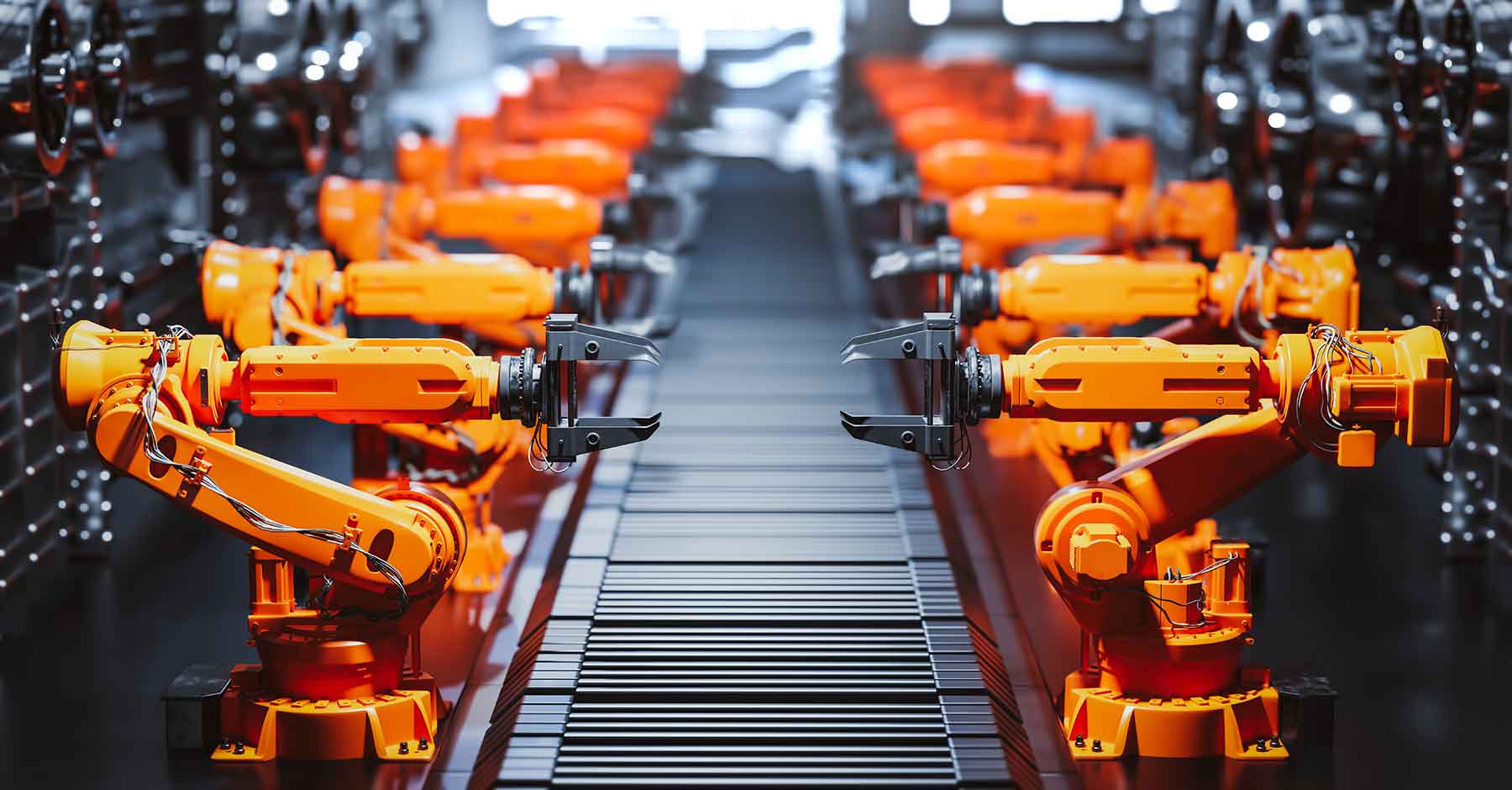
Ball bearings are indispensable in manufacturing, where they support high-speed rotation in machines like conveyor systems, robots, and turbines. Their ability to withstand heavy loads and maintain efficiency ensures consistent productivity in industrial operations.
Medical Equipment
Precision ball bearings find significant use in medical devices such as surgical robotics, diagnostic equipment, and motorized tools. Here, their smooth, reliable functionality is crucial for the accuracy required in healthcare.
Electrical and Electronics
Ball bearings are essential in electric motors, fans, and household appliances, ensuring quieter operation, lower energy consumption, and durability in everyday use.
Their versatility across industries highlights the importance of continuous innovation to meet evolving mechanical and performance demands.
The Role of Ball Bearings in the Aerospace Industry
Ball bearings play a pivotal role in the aerospace industry due to their ability to support high-performance systems under extreme conditions. They are used in jet engines, landing gear, navigation systems, and control surfaces to ensure precision, reliability, and efficiency. The aerospace environment demands bearings that can withstand high rotational speeds, elevated temperatures, intense vibrations, and fluctuating pressure.
Key Technical Parameters of Aerospace Ball Bearings:
- Material Composition: Aerospace bearings are typically made from advanced alloys such as stainless steel, ceramic, or titanium for high strength, corrosion resistance, and reduced weight.
- Operating Temperature Range: Bearings must function reliably between -65°F to 500°F (-54°C to 260°C).
- Speed Rating: For jet engine applications, a high-speed capability exceeding 1.5 million dN (bore diameter in mm multiplied by RPM) is essential.
- Load Capacity: Bearings must accommodate both axial and radial loads effectively, with static and dynamic load ratings customized to specific aircraft components.
- Lubrication: Special aerospace-grade greases or solid lubricants, such as PTFE-based materials, are necessary to reduce wear and increase lifespan under extreme conditions.
- Tolerances and Precision: Bearings are manufactured to ABEC-5 or higher standards for exceptional accuracy and minimal deviations.
Given their critical applications, aerospace ball bearings undergo rigorous quality assurance tests, including radial play, vibration analysis, and material fatigue assessments, to ensure compliance with stringent aviation industry standards.
Importance in Bicycle and Skateboard Engineering
From a technical perspective, ball bearings are essential for optimizing performance and durability in bicycles and skateboards. They minimize friction between moving parts, enabling smoother rotation of wheels and achieving greater efficiency during motion. High-precision bearings contribute to speed and stability, particularly in competitive cycling or advanced skateboarding maneuvers. Furthermore, their role in reducing wear on axles and other components ensures prolonged equipment lifespan, even under high-load or high-impact scenarios. By selecting bearings that meet performance standards, skaters and cyclists can enhance both safety and functionality during use.
Use of Ball Bearings in Electric Motors
Ball bearings play a critical role in the efficient operation of electric motors by minimizing friction and supporting the rotor’s rotation. Their primary purpose is to reduce energy loss caused by mechanical resistance, thereby increasing the motor’s efficiency and operational lifespan. Ball bearings in electric motors are typically designed to handle both radial and axial loads, ensuring smooth and stable performance under various operating conditions. High-quality materials, such as steel or ceramic, are often used to manufacture these bearings to provide durability, corrosion resistance, and heat tolerance, which are crucial for high-speed and heavy-duty applications. Proper lubrication is essential to prevent wear, overheating, and contamination, further optimizing performance and reliability. Selecting the appropriate type of ball bearing, such as deep groove ball bearings or angular contact bearings, depends on specific operational requirements, including motor speed, load conditions, and environmental factors. Proper maintenance and timely replacement of bearings are key to maintaining the efficiency and longevity of electric motors.
Maintenance and Performance and Durability of Ball Bearings
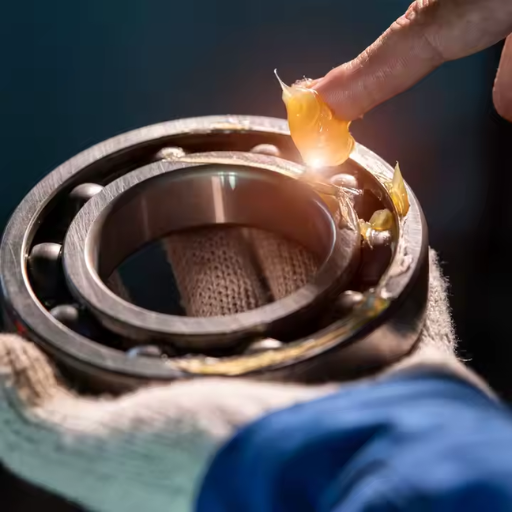
To ensure optimal maintenance of ball bearings, it is critical to adhere to proper lubrication schedules using the correct lubricant type and viscosity for the application. Regular inspections should focus on identifying signs of wear, corrosion, or contamination, which can degrade performance. Cleaning and re-greasing procedures, where applicable, prevent the accumulation of debris and minimize friction.
Performance and durability are directly influenced by operational parameters such as load, speed, and temperature. Overloading or exceeding speed ratings can significantly reduce bearing life, while improper installation may lead to misalignment and premature failure. Utilizing high-quality materials and precision manufacturing processes enhances load capacity, wear resistance, and heat tolerance, crucial for ensuring long-term, reliable operation in demanding environments.
Proper Lubrication for Longevity
Proper lubrication is essential for extending the lifespan and ensuring the optimal performance of bearings. I recommend selecting a lubricant that matches the operating conditions, such as load, temperature, and speed requirements. Regularly monitoring and maintaining the lubricant’s condition is equally critical, as contamination, degradation, or insufficient levels can lead to increased friction and wear. Following manufacturer guidelines for lubrication intervals and quantities is key to avoiding over-lubrication, which can generate excess heat, or under-lubrication, which may accelerate failure. Always use the correct tools during application to minimize potential contamination and ensure consistent results.
Common Issues and Solutions for Ball Bearings
From my perspective, addressing common ball bearing issues requires a systematic approach rooted in technical accuracy and standard practices. Here are some common challenges and their solutions, with relevant parameters listed where applicable:
- Overheating
-
-
- Cause: Excessive operating speeds, improper lubrication, or excessive load.
- Solution: Use a lubricant with the correct viscosity index specified by the manufacturer, such as ISO VG 32–68 for general purposes. Ensure bearing load does not exceed the dynamic load rating (C) outlined in product specifications. Maintain operating speeds within the recommended range (e.g., 60%–90% of the bearing’s maximum speed rating).
-
- Vibration and Noise
-
-
- Cause: Contamination, misalignment, or surface defects on rolling elements or races.
- Solution: Perform regular cleaning and use sealed bearings to prevent debris ingress. Ensure shaft and housing alignment does not exceed the specified tolerance (e.g., ±0.001 in). Replace damaged parts promptly.
-
- Premature Wear
-
-
- Cause: Under-lubrication, overloading, or poor material quality.
- Solution: Adhere to recommended lubrication intervals and quantities based on operation type (e.g., every 500–1,000 hours for standard industrial applications). Ensure applied loads are within the static and dynamic load ratings. Opt for high-quality, precision-grade bearings (e.g., ABEC 5 or higher for critical applications).
-
- Corrosion
-
-
- Cause: Exposure to moisture, chemical agents, or extreme environmental conditions.
- Solution: Use bearings with corrosion-resistant materials such as stainless steel or apply protective coatings like phosphate or chrome plating. Additionally, install proper seals or shields and store/component bearings in humidity-controlled environments.
-
By proactively monitoring ball bearing performance and adhering to these standards, long-term efficiency and reliability can be achieved while minimizing unexpected failures.
Enhancing Performance and Durability with High Performance Bearings
To enhance the performance and durability of high-performance bearings, I focus on selecting materials designed for specific operational conditions, such as high-grade stainless steel or ceramic. I ensure that all bearings are fitted with appropriate seals and lubricants to reduce friction and protect against contamination. Routine inspections are conducted to detect wear, misalignment, or damage early, allowing for preventive maintenance. Furthermore, I store bearings in clean, climate-controlled environments to mitigate moisture exposure and corrosion risks. These practices are crucial for ensuring reliable operation and extending the lifespan of bearings.
Innovations and Future Trends in Ball Bearings
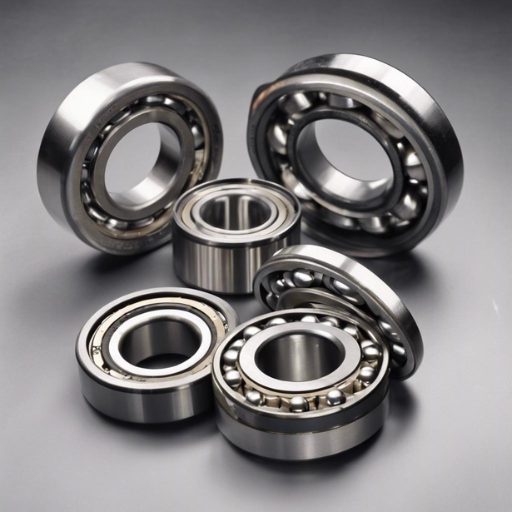
Recent advancements in ball bearing technology focus on enhancing performance, durability, and energy efficiency. One major innovation is the development of hybrid ceramic bearings, which combine steel and ceramic materials to deliver increased speed, reduced friction, and enhanced resistance to wear and heat. Additionally, smart bearings equipped with sensors are gaining traction, as they enable real-time monitoring of temperature, vibration, and load, providing valuable data for predictive maintenance and reducing unplanned downtime.
Future trends point toward the adoption of advanced coatings, such as DLC (Diamond-Like Carbon) and ceramic coatings, to minimize wear and friction further while improving corrosion resistance. The integration of additive manufacturing is also expected to enable the production of more complex and lightweight bearing designs, tailored to specific applications. These innovations, coupled with the shift toward sustainability, are driving the development of environmentally friendly bearings using recyclable materials and energy-efficient manufacturing processes.
Advancements in Super Precision Bearings
Enhanced Materials and Coatings
Recent advancements in super precision bearings are heavily focused on the utilization of innovative materials and advanced coatings. For instance, ceramics and hybrid ceramic materials are increasingly employed due to their superior thermal stability, reduced weight, and higher resistance to wear. Additionally, specialized coatings such as diamond-like carbon (DLC), thin-dense chromium (TDC), and advanced polymer coatings play a crucial role in reducing friction, enhancing durability, and providing exceptional corrosion resistance under challenging operating conditions.
Lubrication Technologies
Sophisticated lubrication systems are revolutionizing super precision bearings by improving their performance and extending their lifespan. Advanced synthetic lubricants, solid film lubricants, and self-lubricating systems are being developed to address the specific demands of high-speed and high-temperature applications. These lubrication improvements reduce heat generation, decrease maintenance requirements, and optimize bearing efficiency in precision machinery.
Digital Monitoring and Predictive Maintenance
The integration of digital monitoring and predictive maintenance technologies has greatly enhanced the reliability of super precision bearings. Sensors embedded within bearings now provide real-time data on variables such as vibration, temperature, and rotational speed. This data is analyzed using machine learning algorithms to predict potential failures and schedule maintenance proactively, significantly reducing downtime and operational disruptions.
Design Customization via Additive Manufacturing
Manufacturers are leveraging additive manufacturing (3D printing) to design and produce highly customized super precision bearings tailored to unique application requirements. This technology allows for the creation of complex geometries, enhanced load distribution, and lightweight designs that would be impossible with traditional manufacturing methods. Additive manufacturing also promotes material efficiency and reduces waste during the production process.
Focus on Sustainability
Environmental considerations are influencing the advancements in super precision bearings. Manufacturers are adopting eco-friendly practices, including the use of recyclable materials, energy-efficient production techniques, and resource optimization. These sustainable developments aim to minimize the ecological footprint of bearing manufacturing while meeting high-performance standards.
These advancements collectively underscore the evolution of super precision bearings, ensuring their critical role in industries such as aerospace, medical devices, robotics, and semiconductor manufacturing. By integrating cutting-edge technologies and sustainable practices, these bearings are poised to achieve unparalleled performance and reliability.
The Rise of Self-Aligning Ball Bearings
Self-aligning ball bearings have become an essential component across industries due to their unique ability to compensate for misalignment between the shaft and housing. This type of bearing contains a double row of balls with a common spherical raceway in the outer ring, allowing them to adjust automatically to angular deviations. Such design flexibility significantly reduces the risks of operational inefficiencies and premature wear, particularly in applications where misalignment is unavoidable.
The primary advantages of self-aligning ball bearings include their high tolerance to shaft deflections and their exceptional ability to handle light radial and axial loads. These bearings are widely utilized in agricultural machinery, conveyors, and HVAC systems, where consistent and reliable performance in fluctuating conditions is essential. Additionally, modern advancements in materials and lubrication strategies have further enhanced their durability, lowering maintenance requirements and reducing operational costs. This versatility underscores why self-aligning ball bearings continue to be pivotal in ensuring precise and robust performance across diverse industrial applications.
Future Implications for the Aerospace Sector
From my perspective, the adoption of advanced bearing technologies, such as self-aligning ball bearings, will play a critical role in addressing emerging challenges in the aerospace sector. With increasing demands for fuel efficiency, enhanced safety, and reduced environmental impact, these bearings can contribute to designing lightweight, high-performance systems that maintain reliability under extreme conditions. Furthermore, advancements in materials engineering and precision manufacturing will enable the development of components capable of withstanding higher loads and temperatures, ensuring optimal performance in next-generation aircraft and spacecraft technologies. These innovations promise to drive greater efficiency and sustainability across the aerospace industry.
Reference Sources
- Wikipedia: Ball bearing – A comprehensive overview of ball bearings, their types, and applications.
- HowStuffWorks: The Basics – How Bearings Work – Explains the fundamental principles of how bearings reduce friction.
- ISK Bearing: How Ball Bearing Works? – A detailed explanation of the operating principles of ball bearings.
- ScienceDirect: Ball Bearing – an overview – A technical overview of ball bearings, including their design and functionality.
- Reddit: How ball bearings work – A visual and simplified explanation of how ball bearings function.
Frequently Asked Questions (FAQs)
Q: What are ball bearings and how do they work?
A: Ball bearings are mechanical components that use metal balls, often made of bearing steel or steel precision, to reduce friction between moving parts. They work by allowing the balls to roll smoothly between the inner and outer races, facilitating easier rotational or linear movement.
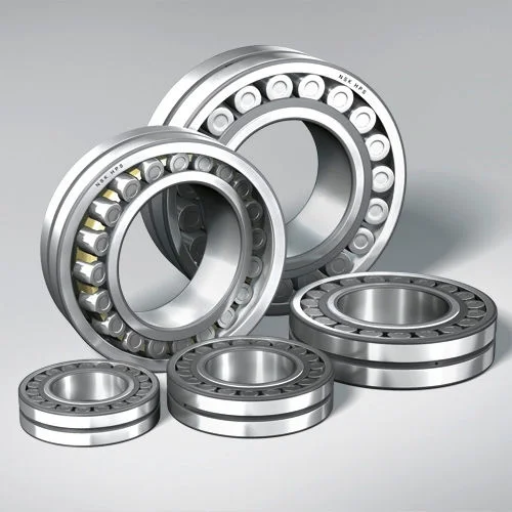
Q: How do roller bearings differ from ball bearings?
A: Roller bearings use cylindrical rollers instead of spherical metal balls. This design allows roller bearings to handle higher radial loads compared to radial ball bearings, although they may have a lower load capacity for thrust loads.
Q: What are thrust ball bearings used for?
A: Thrust ball bearings are specifically designed to handle axial or thrust loads. These bearings are often used in applications where the load is parallel to the shaft, such as in automotive and aerospace industries.
Q: What materials are commonly used for ball bearings?
A: Ball bearings are commonly made from bearing steel, which includes steel inner and outer rings, and steel balls. Some specialized bearings might use silicon nitride for its lightweight and high-speed capabilities.
Q: What are rubber sealed ball bearings?
A: Rubber sealed ball bearings have a rubber seal on one or both sides to protect against contaminants and retain lubricant. This makes them ideal for many applications where maintenance is difficult or where the environment is harsh.
Q: What is the purpose of a snap ring in ball bearings?
A: A snap ring is used to secure the position of a bearing within a housing or on a shaft. It ensures that the bearing does not move axially, maintaining proper alignment and operation.
Q: Why might one choose double-row ball bearings?
A: Double-row ball bearings have two rows of balls, which provide a higher load capacity and better resistance to angular misalignment compared to single-row designs. They are ideal for applications requiring more support and stability.
Q: How does internal clearance affect ball bearing performance?
A: Internal clearance refers to the small amount of space between the bearing’s inner and outer races. Proper clearance ensures optimal performance by allowing for thermal expansion and avoiding excessive friction, which is crucial for high speeds and longevity.
Q: What does pre-lubricated mean in the context of ball bearings?
A: Pre-lubricated bearings come with grease or oil already applied, which reduces the need for maintenance and enhances initial performance. This is particularly useful in applications where regular lubrication is challenging.
Q: Can ball bearings be used in wind turbines?
A: Yes, ball bearings are used in wind turbines, particularly in applications like the gearbox and the generator. Their ability to handle high speeds and reduce torque makes them cost-effective solutions for this application.