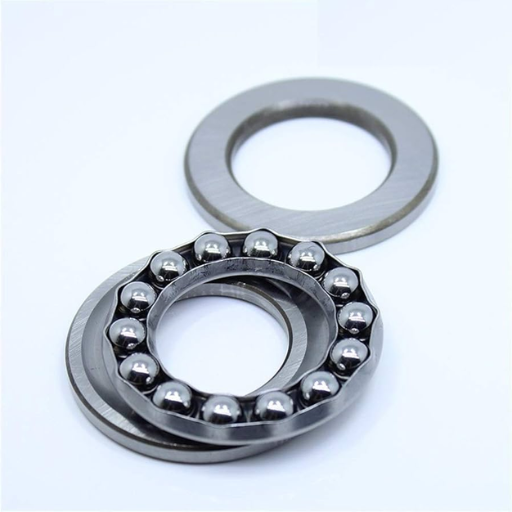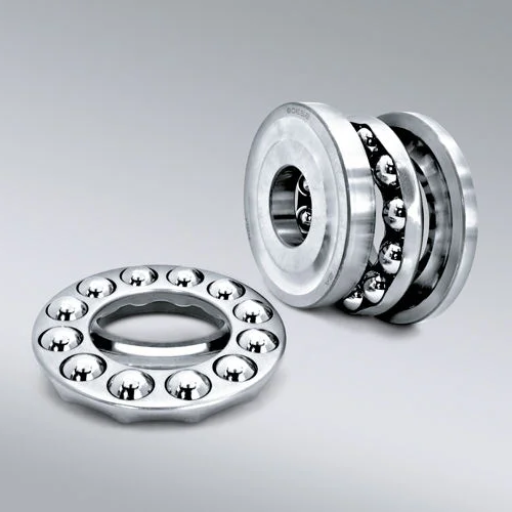



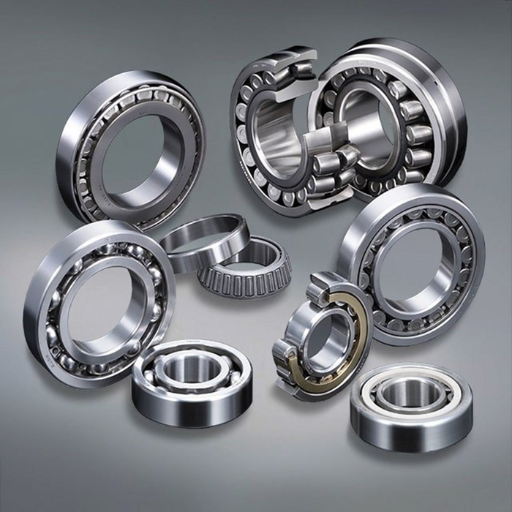
Thrust ball bearings are specifically designed to handle axial loads and are commonly used in applications where heavy thrust forces need to be managed. These bearings consist of a set of steel balls positioned between two washers, with one washer typically having a flat surface and the other either flat or with a complementary groove to guide the balls. Their primary function is to provide precise axial support while minimizing friction and wear, ensuring smooth operation in machines and mechanisms.
This blog will explain the basic parts& components of thrust ball bearings and its construction, its operations and the tasks in which they are used. Furthermore, we will analyze the different types of thrust ball bearings, their merits and demerits, and maintenance and installation issues. At the end of this article, the readers should be well equipped with knowledge on these sophisticated parts and how they influence industries and mechanics greatly.
Definition Of thrust Ball Bearing

Thrust ball bearings are a distinct subset of rotary bearing that support axial rotation while managing axial loads. They comprise a pair of washers with raceways and a set of rollers which smoothen the action of the balls under axial load. These bearings are placed in systems where there is high precision and reliability such as automotive systems, aerospace systems, and many types of industrial machinery. They are optimally designed to have efficient geometric distribution of the loads, friction, and durability of operation when subjected to axial forces. This is the reason for these bearings to be so popular. Their drawback, however, is the fact that they are not able to deal with significant radial loads. If you are looking for more information about thrust ball bearing go here right away
Components of a Thrust Ball Bearing
A thrust ball bearing consists of several key components designed for specific functionality and performance. These include:
- Balls: The precision steel balls serve as the rolling elements, providing smooth motion and reducing friction between the bearing surfaces. They are generally arranged in a single or double direction configuration, depending on the intended application.
- Raceways (Inner and Outer Rings): The raceways are the circular tracks that house the balls. The inner ring mounts to the shaft, while the outer ring is secured in the housing. These rings are engineered to withstand axial loads while maintaining alignment.
- Cage: The cage acts as a separator that evenly spaces the balls, ensuring uniform load distribution and preventing contact between the rolling elements. It also guides the balls during rotation, improving operational efficiency and stability.
- Housing Washer: For single-direction thrust ball bearings, the housing washer accommodates the load from the stationary part of the application, ensuring proper alignment and load transmission.
These components, when designed and assembled with precision, enable thrust ball bearings to achieve high efficiency and durability under axial forces, making them ideal for specialized industrial applications. Proper selection and alignment of these elements are critical to ensuring optimal performance and lifespan.
How Thrust Ball Bearings Work
Thrust ball bearings operate by handling axial loads through their unique design, which typically consists of two washers, a set of precision balls, and a cage for uniform spacing. When an axial force is applied, the balls facilitate smooth rotation by transmitting the load between the washers, ensuring minimal friction. The stationary washer aligns against the housing, while the rotating washer interfaces with the shaft, seamlessly transferring axial forces. This efficient load management allows for high reliability and performance, even under demanding conditions, making thrust ball bearings indispensable in applications like automotive steering and heavy machinery.
Types of Thrust Ball Bearings
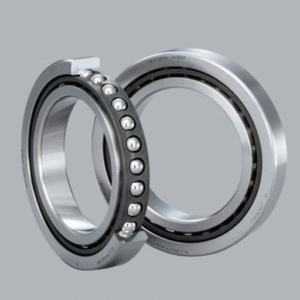
Single Direction Thrust Ball Bearings
Single direction thrust ball bearings are designed to accommodate axial loads in one direction only. They consist of two washers and a set of balls, with the geometry allowing for precise handling of axial forces while preventing any rotational instability. These bearings are commonly utilized in applications where axial load is imposed in a single, consistent direction, such as precision machinery and drive shafts.
Double Direction Thrust Ball Bearings
Double direction thrust ball bearings are engineered to handle axial loads in both directions. They include three washers—one for the housing, one for the shaft, and a middle washer sandwiched between two rows of balls. This configuration ensures stability and reliable load distribution for applications requiring bi-directional axial support, such as in industrial pumps or gear systems.
Both types of thrust ball bearings are essential for ensuring system efficiency and longevity in their respective applications.
Single Direction Thrust Ball Bearings
Single direction thrust ball bearings are designed to accommodate axial loads in one direction only. These bearings consist of three main components—two washers (commonly referred to as shaft and housing washers) and a set of balls contained within a cage. The design ensures precision load handling and minimal friction during operation, making them suitable for equipment such as automotive clutches, jacks, and vertical machines that only experience loads along one axis.
Key Technical Parameters:
- Load Capacity: Defined by the material and size; typically ranges from 0.5 kN to over 200 kN depending on application requirements.
- Speed Rating: Limited by the bearing size and lubrication; generally falls between 3,000 to 8,000 RPM for most industrial-grade bearings.
- Bore Diameter (d): Usually ranges from 10 mm to 200 mm, accommodating various shaft dimensions.
- Outer Diameter (D): Proportional to the bore size, typically between 20 mm and 300 mm.
- Axial Rigidity: Enhanced to ensure stable operation under single direction forces; varies based on the bearing geometry.
- Material: High-grade steel or ceramic options improve durability and resistance to wear.
These bearings are ideal for applications requiring controlled axial movement without allowing any radial loads. Proper lubrication and alignment during installation are critical for achieving optimal performance and longevity in single direction thrust ball bearings.
Double-Direction Thrust Ball Bearings
Double-direction thrust ball bearings are designed to handle axial loads in both directions, providing stability and efficiency in applications requiring bidirectional axial load support. These bearings consist of two housing washers, a center shaft washer, and two sets of ball and cage assemblies, ensuring seamless operation under dynamic forces.
Key Features:
- Axial Load Capacity: Engineered for high axial force handling in both directions, making them versatile across a range of mechanical systems.
- Materials: Typically made from high-carbon chromium steel for durability, with options for ceramic components to enhance wear resistance and reduce heat generation in high-speed applications.
- Operating Speeds: Designed for moderate-speed applications to balance load support and minimize heat buildup; specific speed limits depend on grease or oil lubrication.
- Assembly Precision: Accurate alignment during installation ensures effective load distribution and maximized lifespan.
Common Applications:
- Gearboxes requiring bidirectional thrust support
- Rolling mills and industrial machinery with varying axial load directions
- High-precision rotary tables in machining equipment
Technical Parameters:
- Load Ratings:
-
-
- Dynamic axial load rating (C): 25-250 kN (depending on size)
- Static axial load rating (C₀): 30-400 kN (depending on size)
-
- Speed Limits:
-
-
- Grease lubrication maximum speed: 2,000-5,000 RPM
- Oil lubrication maximum speed: 3,000-7,000 RPM
-
- Dimensional Specifications:
-
-
- Bore diameter (d): 20 mm – 300 mm
- Outer diameter (D): 35 mm – 450 mm
- Height (H): 12 mm – 60 mm
-
- Temperature Range:
-
-
- Operating range: -30°C to 150°C (standard steel); up to 230°C with advanced materials and lubrication systems.
-
Installation and Maintenance:
Proper alignment and preloading are crucial for effective operation. Using consistent lubrication (oil or high-performance grease) minimizes wear and extends operational life. Periodic inspection for wear, misalignment, and debris contamination is necessary to maintain load capacity and rotational accuracy over time.
These bearings are an essential component in applications requiring durability and efficient load management in dynamic environments. Their robust design and precise engineering make them a reliable choice in complex mechanical systems.
Comparison with Roller Thrust Bearings
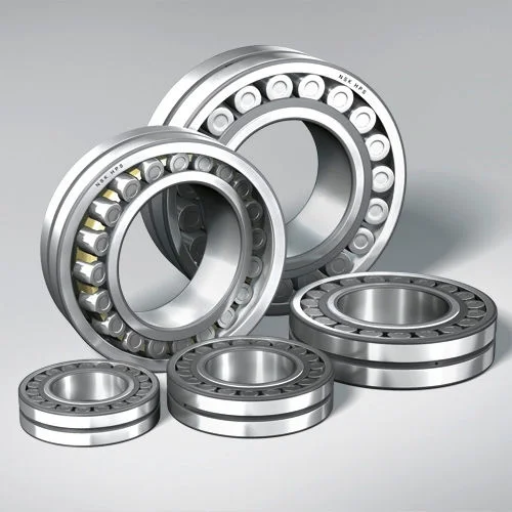
Roller thrust bearings and other bearing types serve distinct purposes in mechanical systems. From my analysis, roller thrust bearings excel in handling heavy axial loads due to their cylindrical or tapered rollers, which distribute forces over a larger surface area. They are commonly utilized in automotive gears, turbines, and heavy machinery where high thrust capacity is required. Conversely, other bearings, such as ball bearings, might be preferable in applications prioritizing speed and reduced friction over load capacity. While roller thrust bearings offer robust load distribution, their design can result in higher friction compared to alternatives, necessitating enhanced lubrication and regular maintenance to ensure operational efficiency.
Applications of Thrust Ball Bearings
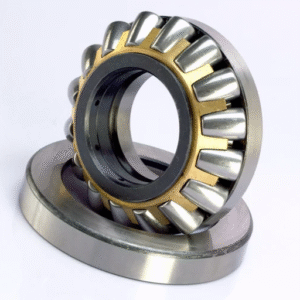
Thrust ball bearings are primarily utilized in applications that demand high axial load-carrying capacity while operating under moderate speeds. Common examples include automotive steering systems, industrial machinery, and precision instruments. They are often implemented in vertical shafts, like turntables or cranes, due to their ability to handle thrust forces effectively. Additionally, these bearings are advantageous in rotating assemblies where accurate alignment between components is critical, ensuring stability and smooth operation. Their design allows for minimal axial displacement, making them reliable in load-specific, precision-driven environments.
Using Thrust Ball Bearings in High-Speed Applications
Advantages of Thrust Ball Bearings in High-Speed Applications
Thrust ball bearings are highly effective in high-speed applications due to their ability to accommodate significant axial loads while maintaining low friction levels. Their precision-engineered design ensures consistent rotation speeds, high efficiency, and minimal energy losses, which are crucial in high-speed machinery. These bearings feature raceways and balls manufactured to tight tolerances, reducing vibration and ensuring smoother operation, even at elevated speeds.
High-quality materials, often including high-grade steel or ceramic components, are used to enhance wear resistance and thermal stability. Additionally, proper lubrication is critical in high-speed environments to minimize overheating and preserve the bearing’s lifespan. Common applications include turbine assemblies, high-speed spindles in machine tools, and motors operating at extreme rotational speeds, all of which depend on precise alignment and reliable load distribution.
By integrating thrust ball bearings into high-speed systems, manufacturers can achieve greater operational efficiency, longevity, and performance reliability, fundamental in industries such as aerospace, energy, and precision engineering.
Industrial Applications for Thrust Ball Bearings
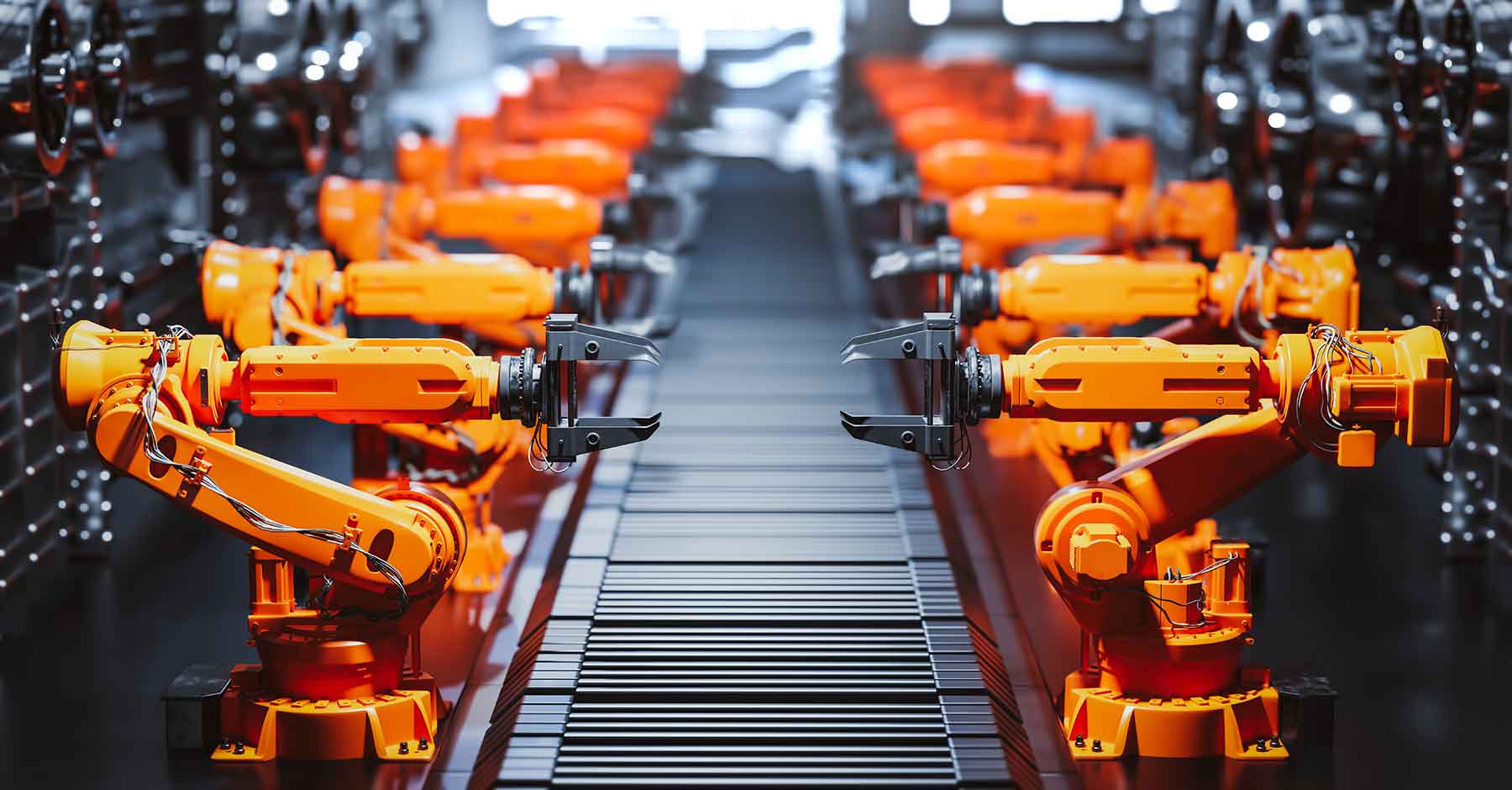
Thrust ball bearings are critical in numerous industrial applications where axial load handling is a primary requirement. I have identified their prevalent use in sectors such as aerospace, automotive, and heavy machinery. For example, in the aerospace industry, these bearings provide the precision and reliability needed for jet engine thrust management. Similarly, in automotive drivetrains, they manage axial loads in transmissions and differentials to ensure smooth torque transfer. Heavy machinery benefits from their robust design in applications like cranes and hydraulic pumps, where axial force is significant.
Key technical parameters include load capacity, rotational speed, and material composition. Standard thrust ball bearings typically sustain axial loads ranging from 1,000 N to 300,000 N, depending on the series and specifications. Rotational speeds vary by application but can reach up to 10,000 RPM with sufficient lubrication. Materials often include hardened chrome steel or stainless steel, ensuring durability and resistance to wear under high-load, high-speed conditions.
Common Industries Utilizing Thrust Ball Bearings
Thrust ball bearings are employed across a variety of industries due to their ability to handle axial loads and operate at high speeds. We see extensive use in the automotive sector, particularly in gearboxes and clutch systems, where precise performance and durability are critical. They are also integral in aerospace applications, supporting the demands of high-speed turbines and other rotational components. Additionally, industrial machinery heavily relies on these bearings, especially in pumps, compressors, and heavy-duty conveyors, where consistent axial load capacity is essential for efficient operation.
How to Select the Right Thrust Ball Bearing
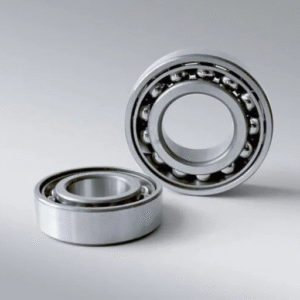
Key Factors in Selecting a Thrust Ball Bearing
When selecting the right thrust ball bearing, several technical considerations must be addressed to ensure optimal performance and reliability:
- Load Capacity: Evaluate the axial load requirements of the application. Thrust ball bearings are specifically designed for axial loads and have defined limits for load ratings which must match or exceed the operational demands.
- Operating Speed: Consider the speed limits of the system. Choose a bearing with a speed rating that accommodates the maximum rotational speed of the application without compromising stability or reliability.
- Dimensions and Fit: Ensure the bearing’s dimensions align with the shaft and housing interfaces. Proper fitment is critical to avoid misalignment and achieve efficient load distribution.
- Material and Coating: Select materials suited to the operational environment. For example, stainless steel or coated bearings may be necessary for abrasive, corrosive, or high-temperature conditions.
- Lubrication Needs: Assess the lubrication requirements based on temperature, speed, and load. Properly lubricated bearings reduce friction, prevent wear, and extend service life.
- Environmental Factors: Account for conditions such as exposure to dust, moisture, or chemicals. Sealed or shielded bearings may be essential for harsh environments.
By systematically analyzing these parameters, you can identify a thrust ball bearing that meets the mechanical and operational demands of your specific application.
Considerations for Axial Load and Speed
Axial Load and Speed Considerations
When selecting a thrust ball bearing, understanding the correlation between axial load and rotational speed is crucial to ensure optimal performance and reliability. The following key aspects should be addressed:
- Axial Load Capacity:
-
-
- Thrust ball bearings are designed specifically to accommodate axial loads while resisting minimal radial stresses. Exceeding the recommended axial load can lead to premature failure, excessive heat generation, and deformation.
- Technical parameters to consider:
-
- Static Axial Load Capacity (C₀): Represents the maximum load without causing permanent deformation. This value is dependent on the bearing size and material properties.
- Dynamic Axial Load Capacity (C): Refers to the maximum load the bearing can sustain for a defined number of revolutions under specified conditions.
- Safety Margin Coefficient (S₀): Recommended values typically range from 1.5 to 3 for regular applications, accounting for unexpected load increases.
-
- Rotational Speed:
-
-
- The permissible speed of a thrust ball bearing is dependent on lubrication, bearing type, and load conditions. Operation beyond the specified limits can accelerate wear and lead to overheating.
- Technical parameters to evaluate:
-
- Grease Limiting Speed: The maximum RPM supported with grease lubrication, commonly lower compared to oil-lubricated systems.
- Oil Limiting Speed: Higher RPMs are achievable with proper oil lubrication, ideal for high-speed applications requiring efficient heat dissipation.
- Consider adopting cooling systems or lower-friction lubricants for ultra-high-speed requirements.
-
- Interrelation of Load and Speed:
-
-
- Under higher axial loads, a reduction in operational speed is often necessary to maintain bearing durability and operating temperature within acceptable limits.
- Tools such as load-speed calculation charts or bearing simulation software provided by manufacturers can facilitate accurate evaluations.
-
By considering these parameters and adhering to manufacturers’ provided specifications, it is possible to select a thrust ball bearing optimized for enhanced performance, longevity, and safety in your application.
Factors Influencing Thrust Bearing Selection
When selecting a thrust bearing, I focus on several critical factors to ensure optimal performance and reliability. First, I evaluate the load type and magnitude—distinguishing between axial, radial, or combination loads—to match the bearing’s capacity with the application’s demands. Next, I consider the operating speed, as specific bearings are designed to perform efficiently within certain rotational limits. Additionally, the operating environment, including temperature, contamination, and lubrication requirements, plays a crucial role in determining the suitable design and materials. By carefully analyzing these parameters and consulting manufacturer guidelines, I ensure the selected thrust bearing meets both functional and longevity requirements.
Maintenance and Longevity of Thrust Ball Bearings
Proper maintenance is critical to ensure the optimal performance and longevity of thrust ball bearings. Based on authoritative sources, I focus on regular inspection and cleaning to remove contaminants that may compromise efficiency. Proper lubrication is paramount; I adhere to manufacturer-recommended grease or oil specifications to minimize friction and prevent wear. Additionally, monitoring operating conditions, such as temperature and load alignment, helps mitigate undue stress on the bearings. By following these best practices, I ensure the bearings maintain their performance and extend their operational lifespan.
Comparison of Thrust Ball Bearings with Other Bearings
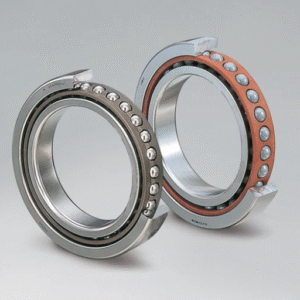
Thrust ball bearings are uniquely designed to accommodate axial loads in one or both directions, making them ideal for applications requiring significant thrust support. Unlike deep groove ball bearings, which handle both radial and axial loads, thrust ball bearings are specialized for axial force, limiting their versatility but excelling in specific use cases. Compared to cylindrical roller bearings, thrust ball bearings provide lower load capacities but offer smoother, quieter operation due to the rolling mechanism of the balls. For applications involving high-speed rotation, thrust ball bearings outperform tapered roller bearings in terms of reduced friction and operational stability. However, their suitability for applications relies heavily on precise alignment and operating conditions, as misalignment or excessive radial stress can greatly diminish their performance.
Thrust Ball Vs. Roller Bearings
Performance Comparison and Application Suitability
Thrust ball bearings and roller bearings serve distinct purposes, and their performance characteristics depend on the demands of specific applications. Thrust ball bearings are optimized for handling axial loads in applications requiring high-speed rotation, ensuring low friction and smooth operation. They are ideal in machinery such as electric motors, pumps, and automotive clutches, but require precise alignment to prevent performance issues caused by misalignment or radial loads.
On the other hand, roller bearings, including tapered or cylindrical designs, excel in applications where radial and axial loads are combined, especially under high-load conditions. Due to their greater load capacity and durability, roller bearings are commonly used in heavy industries like construction equipment, gearboxes, and railways. However, they often operate at lower rotational speeds and may generate higher friction compared to thrust ball bearings.
Selecting between thrust ball bearings and roller bearings requires careful evaluation of the load type, rotational speed, and alignment tolerances specific to the intended application.
Tapered Roller Vs. Thrust Ball Bearings
When comparing tapered roller bearings to thrust ball bearings, the choice ultimately depends on the application’s requirements. From my research of leading sources, tapered roller bearings excel in handling combined radial and axial loads, making them suitable for high-load applications such as automotive wheel hubs or industrial machinery. They are designed for durability and can manage alignment variations, but they often exhibit higher friction and require proper lubrication to operate effectively.
On the other hand, thrust ball bearings are specifically optimized for axial load handling at higher rotational speeds. They are commonly used in lighter-duty applications such as automotive parts, appliances, or other precision machinery where radial loads are minimal. They typically have lower friction levels compared to tapered roller bearings, but they are less versatile when it comes to handling radial forces or misalignments.
Choosing between the two necessitates a detailed analysis of the load direction, rotational speed, and operational conditions to ensure optimal performance and longevity of the machinery.
Angular Contact Thrust Ball Bearings Vs. Cylindrical Bearings
Angular contact thrust ball bearings and cylindrical bearings serve distinct purposes, with their functionalities being defined by their structural designs and performance characteristics.
Angular Contact Thrust Ball Bearings: These bearings are designed to support high axial loads where precision and high-speed capabilities are critical. Their unique design allows for simultaneous accommodation of combined loads (axial and radial), though their primary strength is axial load capacity. They are frequently utilized in machine tools, pumps, and automotive applications requiring precise positioning and high rotational speeds. Key technical parameters include:
- Contact Angle: Commonly available in 30°, 40°, and customized angles for specific load handling.
- Max Speed: Dependent on lubrication, typically ranging between 5,000–40,000 RPM.
- Axial Load Capacity: Highly dependent on size and material, often specified by manufacturers.
Cylindrical Bearings: These bearings excel at handling high radial loads due to their line contact design. However, their ability to handle axial loads is minimal unless designed with specific features, like flanges or modifications. They are widely used in applications such as gearboxes, electric motors, and wind turbines, where robust radial capability and durability are required. Key technical parameters include:
- Radial Load Capacity: Typically higher than angular contact bearings, often exceeding axial limits.
- Speed Limitation: Generally lower than angular contact bearings, around 3,000–8,000 RPM depending on lubrication and size.
- Misalignment Tolerance: Low, indicating the need for precise mounting.
Key Selection Considerations:
When choosing between these two bearing types, the following factors are critical:
- Load Direction: Angular contact thrust ball bearings are optimal for significant axial forces, while cylindrical bearings are ideal for high radial loads.
- Rotational Speed: Applications requiring high speeds often favor angular contact bearings due to their reduced rotational friction.
- Configuration Space: Cylindrical bearings are more compact for radial load handling, making them suitable for space-restricted designs.
- Alignment Conditions: Poor alignment tolerance in cylindrical bearings necessitates precision in housing design.
Ultimately, the choice between these two bearing types must align with the application’s specific mechanical and operational requirements to achieve efficient and extended bearing life.
Reference Sources
- Wikipedia – Thrust bearing
- Tameson – Thrust Bearings Overview
- SMB Bearings – Thrust Ball Bearing Uses
- Bearings Direct – Thrust Bearings
- NBC Bearings – Thrust Ball Bearings: Everything You Need to Know
Frequently Asked Questions (FAQs)
Q: What is a Thrust Ball Bearing?
A: A thrust ball bearing is a type of rotary bearing designed to handle axial thrust loads while facilitating smooth rotation. These bearings are comprised of bearing balls supported in a ring and are primarily used to support loads that are parallel to the shaft.
Q: How do 51100 Thrust Ball Bearings function?
A: The 51100 thrust ball bearings are designed for single-direction axial loads. They consist of two washers and bearing balls that help achieve smooth rotation and support axial thrust effectively.
Q: What are the applications of 51103 Thrust Ball Bearings?
A: 51103 thrust ball bearings are commonly used in applications requiring support for axial forces, such as in screw mechanisms and other machinery where stability and smooth operation under axial loads are critical.
Q: How do Spherical Roller Thrust Bearings differ from standard thrust bearings?
A: Spherical roller thrust bearings are designed to accommodate higher thrust loads and allow for misalignment due to their spherical rolling elements, providing better carrying capacity and durability compared to standard thrust bearings.
Q: What is the role of a washer in a thrust ball bearing?
A: In a thrust ball bearing, washers provide raceways for the balls, helping to distribute loads evenly and ensure smooth rotation. Typically, two washers are used to contain the balls and support axial loads efficiently.
Q: Can thrust tapered roller bearings handle both axial and radial loads?
A: Thrust tapered roller bearings are primarily designed to handle high axial loads. However, due to their tapered design, they can also accommodate some radial loads, making them versatile in certain applications.
Q: What is the significance of using chrome in thrust ball bearings?
A: Chrome is often used in the construction of thrust ball bearings because it enhances their durability and resistance to wear and corrosion, ensuring a longer service life and reliable performance under various operating conditions.
Q: How do cylindrical roller thrust bearings work?
A: Cylindrical roller thrust bearings use small cylindrical rollers arranged flat to support high axial loads. These bearings provide high carrying capacity and are suitable for applications where space is limited.
Q: What advantages do single row thrust bearings offer?
A: Single row thrust bearings provide efficient handling of axial loads in one direction. They are simple in design, easy to assemble, and typically used where space is a constraint and unidirectional axial loads are prevalent.
Q: Why is smooth rotation important in thrust ball bearings?
A: Smooth rotation in thrust ball bearings is crucial for minimizing friction and wear, ensuring efficient operation, reducing noise and vibration, and prolonging the lifespan of the bearing and associated machinery.