


Needle bearings may seem minute and insignificant, but these elements help to reduce friction, and radial loads, and enable smooth rotation in multiple systems including vehicles and machinery. Needle bearings assist in the reduction of friction, support radial loads, and enable a system’s rotational motion. With that said, any professional working in engineering, maintenance, or design needs to have an understanding of the types and characteristics of needle bearings. This article is centered around educating the reader on the invaluable information about needle bearings, so whether you’re an expert or someone who’s picking up this topic for the first time, you will find distinct types of needle bearings, their features, and precise engineering applications in this document.
What Are the Different Types of Needle Roller Bearings?
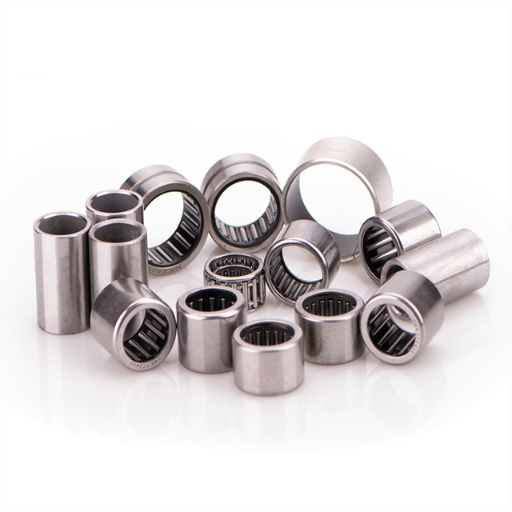
Every type of needle roller bearings works for different specific applications:
- Drawn-Cup Needle Roller Bearings – Commonly used in places where the outer casing needs to be thinner or needs to be shell-shaped, these bearings are suited for lightweight applications.
- Caged Needle Roller Bearings – Roller guides enable these bearings to withstand high levels of weight as well as extreme speeds.
- Full-Complement Needle Roller Bearings – Low-speed, high-load situations can benefit from this design since it has the largest number of rollers.
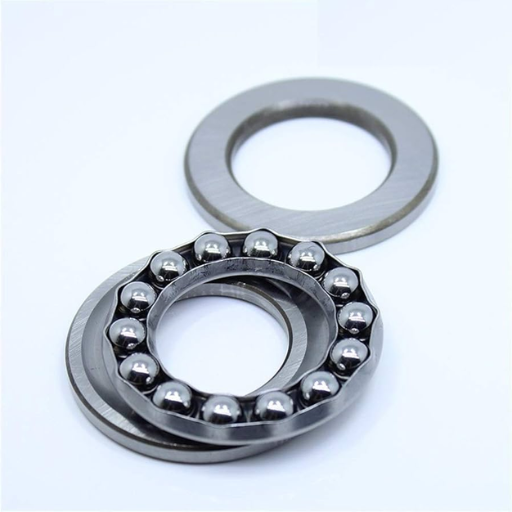
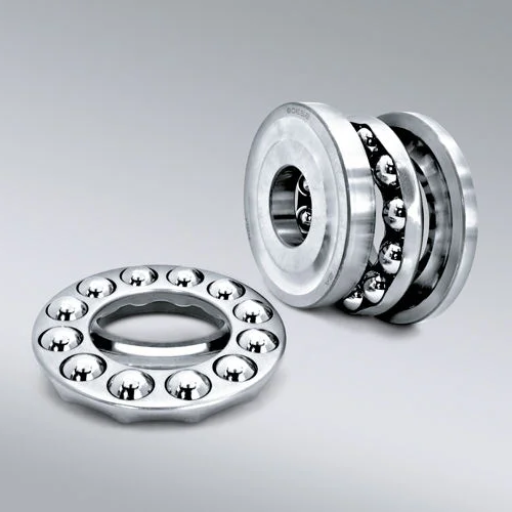
- Thrust Needle Roller Bearings – Important to automotive and industrial applications. Axial loads are specific to the applications; therefore these bearings are tailored to thrust bearings.
- Application-Specific Variants – Certain needle roller bearings are designed and manufactured for specific applications such as heavy machinery or precision instruments.
These types allow for tailored solutions based on load requirements, speed, and space constraints.
Combining Needle Roller Bearings with Advanced Configurations
The development of engineering technology has resulted in the creation of combined needle roller bearings where needle rollers are merged with other types of bearings to improve performance for certain uses. These combinations are often used where both radial and axial forces have to be controlled at the same time. For example, needle roller/angular contact ball bearings and needle roller/cylindrical roller bearings are extensively utilized in automotive transmissions and gearboxes because of their high load-bearing capacity relative to size.
Key Features and Benefits of Combined Needle Roller Bearings
- Compact Design – The design of these bearings combines two functions into a single unit, eliminating the need for additional space during assembly and simplifying the assembly process.
- High Load Capacity – Exceptional support for radial loads is provided by the needle rollers while the other type of bearing (angular contact or cylindrical) takes the axial or combined loads.
- Versatile Applications – Owing to their robust nature, combined needle roller bearings find application in construction machinery, robotics and power transmission systems.
Technical Details & Data
- Precision – These bearings are produced with tolerances of ISO/DIN standards which ensures precision motion within very harsh environments thanks to the modern technologies used.
- Load Capacity – Depending on the arrangement, combined bearings may support radial loads of up to 100 kN and axial loads of 25 kN.
- Operating Speed – Advanced lubrication technologies permit the functioning of these bearings at speeds of more than 6,000 RPM under ideal conditions, making optimization effortless.
- Material – Accomplished steel components and appropriate heat treatments offer endurance even in highly stressed environments.
By integrating numerous functions into a single component, combined needle roller bearings stand out in the mechanical construction field by offering efficient design solutions for sophisticated and confined industrial systems.
The Role of Needle Roller and Cage Assemblies
Due to the efficient management of radial loads and high speeds, needle rollers and cage assemblies are fundamental parts in several types of machinery. This assembly comprises a collection of needle rollers that are guided and retained by a cage which prevents excess friction and wear. These needle rollers are extensively used in automotive gearboxes, aerospace systems, and industrial machinery because of their hydraulic equilibrium and high load-bearing capabilities.
Recent technological developments have shown increased usage of this component in harsher environments. For instance, in high-precision systems, these assemblies frequently reach 30,000 RPMs while remaining functional and reliable. Common materials include hardened steel, which is highly resistant to deformation under heavy loads, as well as advanced polymer cages that have low mass and resist thermal expansion.
Furthermore, needle rollers and cage assemblies have very low spatial requirements which makes them suitable for machines that need to be compact in design, size and weight. Numbers presented by the automotive industry suggest that incorporating such components in a vehicle could increase the transmission’s efficiency enough to improve the fuel economy by 15% and reduce emissions significantly. These attributes, along with flexibility and a strong construction, make these assemblies ideal for contemporary problems in engineering.
Exploring Drawn Cup Needle Bearings
Industries like automotive, aerospace, and machinery, all utilize components that are highly efficient space savers. An example of this are drawn cup needle bearings. Their design typically showcases a deep drawn thin-walled outer ring that provides a compact structure, but has excellent load-bearing capacity. They perform best in situations where radial space is tight and are commonly used in gearboxes, power tools, and small engines.
Drawn cup needle bearings have many advantages and one example is the high radial load with low friction. Because of their use in automobile transmissions, operations become much smoother, and more durable, and can be done without needing much space or adding extra weight. Studies estimate a certain set of components can improve system energy efficiency by 10% which drives down energy consumption as well.
In addition, the design of drawn cup needle bearings facilitates their installation and assembly. Those that have integrated lubrication grooves perform better by reducing maintenance tasks and prolonging service life. Advances in engineering materials also drove innovations in bearing design by increasing the load capacity and resistance to wear with new alloy combinations and heat treatments. Drawn cup needle bearings can adapt to the changing needs of high-performance machinery owing to these developments.
How to Choose the Right Needle Roller Bearing?

Selecting a needle roller bearing requires careful analysis of the following:
Load Requirements – Understand the bearing’s capability concerning radial or axial loads within your application. Use a bearing that is rated for the specific load conditions.
Speed Limit – Ensure the maximum allowable speed for the bearing type does not lead to overheating or excessive wear.
Space Constraints – Measure the physical space available for the bearing within your design. Drawn cup needle bearings are compact and better suited for confined spaces.
Environmental Factors – Evaluate the surroundings, including temperature, contaminants, and moisture. Choose bearings with appropriate sealing and protective materials.
Application Compatibility – All components of a system must be perfectly engineered to meet the machine’s defined requirements.
Carefully addressing all the steps will guarantee the right roller bearing is chosen, providing the required performance and durability.
Factors to Consider in Choosing the Right Needle
When picking the right needle for your use, a couple of important things must be looked at more deeply to guarantee accuracy, longevity, and efficiency. Below are essential criteria backed by technical information and the latest findings:
- Needle Size and Gauge
The diameter and gauge of a needle have very basic but significant effects on its practicality and effectiveness. Smaller gauges such as 25G or 27G are best suited for use in delicate procedures while larger gauges such as 18G or 20G perform better in applications that require higher flow rates. The selection of a needle should take into account the need for reducing tissue damage and the efficacy of fluid transfer or injection.
- Material Composition
It is the needle material that dictates its strength, flexibility, and resistance to wear. For instance, stainless steel is a common option because of its high corrosion resistance and durability. Advanced materials, on the other hand, like Titanium alloys are preferred in situations where reinforced strength and low weight are required. Usually, to reduce friction and allow smoother penetration, silicone coats are applied.
- Point Type and Sharpness
A bevel, taper, or lancet type is one of the many diagrams that needles can take with each one having its specific use. For exacting and medical usage, blunt points may need higher force to penetrate and inflict greater discomfort on the patient, which makes sharpness more important. The sharpness of needles has undergone various changes owing to needle design changes, which improve safety and sharpen efficacy.
- Sterilization and Safety Standards
Needles for medicine or other precautionary works must comply with certain safety and sterilization rules like ISO9626 for stainless steel tubes while hypo sterile needles fall under 7864. Minimizing pre-sterile single-use needles reduces the risk of contaminating untouched surfaces.
- Environmental Suitability
You can guide the type of needle to use based on the position where it will be put to work. Leaving a needle exposed to extreme performance conditions like high and low temperatures and humidity should be avoided. Performance exposed to corrosive materials without needles that specialize in coatings would hurt the dependability of these environmentally demanding settings.
With these considerations, along with tailoring requirements of your operation, make it possible to count on precision performance made possible by modern needle technology which unveils endless opportunities to adapt to new application challenges.
Compared with Ball Bearings and Other Roller Bearing Types
The performance of ball bearings and roller bearings is frequently put head-to-head. Since there is point contact in ball bearings, they are meant for lighter loads and reduced friction, which is recommended for high revolutions per minute (RPM)-speed operations. Roller bearings offer a line contact and thus can carry heavier radial loads and endure more difficult operational conditions.
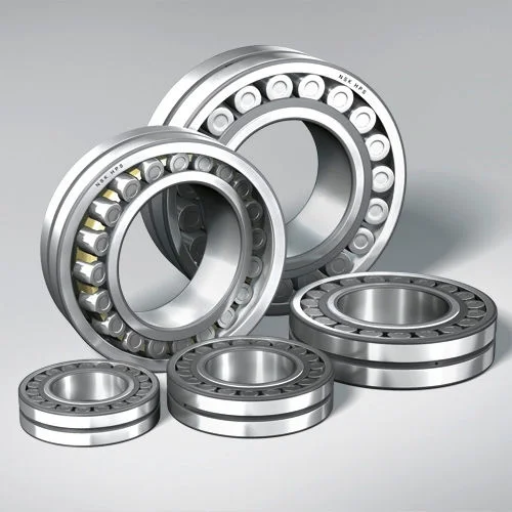
Take, for instance, the cylindrical roller bearings; they are commonplace in industries with electric motors and gearboxes because those applications have high radial load requirements and they also withstand higher endurance pressure compared to ball bearings. On the other hand, tapered roller bearings are used primarily in transmission assemblies because they support full combined axial and radial loads. Spherical roller bearings are widely used in the heavy-duty industry such as mining because they can handle misalignment with shock loads.
For reduced rolling resistance, ball bearings have greater efficiency and speed. On the sustainability of load, roller bearings have greater longevity when enduring harsh conditions. For instance, modern changes have added ceramic and advanced steel alloys to roller bearings enhancing their durability and precision.
Having statistical evidence, it can be verified that roller bearings can carry 15-20% more radial load than ball bearings of the same dimensions, depending on the application. Furthermore, modern bearing lube technologies, surface treatments, and adhesion prevention techniques have improved bear ing life by reducing wear and increasing overall performance for both types of bearings.
In the end, the decision of whether to use ball bearings or roller bearings must take into consideration all the specific details of the application including bearing clearances, alignment, ergonomics, and environmental conditions.
Using the Bearing Size Chart for Selection
In the selection of a suitable bearing size, the nature of work for a given application must be well described to inform the requirements precisely. With the bearing size chart, there is a stepwise approach to determine the load capacity and the diameter of the shaft with other operating conditions. Important elements to be checked also include dynamic load ratings, static load ratings, and boundary dimensions which are critical for optimal function.
For instance, small bearings found in precision instruments have an inner diameter of 8 mm and are meant to be used in high-speed light-load situations. In contrast, large bearings generally used in heavy industrial machinery have inner diameters greater than 50 mm to be heavily loaded. Recent designs of bearings also include features for torque reduction and improved heat dissipation for higher-performance applications. Adding more advanced precision classes in the size chart widens the selection to suit particular tolerances and rpm, providing more options. Matching these various technical specifications with operational requirements allows for an accurate and easy selection of bearing size.
What Are the Advantages of Needle Roller Bearings?
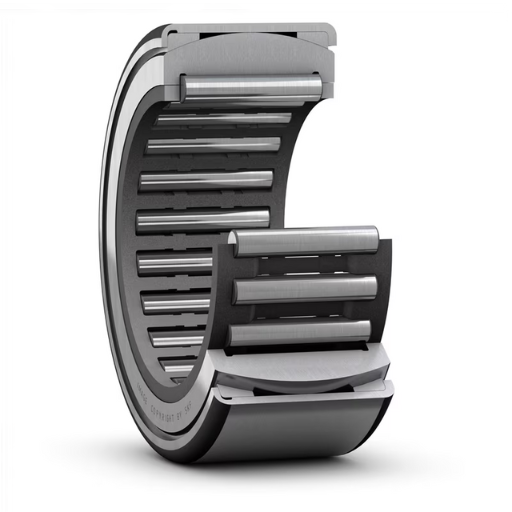
Needle roller bearings offer several advantages that make them a preferred choice in various applications:
- Compact Size: Their slim profile allows for use in designs where space is restricted.
- High Load Capacity: Despite their small size, they can handle significant radial loads due to the larger contact area provided by the rollers.
- Efficiency: Needle roller bearings reduce friction and wear, enhancing the performance and lifespan of machinery.
- Versatility: They are available in a wide range of styles and configurations to suit diverse applications and operating conditions.
These benefits make needle roller bearings an efficient and reliable option for many mechanical systems.
Compact Design and High Load Capacity
Known for their remarkable load-bearing characteristics relative to their weight and physical size, needle roller bearings have become increasingly popular. This is primarily due to their specialized design which employs elongated cylindrical rollers known to distribute stress more evenly over a larger surface area. Localized wear and pressure are thus diminished. Modern advancements in materials, including high-strength steel and advanced polymer cages, have further improved durability and performance in harsh conditions.
Needle roller bearings can carry dynamic loads anywhere between 1,500 lbs to over 18,000 lbs depending on their size and configuration which makes them great for space-restricted applications meeting high-load requirements. For example, these bearings are widely used in automotive transmission systems, aerospace applications, and industrial machinery that require a high degree of precision and reliability. Their compact profile enhances their use in intricate structures ensuring smooth operation without compromising efficiency.
Needle roller bearings have de facto become the industry standard clearances where performance under extreme conditions is essential due to advanced construction techniques such as optimized surface finishes and improved lubrication technologies which have greatly increased radial stroke reliability associated with load-bearing capabilities, and operational life.
Efficiency in Roller Bearings with Machined Rings
The efficiency, reliability, and endurance of roller bearings machined rings is critical. They are manufactured from well-hardened and high-strength materials such as steel, which can withstand high levels of operational stress. The machining process that each of the bearing parts goes through eliminates as much of the contact surface roughness as possible. The energy consumption joins friction reduction in enhanced applications.
There is an increasing understanding of the importance of tighter bounds for dimensional criteria and internal tolerances on the other features of worked rings. One study claims that well-surfaced bearings losses can reach 30 percent for high revolving speeds. Innovative surfacing methods have shown that new coatings like DLC (Diamond-Like Carbon) lower wear rates, increase corrosion resistance, and, consequently, the life of the bearing, which greatly improves availability. Those technologies are dependent upon the assumption that there are no interruptions in operation, with utmost precision, with minimum downtime malfunctions that dominate aerospace, automotive, and industrial machinery.
Moreover, the progress made in the lubrication systems designed for machined-ring roller bearings has enhanced maintenance scheduling and improved temperature control. With modern techniques, roller bearings with machined rings remain integral to maximized industrial effectiveness and dependability.
Comparative Analysis with Deep Groove Ball Bearings
Based on their design, application, and performance characteristics, choices of machined-ring roller bearings above and deep groove ball bearings yield several distinct differences and advantages.
Load Handling Capabilities
Machined-ring roller bearings are better adapted to manage heavy radial loads, and in some cases, moderate axial loads. Their cylindrical or tapered roller design offers better load distribution because of the greater surface area. This makes them ideal for high-load construction equipment and power generation industrial applications. On the other hand, deep groove ball bearings are mostly used for lighter loads but perform best when radial and axial forces are exerted. Appliances like electric motors, home appliances, and even some vehicles fill the moderate load applications best.
Rotational Speed
Smooth operations such as fans and compressors work best with deep grove ball bearings as they perform better at high speeds due to specialized design and lower frictional contact. Comparatively, machined-ring roller bearings emphasize speed but are better identified where long-lasting and robust performance is required under heavy stress.
Durability and Heat Resistance
In roller bearings, the machined rings provide improved control over temperature fluctuations and service life; this is especially true for regions experiencing high thermal stress. Recent innovations in the servicing of roller bearings have equipped them with more efficient lubrication systems, which, in turn, allow them to endure even greater temperatures. While deep groove ball bearings continue to perform well under moderate conditions, they may need special materials or lubricants to endure the same harsh conditions not found in standard operating conditions.
Ease of Maintenance
Due to less intricate design elements, deep groove ball bearings are easier to maintain when compared to more complex pieces. Their maintenance is further simplified due to their sealed-out construction, which, in less demanding applications, guards against contamination. Machined ring roller bearings are somewhat more maintenance-friendly as a result of their precise fit and high load applications; they rationally incorporate newer lubrication systems. Such systems enable less maintenance and prolong life with the aim of minimizing industrial downtime, which is critical in some industrial processes.
Performance Data
Research indicates that machined-ring roller bearings can support loads up to 60% more than comparable deep groove ball bearings of the same size, beyond the design and material configuration. Additionally, roller bearings have a moderate efficiency under varying conditions of shocks and vibrations, providing an edge in reliability for some heavy-duty applications. When compared, deep groove ball bearings boast very high operational speeds. With some exceeding 10,000 RPM, these bearings demonstrate rapid performance for speed-centric applications.
In summary, while each bearing serves a fundamental purpose in machinery and equipment, industries that demand high load limits and ruggedness will always prefer machined-ring roller bearings. Simplicity paired with the high operational speed of deep groove ball bearings makes these best suited for low-load, low-maintenance applications. Engineers can determine which bearing will maximize performance and efficiency by thoroughly analyzing the application’s requirements.
How Do Needle Roller and Cage Assemblies Work?
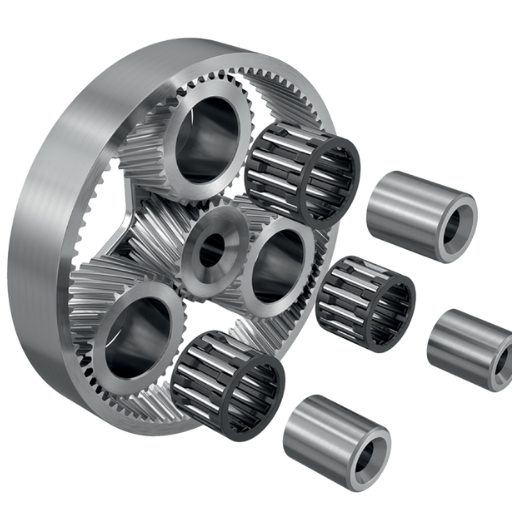
The needle roller and cage assemblies operate by guiding and retaining the needle rollers within the assembly in a specific arrangement. Each of these parts acts as an independent rolling element whose main function is to reduce friction between two moving parts. As for the cage, its purpose is to space the rollers in such a way that they do not come into contact with each other as well as distribute loads uniformly. This facilitates the transfer of loads and motion with little resistance while reducing wear. Because of the simplicity of their construction, these components are reliable in high-speed or space-constrained applications.
Components of a Needle Roller Cage Assembly
A needle roller cage assembly is made up of several components that work together to constitute a complete mechanism. This section provides descriptions for the most important components of the assembly.
- Needle Rollers
Needle rollers are cylindrical parts made of high-precision steel that can withstand extreme radial forces. The slender shape of these components makes the overall construction stronger whilst giving flexibility to space. Usually, the proportion of the diameter to length of these rollers is between 1:3 and 1:10 to ensure the appropriate load distribution while also minimizing contact stress.
- Cage
The cage also referred to as the retainer, is usually made from lightweight but durable materials such as steel, brass or polymer. Its purpose is to control the relative alignment of the needle rollers within the assembly and avoid direct metal-to-metal contact (bearing). It also provides uniform force distribution. Most modern needle roller assembly designs have been optimized for better lubricant flow to achieve improved performance and longer life.
- Outer and Inner Rings (in certain designs)
Some needle roller cage assemblies incorporate outer or inner rings for specific applications. These rings are manufactured using bearing steel which is case-hardened for wear resistance and provides high tolerance accuracy. These rings form a raceway which the rollers can freely pass through which increases the efficiency and reliability of the system under varying loads.
- Lubrication System
A properly formulated lubricant enhances the ease of movement and prolongs the life of the needle roller cage assembly. Lubrication may range from compartments filled with grease to an oil bath, depending on the operating speed and load conditions of the assembly. The use of advanced technology in lubrication has reduced maintenance periods and servicing costs considerably.
- End Caps or Retaining Rings
In some designs, these components serve to retain the assembly together and prevent axial movement. These parts provide a stable configuration which is critical in extreme conditions or high speed mechanisms.
The Functionality of Thrust Needle Roller Bearings
Thrust needle roller bearings, which are specially engineered and intended for very high thrust load applications, have very low friction and space requirements, thrust bearing applications are mainly in the automotive field hence these types of bearings are available in transmissions, machine tools, and consumer goods like washing Mac, refrigerators etc. The thrust needle retains a range of tiny, cylindrical rolls set radially, enabling them to efficiently distribute the axial load throughout the bearing surface.
The thrust needle bearing is superior with of the improved material science technologies, for instance, the modern high-grade steel alloy thrust needles received an increase of load-carrying capacity and lifetime due to less burning from high-pressure conditions, further, optimized cage designs permit lubricant alignment and flow resulting in lower temperatures and steering friction.
Data made available from testing of the thrust needle roller bearings reveals their excessive efficiency when employed in high-loading operations, thrust needle roller bearings often take on 50% added thrust loads in comparison to thrust ball bearings of equal dimensions and with less maintenance due to enhanced durability. not to mention most thrust bearings may be smaller in size and lighter in mass than mechanical assemblies assuring reliable service unlike check valves, gearhead boxes, and hydraulic.
Thrust needle roller bearings enable the applications utilizing this technology to improve operational efficiency and reduce downs, making them a core contributor to modern engineering systems.
Why Choose Needle Roller Bearings with Machined Elements?

Needle roller bearings which have machined components feature increased accuracy, durability, and functionality. They are capable of enduring exceptionally high loads while functioning effectively within a limited operational envelope. Greater strength and accuracy of the structure make them suitable for demanding applications. These bearings also have low maintenance requirements and reduced downtime due to high wear resistance and long service life. Their dependable performance, combined with the strength of their construction, makes them a popular option for many sectors of the economy that need efficiency and durability.
Durability and Precision in Bearing Design
Innovative Materials for Increased Efficiency
Modern bearings are fabricated using more innovative materials like ceramic, stainless steel, and some specific alloys to improve the precision and durability of the bearings. For example, ceramic bearings are particularly useful in applications with high temperatures and corrosive environments because they are extremely high-temperature and corrosion-resistant. Industry research indicates that ceramic bearings lower friction and wear significantly, which enables them to outlast standard steel bearings by up to 50% for service life.
Lubrication Technology for Extended Lifespan
Innovative lubrication technologies have also substantially improved self-lubricating bearings. High-performance lubrication systems automate maintenance, eliminating periodic attention. Technical analyses suggest that bearings maintained with proper lubrication can endure 30%-40% extended service cycles per bearing life cycle, significantly lowering costs associated with system downtimes and repairs.
Precision Engineering for High-Speed Applications
Meeting the requirements for high-speed applications poses serious challenges, but new manufacturing technologies are up to the task. Micro-finishing and CNC machining proved the consistency of tolerances and surface geometry. Studies reveal that precision bearings are capable of outperforming standards by 20% in terms of the operating vibrations and noise emitted, which is critical for high-speed robotic and aircraft turbine systems.
Advanced materials, coupled with progressive lubrication techniques and precision engineering, enable new bearing designs to set records in lifetime and reliability for an ever-growing spectrum of demanding applications.
Comparing with Tapered Roller Bearings
Tapered roller bearings are commonly used in the automotive, construction, and heavy machinery industries because they can support radial and axial loads simultaneously. They can support thrust forces because their conical shape allows for effective load distribution and high capacity to be attained. Despite these advantages, tapered roller bearings are not as efficient as precision-engineered ball bearings regarding tapered roller bearings’ performance and design.
Another one of the distinguishing features includes the speed handling capabilities. The rolling elements in tapered roller bearings generate more friction than others, causing them to operate at a lower maximum speed. Precision ball bearings have surface geometry and lubrication systems that are more efficient which contributes to lower speeds and less heat. An example of this is the high-performance ball bearings, which can attain 200,000 RPM in specialized settings and are ideal for use in turbines and robotics.
Trust me, `less noise` and `low maintenance` have become the mainstream choice forbearers in industries for construction and manufacturing sections. Don’t get me wrong; both types have their advantages and specific use cases. But why choose between high performance or having to spend extra time on maintenance when you can have both? The difference in acoustics and performance is where the precision-engineered bearers shine with shouting 20% less noise than allowed turning parts.
To parallel, durablity also draws a huge difference between the two. While taper roller bearers are designed for extreme heavy-duty conditions accompanied with longer lifespans, they can be a bit finicky requiring lubrication pampering. On the flip side, with the latest advancement in sscience, hybrid ceramic components push the performance of ball bearings to the next level of durability making them more resistant to maintenance whilst in savage working environments.
With proper calibration and lubrication, tapered roller bearers do outperform in extreme conditions, unlike positioned together bore precision ball bearers who simply out-perform and boast lower resistance and improved performance when put under harsh working conditions.
Reference Sources
-
The Cycloidal Gearbox Efficiency for Different Types of Bearings—Sleeves vs. Needle Bearings:
- Explores the efficiency of needle bearings compared to sleeve bearings in cycloidal gearboxes.
- Highlights the advantages of needle bearings in terms of efficiency and load distribution.
- Methodology involves theoretical efficiency calculations and experimental validation for different bearing types.
-
Tribological Characteristics of Needle Bearings:
- Investigates the tribological properties of needle bearings, including frictional torque, axial thrust, and needle skew angle.
- Compares the performance of full-type needle bearings with caged needle bearings.
- Methodology includes the use of a specialized test rig to measure various tribological parameters under controlled conditions.
-
Thermal Analysis Based on Dynamic Performance of Rocker Arm Full-Type Needle Bearings:
- Focuses on the thermal and dynamic performance of full-type needle bearings used in rocker arms.
- Highlights the impact of material properties and thermal conductivity on bearing performance.
- Methodology involves thermal analysis using ANSYS software and dynamic performance testing.
- View Needle Roller Bearings Manufacturers in China – Amigo details to get into the details
Frequently Asked Questions (FAQs)
Q: What are needle roller bearings and how do they work?
A: Needle roller bearings are a type of bearing that uses small cylindrical rollers. These bearings are designed to handle high load capacities, typically in applications where space is limited. They work by allowing the needle rollers to roll freely within the bearing ring, reducing friction and supporting radial loads.
Q: What are the different needle roller bearing types?
A: Needle roller bearing types include drawn cup needle roller bearings, machined needle roller bearings, and full complement needle roller bearings. Each type offers different characteristics and performance benefits depending on the application.
Q: What is a drawn cup needle roller bearing?
A: A drawn cup needle roller bearing is a type of bearing that features a thin-walled outer ring, which is drawn from a sheet of steel. This design allows for a compact and lightweight bearing that can handle high loads.
Q: How do thrust bearings differ from radial needle roller bearings?
A: Thrust bearings are designed to handle axial loads, whereas radial needle roller bearings are primarily used for radial loads. Thrust bearings typically consist of needle rollers arranged in a circular pattern, while radial bearings use rollers parallel to the shaft.
Q: What are the advantages of needle roller bearings without inner rings?
A: Needle roller bearings without inner rings offer advantages such as reduced weight, space savings, and the ability to use the shaft as the raceway. This can be beneficial in applications where compact design and lower weight are critical.
Q: What is the significance of sealed bearings in needle roller applications?
A: Sealed bearings are used to protect the internal components of the bearing from contaminants such as dust, dirt, and moisture. This can extend the life of the bearing and improve reliability in harsh environments.
Q: When should machined needle roller bearings be used?
A: Machined needle roller bearings should be used in applications that require high precision and load capacity. These bearings have a robust construction that provides greater accuracy and stability compared to other types of needle roller bearings.
Q: Can needle roller bearings be used for both radial and axial loads?
A: While needle roller bearings are primarily designed for radial loads, certain configurations, such as needle roller thrust bearings, can accommodate axial loads. It is important to select the right type of bearing based on the specific load requirements of your application.
Q: What are full complement needle roller bearings?
A: Full complement needle roller bearings contain the maximum number of needle rollers that can fit within the bearing ring, providing high load capacity. They are often used in applications where space is limited and high load capacity is required.