


Bearings are essential components in machines because they ensure the motion is performed smoothly while helping to minimize the friction between moving components. Among the many types of bearings, two of the most distinct and frequently encountered are needle bearings and ball bearings. However, what differentiates them, and why is each one more suited to certain situations than the other? In this article, we explore the differences between needle bearings and ball bearings along with their distinct attributes to help the reader understand the conditions each one is best suited for. Be it an engineer, a hobbyist into machinery, or just a curious participant, this understanding will help guide their next project. Let’s break down the crucial information alongside the requirements for making the right decisions.
What are the Main Differences Between Needle Bearings vs Ball Bearings?

The specific design features, as well as the intended functions of both types of bearings, are what set needle bearings apart from ball bearings:
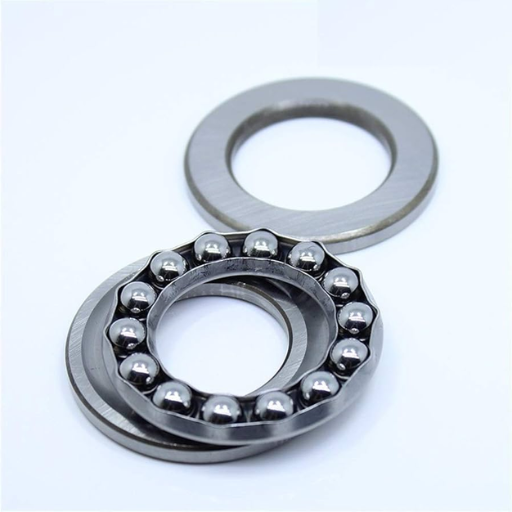
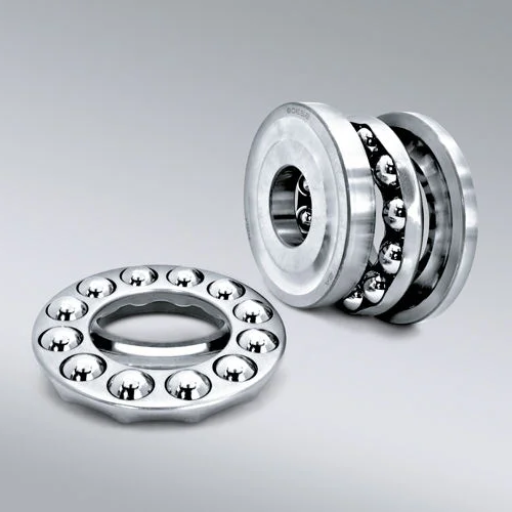
- Shape and Structure: Needle bearings feature long, cylindrical rollers with a small diameter, providing a larger surface area of contact. Ball bearings, on the other hand, use spherical balls to reduce friction.
- Load Capacity: Needle bearings can handle high radial loads due to their larger contact area, in contrast to ball bearings which excel in low-load and low-friction motion applications.
- Applications: Needle bearings are used in confined spaces of bulk machinery requiring a high load capacity. Ball bearings have a broader range of applications and are used in household appliances, vehicles, and electric motors since they can support both radial and axial loads.
Knowing the differences assists in choosing the appropriate bearing for particular engineering or mechanical needs.
Understanding the Type of Bearing
A bearing is one of those machine components where you need to pay great attention to detail. Different types usually have certain strengths which make them accomplish particular tasks more efficiently than others. Take the tapered roller bearing for instance. It is specifically designed to manage both radial and axial loads with equal efficiency. This taper bearing type of is used in gearboxes, automotive wheels, and even construction equipment. These bearings possess remarkable pressure endurance capabilities and a heightened load-carrying capacity relative to standard ball bearings.
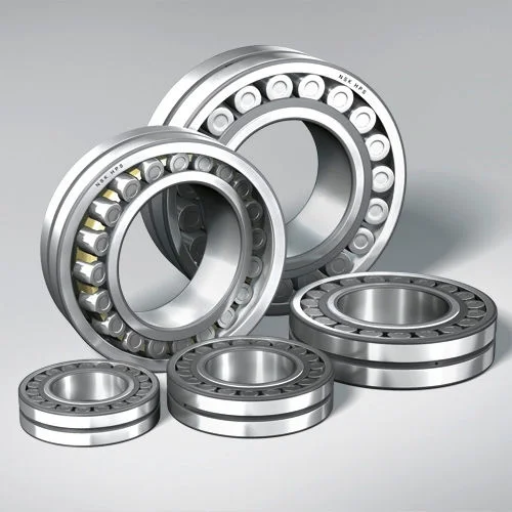
Spherical roller bearings possess the capacity to sustain considerable radial loads coupled with a certain degree of misalignment. As a consequence, they can be used in harsh places like paper mills, mining, tunneling, and even turbine operations where reliability, dependability, and survivability in strenuous conditions are essential.
Ceramic bearings on the other hand have only come into existence due to newer technological innovations. Their lightweight, low friction, and heat and wear-resistant characteristics, make them ideal in high-speed applications. Their typical usages include Aerospace, high-performance industrial machinery, as well as precision medical devices.
To put this into perspective, under suitable lubrication conditions, a high-grade ball bearing can withstand operating speeds of 100,000 rpm, while massive spherical roller bearings can support radial loads of several tons. These efficiency attributes underline both the practicality and the need to have the right kind of bearing on specific mechanical requirements. This knowledge is critical to accomplish the desired efficiency and longevity of the system.
How Roller Bearings Compare
Heavier loads along with greater axial and radial forces, unlike other types of bearings, can be supported by roller bearings which makes them distinctly separate. A bearing uses ball-shaped components known as rollers which can be cylindrical, tapered, or spherical, and this differs greatly from ball bearings. Roller bearings are further divided into two kinds, tapered and spherical, with the latter also further classified into self-aligning, radial, and thrust. During operation, rollers have a greater contact area which makes them more efficient in load distribution than their spherical counterparts. Because of these characteristics, roller bearings are ideal for use in high-stress situations such as those found in construction machinery, automotive drivetrains, and industrial turbines.
For example, tapered roller bearings can withstand both radial and axial loads and have a wide range of applications from industrial drive shafts to automobile wheels because of the high load endurance. Recent performance specification indicates that cylindrical roller bearings can sustain dynamic load ratings greater than 4,000 kN, depending on size and material. Advanced designs of spherical roller bearings are superior in domains with misalignment or shaft deflection, sustaining radial loads beyond 5,000 kN.
Recent developments in engineering have added high-quality steel alloys and more efficient manufacturing methods, further improving the durability and efficiency of roller bearings. Some variations now have lower friction capabilities along with greater resistance to extremely high temperatures or contamination, making them critical in harsh environments, such as aerospace and wind energy systems. Recognizing these design strengths makes certain that roller bearings are not only properly selected for standard applications but also for specialized ones—maximizing performance and reliability.
Key Features of Ball Bearings vs Needle Roller
Bearings are both ball and needle rollers that assist in motion and rotation. Both serve the same purpose but focus more on the needle roller does what ball cannot take on and vice versa. This occurs due to each component’s unique features.
Ball Bearings
By design, ball bearings are composed of a spherical component which helps maintain smooth motions while reducing friction at the same time. Being easy to use and flexible, they can perform radial and axial load tasks. Their application is seen within motors, vehicles and home appliances allowing them to perform at a maximum speed. A benefit of ball bearings is that they build minimal heat ensuring better performance and life expectancy when operated under light to medium loads while cycling through numerous light-modulated tasks. Most ball bearings make use of a point contact geometry which helps in providing motion with much less resistance.
Needle Roller Bearings
Needle roller bearings are slightly different by design, their difference in length and diameter offer them an edge. The arrangement makes them more appropriate where space is a concern of tight quarters but load capacity needs to be maximized like gearboxes, vehicles, and heavy machinery. The ability to withstand intense l static loads and intense shock impacts makes them ideal for heavy-duty applications of industrial settings. They are also constructed from thin cylindrical rollers which have an overall enhancement on the load-carrying values of mechanical parts about area.
Understanding these differences can help select the right type of bearing for specific operational needs, ensuring improved performance, reduced wear and tear, and longer service life.
How to Choose the Right Bearing for Your Application?
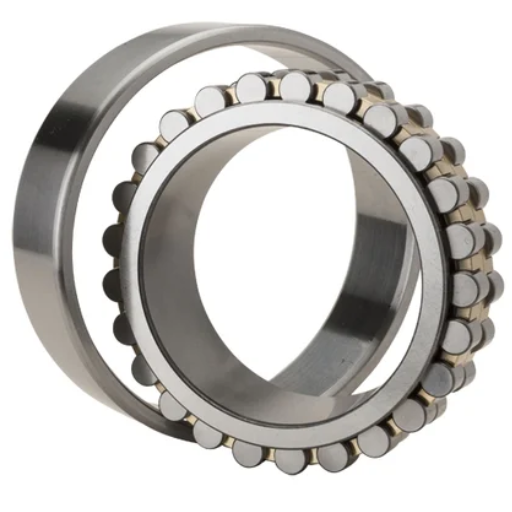
Picking the right bearing is determined by your application needs. First, outline the following primary features:
- Load Type and Capacity – Identify whether your application comprises radial, axial, or a mix of both. Also, check if the bearing can manage the load that needs to be lifted. For vertical loads, you may want to consider roller bearings and for light and versatile loads, ball bearings will suffice.
- Speed Requirements – If your application involves heavy rotating, make sure to check what the bearing’s capacity is, as the application will need ones that operate optimally at high speed, such as spinning ball bearings.
- Environment – Check external factors such as surrounding temperature, moisture, or actual contamination. Sealed or shielded bearings are suited for harsh environments. Performance can be enhanced even more under extreme conditions with specially designed materials.
- Space Constraints – Select the bearing style that fits the scope of the design space available. In tight spaces, needle roller bearings result their performance in the least space.
- Load Bearing Capacity and Maintenance – Determine the operational expenses and life expectancy of the bearing. Featherlight rings, for example, require constant lubrication, and some guesses are better in those areas.
By ensuring that these factors are combined with the requirements, optimal performance and reliability can be secured.
Comprehensive Comparison Between Needle Bearings and Ball Bearings
When assessing your needs for either a needle bearing or ball bearing, it is critical to think about performance, efficiency, and reliability over time:
- Load Capacity
Due to a needle bearing’s greater area of contact, they usually have greater load-carrying capacity than ball bearings of the same size. This is the primary reason why needle bearings are preferred in a lot of industrial and automotive applications, where space is at a premium but heavy radial loads are a given. On the contrary, ball bearings shine in scenarios where both axial and radial load support is needed, like in electric motors or skateboards.
- Space Constraints
Due to their slender cylindrical rollers, needle bearings are best suited for applications with restricted radial space, such as narrow envelope sections. They also provide exceptional performance as well. In comparison, ball bearings might be more difficult to integrate into some applications because of their spherical geometry, but they offer flexibility in different types of application arrangements.
- Operating Speed
High-speed applications typically fall into the needle-bearing category. Because of lower friction coefficients and better lubricating techniques, ball bearings work well in very high rpm environments, which is ideal for turbines, fans, and precision equipment. Precision machinery, however, does not suit needle bearings; those do better for moderate speed with high load conditions.
- Durability
Ball bearings are generally manufactured under the assumption that proper maintenance will be provided while offering a sufficient operational life. Needle bearings can support high loads, but they may suffer from shortened life spans due to harsh operating conditions, albeit mitigating factors can be provided through routine servicing. Innovations such as the introduction of ceramic balls into hybrid ball bearings have contributed to improved reliability and operational life.
- Friction and Efficiency
In general, ball bearings achieve greater reduction in friction and more efficient operation than needle bearings and this is largely because of the point-of-contact friction mechanisms utilized by ball bearings in comparison to the line contact friction utilized by needle bearings. This makes ball bearings a better choice in applications where smooth operation and energy efficiency are critical metrics.
- Sector-Specific Applications and Data
-
- Automotive Industry
Needle bearings face the most demand in transmission assemblies thanks to their ability to prove efficient thrusts while requiring low radial space.
-
- Technology and Precision Equipment
Drones, robots, and computer cooling fans are examples of sophisticated machinery that need precision and smoothness in motion, these equipment rely on parts called shafts to be rotated at fixed intervals and with high rotational speed.
Recent market analyses have indicated a booming industry demand for sealed ball bearings with an estimated increase of 15 percent over the last five years, the latter stemming from improvements in components and maintenance-free designs.
Taking into account all of these factors about your system’s prerequisites will result in a reasoned decision concerning the selection between the needle and ball bearings, guaranteeing performance, longevity and smooth functionality.
Applications of Needle Bearings and Ball Bearings
Both needle and ball bearings provide essential support to different industries, each designed specifically for its intended purpose because of the varying performance traits and structure of the bearing.
Applications of Needle Bearings
Widely regarded for their compact shape and high load-carrying capabilities, needle bearings find increased use in all industries where work is done under constrained radial directional space, such as in automobiles and aerospace. In automotive vehicles, needle bearings are used in the transmission system, where compact assembly designs are predominant, and in aerospace systems due to their ability to withstand tough conditions. In addition to this, needle bearings have found application in farming machinery as well as industrial machinery, especially in gearboxes and pumps, because of their capacity to withstand great heavy radial loads. They are also being used in the latest electric vehicles (EVs) because of increasing space and load efficiency requirements without performance compromise alongside expanding markets, according to recent surveys.
Uses of Ball Bearings
At the same time, ball bearings are critical for applications that require the simultaneous axial and radial load and rotation to be as smooth as possible. They are present in electric motors, other appliances, and devices where friction and efficiency are paramount. Ball bearings also have precision and trust with the development of robotics and automation systems. There is more growing area of application in the wind energy sector as ball bearings are crucial in wind turbine rotor shafts for ensuring optimal variable load performance. It is said that the market for ball bearings is expected to grow with more than six percent compound annual growth rate until the year 2030, mainly because of material technology innovations and the increasing demand from new sectors like renewable energy.
By taking the unique characteristics and the form of needle and ball bearings into consideration, industries can restructure their operations around the bearing technology which results in improved efficiency and cost reduction in their operations.
The Importance of Different Types of Bearings
Housings, turning blocks, supports, and other structural parts utilize bearings to enable relative motion and reduce the friction forces opposing motion in some way. Every single type of bearing has been designed to serve its specialized functions. For example, ball bearings are widely used in high-speed applications because of their low friction and high durability; on the other hand, needle bearings perform extremely well in compact spaces with high load requirements. Recent publications also indicate that the growth of the global bearing market is further accelerated with the application of new materials like ceramic and stainless steel, which is known to improve performance and durability at extreme conditions.
A major contributor to the advancement of these technologies lies within the renewable energy sector. Wind turbines, for one, require highly engineered bearings with the ability to sustain tremendous loads and operate constantly at a high level for long periods. In fact, revenue from the global market for wind turbine bearings is expected to surpass $5 billion by 2028. This figure emphasizes clearly the importance of proper bearing selection for these applications. With a strong understanding of the various design parameters and performance characteristics of different bearings, industries can minimize operational inefficiencies, reduce maintenance costs, and contribute towards long-term sustainability objectives.
What are the Applications of Needle Bearings?

Needle bearings are critical in situations where high load capacity is essential, but space is restricted. They can be found in parts of the automotive industry, such as universal joints, gearboxes, and even in the hybrid automotive transmission. Outside the automotive industry, they are used in industrial machinery such as pumps and compressors owing to the small space they require along with heavy radial load endurance. Their efficiency and endurance guarantee precise and reliable assistance in tightly packed spaces.
Common Uses of Needle Roller Bearings
Their remarkable compact, lightweight design has needle roller bearings in high demand across various industries. Their applications range from automotive, aerospace, and industrial, to even medical equipment owing to their efficiency and capability of load-bearing.
Automotive Applications
Due to their ability to handle high radial loads, needle roller bearings are heavily utilized in different automotive systems, be it camshaft assemblies, transmissions or universal joints. Furthermore, in the era of lightweight and fuel-efficient vehicles, these rollers are indispensable. Advanced needle roller bearings not only support smoother rotational motion but also enhance the overall lifespan of automotive transmissions by reducing energy loss.
Aerospace Use
Needle roller bearings serve the purpose of aerospace engineering beauties that jet engines, helicopters, and airplanes are. The weak-to-strength ratio together with the ability to endure extreme heat, pressure, and vibration makes needle roller bearings vital for safety and performance optimization.
Industrial Machinery
The uncompromising strength of needle roller bearings is being applied in industrial equipment such as pumps, compressors, and conveyors systems. Recent research describes these bearings being used in modern high-speed industrial equipment where precision together with reliability is very critical. The use of these bearings in such equipment stops operational halts and reduces the overhead cost for the industry.
Medical Devices
Surgical robots and imaging machines are examples of advanced medical devices that need precision and reliability in their operation which needle roller bearings provide. These bearings allow smooth sluggish motion in complicated medical machines where tiny spaces are all that is available for assembly, enabling intricate operations to be performed.
As modern engineering strides forward, the widespread use of needle roller bearings will continue evolving with engineering changes, aided by materials technology and how meticulously they are manufactured.
How Thrust Needle Bearings Function
Precision engineering considers thrust needle bearings due to their ability to efficiently handle high axial loads while having a compact design. Their unique design, consisting of thin, cylindrical rollers positioned between the flat raceways, ensures smooth rotation and loading. In addition, the lower friction that these bearings operate with greatly improves the mechanical efficiency as well as reduces the required maintenance over time.
Recent thrust needle bearings can withstand more load and have a longer life due to modern thrust technology and materials. For example, bearings manufactured using chrome steel possess greater longevity and more resistance to pressure-induced deformation. Furthermore, the use of modern lubrication systems lowers friction and heat generation which helps ensure that the bearings function well under severe operating conditions.
From automotive equipment to industrial machinery, almost every thrust needle bearing will be able to serve its purpose effectively. In traversing automatics, they easily withstand the axial loads id shifting gears. Some designs are estimated to withstand load thrust ratings above 20,000 Newtons, Additional data suggests that these thrust needle bearings are essential to the workings of today’s mechanical systems while maintaining excellent performance alongside small spatial requirements.
Special Type of Roller Bearing Applications
Spherical, tapered, and cylindrical roller bearings are categorized under special types of roller bearings. Because of their distinct abilities, they have been used in a variety of sectors. For example, tapered roller bearings are widely used in the automotive sector on vehicle wheel hubs, and in gearboxes, where both radial and axial loads are experienced simultaneously. They are tough because the bearings can support more than 30,000 Newtons of load in some configurations.
Due to their ability to accept significant loads and misalignment, spherical roller bearings have applications in the construction and mining industry. For instance, high-capacity spherical roller bearings can support more than 50,000 Newtons of load while still functioning smoothly even in harsh conditions such as heavy vibrations, impact, and other hostile environmental conditions.
Cylindrical roller bearings are often used in electric motors, turbines, and industrial compressors because these devices require low-friction rotation and the ability to support high radial loads simultaneously. The latest designs now incorporate optimizing the internal geometry and heat-treating the steel, reducing energy loss and wear while increasing the performance of these bearings. There is also the combination of long service life and reduced maintenance period which satisfies the requirements of modern high-speed and high-stress applications.
The unique roller bearings are of great importance in achieving operational efficiency, safety, and reliability in important mechanical systems and structures.
What are the Disadvantages of Ball Bearings?
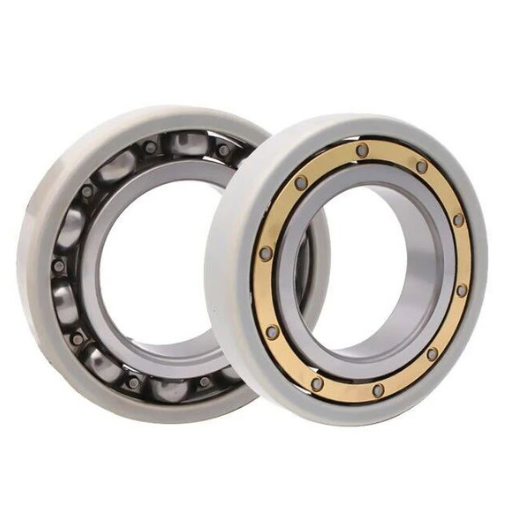
Although versatile and efficient, ball bearings come with some disadvantages. First, they are not able to manage heavy loads because of the small contact area the bearing parts have with each other, thus causing quicker wearing at high stress over time. Also, in comparison to other types of bearings, ball bearings tend to add more noise during operation, particularly at high rotational speeds. Like most mechanical devices, they require routine servicing which means proactively scheduled maintenance as well. In this context, it means added servicing restricts the ability to perform other functions. While serving if friction and overheating go unattended, excessive friction will increase. Last, though ball bearings can manage both radial and axial forces applied to them, they cannot do so with aplomb when a high level of precision or rough tolerances takes place.
Issues Regarding Ball Bearing Use
They are commonly found in numerous mechanical systems, however, they do present some issues like a forcible intrusion for example of nonoil contamination. Even dirt in the slightest form can negatively affect the ball bearing by increasing friction and erosion thereby accelerating the rate of wear. According to research, it is said that roughly 14% of neglect caused industrial bearings to fail prematurely while in-contamination is responsible for this lack of attention. commercial automation as air conditioning and centralized heating devices for large industrial installations.
Extreme temperatures present a critical complication. Ball bearings may suffer degradation of material properties and shortened operational life if exceedingly hot or cold temperatures are encountered. The efficient operation of the bearing is also dependent on the surrounding temperature. For example, high temperatures can cause grease lubricating the bearing to undergo breakdown processes resulting in inadequate lubrication.
Another problem is the bearing’s inability to support significant axial loads. Ball bearings provide good performance for moderate loads, but face challenges in heavy lift dynamic nonsense like those encountered in heavy equipment and construction tools. Studies show that these types of applications tend to use industrial roller bearings instead of ball bearings due to their lower load capacity.
Vibration and shocks provide a typical way of increasing the rate of wear in bearings with balls. Surface fatigue, pitting, and subsequent failure can occur as a result of constant uneven load for an extended period. This requires careful vibration assessment and precise alignment procedures in installation and maintenance works to maximize the operational life of the equipment.
Comparative Analysis: Ball Bearings vs Needle Roller
It is important to note the comparison between ball bearings and needle roller bearings considering their particular features, pros, and the areas they outshine in.
Ball bearings smoothen friction of rotation and manage radial and axial loads simultaneously. Their diverse usage includes small motors, fans, and appliances. The speed ratio in operation is high due to their low heat generation and spherical rolling elements. Needle roller bearings may not be effective in conditions where space is limited and load capacity is excessive, so the demand for them in compact devices is low.
Needle roller bearings are more effective in limited spaces, and higher load demands like in automotive transmissions, power tools, cranes, and heavy machinery. This design leads to a higher load-bearing capacity relative to their size, making needle rollers the first choice. But overall, axial load effectiveness and speed are lower in comparison.
An important metric to think about is the load rating. Due to their shape, needle roller bearings can withstand significantly higher loads relative to their size, as the weight placed on them is better distributed by the elongated rollers. For example, within some heavy-duty industrial machines, needle rollers have been shown to outperform ball bearings in resilience to load, enduring greater stress and therefore making them preferable in harsh applications.
In addition, when it comes to speed, ball bearings are more efficient than needle rollers owing to their frictionless design. Uses where there is a need for rapid rotation as in electric motors and jet turbines are greatly aided by the operation of ball bearings since they provide smoother functioning.
In the end, the choice between the two types of bearings is determined by the application and its specifications regarding required rotation speed, load capacity, available space, and alignment tolerance.
Why Some Bearing Types May Not Suit Your Needs
Every bearing cannot be used anywhere. Their design, performance, and durability differences set metrics for their usability. For instance, ball bearings enable high rotational speeds. However, due to their smaller contact areas, they can struggle under heavy load conditions. In construction machinery that entails significant weight, spherical roller or cylindrical roller bearings perform better as they are designed to handle higher load capacities.
Compact design needle roller bearings perform poorly in applications with exacting alignment requirements, making precise rotation at speed very difficult. This is because the bearings cannot correct misalignment and introduce a great deal of friction at high speeds, generating heat. Industry reports indicate that, in dynamic operations, needle bearings have a higher rate of wear than tapered roller or ball bearings, which tend to be more robust.
The right choice is determined by environmental factors. In corrosive and dusty environments, for example, stainless steel or sealed bearings are generally preferred because open bearing types may deteriorate rapidly. Informed choices usually consider life expectancy, operational temperature range, maintenance needs, and all performance metrics, which makes it easier to choose a bearing designed for the specific operational demands of the use case.
How Do Ball Bearings and Needle Bearings Work Together?

Improving the functionality of mechanical systems relies on the collaboration of ball and needle bearings, as each has distinct strengths. Ball bearings are capable of supporting dynamic radial and axial loads, functioning flawlessly even at high speeds. Meanwhile, needle bearings support high radial loads thanks to their elongated rollers, which improve load-bearing distribution and facilitate compact spatial management. The combination of these two types enables systems to optimize operational requirements while striking a balance between reliability, functionality, and efficiency. As a result, this synergy enhances the machine’s durability and overall performance.
Exploring the Types of Rolling Bearings
Deep Groove Ball Bearings
Deep groove ball bearings are some of the most popular rolling bearings in use today. Their design enables them to support both radial and axial loads, which allows for a wider scope of applications such as in motors, a variety of machinery, and even transportation equipment. The structure of these bearings is simple; an inner ring, outer ring, cage, and rolling elements form the bearing, providing its capabilities of high-speed operation and low maintenance. Enhancements made to materials and sealing technologies, along with modern frictional conditions, enabled the construction of several new models capable of enduring challenging environments, significantly improving the bearing’s durability.
Cylindrical Roller Bearings
Due to the large contact area between the rollers and the raceways, cylindrical roller bearings are particularly well suited to sustain high radial loads. These bearings suit best to situations that require very high speeds and heavy-duty work like in industrial gearboxes, electric motors, and machine tools. The innovative design minimizes erosive damage to contact surfaces and enhances surface longevity as well as load distribution efficiency. Also, many configurations now incorporate advanced heat treatment, which helps to fortify these bearings in extreme temperature surroundings, increasing their usability further.
Spherical Roller Bearings
Spherical roller bearings are designed to sustain very high radial loads and moderate axial loads simultaneously while accommodating misalignment between the shaft and housing. They find wide applications in mining, construction, pulp and paper plants and some other related fields. All these bearings possess self-aligning features which enable them to cope with serious shocks and vibrations during operations as well as maintain the reliability of rotating machines. Advances in materials used for lubricants have also greatly improved bearings’ wear resistance, thus ensuring dependable operation for a long time.
Tapered Roller Bearings
Tapered roller bearings are very effective at bearing both radial and thrust loads simultaneously. They are predominantly used in automotive components such as wheel hubs and transmission assemblies because they maintain accuracy and steadiness during operation. Recent improvements in the optimization of geometry and material composition have greatly reduced rolling resistance, which increases energy efficiency and the smoothness of operations. Moreover, tapered roller bearings remain very popular in harsh industrial applications such as railway and agricultural equipment.
Needle Roller Bearings
Needle roller bearings are characterized by small diameter rollers which enable a greater load-bearing capacity despite their small form. This type of bearing is useful in applications where space is limited such as automotive transmissions, two-stroke engines, and industrial robotics. These bearings underwent some modifications due to the need for specialized coatings and new alloys to increase their resistance to wear when subjected to intense operating loads. Their high precision and compact design make them crucial in contemporary engineering applications.
Combination Bearings
To widen the utility of some bearings, combination bearings amalgamate different types of bearings including ball and roller bearings in a single unit. This allows for specially engineered systems where traditional bearings are unsuitable. For instance, such bearings are common in aerospace devices and tools where there has to be a moderate compromise between the speed, load-bearing capacity, and efficiency of the entire system. Advances in engineering have also made it possible for combination bearings to meet tighter tolerances set to endure harsher environmental conditions, thus broadening their use in various sectors.
The Future of Rolling Bearings
The changes to the materials, the methods of manufacturing bearings, and their design are some of the active fields of bearing development yielding new and improved features for rolling bearings. For example, the performance of rolling bearings in extreme operating conditions, like very high temperatures and corrosive environments, is improved by the use of advanced ceramics and composites. Simultaneously, monitoring the condition and performing maintenance on industrial tools has become incredibly easier thanks to new digital technologies, improving dependability while downtime is minimized. The need for rolling bearings is increasing as modern instruments and machines are introduced, illustrating the increasing demands on different industries.
Benefits of Combining Ball Bearings and Roller Bearings
Enhanced Load Capacity and Versatility
The combination of ball and roller bearings creates strong synergy as they balance radial and axial load while simultaneously boosting bearing performance. Ball bearings are ideal for high-speed, light-load friction applications, whereas roller bearings perform exceptionally under intensive radial loads due to their large contact area. The combination of both types of bearings ensures optimum load distribution which machine operations such as automotive Transmission, aerospace, as well as industrial micromachines benefit from.
Improved Durability and Longevity
The combined use of ball and roller bearings increases the bearing’s life span, especially in rough operating conditions. Research shows that the combination of these bearings leads to reduced wear and tear owing to the distribution of contact friction and the reduced contact friction. This translates to extended operational life, reduced maintenance, significant direct cost savings, and enhanced long-term productivity.
Use in Cutting-edge Applications
Renewable energy, robotics, and heavy-duty manufacturing industries can utilize this combination to a large extent. For instance, wind turbines incorporate a combination of bearings to harness differing forces from rotor shafts, improving their energy output consistency. Advanced robotics employ a precision bearing combination to provide reliable, smooth operation for sophisticated maneuvers subjected to regular load changes.
Enhanced Trust Within Precision Machinery
The combination of ball and roller bearings increases the stability and reliability of precision machinery. Their synergistic functioning minimizes the vibrations and noise produced during operations, which is essential for technologies that require precision, like medical imaging devices or semiconductor fabrication tools. This combination of bearings is sufficient for the best requirements of advanced technologies.
Industrial Joints as an Optimal Engineering Product
Realizing the advantages of both ball and roller bearings can help cut costs in both materials and operations by designing small and optimized bearing shapes that deliver the best performance. Integrated bearing solutions are becoming increasingly popular as part of a company’s design optimization, energy consumption improvement, and corporate responsibility purposes while still retaining unrivaled performance.
Design Considerations for Bearing Types
Every application requires particular types of bearings to be analyzed from various perspectives to achieve efficiency, bearing life, and many other values. Ball and roller bearings both have their specific advantages that serve different applications. Roller bearings, for example, have a larger surface area than ball bearings which makes them more adept at handling shock and heavy load applications. On the other hand, if the load is moderate and the rotational speeds are higher, ball bearings become the better choice.
External factors such as the operational environment should also receive close attention. The material composition of sealed and shielded bearings makes them perform better in high temperature and corrosive environments as they are built to block out contaminants, using durable stainless steel or ceramic is not as easily dealt with in extreme conditions.
Choosing lubrication systems should not be taken lightly as this impacts the friction between surfaces that wears parts out faster. Solid polymer lubricants Use the lowest viscosity synthetic oil which also happened to be a breakthrough in lubricant technology, giving bearings greater resilience in harsher conditions. Proper lubrication techniques have proven to greatly increase bearing life, with some studies suggesting that the execution of proper manual lubrication can push bearing lifetime up by fifty percent.
Precision impact accuracy, for example, in robotics and aerospace equipment, is an example of a task that demands high precision. High-tolerance bearings are manufactured to minimize dynamical vibrations and stable performances.
Lastly, alignment misfires and thermal expansion need addressing to reduce the chances of bearing failures. Spherical or self-aligning roller bearings can compensate for erroneous alignment caused by load movement or shaft bending. Industry research blunders demonstrate that misalignment leads to improper alignment, estimating a 30 percent lifespan reduction due to alignment design neglect.
These design approaches, coupled with smart monitoring systems, help improve bearing materials and efficiency. Adding these improves automation trust, reliability, control performance, and overall control.
Reference Sources
-
Design of Special Plastic Bearings and Their Application in Renewable Energy Conversion System:
- Discusses the structural differences and features of ball, roller, and needle bearings, with a focus on their application in renewable energy systems.
- Highlights the unique structural adaptations of needle bearings for compactness and high load capacity compared to ball bearings.
- Methodology includes material testing and performance evaluation in renewable energy applications.
-
The Cycloidal Gearbox Efficiency for Different Types of Bearings—Sleeves vs. Needle Bearings:
- Compares the structural and performance characteristics of needle bearings with other bearing types in cycloidal gearboxes.
- Highlights the advantages of needle bearings in terms of stiffness and load distribution compared to ball bearings.
- Methodology involves theoretical analysis and experimental validation of gearbox configurations with different bearing types.
-
Ball and Needle Bearing Friction Correlations Under Radial Load Conditions:
- Investigates the structural and frictional differences between ball and needle bearings under radial load conditions.
- Highlights the higher stiffness of caged needle bearings compared to ball bearings, making them suitable for specific applications.
- Methodology includes experimental testing and correlation analysis of friction data.
- If you are looking for more information about Needle Roller Bearings – Amigo go here right away
Frequently Asked Questions (FAQs)
Q: What are the key differences between ball bearings and needle roller bearings?
A: The key differences between ball bearings and needle roller bearings lie in their structure and application. Ball bearings are a type of rolling-element bearing that uses balls to maintain the separation between the bearing races. They are generally used to reduce friction and support axial and radial loads. Needle roller bearings, on the other hand, include a needle roller design that allows them to handle heavy loads in a compact space. They are typically used in applications where space is limited, and high load capacity is required.
Q: What are the features of needle bearings?
A: Needle bearings, or needle roller bearings, are designed to offer a high load capacity in a compact size. They include a needle roller, which is a slender, elongated component that helps in reducing friction between moving parts. These bearings are available in various types and are used in applications where space constraints are a concern. Their main advantages include the ability to handle heavy loads and a compact design.
Q: What types of needle bearings are available?
A: There are several types of needle bearings available, including drawn cup needle roller bearings, solid needle roller bearings, and thrust needle roller bearings. Each type is designed to support different load requirements and applications. The main type of needle roller bearing includes a needle that is used to reduce friction and support loads efficiently.
Q: How do needle roller bearings reduce friction?
A: Needle roller bearings reduce friction by using needle rollers in place of balls, which allows for a larger contact area between the rollers and the raceway. This design reduces the amount of friction generated during motion, making them suitable for high-load applications where minimal friction is desired.
Q: What are the main advantages of ball bearings?
A: The main advantages of ball bearings include their ability to handle both radial and axial loads, their efficiency in reducing friction, and their versatility in various applications. Ball bearings are also used in applications that require high-speed performance and precise motion control.
Q: How does the basic design of a ball bearing differ from a needle roller bearing?
A: The basic design of a ball bearing consists of balls that are used as rolling elements between the inner and outer raceways. This design allows for smooth motion and minimal resistance. In contrast, a needle roller bearing is a type of bearing that uses cylindrical rollers, or needle rollers, to support loads. This design is better suited for applications requiring high load capacity in a compact form.
Q: In what applications are needle roller bearings typically used?
A: Needle roller bearings are typically used in applications where space is limited, and high load capacity is required. They are commonly found in automotive transmissions, gearboxes, and other machinery that requires compact and efficient load handling. Needle roller bearings are designed to support heavy loads while maintaining a small footprint.
Q: Can angular contact ball bearings handle axial loads?
A: Yes, angular contact ball bearings are designed to support both radial and axial loads. They are specifically designed to handle combined loads and are commonly used in applications where both types of loads are present. The design of a ball bearing with angular contact allows for better load distribution and stability.
Q: What is the typical structure of a needle bearing?
A: The typical structure of a needle bearing includes a needle roller and a cage that retains the rollers in place. This design allows for efficient load distribution and minimal friction. The parts of the bearing work together to support heavy loads while maintaining a compact and efficient design.