


Smooth and easy functionality in numerous machines and mechanical systems is ensured by roller bearings which support friction. Obtaining the right type of roller bearing is imperative for long-lasting performance whether it’s heavy industrial machines, automotive components, or precision tools. Testing may seem overwhelming due to the range of types provided, but each module is tailored to specific requirements. This guide provides sufficient help to aid informed decisions regarding a host of roller bearings by explaining their varied types, distinguishing characteristics, and practical requirements. From engineers and technicians to curious learners, this article attempts to cover the realm of roller bearings turning them into informed readers. Let’s take a look at the world of these mechanical wonders.
What Are the Main Roller Bearing Types?
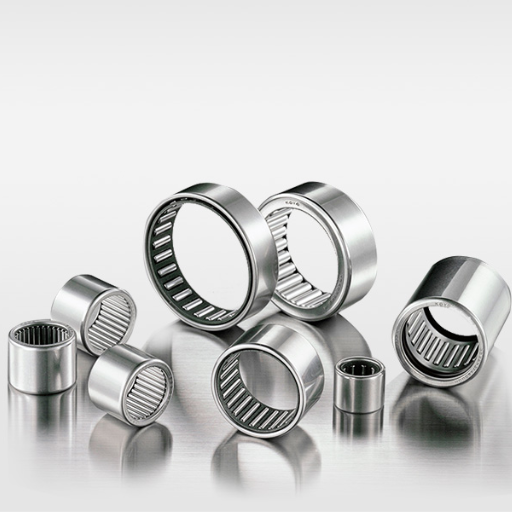
Roller bearings can be categorized into four main types:
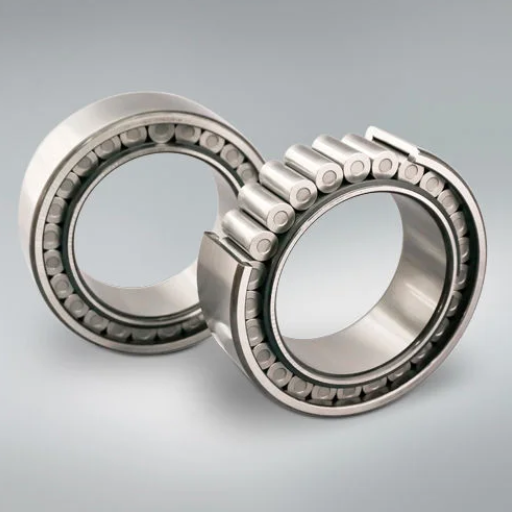
- Cylindrical Roller Bearings – commonly employed in electric motors, gearboxes, and turbines, these are used to endure high radial loads and have straight rollers.
- Tapered Roller Bearings – These bearings are designed to handle both radial and axial loads and are used in places like automotive wheels and gearboxes.
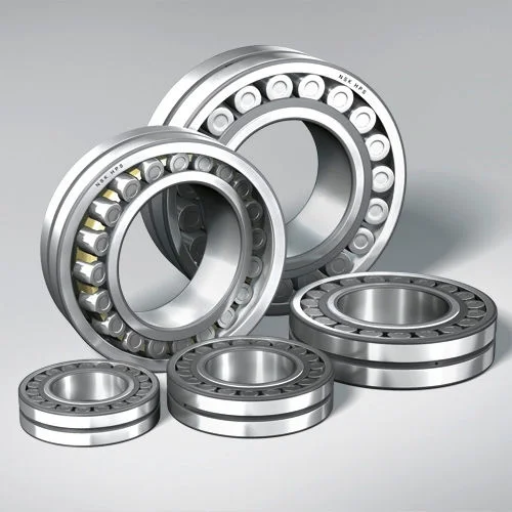
- Spherical Roller Bearings – These bearings permit some misalignment of the supported shaft, which allows them to be used in heavy-duty applications like mining and industrial machinery.
- Needle Roller Bearings – Bearings with slender rollers are used in confined spaces such as in some parts of automobiles and in light machinery.
These types are designed to diverse operational demands and provide dependable performance throughout multiple industries.
Exploring the Different Types of Roller Bearings
Bearings help minimize friction and support radial and axial loads in machines. Further below, you can find a deeper insight into the most popular types listed with their properties and uses:
- Tapered Roller Bearings
These types of roller bearings are widely used in automobiles and industrial gearboxes because they efficiently manage both axial and radial loads. Their unique conical shape provides optimal performance even under extreme stress. According to recent research, modern tapered roller bearings undergo more advanced processes during heat treatment which increases durability, extending their lifespan by 30% compared to older models.
- Cylindrical Roller Bearings
These types of bearings stand out due to their ability to handle heavy radial loads along with high-speed applications. They are used in the electric motors and wind turbines. Advancements in the technology of the lubricant film have improved the performance of these cylindrical roller bearings. The latest model is said to cut energy losses by 15%.
- Spherical Roller Bearings
Spherical roller bearings are known for their self-aligning features. They are widely accepted in many industries, including construction and mining due to their ability to work in difficult environments with shaft misalignment and deflection. Recent research suggests that modern spherical roller bearings with improved surface finishes endured extreme loads while operating at lower temperatures than older designs.
- Needle Roller Bearings
Needle roller bearings are compact and consist of thin, elongated rollers, making them easy to fit in constrained spaces. This type of bearing is commonly utilized in automotive systems and small machinery. The latest innovation in materials science features lightweight, corrosion-resistant components that enhance the enduring performance of needle roller bearings in harsh environments.
Recent Industry Advancements
The recent integration of real-time monitoring technologies enables predictive maintenance which reduces downtime by 40% in critical industrial processes. This, coupled with new manufacturing techniques such as precision grinding and thermal treatments, yields greater load-bearing capabilities and operational life spans of roller bearings. These advancements position roller bearings as the preferred choice to improve efficiency and reliability across many industries.
How Do Tapered Roller Bearings Work?
Tapered roller bearings are made of tapered rollers and raceways, set at an angle to radial and axial loads to control them both. The design allows these bearings to enable the rollers to function with reduced friction and perform under large loads. An applied load makes the rollers contact the raceways at a broad surface which enhances smooth rotation with minimal abrasion. Tapered roller bearings are ideal for harsh operating conditions, such as automotive wheel hubs and gearboxes, as well as equipment used in mining.
One of the most distinct advantages associated with tapered roller bearings is their even load distribution across the conical contact surfaces of the bearing. Their efficiency has been further improved by advancements in materials and engineering. New tapered roller bearings benefit from newer alloys which greatly enhance production, allowing for increased axial load support, up to an additional 20% compared to older bearings of the same size, surpassing previously accepted limits. Precision automated lubrication systems developed for these bearings also result in up to a 30% reduction of heat generated and increased service life, efficiency, and reliability in high-speed and heavily loaded conditions. With these features, tapered roller bearings are essential in demanding environments across industries from automotive to construction machinery.
Common Bearing Types Used in Industry
- Ball Bearings
Ball bearings comprise some of the most common bearings in various industries. They consist of an inner and outer race where a set of balls is placed in between. These bearings function well for both radial and axial loads. This makes them ideal for use in electric motors, household appliances, and automotive systems. The use of advanced materials and modern engineering enables modern ball bearings to reduce friction and last longer. Some are even able to function at speeds over 3 million dN (diameter x RPM) – a measurement of rotational speed.
- Tapered Roller Bearings
Tapered roller bearings consist of conically shaped rollers and races that can handle both radial and axial loads simultaneously. These bearings are widely used in automotive axles, gearboxes, and heavy machinery because of their high load-bearing capacity. Research shows that modern tapered roller bearings have been able to save up to 20% of energy in industrial applications due to more efficient design and advanced lubrication development.
- Spherical Roller Bearings
These bearings are particularly useful for radial and moderate axial loads, even in misalignment. Construction machinery, mining machinery, and material handling machines are some of the most prominent applications of these bearings. Newer designs frequently include special seals and coatings to resist wear and improve operational life in extreme conditions. These bearings can endure shock loads and acute misalignment while remaining dependable.
- Needle Roller Bearings
Needle roller bearings consist of cylindrical rollers which are long relative to their diameter. Because of this, they are very useful in situations where space is scarce but load capacity is very high. They saw extensive use in the automotive industry, especially in pumps and compressors, as well as in compressors. Newer designs are thinner which allows for a greater load capacity without sacrificing strength.
- Cylindrical Roller Bearings
These bearings consist of cylindrical rollers that permit the coping of high radial and moderate axial loads simultaneously. They are commonly used in electric motors, turbines, and industrial gearboxes because of their low friction, high speed, and radial load capabilities. Newer industrial applications put great demand on precision and noiseless operation which is why modern cylindrical roller bearings are often developed with great precision and quiet operation features.
- Thrust Bearings
These bearings are made to take the different types of thrust loads, which is why they are found in a car’s clutch system or a helicopter’s engine. Modern high-performance designs have also incorporated thermal stability and improved load-bearing efficiency thanks to advanced materials and modern engineering.
- Magnetic Bearings
The absence of physical contact gives magnetic bearings an edge in employing high-speed rotation for aerospace systems and power generation. Precision becomes indispensable in such cases. Precision does come with a cost, making the device unsuitable for constant use. New trends have focused on optimizing energy use in active magnetic systems while sustaining high performance for prolonged periods.
Every bearing has distinct characteristics just like every form of modern industry. Constant technological improvements help to achieve broader and more complex challenges to create more efficient, durable, and energy-saving solutions for industrial progress.
How Do Roller Bearings and Ball Bearings Differ?
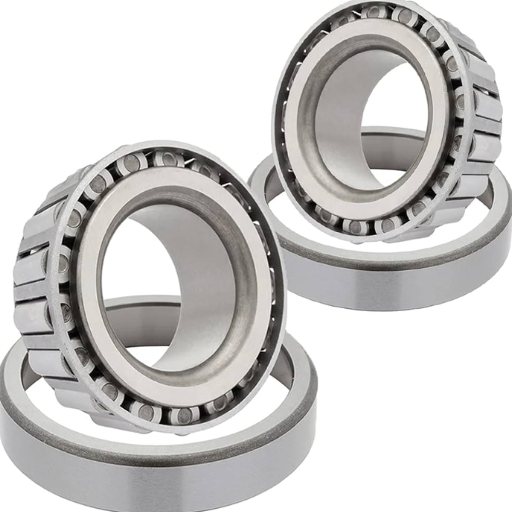
The shape and functionality of the two types of bearings differ in many ways. To achieve optimum speed, Ball bearings work optimally with lighter loads due to the spherical balls that reduce friction. With lower speeds, roller bearings exert their advantages due to the cylindrical rollers that enable them to carry much heavier loads. The surface area used for contact in roller bearings is larger in comparison to ball bearings which allow them to manage radial loads more efficiently.
The Difference Between Roller and Ball Bearings
Countless mechanical and industrial systems rely on roller and ball bearings as vital parts. Due to their distinctive make, each of the bearings is suited to different applications. The high speeds of electric motors, and aerospace systems alongside precision instruments heavily depend on ball bearings. Without the frictional burden from the former tried as axial or radial loads, ball bearings do provide a burden, both in military vehicles’ motor functions and for some hospital systems like X-ray where accuracy is a must. Ball bearings become essential for triable industrial fans and linear CNC actuators.
In contrast, roller bearings with a greater area of contact are specially made to handle heavy radial loads and perform well in conditions where extreme endurance is needed. These bearings are crucial for industries like mining and construction and the automotive industry for equipment like conveyor belts, wheel hubs, and heavy construction vehicles. It has been noted that tapered roller bearings are especially popular in the transmission systems of vehicles because they efficiently manage radial and thrust loads simultaneously.
Current data suggests that relative to ball bearings, roller bearings tend to have a greater load capacity regardless of the same dimensions. To illustrate, a standard cylindrical roller bearing’s load rating can exceed its similarly sized ball bearing’s rating by up to 50%. This feature makes roller bearings invaluable in heavy-duty applications. Despite that, it must be noted that roller bearing types that are best suited for the operational conditions should be selected. Otherwise, efficiency would be reduced, or worse, failure could be accelerated.
Advantages of Roller Bearings Over Ball Bearings
1. Greater Load Capacity
Alongside axial loads, roller bearings achieve greater radial load than ball bearings of similar sizes. For instance, to circular roller bearing is capable of offering up to 50% additional load-bearing capacity, hence making it suitable for demanding, heavy-duty applications such as industrial machinery or large-scale equipment.
2. Increased Rigidity
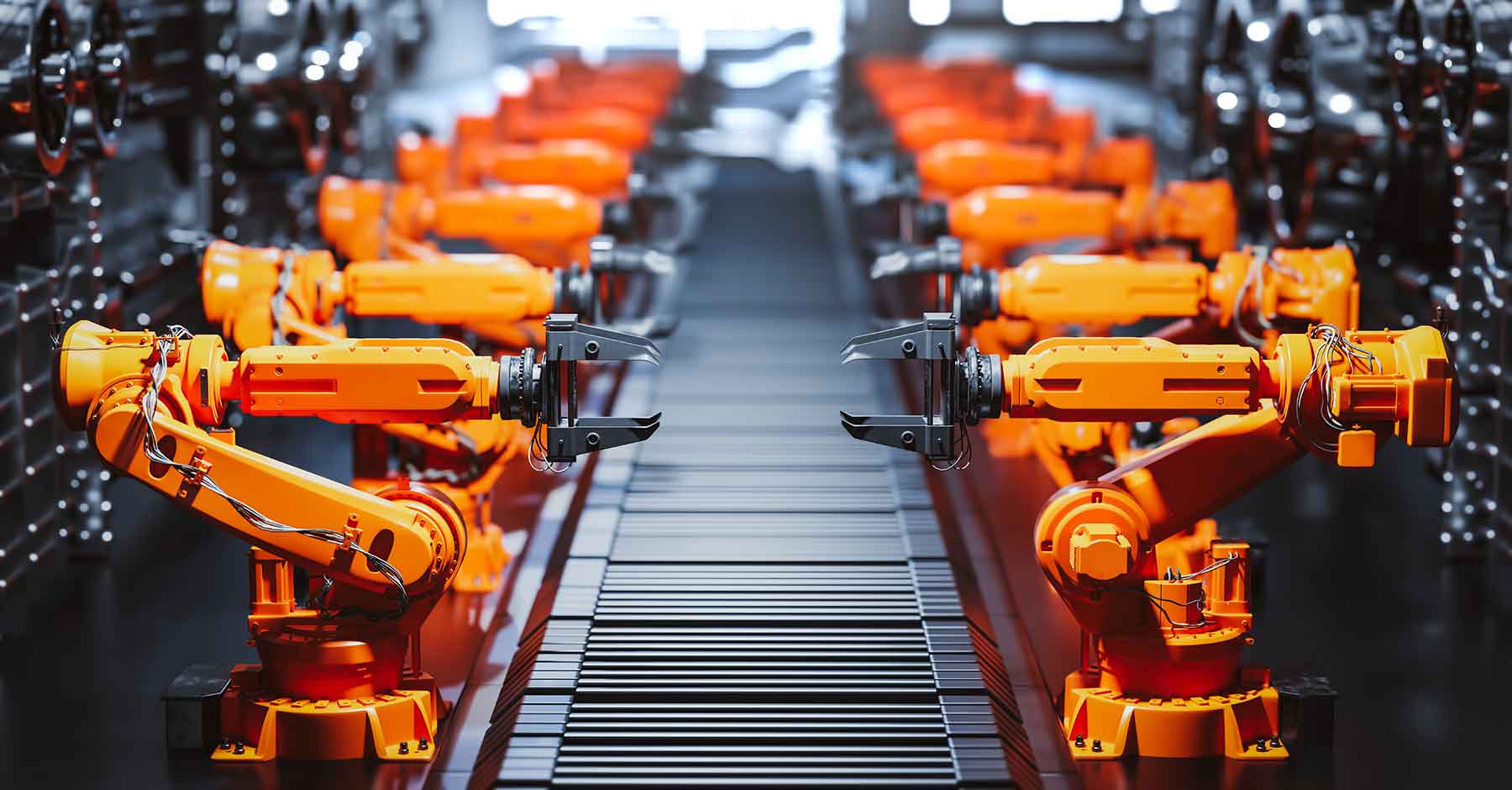
Roller bearings have a greater contact area between the rolling elements and the raceway leading to increased rigidity. They are ideal for tasks that require precise controlled motion with very little defection such as machining tools and robotics.
3. Improved Performance Under Impact Loads
Roller bearings are superior in shock impact load application compared to ball bearings as they are better at absorption and distribution of impact loads. The unique design aids in reducing concentration of stress which improves the structure’s ability to withstand fluctuating or shock loading most commonly found in construction or mining machinery.
4. Increased Life Span in High-Stress Conditions
With higher load tolerances and lesser wear, roller bearings provide longer service life in harsh environments. This means that number of maintenance procedures reduces while operational efficiency increases in industries like transport and energy.
5. Adaptability for Varying Speeds
Due to their design, most roller bearings show versatility and can be used within a wider operational speed range. Unlike ball bearings, which at lower speeds have performance issues due to lack of lubrication, roller bearings perform equally well at lower and higher speeds.
6. Flexibility in Design Options
Roller bearings can be manufactured in different designs, for example, cylindrical, tapered, spherical, and even needle, to fulfill specific requirements of applications. An example is tapered roller bearings which converge combined radial and axial loads efficiently, or needle roller bearings which are small and ideal for cramped spatial configurations.
If industries select the appropriate type of roller bearing for the application, they will realize the benefits of enhanced operations, increased lifetime, and lower costs, which gives them an even more competitive edge over traditional ball bearings.
Applications of Roller and Ball Bearings
Due to their high load capability, smooth operating capacity, and frictional losses, roller and ball bearings are vital to many industries. Here are some of the major uses in different sectors:
- Automotive Industry
Bearings are critical components in the automotive subsectors such as power plants, drives, wheels, and steering systems. For example, tapered roller bearings find application in a wheel hub to support radial and axial loads while enabling high-speed rotation of the wheel. Industry trends suggest that the automotive bearing market will witness accelerated growth due to the rise in electric vehicles and improved material technologies leading to better-bearing life.
- Industrial Machinery
Construction and mining, along with the manufacturing and supply chains, depend on heavy-duty machinery like drills, construction equipment, and conveyor belts. Roller bearings with superior loading capabilities, such as cylindrical roller bearings, are essential in this domain. An industrial survey highlighted the growing value of these products and predicted that the global industrial bearings market will surpass $40 billion before 2030.
- Aerospace and Defense
In aerospace, where supersonic speeds are a requirement, ball bearings are utilized in the engines, landing gears, and auxiliary power units of the aircraft – making precision a top priority. Featuring extreme temperature resistance combined with lighter-weight materials, Hybrid ceramic bearings are more commonly adopted in this industry as they improve fuel efficiency and reduce maintenance costs.
- Energy Sector
To generate energy, spherical roller bearings can be found in wind turbines to allow for misaligned shafts and dynamic loading of the turbine rotors. The latest report reveals that the increase in demand for durable and efficient bearings is a direct result of the expanding market for wind energy and wind farms.
- Medical Equipment
The mounting precision and low emission noise from ball bearings make them ideal for medical and diagnostic devices like X-ray machines, ventilators, and robotic surgical tools. It’s said that newer technologies in bearings are aiding in the development of surgical robots.
Ball and roller bearings are changing with the help of material science and engineering for practical uses which require high efficiency and durability. The change has far-reaching promise in advancing the industries that are vital for a country’s infrastructure and technology development.
Types of Roller Bearings Available in the Market
- Cylindrical Roller Bearings
These can efficiently handle radial loads and operate at moderate speeds. Electric motors, gearboxes, and machine tools commonly use them.
- Tapered Roller Bearings
Widely utilized in automotive components like wheel and gear interfaces, these bearings handle radial and axial loads simultaneously.
- Spherical Roller Bearings
These are particularly suitable for accommodating misalignment and are often employed in heavy machinery like mining and industrial conveyor systems.
- Needle Roller Bearings
Compact yet powerful in terms of load-carrying capacity, these are put to use in confined spaces such as steering columns and gearboxes.
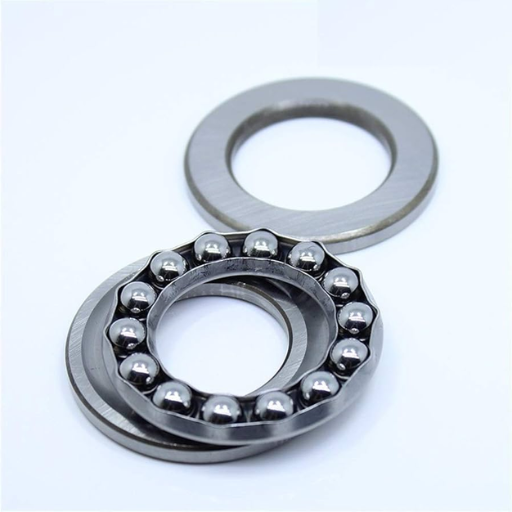
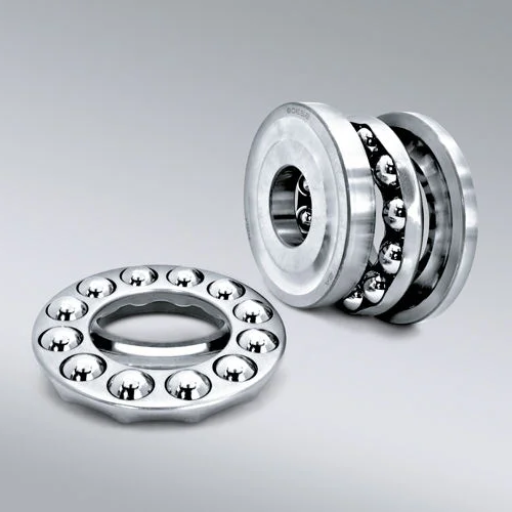
- Thrust Roller Bearings
Able to support high axial loads, these are used in crane hooks and turntables.
Features of Cylindrical Roller Bearings
Cylindrical roller bearings are popular due to their ability to accommodate a radial load and their applicability in multiple industries. They have cylindrical rollers which permit even load application and minimize friction while working.
- High Load-Carrying Capacity
Due to their design, cylindrical roller bearings sustain higher radial loads than other bearings, making it extremely valuable for heavy equipment such as presses, gearboxes, and large motors.
- Enhanced Speed Capabilities
Their performance is remarkable during high-speed operations; like turbines and electric generators, due to precise engineering and low-friction materials. These bearings include low-speed inflow rotors.
- Detachable and Interchangeable
Separate components improve many cylindrical roller bearings. It enhances machine uptime and reduces operational delays owing to their easy maintenance and quick installation.
- Temperature Resistance
Because of new materials and methods of lubricating, cylindrical roller bearings can be used in a wider scope of industry, including steel manufacturing and aerospace, where other bearings would become unreliable in extreme conditions.
- Reduced Noise and Vibration
Changes in surface finishing and roller alignment lead to reduced noise and vibrational issues during operation, improving smoothness and quietness in machinery and automotive systems.
These traits highlight the reasons why cylindrical roller bearings are favored in Heavy industries which demand precision and great efficiency.
Understanding Needle Roller Bearings
Needle roller bearings are a unique type of roller bearings. Their slender cylindrical rollers, also known as needles, have a higher length-to-diameter ratio relative to other rollers. This allows the needle roller bearing to withstand high radial loads while minimizing radial space. Therefore, needle roller bearings are ideal in applications that require free space.
These bearings are often found in automotive transmissions and industrial gearboxes, as well as other machines that require a high load-bearing capacity with small footprints. For instance, industries appreciate the use of oscillation-supporting needle roller bearings that efficiently support predominant dynamic loads at high velocities. About data, the performance of modern advanced needle roller bearings has greatly improved due to advancements in material technology, heat treating, and lubricating systems leading to even longer life under severe conditions.
Recent advancements also added features such as integrally mounted seals with precise cages for better active tuning and high reliability with low need to service frequent maintenance. Furthermore, rugged industrial applications readily embraced the limited lubricated operational environment in which needle roller bearings are designed to excel in.
Needle roller bearings are trending with ongoing technological advances focused on increasing operational life while reducing the energy demands and precision needed for operation. This enables the bearings to remain relevant in numerous mechanical system, proving to be a dependable component.
Why Choose Spherical Roller Bearings?
The reason why I prefer spherical roller bearings is due to their self-aligning character and the fact that they can endure cross-section and thrust load at the same time as having great radial loadbearing. They can reliably tolerate shaft misalignment or deflection, as well as shift sideways, and still work in radial construction, which helps the bearings deliver dependable reliability in performance and exceptional resilience in strenuous industrial settings.
What Are the Benefits of Using Roller Bearings?
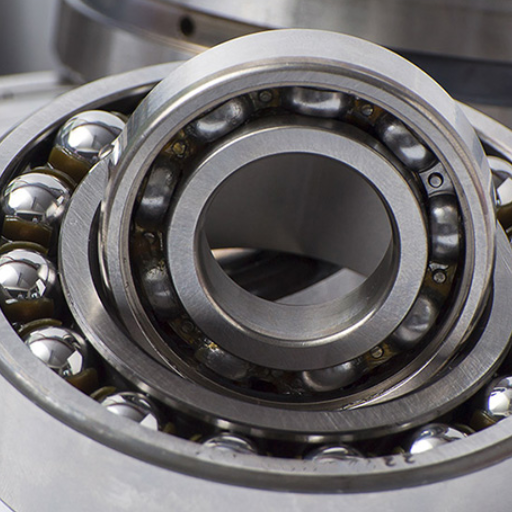
Roller bearings bring many important advantages to the mechanical engineering and industrial domains:
- High Load Capacity
Roller bearings have high load capacities. Tough industries dealing with weighty items find them quite appropriate since they can be depended upon to provide sustained durability and unyielding strength.
- Reduced Friction
Compared to other types of bearings, roller bearings have low friction owing to their rolling element features which enhance efficiency, minimize effort, and cut down energy expenditures.
- Longevity and Reliability
Repeated stress on roller bearings leads to predictable patterns of failure. These elements are constructed to endure damage, thus providing dependable protection over a prolonged duration.
- Versatility
Roller bearings are versatile because they come in various types such as cylindrical, spherical and needle bearings. This feature makes these bearings adaptable to the requirements of different industries.
- Smooth Operation
The use of roller bearings leads to low noise and smooth operation of various mechanisms. The gentle action leads to better effectiveness and efficiency of the systems.
These features make roller bearings an ideal fit for advanced and modern-day technology systems.
Handling Radial and Axial Loads Efficiently
The design of roller bearings allows them to take on radial and axial loads simultaneously with great efficiency. An axial load is aligned with the shaft while the radial load is perpendicular to it. Roller bearings, based on their design, balance these forces to minimize stress and optimize bearing life. For example, cylindrical roller bearings are configured for maximum radial load. That’s why they are used in industrial machinery. Tapered roller bearings, in contrast, manage combined radial and axial loads, typically used in automotive and heavy equipment.
The load-bearing capability of roller bearings has also recently been improved by developments in the material science and precision manufacturing fields. Modern roller bearings can take on anywhere between a couple of hundred pounds to a few tons, depending size and intended use. Moreover, unique lubricating systems together with materials resistant to heat improve performance under extreme conditions. These features reinforce construction, transportation, and energy production industries.
Durability and Load Capacity of Roller Bearings
The service life and roller bearings load capacity are determined by the quality of the material, the design of the heating, and the operating conditions. Components fabricated from higher grades of steel or even ceramic tend to resist both wear and fatigue to a greater degree. Proper maintenance and lubrication are also critical since they lessen friction and reduce overheating, thereby increasing the operational lifespan of the bearing. Besides the boundaries with the applied load and the rotational speeds of the bearing, excessive overheating if not within calculated limits will also lead to premature cessation of functionality. Adhering to these rules enables roller bearings to adequately support immense mechanical loads in various industrial fields.
Commonly Used in Automotive and Other Industries
Roller bearings are extensively used in the automotive industry due to their load capacity and efficiency. In automotive applications, they are located in the wheel hubs, gearboxes, drive shafts, and engines where their design minimizes friction and maximizes performance. For example, modern EVs (electric vehicles) now incorporate specialized roller bearings that enable higher speeds of rotation, improve energy efficiency, and further support EV performance.
Outside the automotive industry, roller bearings fulfill a critical function in equipment used in manufacturing, aerospace, renewable energy, and other sectors. For instance, in wind turbines, large roller bearings are installed to support the main shaft and allow for smooth rotations as the shaft rotates with changing loads. Recent industry estimates suggest that the global market for roller bearings will expand with a compound annual growth rate (CAGR) of approximately 4%-5% over the next 7 years from 2023, due to heightened demand emanating from new infrastructure projects and renewable energy initiatives.
These innovations are further enhanced by the introduction of ceramic-based roller bearings which have far greater durability and thermal resistance, thus, worsening even more the scope of application in varying industries. This also highlights the increasing focus on sustainability as well as on the enduring operational lifespans of industrial components.
What Are Some Common Types of Roller Bearings?
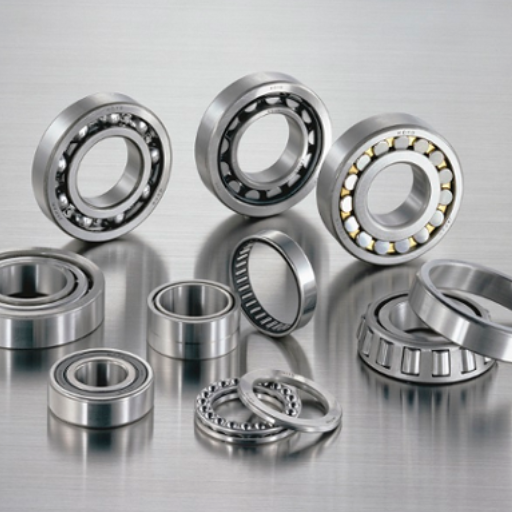
- Cylindrical Roller Bearings
This type of bearings can operate at extremely high speeds and sustain electric motors, gearboxes, and turbine radial loads. They are frequently used in turbines, electric motors, and gearboxes.
- Spherical Roller Bearings
Heavy machines and equipment commonly bear these bearings best known for their self-alignment ability which allows them to take radial and axial loads concurrently.
- Tapered Roller Bearings
Automotive wheel hubs and axle sets widely use these bearings knew them best as suited for equipment with mixed loading conditions exerting radial and axial forces simultaneously.
- Needle Roller Bearings
Transmission systems and compressors employ these slim-type roller bearings horizontally, vertically, and stacked parallel in a confined space.
The Role of Needle Bearings in Machinery
To allow for part motion friction reduction, needle bearings perform duty easily accomplished with thrust-bearing. Surrounding the rugged exteriors of automotive parts, construction machinery, and compressors demand wear and movement limiting of the elements providing redundancy to sustain reliable operation which these components achieve, automating systems dependent on machines essential.
How Cylindrical Bearings Support Heavy Loads
The unique construction of cylindrical bearings gives them the ability to bear large radial loads. The use of cylindrical rollers arranged in rows where each flange has large raceways increases the contact area between the rollers and the raceways. The orderly arrangement of the parts guarantees even force application which minimizes the mechanical stress on individual components of the machine. This configuration gives exceptional radial load-carrying capacity and is best used for high-speed machines.
The use of advanced production methods and new materials has further improved the performance capabilities of cylindrical bearings. The use of modern designs such as those with high-grade steel and precision machining enable greater performance with increased load. For instance, cylindrical roller bearings can absorb radial loads over thousands of pounds which makes them applicable in heavy machinery, mining, and railways.
Cylindrical roller bearings also can withstand some degree of misalignment or expansion due to changes in temperature making them suitable for use in fluctuating operational conditions. It is also worth noting the widespread application of these bearings in industrial gearboxes and wind turbines where long life and reliable performance is a must. The combination of a robust design and meticulous technological refinement of other bearing types ensures that cylindrical bearings remain essential components in heavy-duty operations.
Importance of Thrust Bearings in Engineering
Thrust bearings are vital to effective engineering work because they are meant to carry axial forces while reducing friction for various engineering tasks. Withstanding massive axial forces, these bearings allow parts to turn freely and without difficulty in machines. This makes them very popular in jet engines, thrust-bearing motors power systems, turbines, rockets, and in the automotive and aerospace industry. For instance, thrust bearings in the jet engines carry the axial thrusts from the high-speed axial turbines which are keyed to the engine’s rotating parts.
Additionally, the performance and life of modern thrust bearings are profound. The newer materials used such as ceramic hybrids and advanced steel alloys have transformed them into more durable products. According to industry data collected, thrust bearings withstand extreme temperatures, and immense loads, and perform well beyond 10,000-hour limits withstanding high-pressure environments. Furthermore, the redesign of lubricating thrust bearings diminishes energy loss, making them more effective, especially in energy-consuming places such as windmills and hydroelectric power plants. This goes to show that no matter the industry, the advancing thrust-bearing technologies are trustworthy when they are needed to provide precision, advanced engineering systems safety, and ensure reliable and durable service.
Reference Sources
-
Investigation of Drag and Churning Losses on Tapered Roller Bearings:
- Focuses on tapered roller bearings and their efficiency under specific conditions.
- Discusses the internal friction and heat generation in roller bearings, which are key factors in their performance.
- Methodology includes experimental analysis of drag and churning losses in tapered roller bearings.
-
- Explores the surface and subsurface defects in roller bearing rings, applicable to various types of roller bearings.
- Highlights the use of computed tomography for defect analysis and quality control.
- Methodology involves imaging and analysis of roller bearing rings to identify grinding smudges and defects.
-
Analysis of Impact of Shaft Speed and External Load on the Radial Ball Bearing Lubrication Regimes:
- While focused on radial ball bearings, the study provides insights into lubrication regimes that are also relevant for roller bearings.
- Discusses the effects of lubricant, operating conditions, and bearing construction on performance.
- Methodology includes experimental and computational analysis of lubrication regimes.
- If you are looking for more information about Cylindrical Roller Bearings – Amigo go here right away
Frequently Asked Questions (FAQs)
Q: What is the primary function of roller bearings?
A: The primary function of roller bearings is to reduce friction between moving parts, allowing for smoother motion and increased efficiency in mechanical systems.
Q: What are the main differences between ball and roller bearings?
A: The main difference between ball and roller bearings lies in their design and load capacity. Ball bearings use spherical balls to maintain the separation between bearing races, while roller bearings use cylindrical rollers. Roller bearings can handle higher loads than ball bearings due to their larger contact area.
Q: What are the different types of roller bearings?
A: Various types of roller bearings include cylindrical roller bearings, needle roller and cage assemblies, tapered roller bearings, and roller thrust bearings. Each type is designed to handle specific load and speed requirements.
Q: How do ball and roller bearings differ in their applications?
A: Ball and roller bearings are used in various applications, with ball bearings being more suitable for applications requiring lower load capacities and higher speeds. Roller bearings are typically used in applications requiring higher load capacities, such as wheel bearings in automotive applications.
Q: What are deep groove ball bearings?
A: Deep groove ball bearings are a type of bearing commonly used in various applications for their versatility and ability to handle both radial and axial loads. They are known for their deep raceway grooves which provide stability and support.
Q: What are single row tapered roller bearings used for?
A: Single row tapered roller bearings are commonly used in automotive applications such as wheel bearings. They are designed to support combined radial and axial loads with high load-bearing capacity.
Q: How do roller thrust bearings function?
A: Roller thrust bearings are designed to carry axial loads and are commonly used in applications where high axial load capacity is required. They utilize cylindrical rollers to maintain separation between bearing races and can handle higher loads than ball thrust bearings.
Q: What are cross roller bearings?
A: Cross roller bearings are a type of roller bearing where cylindrical rollers are arranged crosswise, allowing them to handle loads from multiple directions. They are used in applications requiring high rigidity and precision, such as in robotics and machine tools.
Q: What are the advantages of using needle roller and cage assemblies?
A: Needle roller and cage assemblies offer the advantage of compact design with high load capacity. They are ideal for applications with space constraints where high load capacity is necessary, such as in transmissions and gearboxes.
Q: Why are roller bearings commonly used in automotive applications?
A: Roller bearings are commonly used in automotive applications due to their ability to handle higher loads, provide stability, and reduce friction in moving parts. This makes them ideal for use in wheel bearings and other high-load components within vehicles.