


Thrust ball bearings are a critical component in mechanical systems, specifically engineered to support axial loads and ensure the smooth operation of rotating machinery. This blog post will provide an in-depth exploration of thrust ball bearings, explaining their fundamental mechanics, structural composition, and the specific scenarios where they excel in performance. Additionally, we will examine the key design considerations, common materials used in their manufacture, and maintenance practices to enhance their longevity. By the end of this article, readers will gain a comprehensive understanding of how thrust ball bearings contribute to industrial applications and the factors to consider for their effective implementation in various systems.
What Is a Thrust Ball Bearing?
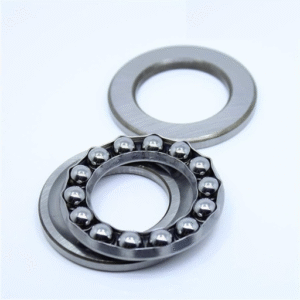
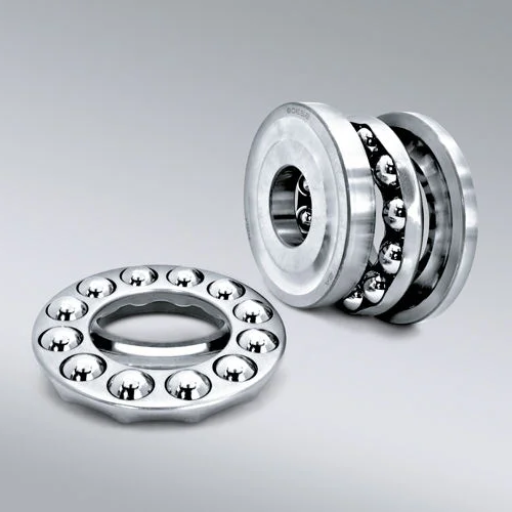
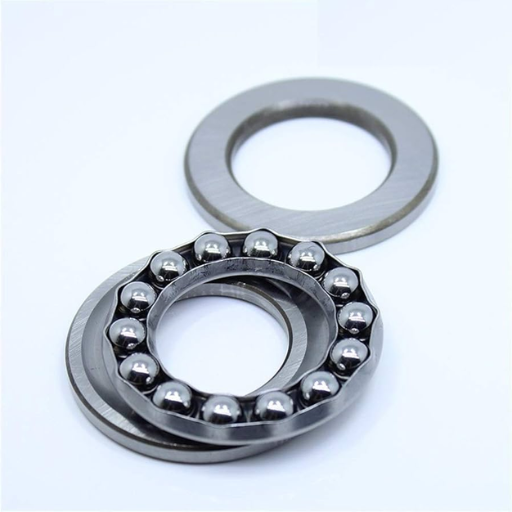
A Thrust Ball Bearing is a mechanical component designed to handle axial loads while allowing rotational movement. It consists of two washer-shaped rings, known as the shaft washer and housing washer, along with a set of spherical rolling elements (balls) held in place by a cage to ensure uniform spacing and smooth motion. These bearings are typically used in applications where moderate axial loads and low-speed operations are common, such as in rotary tables, automotive clutches, and machine tool spindles. Their design enables efficient load distribution, reduced friction, and precise axial alignment, making them essential in systems requiring reliable and consistent axial load support.
Definition and Characteristics of Thrust Ball Bearings
Thrust ball bearings are a specific type of rolling-element bearing designed to handle axial loads while allowing rotational motion. These bearings consist of a ring-shaped raceway, precision balls, and a cage to maintain consistent ball spacing and reduce friction. They are not suitable for high radial loads but excel in supporting unidirectional or bidirectional axial forces effectively, depending on their configuration. If you are looking for more information about how does a thrust ball bearing work go here right away
Key characteristics of thrust ball bearings include their ability to provide low friction and high accuracy in axial load applications. They are typically available in single-direction and double-direction designs. Single-direction thrust ball bearings support axial loads in one direction, while double-direction types support axial loads in both directions. Additionally, these bearings operate efficiently at moderate speeds and are ideal for applications requiring precise positioning and alignment, such as in electric motors, automotive systems, and industrial machinery. Proper lubrication and alignment are critical to their longevity and optimal performance.
How Do Thrust Ball Bearings Differ from Other Bearings?
Thrust ball bearings differ from other types of bearings primarily in their ability to handle axial loads rather than radial loads. Unlike standard ball bearings, which are designed to manage radial forces, thrust ball bearings specialize in supporting forces applied parallel to the axis of rotation. They are commonly used in applications where precise axial positioning and alignment are required, such as turntables or gearboxes. Additionally, their design typically includes a separable structure, which simplifies mounting and maintenance compared to other bearing types.
Common Applications of Thrust Ball Bearings
- Automotive Transmissions: Thrust ball bearings are utilized to handle axial loads in automotive gearboxes where precise alignment is critical. For example, they are often found in clutch mechanisms where axial thrust forces are exerted during operation. Typical load capacities range from 10 kN to 100 kN, depending on the bearing’s dimensions and materials.
- Rotary Tables: Precision rotary tables in machinery rely on thrust ball bearings to ensure smooth rotation under axial loads. These bearings enable accurate movements while supporting axial forces up to 50 kN and rotational speeds up to 3000 RPM.
- Aerospace Components: Thrust ball bearings are integral in aerospace systems, specifically for applications requiring lightweight and high-strength components. They are designed to withstand axial loads under extreme temperature variations, with operating temperature ranges often spanning -20°C to 150°C, depending on lubrication and material choice.
- Industrial Pumps: These bearings are commonly found in vertical pump assemblies to absorb axial thrust generated during pumping operations. Axial load capacities can reach up to 200 kN in heavy-duty pumps, ensuring reliable performance over extended periods.
- Machine Tools: Precision machine tools, such as milling machines, deploy thrust ball bearings for spindle assemblies, where high axial accuracy and consistent rotational performance are vital. Bearings with axial runout tolerances below 1 micron are often specified for such applications.
Each application demonstrates the importance of selecting bearings designed according to the required specifications, including load capacity, operating temperature, and rotational speed, to ensure optimal performance and longevity.
How Does a Thrust Ball Bearing Work?

Thrust ball bearings operate by accommodating axial loads through a series of precisely aligned balls situated between two grooved washers—commonly referred to as raceways. These bearings are specifically designed to handle forces parallel to the shaft axis, ensuring smooth rotational movement and high efficiency in applications where axial alignment is critical. The balls facilitate the distribution of load evenly across the raceways, reducing friction and wear while maintaining structural integrity under high-pressure conditions. This design ensures reliable operation in high-precision environments, provided proper lubrication and alignment are maintained.
Understanding the Axial Load Mechanism
Axial load mechanisms function by transferring forces along the axis of a component, typically in applications such as rotating shafts or linear motion systems. Through my understanding of the top references, I can explain that the system relies on bearings, such as ball or roller bearings, to minimize friction while evenly distributing these axial forces. Proper alignment, material choice, and lubrication are critical factors that contribute to their efficiency and longevity in high-precision and high-load scenarios.
Role of Ball Bearings in Reducing Friction
Ball bearings play a crucial role in minimizing friction by enabling smooth rotational motion between two surfaces. Based on the top references, I can state that they achieve this by utilizing spherical rolling elements that reduce the surface area in contact, thereby significantly decreasing resistance. Additionally, ball bearings distribute loads evenly, which helps in maintaining stability and reducing wear over time. Precision engineering, material selection, and proper lubrication are essential to maximize their performance, ensuring durability and efficiency in various applications.
The Function of Thrust Ball Bearings in Various Machines
Thrust ball bearings are designed to handle axial loads in machines, allowing smooth, efficient rotational movement under high pressure. They are commonly used in applications such as automotive clutches, turbines, and aerospace machinery, where reliable performance under targeted axial forces is critical. These bearings consist of two rings (or washers) and a set of rolling balls to support and align axial loads. Key technical parameters include load capacity, which typically ranges from 10 kN to 500 kN depending on size and material, and rotational speed limits, often up to 3000 RPM in standard designs. Proper lubrication and precise alignment are crucial to their operation, minimizing heat generation and wear over time.
Types of Thrust Bearings Available

- Ball Thrust Bearings
These are designed to handle light to moderate axial loads and are commonly used in applications requiring low friction and high rotational speeds, such as automotive or household appliances.
- Cylindrical Thrust Roller Bearings
Engineered for high axial load capacities, these bearings accommodate heavy-duty industrial applications with moderate rotational speeds, including industrial machinery and gear systems.
- Spherical Thrust Roller Bearings
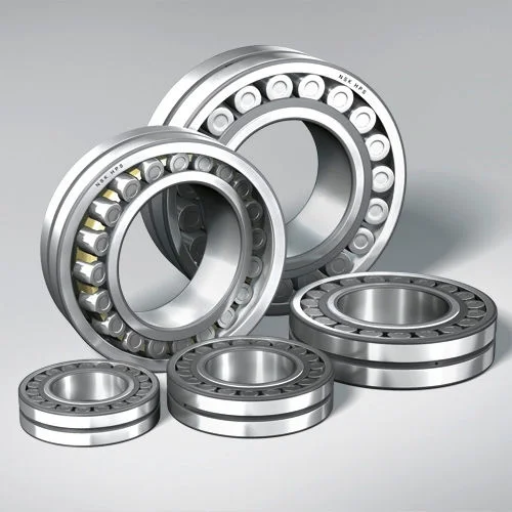
Designed to support very high axial loads while compensating for misalignments, these bearings are ideal for applications with shaft deflection or angular misalignment, such as in turbines or heavy construction equipment.
- Tapered Roller Thrust Bearings
These bearings effectively manage combined axial and radial loads. They are frequently deployed in applications like heavy gear reducers or crane hooks where load direction fluctuates.
- Needle Thrust Bearings
Compact and lightweight, needle thrust bearings handle moderate axial loads where space is constrained, making them suitable for automotive transmissions and other compact machinery.
Each type of bearing is tailored for specific operational requirements, ensuring optimal performance in its designated application. Proper selection depends on load type, rotational speed, alignment tolerance, and environmental conditions.
Comparing Ball Thrust Bearings and Roller Thrust Bearings
Ball thrust bearings and roller thrust bearings serve distinct purposes based on their construction and load handling capabilities. Ball thrust bearings are designed to support axial loads with minimal friction, making them ideal for low-speed applications with light to moderate weight requirements, such as swivel chairs and turntables. These bearings utilize spherical rolling elements, which provide smooth rotational motion but have limited load capacity due to the small contact area between balls and the races.
On the other hand, roller thrust bearings—comprising cylindrical, tapered, or needle rollers—are engineered to handle higher axial loads due to the increased contact surface between the rollers and the bearing races. These bearings excel in high-load applications such as heavy machinery or automotive gear systems. However, they are less suited for high-speed applications compared to ball thrust bearings due to higher friction and potential heat generation.
Key Technical Parameters:
- Ball Thrust Bearings:
-
-
- Axial Load Capacity (Typical Range): Up to 2,000 lbs (varies by design and materials).
- Maximum RPM (Speed): Approximately 3,000–5,000 RPM.
- Friction Coefficient: Low.
-
- Roller Thrust Bearings:
-
-
- Axial Load Capacity (Typical Range): 10,000–50,000 lbs (depending on size and type).
- Maximum RPM (Speed): Approximately 1,000–2,500 RPM.
- Friction Coefficient: Moderate to high (dependent on lubrication).
-
Summary:
The choice between ball thrust bearings and roller thrust bearings depends on operational demands. For precision and high-speed performance under moderate loads, ball thrust bearings are preferable. Conversely, roller thrust bearings are better suited for high-load, lower-speed applications where durability is critical. Proper lubrication and maintenance ensure performance longevity for both types of bearings.
Features of Tapered Roller Thrust Bearings
Tapered roller thrust bearings are specifically engineered to handle high axial loads and moderate radial loads simultaneously. Their tapered design allows for optimal load distribution across the rolling elements, enhancing their ability to support heavy-duty applications. These bearings are known for their high rigidity and can withstand shock and overload conditions without compromising operational efficiency. Additionally, the conical geometry of the rollers minimizes friction and heat generation, promoting efficient performance even under challenging conditions.
Key attributes of tapered roller thrust bearings include durability under extreme axial stress, suitability for low-to-moderate speed applications, and compatibility with precise alignment requirements. They are often used in industries such as automotive, marine, and machinery manufacturing, where consistent performance and reliability are vital. Proper lubrication and regular maintenance are critical to ensure their longevity and reduce wear caused by high stress.
Advantages of Needle Thrust Bearings
When considering needle thrust bearings, I find their primary advantages to be their compact design and ability to handle high axial loads efficiently, even in applications with limited radial space. These bearings offer exceptional load-carrying capacity relative to their size, making them ideal for machinery where space constraints exist. Additionally, their precision engineering ensures minimal friction and effective performance at moderate speeds, contributing to energy efficiency and reduced wear.
Common Challenges and Bearing Failure

Factors Contributing to Bearing Failure
Bearing failure can occur due to a variety of reasons, many of which are preventable with proper maintenance and operation. Common challenges include:
- Improper Lubrication – Insufficient or incorrect lubricant can lead to excessive friction and wear, drastically reducing bearing lifespan.
- Contamination – Particles such as dirt, dust, or moisture entering the bearing system can cause surface damage and corrosion.
- Excessive Load – Operating bearings under higher than recommended loads can result in deformation or fatigue failure.
- Improper Installation – Misaligned bearings or incorrect mounting techniques can lead to uneven load distribution and early failure.
- Vibration and Shock Loading – Frequent exposure to high-impact vibrations can lead to microdamage and eventually catastrophic failure.
By addressing these factors through routine inspections, adequate lubrication, and adherence to manufacturer guidelines, bearing failures can be minimized, ensuring optimal performance and longevity.
Identifying Signs of Thrust Bearing Wear and Tear
When identifying signs of thrust bearing wear and tear, I look for several key indicators that suggest potential issues. These include abnormal noise during operation, such as grinding or squealing, which often points to surface damage or inadequate lubrication. Increased vibration levels can signal misalignment or internal wear, and I use a vibration analysis tool to measure and monitor these changes against acceptable parameters (commonly 1-3 g for general machinery, depending on manufacturer specifications). I also check for excessive heat generation around the bearing, as temperatures exceeding 180°F (82°C) typically indicate friction or lubrication failure. Visual inspection may reveal surface scoring, discoloration, or contamination, all of which are indicative of wear. Monitoring for these signs regularly and comparing them with the manufacturer’s tolerances ensures timely maintenance and prevents potential bearing failure.
Preventive Measures to Avoid Bearing Failure
To prevent bearing failure, I ensure that proper lubrication is consistently maintained, selecting the correct type based on operating conditions such as load, speed, and temperature. Regular lubrication intervals and avoiding contamination are critical for reducing friction and wear. I also focus on alignment by verifying that shafts and housings are correctly positioned, as misalignment can lead to uneven stress and premature damage. Additionally, I proactively monitor operating conditions, such as vibration and temperature, by employing predictive maintenance tools that help detect abnormalities early. Lastly, I make sure that bearings are installed according to manufacturer guidelines, using appropriate tools and techniques to avoid undue strain or damage during assembly.
Maintenance Tips for Prolonging Bearing Lifespan
Critical Parameters and Best Practices for Bearing Maintenance
- Lubrication
Ensure proper lubrication by using the manufacturer-recommended grease or oil type. For ball bearings, a consistency grade of NLGI 2 is commonly used. The lubrication interval should be calculated based on operating speed, load, and environmental conditions. For instance, high-speed applications may require lubrication every 1,000 hours, whereas low-speed applications might extend up to 5,000 hours. Avoid over-lubrication, as it can lead to increased heat generation.
- Temperature Monitoring
Optimal bearing operating temperatures typically range between -20°C and 120°C, though higher temperature-rated bearings may extend this limit. Regularly monitor temperatures during operation; a consistent rise in temperature could indicate lubrication issues, excessive load, or alignment problems. Use infrared thermometers or embedded sensors for precision.
- Alignment and Mounting
Verify shaft and housing alignment within a tolerance of 0.05 mm to minimize uneven load distribution. During installation, always use specialized tools, such as hydraulic or mechanical fitting tools, to avoid damaging bearing surfaces. Avoid applying direct force to the rolling elements or raceways.
- Load Management
Bearings should be operated within their dynamic load capacity (C). For instance, a standard deep groove ball bearing might have a dynamic load capacity of 25,000 N; exceeding this can lead to premature failure. Design systems to distribute loads evenly and avoid shock loads wherever possible.
- Contamination Control
Use seals, covers, or shields to protect bearings from contaminants such as dirt, moisture, and chemicals. Contaminant particles as small as 10 µm can cause abrasion, leading to wear. Regularly inspect and replace sealing elements to ensure long-term performance.
- Vibration Analysis
Implement vibration monitoring devices to measure changes in RMS vibration levels. For most applications, vibration levels should not exceed 4.5 mm/s; higher readings may indicate imbalance, misalignment, or incipient bearing damage.
By adhering to these maintenance tips and monitoring corresponding parameters, you can significantly extend bearing lifespan, reduce downtime, and optimize the performance of your equipment.
Choosing the Right Thrust Bearing for Your Needs

When selecting a thrust bearing, consider the following critical factors to ensure optimal performance:
- Load Capacity – Assess the magnitude and direction of the applied load (axial or combined), ensuring the selected bearing can handle both the static and dynamic load requirements. Check manufacturer specifications for load ratings.
- Rotational Speed – Determine the system’s operating speed. High-speed applications may require bearings with low friction and enhanced lubrication mechanisms to prevent overheating or wear.
- Temperature Range – Evaluate the environmental and operational temperature conditions. Choose materials and lubricants compatible with the required temperature range to avoid thermal degradation.
- Material Selection – Different materials, such as steel, ceramic, or composite, offer specific benefits in terms of durability, corrosion resistance, and weight. Match materials with application requirements for longevity.
- Mounting and Alignment – Ensure the design accommodates proper mounting to maintain alignment and prevent uneven distribution of forces, which could lead to premature failure.
By carefully analyzing these parameters, you can identify the thrust bearing that best suits your application’s demands, increasing reliability and operational efficiency.
Factors to Consider When Selecting a Bearing Type
When selecting a bearing type for a specific application, it is critical to evaluate the following factors systematically:
- Load Type and Capacity – Identify the type of load (radial, axial, or combined) and its magnitude. Bearings are designed to manage specific load types; for instance, ball bearings perform well under moderate radial and axial loads, while roller bearings are suited for heavy loads. Define load capacities in technical terms, such as dynamic load rating (C) and static load rating (C₀).
- Rotational Speed – Assess the operating speed requirements of the application. High-speed applications necessitate bearings with low friction and high precision, such as angular contact ball bearings. Confirm permissible speed values by referencing the limiting speed parameter from manufacturer data sheets.
- Environmental Conditions – Evaluate the working environment, including temperature variations, exposure to contaminants, moisture, and vibration. Sealed or shielded bearings are essential in contaminated environments, while heat-resistant materials (e.g., ceramics or high-grade steel) may be required for high-temperature operations.
- Lubrication Requirements – Proper lubrication minimizes friction and wear, optimizing bearing performance. Choose between grease or oil lubrication based on speed, load, and temperature conditions, ensuring the chosen lubricant complies with the ISO viscosity grade.
- Bearing Life Expectancy – Estimate the expected life of the bearing using the L10 life calculation, a statistical measure predicting the operational life at 90% reliability. Consider duty cycles and operational hours.
- Alignment and Misalignment Tolerance – Misalignment issues can significantly impact bearing performance. Spherical and self-aligning bearings are appropriate in scenarios where shaft or housing alignment cannot be guaranteed.
- Space and Size Constraints – Determine the physical space available for the bearing installation. Thin-section or compact bearings might be necessary for applications with tight dimensional restrictions.
By systematically evaluating these factors and consulting manufacturer technical specifications, engineers can select an appropriately designed bearing type that delivers optimal performance, longevity, and cost-effectiveness for the application.
Understanding Load Capacities and Axial Force Requirements
Understanding load capacities and axial force requirements is integral to the proper selection and application of machine bearings. Load capacity refers to the maximum load a bearing can support without premature failure. This parameter is divided into two main categories: static load capacity, the maximum load a bearing can endure while stationary, and dynamic load capacity, which accounts for loads experienced during rotation. Axial force, on the other hand, is the force parallel to the bearing axis. Bearings are specifically designed to handle varying levels of axial and radial loads, which must be matched to the application requirements.
Engineers must review the load ratings provided in manufacturer datasheets, which consider factors such as material, lubrication, and operating conditions. When selecting a bearing, calculate the total applied loads, including both static and dynamic forces, and ensure these are within the bearing’s defined capabilities. Additional considerations include alignment tolerances and the distribution of force across the bearing components. Proper evaluation of these parameters ensures that the bearing operates efficiently and has a reliable service life, minimizing downtime and maintenance costs in industrial applications.
Reference Sources
- What Are Thrust Bearings and How Do They Work?
- Thrust Bearings to Reduce Friction and Support Axial Loads
- Thrust Bearings – An Overview
- Thrust Ball Bearings Installation Guide: Steps & Cautions
- How Do I Determine the Loads on a Bearing?
Frequently Asked Questions (FAQs)
Q: What is an overview of thrust bearings?
A: Thrust bearings are specialized bearings designed to support axial loads, or thrust loads, which are forces that occur parallel to the bearing’s axis. These bearings are used in various applications where it is essential to manage the amount of thrust and provide stability.
Q: How do thrust ball bearings work?
A: Thrust ball bearings work by using a series of balls housed between two washers (rings) to transmit axial loads. These washers provide a smooth surface for the balls to roll against, allowing the bearings to support the axial thrust and reduce friction during operation.
Q: What are the different types of thrust bearings?
A: Various types of thrust bearings include thrust ball bearings, cylindrical roller thrust bearings, spherical roller thrust bearings, and thrust needle bearings. Each type of bearing is designed to handle specific kinds of loads and applications.
Q: Where are thrust bearings commonly used?
A: Thrust bearings are used in numerous applications, including automotive applications, machinery, aerospace, and marine industries, where it is necessary to manage axial loads and provide smooth rotational movement.
Q: What is the difference between thrust ball bearings and cylindrical roller thrust bearings?
A: Thrust ball bearings are designed to handle pure axial loads with minimal radial load capability, while cylindrical roller thrust bearings can accommodate higher axial loads and some radial loads due to their cylindrical roller design, providing increased load-bearing capacity.
Q: Can thrust ball bearings handle radial loads?
A: Thrust ball bearings cannot effectively handle radial loads as they are specifically designed to support axial thrust. For applications requiring the management of both radial and axial loads, other types of bearings, such as spherical roller thrust bearings, may be more suitable.
Q: What are thrust needle bearings?
A: Thrust needle bearings are a type of thrust bearing that uses needle rollers to handle high axial loads. These bearings are compact, offering high load capacity with minimal space requirements, making them ideal for applications with limited installation space.
Q: Why are spherical roller thrust bearings used?
A: Spherical roller thrust bearings are used when there is a need to accommodate high axial loads along with moderate radial loads. Their design allows them to handle misalignment and provide stability in demanding applications.
Q: What role do thrust bearings play in bearing applications?
A: Thrust bearings play a crucial role in bearing applications by supporting axial loads, reducing friction, and ensuring smooth rotational motion. They are essential for maintaining stability and efficiency in various mechanical systems.
Q: How do needle bearings benefit thrust bearing applications?
A: Needle bearings benefit thrust bearing applications by offering a compact design that provides high load capacity while fitting into small spaces. They are particularly useful in applications where space is limited but high load support is necessary.