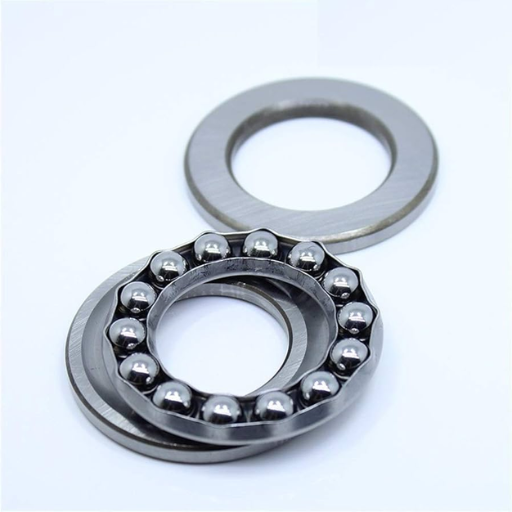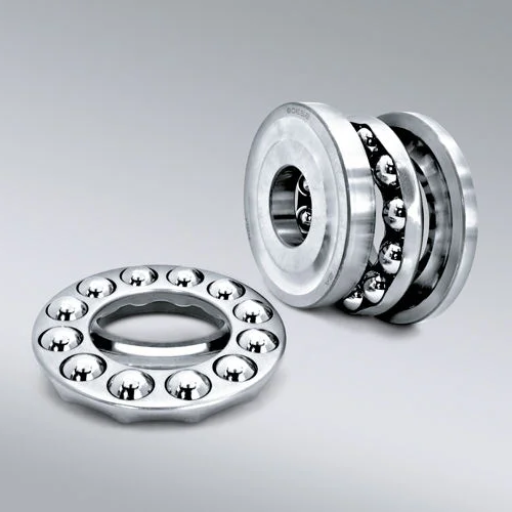
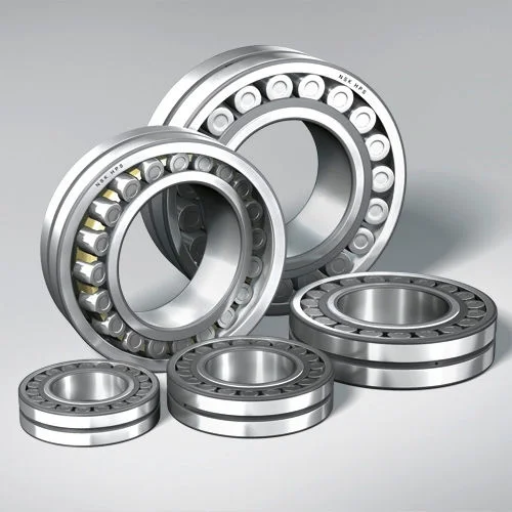



With regard to machines and mechanical systems, the selection of bearings is crucial because it determines the system’s performance, life span, and maintenance effort. One of the earliest decisions that must be made is whether to use sealed bearings or open bearings since both have their distinct benefits and purposes. How do you know which type is the right fit for your needs? This blog is here to help you understand the primary differences, benefits, and drawbacks of sealed and open bearings so you can choose wisely. Whether you need better protection, lower maintenance, or more flexibility, we will cover everything that matters. Keep reading to learn which option best suits your project or equipment.
What Are Sealed Bearings and Open Bearings?

Abraded, sealed (shielded) bearings are encased units that incorporate seals or shields that defend the inside parts from dirt, dust, and water. Uses of these units are in places where priority is less maintenance and longer life service under hostile working conditions.
Contrarily, open bearings have the internal parts exposed which relies on frequent lubrication for them to work correctly. Although they are more susceptible to dirt, they are normally employed in areas where constant upkeep is possible, or where high-speed rotation with lower drag is needed.
Understanding Sealed and Shielded Bearings
Advantages of Sealed Bearings
Sealed bearings are a single unit that has a sealing method to keep out contaminants such as dust, dirt, and moisture. Because of this, they are ideal for extremely harsh environments which are often encountered in industrial machinery or outdoor applications. Sealed bearings do require some form of lubrication, but not additional to what is given by the manufacturer, meaning maintenance and downtime are reduced. According to industry data, sealed bearings outperform open or shielded bearings by 50% in extreme environments, which are contaminated and heavily fuelled by dirt and dust.
Advantages of Shielded Bearings
Shielded bearings are incomplete; however, they are well protected by metal shields situated between the races of the bearing. These shields stop large pieces of debris while still permitting some foreign particles to flow and the lubricating oil to circulate. Furthermore, shielded bearings are mainly employed in high-speed systems like electric motors and other accurate mechanisms to reduce friction. Recent research demonstrates that shielded bearings surpass sealed ones in achieving utmost rotation speeds faster due to minimal drag hindrance as a result of no tight seals.
Picking the Correct Bearing
Both shielded and sealed types of bearings offer their unique benefits. For clean environments with high-speed operations, shielded bearings perform better due to having lower friction. Sealed bearings, on the other hand, are best for areas with extreme lubrication maintenance and contamination control. Understanding these strengths allows industries to enhance equipment performance and durability.
How Do Open Bearings Work?
Open bearings lack any type of seals or shields, which grants them full exposure to the environment. They have great dissipation and friction. This makes them ideal when speed and performance are critical. Open bearings differ from shielded and sealed bearings, as the former relies on external lubrication which foroted maintenance to work smoothly.
Due to their lack of seals, they can sustain high rotational velocities. They are commonly utilized in electric motors as well as other precise instruments. Open bearings are more efficient than sealed or shielded bearings so long as they are well-maintained.
Open bearings do have their downfalls, their exposure allows dirt and moisture to contaminate them, which lowers their performance and longevity. This makes them ideal when placed in cleaner environments. Frequent maintenance increases the durability of open bearings, making them reliable and cost-efficient.
Open bearings are an important selection in numerous sectors spanning from aerospace to manufacturing owing to their flexibility and effectiveness where accuracy and rapidity are vital factors.
The Difference Between Sealed Bearings and Open Bearings
In sealed bearings and open bearings comparison, their design and use in different environments is what sets them apart. Sealed bearings have a protective seal, often made of rubber or metal, which safeguards the bearing from external elements such as dust dirt, and moisture. This feature makes sealed bearings useful in extreme conditions and environments that are heavily contaminated, where cleanliness is essential. Open bearings, however, do not have this protective seal exposing the internal parts. This feature makes them suitable for controlled conditions, or environments where protective measures such as lubricated housings are provided.
One important benefit of sealed bearings is them being maintenance-free. The integrated seal of the bearing reduces the frequency of re-greasing and retains lubrication. It is reported that sealed bearings can greatly increase operational life in difficult conditions, outperforming open bearings by up to 20-30% in heavily contaminated applications. However, open bearings are better in scenarios needing optimal heat dissipation and minimal resistance because open bearings have better airflow and reduced friction during operations.
Another differentiator between the two is cost. Due to the complex design and built-in sealing, sealed bearings have a higher initial cost. Their long-term cost is lower due to lower maintenance and greater durability. Open bearings are more cost-effective due to their simplicity but lack long-term cost-efficiency due to their short lifespan.
When choosing between sealed and open bearings, knowing the application requirements, such as operational speed, load, environmental contamination, and required maintenance level is crucial. Both types are equally advantageous when applied correctly, and the need in different industries ensures optimized performance and reliability.
What Are the Advantages of Sealed Bearings?
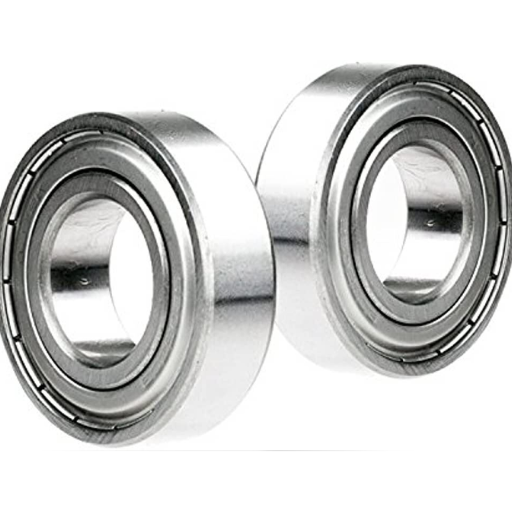
Sealed bearings help in the protection of several aspects which makes them useful for a lot of applications:
- Arresting Contamination: The seal stops the entrance of any dirt, dust, or moisture into the bearing thus safeguarding cleanliness and longer operating life.
- Lowered Maintenance: Being pre-lubricated, no frequent re-lubricating is needed which lessens maintenance work.
- Dependable Functionality: Even under difficult conditions, sealed bearings provide more dependable performance as secured lubrication improves dependable bearing performance.
- Reliability: Due to the Increased protection offered by the seals, the bearings’ efficiency is further enhanced and hence can withstand demanding conditions.
How Sealed Bearings Offer Protection Against Contaminants
Being easy to identify and prevent abrasives like dust, dirt, and moisture sealed bearings defend against steam and vapors which makes them reliable for smoother overall operation and even longevity. This is beneficial for industrial machines which have to bear outer shocks from every side. In profound industrial applications, they need to be applied constantly owing to their capabilities for combative surroundings where they are often exposed.
Today, sealed bearings make use of labyrinth seals and contact seals to protect the bearing’s internals. One study notes the use of sealed bearings can reduce contamination failure issues by as much as 80%, significantly improving a piece of machinery’s operational longevity. The addition of high-performance synthetic lubricants also placed within the seals ensures smoother operation while protecting the bearing from harmful contaminants. Because of these benefits, sealed bearings are optimal for use in manufacturing, automotive, construction, and other fields that face heavy dirty environmental conditions.
The Role of Bearing Seals in Extending Bearing Life
The life of the bearing can be significantly improved due to the bearing seals prolonging the life of the internal elements by preventing the ingress of contaminants such as dirt, water, and other debris. Research shows improper sealing is a cause of close to half of all bearing failures suggesting the need for better seal designs. Modern bearing seals are now made of advanced materials such as nitrile rubber and fluoropolymers which are more resistant to heat and chemicals making them suitable for tougher conditions.
Seals also aid in lubrication retention and therefore control leakages outside the bearing. Research indicates that proper lubrication can reduce wear and friction by as much as 30 % which improves efficiency and reduces maintenance costs. Also, non-contact or labyrinth seals are some innovations in seal designs that are used in high-speed equipment due to reduced drag, heat production, and improved contamination control.
Aside from common uses, tailored solutions have now found more use in areas like aerospace and renewable energy where working environments may be harsh. For instance, high-speed turbines are enabled to operate reliably and continuously because advanced seal designs provide great tolerances and extreme durability. In this way, businesses incorporate cutting-edge seal technology that reduces downtimes, enhances equipment longevity, and improves cost efficiency in the long run.
Why Bearing Maintenance Is Reduced with Sealed Bearings
By using sealed bearings, maintenance requirements are greatly reduced due to protective features that guard the internal cavity from external pollutants like dust, dirt, and moisture. While open or shielded bearings are open to the environment, sealed bearings have added seals at both ends which block external contaminants from accessing the bearing assembly. This design not only limits the possibility of internal and external damage but also reduces lubrication, which is critical in maintenance activities.
Industry studies show that operational service intervals may be lapped by 50% with the use of sealed bearings, depending on the operational condition. An instance would be the sealed ball bearings used in industrial machinery which have been shown to operate efficiently for thousands of hours without additional lubrication. This increases efficiency, which lowers operating costs because labor and downtime associated with servicing the bearings are minimized. In addition to this, the new materials used to seal modern bearings are advanced and offer added durability and reliability while retaining thorough performance during extreme conditions such as high humid and hot temperatures.
Integrating sealed bearings into equipment would allow organizations to concentrate on production rather than constantly maintaining machinery which improves productivity and saves money over time. Sealed bearings therefore become optimal for industries that require operational efficiency and longevity where these sealed bearings offer sustained benefits.
What Are the Advantages of Shielded Bearings?

Shielded bearings provide important benefits that add value in different activities including the following:
Protection from Contaminants: the shield prevents harmful particles and dust from penetrating the bearing which guarantees better functioning.
Decreased Maintenance: shielded bearings offer protection from contaminants, thus they do not need frequent washing and maintenance.
Economical: their design adapts to sustain both strong durability and easy affordability, so using them in most systems makes sense.
Greater Operational Life: shielded bearings compared to open ones have greatly prolonged operational life due to fewer harmful factors protecting them from.
How Shielded Bearings Offer Some Protection Compared to Open Bearings
In any case, shielded bearings are a realistic option for various applications since they deliver better protection from outside contaminants than open bearings do. The design of shielded bearings incorporates rubber or metal shields that cover the bearing rolling parts, leaving a small gap to reduce friction. Such arrangements help stop the intrusion of dust, debris, or moisture that can enter and disturb the internal workings of the bearing.
Shielded bearings offer a reduction in maintenance service intervals because of their unique features. One of the most mechanical studies reveals that shielded bearings can improve the operational lifespan by as much as 25% in environments laden with contaminants. Open bearings are susceptible to various external factors and are likely to wear out and fail in a short period. On the other hand, shielded bearings outlast open bearings because of the protective barrier placed around them. This improves longevity, decreases downtime, and lowers repair expenses over time.
The lubricating grease placed in shielded bearings has been proven to last for extended durations. By blocking contaminants, shielded bearings prevents grease degradation which remains an issue in open bearings. This helps improve durability and efficiency in a wide array of systems. For instance, when exposed to contaminated environments, shielded bearings outperform open bearings in extremely dusty applications that involve high concentrations of minute particulate matter.
Although they do not provide as much of an internal protective seal as sealed bearings, shielded bearings strike a useful compromise between protection and practicality and are therefore a preferred option in applications where moderate shielding is required.
The Metal Shield in Shielded Bearings
The metal shield in shielded bearings is meant to safeguard the internal parts of the bearing from external contaminants like dust, dirt, and moisture. Usually consisting of sturdy metals like stainless steel, this guard is attached to the outer ring of the bearing, reaching the inner ring without touching it. As such, the bearing can still rotate freely, and only a minimal amount of debris can enter.
Newer shield designs have enhanced performance markedly. Studies show that modern metal shields outperform open bearings by restricting particulate ingress by as much as 80% under standard industrial conditions. This not only results in enhanced bearing life, but also decreases operational delays and maintenance expenses for the equipment. Also, the metal shield’s performance in harsh working conditions, such as high humidity or chemical exposure, is enhanced due to the addition of corrosion-resistant materials.
When examining data from industrial settings, shielded bearings with enhanced metal shields outperform unshielded counterparts by 30-40% efficiency retention over time. This makes them particularly suitable for moderate to severe contaminant environments, where dependability and cost-effectiveness are critical. These metal shield bearings alongside the unshielded bearings’ innovative design requires new technological advancements to adapt to industry dynamics, showing how the integration of novel sealing technologies is changing bearing design.
Applications Where Shielded Bearings Are Often Used
The versatility of shielded bearings stems from their longevity, dependability, and reliable functioning in demanding environments. They are used in many industries. Below are some common uses for shielded bearings with relevant information.
- Automotive Industry
In the automotive sector, shielded bearings are used in alternators, water pumps, and other components of automobiles. Their capability to resist contamination while performing under severe temperatures and speeds is unprecedented. Shielded bearings are proven to outperform unshielded bearings by 30% in terms of lifespan in automotive machinery.
- Agricultural Equipment
Farming equipment like tractors and harvesters work tirelessly in dusty and wet conditions. Shielded bearings help to avoid debris clogging which reduces maintenance. These bearings are reported to decrease overall downtime by 25% according to industry data.
- Industrial Machinery
Conveyors, compressors, and other heavy-duty machines also need shielded bearings. These types of bearings increase operational reliability by 40% because of their advanced sealing technologies, which also increase lifespan in high-contaminant working environments.
- Electric Motors and Generators
These bearings have found extensive applications in electric motors and generators in businesses and factories. The seals prevent dust and other contaminants from reaching moving parts that need to turn freely and frictionlessly. Studies suggest there is a 20% increase i overall efficiency and lifespan of motors when shielded bearings are used.
- Construction Equipment
The operation of machines such as excavators, loaders, and cranes requires bearings that can work in dirty and abrasive environments. The use of shielded bearings results in lower maintenance which is beneficial in reducing overall costs and some manufacturers estimate these savings to increase up to 35% in regards to part replacements.
- Food Processing Industry
The sanitary seals of the bearings are indispensable elements in food-grade machines since an unclean bearing can pose a severe sanitation problem. While maintaining high levels of performance, shielded bearings have a clean and safe solution. Their operational use is compliant with extra ordinary international regulatory requirements.
The distinctive features of shielded bearings allow a wide range of uses. Their multi-purpose application testifies to the ability of industry-specific problem solving which assures reliable operations at minimized maintenance and reduced operating cost.
When Should You Choose Open Bearings?
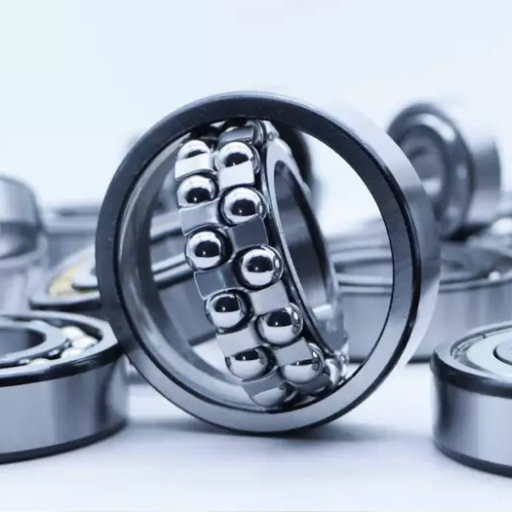
Open bearings are best when the lubrication needs to be done often and is easy to reach. Open Bearings solutions work best in environments that are orderly and clean and free from contaminants such as dust and moisture. These types of bearings are suitable and friction is a major concern as well as ease of maintenance.
The Right Bearing for High-Speed Applications
Bearings suited for high-speed applications need to pay attention to some characteristics and parameters so that optimal performance is achieved while also remaining durable. The following outlines important points bearing in mind:
High-Speed Capacity
High-speed bearings tend to be associated with higher rates of friction and heat, which can be detrimental. This is because stronger rotational forces will bog down angular contact ball bearings and ceramic hybrid bearings.
Requirement of Lubrication
There are necessary oils and greases which are aimed for ultra-high functions, these will make sure that no overheating or excessive abrasion happens to the bearings.
Load Therapeutic Capacity
Supportable axial and radial loads must be kept effortless for high-speed bearings, which adds guidance of speed. Performance issues can be avoided by using the right load ratings when fitting loads.
Precision and Accuracy
High-speed applications usually need outstanding precision and accuracy. Bearings of higher grades such as ABEC-7 or ABEC-9 where the dimensions are tightly controlled exhibit less vibration and better stability at high speed.
Choice of Materials
Modern materials increase the durability during high-speed operations while decreasing the mass, for example, ceramic or high-grade steel. Take, for example, ceramic balls: in comparison to steel balls, these are lighter and do not produce as much heat.
Sealing Mechanisms and Removing Contaminants
In order to maintain high operational performance the bearings have to be protected against contamination. The shielded or sealed types can restrict dust, debris, and other particles from entering the bearing assembly.
Research and Development
Test and evaluate the bearing under specific conditions for high-speed applications, for example measuring the maximum RPM, temperature limits, and lifetime under constant operation.
Precisely taking into account all the above-explained factors will help meet the requirements of your application and maintain dependable and efficient operation in extremely high-speed conditions.
How Bearings Are Exposed to the Environment
Bearings, like any moving machine component, undergo wear and tear over time and need to be replaced. They are often vulnerable to several external elements that can impact their bearing-related performance and lifespan. Environmental contamination is a crucial issue, in which particles like dust and dirt are capable of entering the bearing and creating some damage. In addition, moisture and water can cause rust or corrosion to form on the bearings, especially those made of standard steel. Extreme temperatures are an issue as well; excessive heat can cause lubrication to degrade while expansion of materials occurs. Equally problematic is freezing, which results in brittle parts that lack function.
Furthermore, bearings in the more chemically aggressive environments typical of certain industries must defend themselves from exposure to corrosive substances. Special materials like stainless steel or ceramic along with advanced coatings are usually used for these sorts of purposes. It has been shown that effective sealing systems, including labyrinth or contact seals, can restrict contaminant ingress by as much as 70%, greatly improving bearing life. Regular maintenance procedures along with custom lubrication, depending on the working environment, are crucial for underpinning enhanced performance.
Understanding the Need for Regular Maintenance
The industrial equipment used in a venture requires regular maintenance to be effective and long-lasting. Maintenance is optimized in organizations, choosing to upkeep industrial tools proactively as opposed to reactively. Proactive maintenance enables organizations to reduce overall downtime by 25%. Predictive maintenance is another strategy employed which uses condition-monitoring tools like temperature sensors and vibration analyzers to foresee problems that can escalate due to neglect. Bearings and other rotating devices exhibit wear and tear which can be detected early, subsequently saving time and money.
Installation of lubricating systems helps manage lubrication for industrial machines. Industries adopting systematic lubrication management have recorded up to 40% lowering of bearing breakdowns. Proper lubricants designed specifically to the operating environment of industrial tools will assist in limiting friction, curtail wear and tear, and prevent overheating. Inspections together with scheduled adjustments and part replacements extend the industrial machines’ life while reducing unexpected breakdowns.
Planned maintenance changes directly improve the performance parameters of industrial equipment in addition to reducing their cost of operation in the long term. Optimized productivity enables enterprise systems to function faster and makes industrial systems more efficient.
How to Decide Between Sealed Bearings vs Shielded Bearings?

When you weigh the pros and cons of sealed versus shielded bearings, think of the unique functions of your application:
- Sealed Bearings: Sealed bearings are best for environments with heavy contamination, such as dirt, moisture, or debris. The seal offers protection that keeps the lubricated components clean. They are usually maintenance-free but do have slightly higher friction.
- Shielded Bearings: Shielded bearings are better suited for cleaner environments. They offer moderate protection from contaminants and are meant for applications where direct lubrication is possible. They tend to have lower friction and easier maintenance.
Use sealed bearings for harsher environments where long-term reliability is critical. Use shielded bearings where lower friction and easier accessible lubrication are prioritized.
Comparing Sealed Bearings and Shielded Bearings for Different Needs
As with seal bearings and shielded bearings, each has their specific benefits that can be best suited to the needs of an application. The sealed bearings, as its name suggests, are constructed to prevent the intrusion of contaminants such as dirt, dust, and moisture. This makes these bearings desirable in more harsh Australian industries like construction and agriculture. Research indicates tuned sealed bearings can prolong the life of equipment by lowering the chances of lubricant contamination by off-opname removal, ensuring consistency over time. These are, however, less appropriate for situations in which regular maintenance and lubrication are a must because the seals will need to be removed which can be difficult.
<|image_sentinel|>A shielded bearing has metal shields that provide some protection from dirt, dust, and other contaminants. These bearings are better suited for applications where the cleanliness requirements are not as strict, such as in robotics, machine tools, and precision equipment. When it comes to friction, shielded bearings are more efficient as they have lower operating temperatures and improve overall efficiency. Studies show that they are best used in high-speed applications due to the low friction and heat generation that ensures peak performance. However, their protection from seals makes them less appropriate in heavily contaminated or wet environments.
Choosing the right bearing style typically requires careful consideration of contamination, accessibility for maintenance, and operational efficiency. In these scenarios with high contamination and little maintenance, controlled environments are ideal for sealed bearings, while cleaner environments where frequent servicing occurs would be best suited to shielded bearings.
Understanding the Seals on Sealed Bearings
As the name suggests, sealed bearings have seals that are supposed to act as an effective barrier to some outside factors like dust, dirt, and moisture. These seals entail two major categories: contact seals and non-contact seals. The contact seal type touches the bearing’s inner ring. While this form of sealing is ideal in heavily contaminated surroundings, contact seals produce friction which can reduce operational efficiency and speed. The non-contact type which does not touch the inner ring of the bearing gives better results in speed, but not as much protection.
Technology has greatly developed sealed bearings over the years. For instance, seals are made of tough elastomers able to withstand extremely high or low temperatures, and a multitude of chemicals that guarantee durability in harsh handovers. Other engineered structures such as labyrinth seals or double-lip seals are now almost always used to make an opposite side clearance and reduce any form of resistance enabling smoother movement.
As the seal choice case reveals, applications dictate seal selection. As an example, in heavy equipment operating in dusty environments, contact seals can improve bearing life by as much as 40% relative to non-sealed options. In high-speed applications, on the other hand, non-contact seals enhance efficiency by as much as 25% through reduced frictional losses. These demonstrative examples stress the importance of performance and endurance improvement in numerous systems used in different industries and mechanical systems.
Factors to Consider When Choosing the Right Bearing
Choosing the right bearing for your application needs precise attention to several factors that will influence performance and efficiency. Following are the key factors as well as information to assist you with your decision-making:
- Load Capacity
- The bearing needs to support the particular load scope in your application whether it is radial, axial, or combined load.
Example Data: Roller bearings bear very heavy radial loads while angular contact bearings perform better with combined axial and radial loads.
- Speed Requirements
- Operational speed will definitely influence bearing selection since higher speeds require specific configurations due with increased heat generation.
Example Data: Regarding high-speed applications, Deep groove ball bearings have a maximum speed of 1,200,000 dN which is exceptionally high.
- Operating Environment
- Factors like temperature, dust, moisture, and chemically active substances must be factored in when choosing the materials and type of seals used.
Example Data: Contact-sealed stainless steel bearings perform well in harsh corrosive environments, whereas clean non-sealed bearings perform well in clean and non-contaminated environments.
- Lubrication Needs
- Friction and wear are common problems with bearings that impact their performance, hence, require them to be properly lubricated. Bearings must be chosen by lubrication strategies, grease, or oil.
Example Data: Bearings that are pre-lubed require little maintenance in low-load systems while high-load systems are best suited for automated oil lubrication.
- Misalignment Tolerance
- To accommodate shaft deflection or misalignment, the application use case needs to have specially crafted advanced bearings.
Example Data: Spherical roller bearings can support operating misalignment angles up to 3 degrees.
- Life Expectancy (L10 Life)
- Bearings must meet the projected operational life expectancy based on application load and speed requirements.
Example Data: With proper installation and maintenance, bearings plus other operating components can achieve up to 50,000 hours of operation.
- Mounting and Maintenance
- Balance operational downtime and cost with installation ease and maintenance frequency.
Example Data: Split bearings offer time savings of up to 30% during installation and replacement in tight spaces compared to standard bearings.
- Cost Efficiency
- Meeting functional needs without going over budget achieves cost-efficiency.
Example Data: Custom-designed bearings are expensive but tailored to specific requirements, while standard catalog bearings are economical for generic applications; custom-designed ones offer enhanced efficiency.
Consider these factors and supporting data to create a reasonable combination of performance, durability, and cost specific to the recommended application.
Reference Sources
-
Highly Extended Life of Transmission Bearings of “Sealed-Clean” Concept:
- Focuses on the performance of “Sealed-Clean” bearings, which feature special rubber seals on both sides.
- Demonstrates that sealed bearings last significantly longer than open-type standard bearings under similar conditions.
- Methodology includes comparative testing of sealed and open bearings under various operational environments.
-
The Open Mechanical Engineering:
- Discusses the sealing properties of mechanical seals and their impact on bearing performance.
- Highlights factors such as heat flux density and friction in sealed systems.
- Methodology involves analytical modeling of sealing properties and their influence on bearing wear.
-
- Explores advancements in bearing and seal technology, including the impact of sealing on power loss and turbulence.
- Provides insights into the trade-offs between sealed and open bearings in high-speed applications.
- Methodology includes experimental analysis of bearing performance under varying sliding speeds and sealing conditions.
- View Angular Contact Ball Bearings Manufacturers in China – Amigo details to get into the details
Frequently Asked Questions (FAQs)
Q: What are the main differences between sealed and open ball bearings?
A: The main differences between sealed and open ball bearings lie in their design and protection. Sealed bearings have seals on both sides that prevent contaminants from entering the bearing and keep the lubricant inside the bearing. Open bearings, on the other hand, have an open side that allows for easier maintenance but requires more frequent lubrication and cleaning.
Q: What are the disadvantages of sealed ball bearings?
A: The disadvantages of sealed ball bearings include increased heat generation compared to sealed bearings and a potential reduction in the operating speed of the bearing due to the seals. Additionally, once the lubricant inside the bearing is depleted, the entire bearing often needs to be replaced, unlike open bearings which can be re-lubricated.
Q: Do sealed bearings require maintenance compared to open bearings?
A: Sealed bearings generally require less maintenance compared to open bearings because the seals protect the lubricant inside the bearing and prevent contaminants from entering the bearing. However, they cannot be re-lubricated, which means they must be replaced once the lubricant is exhausted.
Q: What are the main advantages of shielded bearings?
A: The main advantages of shielded bearings include protection against moderate contamination and the ability to maintain the lubricant inside the bearing better than open bearings, making shielded bearings ideal for applications with moderate exposure to contaminants. They also offer a balance between protection and operating speed.
Q: How does the outer ring of the bearing affect performance in sealed vs open bearings?
A: The outer ring of the bearing in sealed bearings is typically designed to accommodate the seals, which helps in keeping contaminants out and lubricant in, enhancing the bearing’s longevity. In open bearings, the outer ring does not have seals, which allows for higher operating speeds but increases the need for regular maintenance to ensure optimal performance.
Q: At what speed do sealed bearings operate compared to open bearings?
A: Sealed bearings generally operate at a lower speed compared to open bearings due to the friction created by the seals on sealed bearings. This friction can limit the maximum speed at which the bearing can operate efficiently.
Q: Why are sealed bearings ideal for certain applications?
A: Sealed bearings are ideal for applications where the bearing is exposed to high levels of contaminants or where maintenance access is limited. The seals on sealed bearings create a barrier that protects the lubricant and prevents contaminants from entering the bearing, ensuring reliable performance in harsh environments.
Q: Do shielded bearings require less maintenance compared to open bearings?
A: Yes, shielded bearings generally require less maintenance compared to open bearings. The shields help to keep contaminants from entering the bearing while retaining the lubricant inside the bearing, reducing the frequency of lubrication and cleaning needed.
Q: Are there any differences between sealed and shielded ball bearings?
A: Yes, there are differences between sealed and shielded ball bearings. Sealed bearings have seals that completely enclose the bearing, offering superior protection against contaminants and leaks. Shielded bearings have metal shields that offer moderate protection while allowing for higher operating speeds compared to sealed bearings.
Q: What factors should be considered when choosing between sealed vs open bearings?
A: When choosing between sealed vs open bearings, consider factors such as the level of contamination in the environment, maintenance accessibility, operating speed requirements, and the lifespan of the lubricant inside the bearing. Sealed bearings are preferable in dusty or dirty environments, while open bearings may be better suited for applications where frequent maintenance is possible.